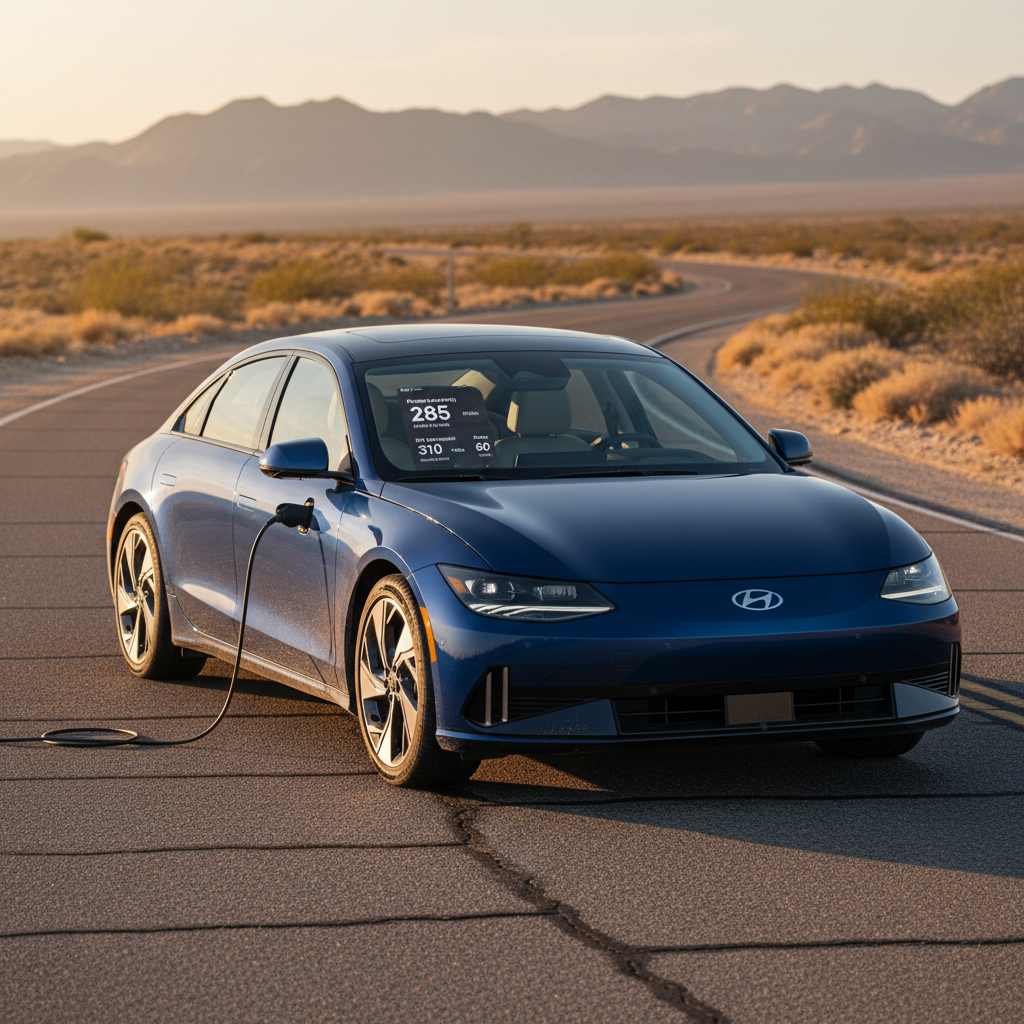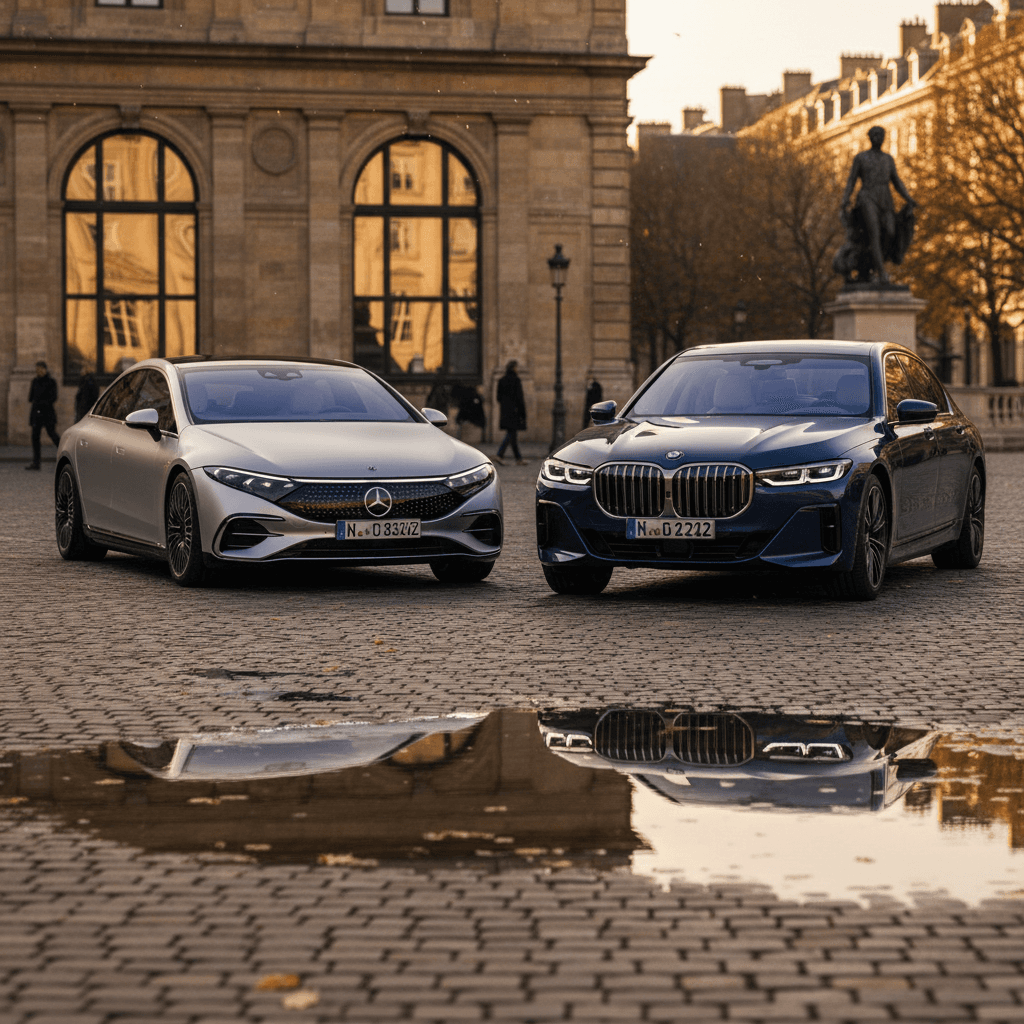
If you’re cross-shopping the Mercedes EQS vs BMW i7, you’re not just buying an EV, you’re choosing a flagship luxury experience that happens to be electric. Both cars promise limo-grade comfort, cutting‑edge tech, and serious performance, but they deliver those things with very different personalities. This guide walks through specs, range, comfort, charging, costs, and used‑market realities so you can decide which luxury EV actually fits your life.
Model years this guide focuses on
Mercedes EQS vs BMW i7: who are these cars for?
Mercedes EQS: the electric S‑Class comfort pod
The EQS is Mercedes’ first dedicated electric flagship sedan. It’s built on a bespoke EV platform and tuned first and foremost for quiet, isolated comfort. Think soft air suspension, cocoon‑like cabin, and a distinctly "Mercedes" approach to luxury. If you want a serene, almost yacht‑like ride and you prioritize the back seat as much as the driver’s seat, the EQS is aimed at you.
BMW i7: the driver’s luxury EV limousine
The i7 is the all‑electric version of BMW’s latest 7 Series, meaning it shares much of its structure, cabin, and presence with the gas cars. BMW leans harder into driver engagement and tech theatrics: sharper steering feel than the EQS, bolder exterior styling, and available show‑stoppers like the 31‑inch rear "Theatre Screen." If you plan to drive yourself most of the time, and still spoil rear passengers, the i7 is the one to beat.
Headline numbers: BMW i7 vs Mercedes EQS (typical U.S. trims)
Core specs: Mercedes EQS vs BMW i7 at a glance
Core specs comparison (representative trims)
Representative specs for common U.S. trims you’ll see in the used market: Mercedes EQS 450+/450 4MATIC/580 and BMW i7 eDrive50/xDrive60/M70. Always verify exact numbers for the specific car you’re considering.
| Model & trim (typical) | Battery usable (kWh) | EPA range (mi) | Drivetrain | 0–60 mph (sec) | Peak DC charge (kW) |
|---|---|---|---|---|---|
| Mercedes EQS 450+ | ~108 | up to ~350 | RWD | ~5.9 | up to ~200 |
| Mercedes EQS 450 4MATIC | ~108 | high‑200s to low‑300s | AWD | ~5.3 | up to ~200 |
| Mercedes EQS 580 4MATIC | ~108 | mid‑300s (best case high‑200s+ in U.S.) | AWD | ~4.1 | up to ~200 |
| BMW i7 eDrive50 | 101.7 | upper‑200s to low‑300s | RWD | ~5.3 | up to ~195 |
| BMW i7 xDrive60 | 101.7 | roughly 300+ in optimal spec | AWD | ~4.5 | up to ~195 |
| BMW i7 M70 | 101.7 | mid‑ to high‑200s | AWD | low‑3s | up to ~195 |
Specs vary by wheel size, options, and model year; treat these as ballpark guides, not absolute values.
Specs are moving targets
Range and efficiency: which goes farther in the real world?
On paper, Mercedes EQS range and BMW i7 range land in a similar neighborhood, but how they deliver that range, and how sensitive they are to speed and climate, can feel different behind the wheel.
- EQS sedans with the larger ~108 kWh battery and rear‑drive 450+ configuration can post some of the strongest EPA ratings in this segment, especially on efficiency‑oriented wheels.
- BMW’s 101.7 kWh pack in the i7 is slightly smaller on paper, but BMW’s software and aero tuning make the car surprisingly competitive in mixed driving, especially in eDrive50 form.
- Performance trims, EQS AMG and i7 M70, sacrifice some range for power and big wheels. If you care about long legs, focus on the lower‑output trims.
How to think about range in daily use
Charging performance and road-trip usability
Neither the EQS nor the i7 is a charging benchmark like a modern Tesla, but both sit in the top tier of legacy‑luxury EVs. They share broadly similar DC fast‑charging capability, but their behavior on real networks is what matters.
Fast‑charging: what matters beyond the kW number
On a real road trip, consistency and planning beat brochure specs.
Mercedes EQS charging traits
- Uses a ~400V architecture with peak DC rates around 200 kW.
- Often delivers its best speeds between roughly 10–50% state of charge, then tapers.
- Mercedes’ navigation with charging integration has improved, but still isn’t as polished as Tesla’s, expect to rely heavily on third‑party apps.
BMW i7 charging traits
- Also built around ~400V hardware; peak DC charge rates live in the mid‑190 kW range.
- BMW’s charge curve tends to be fairly consistent; you’ll see strong power up into the mid‑state‑of‑charge band before it eases off.
- BMW’s route planning with charging stops is mature and generally intuitive, especially if you’re used to iDrive.
Road-trip checklist: EQS and i7 owners
Confirm network coverage on your routes
Before a long trip, check CCS coverage along your route using apps like PlugShare or your network of choice. Both EQS and i7 rely on CCS in the U.S. until NACS adapters become widespread.
Update navigation and charging software
Software updates matter. Make sure your EQS or i7 is on current firmware so charging route planning, station compatibility, and pre‑conditioning for fast chargers work properly.
Practice one full fast‑charge session locally
Run the car from ~10–15% to ~60–70% at a local DC fast charger. You’ll learn how the car ramps, tapers, and how long you’re realistically stopped on a trip.
Learn how to enable battery pre-conditioning
Both cars can pre‑heat or pre‑cool the pack before a fast charge, drastically improving initial charge speed, especially in winter.
Comfort, space, and in-cabin experience
This is where the personalities truly diverge. The numbers only tell part of the story; what you feel over a broken city street at 30 mph tells the rest.
Mercedes EQS: soft, isolated, almost too quiet
- Ride and NVH: Air suspension and extensive sound deadening create an extremely isolated feel. Many owners describe it as more detached than a traditional S‑Class, great if you want to be left alone with your thoughts.
- Seats and ergonomics: Plush, deeply adjustable seats with optional massage, but the swoopy cab‑forward design can make front visibility feel a bit unusual at first.
- Back seat: Generous legroom and excellent comfort, though the sloping roofline eats into rear headroom compared to the i7.
BMW i7: lounge-like, with a driver focus
- Ride and NVH: Still very quiet and refined, but BMW leaves a bit more road feel in the mix. It feels like a traditional 7 Series that happens to be electric.
- Seats and ergonomics: More upright seating, classic BMW driving position, and firm‑supportive seats rather than pillow‑soft. Many drivers prefer this on longer trips.
- Back seat: Truly limo‑grade with available reclining Executive Lounge seating and, in some trims, the dramatic rear "Theatre Screen." Taller passengers will generally be happier here than in the EQS.
Cabin comfort verdict
Tech, driving dynamics, and autonomy features
Both cars are rolling tech showcases, but they embody different philosophies. Mercedes leans into a futuristic glass‑cockpit vibe; BMW layers its tech on top of a more familiar luxury‑sedan template.
Technology & driving experience: EQS vs i7
Screens, software, and how they actually drive.
Digital cockpit & UX
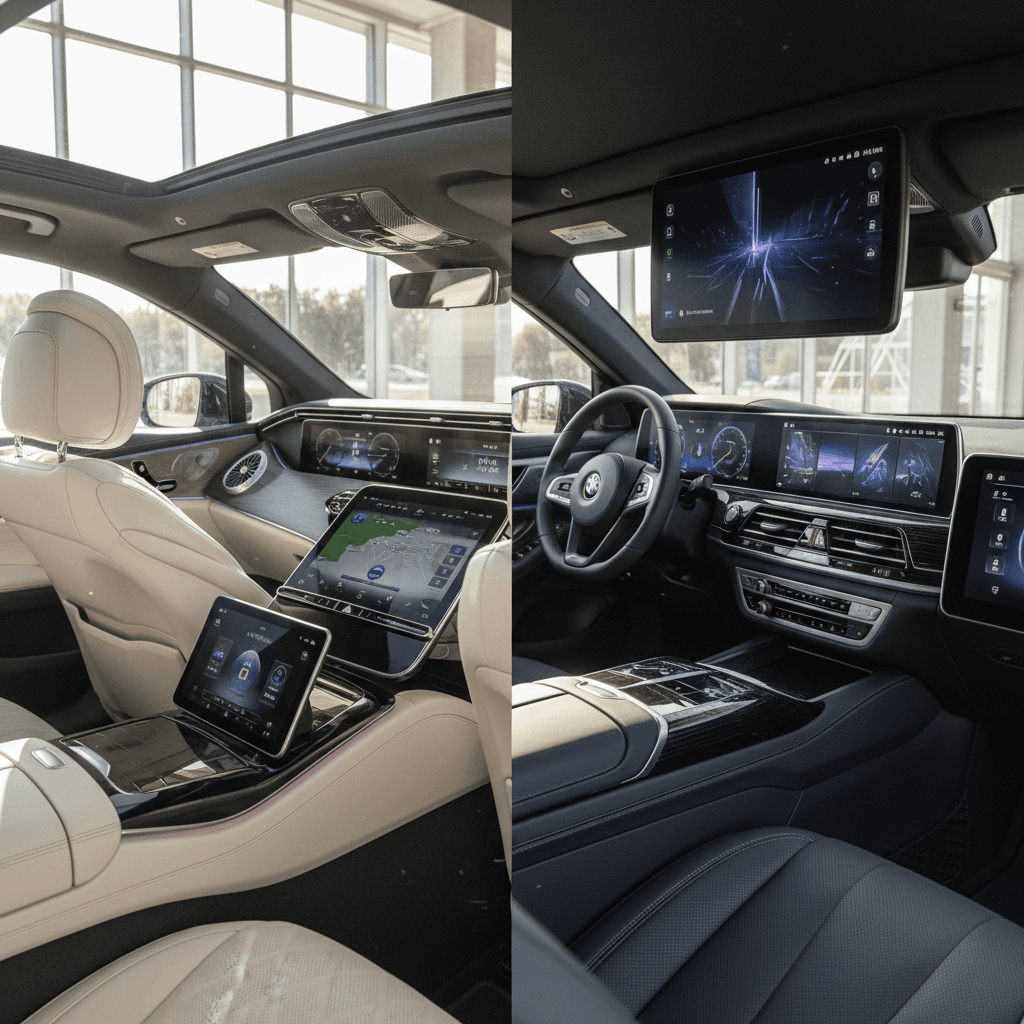
Mercedes EQS: The optional (and often standard on higher trims) MBUX Hyperscreen stretches across the entire dash, delivering a "wow" factor and deep configuration options, but also a learning curve.
BMW i7: Uses BMW’s Curved Display and iDrive 8/8.5. Less theatrical than Hyperscreen but easier to live with for many drivers, especially if you’ve owned recent BMWs.
Driving feel
EQS: Prioritizes smoothness over sharp feedback. Steering is light, acceleration effortless but somewhat filtered. Rear‑axle steering makes it surprisingly nimble in tight spaces.
i7: Feels heavier but more connected. Strong, linear power delivery and more communicative steering. Still not a sports sedan, but clearly tuned by a company that cares about driving dynamics.
Driver assistance
Both offer robust Level 2 systems (adaptive cruise, lane centering, automatic lane changes in some configurations) and extensive safety suites. Real‑world performance is similar: very good, but not on the level of the best hands‑free systems on the market.
"The most important thing about any luxury EV isn’t the feature list, it’s how consistently it delivers that experience day in, day out, as software updates roll in and components age."
Pricing, depreciation, and used-market realities
Sticker prices for new EQS and i7 sedans were well into six‑figure territory when they launched. By 2026, the story in the real world is all about depreciation, and that’s very good news if you’re buying used.
- New EQS sedans frequently launched with MSRPs in the low‑ to mid‑$100,000s, depending on trim and options. Heavy market pressure and Mercedes’ strategy shifts around the EQ line have driven aggressive discounts and steep used‑market drops.
- BMW positioned the i7 similarly, with eDrive50 and xDrive60 trims typically starting around the low‑$100,000s and climbing quickly with options like the Executive Lounge and Theatre Screen.
- On the used side, it’s increasingly common to see well‑equipped 1–3‑year‑old EQS or i7 sedans listing in the $60,000–$90,000 range, sometimes less for higher‑mileage cars or lower trims. That’s a huge discount on a still‑cutting‑edge EV.
How Recharged fits in
Cost factors to evaluate before you buy
Total monthly cost, not just price
Insurance, taxes, charging costs, and potential maintenance (like tires and brakes) can differ meaningfully between trims and wheel sizes. Run the math on your full monthly outlay, not just the payment.
Wheel size and tire replacement
Both EQS and i7 often ship on 20–21‑inch wheels with expensive tires. Factor in higher tire and potential wheel repair costs if your roads are rough.
Warranty status and coverage
Check remaining basic and high‑voltage battery warranties. A car that’s just inside coverage can be worth more than one that’s just out, even at the same price.
Home charging setup
Budget for a <strong>Level 2 home charger</strong> or a 240V outlet if you don’t already have one. That’s the single biggest quality‑of‑life upgrade for owning either of these cars.
Reliability, battery health, and long-term confidence
Early data suggests both the EQS and i7 have generally robust battery and drive hardware, but they’re also incredibly complex vehicles loaded with software and luxury features. That’s where most of the real‑world issues tend to crop up.
Long‑term ownership: what to watch
Both cars are engineered to last, but complexity is the enemy of perfection.
Battery and drivetrain
- Both cars use large, liquid‑cooled packs with conservative thermal management. Early signs of catastrophic battery issues are rare.
- Pay attention to DC fast‑charging history; frequent high‑power sessions at high state of charge can accelerate wear over many years.
- Ask for a battery‑health report where possible. Recharged’s diagnostics give you quantified state‑of‑health numbers, not just guesses.
Electronics and features
- Expect occasional software gremlins: infotainment glitches, sensor misbehavior, and OTA update quirks are part of the reality with both brands.
- High‑end features like the BMW Theatre Screen or complex ambient‑lighting packages in the EQS add wow factor but also more potential failure points out of warranty.
- Check every powered feature during a pre‑purchase inspection: seats, shades, soft‑close doors, driver‑assist systems, and charge‑port doors.
Avoid buying blind
Which should you buy: BMW i7 or Mercedes EQS?
There’s no universal winner in the Mercedes EQS vs BMW i7 debate. There’s only the car that best matches how you drive, who rides with you, and how you feel about design and brand.
Choose the Mercedes EQS if…
- You want the softest, quietest ride you can get in an electric sedan.
- You love Mercedes’ design language and the "electric S‑Class" vibe, especially with the Hyperscreen interior.
- Most of your driving is urban/suburban and you value isolation over sharp handling.
- You’ve found a car with strong remaining warranty coverage and a clean battery‑health report.
Choose the BMW i7 if…
- You care about driving feel and want a luxury EV that still feels like a driver’s car.
- You regularly carry tall rear passengers or use a chauffeur and need the best back‑seat in the segment.
- BMW’s tech and interface philosophy clicks with you more than Mercedes’ all‑screen approach.
- You’re okay trading a bit of visual subtlety for bold, polarizing exterior styling.
Still undecided?
- Drive both back‑to‑back over the same route, including a rough road and a highway stretch.
- Spend at least 15 minutes in the back seat of each if you ever expect to be chauffeured, or if kids and adults will ride back there often.
- Compare real examples: mileage, options, warranty, battery health, and price can easily outweigh paper‑spec differences.
How Recharged can help you compare
Frequently asked questions: Mercedes EQS vs BMW i7
Mercedes EQS vs BMW i7: common questions
At this price and prestige level, you’re not choosing between a "good" and "bad" car, you’re choosing between two different interpretations of what a flagship electric sedan should be. The Mercedes EQS leans into serene isolation and futuristic design; the BMW i7 leans into driver engagement and lounge‑like practicality. If you match the car’s personality to your own priorities, verify battery health, and buy at the right point on the depreciation curve, either can be a deeply satisfying way to go electric.