Search for “2023 Polestar 2 problems” and you’ll see two very different stories. On one side, owners who absolutely love the way it drives. On the other, people wrestling with software gremlins, connectivity hiccups, and the occasional recall notice. If you’re thinking about buying a 2023 Polestar 2, especially used, you need to know which issues are annoyances, which are fixable, and which are real red flags.
Quick take
Overview: How Worried Should You Be About 2023 Polestar 2 Problems?
The 2023 model sits in the middle of the Polestar 2 production run. By then, a lot of early bugs from 2021–2022 cars had been smoothed out, but the car was still evolving quickly via over‑the‑air (OTA) updates. That’s a blessing and a curse: many “problems” are actually software behavior that can be improved with updates, but only if the car is up to date and its connectivity module is healthy.
2021–2025 Polestar 2: Problem Patterns Owners Report
So the real question isn’t “Is the 2023 Polestar 2 a disaster?” It’s “Which issues should I expect, and how do I make sure the one I’m buying has been cared for and updated?” That’s what we’ll walk through, with a focus on used‑EV shoppers.
Big Picture Reliability: Where the 2023 Polestar 2 Stands
Strengths and Weak Spots of the 2023 Polestar 2
Mechanically stout, digitally fussy, that’s the pattern that emerges from owner reports.
Where it’s strong
- Battery & motors: No pattern of widespread pack failures or motor replacements in 2023 cars; most high-voltage issues are rare and caught under warranty via diagnostics or technical journals.
- Driving hardware: Brakes, suspension, and steering are generally well-liked, with complaints more about ride firmness than components failing.
Where it’s fussy
- Infotainment & Google built-in: Freezes, slow boot-ups, and the occasional disappearing audio or navigation function.
- Connectivity (TCAM module): LTE dropouts, the car going “offline,” or the app losing contact, sometimes tied to water ingress at the roof antenna or module faults.
If you’re test-driving a used Polestar 2
Software & Infotainment Glitches
The 2023 Polestar 2 runs Android Automotive OS with Google built‑in. It’s one of the best-looking, best-integrated systems in the segment, but that also makes it a magnet for software complaints. Owners commonly describe digital oddities long before they ever mention anything mechanical.
- Center screen freezing or rebooting mid-drive, especially when running navigation and streaming audio at the same time.
- Audio cutting out completely until the system is rebooted, even though the car is otherwise drivable.
- Driver display or maps lagging, briefly going blank, or showing temporary warnings.
- OTA updates not appearing when other owners have them, or the car insisting it’s “up to date” on an obviously older version.
Why this happens
For a 2023 car you’re considering, you don’t need to be a software engineer. You just need to verify that updates have been kept current and that the basic functions you care about, navigation, audio, climate controls, driver aids, are stable on your test drive.
Quick checks during a test drive
- Start the car and watch how fast the center screen boots.
- Open maps, start a route, then switch between apps.
- Stream music, adjust volume and EQ, and make sure audio doesn’t cut out.
- Turn the car off and back on after a stop to see if any errors pop up.
If the screen locks or glitches
- Ask the seller when the last software update was installed.
- Request screenshots or a printout of the current software version from the center display’s System → Software update menu.
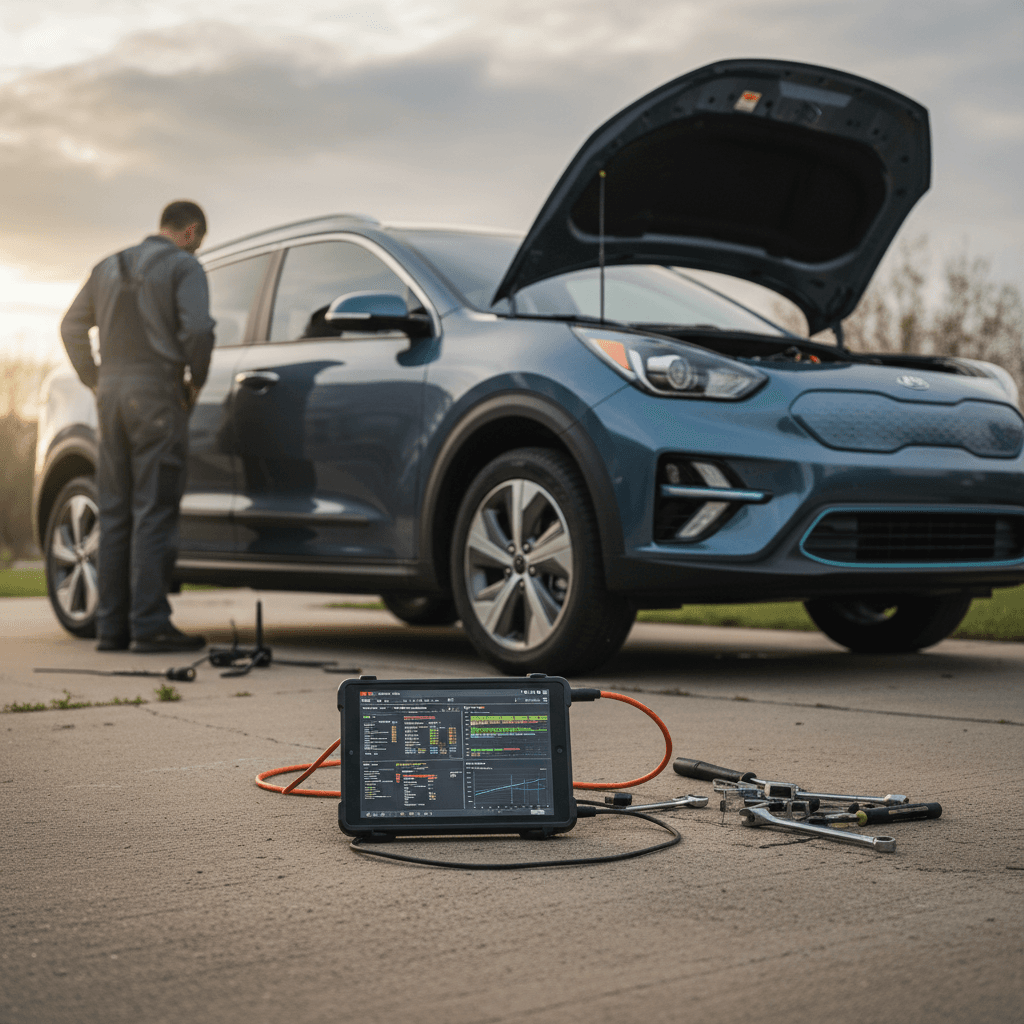
- Budget time for a service visit if you buy; many glitches are resolved with the latest software, but that means a trip to an authorized Polestar facility if OTA isn’t working properly.
Connectivity, TCAM, and App Problems
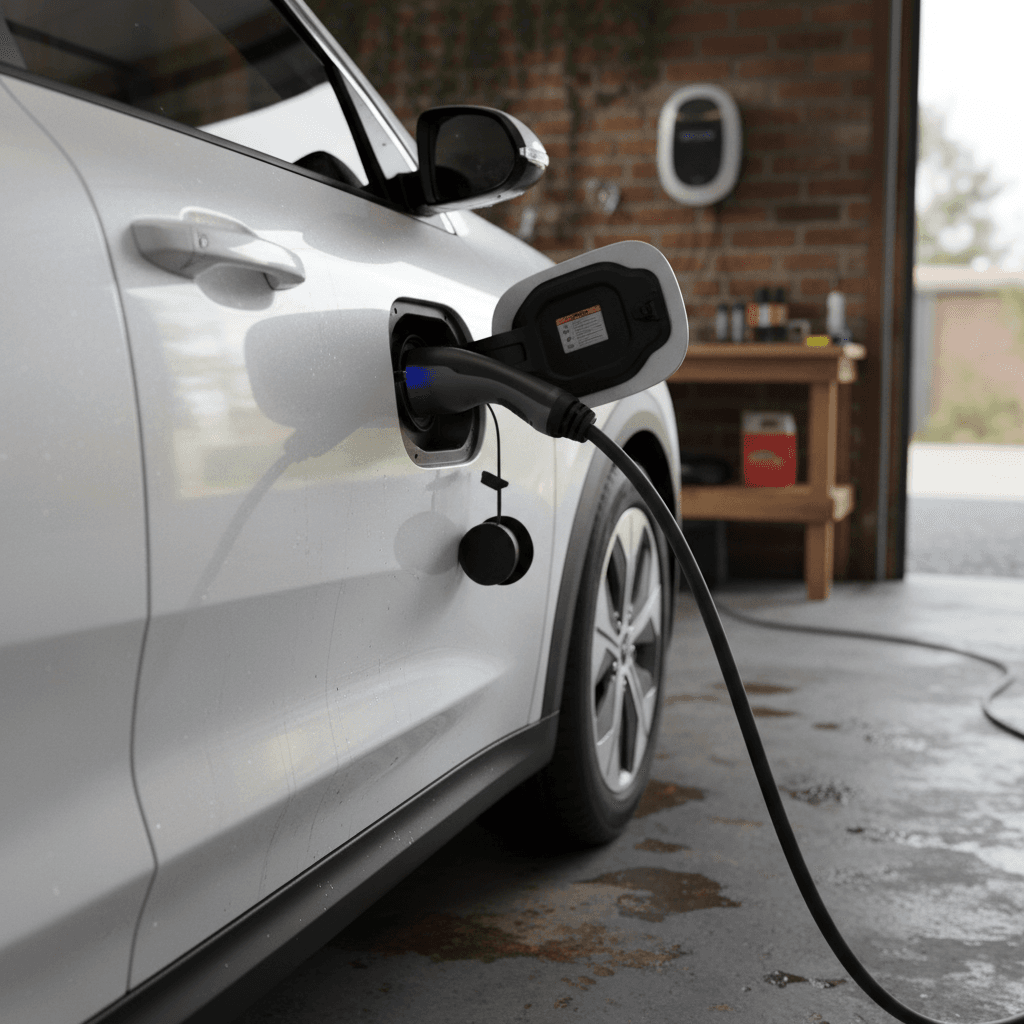
If you read through real‑world owner stories, a pattern jumps out: the TCAM (Telematics and Connectivity Antenna Module) is a frequent troublemaker across 2021–2025 Polestar 2s. It’s the brain behind LTE data, GPS, and the communication between your car and the Polestar app.
- Car shows “offline” in the app, or the app simply stops communicating.
- No LTE signal, no live traffic, and streaming services like Spotify won’t connect.
- Over‑the‑air updates never appear, even months after others get them.
- In some documented cases, water intrusion at the roof “shark fin” antenna damages connectivity hardware, requiring parts and module replacement.
Why TCAM issues matter on a used EV
For a 2023 used car, you’ll want to confirm that any prior TCAM problems were properly addressed under warranty, not just reset. Ask for service records that mention telematics, antenna leaks, or connectivity module replacements.
Battery, Charging, and Range Concerns
When people search for 2023 Polestar 2 problems, they’re often secretly asking one thing: “Will the battery hold up?” So far, there’s no evidence of widespread pack failures specific to 2023 cars. What owners report instead are scattered issues with charging behavior and range expectations.
Battery & Charging: What’s Normal vs. Problematic
Most concerns are about behavior at specific chargers, not the battery pack falling on its sword.
Normal
- Some loss of range compared with EPA numbers, especially at highway speeds or in cold weather.
- Charging speeds that ramp down as the battery passes ~60–70% state of charge.
- One network performing better than another in your area.
Annoying
- DC fast chargers that occasionally fail to start, requiring you to replug or switch stalls.
- On‑screen warnings that clear themselves after a restart, with no stored fault codes.
- App misreporting state of charge while the car is actually charging correctly.
Red flags
- Repeated “unable to charge” messages across multiple DC fast‑charging networks and cables.
- Persistent HV battery or charging‑system errors that return after resets.
- Documented power‑train or battery‑control module fault codes that recur despite prior service.
About DC fast-charging problems
If you’re serious about a particular car, try to schedule a test that includes 10–15 minutes at a DC fast charger. Watch whether the charge starts promptly, how the rate ramps, and if any warnings appear. Screenshot the charging screen or ask the seller to provide past charging history if available.
Powertrain Noises and Drivability Complaints
Technical bulletins issued for the Polestar 2 cover a handful of powertrain‑related complaints, particularly on 2023 cars. The vast majority don’t involve catastrophic failure, they involve messages and noises that unsettle owners, then send the car to the dealer for investigation.
- A technical journal addressing ticking noises during low‑speed deceleration, with work “ongoing” to define a permanent repair procedure.
- Occasional propulsion warning messages stored with battery‑control fault codes that trigger “reduced performance” modes until the car is restarted or repaired.
- Isolated reports of drivetrain shudder or vibration that require inspection of half‑shafts, mounts, or software updates to control units.
What you should listen and feel for
When you pull the vehicle history, be glad, not nervous, if you see powertrain‑related service visits with clear outcomes. A car that’s had a known issue addressed under warranty, with documentation, can be a better bet than one that’s never seen a service bay but might still be carrying early‑build quirks.
Safety Systems & Rear-View Camera Recalls
Like many modern EVs, the Polestar 2 leans heavily on its cameras and sensors. One of the most important documented problems affecting 2021–2025 Polestar 2s, including 2023, is a recall for the rear‑view camera display. In affected cars, the camera may fail to show an image while you’re reversing, flashing a “camera temporarily unavailable” message instead.
Polestar’s fix is a software remedy that keeps the high‑speed signal between the camera and the infotainment system alive continuously, and adds a reset routine in case of synchronization errors. Owners are being notified with recall letters, and the update can be applied at an authorized service facility.
How to check recall status on a 2023 Polestar 2
Beyond the camera recall, scattered owner complaints mention parking sensors behaving erratically or lane‑keeping assistance being over‑protective. Those behaviors often improve, and sometimes worsen, after software updates, which is another reason to confirm that the car’s driver‑assistance systems were checked at the last service.
Build Quality, Ride, and Everyday Niggles
The 2023 Polestar 2 doesn’t live in the same world of horror stories as some early‑build EVs. The typical complaints here are everyday annoyances more than deal‑breakers:
- Firm ride quality on rough roads, especially with larger wheels and performance packages.
- Wind or road noise more noticeable than in some luxury rivals, particularly around the mirrors or door seals.
- Occasional rattles from the rear hatch area or interior trim on rough pavement.
- Quirky one‑off behaviors, seat memories not sticking, climate controls starting in the wrong mode, that are often traced back to software and fixed in later builds.
The upside of a maturing model
Living With a 2023 Polestar 2: What Owners Report
Spend time in owner communities and you’ll notice something consistent: a lot of “I love this car, but…” stories. The “but” is rarely about being stranded on the side of the road. It’s about whether the car feels polished on the digital side.
What people love
- Confident, confident handling and strong performance, especially on dual‑motor versions.
- A cabin that feels Scandinavian and premium without being shouty.
- One‑pedal driving that many owners quickly get addicted to.
- Google built‑in navigation and voice, when it’s behaving, is excellent.
What wears on them
- The waiting game for OTA updates and the uncertainty about what each one will change.
- Having to visit a workshop for software that they assumed would arrive wirelessly.
- Chasing intermittent app or connectivity problems that seem to fix themselves, until they don’t.
How to read owner complaints
Shopping for a Used 2023 Polestar 2: Inspection Checklist
If you’re looking at a 2023 Polestar 2, you’re not just buying a car, you’re buying a snapshot of its software and service history. Here’s a practical checklist you can use with any seller, whether that’s a private party, a local dealer, or a digital retailer like Recharged.
Used 2023 Polestar 2 Buyer’s Checklist
1. Pull the recall and service history
Use the VIN to check for open recalls, especially camera and safety‑system software campaigns. Ask for printed service records that show completed updates and any TCAM, antenna, or infotainment repairs.
2. Verify current software version
From the center screen, go to Settings → System → Software update and note the version number. Ask the seller when it was last updated and whether updates have ever failed or required a workshop visit.
3. Test connectivity and the Polestar app
Pair your phone, log into the app if possible, and confirm that the car shows as online. Check live traffic in Google Maps, stream audio, and see if any part of the connected experience feels flaky.
4. Stress-test the screens
Run navigation, adjust climate, change drive modes, and use voice control. You’re watching for freezes, reboots, laggy responses, or features that mysteriously don’t work on this particular car.
5. Listen for powertrain and chassis noises
On a quiet back road, pay attention during low‑speed deceleration and gentle braking. A smooth electric whine is normal; sharp ticks, clunks, or grinding noises deserve a pre‑purchase inspection.
6. Do a short fast‑charging session
If you can, stop at a compatible DC fast charger for 10–15 minutes. Confirm the session starts easily, the rate is reasonable for the state of charge, and no charging‑system errors appear.
7. Inspect seals and roof area for leaks
Because some connectivity issues have been linked to water around the roof antenna, check for water stains in the headliner or evidence of past leaks around the shark‑fin area.
Bring a friend, and your phone
How Recharged Helps You Avoid the Worst Examples
Buying a used EV with a lot of software history can feel like reading someone else’s diary, half of it is between the lines. That’s exactly why Recharged was built around transparency and EV‑specific diagnostics instead of traditional used‑car guesswork.
What Recharged Adds When You Shop for a Polestar 2
We don’t just look at paint and tires, we look at the digital heartbeat of the car.
Recharged Score battery health report
Software & systems review
EV‑savvy experience from home
Ready to find your next EV?
Browse VehiclesIf you end up falling for a 2023 Polestar 2, your next move should be making sure you’re getting the right one. That means a clean battery bill of health, current software, and a history that shows problems were handled, not ignored.
2023 Polestar 2 Problems: FAQ
Frequently Asked Questions About 2023 Polestar 2 Problems
The bottom line: the 2023 Polestar 2 isn’t a problem child, but it is a thoroughly modern, software‑defined car. That means its biggest headaches tend to live in menus and modules rather than pistons and pumps. If you understand the common 2023 Polestar 2 problems, verify that updates and recalls are handled, and insist on clear battery‑health data, you can land a car that feels fresh and future‑ready at a used‑EV price.