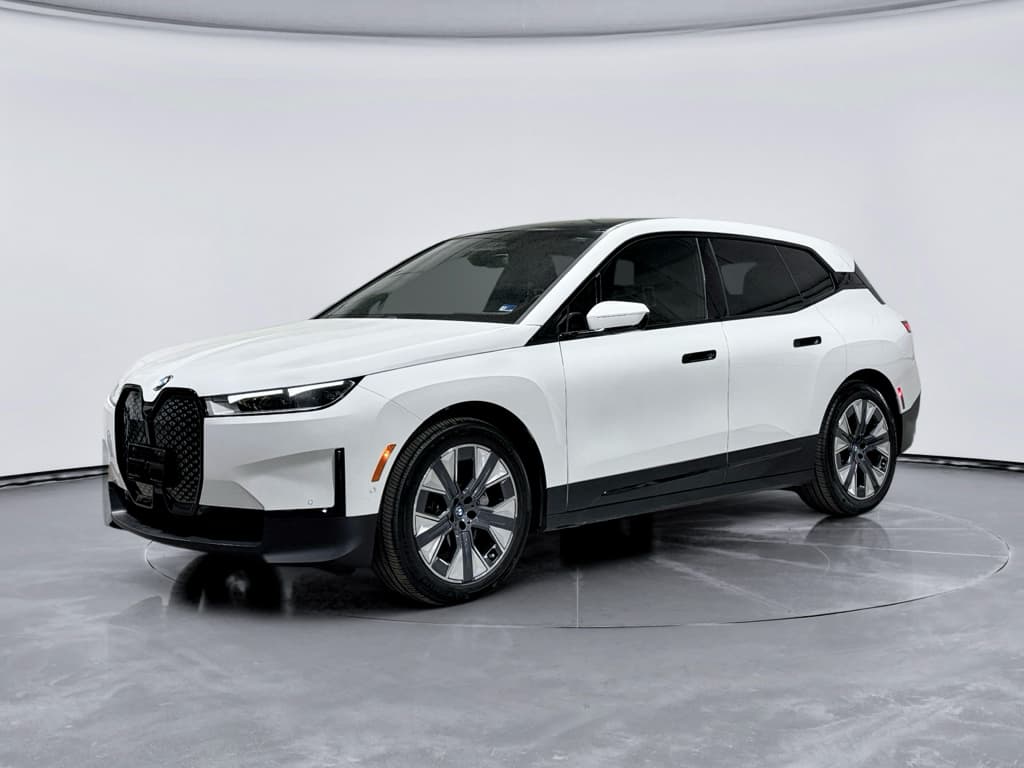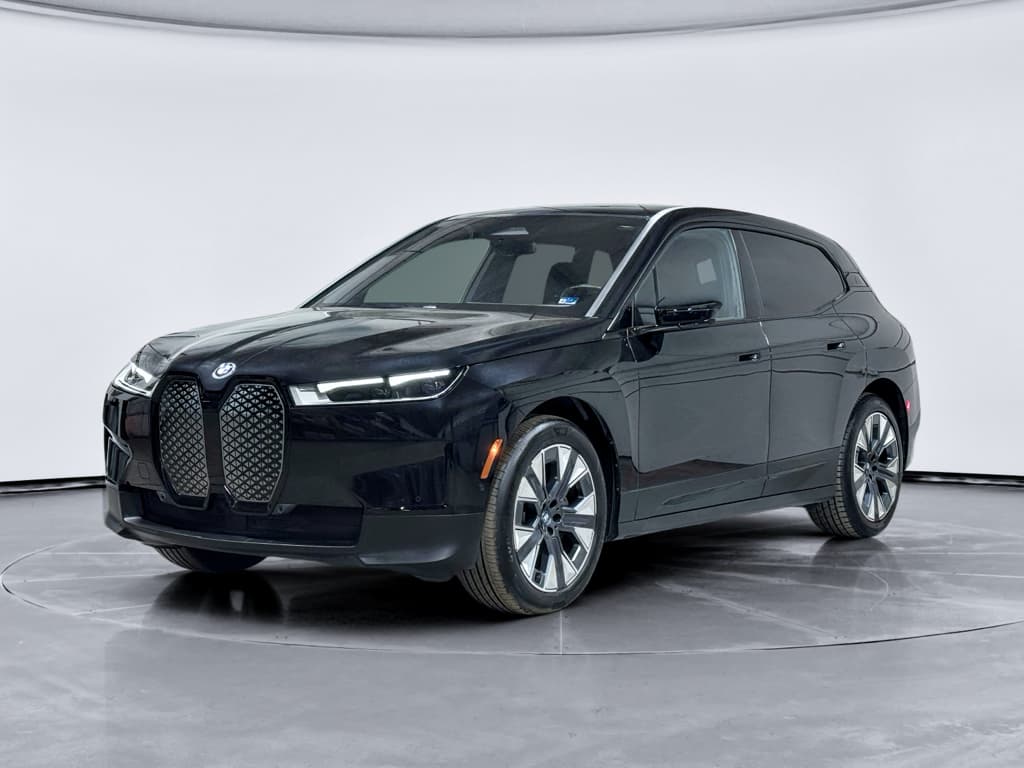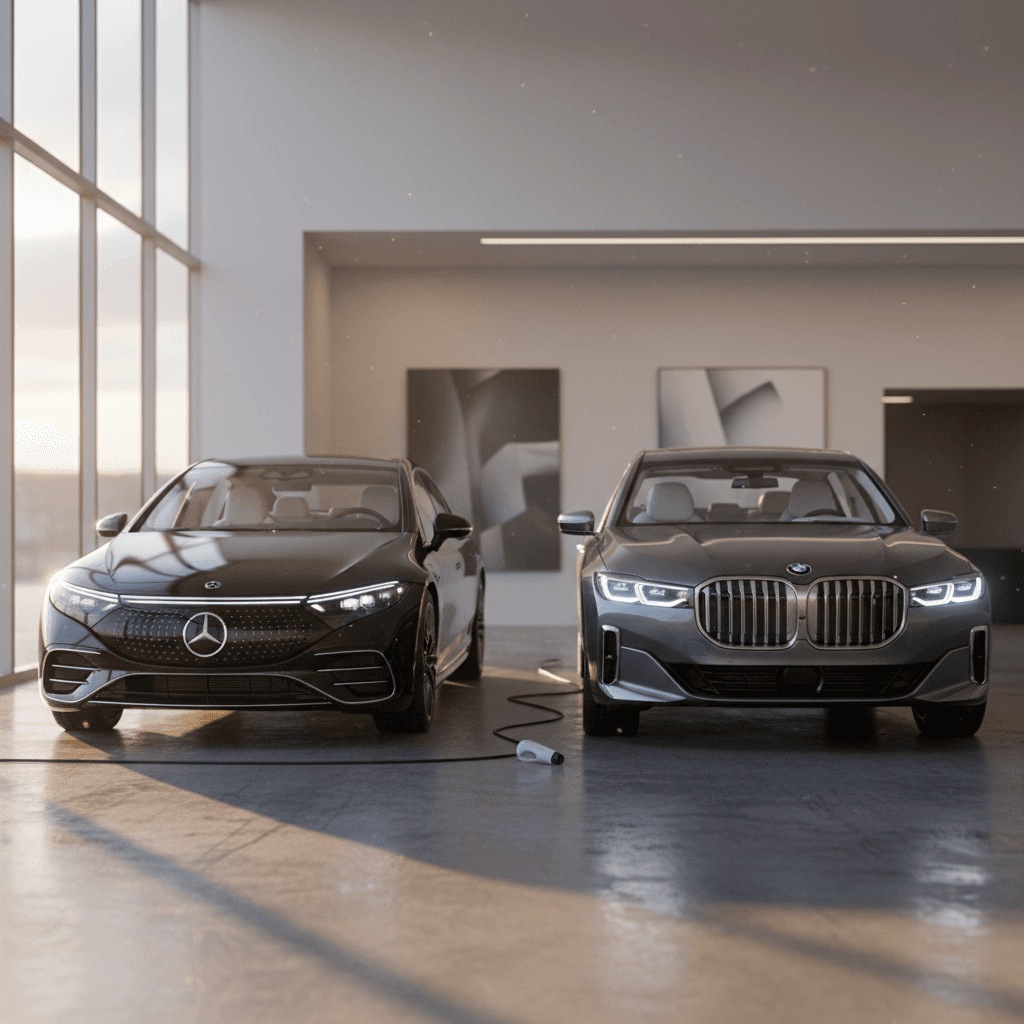
If you’re shopping flagship electric luxury, the natural question is **Mercedes EQS vs BMW i7 – which is better**? Both are six‑figure statements from German brands that built their reputations on S‑Class and 7 Series sedans. But they take very different approaches to comfort, tech, and even how an EV should feel on the road.
Two philosophies, one segment
Mercedes EQS vs BMW i7: quick overview
How these two luxury EVs differ at a glance
Think of EQS as a quiet lounge and i7 as a high‑tech business jet
Mercedes EQS: the EV cocoon
The EQS prioritizes range, smoothness, and a cocoon‑like cabin. Its cab‑forward, aerodynamic shape (drag coefficient around 0.20) and big battery give it excellent highway range for a large EV. Inside, it leans into the classic Mercedes brief: soft ride, rich materials, and a tech‑heavy Hyperscreen option that turns the dashboard into glass and pixels.
BMW i7: the driver’s flagship
The i7’s mission is to feel like a modern 7 Series first and an EV second. It offers more conventional proportions, a more planted and precise feel, and a cabin that mixes huge screens with old‑school craftsmanship. Rear‑seat space and options like the Theater Screen cater hard to chauffeured owners.
Who should skip reading and decide right now?
Key specs at a glance
Mercedes EQS vs BMW i7: core specs (typical trims)
Representative figures for common U.S. trims you’ll see new and used: EQS 450+/450 4MATIC/580 4MATIC vs BMW i7 eDrive50/xDrive60/M70 from roughly 2023–2025 model years. Exact numbers vary with wheels, options, and model year updates.
| Mercedes EQS 450+ | Mercedes EQS 580 4MATIC | BMW i7 eDrive50 | BMW i7 xDrive60 | |
|---|---|---|---|---|
| Battery (usable, approx.) | ~108–117 kWh | ~108–117 kWh | ~101.7 kWh | ~101.7 kWh |
| EPA range (best versions) | Up to ~350–360 mi | Low‑mid 300s mi | Up to ~321 mi | Mid‑high 200s mi |
| Drivetrain | RWD | AWD | RWD | AWD |
| Power (hp, approx.) | ~355 hp | ~516 hp | 449 hp | ~536 hp |
| DC fast‑charge peak | Up to ~200 kW (400V) | Up to ~200 kW | Up to ~195 kW (400V) | Up to ~195 kW |
| Length | ~205 in | ~205 in | ~212 in | ~212 in |
| Starting MSRP new (recent years) | Low–mid $100Ks | Mid–high $100Ks | Low–mid $100Ks | Mid–high $100Ks |
Always verify the exact specs for the specific car you’re considering, especially used.
Specs are moving targets
Range, battery, and charging: EQS vs i7
Range is where the **Mercedes EQS vs BMW i7** narrative often starts, and it’s one of the few areas where the EQS has a clear empirical edge. Both are heavy, blunt‑nose luxury sedans, but Mercedes pushed harder on aero and battery capacity.
Range and battery highlights
EQS: range first, efficiency focused
On paper, the EQS 450+ sedan is the range champ here, with EPA estimates that can stretch into the mid‑300‑mile territory depending on year and wheels. That’s helped by an extremely low drag coefficient and a big battery. In the real world, owners routinely report strong highway efficiency for such a large car, especially in moderate climates.
For many buyers, that extra 20–40 miles of usable highway range versus a comparable i7 is the EQS’s strongest objective selling point. If you’re terrified of sparse charging infrastructure between cities, that matters.
i7: competitive range, but not class‑leading
The i7 counters with respectable but slightly lower range figures. The rear‑drive eDrive50 trim can crack into the low 300‑mile zone in ideal spec; dual‑motor xDrive versions tend to live in the mid‑ to high‑200s. For a 7‑Series‑sized EV with plush suspension and giant tires, that’s still solid.
Where BMW narrows the gap is **predictability**. The i7’s range estimates and energy use tend to feel conservative and confidence‑inspiring in mixed driving, even if the raw EPA number looks a bit lower than an EQS 450+.
What actually matters for road trips
Comfort, noise, and interior experience
These cars exist to isolate you from the world. The question is **what kind of isolation you prefer**: the EQS’s cocoon‑like lounge or the i7’s traditional big‑sedan serenity.
Cabin feel: EQS vs i7
Both are quiet and luxurious, but the details differ
Ride and quiet
Mercedes EQS skews softer, with an almost floaty ride in Comfort modes and extremely low wind noise thanks to its shape. Some drivers find it a bit disconnected from the road.
BMW i7 rides plush but more controlled; it feels heavier in a good way, with less float and a bit more road feel without sacrificing refinement.
Seating and space
The EQS’s cab‑forward design gives good **front legroom** and a very airy cabin, but its fastback roofline and raised floor can make rear seating feel a bit knees‑up for tall passengers.
The i7 offers a more classic three‑box shape with a long rear bench; rear headroom and legroom are generous and feel more S‑Class/7‑Series traditional.
Materials and ambiance
Both allow you to spend truly absurd money on leather, trim, and ambient lighting. In practice, many buyers perceive the BMW’s materials and build as slightly more consistent, especially in touch points and switchgear.
The EQS wins on wow‑factor lighting and futuristic vibe; the i7 wins on tactility and old‑world craftsmanship.
Hatchback vs trunk
Tech and interfaces: Hyperscreen vs iDrive
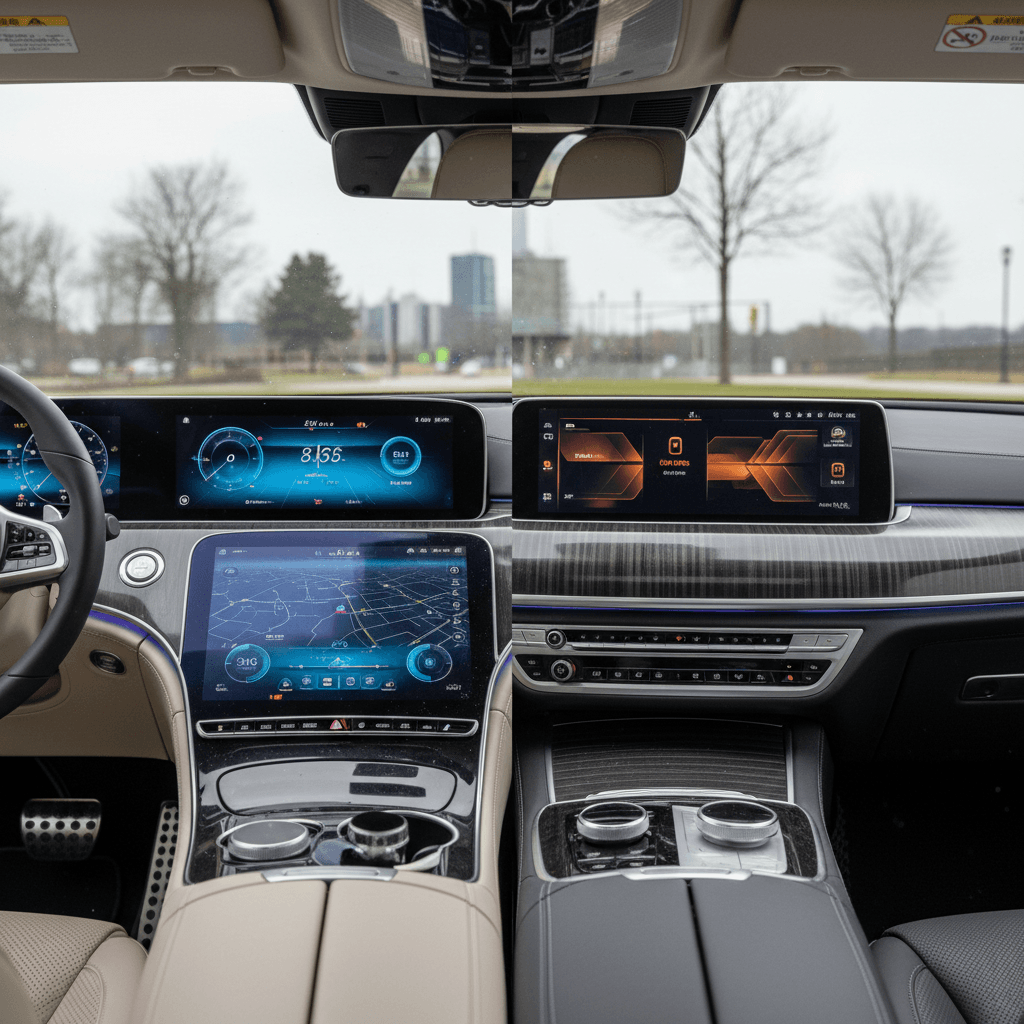
Both cars are showcases for their brands’ latest UX thinking. The EQS went all‑in on giant glass surfaces and touch, while BMW deliberately kept some analog controls and a more conventional information layout.
Mercedes EQS: the Hyperscreen showpiece
Higher‑trim EQS sedans can be spec’d with the **Hyperscreen**, a sweeping panel of glass that integrates three displays across the dash. It looks dramatic in photos and showrooms, and it gives passengers more to do on long trips.
The trade‑off is that basic actions like climate tweaks and drive‑mode changes lean heavily on touch surfaces and sub‑menus. If you prize minimal distraction and tactile knobs, this may frustrate you over time.
BMW i7: modern screens, classic logic
The i7 uses a large curved display that combines a 12.3‑inch instrument cluster and a 14.9‑inch central touchscreen, running the latest iDrive software. Crucially, it still offers a **physical iDrive controller** on the console plus hard keys for common tasks.
This hybrid approach tends to age better for owners who actually keep the car, not just lease for three years. You still get cutting‑edge graphics and features, but the learning curve is kinder if you’re not already living in your phone.
Try both at night before you decide
Driving feel and performance
On raw acceleration, higher‑power EQS and i7 trims are more than quick enough for U.S. highways. The real difference is in how they encourage you to drive.
- **EQS**: Tuned for serenity. Steering is light, body motions are kept in check but not tightly reined in, and the car encourages smooth, quiet cruising. Rear‑axle steering makes parking lots and tight city streets surprisingly easy for something this long.
- **i7**: Feels more like a classic 7 Series that happens to be electric. The steering has a bit more weight, the body control is tighter in Sport modes, and it’s happier being hustled down a back road. It still isolates you, but you’re more aware of what the front tires are doing.
If you care about driving, the i7 usually wins
Ownership costs, reliability, and depreciation
Both cars are expensive to buy, but the real spread shows up when **you look at them two or three years later on the used market**.
Running and owning these flagship EVs
Energy, maintenance, and value retention
Purchase price & options
Well‑optioned examples of either car very easily crest $130,000 new, and both brands are experts at selling pricey option packages. Theater screens, executive rear seating, and advanced driver‑assist bundles add up fast.
Maintenance & warranty
EV powertrains eliminate oil changes and many engine‑related services, but these are still complex flagships loaded with air suspension, soft‑close doors, and intricate electronics. A strong warranty and **an EV‑literate dealer or specialist** matter more than the badge on the nose.
Depreciation & used values
In many U.S. markets, the EQS has experienced steeper early depreciation than the i7. That’s bad news new, great news used. The i7 seems to be holding value a bit better, reflecting its broader appeal and more conventional styling.
Flagship EVs can be incredible used bargains
This is where services like the Recharged Score Report matter. On Recharged, every used EQS or i7 comes with verified battery health diagnostics, a fairness check on pricing versus the wider market, and guidance from EV‑specialist advisors who see these specific models every day. That’s especially useful with complex flagships where one odd option package or prior owner’s fast‑charging habits can move the needle on value.
New vs used: which makes more sense?
Questions to decide between new and used EQS or i7
1. How sensitive are you to depreciation?
If losing tens of thousands of dollars on paper in the first three years makes you queasy, look seriously at CPO or independent‑dealer used inventory. The EQS in particular can offer huge discounts relative to original MSRP.
2. Do you need the absolute latest software and options?
Both models have evolved quickly. If things like the newest driver‑assist suite, updated infotainment, or a specific trim (like an AMG or M Performance variant) matter, buying new or nearly new may be justified.
3. How long will you keep it?
If this is a three‑year lease, new makes sense and much of the depreciation is baked into your payment. If you keep cars 7–10 years, the value equation tilts toward buying a lightly used example once the early drop‑off has already happened.
4. Are you okay with a non‑perfect spec to save money?
Used EQS and i7 inventory is full of strange option combos. If you can live without the Theater Screen or Hyperscreen, you can often save a lot compared with custom‑ordering a new build.
5. Do you have access to good EV diagnostics?
Battery and high‑voltage health are the big unknowns in any used EV purchase. A platform like <strong>Recharged</strong> that includes independent battery testing and a Recharged Score Report can de‑risk what would otherwise be a very expensive coin flip.
So which is better: Mercedes EQS or BMW i7?
There isn’t a single winner here; there are **two very different answers** depending on what you value.
Which luxury EV fits which buyer?
Use this as a quick decision aid before you drive either car
Choose the Mercedes EQS if…
- You prioritize maximum highway range and an ultra‑quiet, soft ride over sharp handling.
- You like the idea of a futuristic, lounge‑like cabin with dramatic lighting and (optionally) Hyperscreen.
- You’re shopping used and want to exploit the EQS’s steeper depreciation curve to get a lot of car for the money.
- You appreciate the hatchback practicality and big cargo opening.
Choose the BMW i7 if…
- You care about driving feel and chassis balance as much as comfort.
- You prefer a more traditional luxury aesthetic with outstanding materials and build quality.
- You plan to sit in the back often and want a truly first‑class rear‑seat experience.
- You’re planning to buy new and want a car that’s likely to hold value a bit better.
If forced to pick one all‑rounder…
The best move is to treat both like the complex tools they are. Map your actual use case, commute distance, road‑trip patterns, passengers, and how long you keep cars, onto the differences we’ve walked through here. Then drive both cars back‑to‑back on the same route. If you’d like a second set of eyes on battery health, pricing, or trim choices, Recharged can help you compare used EQS and i7 listings side‑by‑side with a Recharged Score Report and EV‑savvy guidance to match the car to the way you actually live.