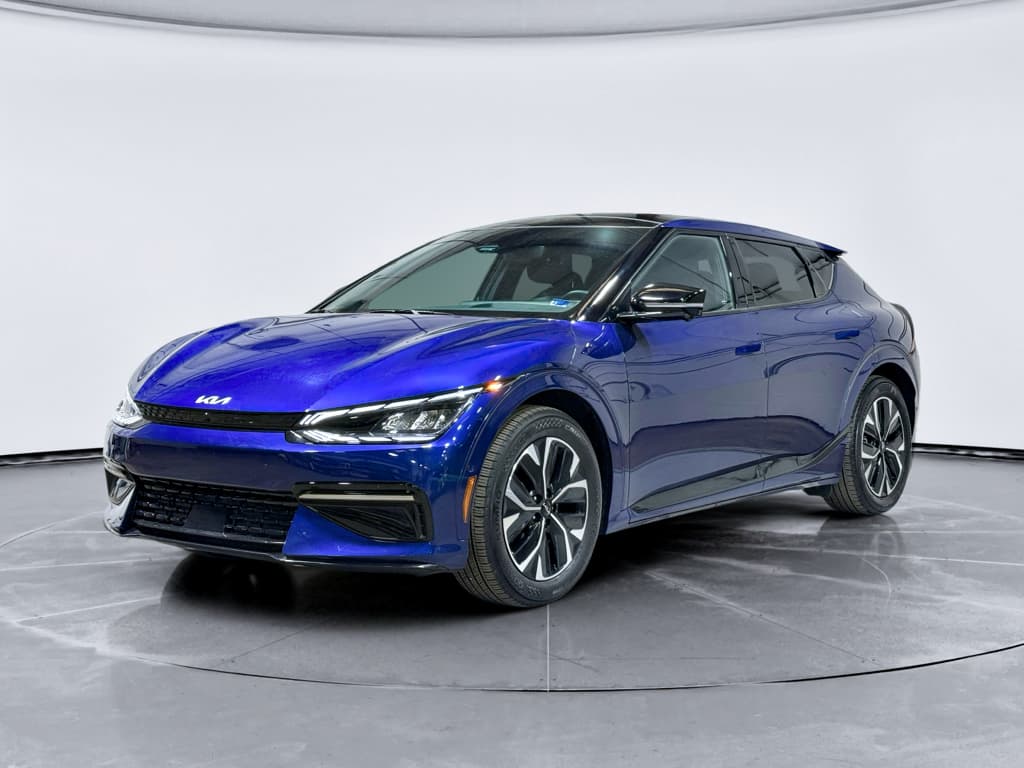
The Genesis Electrified GV70 is a plush, silent, mid-size luxury SUV that just happens to be electric. It also has a factory-rated tow rating, which raises a big question: what is the Genesis GV70 Electrified towing capacity and range loss like in the real world? If you’re thinking small camper, jet skis, or a utility trailer, you need more than a brochure number, you need to know how far you can actually go between charges.
Quick answer
Electrified GV70 towing overview
Genesis sells the Electrified GV70 as a luxury first, workhorse second. Under the leather and ambient lighting, though, you’ve got dual motors with strong torque, an 800V electrical architecture, and a battery in the mid‑70 kWh range on earlier models, with newer models getting a larger pack. That makes it capable of towing, but not a substitute for a full-size electric pickup.
Genesis Electrified GV70 towing at a glance
How it stacks up as a tow vehicle
Type of towing
Best for light to moderate towing, think small campers, boats, single-axle utility trailers, and cargo racks.
Power & torque
Dual-motor AWD delivers instant torque, so getting moving with a trailer feels effortless compared with a gas V6.
Range reality
Excellent solo range for a luxury SUV, but towing can cut usable highway range roughly in half on long grades or at higher speeds.
Always confirm your manual
Official and practical towing capacity
Genesis marketing material for the Electrified GV70 is coy about towing, but under the skin it shares much with Hyundai/Genesis platforms that commonly tow around 3,500 lbs when properly equipped. In North America and Europe, owner documentation and dealer guidance generally support a braked towing capacity in the ~3,500‑lb range with an appropriate hitch and trailer brakes, and around 1,650–1,750 lbs unbraked. Exact figures vary by market, so again: your manual rules.
Electrified GV70 towing capacity: ballpark figures
Typical numbers reported for similarly equipped Electrified GV70 models. Use only as a planning reference, always defer to your specific vehicle’s documentation.
| Configuration | Trailer type | Typical max rating (approx.) | Notes |
|---|---|---|---|
| Factory-equipped with tow package | Braked trailer | ~3,500 lbs (≈1,588 kg) | Requires trailer brakes and correct hitch rating |
| Factory-equipped with tow package | Unbraked trailer | ~1,650–1,750 lbs (≈750–800 kg) | Shorter distances recommended; watch stopping distances |
| No tow package | Any trailer | Not recommended | Have a Genesis‑qualified shop install approved hardware |
| Tongue weight | Any trailer | Typically ~10% of trailer weight | Stay within hitch and vehicle tongue weight limits |
Capacity numbers vary by country, trim, and options; verify against your owner’s manual.
Think in tongue weight too
How towing affects GV70 range and efficiency
Electric SUVs like the Electrified GV70 are wonderfully efficient when they’re slipping through the air clean, no trailer in tow. Add a tall box behind them and physics shows up with a baseball bat. Your dual‑motor Genesis doesn’t suddenly become weak, if anything, it tows with creamy confidence, but energy consumption can easily double at highway speeds with the wrong trailer and driving style.
- Drag goes way up: A boxy camper creates turbulent air behind the GV70, so the motors have to work much harder just to hold 65–70 mph.
- Weight kills on hills: Extra mass from the trailer means more energy on every climb and more heat in the brakes on every descent.
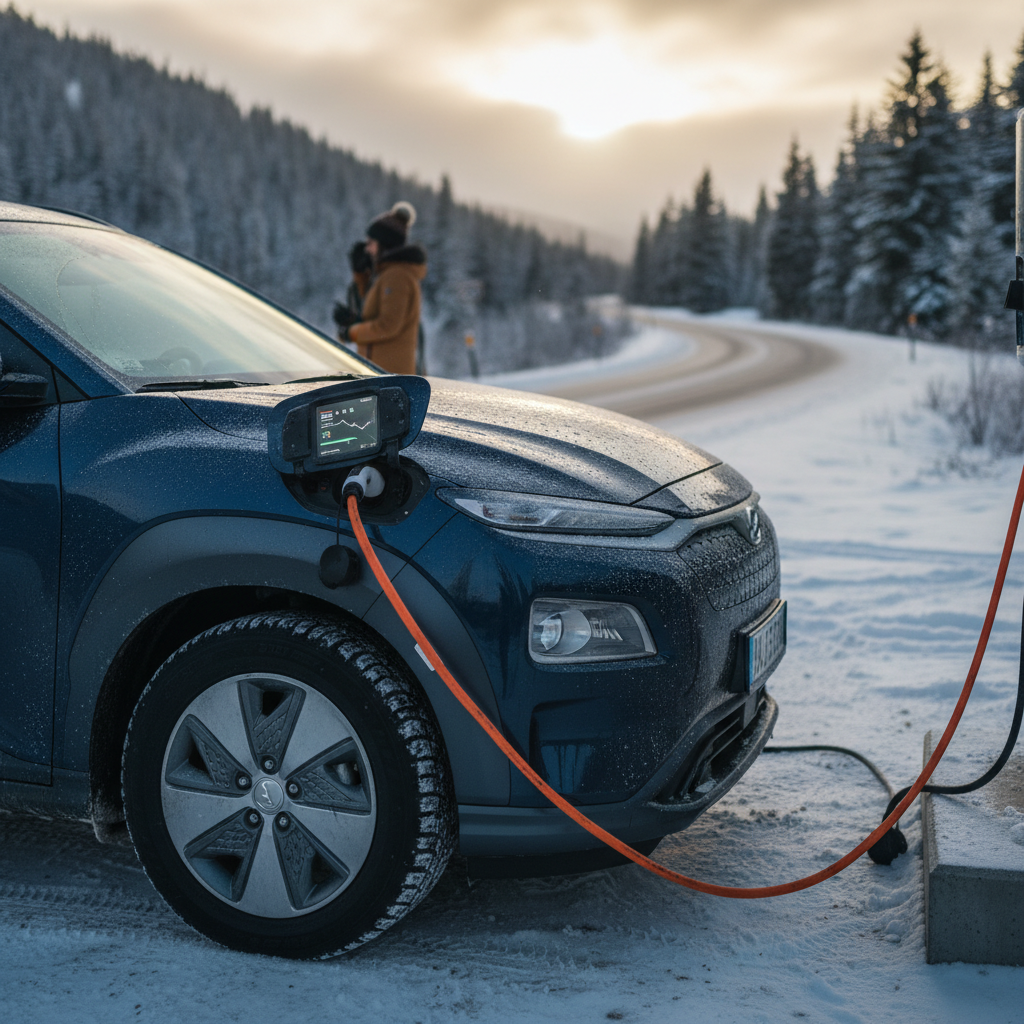
- Cold weather stacks the penalty: Batteries are less efficient in winter, and cabin heating adds a constant power draw before you’ve even factored in the trailer.
- Speed is the secret lever: Dropping from 70 to 60 mph can claw back a surprising amount of range when towing.
Typical EV towing range loss benchmarks
Real-world Genesis Electrified GV70 towing range loss
The Electrified GV70’s EPA range is in the low‑to‑mid‑200s for earlier model years, with newer versions edging higher as Genesis increases battery capacity and efficiency. In the real world, most owners already see something closer to 80–90% of EPA in mixed, unladen driving. Once you hitch a trailer, the math changes fast.
Mild towing scenario
- Trailer: Small, low-profile utility trailer with lawn equipment or motorcycles (1,500–2,000 lbs).
- Speeds: 55–60 mph, mostly flat Interstate, mild temps.
- Expected range loss: roughly 30–40%.
- Usable leg: If your solo highway range is ~210 miles, you might see 125–150 miles per charge.
Demanding towing scenario
- Trailer: Tall, 18–20 ft single‑axle camper (3,000–3,500 lbs).
- Speeds: 65–70 mph, rolling hills, colder temps or headwinds.
- Expected range loss: around 50–60% is very plausible.
- Usable leg: A solo 210‑mile highway range can drop to 90–120 miles between fast charges.
Don’t plan off EPA alone
What you can realistically tow with an Electrified GV70
Treat the Electrified GV70 like a very refined mid-size crossover that happens to have near‑silent torque. It’s brilliant with light and aerodynamic loads, and competent, but range‑hungry, with taller, heavier campers.
Good, borderline, and bad trailer matches
Thinking about what to hitch to your Electrified GV70
Great matches
- Small teardrop or pop‑up campers
- Single‑axle utility trailers
- Light boat or PWC trailers
- Hitch‑mount cargo carriers or bike racks
These keep weight moderate and frontal area low.
Borderline matches
- 18–20 ft single‑axle travel trailers near 3,000–3,500 lbs
- Tall toy haulers with big frontal area
Technically possible, but expect big range penalties and slow, carefully planned trips.
Poor matches
- Large dual‑axle campers beyond rated capacity
- Heavy car haulers or equipment trailers
- Anything near full‑size truck territory
Even if you can physically pull it, range and stability become serious constraints.
Sweet spot use case
Hitches, wiring, and towing setup for the Electrified GV70
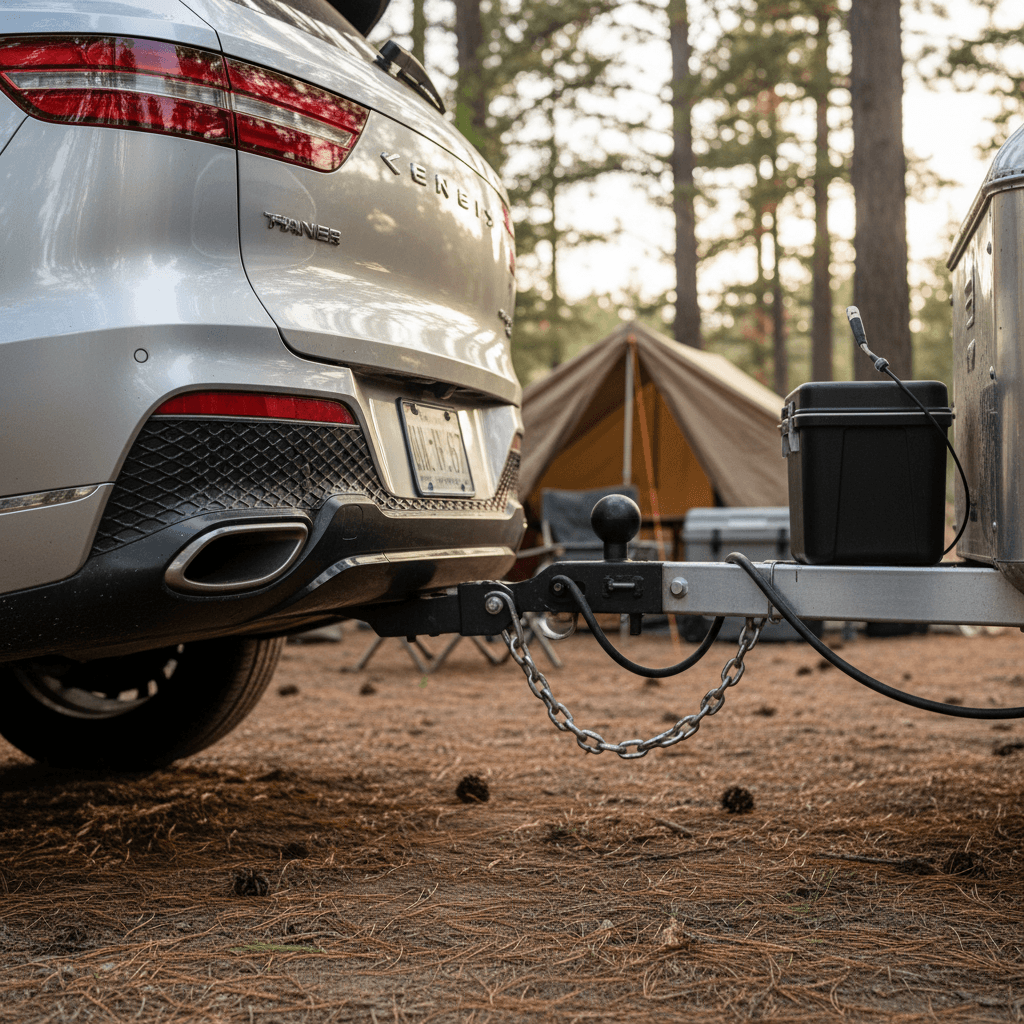
Because the Electrified GV70 wasn’t launched as an off‑road tow rig, you’ll want to be thoughtful about your hardware. In some markets Genesis offers a factory tow solution; in others, you’re relying on high‑quality aftermarket components that respect the bumper structure and cooling needs.
Core towing setup for the Electrified GV70
1. Use a vehicle-specific hitch
Have a Genesis‑experienced shop install a <strong>vehicle‑specific, rated receiver hitch</strong> that preserves crash structures and doesn’t interfere with battery cooling or sensors.
2. Install proper trailer wiring
Use a powered wiring harness or OEM‑style kit to avoid overloading vehicle circuits. For heavier trailers, you’ll want a 7‑pin connector and <strong>electric trailer brakes</strong>.
3. Add a brake controller
For anything near the upper end of the tow rating, an <strong>electric brake controller</strong> is non‑negotiable. Many owners choose compact, phone‑controlled units to avoid cutting into the dash.
4. Mind departure angle
The GV70 sits lower than a pickup. Avoid giant drop hitches or overloaded rear cargo that can cause scraping or interfere with underbody components.
5. Protect the paint and sensors
A rock‑taming mud flap setup and a check of rear parking sensors and camera visibility after hitch installation will save you headaches later.
Watch for heat
Trip planning with towing: charging, speeds, and terrain
Your Electrified GV70 already has great route‑planning tech baked in, but it assumes you’re driving solo. When you add a trailer, the range prediction becomes optimistic. You’ll need to layer your own judgement on top of the nav system, especially on unfamiliar long‑distance routes.
Smart charging strategy
- Shorter hops: Plan fast‑charge stops every 80–120 miles when towing, rather than stretching to the last electron.
- Charge to the middle: It’s often quicker to charge more often from 20–70% than to wait out slow top‑off charging to 100%.
- Trailer-friendly stations: Favor charging plazas with pull‑through spots or room to occupy two back‑to‑back stalls without blocking traffic.
Driving style and terrain
- Slow down: Dropping 5–10 mph can save huge amounts of energy when you’re pushing a brick on wheels through the air.
- Use regen wisely: Dial in strong regenerative braking where available to harvest energy on long descents (but don’t rely on regen alone for speed control).
- Watch elevation: Long climbs can devastate range; build in extra buffer on mountain routes.
Start with a shakedown day
Buying a used Electrified GV70 for towing
If you’re eyeing a used Genesis Electrified GV70 with towing in mind, you’re in a niche but growing camp: people who want luxury ride quality plus occasional trailer duty. The trick is making sure the specific car you’re buying is healthy, correctly equipped, and not hiding a hard‑labor past.
Key questions for a used Electrified GV70 tow vehicle
What to ask, inspect, and verify
Has it towed regularly?
Ask about previous towing use and look for telltale signs: hitch wear, wiring, rock chips, or scraped underbody panels. Occasional boat‑ramp duty is normal; heavy commercial use is a red flag.
How’s the battery health?
Range loss from towing mostly hits per‑trip efficiency, but you still want a healthy pack. A Recharged Score battery report can show verified state of health so you’re not guessing.
Who installed the hitch?
Confirm whether a dealer, reputable independent, or DIY installer added the hitch. Neat wiring, rust‑free hardware, and intact crash structures are all good signs.
Is it still under warranty?
Check remaining factory battery and powertrain coverage. While reasonable towing within spec shouldn’t void coverage, you don’t want surprises if a previous owner abused the car.
How Recharged can help
Pre-trip checklist: Is your GV70 tow-ready?
Electrified GV70 towing checklist
Confirm ratings and equipment
Double‑check your owner’s manual for tow rating, tongue weight, and any cooling or speed limitations. Verify that your hitch, ball mount, and coupler are <strong>rated above</strong> your planned trailer weight.
Weigh your trailer loaded
Hit a public scale with the trailer fully loaded, water, gear, food, toys, everything. Compare against your GV70’s rating and make sure tongue weight is in the safe 10–12% window.
Check tires and pressures
Set <strong>both vehicle and trailer tires</strong> to their recommended towing pressures. Under-inflated tires murder efficiency and can overheat at highway speeds.
Test lights and brakes
Verify running lights, brake lights, and turn signals. If equipped, test trailer brakes and adjust the controller gain in a safe parking lot before you head out.
Dial in drive modes
Experiment with drive modes that give you smooth throttle and strong yet predictable regen. Your goal is calm, predictable responses with a trailer attached.
Build a conservative route plan
Plan your first leg with <strong>extra buffer and more frequent fast‑charge stops</strong> than you think you’ll need. You can always skip a stop if you arrive with more range than expected.
FAQ: Genesis Electrified GV70 towing capacity and range loss
Frequently asked questions
Bottom line: Is the Electrified GV70 good for towing?
If you’re imagining an electric F‑150 that happens to wear a Genesis badge, the Electrified GV70 will disappoint. But that’s the wrong comparison. Think of it instead as a luxury EV SUV that can confidently tow light‑to‑moderate loads when asked, kayaks to the lake, bikes to the trailhead, a small camper into the hills, so long as you respect its ratings and plan your charging stops with care.
In that role, the Genesis GV70 Electrified towing capacity and range loss story is pretty simple: about 3,500 lbs braked when properly equipped, and about half your normal highway range with a modest camper in tow. If you can live inside those boundaries, the payoff is huge: silent climbs, instant torque on on‑ramps, and a cabin that feels more boutique hotel than tow rig. And if you’re shopping used, a Recharged‑inspected Electrified GV70 with a clean battery bill of health can be a very smart way to have one vehicle that does school runs on Tuesday and campsite duty on Friday without burning a drop of gas.