If you bought or are eyeing a Mercedes EQS, you’re sitting on one of the most advanced EV battery packs on the road. The good news: with the right habits, you can maximize Mercedes EQS battery life so it delivers smooth, quiet range for well over a decade. This guide walks you through practical, real‑world steps, no engineering degree required.
Quick reality check
Why Mercedes EQS battery care matters
The EQS is built around a large lithium‑ion pack, roughly 107.8 kWh usable in many trims, tucked neatly in the floor. That pack is the single most expensive component in the car. While Mercedes designs it to withstand daily use, everything you do behind the wheel and at the charger influences how quickly capacity fades over time.
Mercedes EQS battery at a glance
You don’t control cell chemistry, but you do control how hard you push it. Regular fast‑charging to 100%, parking in extreme heat at full charge, and constant high‑speed driving all add stress. On the flip side, thoughtful charging limits, moderate speeds, and smart climate use can keep the battery in its comfort zone and slow down aging.
What to know about the EQS battery and warranty
- Most EQS models in North America include long‑term battery coverage (often up to 10 years / 155,000 miles in some regions, or at least 8 years / 100,000 miles).
- Coverage typically applies if usable capacity falls below a defined threshold, commonly around 70% state of health (SoH) during the warranty period, assuming normal use.
- The warranty is aimed at defects and excessive degradation, not every loss of range. Some decline is normal as the pack ages.
- Warranty terms differ by model year, trim, and market, so your specific EQS may show slightly different figures in the booklet or digital manual.
Always verify your exact coverage
In practice, that warranty safety net means you can enjoy the car without obsessing over every percentage point. Your goal is not perfection; it’s to avoid the small, repeatable stresses that add up over 8–10 years. That applies whether you own new, lease, or are shopping a used EQS with several years and miles already on the clock.
Daily charging habits that maximize EQS battery life
Battery experts, and Mercedes itself, tend to agree on a few simple rules. The single biggest lever you have is how far you move between empty and full on a daily basis and how quickly you do it.
Core EQS charging habits for long battery life
Set these once and they quietly protect your pack every day
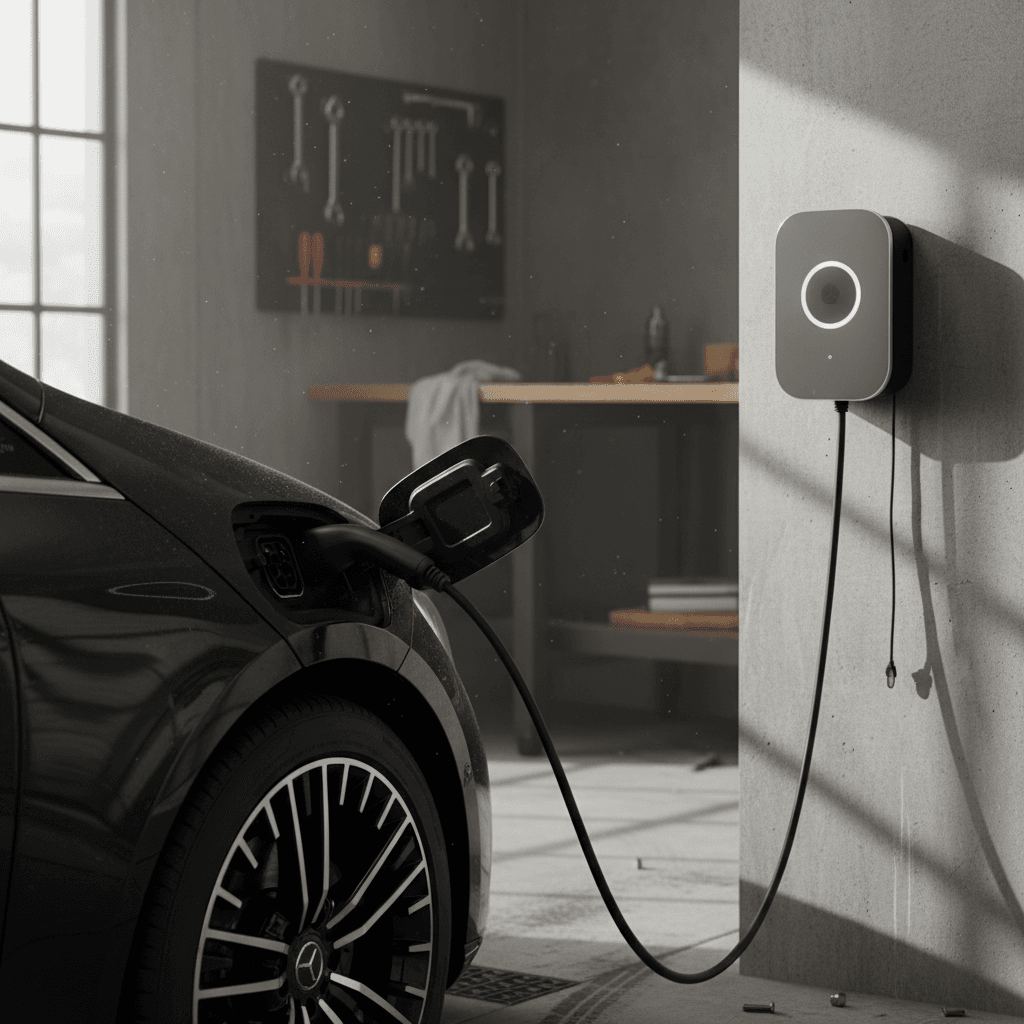
1. Use Level 2 at home
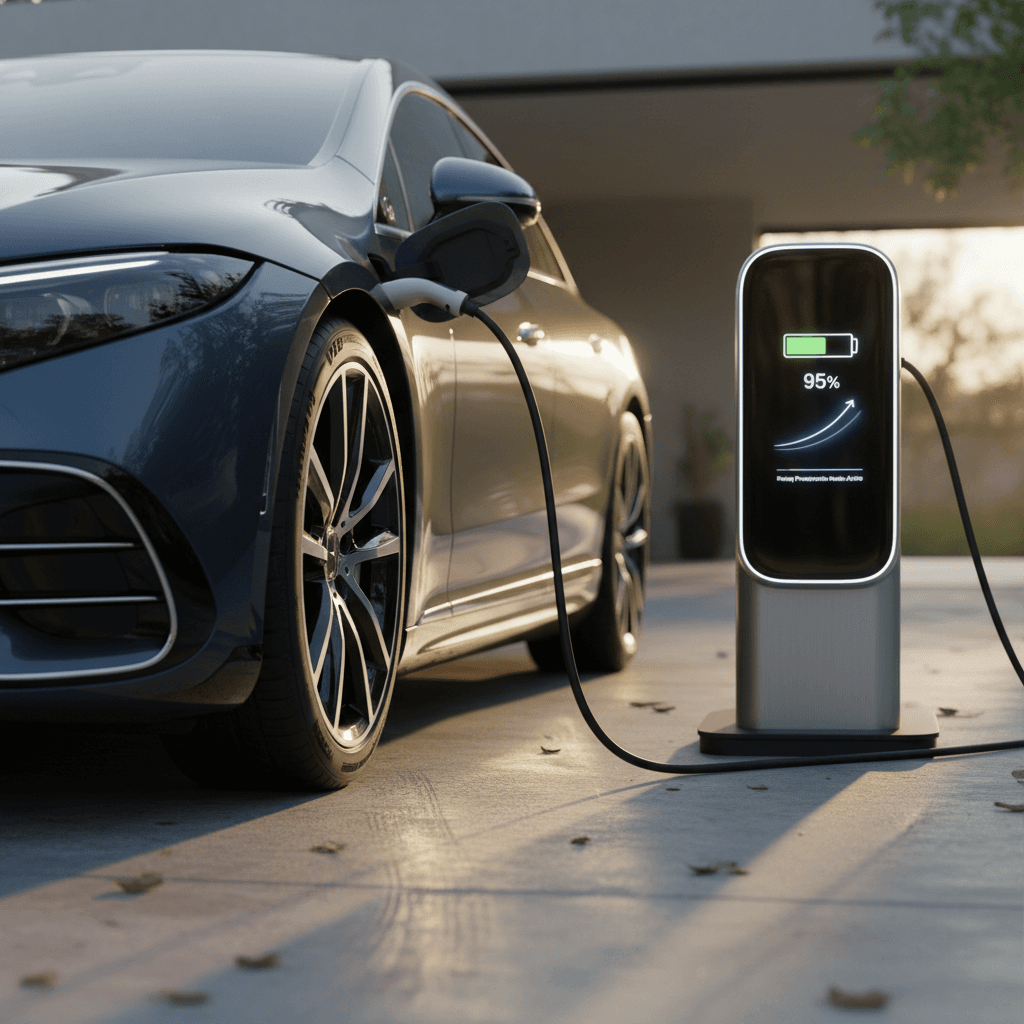
Whenever possible, make AC Level 2 charging your default. It’s slower than DC fast charging but much gentler on the pack.
- Install a 240V wallbox or use a properly wired outlet.
- Let the car charge overnight instead of rushing to 100% at a fast charger.
2. Set a daily charge limit
For routine driving, set the EQS charge limit to around 70–80%.
- Use the in‑car EV menu to cap daily charging.
- Only charge to 90–100% just before longer trips.
3. Time your charging
Try to finish charging close to the time you plan to drive off.
- Avoid sitting at 100% for hours, especially in hot weather.
- Use scheduled charging if your home charger or EQS app supports it.
Think in “usable window,” not “always full”
The EQS pack is big enough that you can keep a generous daily buffer and still have plenty of range for commuting and errands. If you only drive 30–60 miles a day, there’s no benefit to waking up to 100% every morning, yet there is a long‑term cost to doing so in high heat or cold.
Fast charging: how much is too much for your EQS?
DC fast charging is one of the EQS’s great strengths. It’s designed to charge at high rates on road trips, and using fast chargers occasionally won’t “kill” the pack. But like any EV, constant high‑power fast charging is harder on the battery than slower home charging.
EQS fast-charging: smart vs stressful use
Use this as a quick reference whenever you’re eyeing a DC fast charger.
| Scenario | Impact on battery | Best practice |
|---|---|---|
| Occasional road trips (a few times a year) | Minimal extra wear | Use DC fast charging without worry, this is what it’s for. |
| Weekly fast charging from low SOC to 100% | Noticeably more stress over time | Stop around 70–80%; drive soon after reaching your target. |
| Fast charging in extreme heat (90–100°F) | Higher pack temperatures, more aging | Precondition when possible, park in shade, avoid repeated back‑to‑back sessions. |
| Using slow Level 2 at home most of the time | Gentle on the battery | Make this your default; save DC fast for when you really need it. |
Moderation and timing matter more than the occasional road‑trip fast charge.
Watch heat during fast charging
You don’t need to avoid DC fast charging; you just need to be intentional. If you live next to a high‑power station, resist the urge to treat it like a free gas pump every other day. Use it when you’re pressed for time or on longer drives, and lean on home or workplace Level 2 to do the everyday heavy lifting.
Driving habits that protect battery health and boost range
From the battery’s perspective, think of high current draw as “exercise intensity.” Occasional sprints are fine; spending hours every day at Autobahn speeds and full throttle is a different story. The EQS is heavy, powerful, and very rapid, wonderful qualities you can still enjoy without abusing the pack.
EQS driving habits that go easy on the pack
You’ll notice range benefits immediately, and the battery will thank you years later
Ease into acceleration
Use the EQS’s torque smoothly in city driving instead of full‑throttle launches.
- Smoother acceleration draws less peak current from the pack.
- You’ll still be quicker than most traffic without going all‑out.
Moderate highway speeds
Aerodynamic drag climbs rapidly above about 65–70 mph.
- The EQS is extremely slippery, but 80+ mph will still burn range.
- Even 5 mph slower can add meaningful miles and reduce sustained load on the battery.
Use regenerative braking smartly
Experiment with the different regen levels and Intelligent Recuperation (where equipped).
- Anticipate traffic so you’re lifting early, not stomping on the brakes.
- Energy you don’t waste as heat is energy you don’t have to recharge later.
Watch wheel and tire choices
Large wheels and aggressive tires look great but cost efficiency.
- Factory aero wheels with higher‑profile tires reduce rolling resistance.
- If you’re focused on range, avoid upsizing to heavy, open‑spoke designs.
You don’t have to drive like a hyper‑miler
Using climate control and preconditioning the smart way
Where and how you use heating and cooling affects both range and battery comfort. The EQS has sophisticated thermal management that works best when you give it a little help. The goals: avoid extreme pack temperatures and run big climate loads while plugged in whenever possible.
Precondition while plugged in
Use the EQS’s departure time and preconditioning features to heat or cool the cabin and battery while you’re still connected to grid power.
- On cold mornings, preheat the car from shore power so the battery starts closer to its sweet spot.
- In summer, cool the cabin before unplugging so the pack and interior aren’t starting from an oven‑like temperature.
Use range‑friendly climate settings
In regular driving, moderate settings reduce the strain on both the battery and range.
- Auto climate at a reasonable temperature (around 70–72°F) is usually more efficient than constantly adjusting.
- Use seat and steering‑wheel heaters before cranking cabin temps way up, they sip energy compared with blowing hot air.
Avoid leaving the car full in extreme heat
Long-term storage and when you park for weeks
Many EQS owners are frequent travelers or have multiple vehicles. If your car will sit unused for days or weeks, a few simple steps will help keep both the high‑voltage and 12‑volt systems happy.
Checklist: preparing your EQS for extended parking
1. Don’t store it full or empty
Aim to park your EQS around <strong>40–60% charge</strong> if it’ll sit for more than a week. Avoid long periods near 0% or 100%, both extremes are harder on the cells.
2. Turn off unnecessary features
Disable energy‑intensive features like always‑on cabin conditioning, unnecessary third‑party app polling, or frequent remote checks. Every time you wake the car up, systems draw energy.
3. Park in shade or indoors
Garage or shaded parking keeps the pack closer to its ideal temperature band. That’s especially important for cars stored in hot climates.
4. Check in, but not constantly
Glancing at the app once in a while is fine. Opening it every few hours forces the car to wake up and run systems, small draws that add up if you’re away for a long time.
5. Charge the 12‑volt when needed
If your car will sit for months, ask your service center about best practices for the 12‑volt system. In some cases, a maintenance charger (following Mercedes’ guidance) can be helpful.
General rule for storage
Software updates, drive modes, and EQS-specific settings
The EQS isn’t just a battery on wheels, it’s a rolling software platform. Mercedes continues to refine charging curves, thermal strategies, and efficiency via over‑the‑air and dealer‑performed updates. Keeping software current can improve both range estimates and actual efficiency.
- Keep up with recommended software updates, especially campaigns that mention range, charging, or thermal management.
- Use Comfort or Eco modes for most daily driving; save Sport or maximum power modes for special occasions.
- Explore range‑maximization tools in the EQS infotainment system, many cars include a dedicated “Maximize Range” or similar profile that automatically adjusts climate and power usage.
- If your EQS supports intelligent route‑based charging, let the navigation system plan fast‑charging stops and arrival states of charge for you on longer trips.
Why software matters for used EQS buyers
Signs of battery degradation in an EQS, and what to do
All lithium‑ion batteries lose some capacity with age. What you’re watching for isn’t a small seasonal swing, it’s a clear, persistent decline beyond what you’d expect from weather or driving pattern changes.
Common signs your EQS battery may be aging
What’s normal, what’s not, and how to respond
Range at 100% keeps shrinking
Seeing a 5–10% swing in rated range across seasons is normal. Seeing the displayed full‑charge range drop steadily over years can indicate real capacity loss.
If the change is large and persistent, document it with photos and trip logs.
Trips you once did easily now feel tight
If a regular route at the same speeds and temperatures starts requiring extra stops, it may be more than weather.
Use the trip computer to compare energy consumption over time at similar conditions.
You’re approaching warranty limits
If you suspect unusual degradation and are nearing your battery warranty’s time or mileage limit, don’t wait.
Schedule a dealer inspection so they can test state of health and document findings.
Leverage expert help
Work with a Mercedes dealer or EV‑savvy specialist to interpret results.
If you’re buying used, platforms like Recharged provide battery‑health data via the Recharged Score so you’re not guessing.
Document before you escalate
Used Mercedes EQS buyers: battery questions to ask
If you’re considering a used EQS, battery health should be at the top of your checklist, right alongside accident history and service records. The pack doesn’t need to be perfect, but you want to avoid surprises that could cost thousands of dollars later.
Battery-specific questions for used EQS shoppers
1. What’s the remaining battery warranty?
Confirm the <strong>battery warranty start date</strong>, term (years and miles), and whether coverage follows the car to you. A later in‑service date or certified pre‑owned status can be a real plus.
2. How was the car typically charged?
Ask whether the previous owner mostly used home Level 2 or public DC fast charging. Occasional road‑trip fast charging is fine; constant high‑power charging from low to 100% is less ideal.
3. What range do they see at 100%?
A candid answer about real‑world range at full charge and typical routes can tell you a lot. Compare what they report with manufacturer estimates for that trim and wheel/tire package.
4. Any battery-related service records?
Review documentation for HV battery service, software campaigns, or diagnostic reports. Consistent, dealer‑performed maintenance and updates are a reassuring sign.
5. Has the car lived in extreme climates?
Hot‑weather life doesn’t automatically doom a pack, but a car stored outside in very hot regions at high charge levels has likely seen more thermal stress.
6. Can I see independent battery health data?
When you shop on <strong>Recharged</strong>, every used EV, including the EQS, comes with a <strong>Recharged Score Report</strong> that includes verified battery health and fair‑market pricing, so you’re not relying on guesses or seller anecdotes.
How Recharged de-risks a used EQS
Ready to find your next EV?
Browse VehiclesFAQ: Mercedes EQS battery life and care
Frequently asked questions about EQS battery life
Key takeaways: how to make your EQS battery last
The Mercedes EQS gives you a rare combination of luxury, refinement, and long‑legged electric range. Underneath all that comfort sits a sophisticated battery pack that will quietly do its job for many years if you treat it with basic care. You don’t need to obsess over every kilowatt‑hour, you just need consistent, sensible habits.
- Use home Level 2 for most charging and save DC fast for road trips and time‑sensitive top‑ups.
- Keep daily charge limits around 70–80% and avoid parking for long periods at 0% or 100%, especially in extreme heat.
- Drive smoothly, keep highway speeds reasonable, and use regen and preconditioning to your advantage.
- Stay on top of software updates and battery‑related service recommendations from Mercedes.
- If you’re shopping used, insist on transparent battery health data and clear warranty information, exactly what Recharged builds into every used EV we sell.
Follow those guidelines, and your EQS’s battery becomes what it was always meant to be: a quiet, dependable bank account of stored energy that pays you back in effortless miles, year after year.