Buy an EV

  • EVs for sale
  • Learn about EVs
  • Articles
  • Charging

Sell or trade

  • How it works

Financing

  • Get pre-qualified
  • Credit application

Contact us

  • Book a consultation
  • Call us at (804) 390-5910
  • Email us at hello@recharged.com
  • Visit our Experience Centers
    • Richmond, VA
    • Fairfax, VA
    • Charlotte, NC

© 2025 Recharged. All Rights Reserved.

7-Day Return Policy·Privacy Policy·SMS Opt-In·Do Not Sell or Share My Information·
TikTokYouTubeInstagramLinkedInFacebook
    Mercedes EQS Depreciation Rate: What Owners Should Expect in 2026
    Ownership & Costs·10 min read·By Staff Writer

    Mercedes EQS Depreciation Rate: What Owners Should Expect in 2026

    mercedes-eqsluxury-evdepreciationresale-valueused-evscost-of-ownershiptesla-model-seqs-suvbattery-healthev-market-trends

    Table of Contents

    • Overview: How Fast Does the Mercedes EQS Depreciate?
    • The Numbers: Mercedes EQS Depreciation by Year
    • Why Luxury EVs Like the EQS Depreciate So Fast
    • Mercedes EQS vs Tesla Model S & Other Luxury EV Depreciation
    • What This Means If You Buy a Used Mercedes EQS
    • Protecting Resale Value If You Already Own an EQS
    • Battery Health: The Hidden Driver of EQS Value
    • How Recharged Helps You Shop Smart for a Used EQS
    • FAQ: Mercedes EQS Depreciation Rate
    • Bottom Line: Is a Used Mercedes EQS Worth It?

    If you’ve looked at used listings lately, you’ve probably noticed something striking: the Mercedes EQS depreciation rate is steep, much steeper than most buyers expected when this flagship EV launched. That’s painful if you bought new, but it can be a huge opportunity if you’re shopping used in 2026.

    Key takeaway up front

    New Mercedes EQS models are on track to lose roughly 55–65% of their value within five years, putting them among the fastest‑depreciating luxury vehicles on the road today. For used buyers, that means six‑figure EVs are now trading at well under half their original MSRP.

    Overview: How Fast Does the Mercedes EQS Depreciate?

    To put the Mercedes EQS depreciation rate in context, it helps to remember two things: first, all luxury cars depreciate faster than mainstream models, and second, EVs currently depreciate faster than gas cars. Combine those two traits, luxury and electric, and you have a model that can lose value quickly.

    Mercedes EQS & Luxury EV Depreciation at a Glance

    ~60.6%
    Estimated 5‑yr EQS drop
    Independent analysis of EQS sedan values shows around a 60% loss from new price over five years.
    $59,864
    5‑yr loss (2025 EQS)
    KBB projects a 2025 Mercedes‑EQ EQS will lose about $59.9k in value over five years.
    ~59%
    Avg EV drop
    Recent studies show full EVs lose nearly 59% of value over five years, worse than the overall market.
    48.7%
    1‑yr EQS hit
    One 2024 study found some EQS models shedding nearly half their value in the first 12 months.

    Those are averages, not guarantees, but they paint a consistent picture: the EQS sheds value quickly early on, then levels off. For shoppers, that means buying nearly new can be risky, while buying 2–4 years old can be extremely attractive.

    The Numbers: Mercedes EQS Depreciation by Year

    Let’s translate the Mercedes EQS depreciation rate into something you can actually use. Using cost‑to‑own data and recent market examples, here’s a simplified view of how a typical EQS sedan might depreciate in the U.S. market.

    Illustrative Mercedes EQS Depreciation Curve

    Approximate value trajectory for a well‑equipped EQS sedan with an original MSRP around $105,000, assuming typical mileage and condition.

    Age of VehicleApprox. ValueTotal Depreciation From NewShare of Original Value
    Brand new (MSRP)$105,000, 100%
    1 year old$55,000–$60,000$45,000–$50,000~55–60%
    3 years old$42,000–$46,000$59,000–$63,000~40–44%
    5 years old$40,000–$45,000$60,000–$65,000~35–43%

    Real‑world values will vary by trim, options, mileage, and market conditions, but the pattern, steep early drop, then slower losses, is consistent.

    Depreciation isn’t a straight line

    The biggest hit happens in the first 12–24 months. After about year three, the EQS tends to lose value more slowly, which is why 3‑ to 5‑year‑old examples can be compelling used buys.

    Independent market trackers have highlighted the EQS specifically as a heavy depreciator, with one 2024 study showing an average 48.7% drop in just one year, more than most rivals. Separate cost‑to‑own analysis of the 2025 EQS projects a roughly $59,864 loss over five years, which lines up with what we’re seeing in real‑world asking prices today.

    Why Luxury EVs Like the EQS Depreciate So Fast

    6 Big Forces Behind the Mercedes EQS Depreciation Rate

    Some you can’t control, some you can work around as a buyer.

    Rapid Tech Obsolescence

    The pace of EV tech is brutal. Newer models get more range, better charging curves, and smarter software. That makes 2‑ or 3‑year‑old EQS examples look dated faster than an S‑Class from the same time period.

    High Original MSRP

    With many EQS sedans stickering well into six figures, a 50–60% drop represents $55k–$65k in real money. Even if the percentage drop is similar to other luxury cars, the dollar loss is larger, and more painful for first owners.

    Soft Luxury EV Demand

    In 2025, used EVs and used luxury vehicles both under‑performed the broader market. Shoppers have more choices, and some are hesitating on first‑generation EVs, which pushes resale values down.

    Incentives & Pricing Shifts

    Generous lease incentives, price cuts on new EQ models, and the winding down of federal EV tax credits have all distorted pricing. When new EQS deals get juicier, used prices must follow to stay attractive.

    Range & Efficiency Competition

    Newer luxury EVs, and even updated Teslas, are closing the gap or beating the EQS on real‑world range and efficiency. That competitive pressure doesn’t help residual values for the early EQS years.

    Niche Appeal & Reputation

    The EQS is comfortable and quiet, but some buyers expected "S‑Class on electrons" and instead found a softer, more isolated driving experience. That mismatch has kept demand narrower than Mercedes hoped.

    Luxury + EV = double whammy

    Industry data shows that full EVs and premium nameplates both carry heavier‑than‑average depreciation. The EQS happens to be both, which is why its curve looks more aggressive than a mainstream electric crossover or a gas S‑Class.

    Mercedes EQS vs Tesla Model S & Other Luxury EV Depreciation

    You might be wondering how the Mercedes EQS depreciation rate stacks up against other high‑end EVs like the Tesla Model S, Porsche Taycan, and Audi’s big electric SUVs. The short answer: they’re all depreciating hard, but the EQS is near the sharp end of the curve.

    Tesla Model S

    • Recent analyses show a five‑year drop in the low‑60% range for some Model S examples, not far off the EQS.
    • Used Model S prices have fallen enough that, for the first time, average used Teslas sit below the overall used‑car market average.
    • Tesla’s stronger brand recognition and Supercharger access can help demand, but frequent new‑car price cuts have also dragged used values down.

    Other Luxury EVs

    • Analysts regularly flag vehicles like the Jaguar I‑Pace, Audi Q8 e‑tron, and Porsche Taycan as some of the worst five‑year performers in the market.
    • In one ranking of used EV deals, the EQS showed an estimated ~60.6% value drop over five years, putting it right alongside the Taycan and ahead of some Teslas.
    • Takeaway: fast depreciation isn’t unique to Mercedes; it’s a luxury EV story more broadly.

    Good news for used buyers

    Because so many luxury EVs are dropping 55–65% in five years, a carefully chosen used EQS can cost Camry money to buy, but still feel like a six‑figure flagship from behind the wheel.

    What This Means If You Buy a Used Mercedes EQS

    For used shoppers, the Mercedes EQS depreciation rate flips from liability to opportunity. Instead of absorbing a $60,000 loss yourself, you can let the first owner do that, and step into a car that still feels fresh, with many of the original luxury features intact.

    Smart Playbook for Buying a Used EQS

    1. Target the sweet spot: 2–4 years old

    By the time an EQS is 2–4 years old, the worst depreciation is usually behind it. You’re often paying roughly 40–55% of original MSRP while still getting current‑looking tech, long range, and a modern interior.

    2. Prioritize battery health documentation

    Battery condition is the single biggest unknown on a used EV. Look for a <strong>verified battery‑health report</strong>, like the Recharged Score, to understand remaining capacity and fast‑charging performance before you buy.

    3. Compare EQS to rivals on total cost

    Don’t just compare sticker prices. Factor in <strong>warranty status, expected maintenance, insurance, and charging costs</strong>. A cheaper Model S or Taycan with out‑of‑warranty repairs looming can cost more overall than a slightly higher‑priced EQS still under coverage.

    4. Be cautious with ultra‑cheap examples

    A deeply discounted EQS can be a steal, or a headache. High mileage, accident history, rapid‑charging abuse, or pending battery issues can all explain a bargain‑basement price. Always insist on <strong>independent inspection and a detailed vehicle history</strong>.

    5. Decide how long you’ll keep it

    If you plan to drive the car for 6–8 years, today’s steep depreciation matters less. But if you tend to swap cars every 2–3 years, understand that your <strong>exit value will also be on the low side</strong> with any luxury EV, EQS included.

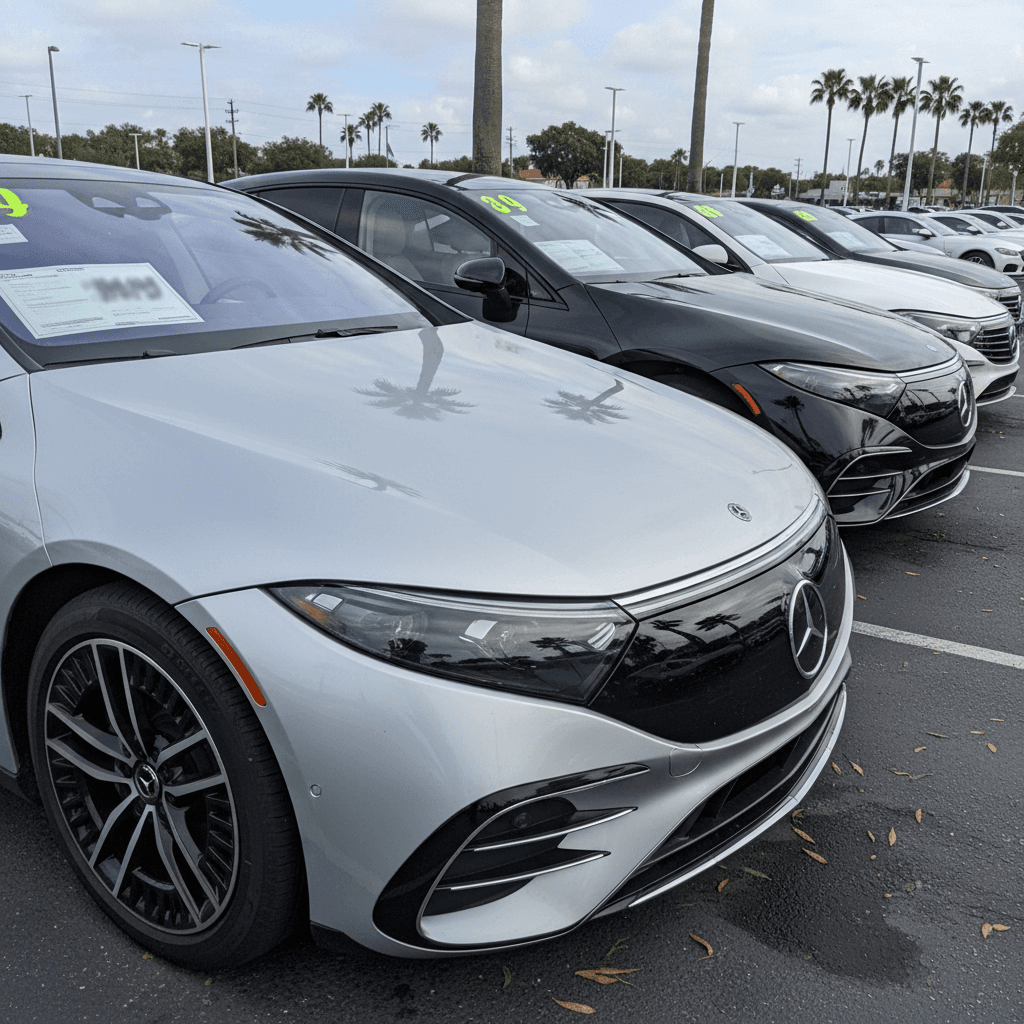
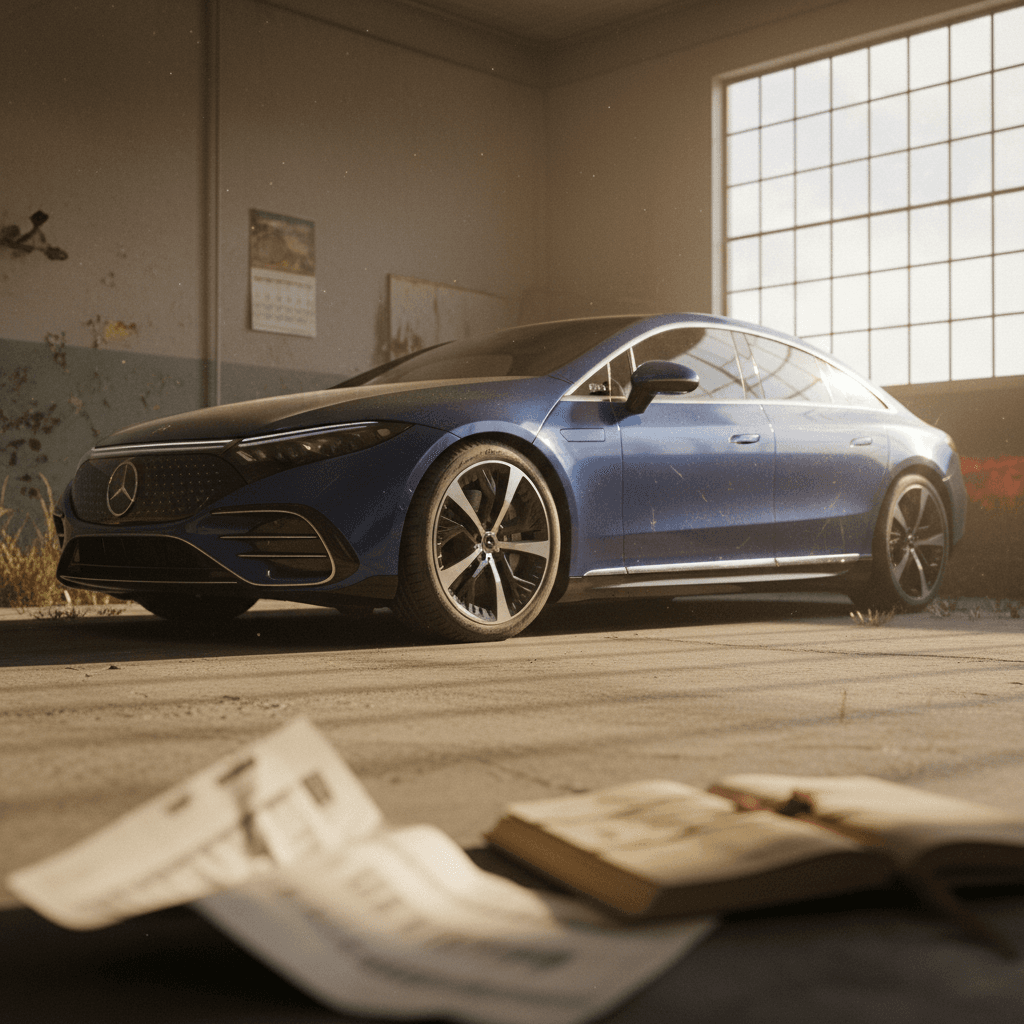
    Used Mercedes EQS sedans and SUVs lined up on a lot, highlighting attractive used EV pricing
    Rapid early depreciation turns the Mercedes EQS into a compelling value on the used‑EV market when you buy carefully.

    Protecting Resale Value If You Already Own an EQS

    If you bought your EQS new, or nearly new, you can’t rewind the depreciation clock. But you can still influence what it’s worth when you’re ready to move on.

    Ways to Cushion EQS Depreciation

    You can’t beat the market, but you can stand out within it.

    Stay on top of maintenance

    Keep all scheduled service current and documented through Mercedes or a reputable specialist. A clean, complete service history is one of the fastest ways to improve buyer confidence and resale value.

    Mind your mileage

    Like any luxury car, the EQS is mileage‑sensitive. If you’re planning to sell in a few years, avoid stacking up unusually high annual miles, which can push your car below the market norm.

    Preserve cosmetics

    Luxury buyers care about appearance. Fix curb rash on wheels, repair noticeable dents or scrapes, and keep the interior clean. Cosmetic reconditioning often pays back more than it costs when you sell or trade.

    Protect the battery

    Avoid constant 100% charges, extreme heat, or excessive DC fast charging. Healthy batteries translate directly into stronger offers from educated EV buyers.

    Time your exit

    Depreciation is often front‑loaded into the first 3–4 years. If you’re already past that point, it can make sense to keep the car longer, letting the curve flatten before you sell.

    Choose the right selling channel

    Shopping your EQS to multiple buyers, dealers, online buyers, and marketplaces, can expose it to shoppers who understand EVs, which often yields better offers than a generic trade‑in.

    Thinking about getting out of your EQS?

    If you’re considering moving on from your EQS into another EV, look for platforms that understand EV battery health and pricing. At Recharged, EV‑specialist advisors can help you compare selling, trading, or consigning your car so you don’t leave money on the table.

    Battery Health: The Hidden Driver of EQS Value

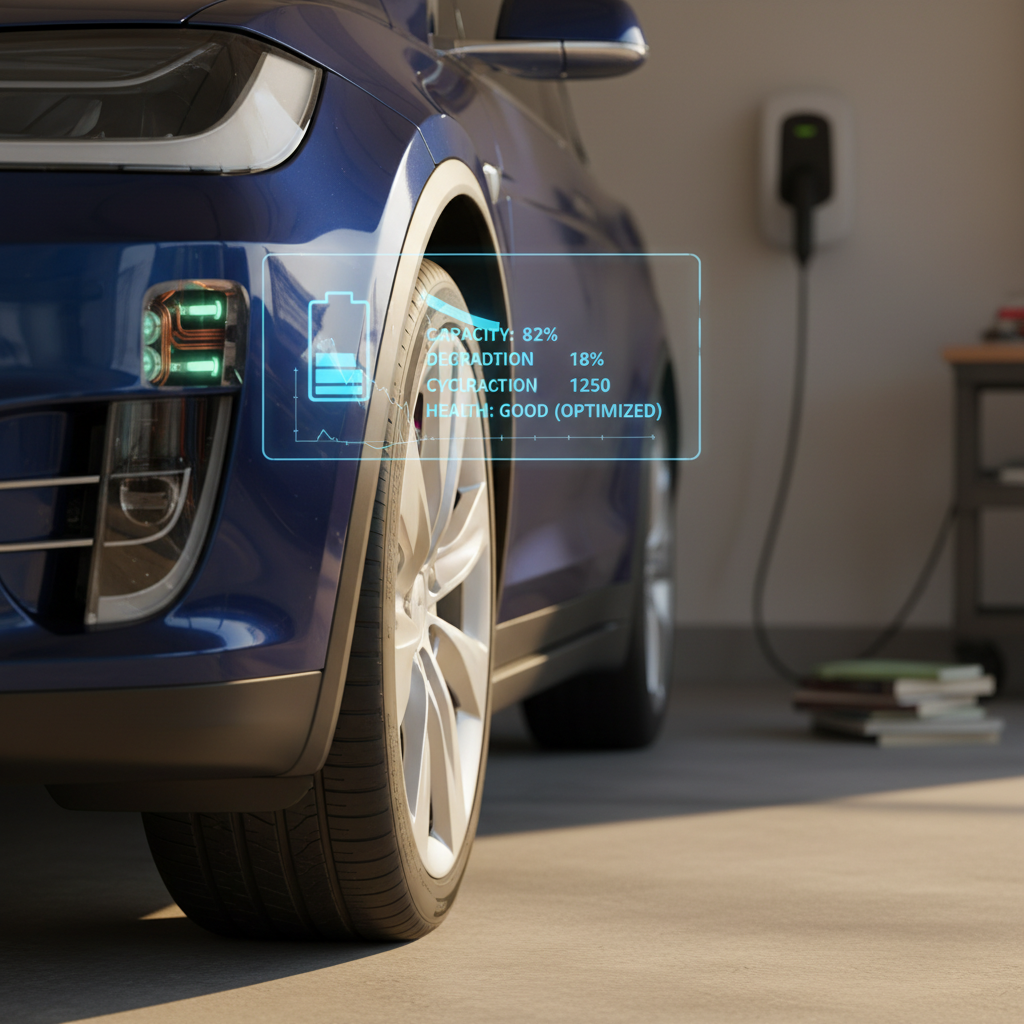
    On paper, two used EQS sedans from the same model year can look identical. In reality, battery health can make one worth thousands more than the other. That’s especially true as these cars move out of their original warranties and buyers become more sensitive to long‑term pack performance.

    • A healthier pack typically means more usable range today and slower degradation in the future.
    • Fast‑charging behavior is affected by battery condition; some high‑mileage packs taper earlier and charge more slowly.
    • Warranty coverage for the traction battery is tied to time and mileage; buyers will pay more for EQS examples solidly within coverage and showing strong diagnostics.
    • Unknown battery condition increases perceived risk, which pushes prices down or lengthens time‑to‑sell.

    Why buying blind is risky

    Relying only on a dashboard range estimate or a seller’s word is not enough. Without a formal battery‑health report, you could overpay for an EQS that has already lost a meaningful chunk of usable capacity, something no cosmetic reconditioning can fix.

    This is exactly why Recharged builds a Recharged Score Report into every vehicle we sell. It includes verified battery diagnostics, pricing that reflects true condition, and EV‑specialist guidance, so you’re not guessing about the single most expensive component in the car.

    How Recharged Helps You Shop Smart for a Used EQS

    Given how fast the Mercedes EQS depreciates, buying used is often the smartest way to enjoy this flagship EV. The challenge is separating the true values from the too‑good‑to‑be‑true listings. That’s where a purpose‑built EV marketplace can make a real difference.

    Shopping for a Used EQS with Recharged

    Turn steep depreciation into an advantage, not a risk.

    Transparent Recharged Score

    Every vehicle on Recharged comes with a Recharged Score Report that includes verified battery health, pricing against the current EV market, and a detailed condition overview, critical for a complex EV like the EQS.

    Fair, data‑driven pricing

    Because we live in the EV market every day, our pricing reflects real depreciation trends rather than guesswork. You see how a given EQS compares to similar vehicles nationwide.

    EV‑specialist guidance

    From comparing EQS vs. Model S to understanding warranty coverage and charging needs, EV‑specialist advisors can walk you through the decision, all the way from first question to final paperwork.

    Nationwide delivery

    Find the right EQS, not just the closest one. Recharged can deliver vehicles nationwide, so you can shop for the best combination of price, condition, and options.

    Financing & trade‑in support

    Bundle your purchase with EV‑friendly financing and trade‑in options. If you’re exiting another EV or gas luxury car, we help you understand what it’s worth in today’s market.

    Experience Center in Richmond, VA

    If you’d rather see and feel before you buy, Recharged operates an Experience Center in Richmond, VA, where you can explore vehicles, ask questions, and take test drives with EV‑savvy staff.

    Ready to find your next EV?

    Browse Vehicles

    FAQ: Mercedes EQS Depreciation Rate

    Frequently Asked Questions About Mercedes EQS Depreciation

    Bottom Line: Is a Used Mercedes EQS Worth It?

    If you only look from the perspective of the first owner, the Mercedes EQS depreciation rate is brutal. But if you’re entering the market today as a used buyer, that same curve becomes your ally. You can step into a quietly opulent, long‑range flagship EV for the price of a new midsize crossover, provided you choose carefully.

    Focus on 2‑ to 4‑year‑old examples, insist on clear battery‑health documentation, and compare total cost of ownership, not just the asking price, against alternatives like the Model S, Taycan, and high‑end gas sedans. And if you’d rather not decode all of that alone, a marketplace built for used EVs, like Recharged, can stack the deck in your favor with verified battery diagnostics, fair market pricing, financing, trade‑in support, and EV‑specialist guidance from start to finish.
    Tesla on Recharged

    See all →
    Coming Soon
    Vehicle placeholder

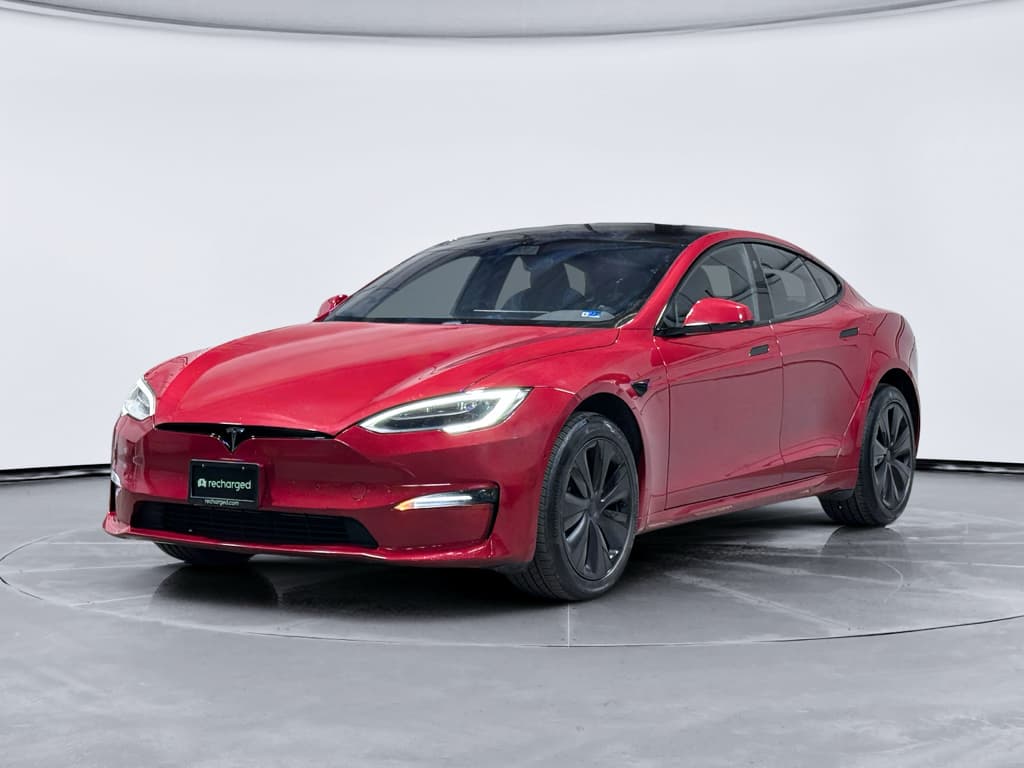
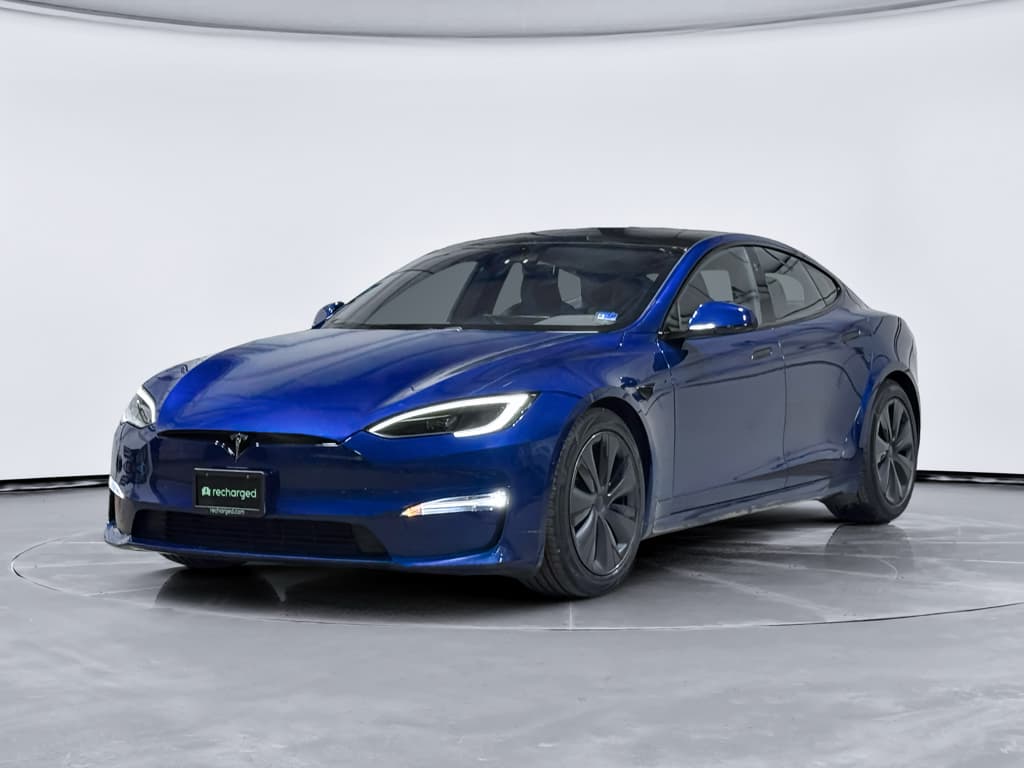
    2023 Tesla Model S

    30K mi•350 mi range
    4.7/5Recharged Score
    $54,999
    2019 Tesla Model 3

    2019 Tesla Model 3

    Standard Range Plus•56K mi•208 mi range
    4.3/5Recharged Score
    $19,769
    2025 Tesla Model Y

    2025 Tesla Model Y

    Long Range•24K mi•291 mi range
    4.8/5Recharged Score
    $38,997

    Related Articles

    2025 BMW i4 Range Test: Real‑World Results vs EPA Claims
    Battery & Range·11 min

    2025 BMW i4 Range Test: Real‑World Results vs EPA Claims

    We break down 2025 BMW i4 range tests for eDrive35, eDrive40, xDrive40, and M50, with real‑world highway results, efficiency tips, and used‑EV shopping advice.

    bmw-i42025-model-yearev-range-testing
    Charger Equipment: Choosing the Right Level 2 Charging Station
    Ownership & Costs·9 min

    Charger Equipment: Choosing the Right Level 2 Charging Station

    Learn how to choose the right Level 2 charging station and charger equipment for your home, from amps and kW to installation costs, tax credits, and safety.

    ev-charginglevel-2-charginghome-charging
    Great Cars Under $20K in 2025: Affordable Gas, Hybrid, and EV Picks
    Buying Guides·9 min

    Great Cars Under $20K in 2025: Affordable Gas, Hybrid, and EV Picks

    Looking for great cars under $20K? Compare the best used sedans, SUVs, hybrids, and electric cars under $20,000 in 2025, plus tips on financing and battery health.

    great-cars-under-20kused-cars-under-20kbudget-evs