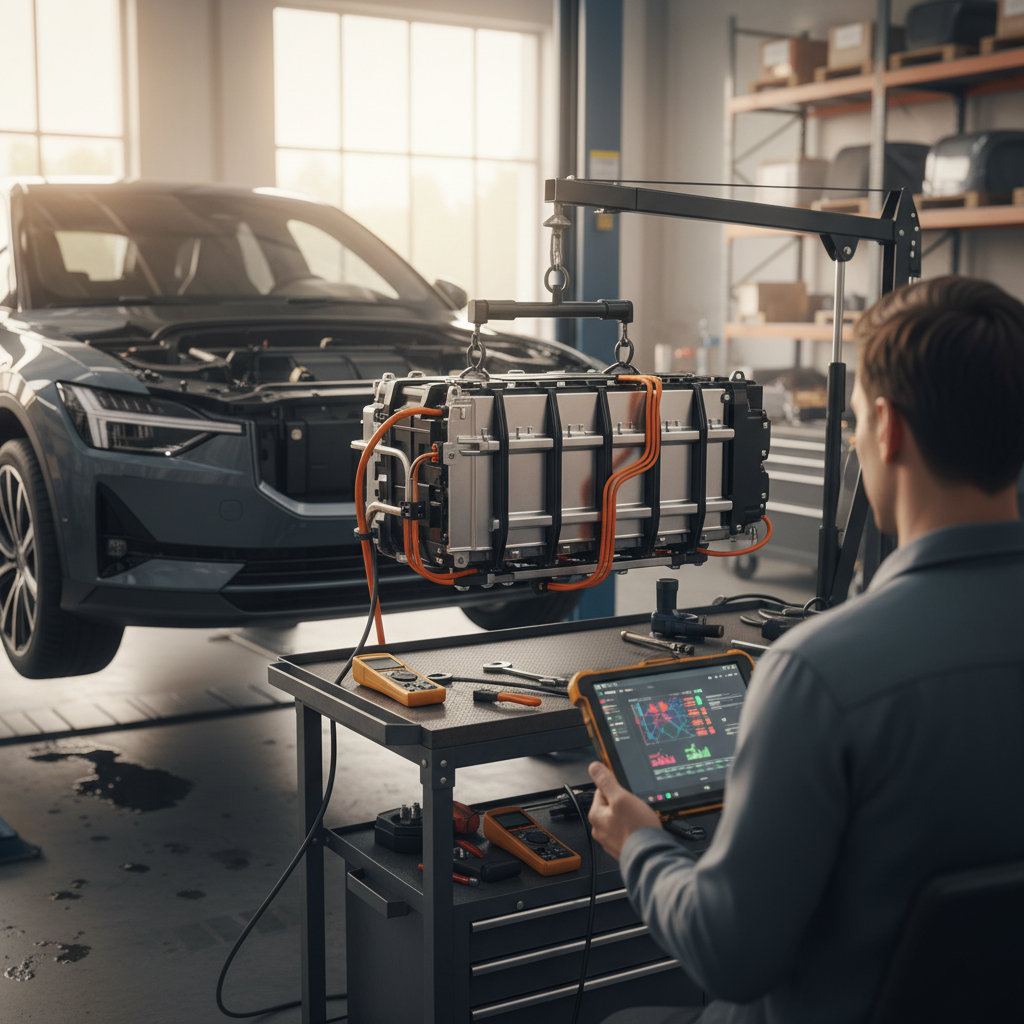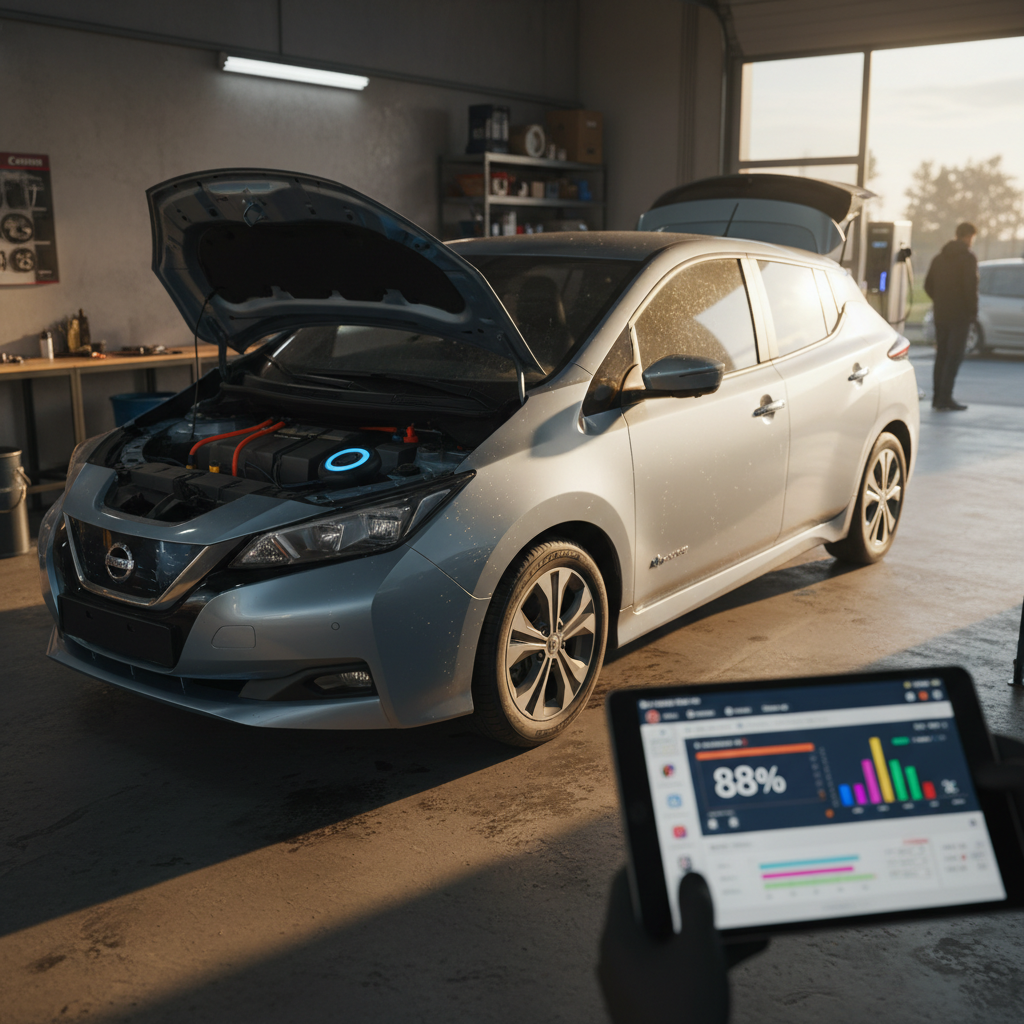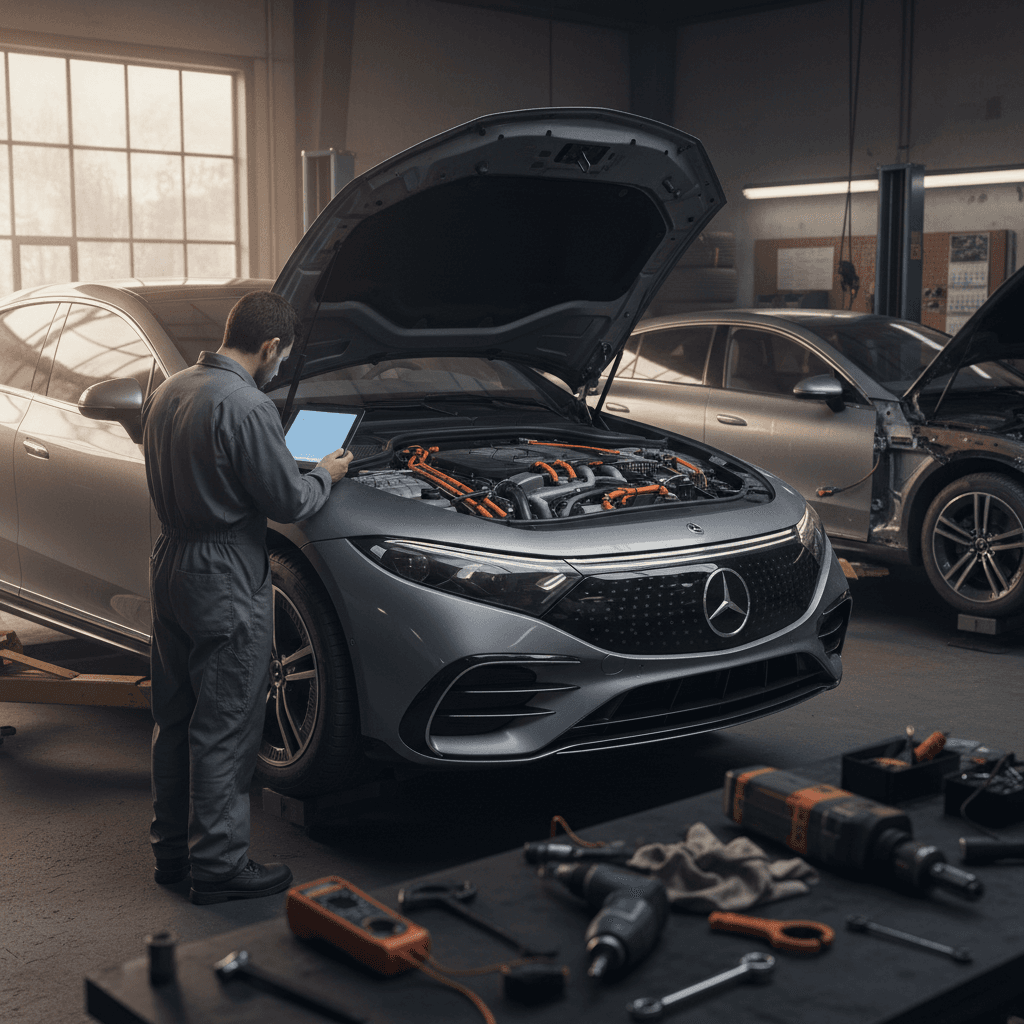
If you’re shopping for a used luxury EV in 2026, the Mercedes EQS is probably on your short list. It’s quiet, absurdly comfortable, and heavily discounted versus its original sticker. But you’ve also heard about Mercedes EQS common problems, from hyperscreen glitches to quirky driver assists, and you’re wondering how worried you should be before signing anything.
Quick context: sedan vs SUV, 2022–2025
Mercedes EQS reliability picture in 2026
How the EQS is trending by 2026
In other words, the EQS isn’t a disaster, but it’s not a Toyota either. The car’s EV hardware has held up well so far; most of the pain points used buyers will deal with in 2026 come down to complex software, driver-assistance tuning, and trim-quality quirks. That’s manageable, as long as you know what to look for and you’re picky about which example you buy.
Most common Mercedes EQS problem areas
Four big EQS problem buckets to understand
Most 2022–2025 EQS complaints fall into these categories
1. MBUX/Hyperscreen & software
2. ADAS, steering & sensors
3. Charging & battery complaints
4. Ride, HVAC & trim issues
Why patterns matter more than single issues
1. MBUX Hyperscreen glitches and software bugs
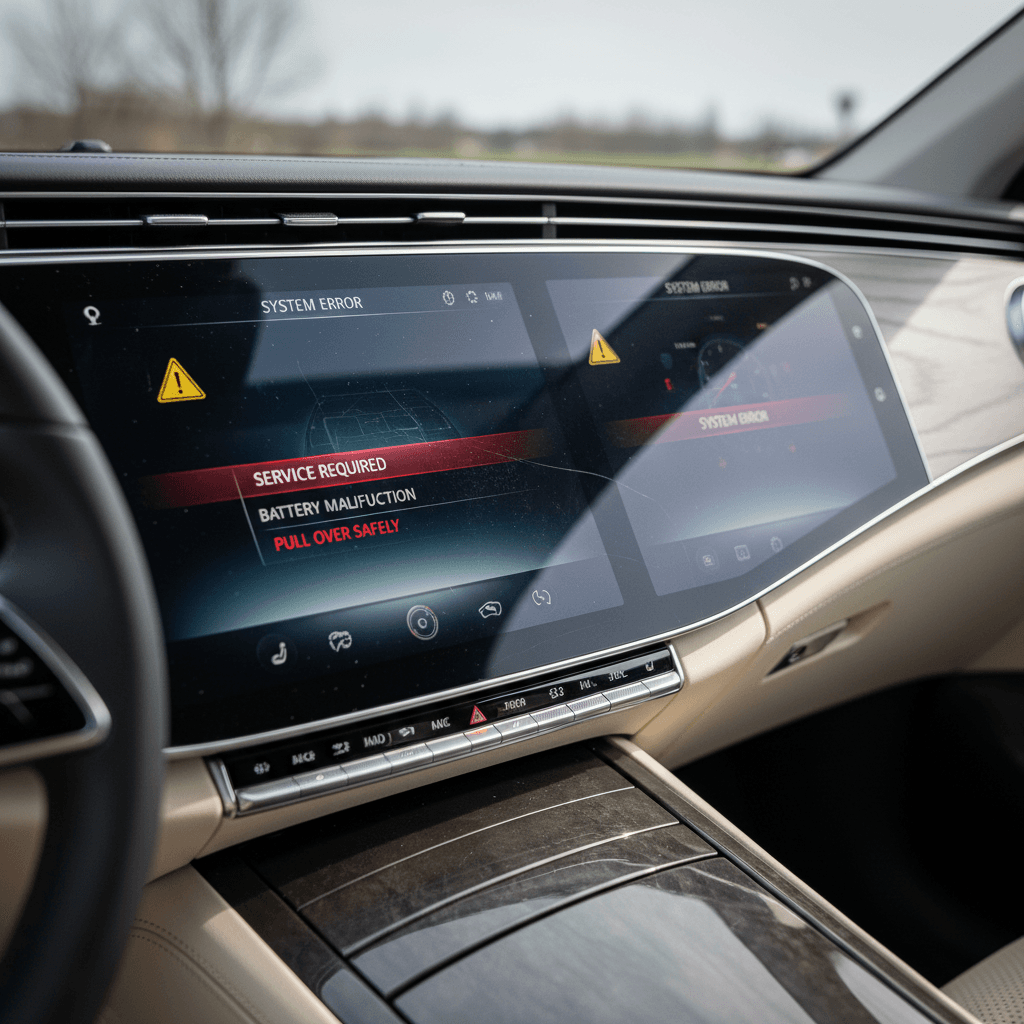
If the EQS has an Achilles’ heel, it’s the vast glass MBUX Hyperscreen and the layers of software behind it. Owners of 2022–2025 cars routinely mention MBUX freezes, random reboots, or half-completed OTA updates that leave features missing until a dealer intervenes.
- Center or passenger screens suddenly going black or rebooting while driving, taking audio and navigation with them.
- Buggy OTA updates that stall around 80–90% and refuse to complete, sometimes for weeks.
- Driver profiles, ambient lighting themes, or massage/seat settings that spontaneously reset to defaults.
- Random pops, crackles, or loud audio artifacts from the speakers until the system is rebooted.
- Cameras or parking sensors that show error messages even though the hardware checks out fine.
Quick owner-level fixes worth trying
By 2025, Mercedes pushed several major software updates that do improve stability, but not every car in the wild has been updated, especially if it bounced between owners. On a used EQS in 2026, you want to see recent software versions and documented infotainment fixes, not a mystery car that’s still running early firmware.
2. ADAS, steering and sensor quirks
The EQS’ driver-assistance suite can be superb when it’s dialed in, but it’s also where some of the more unnerving complaints live. A subset of owners report unexpected steering corrections, repeated collision warnings, and driver-assist systems that drop out mid‑drive until the car is restarted.
- Lane-keeping assist tugging the wheel aggressively when you change lanes without a signal, or trying to center the car in a way that feels unnatural.
- Forward collision warnings or brief emergency braking events in clear traffic or gentle curves.
- Drive Pilot and other ADAS features shutting off during a trip with a "Unavailable, see Owner’s Manual" message, only to return after a restart.
- Blind-spot monitoring, parking assist, or 360° view cameras intermittently disabled because a sensor "can’t be calibrated."
When to walk away
How to test ADAS on your EQS test drive
- Drive a familiar stretch of highway with light traffic.
- Activate adaptive cruise and lane centering, then see how the car behaves in gentle curves and lane changes.
- Note any startling steering inputs or beeps that don’t match what you see on the road.
Paperwork to review before you buy
- Look for past service visits with repeated notes about ADAS, sensors, or “customer states vehicle pulls / steers by itself.”
- One clean repair is fine; three visits for the same complaint is a red flag.
3. Charging problems and battery complaints
The encouraging news in 2026 is that the EQS high‑voltage battery itself has not emerged as a major weak point. Most owner‑reported “battery problems” are really about charging behavior, software updates that change range estimates, or issues with the 12‑volt system that powers electronics.
- Charging sessions (especially on DC fast chargers) that start normally and then drop out with a generic error on one or both screens.
- Charge-port doors that don’t close cleanly, or connectors that get stuck until a manual release is used in the trunk.
- Post‑update range estimate drops, owners seeing 10–15% fewer indicated miles at 80–100% after a major software update, even when real‑world range hasn’t changed as much.
- Occasional high‑voltage or drive-system warning lights that clear after a restart but never leave a stored, diagnosable code.
- Weak 12‑volt batteries causing random error messages, “limp mode” behavior, or no‑start situations.
Battery degradation vs software math
On a used car, charging behavior is one of the easiest things to test yet one of the most overlooked. Don’t just plug in for five minutes, start a DC fast charge, watch for stability, and verify that the car will unlock and stop charging properly before you wrap up negotiations.
4. Interior trim, HVAC and ride-quality issues
Because the EQS is whisper‑quiet at speed, little noises that might disappear in a gas car tend to stand out. Owners of both sedan and SUV versions mention squeaks from the pano roof, trim creaks over driveways, and wind noise around door seals. These are more about annoyance than safety, but they’re not always simple to fix.
- Creaks from the dashboard or center console on rough pavement.
- Rattles from the panoramic roof shade or frame, especially on early SUVs.
- Wind noise at highway speeds near the A‑pillars or mirrors.
- Intermittent A/C or heat pump performance in very hot or very cold weather, sometimes requiring software updates or component replacement.
- Rear-seat passengers in the SUV complaining about weak airflow or uneven temperatures on long trips.
The upside: most of this is fixable
5. Recalls that have affected the Mercedes EQS
Like most early full-size EVs, the EQS has lived through a handful of recalls in the United States, especially for 2022–2023 model years. These have included items like brake system warnings, headlight and lighting logic, certain high‑voltage and 12‑volt harness routing issues, and software-related safety functions affecting EQS sedans and SUVs.
High-level recall themes on EQS (U.S., 2022–2025 builds)
Not a complete list, always run the VIN on the NHTSA site, but these are the patterns you’ll see on many EQS service histories.
| Model years | Typical focus | What to confirm | Risk if ignored |
|---|---|---|---|
| 2022–2023 | Brake and safety-system warnings | Proof that recall work was done and system is free of current errors. | Warning lights, reduced braking assistance, or failed inspections. |
| 2022–2024 | High-voltage / 12V harness routing | Dealer paperwork for inspections or harness replacements. | Electrical short risk, no‑start, or limp‑mode behavior. |
| 2023–2025 | Software and OTA-related updates | Latest software version and no pending campaigns in the Mercedes or NHTSA tools. | Outdated ADAS tuning, missing features, or unresolved bugs. |
Ask the seller for documentation that recall remedies were completed at a Mercedes-Benz dealer.
Non‑negotiable step: run the VIN
Battery health and range expectations in 2026
Underneath all the software theatrics, the EQS’ skateboard battery architecture has held up reasonably well. By 2026, a typical 2022–2023 EQS 450+ that was rated around 350–400 miles when new will often show a lower indicated range in daily use, but most well‑cared‑for examples are still delivering comfortably over 250 miles of mixed driving on a full charge in normal climates.
What healthy EQS battery behavior looks like
- Range estimates that move predictably based on your driving, not wild swings day‑to‑day.
- DC fast‑charging curves that climb briskly at low state‑of‑charge, then taper as expected.
- No history of repeated high‑voltage or “do not drive” warnings.
Potential red flags
- Sudden, unexplained 20–30% drops in real‑world range over a few months.
- Charging sessions that frequently stall across multiple reliable stations.
- Service records mentioning high‑voltage component replacement, inverter faults, or unexplained “HV isolation” errors.
How Recharged checks EQS battery health
Pre-purchase checklist for a used EQS in 2026
10 things to check before buying a used EQS
1. Confirm software and MBUX version
In the vehicle settings, pull up the software information screen. You want to see a recent MBUX version and documented dealer updates in the last 12–18 months, not an untouched early‑2020s build.
2. Test the Hyperscreen thoroughly
Spend at least 10–15 minutes toggling navigation, media, seat controls, and profiles. Watch for lag, frozen tiles, audio glitches, or cameras that intermittently fail to load.
3. Stress-test driver assistance
On your test drive, use adaptive cruise and lane‑keeping. The car should track smoothly, without tug-of-war steering or random warnings. If it feels nervous or overbearing, assume you’ll feel that way every day.
4. Check for multiple ADAS service visits
Ask for a full service printout. Be cautious if you see several visits for the same complaints: steering pull, collision warnings, camera calibration, or “ADAS unavailable” messages.
5. Inspect recall and campaign history
Run the VIN through NHTSA and ask the seller for proof that all open campaigns are complete. If anything is outstanding, have it resolved before you sign.
6. Evaluate charging at Level 2 and DC fast
If possible, plug into a Level 2 charger and a nearby DC fast charger. The EQS should start and maintain charge without random drops, and it should release the connector cleanly when you stop the session.
7. Listen for trim and pano roof noises
On rough roads and driveways, listen for creaks from the dash, B‑pillars, or pano roof. One or two small noises aren’t a deal‑breaker, but a chorus of rattles signals a car that may frustrate you later.
8. Check HVAC performance in real weather
Let the car sit outside, then test heat and A/C from a cold start. You’re looking for quick response and consistent airflow, especially to the rear seats in EQS SUV models.
9. Review warranty timeline and coverage
Remember that the high‑voltage battery usually has longer coverage than the basic bumper‑to‑bumper warranty. Know what’s still covered, and what isn’t, based on in‑service date and mileage.
10. Scan for accident and flood history
Because so many EQS models are now heavily discounted, some cars with prior damage end up on dealer lots. Pull a full vehicle history report and be doubly wary of prior flood or major collision events on a tech‑heavy EV like this.
How Recharged helps you avoid the problem-child EQS
The EQS is the kind of car where two visually identical examples can live very different lives: one spends three years wafting its owner to the office in silence; the other ping‑pongs between home and the dealer for inscrutable electrical issues. When you’re buying used, the trick is telling which is which before you own it.
What Recharged adds on top of a typical used-car search
Designed specifically for complex EVs like the Mercedes EQS
Battery & charging diagnostics
Problem-pattern screening
Nationwide, fully digital purchase
Ready to find your next EV?
Browse VehiclesWant a second set of eyes on an EQS?
Mercedes EQS common problems FAQ (2026)
Frequently asked questions about Mercedes EQS problems in 2026
Bottom line: Should you buy a Mercedes EQS in 2026?
If you go in blind, the Mercedes EQS can be a heartbreaker, an incredible luxury EV on its good days, with enough finicky software and sensor issues on its bad days to send you back to your dealer over and over. But if you treat those Mercedes EQS common problems as a checklist instead of a surprise, you can use them to your advantage.
In 2026, the smartest EQS buyers focus on later-build cars with clean service histories, recent software, and documented recall completion. They test the driver aids, hammer on the Hyperscreen, verify smooth charging, and insist on objective battery health data before they commit. Do that, and you’re much more likely to end up with the version of the EQS that lives up to the brochure, silky, silent, and a relative bargain on the used market, rather than the one starring in a lemon-law thread.
If you’d like help finding that kind of EQS, Recharged was built for exactly this moment in the EV market. Our Recharged Score battery diagnostics, fair pricing tools, financing, trade‑in options, and nationwide delivery take a complex decision and make it straightforward, so you can enjoy the car instead of worrying about what might be lurking under its glass and leather.