If you’re driving, or shopping for, a Mercedes EQS, you’re probably wondering what real-world maintenance looks like beyond charging costs. One of the biggest questions owners ask is: what does Mercedes EQS brake pad replacement cost, and how often will I actually need it on an electric luxury sedan that relies heavily on regenerative braking?
Quick takeaway
Why Mercedes EQS brake pad costs matter
EV shoppers hear that maintenance is cheaper than with gas cars, and that’s generally true. But the EQS is a heavy, high-performance luxury sedan with big wheels, powerful braking hardware, and expensive parts. All of that means that when brake service eventually comes due, the bill can be higher than what you’d pay on a typical compact or midsize sedan.
Understanding likely brake pad and rotor costs helps you: - Budget for long-term ownership - Decide whether an extended warranty or prepaid maintenance makes sense - Evaluate a used EQS more confidently, especially if it’s near a big brake service interval
EV advantage
Average Mercedes EQS brake pad replacement cost
Exact numbers vary by model year, wheel size, and local labor rates, but for most drivers in the U.S., here’s a realistic picture of what you’ll pay for Mercedes EQS brake pad replacement in 2025 at common service outlets.
Typical Mercedes EQS brake pad replacement cost (per axle)
Approximate out-the-door prices for parts and labor on a single axle. Rotors, sensors, and taxes are extra unless noted.
| Service location | What’s included | Estimated cost (pads only, per axle) | Estimated cost (pads + rotors, per axle) |
|---|---|---|---|
| Mercedes dealership | OEM pads, dealer labor rates, warranty on parts/labor | $450–$700 | $900–$1,400 |
| Independent European specialty shop | OEM or high-quality aftermarket pads, slightly lower labor rates | $350–$600 | $800–$1,200 |
| General independent shop | Aftermarket pads, variable European-vehicle experience | $300–$500 | $700–$1,000 |
These are ballpark ranges for 2025 in the U.S. Always request a written estimate for your specific EQS trim and VIN.
Watch the line items
Mercedes EQS brake service at a glance
Front vs. rear EQS brake pads and rotors
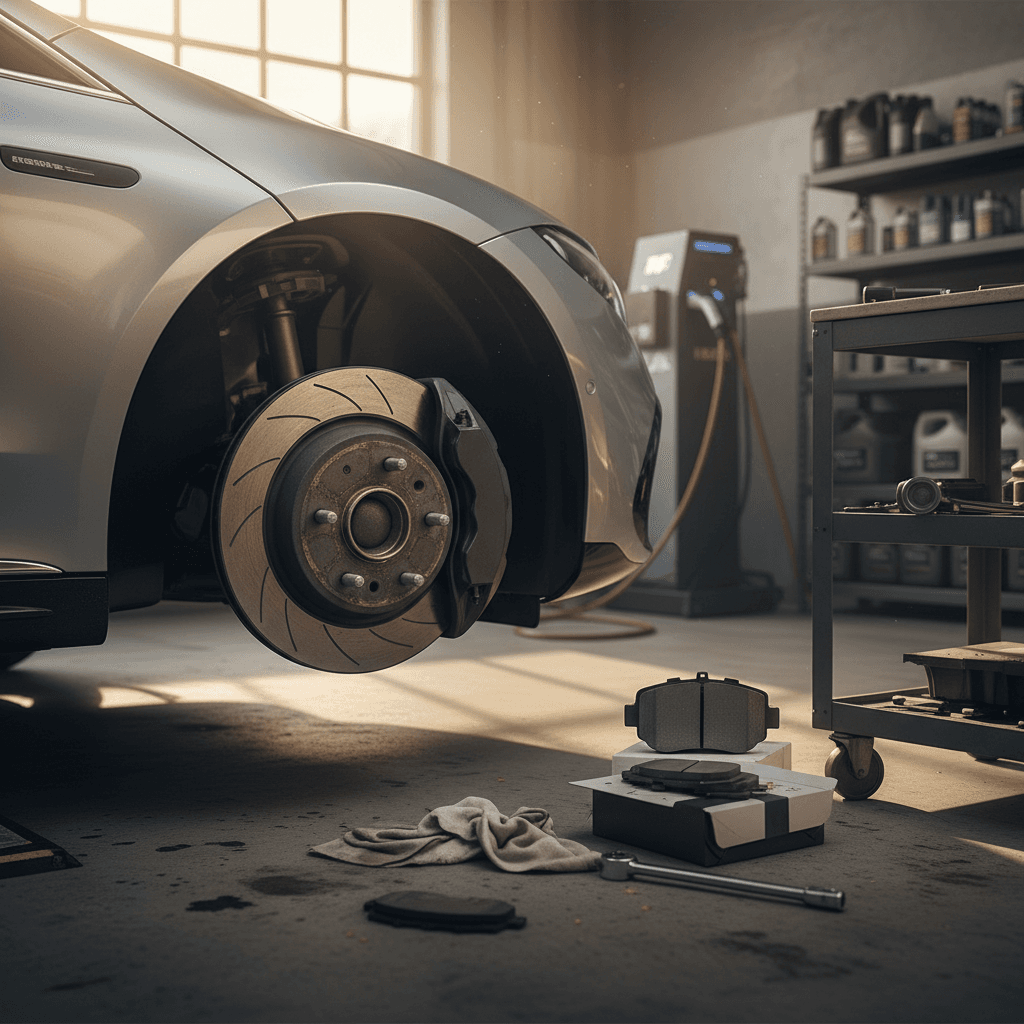
Like most vehicles, the front brakes on a Mercedes EQS do more of the stopping and use larger calipers and rotors. That usually makes front brake service a bit more expensive than rear service, and they’ll often wear sooner.
Front EQS brakes
- Handle the majority of braking force
- Use larger, more expensive pads and rotors
- More likely to need replacement first
- Typical pads + rotors per axle: around $950–$1,450 at a dealer
Rear EQS brakes
- Assist braking and stability control
- Often wear more slowly, especially with strong regen
- Slightly smaller components, but still pricey hardware
- Typical pads + rotors per axle: around $850–$1,300 at a dealer
Pads, rotors, and sensors
How long do Mercedes EQS brake pads last?
One of the quiet perks of EV ownership is that brake pads often last much longer than they do on gas cars. Regenerative braking uses the electric motors to slow the vehicle and recapture energy, so the friction brakes on your EQS may only do heavy work in hard stops or emergencies.
Typical EQS brake pad life by driving style
Real-world expectations, not guarantees, for pad life on a Mercedes EQS.
Gentle suburban driving
Lots of regen, light braking
- Frequent coasting and one-pedal style driving
- Pads may last 80,000–100,000 miles or more
Urban stop-and-go
Heavy traffic, shorter trips
- More frequent use of friction brakes at low speeds
- Expect pads around 60,000–80,000 miles
High-speed, spirited driving
Highway, mountains, or aggressive style
- More emergency and high-speed braking
- Pad life can fall to 40,000–60,000 miles
Don’t ignore time
Dealer vs. independent shop: where to service EQS brakes
When it’s time for brake service, you’ll have a few choices. The Mercedes-Benz dealer isn’t your only option, but it does have some advantages, especially early in the car’s life. Here’s how the options stack up.
Pros and cons of EQS brake service locations
Compare dealer, independent European specialist, and general repair shops for EQS brake work.
| Shop type | Pros | Cons | Best for |
|---|---|---|---|
| Mercedes dealership | Factory-trained techs, OEM parts, software updates, service history in Mercedes system | Highest labor rates, less flexible on parts choice | Newer EQS still under warranty or lease |
| Independent European specialist | Lower labor rates than dealer, familiar with Mercedes and EVs, can use OEM or high-quality aftermarket parts | May not integrate with Mercedes digital service history, quality varies by shop | Out-of-warranty EQS owners balancing cost and quality |
| General independent shop | Lowest advertised prices in some areas, convenient neighborhood locations | May lack EQS/EV-specific experience, may use generic pads that affect feel or noise | Simple pad-only jobs on older EQS where cost is primary concern |
For most EQS owners, a reputable independent European specialist is the sweet spot between cost and expertise.
Ask this before you book
Signs your Mercedes EQS needs brake service
Because regen does so much work on an EQS, owners sometimes ignore the friction brakes until something feels very wrong. Instead, watch for these early clues that it’s time to have the system inspected.
- Dashboard warnings for brake wear or low brake fluid
- Grinding, scraping, or metallic squeal when braking
- A pulsation or vibration in the brake pedal at highway speeds
- Pulling to one side when you apply the brakes
- Noticeably longer stopping distances or a “mushy” pedal feel
- Visible scoring or heavy rust on the rotor surface behind the wheel spokes
Safety first
7 ways to lower your EQS brake pad replacement cost
You can’t turn an EQS into an economy car when it comes to parts pricing, but you can avoid overpaying and stretch the life of your pads and rotors with a few smart habits.
Practical cost-saving tips for EQS brake service
1. Use regen to your advantage
Drive in a mode that maximizes regenerative braking and anticipate stops so you can lift off the accelerator early. The less you use the friction brakes, the longer your pads last.
2. Get quotes from multiple shops
Call at least one Mercedes dealer and one independent European specialist. Ask for pricing on pads only and pads-plus-rotors so you understand your options.
3. Consider high-quality aftermarket pads
On an out-of-warranty EQS, quality aftermarket pads from known brands can perform well at a lower cost. Just confirm the shop uses parts that meet or exceed OEM specs.
4. Combine services in one visit
If you’re due for a tire rotation or brake fluid flush, doing it in the same appointment as pad replacement can reduce total labor time and shop fees.
5. Avoid unnecessary rotor replacement
Some shops automatically quote pads and rotors together. Ask them to measure rotor thickness and runout; if they’re in good shape and within spec, resurfacing or reusing may be possible.
6. Mind your wheels and tires
Oversized wheels or aggressive performance tires can increase brake load and wear. Stick close to factory sizes and choose tires appropriate for your climate and driving style.
7. Address issues early
If you hear a squeal or feel a vibration, don’t wait. Early intervention might mean pads only. Waiting until you hear grinding almost always means new rotors too.
Good news for EV owners
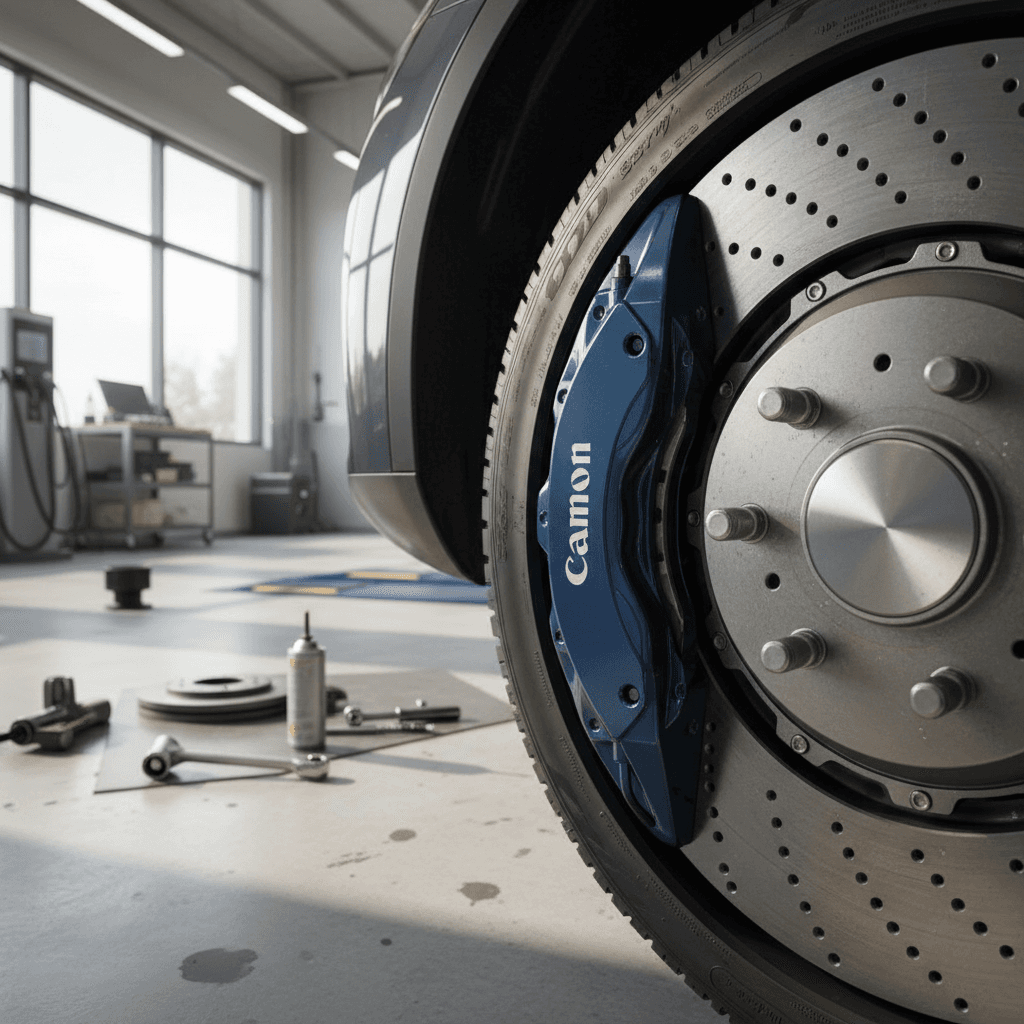
What brake wear means when buying a used EQS
If you’re looking at a used Mercedes EQS, brakes are one of those quiet items that can swing your total cost of ownership by four figures. A car that’s one brake job away from needing $1,500–$2,000 in pads and rotors is very different from one that just had that work done.
Questions to ask the seller
- When were the front and rear pads last replaced?
- Were rotors and wear sensors replaced at the same time?
- Was the work done at a Mercedes dealer or independent shop?
- Do you have invoices or digital service records?
What to check during inspection
- Rotor surfaces for grooves, rust ridges, or heavy corrosion
- Uneven pad wear from side to side
- Any brake noise or vibration on a test drive
- Dashboard for active brake or ABS warnings
How Recharged helps on used EQS brakes
Because Recharged specializes in used EVs, our team understands how regenerative braking, driving style, and climate affect wear components. If you’re comparing two EQS listings and unsure which one is the smarter long-term bet, our EV specialists can walk you through expected service costs and timing, before you buy.
Mercedes EQS brake pad cost: FAQ
Frequently asked questions about EQS brake pad replacement
Bottom line on EQS brake pad replacement cost
Owning a Mercedes EQS doesn’t mean constant brake bills, in fact, most owners will go years before their first pad replacement. But when that day does come, you should expect premium-level pricing: mid-three figures per axle for pads-only, and significantly more if rotors and sensors are involved. Choosing the right shop, leaning on regenerative braking, and catching issues early can all keep your costs under control.
If you’re shopping for a used EQS, brake condition is an important piece of the total-cost-of-ownership puzzle alongside battery health, tires, and charging. Recharged’s Recharged Score Report, EV-focused inspections, and transparent pricing are designed to help you see those costs clearly before you make a decision, so you can enjoy flagship EV comfort without surprises at the service counter.