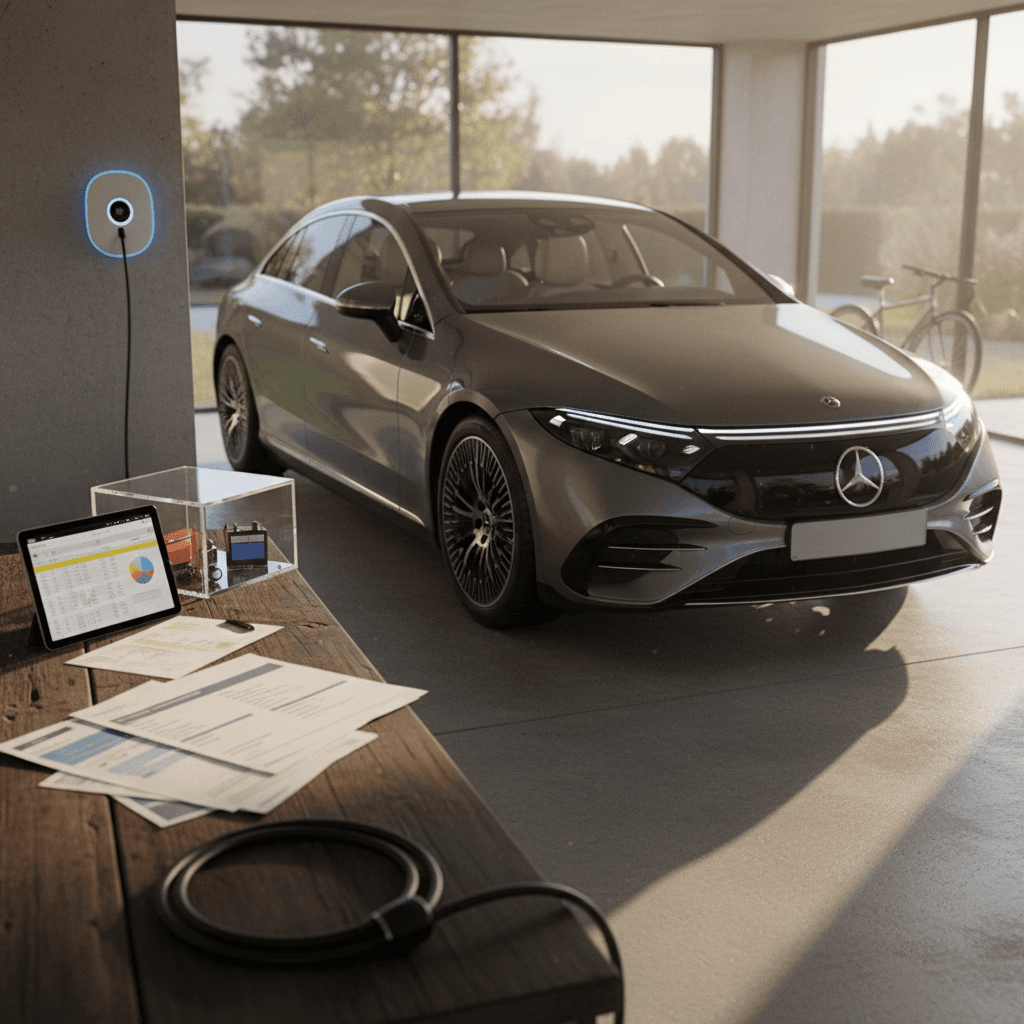
If you’re eyeing a Mercedes EQE, you’re probably not just wondering, “Can I afford the payment?” You want to know the **true cost of ownership over 5 years**, what this sleek electric Mercedes will actually drain from your bank account once you factor in depreciation, electricity, insurance, maintenance and the rest of the fine print.
What this guide covers
Why the Mercedes EQE’s true 5‑year cost matters
On paper, the Mercedes EQE is a cushy, tech-packed luxury EV with a price tag to match. But EVs flip the usual ownership script. You typically trade **higher upfront price** for **lower running costs**, especially on fuel and maintenance. Luxury EVs like the EQE complicate that picture with steep early depreciation and above-average insurance.
What shoppers usually see
- MSRP or monthly payment
- Federal/state incentives (if any)
- Advertised range and features
What actually drives your wallet
- Depreciation – by far the biggest line item
- Electricity vs. fuel savings compared with a gas E‑Class
- Insurance, taxes and fees
- Maintenance, tires and out‑of‑warranty repairs
When you understand the full 5‑year picture, you can answer two crucial questions: **Is the EQE worth it for me?** And **should I buy new, lease, or go used through a platform like Recharged?**
Mercedes EQE 5‑Year Ownership at a Glance (New Purchase)
Our 5‑year cost assumptions
To keep this grounded in reality, we’ll work from a specific scenario and then talk about how your situation may differ.
Baseline assumptions for Mercedes EQE 5‑year ownership
These assumptions line up with recent U.S. driving and energy data and a typical EQE shopper profile.
| Factor | Assumption | Why it matters |
|---|---|---|
| Model | Mercedes‑Benz EQE 350+ or similar trim | Mid‑range EQE sedan, well optioned, not the AMG halo. |
| Purchase price (new) | $80,000 out‑the‑door | Typical transaction price with options, taxes and fees in 2025–2026. |
| Ownership period | 5 years / ~67,500 miles | A common loan or lease horizon; aligns with many TCO calculators. |
| Annual mileage | 13,500 miles | Close to recent U.S. average of ~13,500 miles per driver. |
| Energy efficiency | ≈30–32 kWh/100 miles | In line with real‑world EQE data in mixed driving. |
| Electricity price | $0.18–0.20 per kWh | Rough average of U.S. residential rates in 2025–2026. |
| Insurance profile | Good driver, clean record | Younger drivers or city dwellers will pay more. |
| Charging mix | 70% home, 30% DC fast/public | Realistic for many suburban commuters with frequent road trips. |
If any of these don’t match your life, adjust your personal math accordingly.
Your state can swing the math
Mercedes EQE depreciation over 5 years
Depreciation is where the EQE quietly does the most damage to your net worth. Luxury sedans, gas or electric, bleed value quickly in the first three years, and the EQE is no exception.
- A new EQE transacting around $80,000 today is likely to be worth roughly $37,000–$40,000 after 5 years of normal use.
- That’s about $40,000–$43,000 in depreciation, half the car’s value, over 5 years.
- The steepest drop comes in years 1–3. Years 4–5 flatten out as the car finds its used‑market price floor.
Why used EQE buyers win on depreciation
New vs. Used EQE: Depreciation Snapshot
Same car, different starting point.
Buy new EQE in 2026
- Purchase price: $80,000
- Estimated value in 2031: $38,000
- 5‑yr depreciation: ≈$42,000
Buy 3‑year‑old EQE in 2026
- Purchase price: $48,000 (typical for a clean, low‑mile example)
- Estimated value in 2031: $28,000
- 5‑yr depreciation: ≈$20,000
Result: roughly half the depreciation of buying new.
Charging and electricity costs for 5 years
The EQE is no hyper‑miler, but it’s not a hog either. In mixed real‑world driving, many owners see around **3.1–3.3 miles per kWh**, which works out to roughly **30–32 kWh per 100 miles**, right in line with our assumptions.
Estimating 5‑year electricity costs for a Mercedes EQE
Based on 13,500 miles per year, 30 kWh/100 miles efficiency and $0.19/kWh blended electricity cost.
| Item | Back‑of‑napkin math | Estimated cost |
|---|---|---|
| Annual energy use | 13,500 miles ÷ 3.2 mi/kWh ≈ 4,220 kWh/year | – |
| Home charging (70%) | 4,220 × 70% × $0.17/kWh ≈ $503/year | $500/year |
| Public/DC fast (30%) | 4,220 × 30% × $0.30/kWh ≈ $380/year | $380/year |
| Total yearly electricity | Home + public ≈ $880/year | ≈$900 |
| 5‑year electricity cost | $900 × 5 | ≈$4,500 |
Your actual cost will swing with your local utility rates and how often you fast charge.
Compared to a gas E‑Class…
Insurance, taxes and fees
Here’s where the EQE reminds you it’s a Mercedes. It’s heavy, powerful, loaded with expensive tech, and it wears a three‑pointed star, all of which insurers notice.
5‑Year Insurance & Tax Snapshot
Numbers assume a good driver, suburban ZIP, and no major claims.
Insurance premiums
- Typical range: $2,200–$2,800/year for a new EQE.
- We’ll use **$2,500/year** as a working average.
- 5‑year total: ≈$12,500.
Registration & property tax
- Year 1: can be well over $1,000 in high‑tax states.
- Later years decline as the car’s taxable value drops.
- 5‑year total: ≈$3,000–$4,000 in many states.
EV incentives & fees
- Some states add EV registration surcharges.
- Others offer credits or HOV perks that offset costs.
- Check your state’s latest EV policies before you buy.
Watch out for EV surcharges
Maintenance, tires and unexpected repairs
One big EV promise is lower maintenance: no oil changes, fewer moving parts, less routine under‑hood work. That’s mostly true for the EQE, but it’s still a complex, premium German car. Simple service items often carry premium pricing.
Typical 5‑year maintenance & wear costs for an EQE
Think of this as a realistic range rather than a bill you can set your watch by.
| Category | What’s included | 5‑year estimate |
|---|---|---|
| Scheduled service | Brake fluid changes, cabin filters, multi‑point inspections, software updates, coolant checks | $2,000–$2,500 |
| Tires | One full set of quality all‑seasons for a heavy, powerful EV (20–21" wheels aren’t cheap) | $1,200–$1,800 |
| Brakes | Pads/rotors may last longer thanks to regen, but heavy cars still wear hardware eventually | $500–$1,000 (if needed within 5 years) |
| Misc. repairs | Door handles, sensors, infotainment glitches, suspension bits as the miles pile up | $1,000–$2,000 |
| Total 5‑year maintenance & wear | Combined estimate | ≈$4,500–$7,000 |
Costs are for a new EQE kept for 5 years and serviced at a mix of dealer and reputable independent shops.
Battery and drivetrain: what usually *doesn’t* go wrong
New, lease or used EQE: which is cheaper over 5 years?
You don’t just pick a car; you pick a financial structure. With the EQE, the way you acquire it can change your 5‑year cost of ownership as much as which trim you choose.
Three Common EQE Ownership Paths
Same car, three very different 5‑year cost profiles.
1. Buy new, finance 5 years
- Upfront sales tax and fees based on full $80k price.
- Largest 5‑year depreciation hit (≈$42k).
- Best if you want to keep the car 8–10 years, not 5.
5‑year total owner cost (all‑in): Very roughly $80k–$90k depending on interest and local taxes.
2. Lease new for 3 years, then decide
- Lower commitment, but high monthly payment.
- Depreciation risk sits with Mercedes Financial.
- After 3 years you can buy or walk away.
3‑year cost: Often similar to the first 3 years of a loan, but with fewer unknowns about resale.
3. Buy used EQE through Recharged
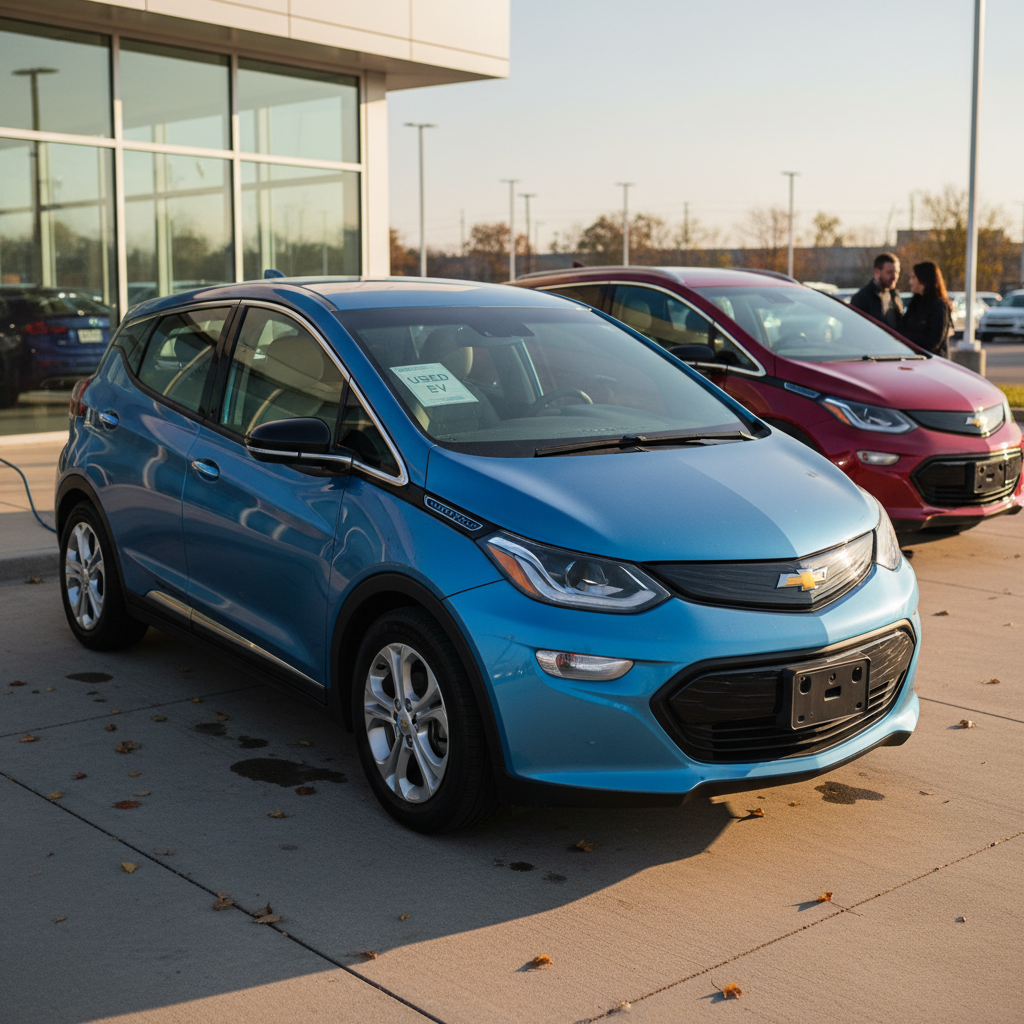
- Let the first owner absorb the steepest depreciation.
- Pay something like $45k–$55k instead of $80k.
- Battery health and fair market pricing verified via the Recharged Score Report.
5‑year depreciation: Often closer to $18k–$22k instead of $42k.

The punchline is simple: over a 5‑year horizon, **the biggest lever you control is what you pay going in**. Stretching a new EQE over 10 years can make sense for some buyers, but if you’re thinking specifically in 5‑year chunks, starting with a 2‑ to 4‑year‑old EQE usually pencils out better.
How Recharged changes EQE ownership math
Buying used doesn’t have to mean buying blind. Recharged was built specifically to make **used EV ownership simple and transparent**, which matters a lot when you’re staring down a luxury EV with a five‑figure battery pack.
Recharged advantages for Mercedes EQE shoppers
Lower risk, clearer math, less hassle.
Verified battery health with the Recharged Score
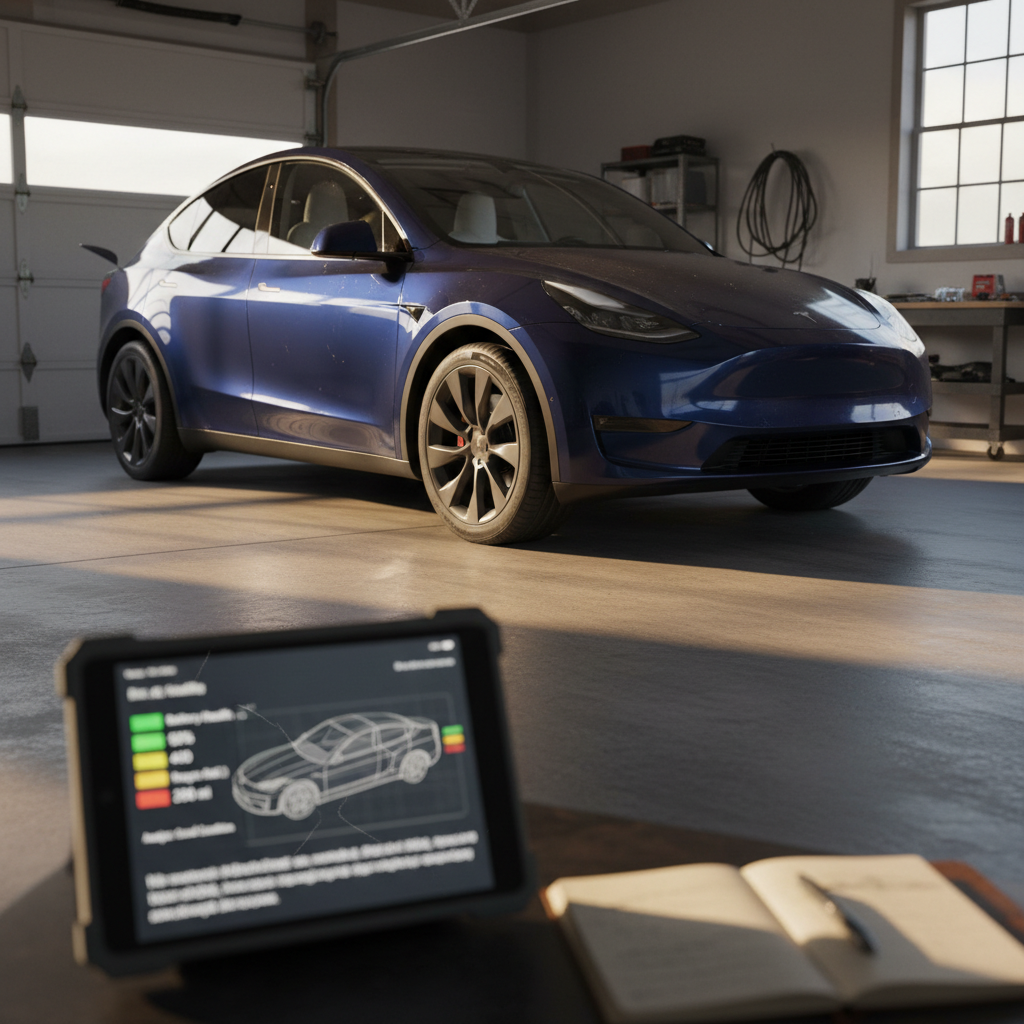
Every EQE on Recharged comes with a Recharged Score Report that includes detailed battery diagnostics, so you’re not guessing about degradation. That makes your 5‑year cost projections a lot more honest than the usual "+/- who knows" most used listings offer.
Fully digital, EV‑specialist buying experience
From valuation of your trade‑in to financing and nationwide delivery, Recharged runs the whole process online, backed by EV specialists who live this stuff. If you’re comparing a used EQE to other luxury EVs, they’ll walk you through pros, cons and running costs, not just try to close you on the shinier badge.
Ready to find your next EV?
Browse VehiclesRichmond, VA Experience Center
Checklist: 8 ways to cut your EQE’s 5‑year costs
Smart EQE Ownership Moves
1. Buy after the big depreciation hit
Target EQEs that are 2–4 years old with clean histories. You’ll often save tens of thousands versus new while still enjoying modern tech and plenty of warranty coverage.
2. Make battery health non‑negotiable
Always get an objective battery report, like the Recharged Score, before buying used. A healthy pack protects your range, your resale value, and your peace of mind.
3. Right‑size your wheels and tires
Those gorgeous 21‑inch wheels look great, but they’re heavier, less efficient and more expensive to re‑tire. If you care about total cost of ownership, consider a smaller wheel package or a second set of smaller wheels for daily use.
4. Charge at home whenever possible
Level 2 home charging on a reasonable utility rate will almost always beat public DC fast charging on cost. Use public chargers as a convenience, not a lifestyle.
5. Hunt for off‑peak electricity rates
Many utilities offer cheaper overnight EV rates. Set your EQE’s charging schedule (or your smart charger) to top up when electrons are on sale.
6. Shop your insurance aggressively
Don’t assume your current insurer will give you the best EQE rate. Get quotes from at least 3–4 carriers and ask specifically about EV and safety‑feature discounts.
7. Follow maintenance schedules, but not upsells
Stick to Mercedes’ recommended service intervals, but be wary of add‑ons with vague benefits. An honest EV‑savvy shop can keep you on track without padding the bill.
8. Think about exit value on day one
Keep records, avoid cheap bodywork, and mind your mileage if you know you’ll sell or trade around year five. Cars with documented care and verified battery health consistently command better offers.
Mercedes EQE 5‑year cost of ownership: FAQ
Frequently Asked Questions
Bottom line: what a Mercedes EQE really costs in 5 years
Add it all up and the Mercedes EQE is not a cheap date. Over 5 years, depreciation alone can quietly vaporize over **$40,000** on a new example, with electricity, insurance, taxes and maintenance layering another few tens of thousands on top. The good news is that the parts you can actually control, when you buy, whether you buy new or used, how you charge, how you insure, are the same levers that separate a painful ownership experience from a smart one.
If you love the EQE’s quiet, cocooned luxury but hate the idea of lighting money on fire, the sweet spot is almost always a **carefully vetted used EQE** with verified battery health and a sane purchase price. That’s where platforms like Recharged earn their keep, by surfacing the right cars, backing them with transparent data, and helping you see the real 5‑year cost before you ever click “buy.”