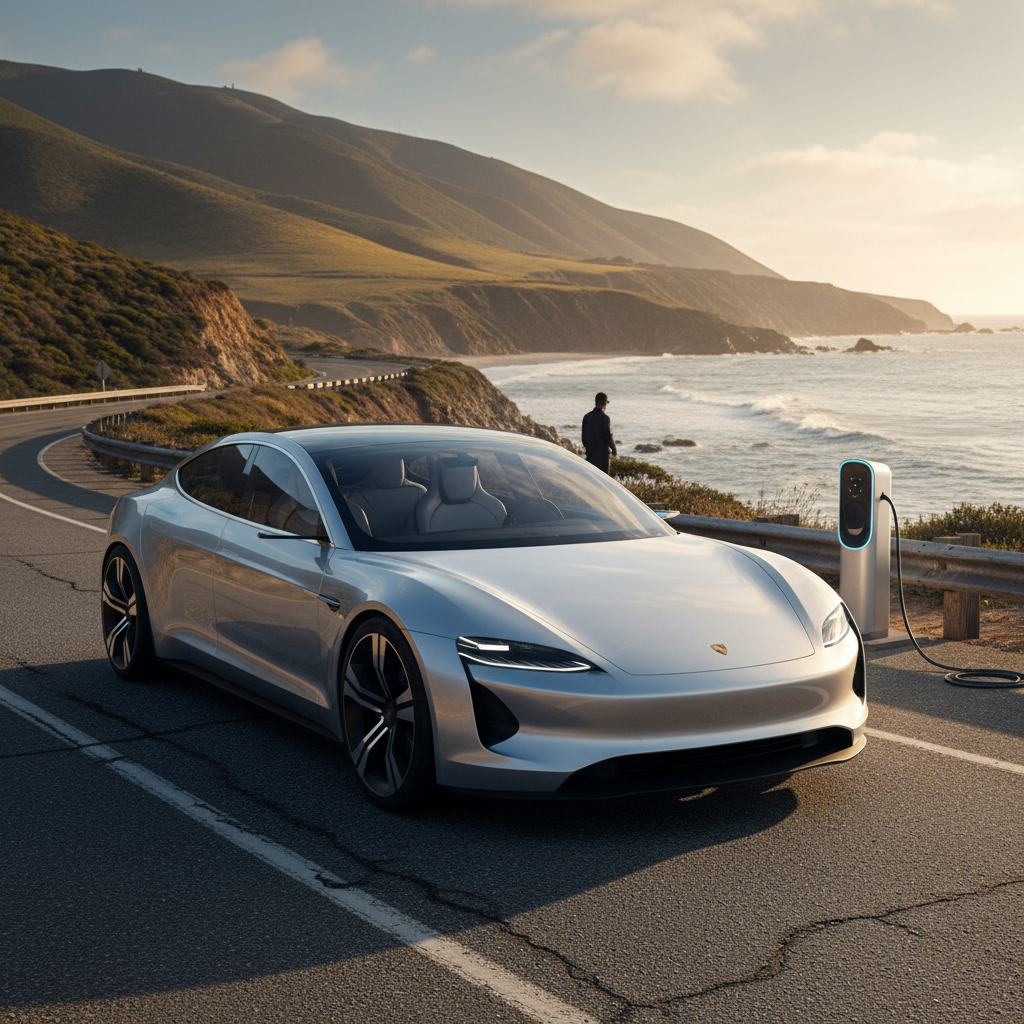
If you’re eyeing a Mercedes EQE, sedan or SUV, you’re probably not asking, “What’s the EPA number?” You’re asking, “What’s the Mercedes EQE real‑world range on the highway when I’m cruising at 70–75 mph with the family and luggage on board?” This guide breaks down what owners and independent tests are seeing in the real world, why the numbers differ by trim and conditions, and how far you can actually expect to go between fast‑charge stops.
Quick takeaway
Mercedes EQE highway range at a glance
Real‑world EQE highway range snapshot
Before we dive into trim‑by‑trim details, it helps to set expectations. The EQE family uses relatively large batteries, around 90–96 kWh usable depending on model year and trim, so the cars have solid range foundations. But like most luxury EVs with big wheels and lots of power, they’re more efficient in mixed or city driving than on the interstate. At U.S. highway speeds, think in terms of 3.0–3.3 miles per kWh for sedans and 2.7–3.1 miles per kWh for SUVs in good conditions.
EQE sedan vs EQE SUV: real‑world highway range
Mercedes sells the EQE in both sedan and SUV form, and they behave differently on the highway. The sedan sits lower and slices the air more cleanly; the SUV rides taller and heavier. That shows up clearly in real‑world range.
EQE sedan vs EQE SUV on the highway
How popular trims compare when you’re cruising at speed
EQE sedan highway range
- EQE 350+ (RWD sedan): EPA up to ~300+ miles; owners and testers commonly report 260–300 miles at 65–70 mph in mild weather if you use the battery from ~100% down to low single digits.
- EQE 350 4MATIC / EQE320 4Matic (AWD sedan): EPA around the mid‑260s miles. In real highway use, expect roughly 230–260 miles depending on wheel size, passengers, and how close you stick to 70 vs 80 mph.
- AMG EQE sedan: With EPA around the low‑220s, highway runs often land in the 190–220 mile window if you’re driving it like an AMG and not a hypermiler.
EQE SUV highway range
- EQE SUV 350+ (RWD): EPA around 300 miles. Real‑world highway testing has seen 260–300 miles in good conditions at 65–70 mph.
- EQE SUV 350 4MATIC / EQE320 4Matic: EPA roughly 250–265 miles depending on year. Independent 75‑mph tests have recorded about 260 miles from a full charge in ideal conditions, but most owners should plan on 220–250 miles at typical U.S. speeds.
- AMG EQE SUV: Official range hovers around 230 miles, and one detailed summer highway test managed the high‑260s by driving very steadily around 64 mph. Drive it faster or in colder weather, and real‑world highway range will more realistically sit in the 190–230 mile band.
Wheel size matters more than you think
EPA ratings vs reality on the highway
If you look at U.S. EPA labels, EQE sedans cluster in the mid‑260s to just over 300 miles of rated range, depending on trim, while EQE SUVs usually land in the 250–300 mile range. Those numbers are helpful for comparing cars on the lot, but they’re not a promise of what you’ll see at 75 mph with climate control on.
Mercedes EQE: EPA vs realistic highway range
Approximate U.S. EPA ratings compared with what many drivers see on real Interstate trips in mild weather.
| Model | Battery (approx.) | EPA rated range (mi) | Typical highway range (mi) | Notes |
|---|---|---|---|---|
| EQE 350+ sedan (RWD) | ~96 kWh | ~298–308 | 260–300 | Best long‑leg sedan; efficient at 65–70 mph |
| EQE 350 / 320 4MATIC sedan (AWD) | ~90–96 kWh | ~266–280 | 230–260 | Extra motor and traction cost some range |
| AMG EQE sedan | ~90 kWh | ~220 | 190–220 | High performance, softer on efficiency |
| EQE 350+ SUV (RWD) | ~96 kWh | ~302 | 260–300 | Tall body but strong efficiency when driven smoothly |
| EQE 350 / 320 4MATIC SUV | ~90–96 kWh | ~253–265 | 220–260 | Independent 75‑mph tests near or above EPA in ideal conditions |
| AMG EQE SUV | ~90 kWh | ~230 | 190–240 | One careful test reached the high‑260s at ~64 mph in warm weather |
Highway range shrinks vs EPA as speeds climb and conditions get tougher.
Why your EQE might beat its EPA number
7 factors that change your EQE’s highway range
Two EQEs with the same badge can produce very different highway results. Here are the big levers that move your real‑world range up or down.
- Speed: Above about 55 mph, aerodynamic drag ramps up quickly. Jumping from 65 to 80 mph can easily cost you 15–25% of your range.
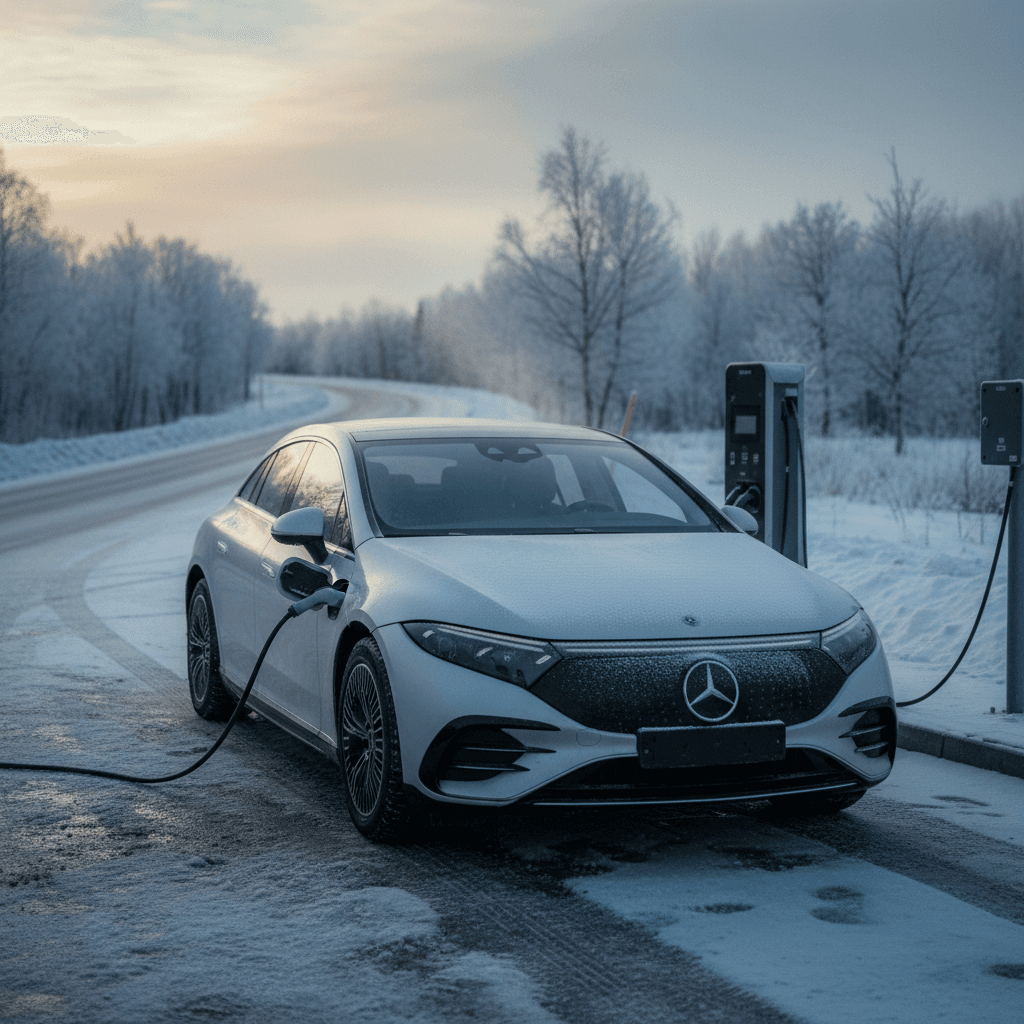
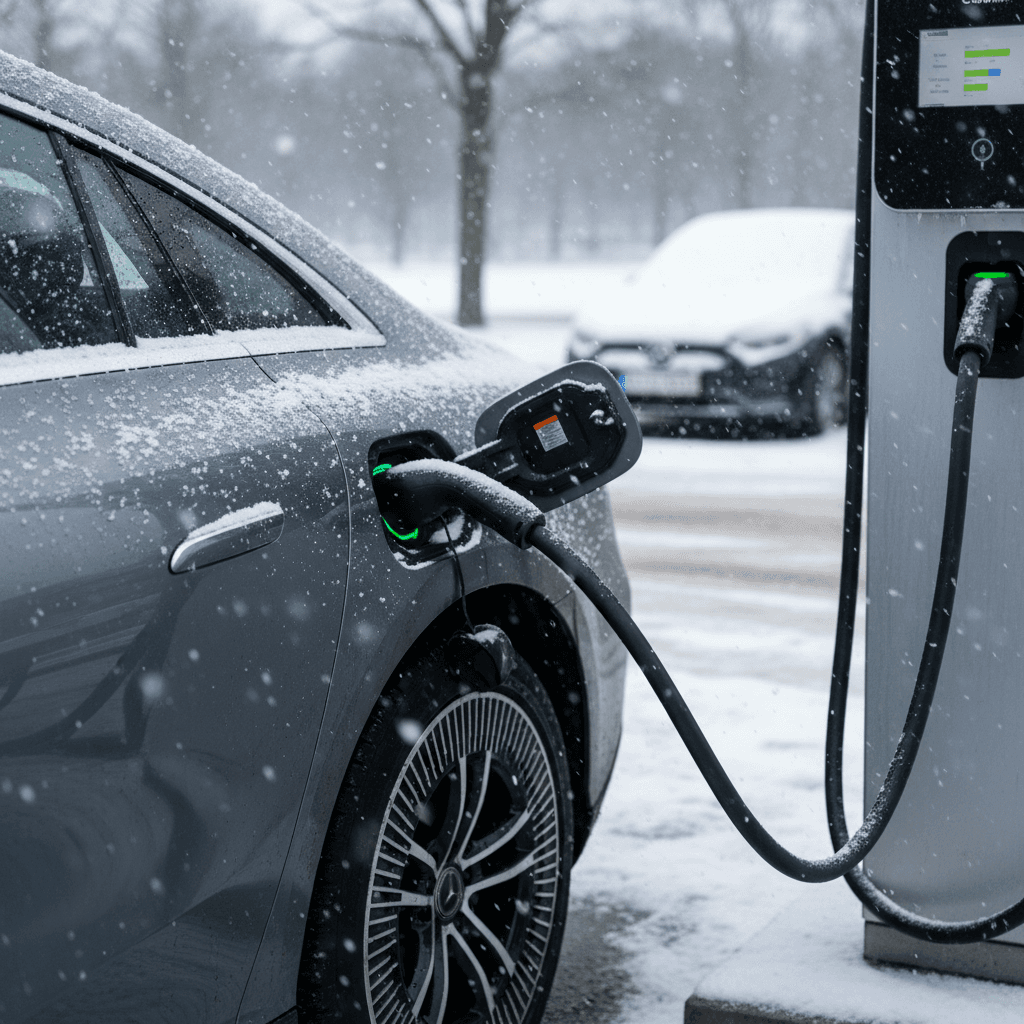
- Temperature: EV batteries and HVAC systems are happiest in the 60–80°F range. Bitter‑cold winters or scorching summers can knock 15–30% off your highway range, especially on short legs where the cabin and pack are repeatedly heated or cooled.
- Wind and elevation: A headwind or long uphill grades will burn energy fast. A tailwind or long descent does the opposite. Road‑trip range between two cities can differ dramatically depending on which direction you’re traveling.
- Wheels and tires: Larger, wider wheels and stickier performance tires look and feel great but cost efficiency. Touring‑oriented, lower‑rolling‑resistance tires on smaller wheels usually deliver better highway numbers.
- Drive mode and regen: Eco modes tend to soften throttle response and tweak HVAC to save energy. Intelligent or strong recuperation in the EQE can claw back energy when you’re flowing with variable traffic instead of locked on cruise control.
- Load and roof accessories: Four passengers, luggage, and a roof box turn your sleek EQE into a small freight train. Extra mass plus extra drag = less range, especially at higher speeds.
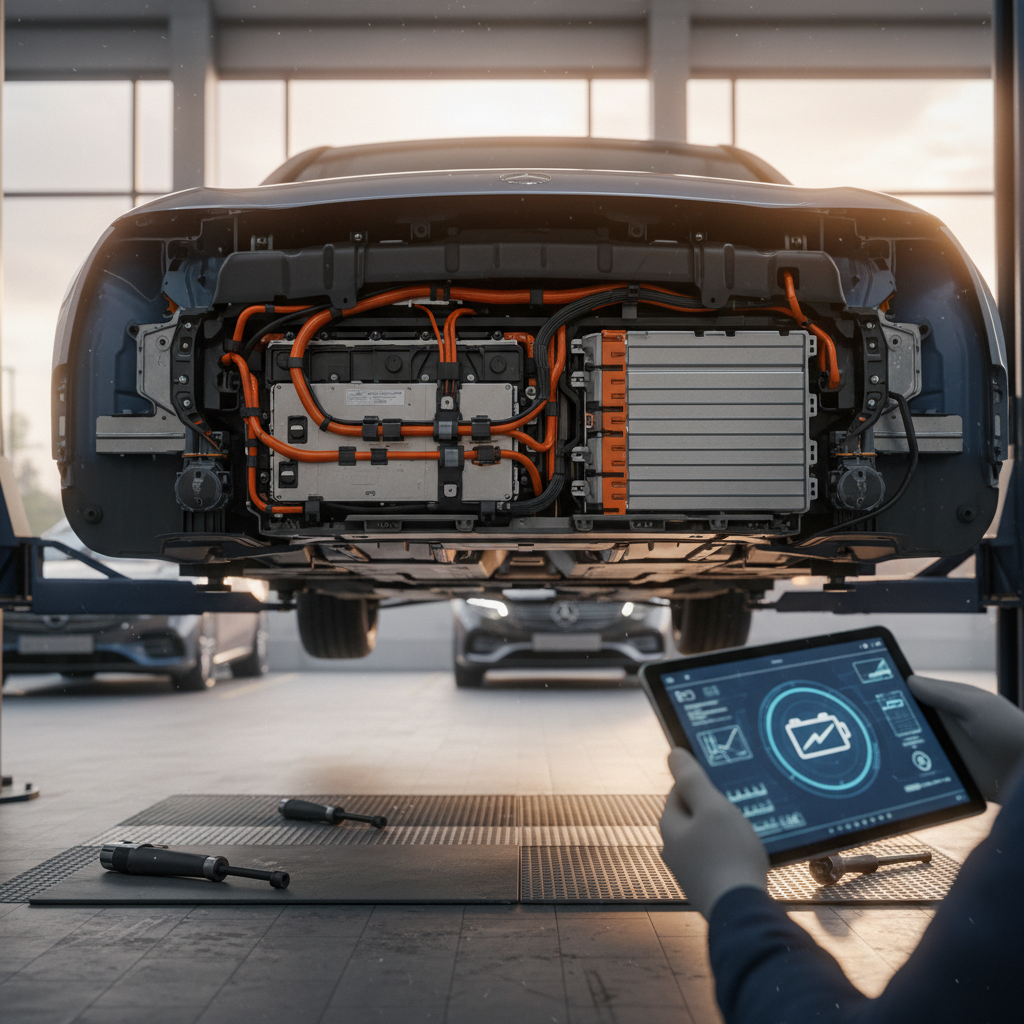
- Battery state of health: Over time, all batteries lose a little usable capacity. A gently‑driven, well‑cared‑for EQE might only lose a few percent in its first years, while a hard‑driven, fast‑charged car in extreme climates can see more noticeable range loss. This matters most if you’re shopping used.
Don’t ignore winter range
So how far can you really drive your EQE on a trip?
Let’s translate all of this into the kind of planning you actually do: “How far can I go between fast‑charge stops without sweating it?” Rather than chasing the last mile, most drivers are more comfortable using roughly 70% of the pack between about 10% and 80% state of charge. That’s also the sweet spot for quick DC fast‑charging.
EQE sedan road‑trip legs
- EQE 350+ sedan: At ~3.2–3.4 mi/kWh in good conditions, using 70% of a ~96 kWh pack gives you a practical 215–230 miles between 10–80% on the highway.
- EQE 350 / 320 4MATIC sedan: Figure closer to 3.0–3.2 mi/kWh. That translates into about 190–220 comfortable highway miles per charge window.
- AMG EQE sedan: Drive it briskly and you’re more likely looking at 160–200 miles between efficient DC fast‑charge stops.
EQE SUV road‑trip legs
- EQE 350+ SUV (RWD): With careful driving, 3.0–3.2 mi/kWh is realistic on the highway, yielding roughly 200–215 miles between 10–80% in normal use.
- EQE 350 / 320 4MATIC SUV: Expect around 2.7–3.0 mi/kWh, so plan on roughly 180–210 miles per fast‑charge leg in typical U.S. conditions.
- AMG EQE SUV: If you keep your foot in it, your comfortable 10–80% highway window may be closer to 150–190 miles, though very measured driving can stretch farther.
A simple rule of thumb
Tips to stretch your Mercedes EQE’s highway range
You don’t have to baby your EQE to get decent highway range, but a few smart habits can add 20–40 miles to every leg. Here’s where to focus.
Seven practical ways to go farther between charges
1. Set cruise a little lower
If traffic allows, set cruise at 70 instead of 78. The EQE’s smooth torque means it feels relaxed either way, but that small drop in speed can easily net you an extra 15–25 miles of range per leg.
2. Use Eco or Comfort on long stints
Sport modes sharpen response but also invite heavier throttle use. Eco or Comfort tame the power a bit, optimize HVAC, and make it easier to drive smoothly, your best friend for efficient highway travel.
3. Precondition while plugged in
On cold or hot days, pre‑heat or pre‑cool the cabin while the EQE is still on the charger. That way, you’re not spending the first 20 miles of your highway leg just bringing the battery and cabin up to temperature.
4. Travel light up top
Roof boxes and bike racks are range killers at highway speed. If you must run them, expect a noticeable hit. Whenever possible, load cargo inside the EQE’s cabin instead of on the roof.
5. Mind your tires
Underinflated or aggressive performance tires add drag. Keeping pressures at spec and sticking with touring‑oriented tires when you replace them can preserve the quiet ride and help maintain your real‑world range.
6. Plan smarter charging stops
Instead of stretching from 100% to single digits, stop more often and ride the 10–80% window where DC fast‑charging is quickest. You’ll arrive sooner than if you chase maximum distance on each leg.
7. Use navigation with EV routing
When you use built‑in EV routing or a smart phone app, the car can account for elevation and conditions and suggest more realistic arrival SOC. That helps you avoid white‑knuckle final miles when a headwind shows up.
Buying a used EQE? How to judge real range
If you’re considering a used Mercedes EQE, the big questions are: “How much highway range has it lost?” and “Is the battery still healthy enough for my commute or road trips?” Because range depends on both hardware and driver behavior, you want more than just the original window‑sticker number.
Questions to ask and checks to run
- Battery health data: Ask for any battery health reports, software readouts, or service records that mention capacity or cell issues.
- Charging history: A car that spent most of its life on home Level 2 charging and only occasional DC fast‑charging generally ages more gracefully than one that fast‑charged constantly at high SOC.
- Climate and usage: Very hot or very cold climates, or lots of high‑speed commuter miles, can be tougher on packs than milder duty cycles.
- Test drive and observe: On a test route that includes a short highway stint, note the consumption readout. If you’re seeing wildly high kWh/100 miles at modest speeds in mild weather, it’s a flag to investigate.
How Recharged helps with used EQE range
When you shop a used EQE through Recharged, every vehicle comes with a Recharged Score Report that includes verified battery health diagnostics and fair‑market pricing. Instead of guessing how much range is left, you see objective data on pack condition and likely real‑world performance.
Our EV specialists can also talk through your actual daily driving and trip needs, for example, whether an EQE 350+ sedan or EQE SUV 4MATIC better fits your highway habits, and help you line that up with what a specific used car can comfortably deliver between charges.
Leverage total cost, not just range
Mercedes EQE real‑world range: FAQs
Frequently asked questions about EQE highway range
The Mercedes EQE isn’t the flashiest range champion on the spec sheet, but in the real world it’s a quiet, confident long‑distance EV. Understand how speed, weather, and trim affect your highway range, plan your charging around a realistic 150–200 mile window, and you’ll find the EQE sedan or SUV makes easy work of serious road miles. If you’re exploring a used EQE, Recharged can help you decode battery health, estimate true highway range, and match you with the right car, and payment plan, for the way you actually drive.