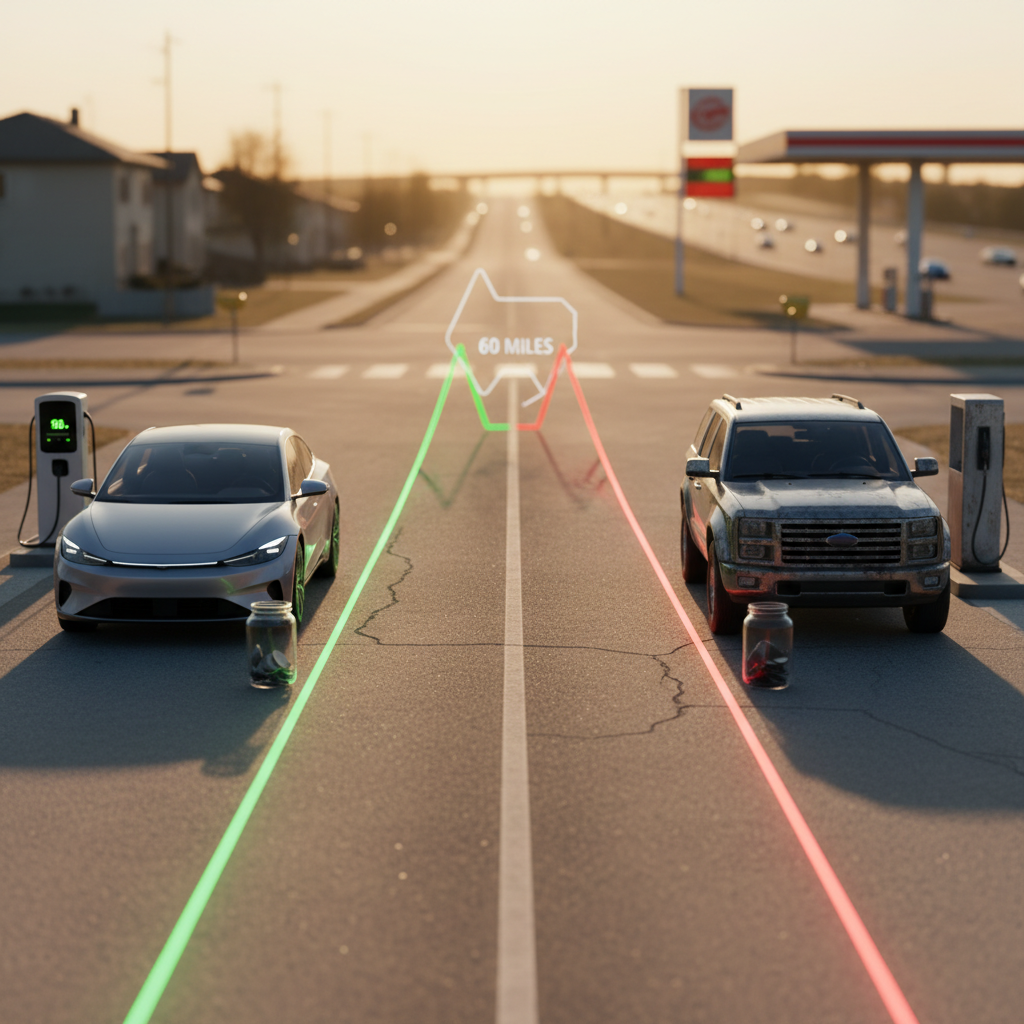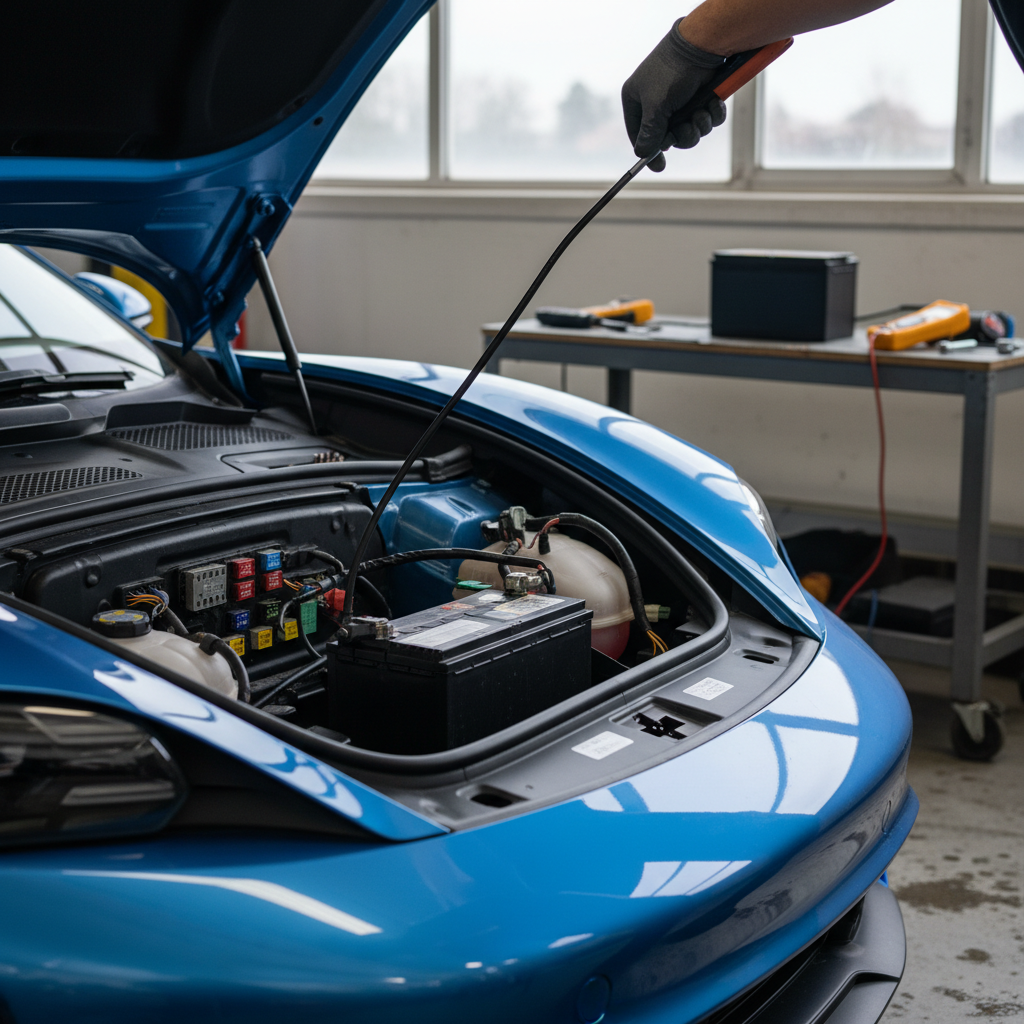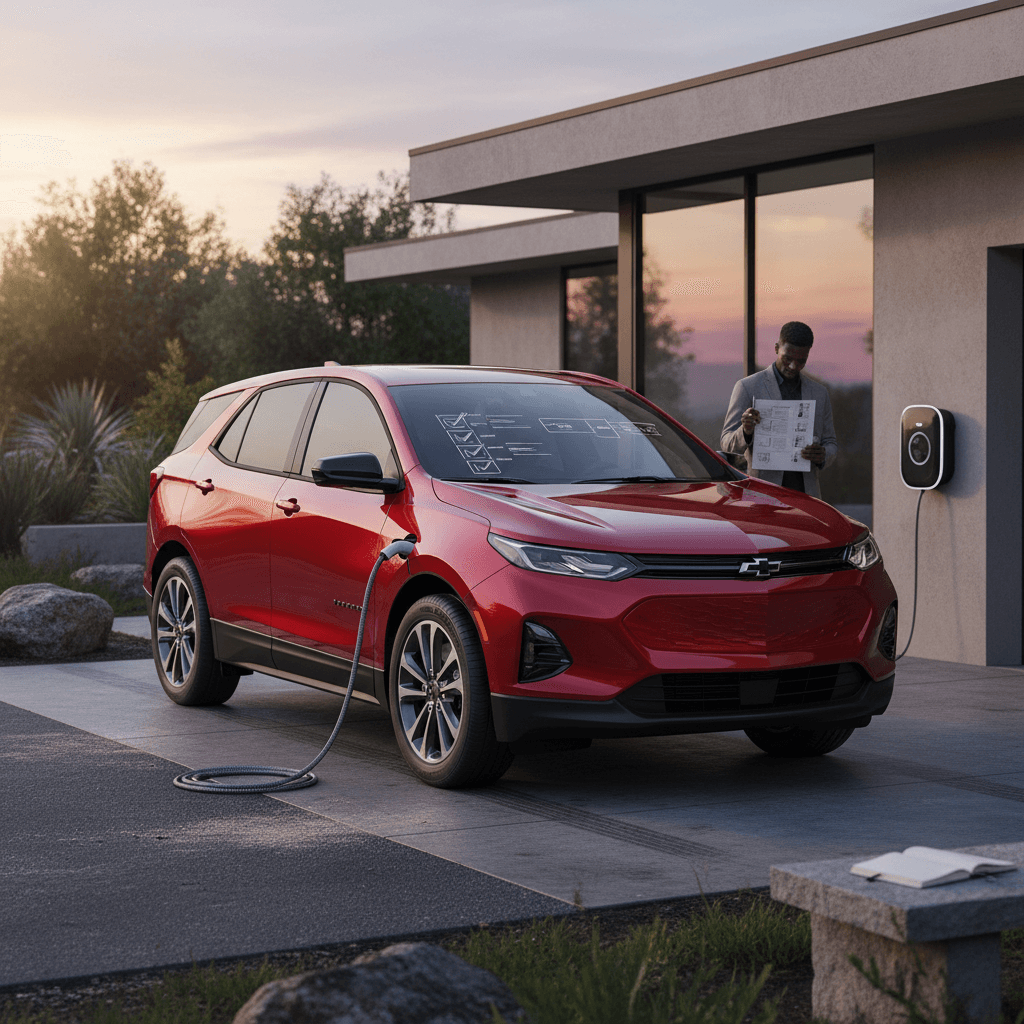
The Mazda MX-30 might be the quirkiest used EV you’ll ever consider: gorgeous cabin, cool “freestyle” doors, and a battery so small it feels like a dare. This Mazda MX-30 buying checklist walks you through every decision point, range, battery health, charging, pricing, and paperwork, so you know exactly what you’re getting into before you sign anything.
Key context: the MX-30 is discontinued
Overview: What Makes the Mazda MX-30 a Special-Case Used EV
What the MX-30 gets right
- Beautiful interior with eco-friendly materials and a genuinely premium feel for the price.
- City-friendly size and light steering that make it easy to park and maneuver.
- Smooth, quiet powertrain that feels more upscale than the spec sheet suggests.
- Lower used prices than many rival EVs because of limited range and demand.
Where it falls short
- Tiny battery (~35.5 kWh) and about 100 miles of EPA range, often less on the highway.
- Slow-ish fast charging, topping out around 50 kW DC.
- Limited rear-seat and cargo practicality thanks to the RX-8-style clamshell rear doors.
- U.S. sales limited to California, which affects availability and sometimes parts and service familiarity elsewhere.
Who should probably skip it
Step 1: Confirm It’s Actually Sold Where You Live
Because Mazda only sold the MX-30 EV in California and dropped it from the U.S. lineup after the 2023 model year, every car you see is either a California original or an import from another market. Before you spend time on a specific car, you want to confirm where it came from and who’s going to service it.
Market & VIN checks
1. Confirm it’s a U.S.-spec MX-30 EV
Ask the seller for the VIN and verify it’s a U.S.-market MX-30 EV, not a grey‑market car or the European R-EV range‑extender variant. A U.S. car will have an EPA range label and U.S.-spec safety stickers.
2. Check where the car has lived
If you’re outside California, look at the Carfax/Autocheck history to see if the MX-30 has only just arrived. A freshly imported car may have fewer local service records, and you’ll want to confirm a Mazda dealer near you is comfortable working on it.
3. Call your local Mazda dealer
Ask directly whether they service the MX-30 EV and if they’ve seen one before. Most mechanical bits are familiar Mazda, but having techs comfortable with the high‑voltage system matters.
4. Confirm recall & campaign status
Ask a Mazda dealer to run the VIN for open recalls or service campaigns. With low-volume models, you don’t want to discover an outstanding recall after you’ve bought the car.
Pro tip: service familiarity matters
Step 2: Decide If the MX-30’s Range Truly Fits Your Life
Every EV asks you a question. The MX-30’s question is, “Can you live with ~100 real‑world miles?” On paper, the U.S. models deliver around 100 miles of EPA‑rated range from a 35.5 kWh battery. In the real world, that can dip closer to 70–85 miles at highway speeds or in cold weather, and climb a bit higher in temperate, low‑speed city use.
Mazda MX-30 range reality check
Range-fit questions to answer honestly
1. Map your real daily round trip
Look at your true daily mileage, including errands and detours. If you’re regularly above 70–80 miles before you plug in again, the MX-30 will feel tight, especially in winter.
2. Do you have reliable overnight charging?
The MX-30 makes the most sense if you can charge every night at home or in a dedicated workplace spot. Relying on public DC fast chargers to patch over the short range will get old fast.
3. How often do you take 150+ mile trips?
Occasional long trips are possible with careful planning, but the small battery and modest 50 kW DC fast‑charge rate make this a poor road‑trip car. If you road‑trip often, consider alternatives like a Chevy Bolt EUV or Kia Niro EV.
4. What’s your backup vehicle plan?
Many happy MX-30 owners treat it as a second car for commuting and errands while keeping a gasoline or long‑range EV for road trips. If this will be your only vehicle, be extra cautious.
Step 3: Battery Health and Warranty Checks
The MX-30’s pack is small, which makes preserving its health even more important. The good news: short‑range EVs tend to see gentle duty cycles. The bad news: frequent DC fast charging or sitting full in hot climates can still accelerate degradation.
How to size up an MX-30 battery
Use data when you can, don’t rely on guesses or the dash’s % display.
1. Ask for a battery health report
Ideally, you want a formal battery diagnostic showing usable capacity vs. original. At Recharged, every vehicle comes with a Recharged Score battery health report so you’re not guessing from a vague state‑of‑charge bar.
2. Check warranty status
Mazda’s high‑voltage battery warranty on U.S. MX-30s is typically 8 years / 100,000 miles from in‑service date. Confirm the exact start date and current mileage, and ask if any battery‑related claims have been made.
3. Review charging history
If the seller can show home‑charging records or app screenshots, look for a pattern of Level 2 overnight charging and few DC fast‑charge sessions. Heavy fast‑charge use, especially in hot climates, is a red flag on any small‑pack EV.
Red flags on MX-30 battery condition
Step 4: Charging Speeds, Ports, and Your Home Setup
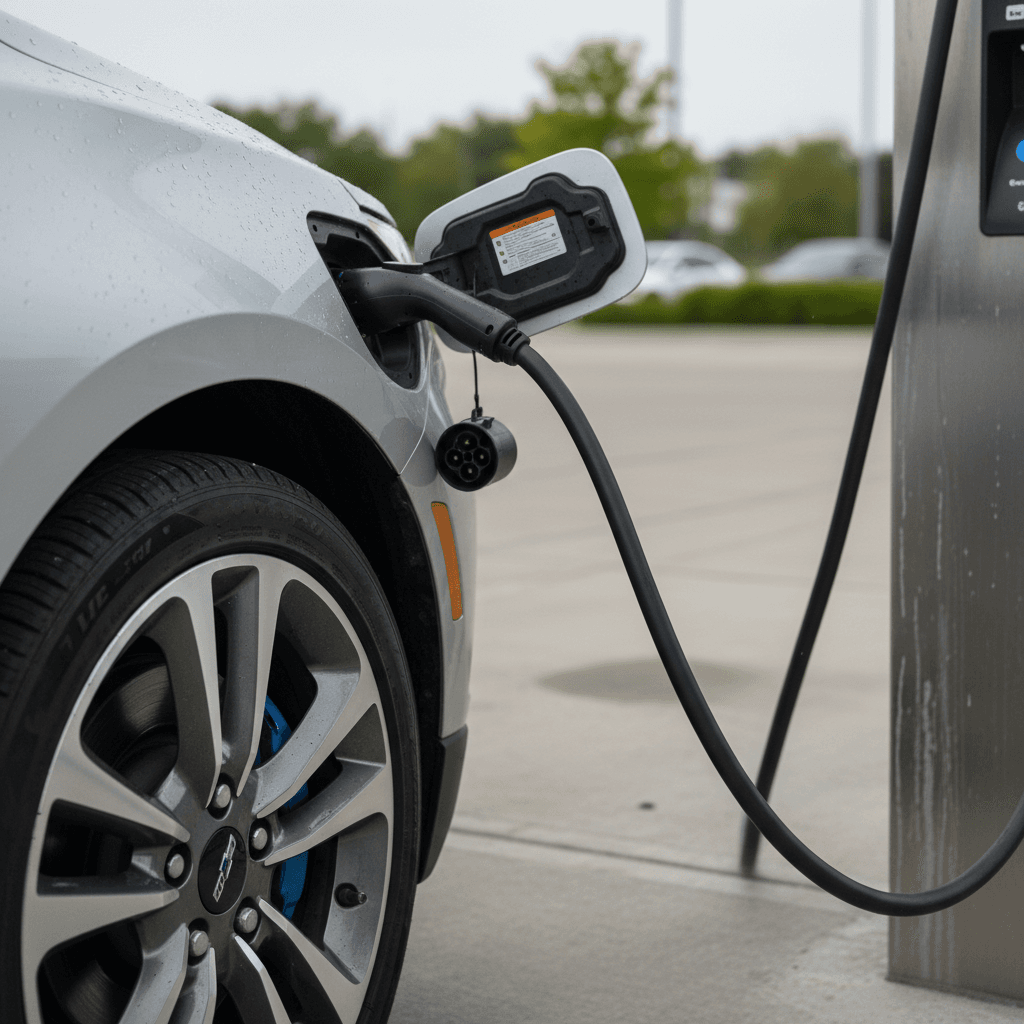
The MX-30 uses the familiar J1772 plug for AC charging and CCS for DC fast charging, so you’re not wrestling with any oddball connectors. The compromise is speed: a 6.6 kW onboard charger and roughly 50 kW peak DC fast charging. With a small battery, that’s livable, but you should understand what it means for your routine.
Mazda MX-30 charging snapshot
How long you’ll actually be plugged in from empty to near full, in typical conditions.
| Charging type | Connector | Typical power | 0–100% time | Best use case |
|---|---|---|---|---|
| Level 1 (120V) | J1772 via portable EVSE | ~1–1.4 kW | 20–24 hours | Emergency top‑ups if you can’t install Level 2 |
| Level 2 (240V) | J1772 wallbox | Up to 6.6 kW | ~4–6 hours | Overnight home or workplace charging |
| DC fast charging | CCS | Up to ~50 kW | 20–80% in ~30–40 minutes | Quick highway top‑ups or mid‑day boosts |
Exact times vary by temperature and charger, but this table gives realistic ballpark expectations.
Match your home charger to the car
Home charging checklist for MX-30 buyers
1. Confirm parking & outlet location
You’ll want off‑street parking within easy cable reach of a 240V circuit. Measure the distance from your panel to the parking spot and think through cable routing.
2. Ask an electrician about a 240V circuit
If you don’t already have a Level 2 charger, budget for a 240V circuit and wallbox installation. A small‑battery EV absolutely depends on hassle‑free overnight charging.
3. Test public chargers you’ll rely on
If you plan to use nearby DC fast chargers regularly, check their reliability with another EV first. A slow‑charging small pack is tolerable; a slow‑charging small pack at a broken station is not.
Step 5: Trim Levels, Options, and Must‑Have Features
Mazda kept the MX-30 lineup simple in the U.S., but it still pays to know what you’re looking at. Because total sales were tiny, you can’t always be picky, but you should at least know what you’d be giving up.
Feature priorities when shopping used
Focus on comfort and safety; performance is basically the same across trims.
Comfort & usability features
- Heated seats & steering wheel – essential for winter range and comfort, since you can use less cabin heat.
- Power driver’s seat with memory – helpful if more than one person drives the car.
- Good-quality tires – many low‑mileage MX-30s still wear originals; inspect for age and cracking.
Safety & driver‑assist tech
- Adaptive cruise control and lane‑keeping assist – makes the short‑range highway miles less tiring.
- Blind‑spot monitoring – useful given the chunky rear pillars.
- 360° camera (if equipped) – nice‑to‑have for tight city parking.
Performance expectations
Step 6: Pricing Comparisons and Resale Reality
The MX-30 is a study in depreciation. Because its range is so limited and it was sold only in one state, used prices often undercut better‑known EVs with similar age and mileage. That can work in your favor, if you go in with clear eyes about future resale.
How to sanity‑check the asking price
- Compare against similar‑age Chevy Bolt/Bolt EUV, Hyundai Kona Electric, and Kia Niro EV listings with similar mileage.
- Expect the MX-30 to be meaningfully cheaper than those cars because of the range penalty.
- Adjust for warranty remaining, battery condition, and features like heated seats and advanced safety tech.
Resale reality
- Assume below‑average resale strength versus other EVs; you’re buying a niche vehicle.
- Plan to keep it for several years and drive it hard as a commuter to extract maximum value from the low purchase price.
- Buy the best example you can find; with limited demand, rough cars can be hard to move on later.
Where the MX-30 can shine financially
Step 7: Physical Inspection & Test‑Drive Checklist
With such low sales, many MX-30s are essentially time capsules, low mileage, dealer‑maintained, and rarely abused. Still, you want to inspect carefully; age and neglect can hurt EVs just as much as miles.
On‑site inspection checklist
1. Exterior and door operation
Check panel gaps and paint for repairs. Open and close the front and rear clamshell doors repeatedly; they should latch cleanly and not sag. Inspect door seals for wind‑noise or water‑leak clues.
2. Tires and brakes
Look at tire date codes and tread depth. A 2021–2023 car can still have original tires that are aging out. Inspect brake rotors for heavy rust from sitting, light surface rust after rain is normal; deep pitting is not.
3. Underbody and charging port
If possible, look underneath for corrosion or impact damage. Open the charge port door and inspect for bent pins, dirt, or signs of overheating (discoloration) around the connectors.
4. Interior wear and eco‑materials
Mazda used cork and recycled fabrics inside. Make sure cork surfaces aren’t chipped or lifting, and fabrics aren’t prematurely fraying. Power seats, windows, and infotainment should all work smoothly.
5. Infotainment and driver assists
Test Apple CarPlay/Android Auto, Bluetooth, cameras, parking sensors, adaptive cruise, and lane‑keeping. Any warning lights in the cluster or odd behavior during a short drive deserve a scan with a diagnostic tool.
Short test‑drive checklist
1. Start with a known state of charge
Note the battery percentage and estimated range before you set off. After a 15–20 mile mixed drive, compare the range drop to miles driven to get a feel for real‑world consumption.
2. Listen for drivetrain or suspension noises
Electric powertrains are quiet, so clunks, hums, or whooshes are easier to hear. Pay attention over bumps and at steady speeds around 40–60 mph.
3. Check highway stability
If you can safely do so, take it briefly to 65–70 mph. The MX-30 should track straight without vibration or excessive wind noise. Any severe wander or pull suggests alignment or suspension issues.
4. Try a fast‑charge test if possible
If there’s a nearby CCS charger and the seller agrees, start a DC fast‑charge session from a low state of charge. Confirm that the car ramps up without errors and that the connector seats firmly.
Don’t ignore warning lights
Step 8: Paperwork, History & How Recharged Can Help
Once the car passes your range, condition, and pricing tests, the last step is confirming its backstory. Because MX-30 volumes were tiny, each car has a surprisingly individual history, fleet demo, commuting appliance, or garage queen science project.
Final paperwork & history checks
Treat the MX-30 like any modern EV, with a few extra boxes to tick.
Service & recall history
Pull a full service history if you can. You’re looking for regular maintenance visits and any high‑voltage system work. Confirm all recalls and service campaigns are completed.
Title, mileage & accident history
Use Carfax/Autocheck to verify clean title status, consistent odometer readings, and any accident repairs. Light cosmetic work is fine; heavy structural repairs on a low‑volume EV are riskier.
Battery & charger disclosures
Have the seller document any known battery or charging issues, and list included charging equipment (portable EVSE, adapters). If a home wallbox is part of the deal, confirm ownership and compatibility.
If you’d rather not decode all of this on your own, this is exactly where Recharged fits in. Every used EV we sell, including niche models like the Mazda MX-30, comes with a Recharged Score battery health report, transparent pricing, and expert EV guidance from first click to delivery. You can browse vehicles online, explore financing, or even get an instant offer on your trade without setting foot in a showroom.
How Recharged simplifies buying a used MX-30
Ready to find your next EV?
Browse VehiclesMazda MX-30 Buying FAQ
Frequently asked questions about buying a used Mazda MX-30
The Mazda MX-30 is not the sensible, one‑size‑fits‑all EV. It’s a beautifully made, oddly configured urban specialist with a battery sized like an afterthought. If your daily life fits neatly inside its tight range envelope and you buy a healthy example at the right price, it can be a charming, cheap‑to‑run commuter. Use this Mazda MX-30 buying checklist, be unsentimental about your actual mileage and charging reality, and you’ll know exactly when to say yes, and when to close those clever doors and walk away.