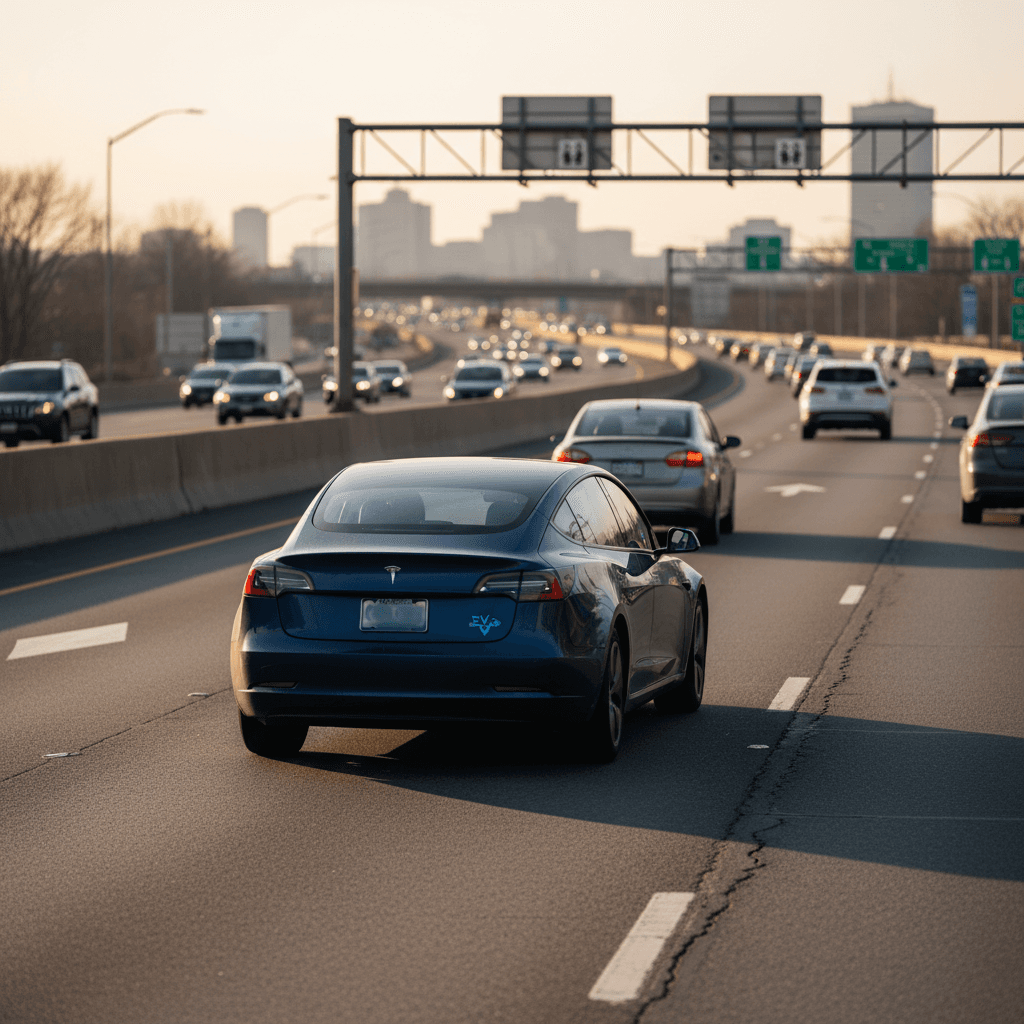
If you drive an electric car in Massachusetts, you might wonder whether the state’s HOV (high‑occupancy vehicle) lanes offer a shortcut on your commute. The short answer: **Massachusetts EV HOV lane rules treat electric vehicles just like gas cars**. To legally use HOV lanes during restricted hours, you need enough people in the car, owning an EV by itself does not unlock solo access.
Key Takeaway for 2026
Overview: How Massachusetts EV HOV Lane Rules Work
Massachusetts has taken a fairly conservative approach to HOV policy. The state does a lot to encourage electric vehicles, rebates, charging infrastructure grants, zero‑emission vehicle mandates, but it **hasn’t layered on a special HOV perk just for EVs**.
- HOV lanes in Massachusetts are classic **carpool lanes**: they are designed to move *people*, not reward specific vehicle technologies.
- During HOV hours, you must meet the **posted occupancy requirement** (typically 2+ occupants), whether you drive a gas car, hybrid, or full battery electric vehicle (BEV).
- Outside posted HOV hours, these lanes are generally **open to all vehicles**, including single‑occupant EVs, just like any general‑purpose lane.
- Massachusetts does **not** currently use HOV or HOT (high‑occupancy toll) lanes as an EV incentive, no decals, no special EV plates, no toll‑free solo access.
Don’t Assume California Rules Apply
Where Are HOV Lanes in Massachusetts?
HOV access only matters if you actually drive near one. In Massachusetts, HOV lanes are limited and concentrated around Boston. As of early 2026, the two that matter for EV drivers are:
Major Massachusetts HOV Lanes Used by EV Drivers
Current HOV corridors in Massachusetts that Boston‑area EV commuters are most likely to encounter.
| Corridor | Direction & Segment | Typical HOV Hours* | Who Can Use It During HOV Hours? |
|---|---|---|---|
| I‑93 North of Boston | Southbound, Medford → Boston (approx. 2.6 miles) | Mon–Fri, morning peak (e.g., 6–10 a.m.) | Vehicles under 5 tons with **2+ occupants**, plus buses and motorcycles |
| Southeast Expressway (I‑93/US 1/Route 3) | Inbound toward Boston | Typical weekday peak periods | Vehicles meeting the posted **2+ occupant** rule, plus buses and motorcycles |
HOV availability and rules can change; always double‑check on‑road signage and MassDOT updates before relying on a specific lane.
About the Hours
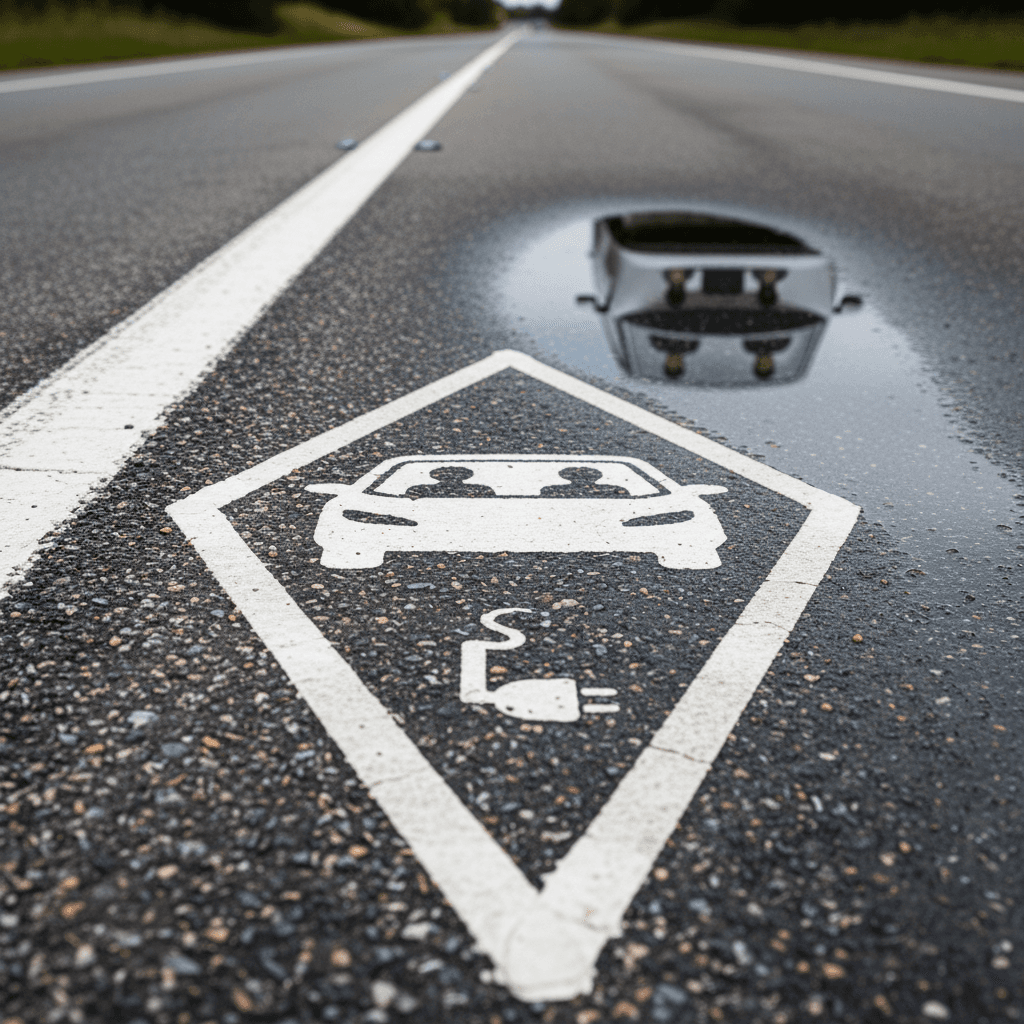
Do EVs Get Solo Access to Massachusetts HOV Lanes?
This is the crux of Massachusetts EV HOV lane rules, and where a lot of myths creep in. Let’s answer it directly:
Solo HOV Access in Massachusetts: EVs vs. Gas Cars
What actually changes when you drive electric?
What’s the Rule Today?
No solo HOV access for EVs. If the HOV sign says 2+ occupants, you must have at least two people in the vehicle during posted hours, whether you drive a Bolt, Model 3, Ioniq 5, or a gas sedan.
Are There Any EV Exceptions?
As of 2026, Massachusetts has no decal or plate program that lets a single‑occupant EV legally use HOV lanes during restricted times. That includes out‑of‑state EVs with old HOV or “clean pass” stickers.
Enforcement Reality
Detailed HOV Rules for Massachusetts EV Drivers
The rules for EVs in Massachusetts HOV lanes are straightforward, but it helps to see them spelled out. Think less about electrons and more about people and vehicle class.
Checklist: Can I Use the HOV Lane in My EV Right Now?
1. Check the posted occupancy requirement
On Boston‑area HOV lanes, the sign almost always reads **HOV 2+**. Your EV must have you plus at least one passenger during those posted hours to be legal.
2. Confirm your vehicle class and weight
Massachusetts HOV lanes are typically open to vehicles **under 5 tons**, buses, and motorcycles. Most EVs, including crossovers and compact SUVs, are well under this limit, but large commercial vehicles and anything towing a trailer are usually excluded.
3. Look at the clock
If it’s **outside the posted HOV hours**, the lane usually reverts to general traffic. In those off‑peak windows, your single‑occupant EV can use the lane like any other car.
4. Ignore out‑of‑state stickers
California, New York, and Virginia have all experimented with EV or hybrid HOV stickers. None of those decals change the rules on a Massachusetts highway, **MassDOT doesn’t recognize them** for HOV access.
5. Watch for temporary changes
Construction, incidents, or special events can close HOV segments or change access rules for a day or week. When in doubt, trust the **overhead signs, cones, and on‑scene police** over whatever an app or old blog post says.
6. Plan for stricter enforcement near Boston
Expect more consistent enforcement on the I‑93 and Southeast Expressway HOV sections, especially during commuter peaks. Troopers focus there because congestion and safety stakes are highest.
Pro Tip for New EV Owners
HOV vs Express Tolls: What Matters for EVs
Nationally, some states have blurred the lines between HOV and toll lanes, letting EVs pay a discount, or sometimes nothing at all, to use fast lanes. Massachusetts is more old‑school:
Classic HOV Lanes
- Located on I‑93 north of Boston and on the Southeast Expressway.
- Designed strictly as carpool lanes: **no EV‑only carve‑outs**.
- Rules are posted right on the roadside signs, focus on occupancy and hours.
HOT or Express Toll Lanes
- Massachusetts does not currently run a large network of **variable‑toll express lanes** tied to EV perks the way some Sun Belt states do.
- Most EV‑related perks in the state show up as **rebates, grants, and emissions policy**, not special lane access.
For you as an EV driver, this means you don’t have to juggle separate EV toll rules on top of HOV occupancy. Your strategy is simple: **treat every HOV/HOT decision as an occupancy decision, not a fuel‑type decision.**
Smart Commuting Strategies for Massachusetts EV Owners
If you were hoping HOV access would be a silver bullet for your Boston commute, Massachusetts’ rules can feel underwhelming. That said, EV ownership still offers levers to pull that gas drivers don’t have.
Four Ways Massachusetts EV Drivers Can Still Win the Commute
Even without solo HOV access, you have unique advantages.
1. Shift Trips Around Off‑Peak Charging
EVs pair naturally with **off‑peak electricity rates**. If your schedule is flexible, shifting your commute an hour earlier or later can both reduce traffic and lower your charging costs, especially if you charge overnight at home.
2. Carpool the Right Way
Because HOV rules don’t care about what you drive, an EV carpool is often the most efficient combo: **you split charging costs, parking, and tolls** while meeting the 2+ requirement.
3. Use Alternate Corridors + Fast Charging
In some cases, avoiding HOV corridors altogether and routing through less‑congested arterials can be faster, especially when combined with a quick top‑up at a nearby DC fast charger during off‑peak rates.
4. Optimize Your EV’s Efficiency
Using eco modes, preconditioning while plugged in, and planning charging stops with an app can shave **time and energy** from your commute even when you’re stuck in the same lanes as everyone else.
Where Recharged Fits In
Ready to find your next EV?
Browse VehiclesWhat These Rules Mean for EV Shopping and Resale Value
In some states, used EV pricing bakes in the value of HOV stickers or special plates. When those programs get scaled back, owners can see a hit to resale value. Massachusetts avoids that particular roller‑coaster:
- Because Massachusetts **never created** a solo HOV benefit for EVs, there’s no sticker value to lose as programs expire.
- Used EV shopping is simpler: you can **focus on fundamentals**, range, battery health, charging speed, and total cost of ownership, rather than chasing an expiring commute perk.
- Resale values for Massachusetts EVs are shaped more by **battery condition, brand reputation, and charging infrastructure** than by lane‑access politics.
- On marketplaces like Recharged, you can compare used EVs without worrying that some hidden HOV sticker will suddenly stop working a year after you buy.
Key Factors That Matter More Than HOV Access in Massachusetts
How to Compare Used EVs
Policy Trends: Could EV HOV Access Change in the Future?
Nationally, the era of blanket solo HOV access for EVs is winding down. Federal authority for many of those programs sunsetted in the mid‑2020s, and high‑EV‑adoption states have seen HOV lanes bog down when too many solo drivers jump in.
What Massachusetts Is Doing Instead
- Leaning on **rebates, grants, and infrastructure** funding (like MassEVIP) to grow EV adoption.
- Using **ZEV credit requirements** for automakers to push more electric models into the market.
- Investing in **charging along major corridors**, which benefits all EV drivers, not just commuters near the few HOV segments.
Could EV HOV Perks Ever Appear?
- Massachusetts could, in theory, create an EV HOV pilot, especially on any future managed lanes, but it would have to balance **equity, congestion, and safety**.
- With EV adoption rising, any such perk would likely be tightly scoped or temporary, not the open‑ended sticker programs of the past.
Why Policymakers Are Cautious
FAQ: Massachusetts EV HOV Lane Rules
Frequently Asked Questions
Bottom Line for Massachusetts EV Drivers
In Massachusetts, HOV lanes are exactly what the name says: **high‑occupancy** lanes. As of 2026, electric vehicles don’t get solo access, special decals, or discounted toll‑lane treatment. If the sign says 2+ occupants during certain hours, that rule applies to your EV just like any other car.
For EV owners and shoppers, that’s actually simplifying. Instead of gambling on a perk that may appear, or disappear, later, you can choose a used EV that works on fundamentals: **battery health, range that matches your commute, charging options, and total ownership cost**. That’s where platforms like Recharged are built to help, with transparent battery diagnostics and expert support so your EV decision pays off even when the HOV lane doesn’t.