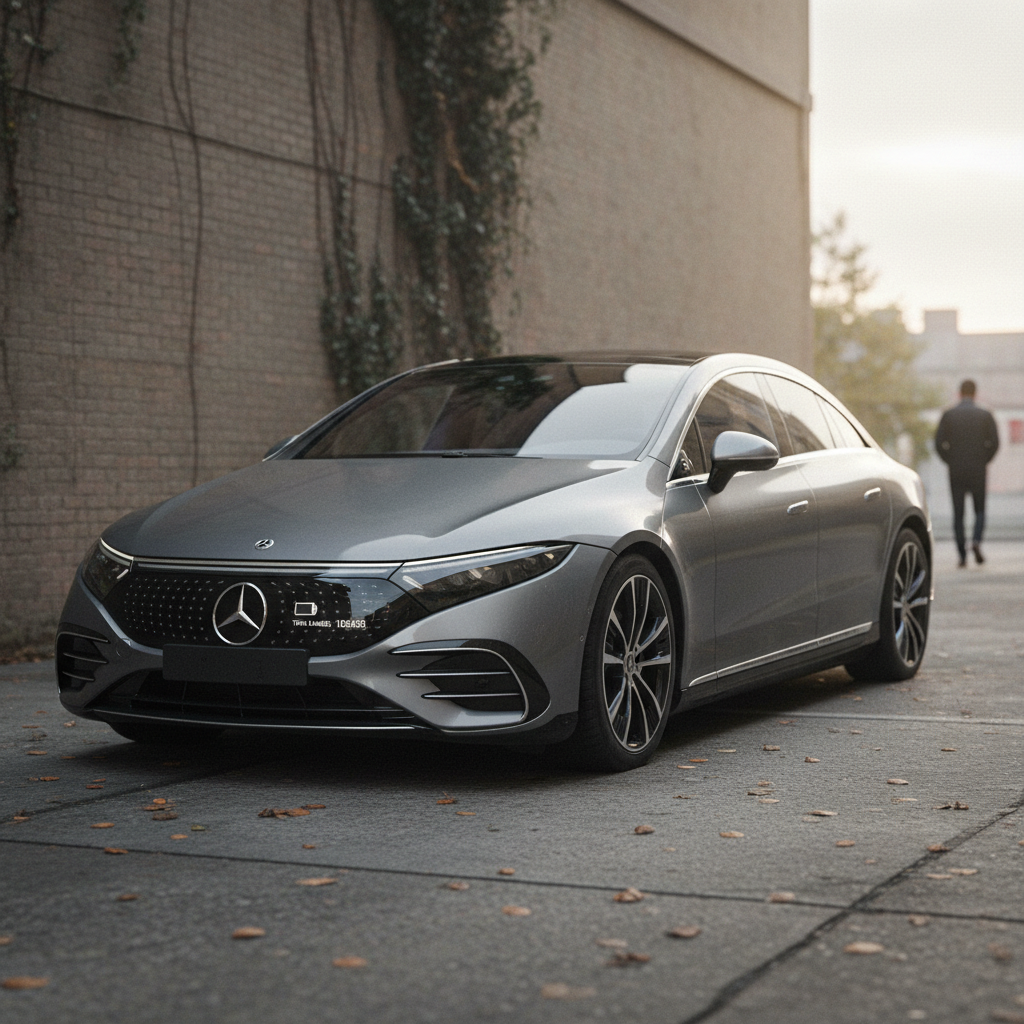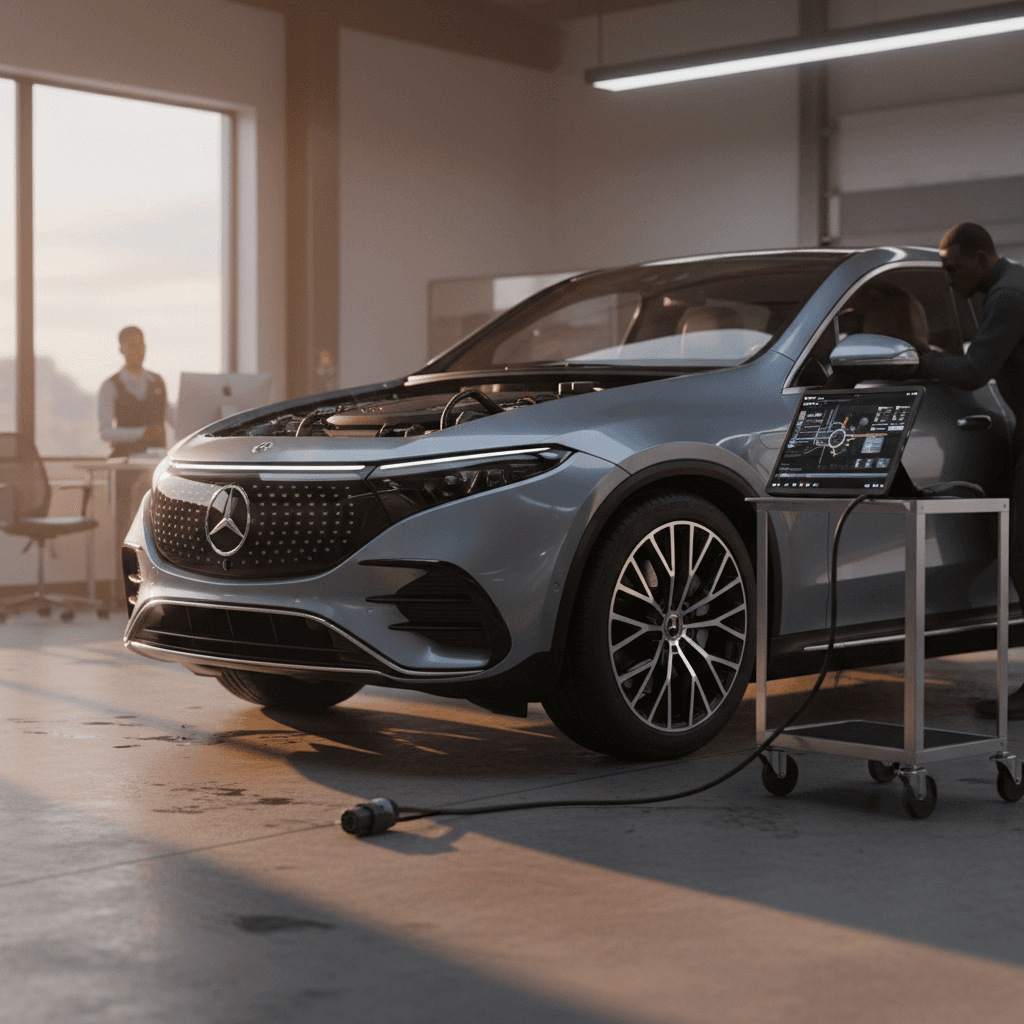
If you’re looking at a 2023 Mercedes EQS, either sedan or SUV, you’re probably torn between its stunning tech and the horror stories you’ve heard about software gremlins and dealer visits. The good news: most 2023 EQS problems have clear patterns, known fixes, and, in many cases, warranty coverage. The key is knowing what typically goes wrong, what a normal repair history looks like, and when to walk away from a particular car.
Sedan vs SUV: same name, different patterns
2023 EQS reliability in the real world
On paper, the 2023 EQS scores in the "average" band for quality and reliability among luxury EVs. In owner forums and service data, though, the story looks polarized. Some drivers report tens of thousands of nearly trouble‑free miles. Others end up in protracted battles over repeat ADAS faults, MBUX crashes, or long waits for parts and software patches. More than any one catastrophic flaw, it’s the combination of complex software, dense electronics, and uneven dealer support that defines the 2023 EQS ownership experience.
2023 Mercedes EQS at a glance
Why recalls matter more on EV flagships
Big-picture 2023 EQS issues and recalls
The 2023 EQS family has accumulated multiple NHTSA recalls covering software, safety systems, and electronics. The exact campaigns vary by VIN, but the themes are consistent: MBUX infotainment behavior, powertrain or drivetrain control software, and safety-feature logic. For a used buyer, the key question isn’t "Has this car ever needed a recall fix?", it’s "Are all the campaigns up to date, and did they actually resolve the underlying symptoms?"
Common 2023 EQS recall themes (high level)
Exact recall IDs and applicability depend on VIN; this table summarizes the types of issues you’ll see in a typical 2023 EQS Carfax or service history.
| Area | What can happen | Typical fix | What to confirm on a used EQS |
|---|---|---|---|
| Infotainment / MBUX | Apps or video may stay available while driving, or the system may behave unpredictably. | Dealer software update to the MBUX head unit and related control modules. | Screen functions lock out correctly when driving; no persistent warning messages or random reboots. |
| Powertrain / drive unit | Under rare conditions, the car may lose propulsion or show multiple drive-unit warnings. | Update electric drive or power electronics software, sometimes replacing a control module. | Clean test drive with no "drive system" or "limp mode" messages; no history of repeat powertrain faults. |
| Airbag / occupant detection | Incorrect classification of front passenger or faulty seat sensor triggering warnings. | Replace or reprogram seat sensors and airbag control logic. | No SRS or airbag warnings; passenger airbag light behaves as shown in the owner’s manual. |
| Exterior lighting / signals | Incorrect behavior of exterior lights or indicators under certain conditions. | Body-control-module reflash or light-control software update. | All lights function consistently; no intermittent "lighting system" errors in the cluster. |
Always run a VIN check and confirm recall completion with a Mercedes dealer before buying.
How to verify recall status
Software and MBUX problems on the 2023 EQS
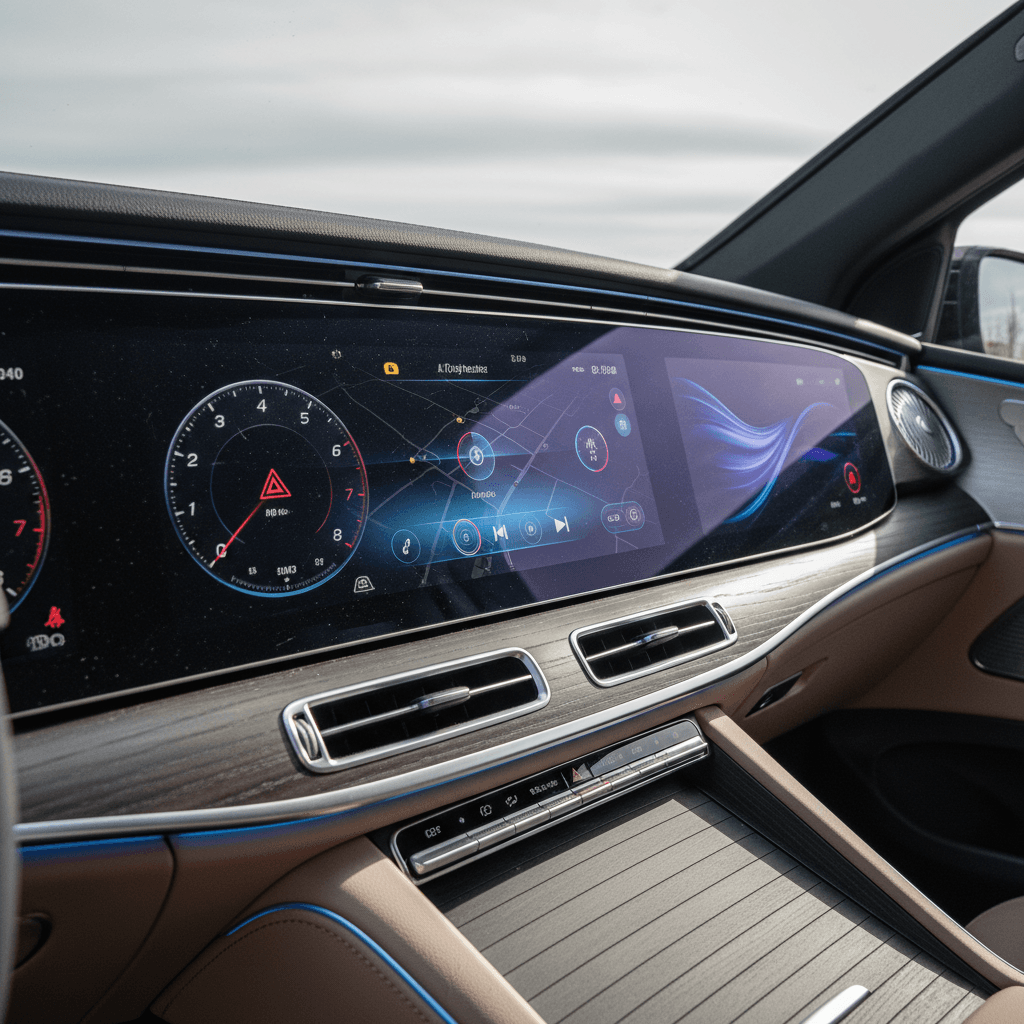
If there’s a single defining issue for the 2023 EQS, it’s software complexity. The Hyperscreen and latest-gen MBUX look spectacular, but owners routinely report bugs that range from mildly annoying to genuinely disruptive. Frozen displays, missing features after an update, glitchy Apple CarPlay or Android Auto, and navigation or voice-control failures are among the most common complaints.
- MBUX reboots or freezes while driving, taking the cluster or climate controls with it for a few seconds.
- Wireless CarPlay / Android Auto drops connections or never reliably connects.
- OTA (over‑the‑air) updates hang for hours or fail, leaving the car on an in‑between software version.
- Ambient lighting, sound, or driver profiles randomly reset after the car sits overnight.
Quick owner-level fixes
- Soft reset MBUX: Hold the volume/power button or follow the on‑screen restart prompt to reboot the head unit.
- Delete and re‑add phones: Remove all paired phones, then re‑pair and disable battery-saver settings that kill Bluetooth/Wi‑Fi.
- Check for updates: In the settings menu, look for pending software updates and apply them when the car is plugged in and has strong data signal.
- Reset profiles: If lighting or sound profiles keep reverting, try creating a fresh driver profile and re‑saving your preferences.
When you need the dealer
- If updates never complete or you’re stuck on an old version, a dealer can apply the latest software via wired tools.
- Persistent "MBUX inoperative" or "service required" messages usually point to a deeper head‑unit or gateway issue.
- If ADAS, lighting, or audio issues began right after an update, ask the dealer to check for known bugs and patches tied to that release.
- Document with photos/videos; repeated failures after updates strengthen your position if you ever need to escalate under lemon‑law or warranty rules.
Watch for cascading software faults
Driver-assist and sensor glitches
The 2023 EQS packs an aggressive suite of driver-assistance features, adaptive cruise, lane‑centering, traffic‑sign recognition, parking assist, 360° cameras, and more. When everything’s in tune, it feels like the future. When even one sensor or camera is off, the car can bombard you with messages like "Driver Assist Inoperative" or "Road Sign Assist Inoperative." Owners often report these starting after a software update or minor body work.
Common 2023 EQS ADAS complaints
What they look like and how they’re usually fixed
Lane‑keep & steering assist drops out
Adaptive cruise works for a while, then shuts off with a warning. Often related to camera calibration or software logic.
Fix: Recalibrate front camera/radar, apply latest ADAS software, and verify wheel alignment.
Road sign assist errors
"Road Sign Assist Inoperative" appears after a head‑unit or camera update on some 2023 EQS models.
Fix: Mercedes has been rolling out head‑unit patches; ask the dealer to check for known campaigns if this started after an update.
Parking/camera anomalies
360° view missing one angle, camera feed slow, or parking assist unavailable.
Fix: Check for water intrusion or bumper/camera damage, then perform a camera system calibration and software update.
Simple ADAS test drive checklist
Battery, charging, and range concerns
Despite its complexity elsewhere, the EQS’s battery and drivetrain have not attracted the same level of catastrophic‑failure complaints you’ll see with some early EVs. Most owner frustration here centers on DC fast‑charging performance, real‑world range versus the guess‑o‑meter, and public‑charging reliability rather than packs actually failing.
- DC fast‑charge sessions that ramp up quickly, then settle at lower‑than‑expected speeds, especially on shared or hot chargers.
- Range estimates that swing 10–15% based on recent driving style, temperature, and climate‑control use.
- Occasional charge‑port door or latch issues on early builds, improved on later 2023 vehicles.
- Confusion around what’s normal degradation versus a genuine battery problem on a 2–3‑year‑old car.
What you can check yourself
- DC charging curve: On a road trip, watch how quickly the car ramps to its peak kW and how long it holds. A smooth, predictable taper is normal; wild swings or repeated failures to start a session suggest charger or communication issues.
- Trip‑meter efficiency: Reset the trip meter, drive 50–100 miles, and compare kWh/100 mi (or mi/kWh) to what reviews report. Big outliers might indicate tire, alignment, or driving‑pattern issues.
- Daily‑use SOC range: On a used EQS, charge to 80% and drive down to 10–20% several times in mixed driving. Consistent, repeatable range is more important than hitting the original EPA number.
When to involve a specialist
- If the car repeatedly fails to DC fast‑charge at multiple stations while others are charging fine, have the dealer or an EV‑savvy shop pull logs and test the high‑voltage charger module.
- Noticeable, sudden range loss compared to earlier in the car’s life (20%+ in a year) warrants a detailed battery health check.
- Use tools like the Recharged Score report, which combines battery diagnostics with service history, to quantify pack health on a used EQS before committing.
The upside: battery warranty safety net
Suspension, brakes, and ride quality complaints
Air suspension and rear‑axle steering help make the EQS feel smaller and more comfortable than its size suggests, but that same hardware can introduce long‑term wear points. On the 2023 EQS SUV, especially on rough roads or with heavy loads, owners sometimes report clunks, squeaks, or uneven tire wear earlier than expected.
Mechanical issues EQS owners report most often
What they sound like and where to look
Air‑suspension noise
Thumps or groans over speed bumps, especially cold, can point to worn bushings or struts.
Fix: Inspect control‑arm bushings, strut mounts, and air‑spring assemblies; many are fixable under warranty on low‑mileage 2023s.
Uneven tire wear
Outer‑ or inner‑edge wear on 21–22" wheels is common with heavy, powerful EVs.
Fix: Four‑wheel alignment and rotation schedule; consider downsizing wheels or choosing higher‑load‑rating EV tires when you replace them.
Brake feel & noise
Because regenerative braking does most of the work, pads and rotors can glaze and squeal.
Fix: Occasional firm stops to clean rotors, or a brake service if vibration or persistent noise develops.
Air suspension is great, until it isn’t
Interior trim, noise, and build-quality issues
The EQS cabin feels like a tech lounge, but it’s still built in the real world. Owners occasionally highlight rattles, squeaks, and trim alignment flaws that show up once the car has a few thousand miles on mixed roads. Hyperscreen surrounds, door panels, and rear‑area trim in the SUV seem to be the most common hotspots.
5-minute interior QC check on a 2023 EQS
1. Hyperscreen creaks and flex
With the car off, gently press around the edges of the Hyperscreen and center console. Light flex is normal; sharp creaks or movement suggest loose clips.
2. Door seals and wind noise
On the highway, listen near the mirrors and B‑pillars. Whistling or loud wind noise may indicate misaligned doors or window seals.
3. Seat mechanisms and memory
Run front seats through full travel, test memory presets, and confirm all adjustments work smoothly without grinding or hesitation.
4. Third‑row and cargo trim (SUV)
Fold and unfold the third row, open storage bins, and drive over rough pavement listening for rattles from the rear quarter panels.
5. Ambient lighting & buttons
Cycle ambient lighting modes, climate controls, and physical buttons. Sticky or inconsistent switches can be annoying though usually inexpensive to fix.
What to check on a used 2023 EQS before you buy
Because most 2023 EQS models are still within their original warranty window, the question isn’t "Will this car ever need repairs?", it’s "How does this particular EQS’s history and behavior compare to what’s normal?" You’re looking for patterns: repeated software complaints, multiple tows for the same issue, or long stretches in service with vague notes. A single fixed repair is fine; a saga is not.
Used 2023 EQS buyer’s quick reference
Use this as a short list of green‑flag vs red‑flag patterns when you review service records and test drive.
| Area | Green flag | Yellow flag | Red flag |
|---|---|---|---|
| Service history | Regular maintenance, a few software updates, recalls completed. | Scattered visits for minor electrical or trim issues, all with clear "customer states" and "corrective actions." | Multiple visits for the same ADAS, MBUX, or drive‑unit complaints, unclear notes, or long stays (weeks) in service. |
| Warning lights | No current warnings; past issues clearly closed out with updates or part replacements. | Occasional historic warnings noted, all linked to obvious events (windshield replacement, bumper repair, etc.). | ADAS, drivetrain, or SRS warnings present on the test drive, or seller claims "they all do that" without documentation. |
| Battery & charging | Predictable range, consistent DC‑fast‑charge behavior, no charge‑port quirks. | Some variation in range estimates under different conditions, but real‑world trips match expectations. | Repeated DC‑fast‑charge failures, large unexplained range loss, or prior high‑voltage component replacements with no clear resolution. |
| Interior & chassis | Tight, quiet cabin; no significant rattles; smooth ride. | Minor rattles or trim quirks that don’t worsen over a long test drive. | Loud clunks over bumps, air‑suspension warnings, or pervasive rattles that point to abuse or poor repairs. |
A clean history plus a solid battery‑health report is more important than the exact trim or wheel size.
Leverage third‑party diagnostics
When a 2023 EQS is worth it, and when to walk away
The 2023 EQS is not a "set it and forget it" appliance. It’s a rolling software platform with air suspension, rear‑steer, and enough screens to embarrass a living room. That means you’ll see more minor issues and updates than you would with a simpler EV, but you also get a uniquely quiet, luxurious, and efficient long‑distance machine when it’s behaving.
Signs it’s a good bet
- Service records show recalls and software campaigns completed once, with no repeat complaints.
- The seller can describe any issues they had and how they were resolved, and they sound boring, not dramatic.
- Your test drive is uneventful: no warnings, no random MBUX reboots, ADAS behaves predictably, and the car feels tight and solid.
- Battery range and charging behavior match what reviews and other owners report.
Signals to walk away
- There’s an ongoing dispute with a dealer or manufacturer about repeat software or ADAS problems.
- You see multiple buyback or lemon‑law keywords in the title history, or unusually long stays in service without clear fixes.
- Dash lights up with warnings you’re told to "ignore," or features like adaptive cruise and lane‑keeping just don’t work right.
- The price discount doesn’t realistically compensate for the risk and potential downtime.
Let pricing work for you
Ready to find your next EV?
Browse VehiclesFAQ: 2023 Mercedes EQS problems and fixes
Frequently asked questions about 2023 EQS problems
The 2023 Mercedes EQS shows both sides of the modern EV story: brilliant engineering wrapped in layers of software and complexity that can frustrate if you walk in blind. If you focus on individual vehicles, not just the model name, check recall and service records, and pay close attention to software behavior and ride quality on your test drive, a 2023 EQS can be a deeply satisfying, surprisingly affordable flagship EV. Use the tools available, dealer printouts, independent inspections, and battery‑health reports like the Recharged Score, and you dramatically tilt the odds in your favor.