If you grew up timing your life around oil changes, the idea of EV maintenance can feel a little mysterious. Electric vehicles clearly skip a lot of the messy stuff, no oil, no spark plugs, no exhaust, but you still have a car to care for, and the battery isn’t cheap. This guide walks you through how EV maintenance really works in 2025, what it costs, and what to watch for, especially if you’re considering a used electric vehicle.
Big Picture
Why EV maintenance is different from gas cars
The simplest way to think about electric vehicle maintenance is this: far fewer moving parts, but more software and high-voltage systems. A typical gasoline engine has thousands of moving parts; an EV’s motor has a handful. That translates into fewer wear items and fewer routine services. But the systems you do have, battery, thermal management, high-voltage cabling, need to be treated with a bit more respect.
EV vs. gas maintenance at a glance
Where the work (and the savings) actually are
No engine upkeep
EVs skip oil changes, spark plugs, timing belts, exhaust repairs, and most transmission services. That’s a big chunk of the traditional maintenance schedule simply gone.
Brakes last longer
Regenerative braking means the motor slows the car first, so brake pads and rotors wear much more slowly. Many EV owners go 70,000–100,000 miles before a major brake job.
More software, less grease
Instead of tune‑ups, you get over-the-air updates, remote diagnostics, and occasional software recalls. Your EV is as much a computer as a car, great when it saves you a trip to the shop.
How EV maintenance compares in 2025
Think in total cost, not single repairs
How much EV maintenance really costs
On average, you’ll spend less to maintain an EV than a similar gas car, but not zero. For a typical driver doing around 12,000–15,000 miles per year, real‑world estimates put annual EV maintenance in the ballpark of $200–$500, depending on tire wear, climate, and how often you use dealer service versus independent shops.
Typical annual maintenance costs: EV vs. gas
Average owner costs for routine maintenance (not counting fuel or insurance). Your numbers will vary by vehicle, location, and driving style.
| Item | Electric Vehicle (BEV) | Gasoline Vehicle |
|---|---|---|
| Oil & filter changes | $0 | $100–$150 |
| Transmission service | $0 | $150–$300 |
| Regular tune‑ups (plugs, belts, etc.) | $0 | $200–$400 |
| Brake service (annualized) | $50–$100 | $150–$250 |
| Tire rotation & alignment | $80–$150 | $80–$150 |
| Fluids (brake, coolant, etc.) | $50–$150 (every few years) | $100–$250 |
| Cabin air filter | $40–$100 | $40–$100 |
| Estimated annual total | ≈$200–$500 | ≈$600–$1,200 |
EVs usually cost less to maintain each year, mostly because there’s simply less to service.
Don’t forget repair costs
Core EV maintenance tasks and recommended intervals
Every manufacturer has its own maintenance schedule, and you should always defer to the owner’s manual. That said, most EVs share a common set of service items. Think of this as your baseline EV maintenance menu, and a way to sanity‑check any shop’s recommendations.
Foundational EV maintenance schedule
Tire rotation & inspection
Every 6,000–10,000 miles, or roughly every 6–12 months. EVs are heavy and deliver instant torque, so tires can wear faster than you’re used to. Rotations, proper pressures, and alignments are your best friends.
Brake inspection & fluid
Have brakes inspected annually, but expect pads and rotors to last longer thanks to regen braking. Brake fluid is often replaced every 2–3 years to prevent moisture buildup and corrosion in the system.
Cabin air filter
Typically replaced every 15,000–30,000 miles (about 1–2 years). A fresh filter keeps your HVAC working efficiently and your cabin air pleasant, especially if you use climate control frequently.
Battery coolant / thermal system
Many EVs use liquid cooling for the high‑voltage battery and power electronics. Service intervals vary widely (often 3–8 years), but it’s critical this is done by an EV‑trained technician following factory procedures.
12‑volt accessory battery
Yes, your EV almost certainly still has a traditional 12‑volt battery that powers computers, locks, and lights. These usually last 4–7 years and can strand you when they die, even if the main traction battery is fine.
Software & recalls
Keep up with over‑the‑air updates and check for recalls or service campaigns. These can improve range, fix bugs, adjust charging behavior, or address safety issues without any parts being replaced.
High-voltage work is specialized
Battery health: the heart of EV maintenance
For EV owners, “maintenance” almost always turns into questions about the battery. How long will it last? What does degradation look like? And how much could a replacement cost someday? The encouraging news is that modern EV packs are holding up far better than early skeptics expected, with typical degradation in the low single digits over many years of normal use.
- Most modern EV batteries are covered by an 8–10 year, 100,000‑mile (or more) warranty for capacity and defects.
- Recent real‑world data shows many EVs retaining well over 80% of original capacity after 8–10 years in typical use.
- Replacement pack prices have been trending downward as battery costs per kWh continue to fall.
Everyday habits that protect your EV battery
These small choices have a big impact over 10–15 years of ownership.
Avoid living at 100%
Use 80–90% as your daily charge limit when you can, and reserve 100% for road trips. Sitting full for days at a time stresses lithium‑ion chemistry.
Mind heat & cold
Extreme heat is tough on batteries; extreme cold temporarily reduces range. Whenever possible, park in shade or a garage, and precondition the cabin while plugged in.
Use fast charging strategically
DC fast charging is fine to use, even regularly, but it’s gentler on the pack to rely mostly on Level 2 home or workplace charging and save high‑power sessions for trips.
“Electric cars are now lasting as long as, and sometimes longer than, comparable gas models. The battery is proving more durable than many early critics imagined.”
How Recharged helps with battery health
Ready to find your next EV?
Browse VehiclesMaintenance checklist if you’re buying a used EV
Shopping the used market is where understanding EV maintenance really pays off. A well‑cared‑for three‑ or five‑year‑old EV can deliver years of low‑drama ownership; a neglected one can hand you annoying surprises. Here’s how to size up maintenance history and future needs before you sign anything.
Pre‑purchase maintenance checklist for used EVs
1. Review service history
Look for regular tire rotations, brake inspections, and coolant or brake fluid changes at appropriate intervals. Spotty records aren’t an automatic deal‑breaker, but consistent care is a big plus.
2. Get a battery health report
Ask for objective data, not just “it feels fine.” On Recharged vehicles, the <strong>Recharged Score</strong> includes lab‑grade battery diagnostics so you can see estimated remaining capacity and charging behavior.
3. Inspect tires and brakes closely
Uneven tire wear may point to alignment issues or a hard‑driven past life. On a test drive, listen for brake noise and feel for shudder under braking that could indicate warped rotors.
4. Check for software and recall updates
Confirm that the car has current software and that any open recalls or service campaigns have been addressed. Updates can affect range, charging speed, and even safety systems.
5. Ask how the car was charged
Home Level 2 charging with sane charge limits and occasional fast charging is ideal. A life lived mostly on high‑power DC fast chargers, especially in very hot climates, deserves a closer look at pack health.
6. Budget for near‑term wear items
Even the best EV will eventually need new tires, a 12‑volt battery, or a brake service. Build a 2‑ to 3‑year maintenance budget into your purchase decision, just as you would with a gas car.
Leaning toward used?
EV maintenance myths vs. reality
Myth 1: “EVs are maintenance‑free.”
They’re maintenance‑light, not maintenance‑free. You’ll spend less time at the shop, but you still need to rotate tires, change filters and fluids, and monitor battery health. Ignore those, and you can chew through tires or brakes surprisingly fast.
Myth 2: “A battery replacement is guaranteed and imminent.”
Battery failures are far less common than early headlines suggested. Gradual range loss is normal, but catastrophic pack replacements are still relatively rare, and usually covered under warranty in the early years.
Myth 3: “Any mechanic can work on my EV.”
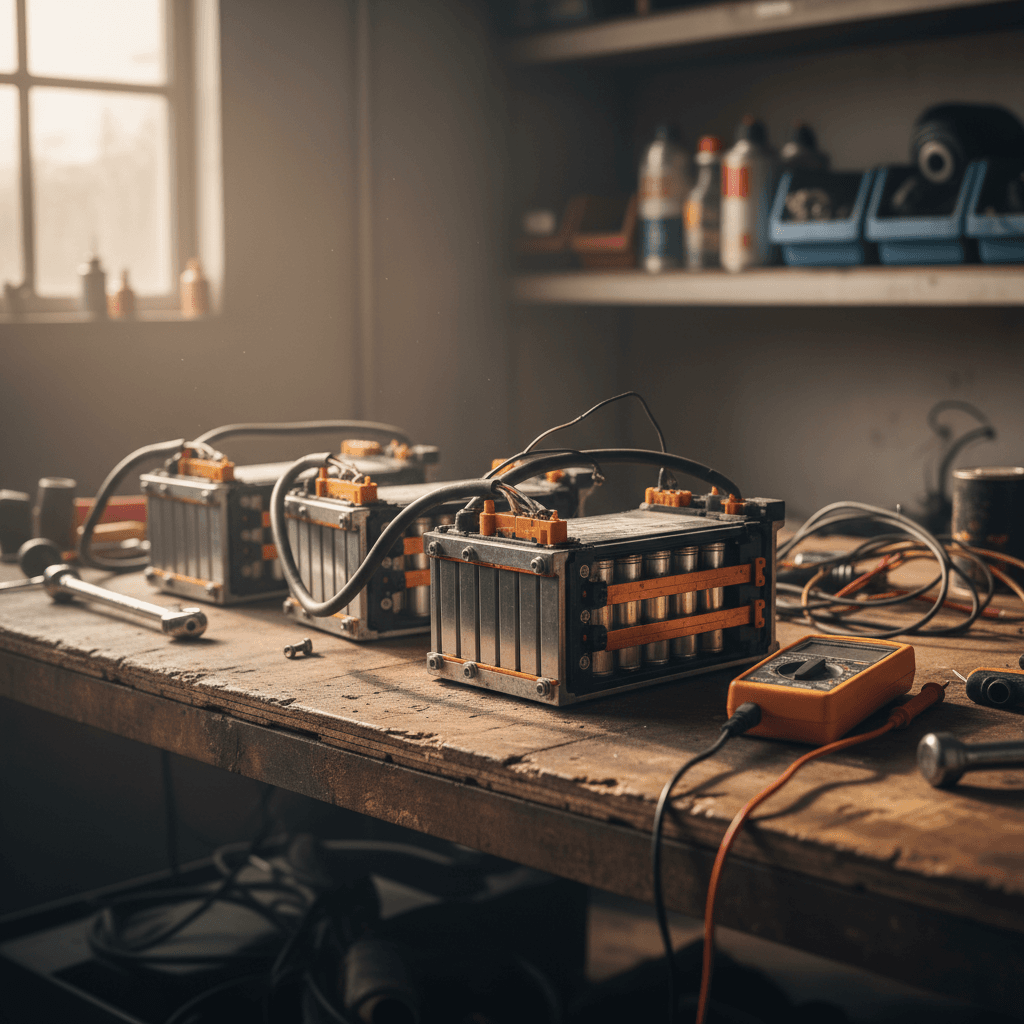
Basic items like tires, wipers, and some suspension work are fair game for most shops. But high‑voltage systems, thermal circuits, and software issues should go to EV‑trained technicians with the right tools.
Myth 4: “EV repairs always cost a fortune.”
Some do, especially complex collision repairs. But remember how infrequent many services are. Over a five‑year period, most owners still spend significantly less on maintenance and repairs than gas‑car drivers.
The one thing you should never DIY
Planning your EV service strategy
You don’t need to become an engineer to own an EV, but you’ll have a smoother experience if you sketch out a simple service plan. Think about where you’ll take the car, what you’ll handle at home, and how maintenance fits into your total cost of ownership, especially now that used EVs often offer the strongest value in the market.
Picking the right service approach for your EV
Different owners, different comfort levels, here’s how to match your style.
Hands‑on, home‑first owner
You’re happy to monitor tire pressures, schedule rotations, and keep an eye on software updates. You use the dealer or EV specialist for coolant service, brake fluid, and anything high‑voltage.
Dealer & EV‑specialist loyalist
You’d rather have one shop handle everything. In the early years, sticking with the dealer or a dedicated EV shop keeps warranties clean and software fully up to date.
Value seeker buying used
You focus on verified history and smart budgeting. A marketplace like Recharged that provides a Recharged Score Report, financing options, and trade‑in support lets you bake future maintenance into the deal up front.
- Pick a trusted EV‑savvy shop (dealer or independent) before you need them.
- Schedule tire rotations on a mileage or calendar reminder so they don’t get forgotten.
- Keep a simple log of services, range behavior, and any warning messages.
- Build an annual budget for maintenance, even if EVs generally cost less to maintain than gas cars.
- If you’re financing a used EV, consider how maintenance costs line up with your loan term.
EV maintenance FAQ
Frequently asked questions about EV maintenance
The future of EV maintenance, and what it means for you
EV maintenance is settling into a clear pattern: less frequent, less messy, and more predictable than the gas‑car routine many of us grew up with. You’ll still have to think about tires, brakes, fluids, and the occasional repair, but you can generally expect fewer surprises and lower overall costs, especially if you start with a car whose battery health you trust.
If you’re considering a used EV, that last part is key. Battery condition and maintenance history matter more than odometer alone. That’s exactly why Recharged exists: to pair transparent pricing and financing with a Recharged Score Report that shows verified battery health and a clear view of ownership costs. Take care of your EV the right way, and it will quietly return the favor for years to come.