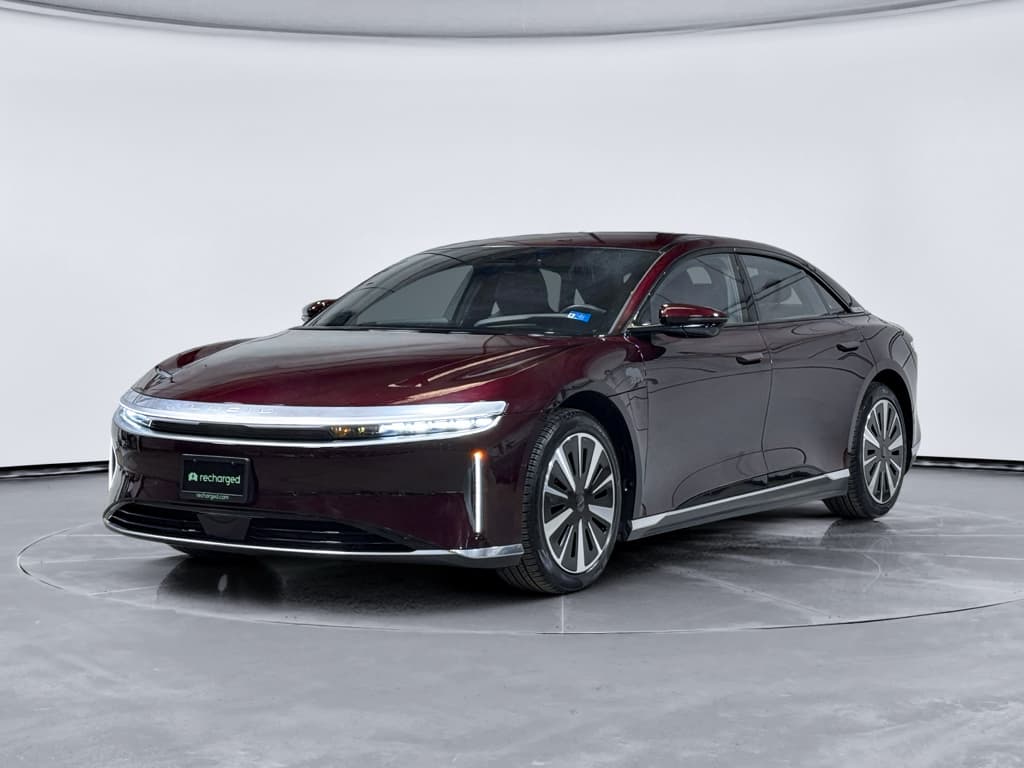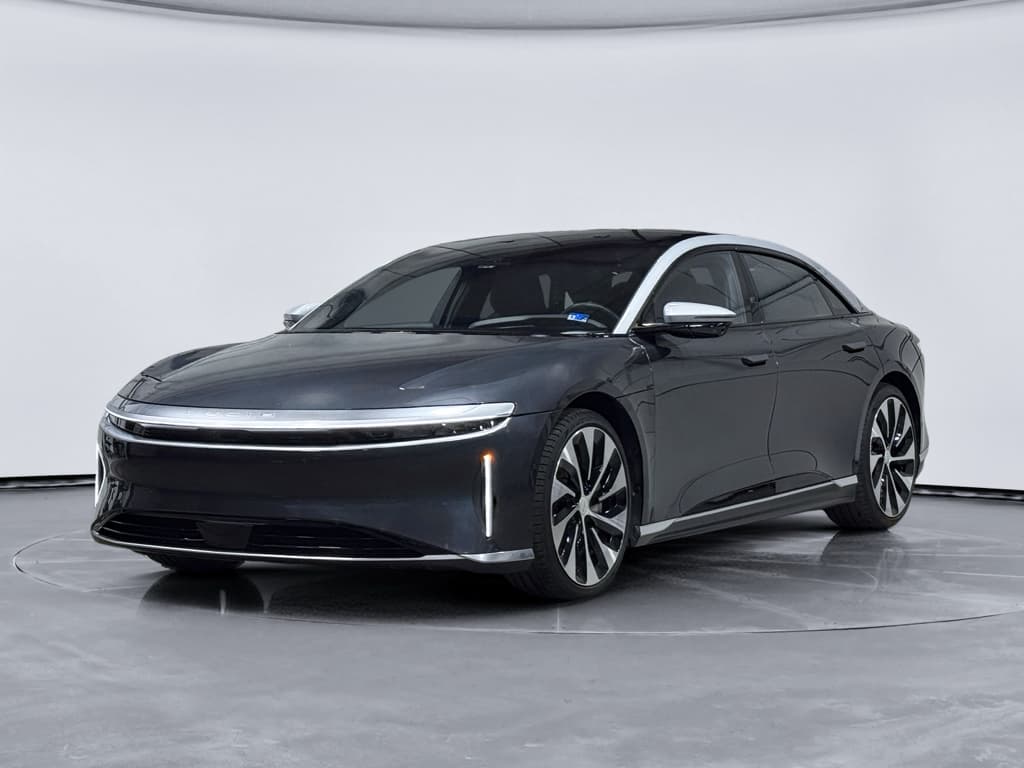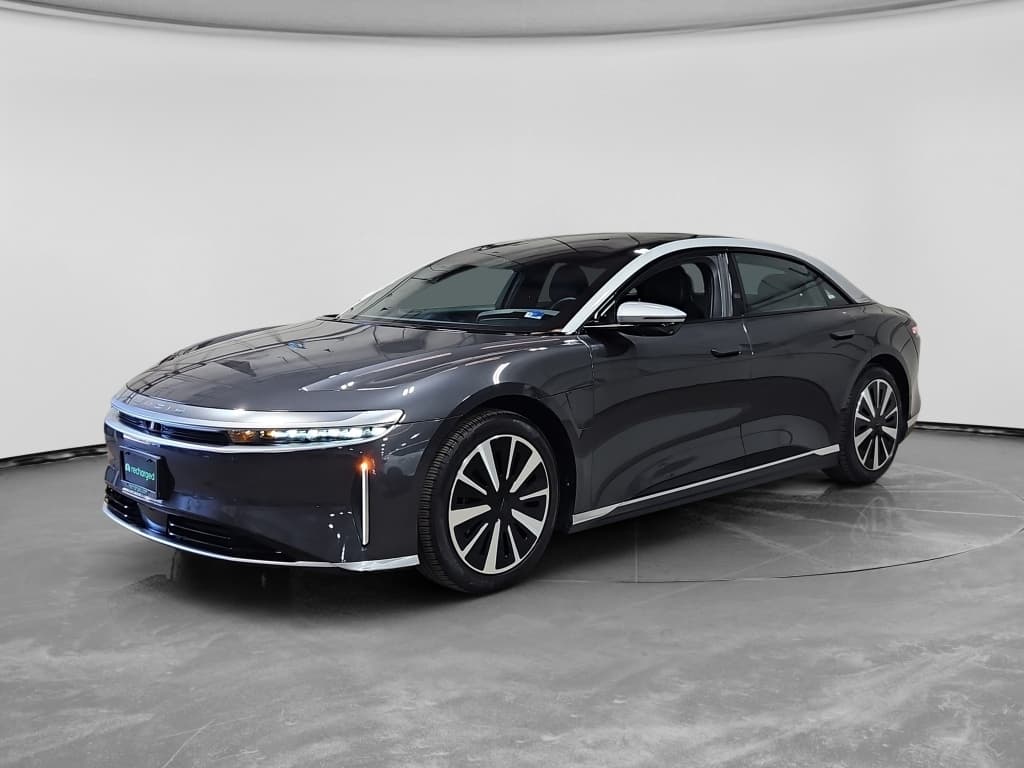
If you own or are considering a Lucid Air, understanding the full Lucid Air recalls list isn’t just a paperwork exercise, it’s central to safety, reliability, and resale value. The good news: many Lucid recalls are software‑based and can be fixed with over‑the‑air (OTA) updates, but there are still hardware and safety‑critical campaigns you need to know about.
Quick take
Lucid Air recalls overview (2022–2025)
Lucid Air recall landscape so far
Like many software‑defined EVs, Lucid has leaned heavily on OTA updates to correct defects that rise to the level of a safety recall. That means some Lucid Airs will have every fix already installed, while others, especially lightly used or seldom‑driven cars, may still be missing critical updates. When you’re evaluating a specific vehicle, you have to look past the brand‑level statistics and confirm what’s been done on that VIN.
Lucid Air recalls list by model year
Below is a consolidated, consumer‑friendly view of key Lucid Air recalls by model year. Exact NHTSA campaign numbers and descriptions are summarized for clarity; always confirm details against the official NHTSA database before making a final decision.
Selected Lucid Air recalls by model year (U.S.)
High‑level overview of notable safety recall themes affecting Lucid Air sedans from 2022–2025. This is not exhaustive; always check by VIN.
| Model year(s) | Component / system | Typical concern (simplified) | Repair method (common) |
|---|---|---|---|
| 2022 | Adaptive cruise / forward collision assist software | Incorrect behavior could increase crash risk in certain scenarios | OTA software update; dealer visit if update not applied |
| 2022–2023 | Powertrain / propulsion software | Software error can cause an unexpected loss of drive power while moving | OTA update pushed by Lucid; confirm version installed |
| 2022–2024 | High‑voltage coolant heater / HVAC defrost | Coolant heater failure can prevent windshield defrosting, hurting visibility | OTA diagnostic + heater replacement if faulty |
| 2022–2025 | Rearview camera / display behavior | Blank or laggy rear camera image when reversing on certain software and hardware combinations | OTA software remedy; hardware swap for specific controllers |
| 2023 | Rear seat heating / cooling components | Rear seat climate hardware may overheat or malfunction | Service center visit to inspect/replace seat components |
| 2023–2024 | Traction battery thermal‑management software | Software calibration can reduce power or limit performance to protect the pack | OTA calibration update; possible service if faults are stored |
| 2025 | Propulsion system & wiring harness (select builds) | Electrical or wiring issue could result in loss of drive power or warning messages | Service inspection, potential harness repair plus software update |
| All years (as produced) | Assorted minor software safety updates | UX, warning messages, or ADAS behavior not aligned with spec | OTA updates bundled into periodic UX releases |
Many Lucid Air recalls overlap across multiple years, especially software and thermal‑management issues.
This list is a guide, not a legal record
Major Lucid Air recalls explained
Let’s unpack the recalls that matter most to everyday owners and used‑EV shoppers. The goal isn’t to scare you away from the Lucid Air; it’s to help you recognize patterns and verify that fixes have been correctly applied.
1. Propulsion/software recalls: Unexpected power loss
One of the more serious Lucid Air recall themes involves propulsion software errors that could cause the car to lose drive power while in motion. In affected 2022–2023 vehicles, the control logic can misinterpret internal data and trigger a shutdown or severe power reduction to protect components.
- Typical symptoms: sudden loss of power, warning messages, vehicle entering a limited‑power “limp” mode.
- Risk: increased crash risk if it happens at highway speeds or in traffic.
- Remedy: Lucid pushes an OTA software update; if the car hasn’t connected regularly or has been sitting, it may still be waiting to install.
Practical check
2. HVAC defrost / high‑voltage coolant heater recalls
Another sizable recall affects 2022–2024 Lucid Air sedans with a high‑voltage coolant heater that can fail. When it does, the windshield defroster may not work properly, which becomes a safety issue in cold or wet conditions.
- Typical symptoms: slow or ineffective windshield defrost, fogging that doesn’t clear, HVAC error messages.
- Risk: reduced forward visibility, especially in cold, humid, or icy weather.
- Remedy: OTA update to improve detection and warnings, plus physical heater replacement when a fault is detected.
3. Rearview camera / laggy display recall
A more recent Lucid Air recall targets a rearview camera glitch in certain 2022–2025 cars running older software on specific center‑console hardware. Drivers can be left with a blank or badly lagging camera image while reversing, which undermines the whole point of the camera.
- Typical symptoms: blank camera image when shifting into reverse, or a delayed image that doesn’t match current surroundings.
- Risk: backing into a person, object, or oncoming traffic because you don’t see them in time.
- Remedy: OTA software remedy to correct the behavior; some vehicles with older controllers may need additional service attention.
Don’t rely only on the camera
4. Battery thermal‑management software campaigns
Lucid has also issued recalls and service campaigns around traction battery thermal‑management software. These calibrations govern pack temperature, cooling, and power output. In some cases, a bug or conservative setting can unexpectedly limit performance or trigger warnings.
- Typical symptoms: reduced maximum power, warnings about battery or thermal limits, or sudden drop in available performance when the pack isn’t actually overheated.
- Risk: primarily drivability and confidence; in severe cases it can combine with other issues to limit maneuvering ability.
- Remedy: OTA calibration updates. The car may feel noticeably more predictable after the correct software is installed.
5. Hardware‑centric recalls: seats, wiring, and more
Not every Lucid Air recall is a quick software patch. Some are old‑fashioned hardware issues, such as rear seat heating/cooling modules that may overheat, or wiring harness routing in certain 2025 builds that could chafe or cause intermittent connections.
- Typical symptoms: odd rear‑seat climate behavior, error messages, intermittent electrical faults, or warning lights.
- Risk: in the worst case, electrical overheating or loss of key functions like propulsion or lighting.
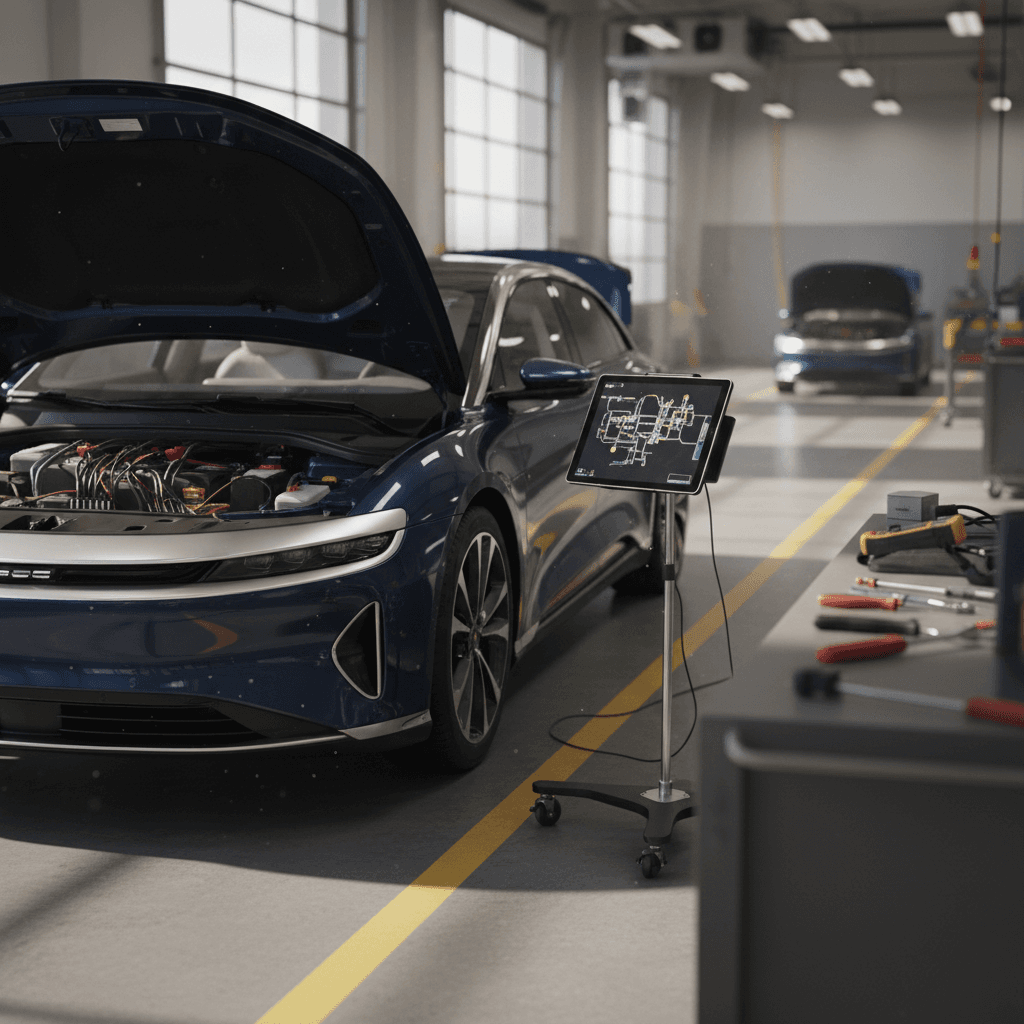
- Remedy: a Lucid service center needs to inspect the hardware, update harness routing, and replace components if needed. These can’t be fixed by OTA alone.
How Lucid fixes recalls: OTA vs service visits
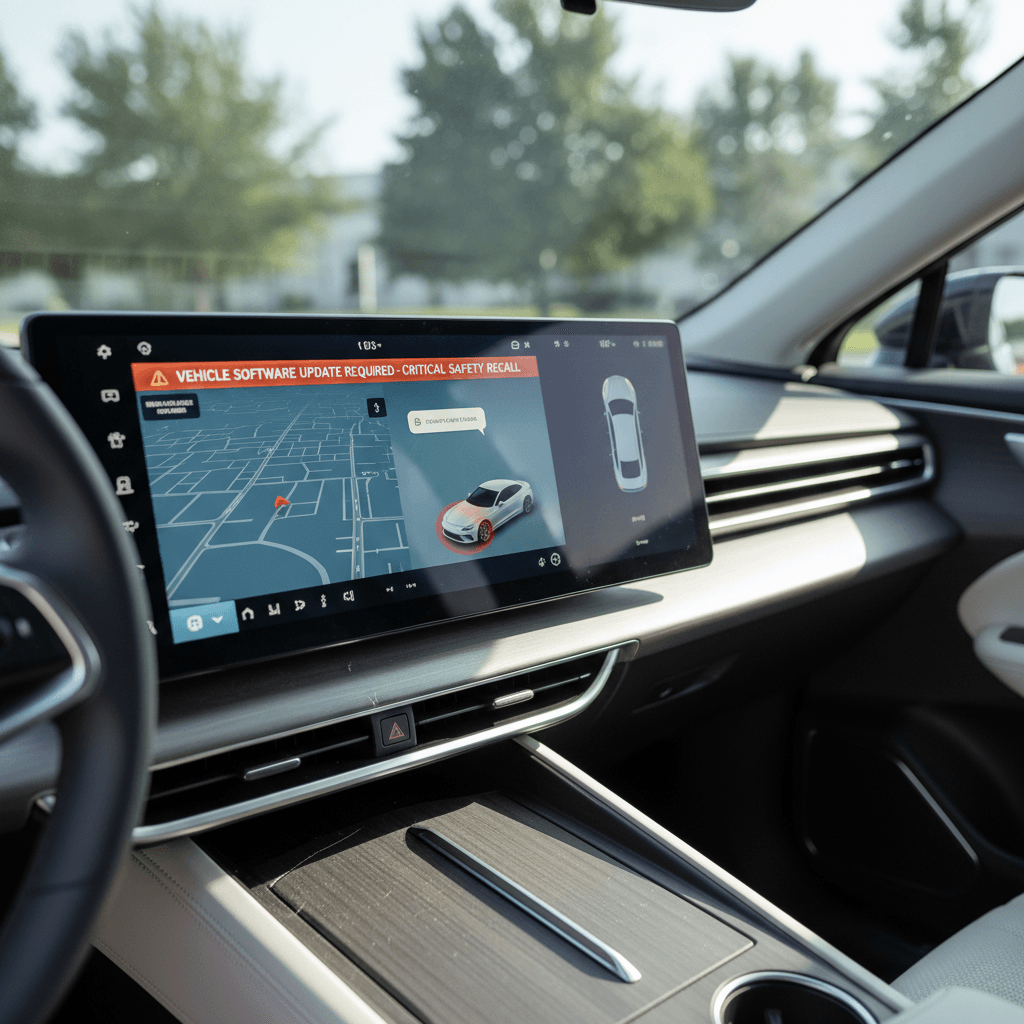
One of the big advantages of modern EVs is the ability to correct many safety issues without a shop visit. The Lucid Air leans heavily on over‑the‑air software updates, but it’s still important to understand when you can rely on OTA, and when you absolutely need a technician to touch the car.
When an OTA update is enough
- Fixes for propulsion or thermal‑management logic errors.
- Updates that refine warning messages and driver alerts.
- Rearview camera glitches caused purely by software timing or display bugs.
- Adaptive cruise control and driver‑assist tuning changes.
If an OTA update is listed as the remedy, Lucid generally pushes it automatically. You still want to confirm that the car has successfully installed it.
When you still need a service visit
- Any recall or campaign involving wiring harnesses, seat hardware, or HV components.
- Coolant heater issues where the part must be physically replaced.
- Software recall codes that won’t clear or recur even after updates.
- Structural or suspension‑related recalls (more common as fleets age).
Because Lucid’s network is relatively small, plan ahead, service appointments may take time, especially if parts are back‑ordered.
Good news for owners
How to check if a Lucid Air has open recalls
Whether you already have an Air in the garage or you’re about to wire funds for a used one, checking recall status should be as routine as checking tire tread. Here’s how to do it correctly.
Step‑by‑step: Checking Lucid Air recall status
1. Get the full 17‑character VIN
You’ll find it on the lower driver‑side windshield, in the door jamb label, and on the title or registration. For a remote purchase, ask the seller to send a clear photo.
2. Run the VIN through NHTSA
Use the U.S. government’s online VIN recall lookup to see all open safety recalls associated with that VIN. If anything is listed as “open,” it still needs to be fixed.
3. Ask for Lucid service history
Request a printout or screenshot from Lucid service showing completed campaigns. Look for propulsion, HVAC defrost, camera, and thermal‑management recalls in particular.
4. Confirm software version in the car
From the Lucid’s infotainment system, open settings and note the current software/UX version. Compare it to the minimum versions referenced in recall notices or Lucid bulletins.
5. Verify OTA capability
Make sure the car connects to Wi‑Fi or cellular data and that automatic updates are enabled. If the car has been offline for months, it may be several versions behind.
6. Schedule any needed service
If recalls require physical work, have the seller complete them before purchase, or factor the time and hassle of a future service visit into your offer and timeline.
Buying remotely? Put it in writing
Extra steps if you’re shopping for a used Lucid Air
On paper, a clean recall history is comforting, but it’s not the whole story. Lucid’s youth as a brand, its reliance on software, and its still‑developing service network mean that used‑EV shoppers should go a bit deeper.
Key recall‑related checks for used Lucid Air shoppers
Layer these on top of standard EV inspection steps
Driveability under load
During your test drive, do at least one full‑throttle merge and a few highway passes.
- Watch for sudden power loss.
- Note any drivetrain warning messages.
- Confirm the car stays stable and predictable.
Screen & camera behavior
Cycle the car through Park, Reverse, and Drive multiple times.
- Check that the rear camera image appears instantly.
- Confirm there’s no severe lag or blank screen.
- Test the 360° or side camera views if equipped.
HVAC & defrost performance
Turn on max defrost and climate control.
- In cool weather, verify the windshield clears quickly.
- Listen for unusual noises from the HVAC system.
- Look for any error messages or warnings.
Be cautious with salvage or auction Lucid Airs
Some auction and salvage Lucid Airs end up stuck in service mode, with limited driving functions and blocked fast‑charging or updates until Lucid performs an expensive inspection. That can make it very difficult, or uneconomical, to bring the car fully current on recalls.
If a price seems too good to be true, dig into the title history and ask directly whether the car has ever been written off, imported, or denied service by Lucid.
How Recharged helps de‑risk used EV recalls
When you shop a used EV through Recharged, every vehicle comes with a Recharged Score Report that includes verified battery health, fair‑market pricing, and a detailed condition review. Our EV specialists also review available recall and service information so you’re not guessing about past repairs or overdue updates.
If you’re comparing multiple used Lucid Airs, or cross‑shopping other luxury EVs, our team can help you unpack how recall history, software maturity, and battery health should influence your decision.
How recall history fits into Lucid Air safety & reliability
A long recall sheet doesn’t automatically make a car unsafe, just as a short one doesn’t guarantee perfection. With the Lucid Air, it’s useful to separate three ideas: basic crash safety, day‑to‑day reliability, and the brand’s long‑term software maturity.
- Crash safety: The Lucid Air has earned a five‑star overall rating from NHTSA for the 2025 model year lineup, reflecting strong crash performance and occupant protection.
- Reliability and bugs: As an early‑stage, software‑heavy EV, the Air has seen its share of glitches, screen reboots, sensor quirks, and feature refinements, that show up as both recalls and non‑recall service campaigns.
- Direction of travel: Over time, major software‑defined brands tend to iron out early‑run bugs. A 2024 or 2025 Air that’s fully up to date on software and recalls should, in many cases, be more sorted than a low‑mileage 2022 car that’s still running old code.
In the EV world, recalls aren’t always a red flag, they’re often evidence that the manufacturer is still actively improving the car you already own.
Lucid Air recalls: Frequently asked questions
Frequently asked questions about Lucid Air recalls
Bottom line: Making a smart decision on a Lucid Air
The Lucid Air’s recall record reflects what it is: an ambitious, software‑dense luxury EV from a young automaker. There have been meaningful recalls around propulsion, thermal management, defrost performance, and driver‑assistance systems, but most can be fully addressed with a combination of over‑the‑air updates and targeted service work. A car that’s current on those fixes, and backed by strong battery health, can still be a smart buy.
If you’re evaluating a specific Air, treat the Lucid Air recalls list as one tool among many. Verify that all safety campaigns are closed, insist on documentation, pay close attention to how the car drives and behaves, and factor in your distance to a Lucid service center. And if you’d like a partner in that process, Recharged’s combination of Recharged Score battery diagnostics, EV‑savvy advisors, and nationwide used‑EV marketplace can help you move from curiosity to confidence, whether you end up in a Lucid Air or another electric sedan entirely.