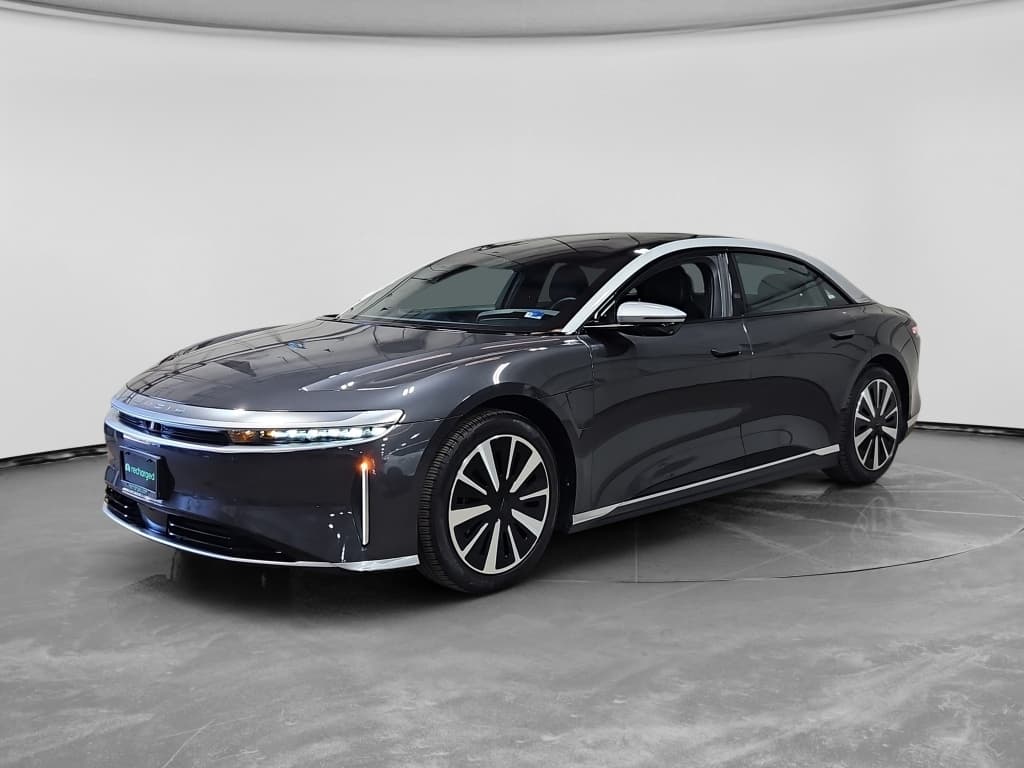
If you’re drawn to the Lucid Air’s space-age styling and monster range, the next question is obvious: what does **Lucid Air long-term ownership cost** actually look like? A $70,000–$100,000 luxury EV can be a bargain over time, or a money pit, depending on electricity, maintenance, insurance, and how well it holds its value.
Quick takeaway
Lucid Air long-term ownership cost at a glance
Lucid Air ownership snapshots (typical U.S. driver)
Before diving into line-by-line math, it helps to remember what the Lucid Air brings to the party. The latest Air Pure can deliver **up to ~420 miles of range** from an ~84 kWh pack and efficiency around **4.5–5.0 miles per kWh**, making it one of the most efficient EVs on sale. That efficiency is the backbone of its low running costs, especially if you charge mostly at home.
Key assumptions: which Lucid Air and how you drive
Lucid offers several trims (Pure, Touring, Grand Touring and above), with battery sizes from the mid‑80 kWh range up past 110 kWh and sticker prices from roughly **$70,000 to well over $100,000** for new cars. For long-term cost, the exact trim matters less than **how you use the car.** Here’s the baseline we’ll use and how your numbers might differ.
Three common Lucid Air ownership profiles
Your real costs will land near one of these patterns
Daily commuter
Miles: ~12,000/year
Charging: 90% home, 10% DC fast
Home power: ~$0.17/kWh US average
Air trims: Pure or Touring.
This is the scenario we’ll use for most 5‑year estimates.
Road‑trip warrior
Miles: 15,000–18,000/year
Charging: 70% home, 30% DC fast
Home power: $0.20+/kWh in high‑cost regions.
Expect higher electricity spend and more tire wear.
Occasional driver
Miles: 6,000–8,000/year
Charging: Almost all at home
Air trims: Often higher‑spec Touring/Grand Touring.
Running costs are lower, but depreciation is still real.
Don’t forget your tax rate
Electricity and charging: where the Lucid Air really saves
Let’s start with the good news. Thanks to its efficiency, the Lucid Air is surprisingly cheap to feed. Depending on model and wheels, real‑world energy use typically falls around **0.22–0.25 kWh per mile**, which translates to roughly **4–4.5 miles per kWh** in mixed driving. That’s better than many rival luxury EVs and it shows up directly in your monthly costs.
Lucid Air charging costs: typical U.S. electricity prices
Estimates assume 12,000 miles per year and 4.5 mi/kWh efficiency.
| Scenario | Electricity rate | kWh/year | Annual cost | 5‑year cost |
|---|---|---|---|---|
| Mostly home charging | $0.17/kWh (US avg) | ≈2,670 | ≈$454 | ≈$2,270 |
| Home + some peak charging | $0.22/kWh blended | ≈2,670 | ≈$587 | ≈$2,935 |
| Heavy DC fast charging | $0.30/kWh blended | ≈2,670 | ≈$801 | ≈$4,005 |
Your actual costs will vary with local rates and how often you rely on DC fast charging.
Even in the expensive "heavy DC fast charging" scenario, powering a Lucid Air for 12,000 miles/year is still **hundreds per year**, not thousands. By comparison, a similar gas luxury sedan burning premium at today’s prices can easily run **$2,000–$3,000 per year** in fuel alone.
A quick way to estimate your own electricity cost
Lucid Air maintenance and repairs over time
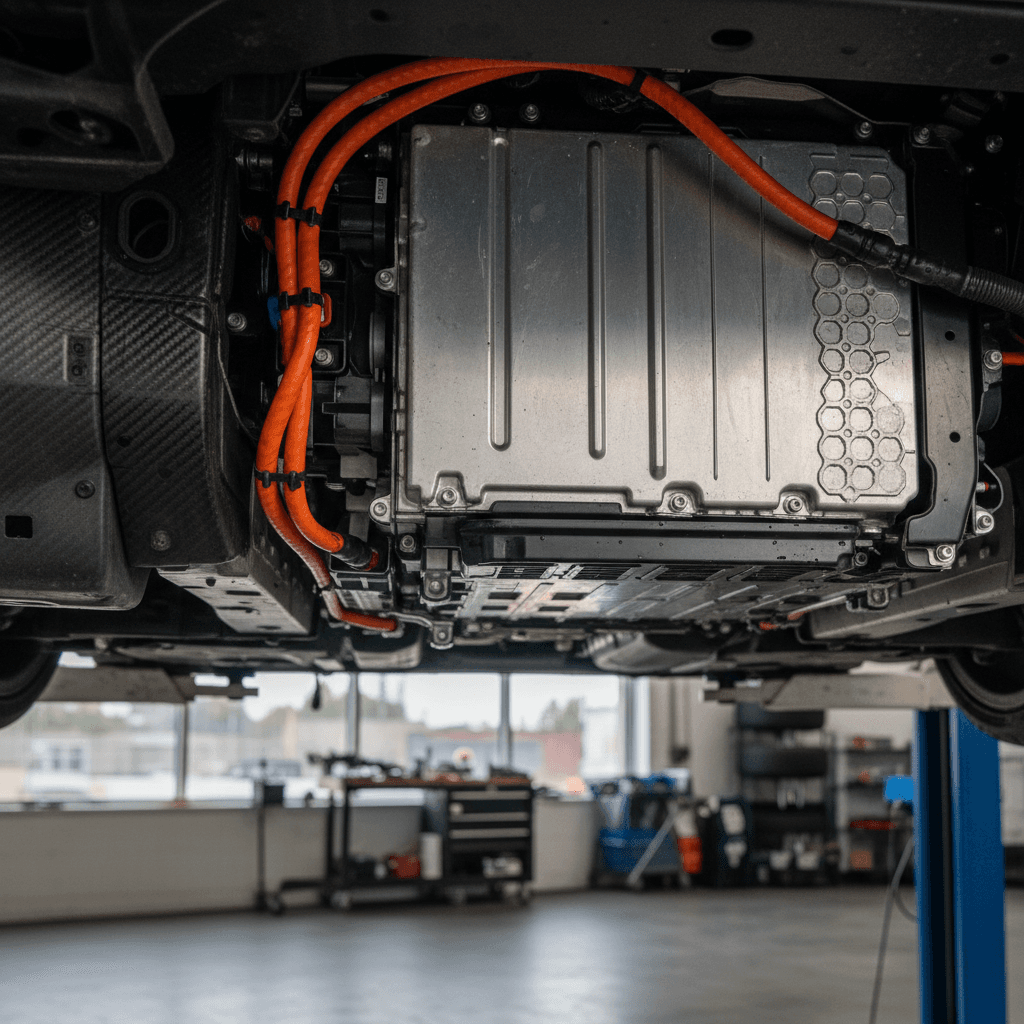
EVs don’t have oil changes or spark plugs to replace, and the Lucid Air is no exception. Still, "maintenance‑free" is a myth, especially with a 5,000‑pound luxury sedan on big wheels and sticky tires. Over 5–10 years, you’ll pay for **tires, brake fluid, filters, alignments, software fixes, and the occasional surprise.**
Typical Lucid Air maintenance items and intervals
Approximate service needs for an Air driven 12,000 miles/year.
| Interval | Service | Estimated cost |
|---|---|---|
| Every 10,000–12,000 miles | Tire rotation, inspection | $75–$150 |
| Every 20,000–24,000 miles | Cabin air filter, wipers, brake inspection | $150–$300 |
| Every 30,000–40,000 miles | Brake fluid flush, alignment check | $250–$450 |
| Every 30,000–40,000 miles | New tires (performance all‑seasons) | $1,200–$2,000/set |
| As needed | Software updates, minor fixes | Often OTA / goodwill; $0–$300 |
| Rare, high mileage | Coolant or drivetrain service | TBD, likely infrequent in first 5 years |
Pricing will vary by dealer, independent shop, and region.
Many software bugs and minor recalls on the Lucid Air so far have been handled via **over‑the‑air (OTA) updates**, and owner feedback on 2023+ cars suggests the software has become much more stable. Hardware failures, suspension components, electronics modules, are still hard to predict because the fleet is young, but they’re typically covered under warranty in the first few years.
Battery and drivetrain warranty
5-year maintenance ballpark
For a typical Lucid Air driven 12,000 miles/year, plan on:
- Two full sets of tires (many owners see 25,000–35,000 miles per set)
- Annual inspections and fluid checks
- At least one brake fluid service and alignment
Estimated total: roughly $2,000–$3,500 over 5 years, assuming no major out‑of‑warranty repairs.
What about unexpected repairs?
Because Lucid is still new, reliability data is thin and mixed. Some owner surveys give the Air excellent road‑test scores but only average‑to‑below reliability projections, citing software quirks and a sparse service network.
It’s wise to keep a "surprise repairs" buffer of a few hundred dollars per year once the basic warranty expires.
Insurance, fees, and taxes for a Lucid Air
Insurance is where many first‑time luxury EV buyers feel the sting. Carriers price risk based on **vehicle value, repair complexity, parts availability, and claim history**, and a high‑tech, six‑figure electric sedan from a young automaker ticks all the expensive boxes.
What drives Lucid Air insurance costs
Why premiums are often higher than for a gas luxury sedan
High replacement value
New Lucid Airs can easily sticker from high-$70,000s into six figures. The more a car costs to replace, the more you pay to insure it.
Complex repairs
Advanced driver‑assist hardware, glass roofs, and exotic lighting aren’t cheap to fix. Many repairs require specialized tools and training.
Limited service network
Fewer authorized repair options and longer parts lead times can push claim costs, and premiums, up, especially outside major metro areas.
For a clean‑record driver with good credit in a suburban U.S. ZIP code, it’s not unusual to see **$2,500–$3,500 per year** for full‑coverage Lucid Air insurance. Young drivers, dense urban ZIP codes, or spots with higher accident or theft rates can push that **well past $4,000/year.** Shopping quotes before you buy is essential.
Registration and EV fees
Depreciation: how fast a Lucid Air loses value
Depreciation is the single biggest line item in **any** luxury car’s long‑term cost, and the Lucid Air is no exception. The challenge is that Lucid is still young, so the usual prediction tools, years of sales data, auction trends, brand history, are limited.
- Early used Lucid Airs have already seen **steep first‑owner drops**, as is typical for six‑figure luxury cars.
- Demand and pricing are very sensitive to macro EV trends, charging infrastructure confidence, and Lucid’s own financial health.
- Efficiency and range work in the Air’s favor; brand-new tech from rivals and changing tax rules work against it.
A reasonable working estimate
Example: New Lucid Air Pure
MSRP: $75,000 (lightly optioned)
5‑year value (optimistic 60%): $45,000
5‑year value (cautious 45%): $33,750
Depreciation range: about $30,000–$41,000 over 5 years.
Example: New Lucid Air Touring
MSRP: $90,000 (typical options)
5‑year value (optimistic 60%): $54,000
5‑year value (cautious 45%): $40,500
Depreciation range: roughly $36,000–$49,500 over 5 years.
5-year total cost of ownership estimates
Now let’s put the pieces together for a mainstream scenario: a new Lucid Air Pure or Touring, 12,000 miles per year, mostly home charging at average U.S. electricity rates, and a driver with clean insurance history. All numbers below are ballpark estimates for planning, not guarantees.
Sample 5-year Lucid Air ownership cost (new car)
12,000 miles/year, mostly home charging, typical U.S. insurance and taxes.
| Category | Low estimate (5 yrs) | High estimate (5 yrs) | Notes |
|---|---|---|---|
| Depreciation | $30,000 | $50,000 | Depends heavily on trim, incentives, and resale market |
| Electricity | $2,200 | $3,000 | Home charging at $0.15–$0.22/kWh, light DC fast use |
| Maintenance & repairs | $2,000 | $4,000 | Tires, filters, fluids, occasional issues |
| Insurance | $12,500 | $17,500 | $2,500–$3,500/year typical range |
| Registration & EV fees | $750 | $1,500 | Standard registration plus possible EV surcharges |
| TOTAL (5 years) | ≈$47,450 | ≈$76,000 | Excludes financing costs and parking/garage fees |
Depreciation is by far the largest cost, but running costs stack up too.
On a per‑mile basis, that works out to something like **$0.80–$1.30 per mile all‑in**, with depreciation swallowing the lion’s share. The Lucid Air’s efficiency keeps the fuel side of that number low; it’s the luxury badge, cutting‑edge tech, and new‑brand uncertainty that keep the total high.
Buying a used Lucid Air: smart or risky?
If you’re reading this on Recharged, you’re probably eyeing a **used Lucid Air**, not a factory-fresh car. That can be a very smart play: the first owner absorbs the nastiest depreciation hit, and you still get the long range, performance, and style that make the Air special.
Checklist: evaluating a used Lucid Air’s long-term costs
1. Battery health and range
Ask for a **verified battery health report** and compare current max range to original EPA ratings. A healthy pack is the cornerstone of future value and low running costs.
2. Software version and recall history
Confirm the car is on the latest software and that any recalls, especially camera or ADAS‑related, have been handled. OTA updates are good; major in‑shop fixes need paperwork.
3. Service and repair records
A well-documented service history at Lucid or qualified EV specialists is worth real money. Gaps in records can hide expensive surprises later.
4. Tires, brakes, and suspension
Heavy EVs chew through tires and can stress suspension components. Inspect for uneven wear, vibrations, and clunks that hint at alignment or bushing issues.
5. Warranty coverage remaining
Check in‑service date and exact battery/drivetrain warranty terms. A car with several years of factory coverage left is safer if you’re worried about out‑of‑pocket repair costs.
6. Charging behavior and networks
Test both Level 2 and DC fast charging before you sign. Any weird charging behavior, fault codes, throttling, or connector problems, can get expensive quickly.
How Recharged can help
Ready to find your next EV?
Browse VehiclesHow Lucid Air ownership costs compare to gas luxury sedans
To put the Lucid Air’s long-term costs in context, compare it to a similarly quick, similarly priced gas sedan, say a Mercedes‑Benz E‑Class AMG, BMW 5‑Series M Performance, or an Audi S6. Those cars can easily match or exceed the Lucid’s purchase price, but they bring very different running costs.
Where the Lucid Air wins
- Fuel cost: Even at higher electricity prices, the Air generally costs half or less per mile to power than a comparable gas sedan on premium fuel.
- Brake wear: Strong regenerative braking means longer pad and rotor life, saving a few hundred to a couple thousand dollars over a decade.
- Efficiency: The Air’s 4–5 mi/kWh efficiency is near the top of the EV market, stretching each kWh further than most rivals.
Where gas still fights back
- Refueling speed and ubiquity: If you drive 30,000+ miles/year with few home‑charging options, gas may still be more convenient.
- Insurance and repairs: Established luxury brands often have broader dealer and body‑shop networks, which can tame repair costs and insurance premiums versus a young brand.
- Resale predictability: A long track record makes it easier to predict resale values for German sedans than for a startup EV.
10 ways to lower your Lucid Air long-term ownership cost
- Install a **Level 2 home charger** and schedule charging for off‑peak hours if your utility offers time‑of‑use rates.
- Keep tires properly inflated and aligned, this preserves range, extends tire life, and keeps the car tracking straight.
- Choose **smaller wheels** if possible; 19‑inch wheels are usually more efficient and cheaper to re‑tire than 21s.
- Shop insurance quotes before you buy, and ask about telematics or EV‑specific discounts.
- Avoid unnecessary DC fast charging; fast juice is great for trips, but home charging is cheaper and gentler on the pack.
- Stay on top of **software updates**; they can fix bugs, improve efficiency, and reduce the odds of expensive glitches.
- Set aside a modest annual reserve, say **$500–$800/year**, for unexpected repairs once the basic warranty is over.
- If buying used, prioritize cars with clean histories, solid service records, and documented battery health.
- Drive smoothly; heavy acceleration is fun, but it eats range and can increase tire and drivetrain wear over time.
- Consider buying a **well‑vetted used Lucid Air** rather than a brand‑new one to let the first owner absorb most of the depreciation.
Lucid Air long-term ownership cost: FAQ
Frequently asked questions about Lucid Air ownership costs
Is a Lucid Air worth it long-term?
The Lucid Air is a fascinating contradiction: a hyper‑efficient, ultra‑modern electric sedan that can be **remarkably cheap to run** on electricity, yet expensive to insure and tricky to predict on resale value. Your **Lucid Air long-term ownership cost** will hinge less on electrons and more on how you buy, how you insure, and how long you keep it.
If you install home charging, drive a normal 10,000–15,000 miles per year, and either buy **used with verified battery health** or new with your eyes open about depreciation, a Lucid Air can be a compelling long‑term choice, especially if you value range and refinement over brand history. If you’d like help running the numbers on a specific used Lucid Air, or want a clearer picture of battery health before you commit, Recharged is built exactly for that: transparent pricing, detailed battery diagnostics, and expert EV support from your first search to delivery.