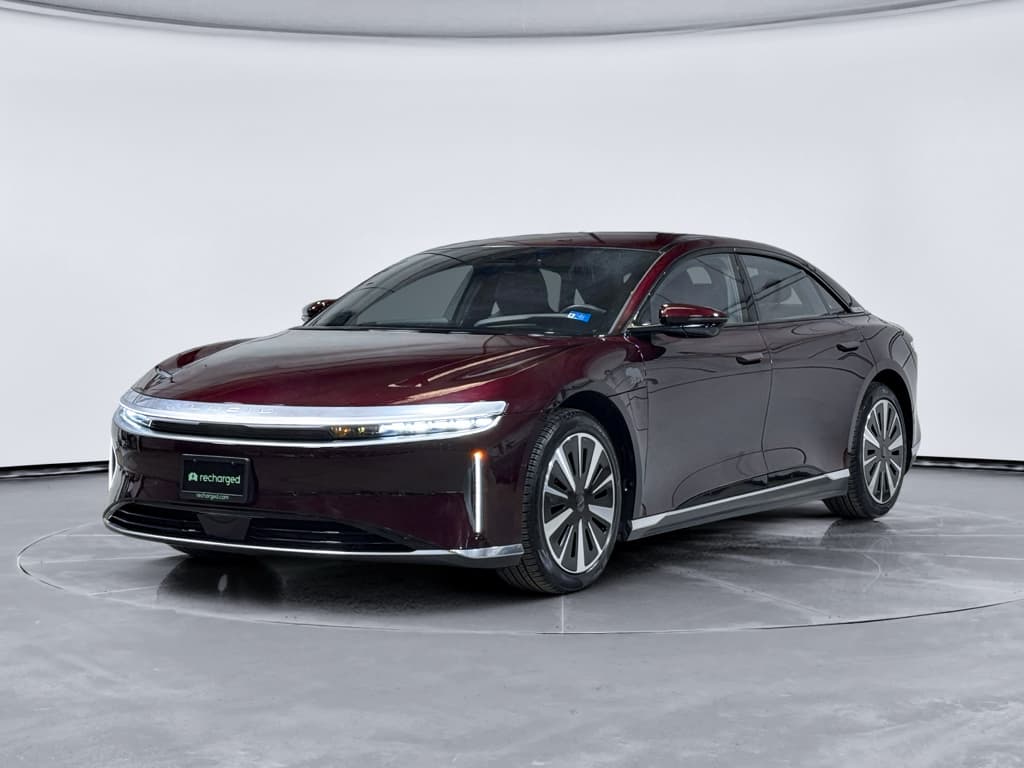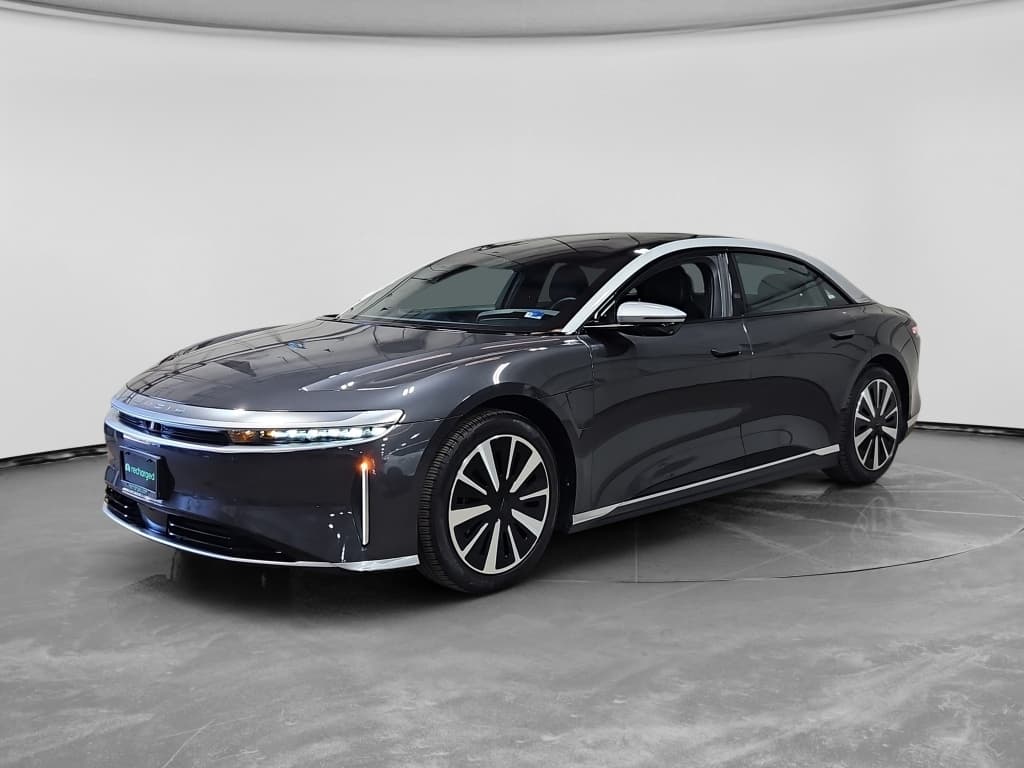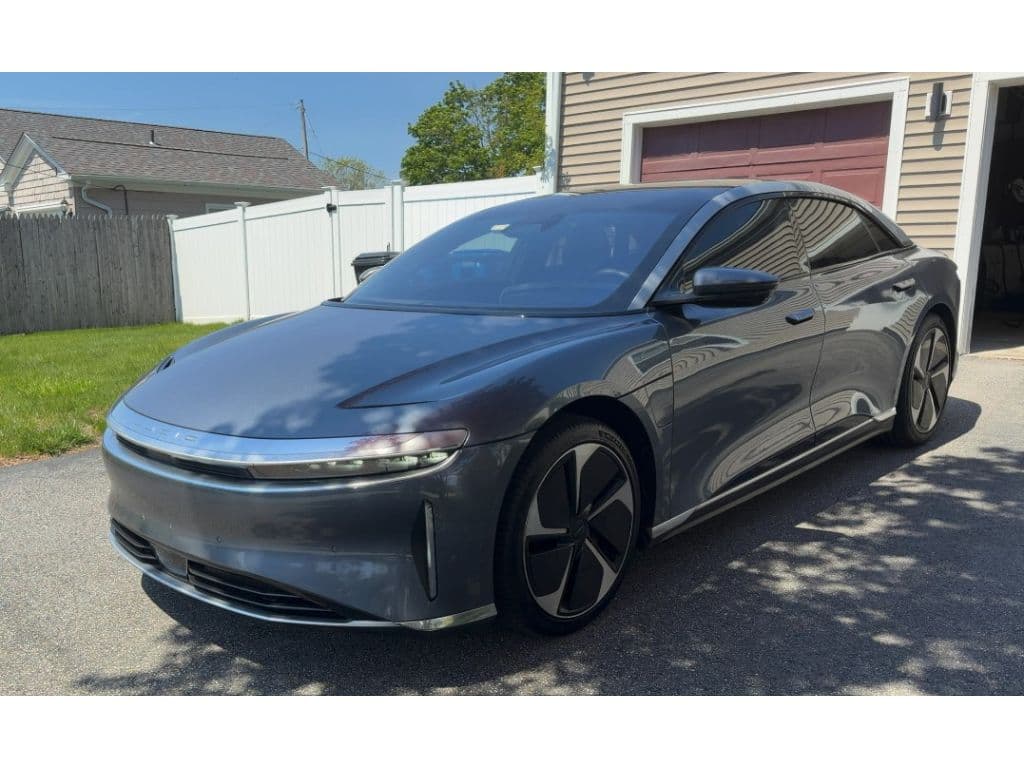
If you’re budgeting for ownership or shopping the used market, it’s natural to wonder what a Lucid Air coolant flush costs and how often you’ll actually pay for it. The good news: coolant service on a Lucid Air is infrequent, but when it does come up, it’s more specialized, and a bit pricier, than an old‑school radiator flush on a gas car.
Quick answer
Why coolant matters in a Lucid Air
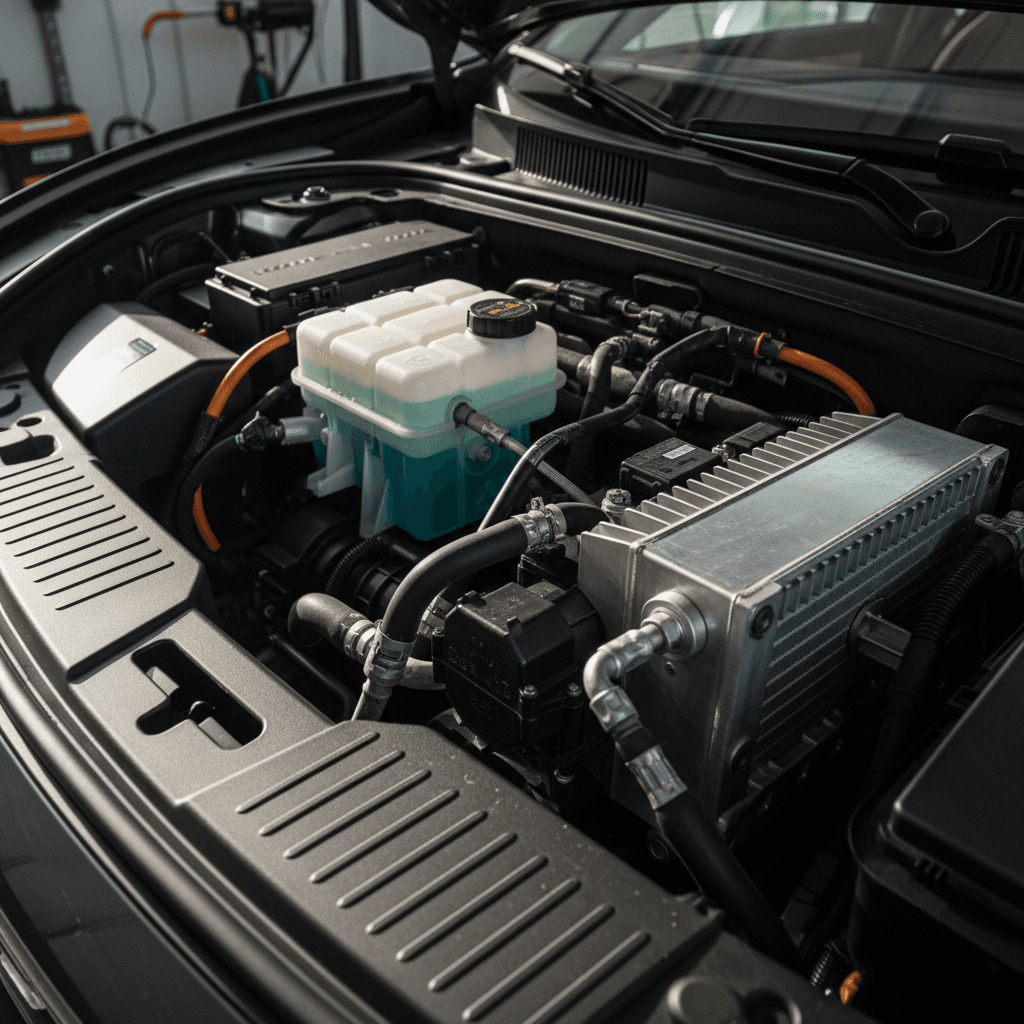
Unlike an air‑cooled EV, the Lucid Air relies on a very sophisticated liquid thermal management system. Coolant flows through the battery pack, drive units, and power electronics to keep everything in a safe temperature window while you’re fast‑charging or running at highway speeds for hours. That thermal system is a major reason the Air can deliver huge power and long‑range efficiency without cooking its battery.
- Maintains battery longevity by preventing hot spots and overheating
- Allows sustained DC fast‑charging without aggressive power throttling
- Keeps the motors, inverters, and onboard charger in their ideal temperature range
- Supports cabin comfort by tying into the HVAC system in complex ways
Why you don’t ignore coolant on an EV
Does a Lucid Air need regular coolant flushes?
Here’s where EVs, and especially Lucid, break from the gas‑car mental model. Traditional cars might get a coolant flush every 3–5 years as routine. Lucid’s published maintenance information focuses on coolant checks, not frequent, time‑based flushes. Owners who’ve dug into the manual and talked with service advisors consistently report that coolant replacement is condition‑based, not a recurring upsell every few years.
Coolant service expectations: Lucid vs gas car
How a Lucid Air’s coolant maintenance philosophy compares to a typical gasoline vehicle.
| Vehicle type | Routine coolant check | Typical coolant replacement trigger | Owner takeaway |
|---|---|---|---|
| Lucid Air | At scheduled services and if alerts appear | Only if lab tests or diagnostics show contamination, degradation, or after certain repairs | Don’t expect regular flushes; plan for 1–2 over long‑term ownership |
| Typical gas sedan | Every oil change or annual service | Every 3–5 years or mileage‑based, often as a preventive upsell | Coolant flush is more routine and more frequent |
| Other liquid‑cooled EVs | At each scheduled EV service | Varies: some specify 8–10 years or 100k+ miles, others are condition‑based | Similar philosophy to Lucid, but intervals differ by brand |
Lucid Air owners should think in terms of inspections first, replacement only when tests say it’s necessary.
Check your specific model year
Lucid Air coolant flush cost breakdown
So what does a Lucid Air coolant flush cost when you actually need one? Lucid doesn’t publish a flat, nationwide price, but if you look at what EV‑specialist shops and luxury dealers charge for comparable battery‑coolant services, you get a realistic band. Think of it as a one‑off, specialized job rather than a frequent line item on your maintenance budget.
Lucid Air coolant service: cost at a glance
Typical Lucid Air coolant service invoice
Estimated line items you might see when a Lucid Service Center or EV specialist performs a full battery and drive‑unit coolant service.
| Line item | What it covers | Estimated cost |
|---|---|---|
| Diagnostic / inspection | Scan for thermal alerts, visual leak check, test coolant condition | $0–$150 |
| Coolant (OEM spec) | Battery, drive units, power electronics, and any auxiliary loops | $80–$200 |
| Labor | Drain, refill, vacuum bleed/air purge, verification drive or test cycle | $150–$300 |
| Misc. parts & shop supplies | Seals, clamps, disposal fees, shop materials | $20–$50 |
| Estimated total | Typical complete coolant flush on a Lucid Air | $250–$600 |
Real‑world invoices will vary by shop, region, and whether any faults triggered the service in the first place.
Don’t cheap out on the coolant itself
How Lucid coolant service compares to other EVs
Lucid Air and other luxury EVs
If you look across high‑end EVs, Tesla Model S, Mercedes EQS, Porsche Taycan, you see a similar pattern: coolant service is infrequent but specialized. Published EV maintenance studies and real‑world invoices put battery‑coolant jobs in roughly the same ballpark: a few hundred dollars when they do occur.
In other words, Lucid is not an outlier here. If anything, the bigger differentiator is how often you’ll need a flush, not how much the job costs when you do.
The macro picture: EV vs gas maintenance
Across all brands, EVs tend to spend far less on scheduled maintenance. Recent government and industry analyses peg scheduled service for EVs at roughly 40–50% lower than comparable gas cars on a cents‑per‑mile basis. Coolant service is one of the few line items that stays on the list, but it shows up much less often.
So while a $300 coolant job feels steep compared with an oil change, it’s a rare event in a maintenance schedule that’s otherwise pretty sparse.
Signs your Lucid Air may need coolant service
Because the Air quietly manages its own temperature in the background, most owners never think about coolant, until the car tells them to. Modern EVs are very good at flagging thermal issues early, and Lucid is no exception.
- Dashboard alerts about the drive system, battery temperature, or cooling performance
- Reduced DC fast‑charging speeds compared with your usual pattern, especially in mild weather
- HVAC not heating or cooling properly, with no obvious cabin‑side explanation
- Fans running loudly or for long periods after shutdown, more than you’re used to
- Visible coolant under the car or a sweet smell near the front of the vehicle
Don’t push through a thermal warning
What actually happens during a coolant flush
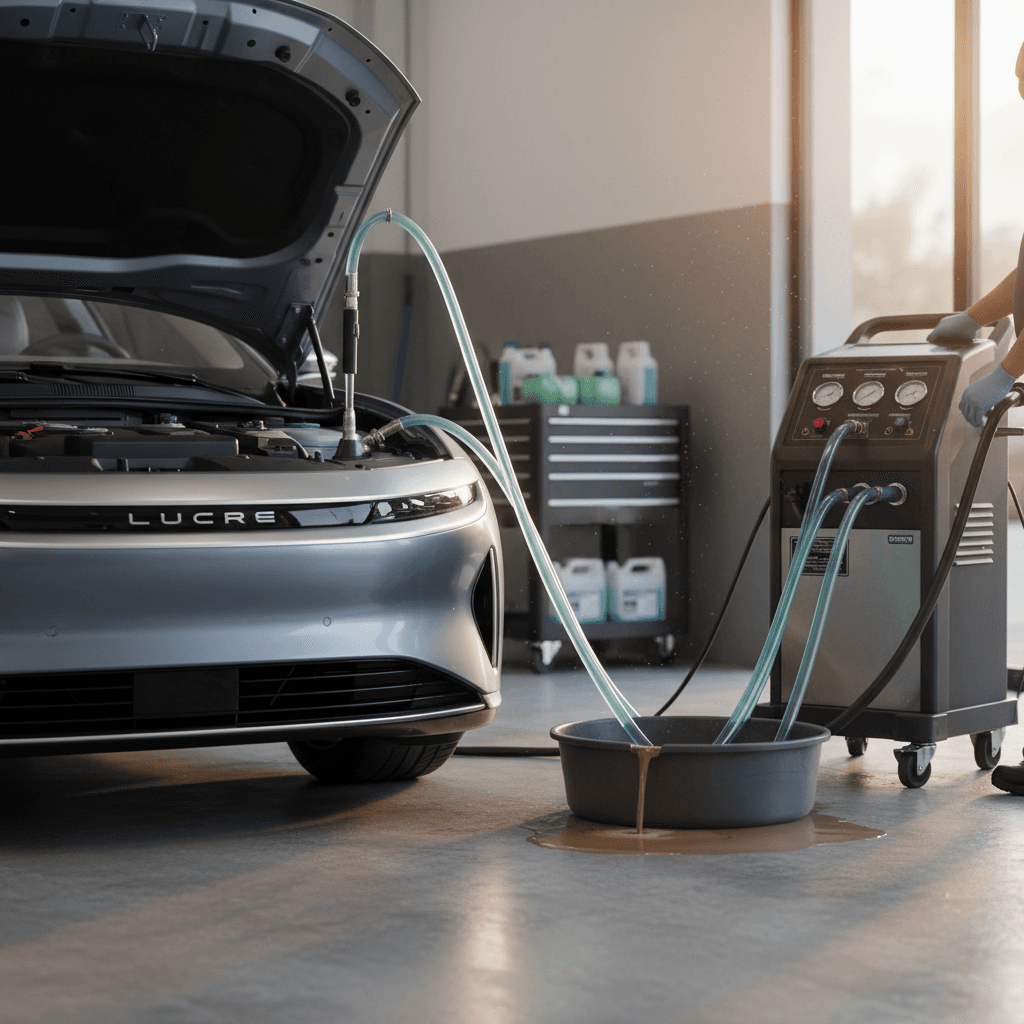
A Lucid Air coolant flush is more than "pull a hose and refill." The tech is dealing with high‑voltage components, multiple loops, and strict cleanliness standards. That’s why DIY coolant jobs, which might make sense on a 15‑year‑old gas car, are a very bad idea on a Lucid.
Typical Lucid Air coolant flush steps
1. Diagnostic scan & visual inspection
The technician checks for active or stored thermal‑system faults, inspects hoses and connections, and confirms there are no external leaks or physical damage.
2. Controlled drain of the thermal loops
Coolant is drained from the battery, drive units, and related circuits using manufacturer‑approved procedures to avoid trapping fluid or exposing sensitive components.
3. System checks & component inspection
If the service was triggered by a fault code, the tech may inspect pumps, valves, or sensors for issues before refilling anything.
4. Refill with OEM‑spec coolant
The system is refilled with the correct Lucid‑specified coolant. Using the wrong fluid is not an option on a high‑voltage thermal system.
5. Vacuum bleed / air purge
Special equipment removes air pockets and ensures consistent flow through the pack and drive units, critical for even cooling and accurate sensors.
6. Verification & road test
The tech runs the car through charging and/or driving scenarios to make sure temperatures stay in range and any fault codes remain cleared.
Why Lucid and EV‑specialist shops are worth it
Ways to save on Lucid Air coolant service
You can’t (and shouldn’t) turn a coolant flush into a DIY science project on a Lucid Air, but you can be smart about when and where you pay for it.
Practical ways to control coolant flush costs
Work with the car, not against it, to avoid unnecessary service.
Let the car tell you when
Don’t request a coolant flush "just because" you hit a calendar date. Follow Lucid’s inspection intervals and act when:
- Fault codes point to the thermal system
- A tech sees contamination or lab tests say it’s time
- Major cooling‑system work (like a drive‑unit swap) requires new fluid
Compare qualified shops
While warranty work will go through Lucid, out‑of‑warranty owners in some markets can use independent EV specialists.
- Ask specifically about Lucid or similar high‑voltage systems
- Request a detailed estimate up front
- Verify they’ll use OEM‑spec coolant
Bundle with other service
If a coolant flush is recommended, see what else is due:
- Cabin filter and wiper replacement
- Brake‑fluid change or tire rotation
- Software and inspection updates
Bundling can save on diagnostic and shop fees over time.
Think lifetime, not annual
Coolant flush costs if you’re buying used
If you’re considering a used Lucid Air, coolant service is less about "How often will I be in the shop?" and more about "Has this car’s thermal system been healthy so far?" A one‑time coolant flush isn’t a red flag; unexplained repeat cooling issues are.
Questions to ask about coolant history
- Have there been any drive‑system or cooling‑system warnings logged?
- Has the battery or any drive unit been replaced, and why?
- Was coolant service performed as part of that repair, with documentation?
- Any history of leaks, hose replacements, or radiator/heat‑exchanger work?
A clean record doesn’t guarantee perfection, but it suggests the car hasn’t been running hot or ignoring serious thermal faults.
How Recharged helps de‑risk coolant questions
Every used EV sold through Recharged comes with a Recharged Score Report that looks beyond cosmetics and into battery health and vehicle history. While we don’t crack open the coolant system on every vehicle, we do:
- Scan for thermal‑system fault codes and derating events
- Review documented warranty or repair history tied to cooling
- Factor overall thermal behavior into the car’s battery‑health score
If you’re worried about a surprise coolant‑related repair on a used Lucid Air, buying through a curated marketplace like Recharged can dramatically reduce the guesswork.
FAQ: Lucid Air coolant flush costs
Frequently asked questions about Lucid Air coolant service
Bottom line: How much to budget and when
A Lucid Air isn’t a car that’s going to send you in for constant fluid changes. When a coolant flush finally does show up in your ownership story, it’s usually tied to a specific repair or a long‑term checkup rather than a calendar reminder. Expect a Lucid Air coolant flush cost in the low‑to‑mid hundreds of dollars, but also expect to pay it rarely, if at all, in the first decade if the car remains healthy.
The smart move is to treat coolant as you would the battery itself: something to monitor carefully and service correctly rather than chase with frequent, unnecessary work. Use Lucid’s own alerts and inspection schedule as your guide, lean on EV‑savvy technicians, and, if you’re buying used, look for transparent condition reporting like the Recharged Score so you’re not inheriting someone else’s ignored thermal problems. Budget conservatively, but remember that in the EV world, coolant is one of the smaller line items in a maintenance picture that’s already far leaner than a comparable gas luxury sedan.