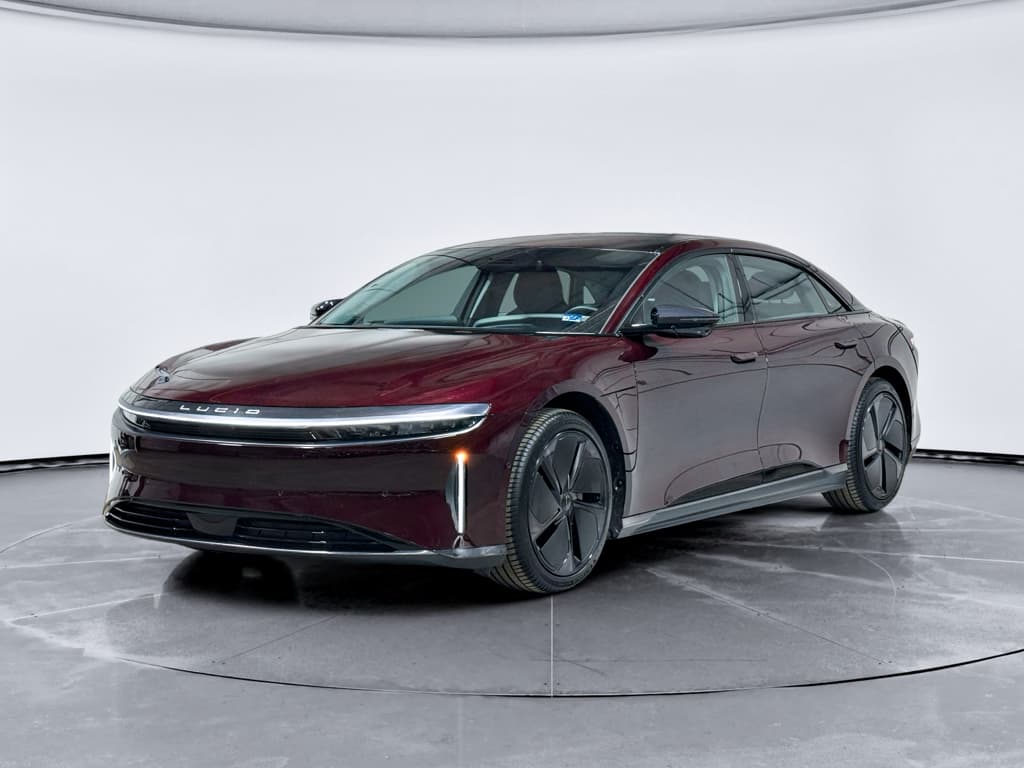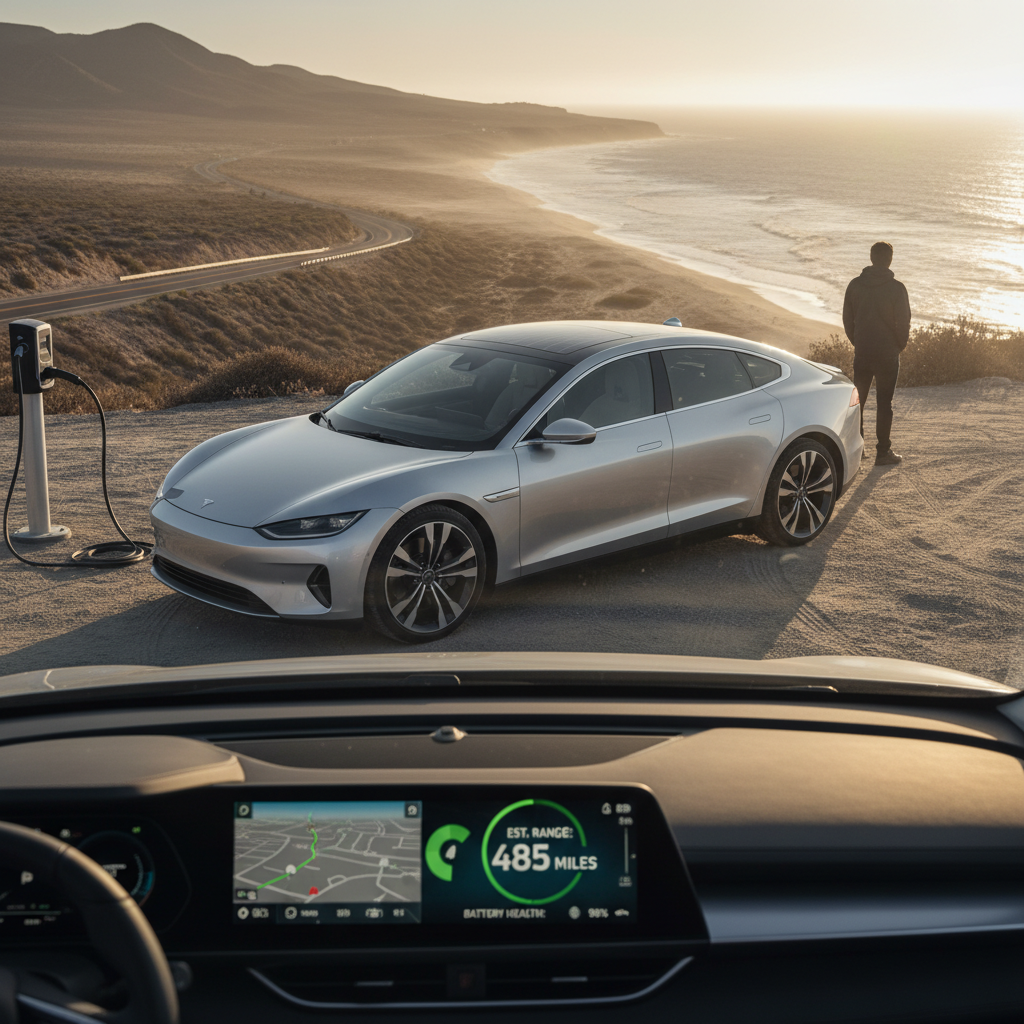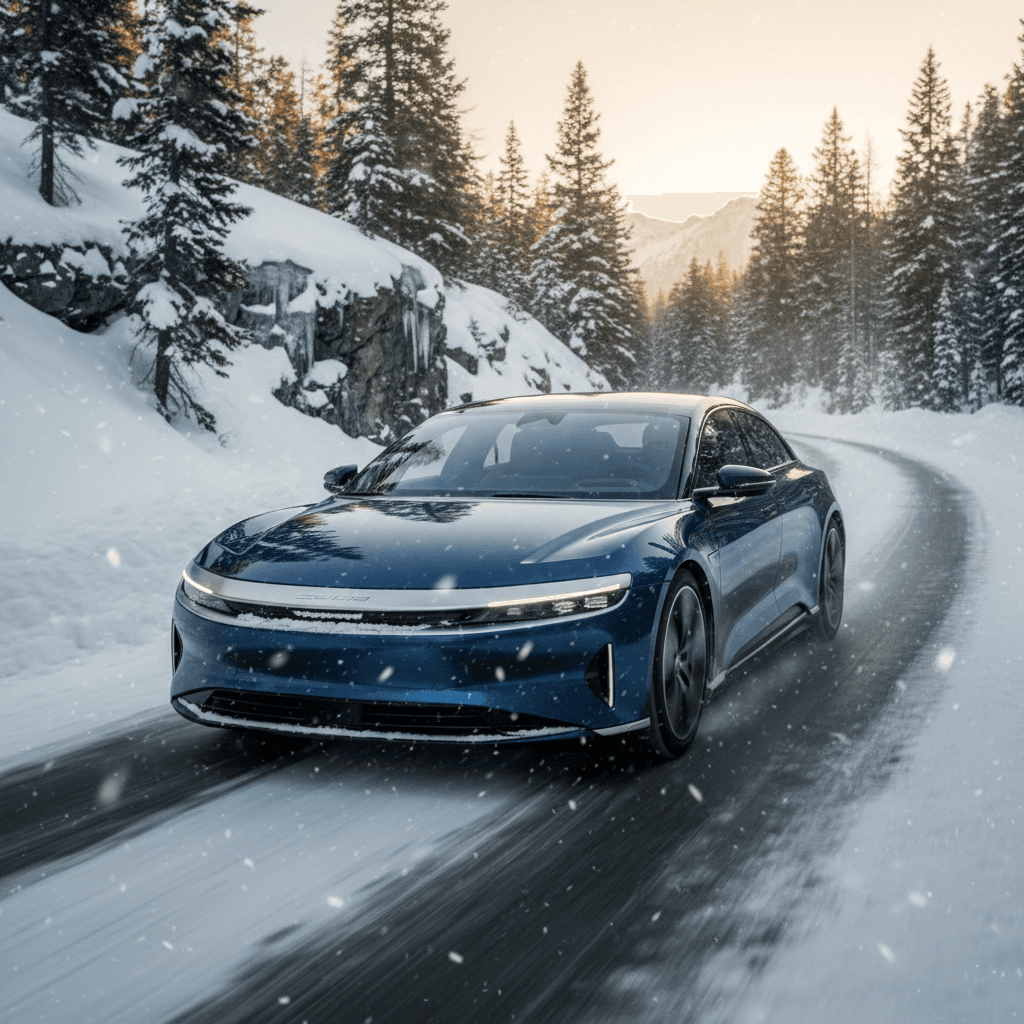
If you live where winters are serious, you’re right to ask whether the Lucid Air is good in snow and on ice. On paper it has massive power, sophisticated traction control, and available all‑wheel drive, but it’s also a low, powerful luxury sedan on wide tires. The truth is that a Lucid Air can be excellent in winter, but only if you choose the right version and set it up correctly.
Key Takeaway
Lucid Air in Snow and Ice: Big Picture
Lucid designed the Air as a luxury sport sedan first and foremost, not as an off‑road SUV. That said, the car’s instant torque control, dual‑motor all‑wheel drive (on most trims), and fast stability systems give it real advantages on slick surfaces. As with any EV, the heavy battery pack mounted low in the chassis also improves stability by lowering the center of gravity.
Lucid Air Winter Highlights at a Glance
Where the Lucid Air falls short compared with a winter‑focused SUV are ground clearance and tire choice from the factory. Its sleek body rides relatively low, which is great for aerodynamics but not ideal for deep snow. And like most premium sedans, many trims ship on wide, low‑profile performance tires that are more at home on dry pavement than on ice‑polished intersections.
Think of it Like a Sports Sedan
AWD vs RWD Lucid Air: Which Is Best for Snow?
The single biggest factor in how well a Lucid Air handles snow and ice is the combination of drivetrain and tires. Lucid has offered both rear‑wheel‑drive (RWD) and dual‑motor all‑wheel‑drive (AWD) versions of the Air.
Lucid Air Drivetrains in Winter
Same body, very different snow manners
Dual‑Motor AWD Lucid Air
- Motors on both axles actively juggle torque front to rear.
- Computer can tame wheelspin far faster than a human can.
- Best choice if you routinely see snow‑covered roads or steep, slick driveways.
Still depends heavily on having true winter tires, not just all‑seasons.
Rear‑Wheel‑Drive Lucid Air
- Plenty of power, but only the rear wheels are driven.
- More likely to struggle starting on a hill or in deep, unplowed snow.
- Can work fine in light snow with good snow tires and gentle driving.
Best for milder climates where roads are plowed quickly and ice is rare.
Don’t Let Horsepower Fool You
If you’re shopping specifically for a winter‑capable Lucid Air, prioritize AWD trims like Touring, Grand Touring, or Sapphire over RWD variants. You’ll get better traction from a stop, more confidence climbing packed‑snow hills, and more stability when the road surface changes suddenly from wet to icy.
Tires, Brakes, and Stability Systems in Winter
No matter how advanced the car, tires are your first and most important winter upgrade. From the factory, many Lucid Airs wear performance‑oriented all‑season or summer tires. Those may be fine in cool rain but can turn hard and slick in real cold.
Winter Tire Priorities for a Lucid Air
1. Choose true winter tires
Look for the three‑peak mountain snowflake (3PMSF) symbol on the sidewall. That indicates the tire has passed a minimum snow‑traction standard, unlike generic M+S all‑seasons.
2. Consider downsizing your wheels
If your Air came with large 20–21" wheels, ask your tire shop about a smaller winter wheel package (for example, 19"). A narrower tire cuts through slush and snow more effectively.
3. Balance efficiency vs grip
Aggressive snow tires maximize grip but can cost range. If you mostly face cold, dry roads with occasional snow, a more efficiency‑focused winter tire may be a smart middle ground.
4. Store your OEM wheels properly
If you swap to winter wheels, store the factory set in a cool, dry place, out of direct sunlight. That preserves tread life and compound flexibility for the warm months.
What About Regenerative Braking on Ice?
The Air’s stability control, ABS, and traction management systems are calibrated to work with regen and friction brakes together. When the system senses slip, it can instantly cut motor torque while pulsing the hydraulic brakes. That kind of fine, rapid control is where modern EVs tend to feel planted on slick roads, as long as your expectations match physics.
Ground Clearance, Weight, and Snow Ruts
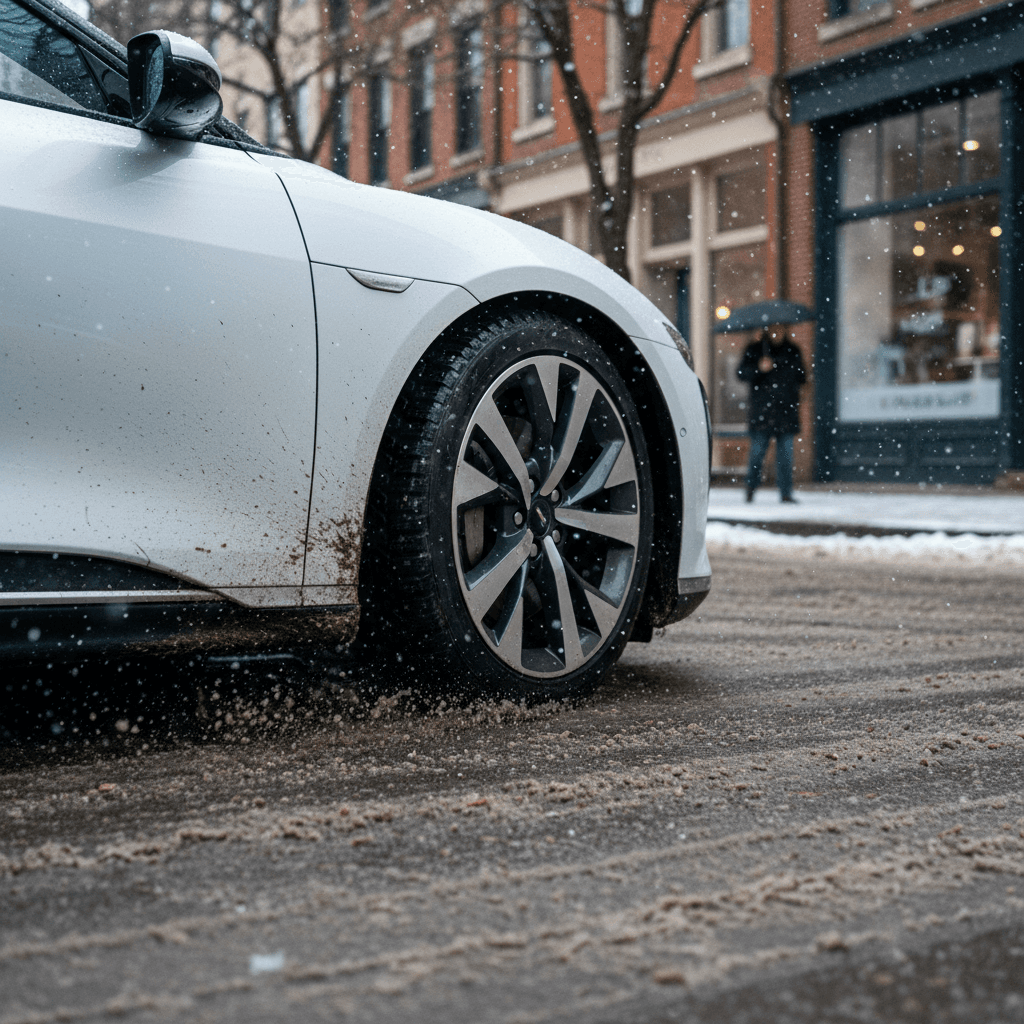
The Lucid Air rides lower than most crossovers and SUVs. That’s great for wind‑cheating efficiency and high‑speed stability, but it means you have to be realistic about deep, unplowed snow and uneven ruts.
- In light snow or on plowed roads with a thin slushy layer, the Air’s low center of gravity and quick traction response work in your favor.
- In deeper snow, the underside of the car can start to "plow," which both saps momentum and can pack snow and ice around underbody components.
- Very tall ruts from trucks and SUVs can cause the Air to "high center," where the tires lose contact as the chassis rides on packed snow.
Know When to Stay Home
That doesn’t disqualify the Lucid Air as a winter daily driver. It simply defines its lane: plowed suburban streets, highways, and city driving rather than deep trailheads or unmaintained back roads.
Cold Weather Range: What to Expect From a Lucid Air
All EVs lose some usable range in cold weather. The battery chemistry is less efficient, the cabin needs more heat, and winter tires add rolling resistance. The Lucid Air starts from a strong place, with very large packs and high efficiency, so even after a winter hit it often compares well with other luxury EV sedans.
Simplified Lucid Air Range Expectations in Cold Weather
These are illustrative, rounded examples to show relative differences. Your actual range will vary with speed, temperature, elevation, heater use, and tire choice.
| Trim Example | EPA Rated Range (mild temps) | Typical Cold‑Weather Range | Notes |
|---|---|---|---|
| Long‑range RWD or Touring | 400–500+ miles | ~260–380 miles | 20–35% reduction on mixed winter driving |
| Performance‑oriented trim | Mid‑300s miles | ~220–280 miles | More power and wider tires modestly increase winter losses |
| Shorter‑range spec | Low‑300s miles | ~190–240 miles | Still workable for most daily commutes with home charging |
Think in terms of percentage loss instead of chasing exact numbers, plan conservatively and you’ll be happier on winter trips.
Precondition Before Fast Charging
For daily winter commuting, a Lucid Air is overqualified from a range standpoint, especially if you can charge at home overnight. Where you need to think ahead is on very cold road trips. Build in more margin than you would in summer, and be honest about how much time the car spends at 75 mph with the heater on.
Best Drive Modes and Settings for Snow and Ice
Lucid gives you multiple drive modes that adjust suspension, steering, stability limits, and power delivery. While the specifics vary slightly by trim and software version, the winter logic is straightforward: softer, slower, and smoother beats sharp and aggressive when traction is low.
1. Pick the calmest power mode
Choose the mode that dials back peak power and sharp throttle response. You don’t need supercar acceleration on packed snow; you need predictable, linear response to small pedal movements.
If your Air has a "Smooth" or comfort‑oriented setting, start there for snow days.
2. Consider softening regen
In slick conditions, heavy regenerative braking on the drive wheels can cause momentary instability as you lift off the accelerator. Many EV drivers prefer a medium regen setting on ice so most serious stopping comes from the friction brakes that ABS can finely control.
Experiment cautiously in an empty snowy lot to see what feels most natural.
- Turn on any winter or slippery‑road traction features if available.
- Avoid disabling stability control on public roads; that’s for expert use only.
- Use the car’s pre‑conditioning to warm the cabin and battery while still plugged in, so you leave with full range and clear windows.
- On long descents, use regen plus gentle brake pressure rather than relying solely on one or the other.
Practice Before You Need It
Checklist: Setting Up a Lucid Air for Winter
Pre‑Winter Setup for Lucid Air Owners
1. Install a dedicated winter wheel‑and‑tire set
This is the single best investment you can make for snow and ice. A narrower, 18–19" wheel with quality winter tires transforms traction and braking performance.
2. Check wiper blades and washer fluid
Replace streaky blades and top off with low‑temperature washer fluid rated for your climate. A clear windshield is just as important as traction.
3. Protect door seals and latches
Apply a silicone‑based rubber protectant to door and trunk seals to reduce freezing. In harsh climates, a light lubricant on latches helps them operate when icy.
4. Set up charging where you park
If you can install Level 2 home charging, do it. Plugging in overnight lets you pre‑heat the car without eating into usable range, and Recharged can help you scope the right used EV and answer charging setup questions.
5. Build a winter kit for the trunk
Pack a snow brush, compact shovel, gloves, small traction aids or sand, and a portable battery pack for your phone. EV or not, winter rewards drivers who plan ahead.
6. Update software before storms hit
Don’t wait until the first big snow to process software updates. Install them on a mild day so new traction logic or interface tweaks don’t surprise you mid‑storm.
Buying a Used Lucid Air for Winter Climates
Shopping the used market is a smart way to get into a Lucid Air, especially given early‑production depreciation. But if snow and ice are part of your life, you’ll want to look beyond color and options and dig into how the specific car was equipped and used.
Used Lucid Air Winter Buyer Priorities
Questions to ask before you sign
Drivetrain & Modes
- Is it dual‑motor AWD or RWD?
- Does it have the latest traction/drive‑mode updates installed?
- Any history of drivetrain or inverter repairs?
Tires & Wheels
- Does the car come with a separate winter wheel‑and‑tire set?
- How old are the tires and how much tread remains?
- Any uneven wear that could suggest alignment issues?
Battery Health & Range
- What’s the current usable range at moderate temps?
- Has the pack seen lots of DC fast charging?
- Is there a recent battery health report, like a Recharged Score?
How Recharged Helps on Used Lucid Airs
When you combine a clean battery‑health story, dual‑motor AWD, and a dedicated set of snow tires, a used Lucid Air can make a very compelling four‑season luxury sedan, often at a considerable discount versus new.
When the Lucid Air Might Not Be the Best Snow Car
No car is perfect for every driver. As much as the Lucid Air can shine in winter when set up well, there are use cases where it simply isn’t the best choice for snow and ice.
- You live on unpaved or poorly maintained roads that remain deeply snow‑covered for days at a time.
- Your driveway is very steep, long, and only occasionally plowed or sanded.
- You regularly seek out back‑country trailheads or ski cabins that require high ground clearance.
- You’re unwilling (or unable) to run a dedicated winter tire setup and will stay on all‑seasons year‑round.
SUVs Still Have a Role
In those cases, look at EVs with taller ride heights and dedicated snow or off‑road modes. Recharged’s marketplace lets you compare used EV sedans and SUVs side‑by‑side, so you can decide whether a Lucid Air or something more rugged fits your winter better.
Lucid Air Winter Driving FAQ
Frequently Asked Questions About Lucid Air in Snow and Ice
Bottom Line: Is the Lucid Air Best for Snow and Ice?
If your question is whether a Lucid Air can be one of the best luxury EV sedans for snow and ice, the answer is yes, provided you choose an all‑wheel‑drive example, invest in proper winter tires, and respect its low‑slung sedan limits. In everyday winter use on plowed roads, the Air’s traction control, instant torque modulation, and long range make it a calm, capable companion.
If, on the other hand, your winters involve unplowed back roads, deep drifts, and steep gravel driveways, no sleek sedan is going to beat a taller EV with more ground clearance and aggressive tires. The trick is matching the tool to the job.
That’s where a marketplace like Recharged can help. Whether you end up in a Lucid Air or a more winter‑oriented EV, every used vehicle we sell includes a Recharged Score battery‑health report, fair‑market pricing, and EV‑savvy specialists who can talk through how a specific car will handle life in your climate. If snow and ice are part of your year, it pays to choose, and prepare, your EV with winter in mind.