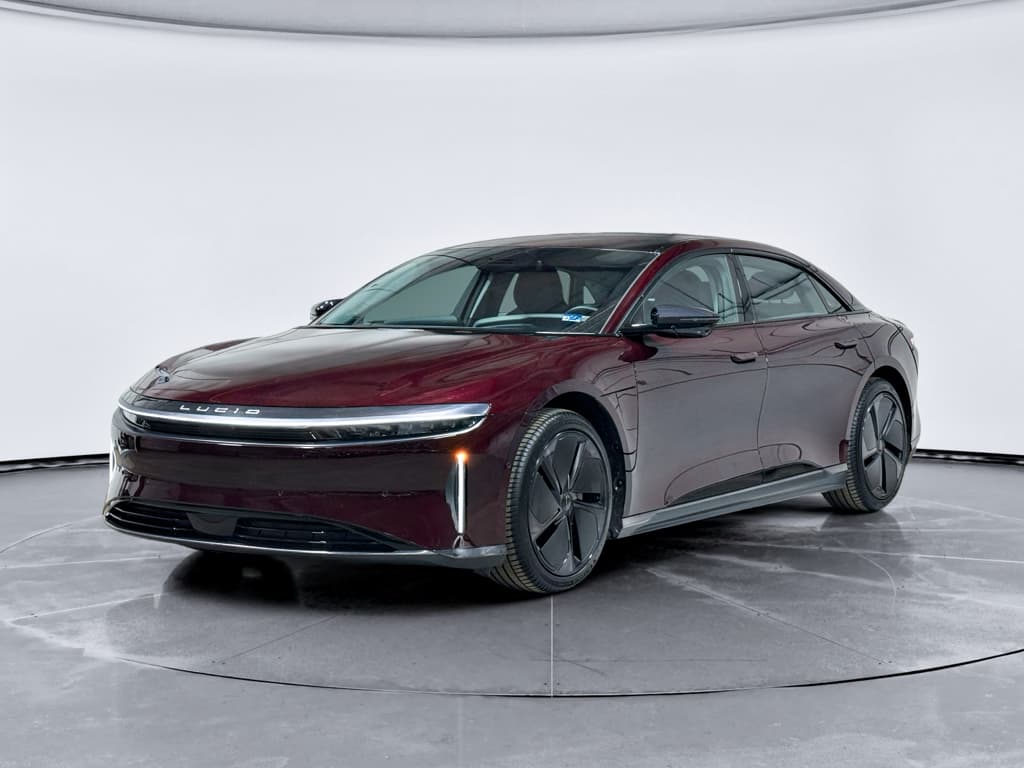
If you’re eyeing a Lucid Air, especially on the used market, the big question is simple: what does the Lucid Air battery warranty actually cover? Lucid’s high‑voltage battery warranty is generous on paper, but the details around the 8‑year/100,000‑mile term and the 70% capacity guarantee matter a lot when you’re signing a check (or loan). This guide breaks down what’s covered, what isn’t, and how to use that information to shop confidently.
Fast answer
Lucid Air battery warranty overview
Lucid structures the Air’s warranty similar to other luxury EV brands, but with one standout feature for the battery: a written capacity guarantee. Under the High Voltage Battery Limited Warranty, Lucid promises that the main traction battery will be free from defects in materials and workmanship, and that it will keep at least 70% of its original capacity for the warranty term.
- Coverage period: 8 years or 100,000 miles, whichever comes first, starting from the original in‑service date (when the car was first sold or leased).
- Scope: The high‑voltage traction battery pack that powers the car, including modules and internal battery electronics related to the pack.
- Capacity guarantee: The pack should retain at least 70% of original usable capacity during the warranty period, as measured and defined by Lucid.
- Remedy: Lucid will repair or replace the high‑voltage battery if it fails due to a covered defect or falls below the capacity floor, subject to normal exclusions.
Model‑year and region caveat
Lucid Air warranty numbers at a glance
Core Lucid Air warranty terms (U.S., typical)
Think of your Lucid’s warranty like nested circles: the basic warranty is the inner circle that expires first, the powertrain warranty is the next ring, and the high‑voltage battery warranty usually matches that outer ring. Most used Lucid Airs on the road today are still sitting comfortably inside all three.
What the Lucid Air battery warranty actually covers
Let’s get specific about what “battery warranty” really means. Lucid’s High Voltage Battery Limited Warranty isn’t a blanket promise that your range will never change; it’s a targeted guarantee against defects and excessive degradation in the traction battery pack.
High‑voltage battery coverage, in plain English
Here’s what’s typically covered when people say “Lucid Air battery warranty.”
Manufacturing defects
If the high‑voltage battery has a defect in materials or workmanship that causes a failure under normal use, Lucid will repair or replace it during the 8‑year/100,000‑mile window.
Excessive capacity loss
If Lucid determines your pack has fallen below 70% of its original capacity before the warranty expires (and the car hasn’t been abused), they’ll replace or repair the pack under warranty.
Pack repair or replacement
Lucid can choose to replace individual modules or swap the entire pack. Either way, the cost of the high‑voltage battery itself is on Lucid, not you, if it’s a covered claim.
What counts as the “high‑voltage battery”?
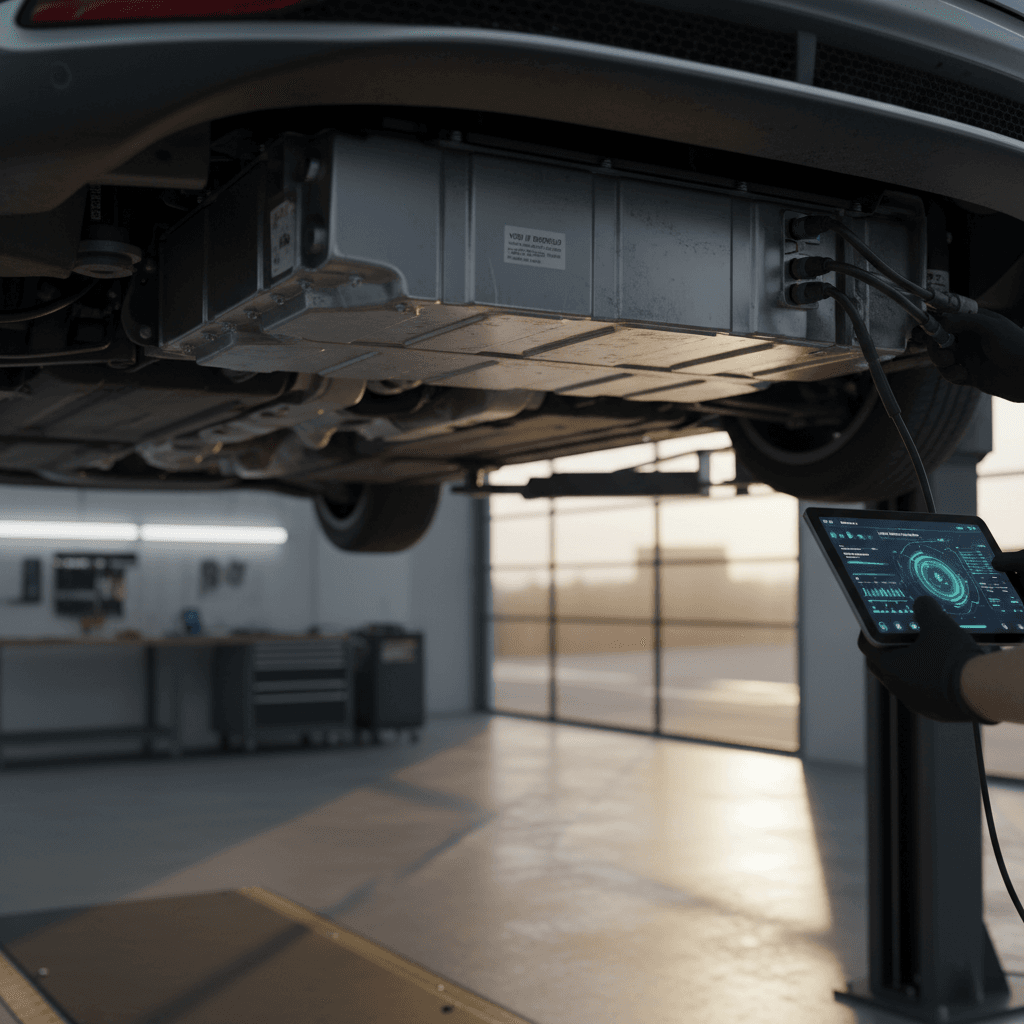
In Lucid’s warranty language, the high‑voltage battery is the big traction pack that drives the car, an assembly of modules, cooling hardware, and control electronics contained within the pack. When they replace it under warranty, they treat it as a service unit, not something you’re expected to open or service yourself.
What about the 12‑volt battery?
The small 12‑volt battery that powers accessories and control systems is not part of the high‑voltage battery warranty. It’s usually covered under the basic warranty or as a normal wear item after that, just like in other modern cars.
Good news for used buyers
What isn’t covered: common battery‑warranty exclusions
This is where most EV shoppers get tripped up. Lucid’s warranty is strong, but like every automaker, it doesn’t cover everything under the sun. Understanding exclusions helps you avoid unpleasant surprises, and helps you spot when a seller is overselling how “worry‑free” the car really is.
Typical Lucid Air battery‑warranty exclusions
Always check the latest warranty booklet for your specific VIN, but expect these general boundaries.
| Area | Usually NOT covered by the battery warranty | What it means for you |
|---|---|---|
| Normal capacity loss | Gradual range loss that still keeps the pack above the 70% capacity floor | Seeing 5–15% range loss over many years is usually considered normal aging, not a warranty failure. |
| Owner abuse or misuse | Damage from racing, off‑road use, repeated deep discharging, or ignoring warnings | If logs show abuse or unsafe use, Lucid can deny a battery claim. |
| Improper charging | Damage from unapproved chargers, DIY high‑voltage work, or improper modifications | Stick to approved charging equipment and don’t modify high‑voltage systems. |
| Accident or flood damage | Battery damage from crashes, submersion, or severe environmental events | These are typically insurance issues, not battery‑warranty repairs. |
| Non‑Lucid repairs | Battery damage caused by unauthorized repair or tampering | If someone has opened the pack or hacked the system, the warranty can be voided for that damage. |
These exclusions are common across EV brands and are not unique to Lucid.
Don’t assume “any” battery issue is free
Battery warranty vs. normal degradation
Every lithium‑ion battery loses some capacity over time. The Lucid Air’s pack is engineered to age slowly, but it’s not immune. The warranty’s 70% promise is Lucid drawing a line between “normal aging” and “unacceptable degradation.”
- Typical real‑world EVs lose a noticeable bit of range in the first couple of years, then the curve flattens.
- Lucid’s pack and thermal management are designed to keep degradation low, especially if you don’t fast‑charge constantly or abuse the battery.
- If you’ve lost, say, 10–20% capacity by year 7 but are still above 70%, Lucid is likely to consider that normal, not a warranty failure.
- If the car’s diagnostics show the pack below 70% capacity while you’re still within 8 years/100,000 miles, and you’ve used the car normally, that’s when the warranty is designed to step in.
Think in capacity, not just range
Battery vs. powertrain vs. basic coverage
It’s easy to blur all these warranties together, especially if you’re used to gas‑car “powertrain” coverage. With the Lucid Air, it helps to separate three buckets you’re dealing with at the same time.
Three key Lucid Air warranty buckets
Different parts of the car age out at different times.
Basic (4 yrs / 50k mi)
Covers most of the car: screens, electronics, interior parts, climate system, many suspension components, and lots of the little things that can bug you day‑to‑day.
Powertrain (8 yrs / 100k mi)
Covers the electric drive unit and related hardware. If there’s a defect in the motors or reduction gear under normal use, this is the warranty that steps in.
High‑voltage battery (8 yrs / 100k mi)
Covers defects and excessive capacity loss in the main traction battery pack, with the 70% capacity guarantee layered on top.
When you’re shopping used, it’s common to find cars whose basic warranty is partway used up, but whose battery and powertrain coverage have many years and tens of thousands of miles left. That’s a big part of the value story for a pre‑owned Lucid Air.
How the battery warranty works if you buy a used Lucid Air
Lucid designed its warranty to be transferable, which is great news if you’re not the first owner. The battery warranty doesn’t reset when the car is sold; it follows the vehicle from the original in‑service date.
Buying a used Lucid Air? Battery‑warranty checkpoints
1. Confirm the in‑service date
Ask for the original purchase paperwork or have the seller pull the official in‑service date from Lucid. This is the day the 8‑year/100,000‑mile battery and powertrain clock started.
2. Note the current odometer
Subtract the current miles from 100,000 to see how much battery‑warranty mileage is left. A 2023 Air with 25,000 miles typically has 75,000 miles of battery coverage remaining, assuming normal terms.
3. Look for warranty transfers or flags
Lucid’s warranty is intended to transfer to subsequent owners, but imported or salvaged vehicles can be exceptions. If the title history shows a total loss or the car was heavily modified, coverage could be affected.
4. Ask about past battery work
A replaced high‑voltage battery under warranty isn’t automatically a red flag. In fact, it can mean you’re getting a newer pack, just confirm the repair paperwork and whether the original warranty period still applies.
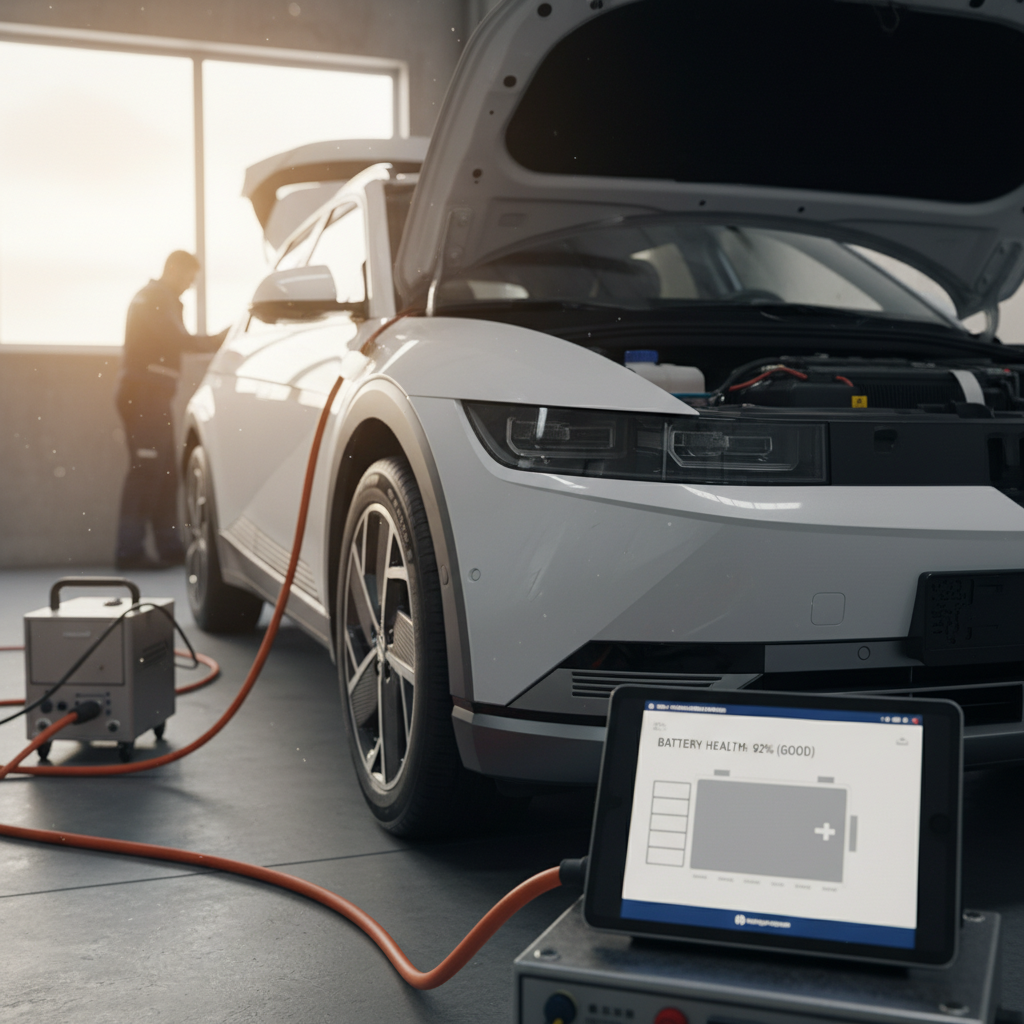
5. Get an independent battery health read
Range readouts and owner anecdotes are only part of the story. A structured health assessment, like the <strong>Recharged Score</strong> report on every Recharged vehicle, gives you objective battery data before you buy.
How Recharged helps used Lucid shoppers
How to check how much Lucid battery warranty you have left
Whether you already own a Lucid Air or you’re inspecting one on a lot, you can roughly calculate your remaining high‑voltage battery coverage with a few bits of information.
Step‑by‑step quick calculation
- Find the in‑service date. This is on the original paperwork or can be confirmed by Lucid using the VIN.
- Count the years. Add 8 years to that date to find the warranty expiration month and year for the battery.
- Note the miles. Check the odometer and subtract from 100,000. That’s your remaining mileage under the battery warranty.
- Use the earlier limit. The warranty ends at whichever comes first: 8 years or 100,000 miles.
When to call Lucid directly
If the car has a complicated history, auction purchase, import from another country, or accident repairs, call Lucid customer care with the VIN. They can confirm:
- Whether the battery and powertrain warranties are still valid.
- Whether the car has ever had a high‑voltage battery replaced.
- If there are any warranty blocks, like salvage titles or major modifications.
Bring paperwork when you shop
Protecting your coverage: ownership best practices
The Lucid Air battery warranty is generous, but you still have a role to play. Lucid can point to owner abuse or improper charging as reasons to limit or deny coverage for certain failures. Fortunately, protecting your battery, and your warranty, is mostly about common‑sense habits.
Smart habits to keep your Lucid battery (and warranty) happy
Use approved charging equipment
Stick to reputable home charging hardware and public networks. Avoid hacked‑together adapters or DIY high‑voltage experiments that could damage the pack or give Lucid grounds to push back on a claim.
Avoid living at 0% or 100%
Occasionally charging to 100% for a trip is fine, but letting the car sit at 0% or 100% for days isn’t. Regularly running the pack nearly empty and parking it that way is hard on any EV battery.
Watch your fast‑charging habits
DC fast charging is a huge perk of the Lucid Air, but using it as your default every day can accelerate wear compared with mostly home Level 2 charging. Mix in home charging when you can.
Stay current on software updates
Lucid can refine battery management and diagnostics over time. Keeping your car up to date helps the pack operate as designed and can make warranty evaluations more straightforward.
Document issues early
If you notice sharp, unexplained range drops or warnings, schedule service and keep records. It’s easier to build a warranty case with a paper trail than by showing up years later with vague complaints.
Skip the sketchy mods
Lucid Air battery warranty FAQ
Lucid Air battery warranty: frequently asked questions
Should the Lucid Air battery warranty reassure you?
For most drivers, the Lucid Air battery warranty should be more reassuring than scary. Eight years or 100,000 miles with a 70% capacity guarantee is strong protection for such a complex and expensive component. The catch is making sure you understand the fine print: normal degradation isn’t a failure, abuse and sketchy modifications can jeopardize coverage, and the clock always starts on the original in‑service date, not the day you find a great deal online.
If you’re buying used, this is where having the right partner matters. At Recharged, every Lucid Air we list comes with a Recharged Score Report that decodes remaining battery and powertrain warranty, verifies real‑world battery health, and benchmarks pricing against the market. That way, the battery warranty becomes a safety net, not a mystery, so you can decide if the Lucid Air fits your budget, your range needs, and your long‑term plans with eyes wide open.