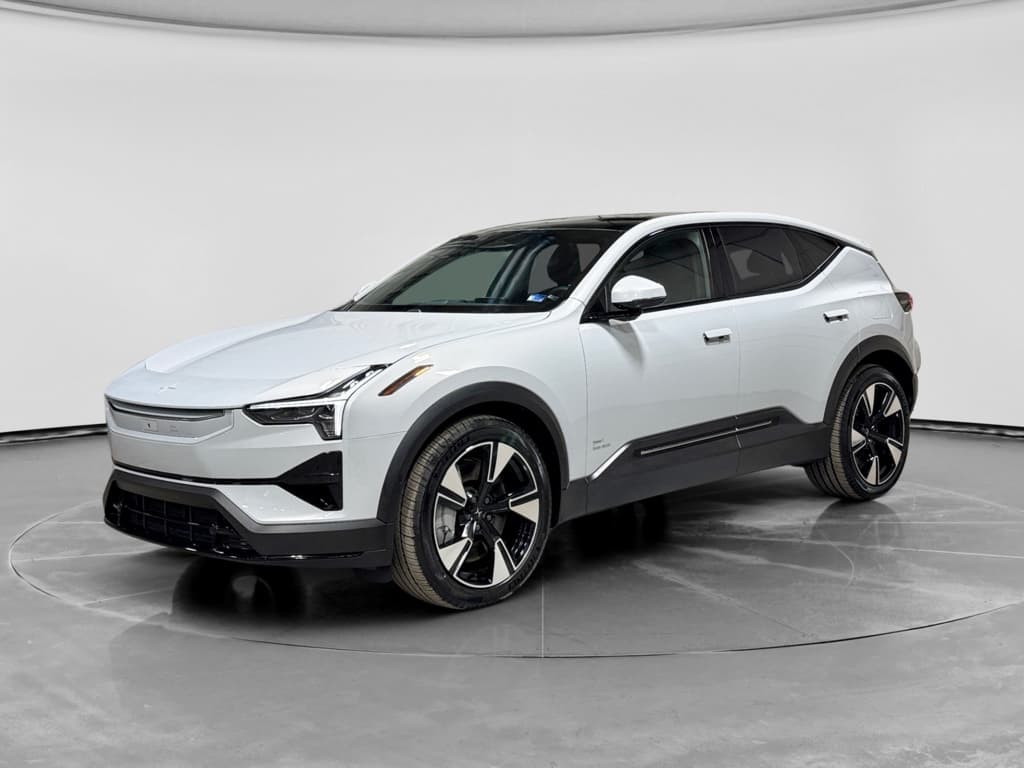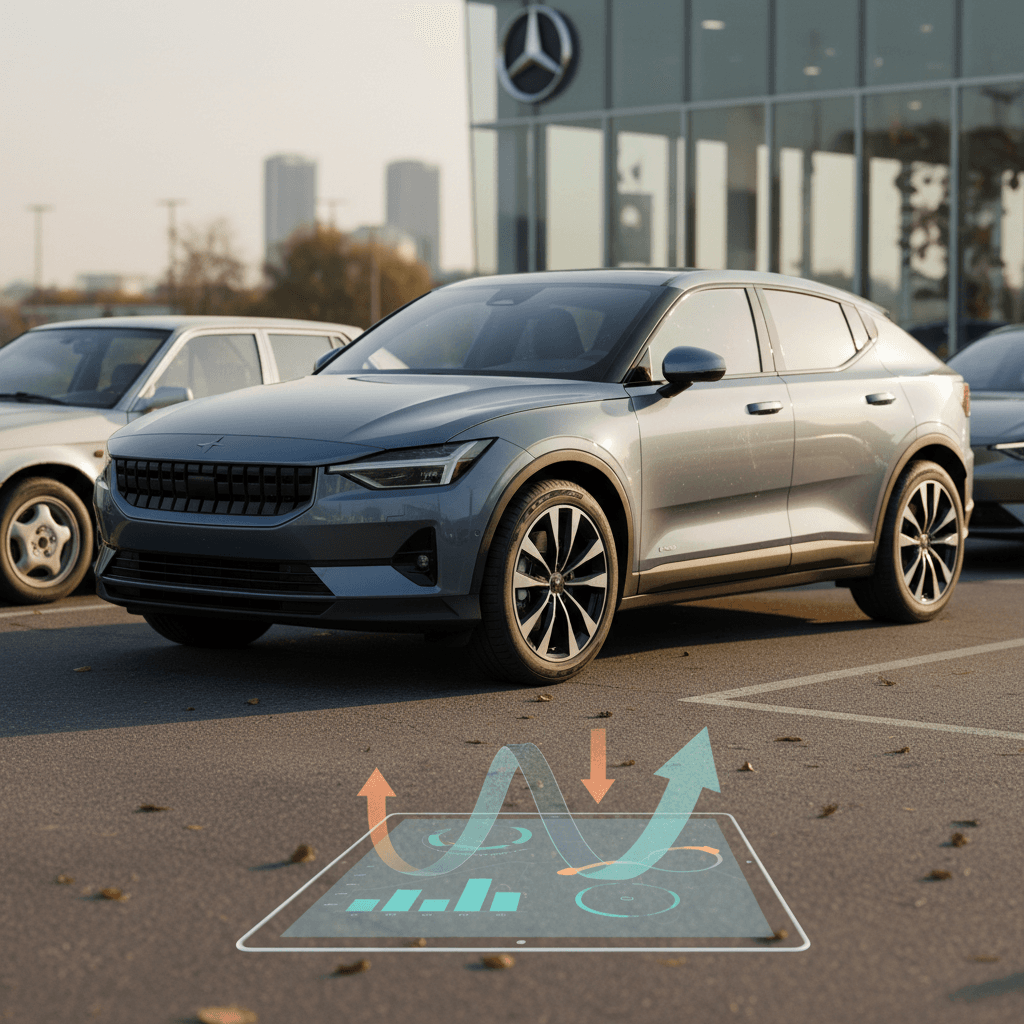
If you’re eyeing a Polestar 3, or already have one on order, you’re probably wondering what it will be worth a few years down the road. With EV prices and incentives shifting fast, a clear Polestar 3 resale value forecast can help you decide whether to buy, lease, or wait, and how long to keep this luxury electric SUV.
A quick reality check
Why Polestar 3 resale value matters
Resale value isn’t just trivia, it’s one of the biggest levers in your total cost of ownership. On a high‑end EV SUV like the Polestar 3, a swing of 10 percentage points in 3‑ to 5‑year retained value can mean a difference of $7,000–$10,000 out of your pocket when you sell or trade.
- It affects how expensive your monthly payment effectively is, whether you buy or lease.
- It determines how much equity you have when you’re ready to move into your next EV.
- It signals how confident the market is in Polestar as a brand and in the 3’s technology long‑term.
- It matters even more in an EV market where incentives, interest rates, and tech are changing quickly.
Think beyond the sticker price
Where the Polestar 3 sits in the EV market
The Polestar 3 enters one of the toughest segments for resale value: the luxury electric midsize SUV. It lines up against the Tesla Model X and Model Y Performance, Rivian R1S, Mercedes‑Benz EQE SUV, Audi Q8 e‑tron, BMW iX, and Lexus RZ.
Polestar 3 at a glance
Key facts that shape its future resale value
Positioning
Premium two‑row electric SUV built on Volvo/Polestar architecture, aimed at design‑conscious buyers who may not want a Tesla badge.
Performance & range
Long range single‑ and dual‑motor versions target roughly 300+ miles of range with strong power; Performance Pack trades some range for extra punch.
Pricing & incentives
MSRP in the mid‑$70Ks for many trims, but aggressive Polestar Clean Vehicle incentives and lease deals can effectively knock five‑figure sums off the transaction price.
On paper, that mix of Scandinavian design, solid range and Volvo‑adjacent safety tech should set the 3 up well. But luxury EVs as a group have been depreciating faster than mainstream gas SUVs, especially as new tech and tax credits reshuffle demand.
Baseline: how current Polestar models hold value
To forecast Polestar 3 resale value, we have to start with what we know about existing Polestar models. Independent depreciation studies put Polestar’s lineup in the middle of the EV pack:
Current Polestar 5‑year resale snapshots
That tells us two things. First, Polestar can build a vehicle with excellent resale when it’s rare and special. Second, its higher‑volume EVs currently land in the same depreciation band as many rivals, respectable, but not bulletproof like a Toyota truck.
Watch the luxury EV pattern
Polestar 3 resale value forecast: 3- and 5-year outlook
With no used‑market history yet, any Polestar 3 resale value forecast has to be a range, not a single number. Below are reasonable expectations for a typical, well‑cared‑for Polestar 3 driven 12,000 miles per year in the U.S., assuming today’s technology and incentive landscape continue in roughly the same direction.
Estimated Polestar 3 resale value vs. original MSRP
Illustrative forecast for a mainstream, non‑Performance Polestar 3 trim bought at or near MSRP. Actual numbers will vary by trim, options, incentives, mileage and market conditions.
| Ownership length | Optimistic scenario | Base case scenario | Conservative scenario |
|---|---|---|---|
| 3 years | ~60% of MSRP | ~52–55% of MSRP | ~45–48% of MSRP |
| 5 years | ~48–50% of MSRP | ~40–45% of MSRP | ~32–38% of MSRP |
These are directional estimates to help you plan, not guaranteed resale figures.
Translated: if you bought a $75,000 Polestar 3 at something close to MSRP, the base‑case forecast has it worth around $39,000–$41,000 after five years. Heavy use, fast‑moving tech, or steeper EV price drops could pull that into the low‑$30Ks; limited supply and strong demand could keep it near $50,000.
Lease vs. buy and resale risk
Key drivers of Polestar 3 resale value
What will move Polestar 3 values up or down?
Four big forces to watch over the next 5–7 years
Brand strength & dealer footprint
Polestar is still a young brand with a smaller retail footprint than BMW or Mercedes. If it expands showrooms, service coverage, and brand awareness, used‑market confidence will rise, supporting better resale.
Tech & software lifecycle
The 3’s Google‑based infotainment and driver‑assist systems need frequent updates to feel modern. Strong over‑the‑air support and visible improvements help keep a 5‑year‑old EV from feeling like yesterday’s phone.
Charging ecosystem & partnerships
As more automakers adopt the North American Charging Standard (NACS) and gain access to Tesla’s Superchargers, buyers will favor EVs that plug into the widest network easily. Polestar’s charging strategy, adapters, native ports, and roaming, will influence used demand.
EV incentives and interest rates
Generous new‑car incentives, low APRs, or big price cuts put downward pressure on used prices. Rising rates or expiring credits can do the opposite, making late‑model used EVs more attractive.
Macro market trends
Heading into 2026, used EV prices have been under pressure as incentives expired and supply from leases and fleets increased. If that continues, all EVs, including the Polestar 3, are likely to see faster early‑year depreciation than traditional gas SUVs.
Vehicle‑specific factors
Within that backdrop, the 3’s battery health, safety reputation, and real‑world range will matter most. A good record for crash safety and long‑term reliability could help it outperform some other luxury EVs on resale.
How price cuts and incentives will affect Polestar 3 depreciation
Polestar has already shown it’s willing to move the needle on pricing. The brand’s Clean Vehicle Incentive can knock up to $15,000–$18,000 off the effective transaction price of a new Polestar 3 when you finance through the brand, and similarly aggressive lease offers have hit the market.
That’s great news if you’re shopping new, but it creates two very different realities for resale:
- If you buy early at full MSRP and incentives later grow, newer buyers may pay far less than you did, which can drag your future resale value down.
- If you lock in a large incentive now, your effective cost basis is lower, so even if market prices slide, your percentage loss may look similar, but the dollar loss hurts less.
- If Polestar cuts MSRP outright in a few years (as several brands have already done), used values for older builds typically reset downward to follow.
Beware of rapid MSRP shifts
Polestar 3 vs rivals: resale value comparison
We don’t yet have hard 3‑year auction data on the Polestar 3, but we can bracket it using similar models already in the market. Here’s how the base‑case 5‑year resale forecasts stack up:
Projected 5‑year resale value: Polestar 3 vs key rivals
Approximate retained value as a percentage of original MSRP, assuming normal mileage and condition.
| Model | Segment | Estimated 5‑year retained value | Resale outlook |
|---|---|---|---|
| Polestar 3 | Luxury EV midsize SUV | ~40–45% (base case) | Middle of the pack; could improve if brand momentum grows. |
| Rivian R1S | Adventure/luxury EV SUV | ~40–45% | Strong demand but niche; similar risk profile to Polestar. |
| Tesla Model Y Performance | Premium EV crossover | ~45–55% | Historically strong, but recent price cuts have added volatility. |
| Lexus RZ | Luxury EV SUV | ~38–42% | Buoyed by Lexus reputation, but limited range caps appeal. |
| Audi Q8 e‑tron | Luxury EV SUV | ~30–38% | Older tech and heavy incentives have hurt resale so far. |
These are directional comparisons, not appraisals of any specific vehicle.
In short, a well‑specced Polestar 3 bought at a realistic transaction price should land near the Rivian R1S and Lexus RZ on resale, better than the weakest luxury EVs, but unlikely to match the very best performers unless Polestar’s brand power really takes off.

Battery health, range and their impact on resale
For any used EV, the first two questions savvy buyers ask are: How healthy is the battery? and What’s the real‑world range now? The Polestar 3 is no different. Its large battery pack and solid range estimates give it a good starting point, but how that pack ages is critical.
How your Polestar 3’s battery will influence resale
1. Degradation curve
Most modern EV packs lose range slowly after an initial drop. If the Polestar 3 follows a gentle curve, say, 8–12% loss over the first 5 years, buyers will be more confident paying a premium.
2. Fast‑charging habits
Heavy use of DC fast charging tends to heat‑stress batteries over time. A car that lived on road trips and fast chargers may show more degradation than one mostly charged at home on Level 2.
3. Climate and storage
Extreme heat is tough on lithium‑ion chemistry. Polestar 3s that spent their lives garaged in mild climates will usually beat the range and health of those parked outside in very hot regions.
4. Transparent health reports
Being able to show a third‑party battery health report, like the <strong>Recharged Score</strong>, gives buyers hard data instead of guesswork, which supports stronger resale value.
How Recharged helps here
How to protect your Polestar 3’s resale value
You can’t control global EV pricing trends, but you have a lot of say in how attractive your specific Polestar 3 looks to the next owner. Think like a future used‑car shopper and make their decision easy.
Six practical ways to defend your Polestar 3’s value
Most of them cost less than a single extra monthly payment
Choose the right spec
Resale favors broadly appealing colors and trims. Think neutral paint, popular wheels, and tech packages that include key driver‑assist and comfort features.
Keep complete records
Save every service visit, software update note, and tire rotation receipt. A tidy digital folder makes buyers, and lenders, far more comfortable paying top of market.
Charge smart
Rely on home Level 2 charging when you can, avoid leaving the car at 100% for long stretches, and keep it shaded in extreme heat. You’re protecting both battery health and future range.
Stay on software updates
Don’t ignore update prompts. Many EVs gain new features and range optimizations over time; a fully updated Polestar 3 feels newer on a test drive than one that’s three versions behind.
Cosmetic upkeep
Paint protection film on high‑impact areas, regular washes, and professional interior detailing before sale all make your car photograph and show better, key in today’s online‑first shopping world.
Avoid aftermarket experimentation
Wild wraps, non‑OEM wheels, or suspension mods can shrink your buyer pool. Keep changes reversible or stick to tasteful, factory‑style accessories.
Good news for careful owners
Selling or trading a Polestar 3: timing and strategy
The other half of the resale puzzle is when and how you exit the vehicle. Because EV values can swing with incentives and tech announcements, timing becomes more important than with a conventional SUV.
Best exit strategies by ownership style
Payment‑focused buyers (maximizing dollars)
Consider selling or trading between year 3 and 5, before the next major tech leap or styling update lands.
Watch for big new‑car incentive waves or permanent MSRP cuts on the Polestar 3 or its successor, those are usually poor moments to sell.
Get multiple offers: instant‑offer tools like Recharged’s, local dealers, and EV‑specialist buyers to avoid leaving money on the table.
Tech‑hungry early adopters
If you always want the newest hardware, assume steeper depreciation and plan to exit around year 3.
Leasing can make sense here: let the leasing company eat the residual risk while you enjoy the latest software and hardware.
When your lease is up, compare the buyout price to the real‑world used market. If the Polestar 3 has held value better than expected, exercising the buyout and selling on your own could make you money.
Long‑term keepers
If you plan to keep the Polestar 3 for 8–10 years, resale value still matters, but reliability, battery health and long‑term support matter more.
Prioritize extended coverage or service plans if they’re sensibly priced, and keep up on preventive maintenance.
When you finally sell, a clean, documented long‑term ownership story can still fetch a healthy private‑party price.
Working with an EV‑focused marketplace like Recharged can simplify that exit. Our specialists understand how to price used EVs realistically, we can factor in verified battery health through the Recharged Score, and we offer both instant offers and consignment‑style listings to help you capture more of your Polestar 3’s remaining value.
Polestar 3 resale value FAQ
Frequently asked questions about Polestar 3 resale value
Bottom line: Is the Polestar 3 a safe bet on resale?
The Polestar 3 is unlikely to be a resale superstar like a hot Toyota truck, but it also doesn’t look destined to be a disaster. Based on Polestar’s current track record and what we’re seeing across luxury EV SUVs, a realistic Polestar 3 resale value forecast has it landing in the middle of the pack: solid if you buy smart, shaky if you overpay and ignore incentives.
If you secure a strong purchase incentive, choose a broadly appealing spec, care for the battery and cosmetics, and time your exit thoughtfully, the 3 can be a compelling long‑term play. And if you’d rather let someone else take the first‑owner hit, keep an eye on the used listings: as more Polestar 3s filter onto the secondary market, platforms like Recharged will make it easier to compare battery health, pricing, and value across cars so you can buy, or sell, with clear eyes.