If you’re trying to understand the life span of a Tesla battery, you’re really asking three different questions: how quickly it loses range, how long it’s likely to last before replacement, and what that means if you’re buying a used Tesla. The good news is that by late 2025 we have solid real‑world data, and it’s far better than most people expect.
The short answer
How long do Tesla batteries really last?
Tesla battery lifespan at a glance
Tesla has published battery data in its impact reports for years, and the pattern is remarkably consistent: the average pack loses capacity quickly in the first 1–2 years, then degradation slows dramatically. Aggregated owner data in 2024–2025 shows most Teslas still retain 85–90% of their original capacity around 200,000 miles, with many vehicles projected to cross 300,000–400,000 miles before reaching 70% capacity, a common end‑of‑life benchmark for EV batteries.
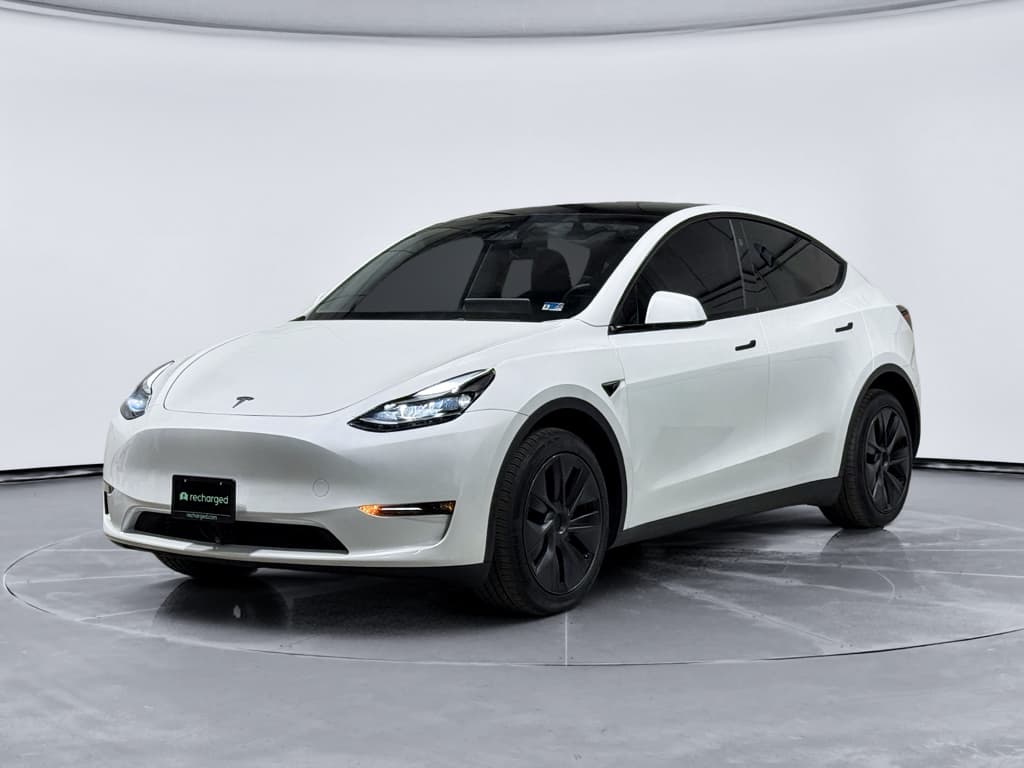
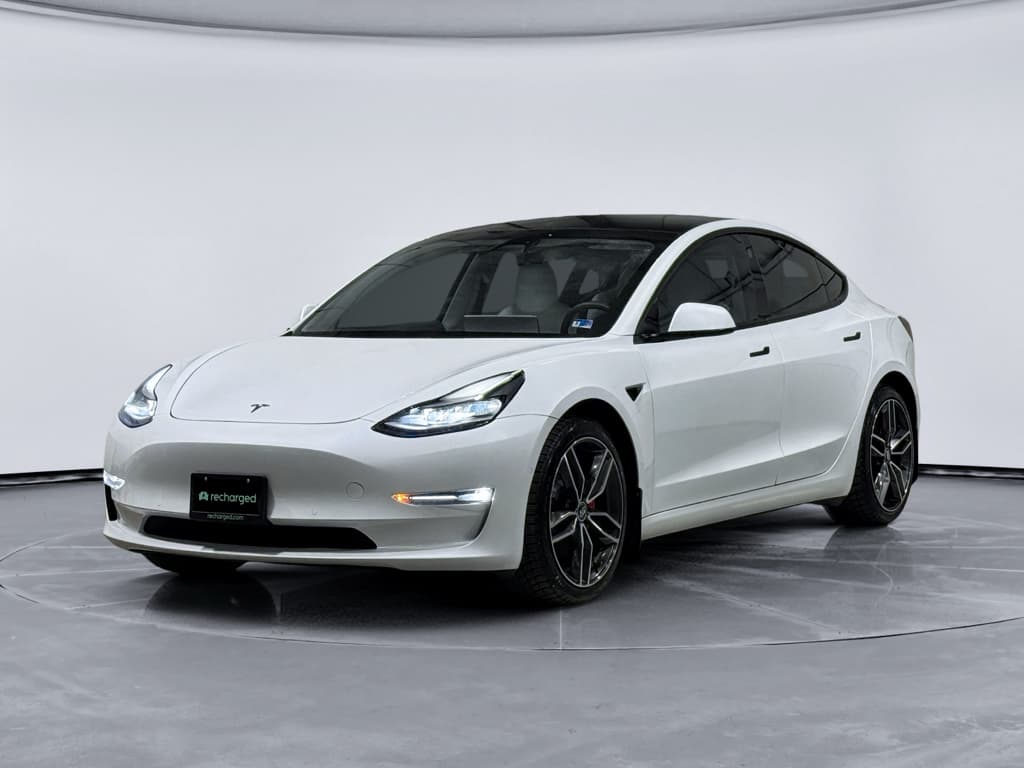
Newer Model 3 and Model Y packs in particular are performing well, with multiple datasets showing single‑digit degradation even after 100,000 miles. Earlier Model S and X vehicles show slightly higher degradation on average, but they also tend to be older and have logged more miles in harsher conditions, which skews the comparison.
Think in range, not just years
Tesla battery degradation by the numbers
Typical Tesla battery degradation over time
Approximate capacity loss for a well‑maintained Tesla battery in normal use. Individual cars will vary, but this is what large datasets are converging on as of 2024–2025.
| Mileage / Age | Estimated capacity remaining | Notes |
|---|---|---|
| Year 1 / ~10,000 miles | 95–97% | Normal to see 3–5% early drop as the pack “settles.” |
| 50,000 miles | 92–95% | Most drivers notice only a small change in real‑world range. |
| 100,000 miles | 88–93% | Many Model 3/Y owners report single‑digit loss at this point. |
| 200,000 miles | 85–90% | Aligns with Tesla’s claim of ~12% average loss at 200k miles. |
| 300,000+ miles | ~70–80% (projected) | Emerging data suggests many packs can reach 300–500k miles before ~70% capacity. |
Degradation is steeper early on, then flattens as the pack ages.
The key pattern is that degradation is not linear. You’ll likely lose a few percent early, then only a couple of additional percentage points over each subsequent 50,000–100,000 miles if you treat the battery reasonably well.
Don’t panic about the first 5%
Warranty vs real-world Tesla battery lifespan
Tesla battery warranty terms
- Model 3 / Model Y Standard Range: 8 years or 100,000 miles, whichever comes first, with at least 70% capacity retained.
- Model 3 / Model Y Long Range & Performance: 8 years or 120,000 miles, 70% capacity.
- Most Model S / Model X variants: 8 years or 150,000 miles, 70% capacity.
Check your specific build year and variant for exact terms, but the pattern is similar across the lineup.
What actually happens in the real world
- Large owner datasets and Tesla’s own impact reports show most packs staying well above 80% capacity at the end of the warranty period.
- Actual pack failures outside of warranty are rare; when batteries are replaced, it’s often due to damage or manufacturing defects, not normal wear.
- Tesla’s internal goal for newer packs is in the 300,000–500,000 mile range before hitting 70% capacity.
In other words, the warranty is conservative. It’s there to cover edge cases, not the typical outcome.
From a shopper’s perspective, the main takeaway is that warranty life and actual life are very different things. An 8‑year warranty doesn’t mean the battery dies in year 9; it means Tesla is willing to stand behind the pack for at least that long, even in less‑than‑ideal use cases.
Factors that shorten or extend Tesla battery life
The biggest levers on Tesla battery lifespan
Most of what determines battery life comes down to heat, state of charge, and how you charge.
Temperature
Heat is the main long‑term enemy of lithium batteries. Repeated exposure to very high temperatures (especially when the pack is near 100% state of charge) accelerates chemical aging.
Cold reduces range temporarily but is much less damaging long‑term than sustained heat.
Charging habits
Frequent DC fast charging (Supercharging) and living at 100% or near 0% charge stress the battery more than staying in the middle of the pack.
- Daily: stay around 50–80%.
- Trips: charge to 90–100% just before departure.
Driving and usage
High annual mileage alone isn’t a problem; in fact, packs that are cycled regularly often age more gracefully than low‑mileage cars that sit at high state of charge for long periods.
Short, infrequent drives where the car sits full in a hot driveway are worse than steady, moderate use.
Habits that quietly kill battery life
Why battery chemistry matters (LFP vs NCA/NCM)
Recent Teslas don’t all use the same battery chemistry. Understanding the difference helps you make sense of charging limits and long‑term life.
LFP vs NCA/NCM Tesla batteries
Two main chemistries power today’s Teslas: LFP in many Standard Range cars, nickel‑based chemistries (NCA/NCM) in Long Range and Performance variants.
| Chemistry / Where used | Pros for lifespan | Watch‑outs |
|---|---|---|
| LFP (Lithium Iron Phosphate) – many newer Standard Range 3/Y | Very long cycle life; happy living between 20–100%; more tolerant of frequent full charges; stable in high heat. | Lower energy density (less range per kWh); cold‑weather performance can be weaker; car may recommend more frequent 100% charges to calibrate. |
| NCA / NCM (nickel‑based) – Long Range & Performance, S/X | Higher energy density and longer range; strong fast‑charging performance; well‑understood degradation behavior. | Prefer living between ~20–80% for daily use; more sensitive to extended time at 100% and repeated high‑heat fast charging. |
Each chemistry trades off energy density, cost, and lifespan a bit differently.
Simple rule of thumb
Tesla battery replacement costs, and how often it really happens
Given the projected life span of a Tesla battery, outright pack replacements are still relatively rare and usually occur under warranty due to defects, not simple wear. When replacements do happen out of warranty, costs vary by model, pack size, and whether Tesla or a third‑party shop does the work.
Typical Tesla battery replacement cost ranges (out of warranty)
Approximate price ranges seen in North America for full pack replacements as of 2024–2025. Actual invoices can land outside these ranges depending on parts pricing and labor.
| Model | Approx. replacement cost (USD) | Notes |
|---|---|---|
| Model 3 | $9,000–$14,000 | Smaller packs can be on the lower end; Performance or Long Range closer to the upper end. |
| Model Y | $10,000–$15,000 | Similar chemistry to Model 3 but typically larger pack. |
| Model S | $12,000–$16,000+ | Older large packs and complex labor can push costs higher. |
| Model X | $13,000–$18,000+ | Heaviest vehicle and largest packs; expect upper‑end pricing. |
Most Tesla owners will never pay these numbers, but they matter when you’re evaluating a very high‑mileage used car.
Those numbers sound intimidating, but they’re offset by the fact that most Teslas will never need a full pack replacement in normal service life. For many owners, especially if you’re buying a 3 or Y and driving 12,000–15,000 miles per year, the car is likely to age out or be traded long before the pack is worn out.
For used buyers, risk is manageable
Ready to find your next EV?
Browse VehiclesHow to extend the life span of a Tesla battery
Everyday habits that maximize Tesla battery life
1. Live in the middle of the pack
For daily driving, keep your charge limit around <strong>60–80%</strong> (unless Tesla recommends otherwise for LFP). Avoid sitting at 100% or below 10% for long stretches; they’re fine to pass through, not to live in.
2. Use Superchargers strategically
DC fast charging is a fantastic tool for road trips, but relying on it daily can accelerate degradation. Prefer Level 2 home or workplace charging for routine use and save Supercharging for long drives.
3. Protect the car from heat
Whenever possible, park in the shade or a garage, especially in hot climates. Even better: let the car stay plugged in so it can use shore power to manage pack temperature and reduce stress.
4. Avoid long-term storage at high charge
If you’re leaving the car parked for more than a week, aim to store it around 40–60% charge, not at 100%. Tesla’s software will help manage vampire drain, but starting in the middle protects the cells.
5. Keep software up to date
Tesla regularly refines battery management, thermal control, and charging logic with OTA updates. Staying current ensures you’re getting the best possible protection for your specific pack.
6. Drive it like a car, not glass
Brief bursts of acceleration or spirited driving won’t kill the battery. Modern packs are designed for high power. Focus more on avoiding chronic worst‑case behaviors than babying the car.
Buying a used Tesla: what to look for in battery health
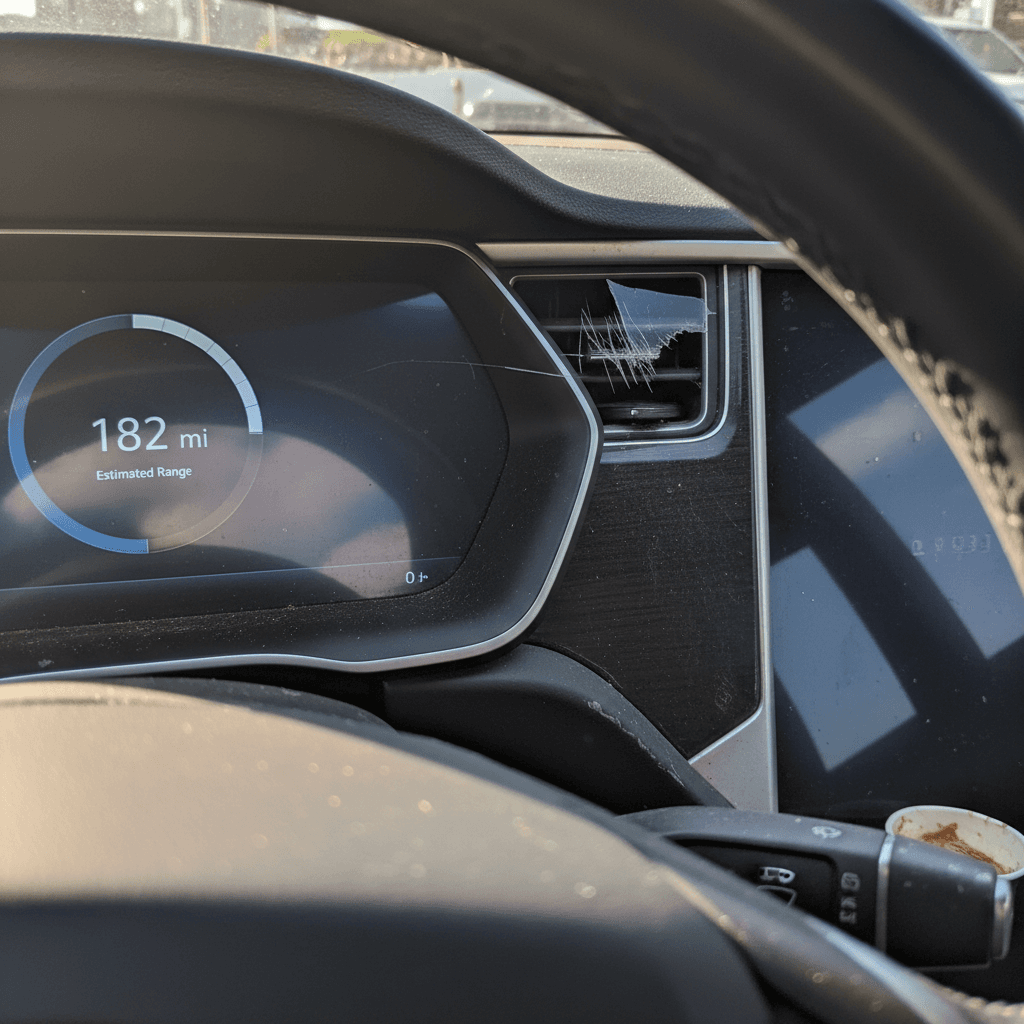
For used shoppers, the life span of a Tesla battery isn’t an abstract engineering question, it’s a risk calculation. You’re trying to avoid the few cars that have been abused or have an underlying defect while still benefiting from the strong average performance of Tesla packs.
How to evaluate battery life on a used Tesla
Four areas to check before you sign anything, especially on higher‑mileage cars.
1. Rated range at 100%
Have the seller show you the car’s estimated range at 100% charge (or extrapolate from 80–90%). Compare it to the original EPA rating for that trim.
A Long Range Model 3 that originally had ~358 miles and now shows ~320 miles at full charge has lost about 10–11% capacity, very typical at higher mileage.
2. Mileage and usage pattern
High mileage isn’t automatically bad. A 150,000‑mile car that lived on highway commutes and home Level 2 charging can easily be healthier than a 40,000‑mile car that sat full in Phoenix sun.
3. Charging history
Ask how often the car was Supercharged vs charged at home, and what daily charge limits the owner used. Frequent 100% charges plus heavy fast charging in extreme heat is a yellow flag.
4. Professional battery health report
Modern Teslas expose detailed pack health metrics that go far beyond dash‑displayed range. At Recharged, every vehicle we list includes a Recharged Score Report with verified battery diagnostics, estimated remaining life, and fair‑market pricing that reflects actual pack health.
Why marketplace data matters
FAQ: common questions about Tesla battery life
Frequently asked questions about Tesla battery lifespan
Bottom line: what Tesla battery life means for you
When you cut through the hype and the fear, the picture is clear: the typical life span of a Tesla battery is long enough that, for most drivers, it’s not the limiting factor in ownership. With sensible charging habits and basic thermal common sense, you’re likely to see 80–90% of your original range well past 150,000–200,000 miles, and useful service life stretching into the 300,000‑mile range and beyond.
If you’re buying new, that means you can make your decision around price, charging access, and how the car fits your life, not fear that the battery will suddenly “die” in a few years. If you’re buying used, it means the real work is in verifying actual battery health, not guessing. That’s where a transparent marketplace like Recharged, with verified battery diagnostics, fair market pricing, and EV‑specialist support from test drive to nationwide delivery, turns a complex engineering question into a straightforward purchase decision.