If you’re shopping for an EV in 2026, especially a value‑oriented or used model, you’ve probably run into the debate over LFP vs NMC battery in electric cars. One chemistry promises lower cost and long life; the other offers more range and better cold‑weather performance. The trick is understanding which trade‑offs actually matter for how you drive.
Two chemistries, not two brands
LFP vs NMC batteries: the short version
Quick take: who should choose LFP vs NMC?
Match the chemistry to your budget, climate, and range needs.
When LFP is usually better
- You prioritize lower upfront cost over maximum range.
- You mostly drive shorter daily distances (say under 150 miles).
- You care a lot about fire safety and long cycle life.
- You’re okay with some winter range loss and slower fast‑charging in the cold.
When NMC is usually better
- You want the longest possible range for road trips.
- You live in a colder climate and drive in winter a lot.
- You value faster DC fast‑charging, especially in all seasons.
- You’re willing to pay more for lighter weight and stronger performance.
If you only remember one thing
How LFP and NMC EV batteries actually differ
Both LFP and NMC are lithium‑ion batteries, but they use different cathode materials. LFP uses lithium iron phosphate, which is chemically stable and doesn’t contain cobalt or nickel. NMC uses a mix of nickel, manganese, and cobalt, which packs more energy into the same space but introduces cost, supply‑chain, and safety trade‑offs.
- LFP (Lithium Iron Phosphate): lower energy density, very stable chemistry, excellent cycle life, lower cost, weaker cold‑weather performance.
- NMC (Nickel Manganese Cobalt): higher energy density, somewhat less stable, shorter cycle life, higher cost, better performance in cold weather and at high power.
LFP vs NMC at a glance (typical 2025–2026 values)
Key specs: energy density, cycle life, safety, and cost
Energy density and range
Energy density tells you how much energy a battery can store per unit of weight or volume. NMC has the edge here. Modern NMC EV packs typically deliver roughly 20–30% more energy per kilogram than LFP packs. That’s why long‑range trims, 300 miles and up, are still dominated by NMC, while many standard‑range cars use LFP to hit a lower price point with acceptable range.
Pack‑level gap is smaller than you think
Cycle life and degradation
Cycle life is where LFP shines. It’s common to see modern LFP chemistries rated for 3,000–5,000 full equivalent cycles before dropping to around 80% of original capacity, versus roughly 1,500–2,500 cycles for NMC. In practical terms, that means an LFP pack can handle more years of daily charging, especially if you frequently charge to 100%, with less degradation.
NMC isn’t fragile, but it’s more sensitive to time spent at high state of charge and high temperatures. That’s why many NMC‑equipped EVs default to an 80% daily charge limit and reserve 100% for trips. With those best practices, real‑world NMC packs can still easily cover 150,000–250,000 miles before noticeable range loss becomes an ownership issue.
Safety and thermal runaway
From a chemistry standpoint, LFP is inherently more tolerant of abuse and heat. Its cathode starts to break down and release oxygen at significantly higher temperatures than NMC, which lowers the risk of thermal runaway if something goes wrong. That’s a key reason you see LFP widely used in home storage, buses, and lower‑cost EVs where bulletproof safety is a selling point.
NMC packs are still safe when engineered correctly, the industry has a decade of experience managing the risks, but they rely more heavily on battery‑management systems, cooling, and pack design to keep everything in the safe operating window. Damage, manufacturing defects, or extreme abuse can more easily trigger runaway reactions than in LFP.
Important perspective on fire risk
Cost per kWh
Battery cells are still the single largest cost item in an EV. As of 2025–2026, LFP cells generally come in roughly 15–25% cheaper per kWh than comparable NMC cells produced under similar conditions. That discount comes from cheaper raw materials (no cobalt, less nickel) and highly scaled Chinese LFP production lines.
That’s why you see automakers use LFP in standard‑range or value‑focused trims: they can shave thousands of dollars off the pack while still delivering 220–280 miles of EPA range, enough for most drivers, without wrecking the business case.
Real‑world differences you’ll feel on the road
Charging behavior and daily use
- LFP is happy living at 100% state of charge. Many automakers explicitly tell you to charge to 100% daily, which is great if you don’t want to micromanage settings.
- NMC ages faster when kept full, so cars typically default to ~80% daily and ask you to bump to 100% for longer trips.
- For most commutes, this difference is more about convenience philosophy than absolute usability.
Weight and efficiency
- LFP packs are heavier for the same usable kWh. All else equal, that hurts efficiency and performance slightly.
- NMC’s higher energy density means lighter packs, which can translate into slightly better efficiency, stronger acceleration, or more range from the same floor space.
- For compact crossovers and sedans, you’ll mainly notice this as a range gap between trims, not as a huge difference in handling feel.
Why many commuters are fine with LFP
Cold‑weather performance: LFP vs NMC in winter
Cold weather has always been LFP’s Achilles heel. At low temperatures, LFP chemistry becomes more sluggish, which impacts both range and charging speed. Modern LFP packs pair better heaters and software to mitigate this, but the physics haven’t changed: NMC still handles cold better.
- In freezing conditions, LFP packs can show larger temporary range drops than NMC, especially on short trips where the pack never fully warms up.
- LFP fast‑charging in the cold is often more heavily throttled until the pack reaches a safe temperature, so winter road trips can take longer.
- NMC packs also lose range in winter, but typically retain more usable power and charge faster once preconditioned.
Winter buyer caution
Battery degradation and lifespan over years of ownership
From a long‑term ownership perspective, the real question isn’t “Which chemistry is perfect?” but “Which one comfortably outlasts how long I’ll own the car?” On that metric, both LFP and NMC look better than most people expect, especially compared to old smartphone experience.
LFP degradation profile
- Very slow capacity loss in the first several years, even with frequent 100% charges.
- Less sensitive to sitting at high state of charge for long periods.
- Great fit for high‑mileage drivers, fleets, and ride‑hail where you might fast‑charge often and rack up cycles quickly.
NMC degradation profile
- More sensitive to high state of charge and hot climates. Parking full in summer heat is what really hurts.
- With best practices (80% daily limit, preconditioning, avoiding chronic high heat), NMC packs still often deliver 200,000+ miles of useful life for private owners.
- Calendar aging, degradation over time even with modest miles, tends to be a bit more pronounced than LFP.
How Recharged evaluates battery health
Which electric cars use LFP vs NMC today?
The market has shifted quickly in the last few years. Chinese automakers normalized LFP for mainstream EVs; Tesla adopted it for standard‑range trims globally; U.S. brands are now adding LFP for lower‑cost models while keeping NMC for premium and performance variants.
Examples of LFP vs NMC use in modern EVs
Lineup strategies change often, but this snapshot reflects how automakers are thinking about chemistries in 2025–2026. Always confirm chemistry for a specific model year.
| Automaker / Model | Typical LFP Use | Typical NMC Use | What It Signals |
|---|---|---|---|
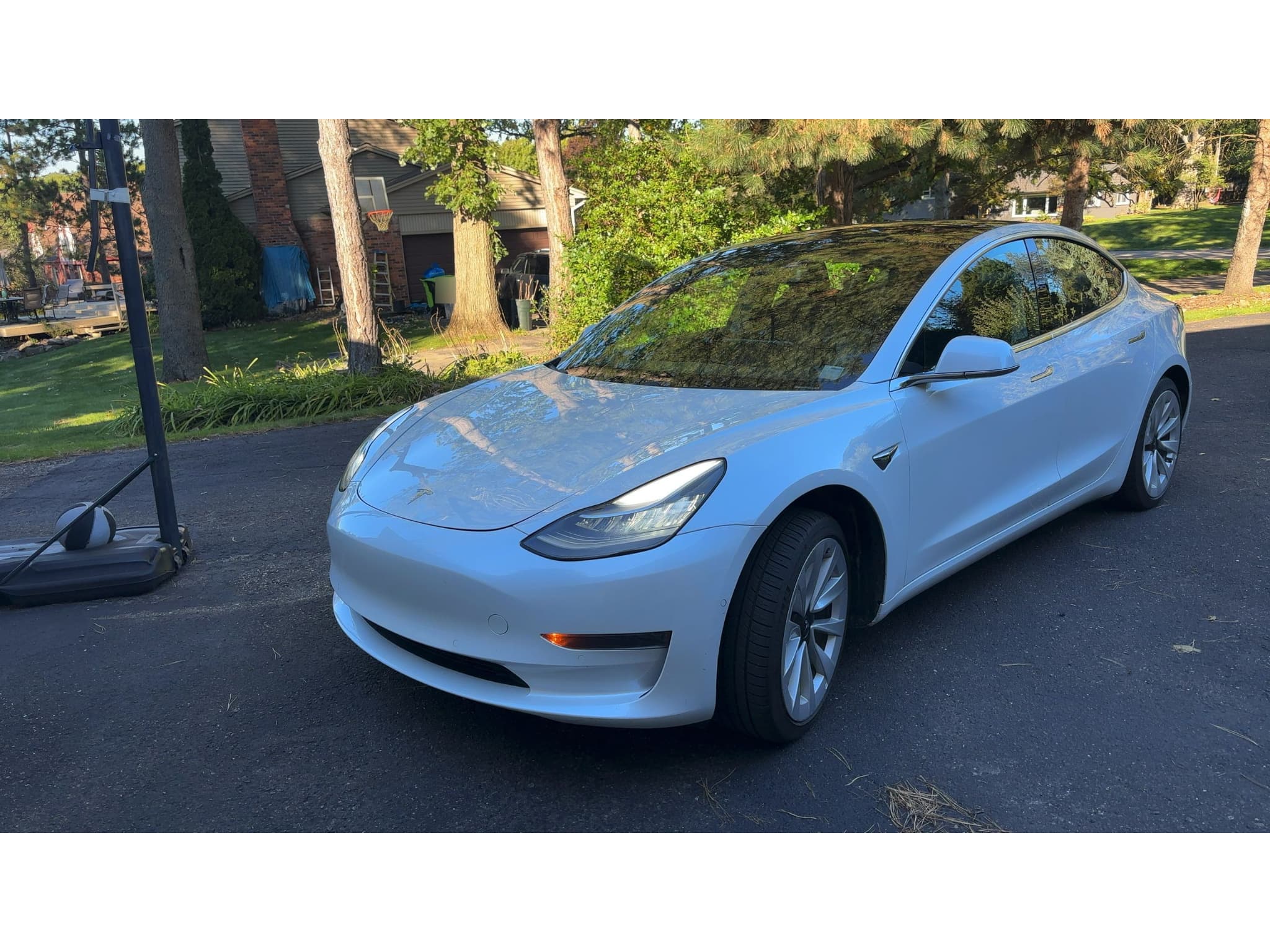
| Tesla Model 3 / Y | Standard‑range trims previously used LFP in many markets; chemistry may vary by region and year, especially after U.S. tariff shifts. | Long‑range and Performance trims rely on high‑energy NMC packs. | Tesla uses LFP where cost matters most and NMC where range and performance sell cars. |
| Ford Mustang Mach‑E | Recent standard‑range versions in some markets offered LFP packs to cut costs while keeping ~240–260 miles of range. | Extended‑range variants and performance trims use NMC. | Ford is following the global playbook: LFP for value, NMC for long‑range. |
| GM Chevrolet Bolt (next gen) | Future low‑cost EVs like the new Bolt are slated to use LFP to hit mainstream price points. | Ultium‑based crossovers and trucks lean on NMC and emerging manganese‑rich chemistries. | GM is reserving NMC and advanced chemistries for larger, higher‑margin vehicles. |
| Chinese brands (BYD, Leapmotor, XPeng, etc.) | Extensive LFP use across small and mid‑size EVs, often with very competitive range thanks to pack‑level optimization. | Premium trims and halo models sometimes use NMC for maximum range and power. | China demonstrates how far you can push LFP when you design vehicles around it. |
Representative examples; exact battery chemistry can vary by trim, factory, and model year.
Regional twist: LFP in the U.S.
How to choose: LFP vs NMC for your driving profile
Checklist: which battery chemistry fits your life?
1. Define your real daily range needs
Look at your typical weekday and weekend driving. If you almost never exceed 120–150 miles in a day, an LFP‑equipped standard‑range EV will likely feel plenty roomy, especially with home charging.
2. Be honest about winter usage
If you live in a cold climate and do frequent winter road trips, NMC’s stronger cold‑weather behavior and faster fast‑charging are worth paying for. In milder climates, LFP’s winter downsides are less of a factor.
3. Decide how much you’ll manage charging
If you hate fiddling with settings, LFP’s comfort with 100% daily charges is appealing. If you’re okay living at 70–80% most days and only going to 100% for trips, NMC works fine.
4. Consider how long you’ll keep the car
Plan to drive the car into the ground or use it for ride‑hail? LFP’s long cycle life gives you more degradation headroom. If you lease or swap cars every 5–7 years, both chemistries are likely to outlast your ownership horizon.
5. Think about resale and used‑market dynamics
As used buyers become savvier about chemistry, LFP’s durability and safety story could support stronger residual values for high‑mileage cars. But long‑range NMC models will always be attractive simply because range anxiety is emotional, not rational.
6. Look at total vehicle value, not just the pack
A great NMC‑equipped EV with strong efficiency and software is better than a mediocre LFP car, and vice versa. Focus on the whole vehicle, then use chemistry as a tie‑breaker when comparing similar models or trims.
What LFP vs NMC means for used EV buyers
On the used market, battery chemistry is one more signal about how a car is likely to age, but it’s not a substitute for measuring actual battery health. A well‑cared‑for NMC pack can be in better shape than a heavily abused LFP pack, and vice versa.
When a used LFP EV looks especially appealing
- High mileage but still strong state of health, confirming that the chemistry’s cycle‑life advantage is playing out in reality.
- Car spent its life in a hot climate but shows modest degradation, LFP tolerates heat and high SOC better.
- You want a lower‑cost commuter and don’t care about cross‑country range.
When a used NMC EV is still a smart buy
- Battery‑health data shows solid remaining capacity despite age and miles.
- Car offers materially more range than same‑price alternatives, which may matter if you lack home charging.
- You live in a cold region and prioritize winter range and fast‑charging performance.
How Recharged derisks chemistry differences for you
Side‑by‑side LFP vs NMC comparison table
LFP vs NMC in electric cars: key differences
Typical values for modern EV packs, not guarantees for any specific model. Always check manufacturer specs and real‑world data.
| Attribute | LFP battery in EVs | NMC battery in EVs | What it means for you |
|---|---|---|---|
| Energy density (pack level) | Lower (roughly 5–20% less than NMC in comparable vehicles) | Higher (more kWh in same space/weight) | NMC enables longer range and/or lighter packs; LFP needs more mass for the same range. |
| Cycle life (to ~80% capacity) | Roughly 3,000–5,000 full‑equivalent cycles | Roughly 1,500–2,500 full‑equivalent cycles | LFP better for high‑mileage or fleet use; both are fine for typical private ownership. |
| Daily charging habits | Comfortable at 100% SOC for daily use | Prefers 70–80% for best longevity | LFP is more “set‑and‑forget”; NMC rewards mild charge‑management habits. |
| Safety / thermal stability | Very high; more resistant to thermal runaway | Good, but more reliant on BMS and cooling to manage risk | Both are safe when engineered well; LFP has more inherent safety margin. |
| Cold‑weather behavior | More performance and charging penalties in deep cold | Better power and charging once preconditioned | If you live somewhere cold, NMC better supports winter road trips. |
| Cost per kWh | Typically 15–25% cheaper at pack level | More expensive due to materials and processing | LFP helps automakers hit lower price points and offer cheaper trims. |
| Use in current EVs | Standard‑range trims, budget‑oriented models, fleets, many Chinese EVs | Long‑range, performance, larger SUVs and trucks | Chemistry choice usually reflects the vehicle’s mission and price class. |
| Ethical/supply considerations | Cobalt‑free; heavily concentrated production in China | Uses nickel and cobalt; evolving to lower‑cobalt mixes | LFP avoids cobalt, but both chemistries face broader mining and geopolitics constraints. |
LFP vs NMC comparison for EV buyers.

LFP vs NMC batteries: frequently asked questions
Common questions about LFP vs NMC in EVs
Bottom line: focus on the battery that fits your life
LFP vs NMC in electric cars isn’t a winner‑takes‑all fight; it’s an evolution toward right‑sizing battery chemistry for each vehicle’s job. LFP leans into affordability, safety, and durability. NMC leans into long‑range, performance, and cold‑weather confidence. If you match those strengths to how and where you drive, either chemistry can deliver a great ownership experience.
When you move into the used market, what matters most is the health of the specific battery pack in front of you, not the spec sheet from launch day. That’s exactly why Recharged pairs every EV with a Recharged Score, verified battery diagnostics, and EV‑specialist support. Whether you end up in an LFP commuter or an NMC road‑trip machine, you’ll know how the pack has actually aged, and what that means for your range, safety, and total cost of ownership.