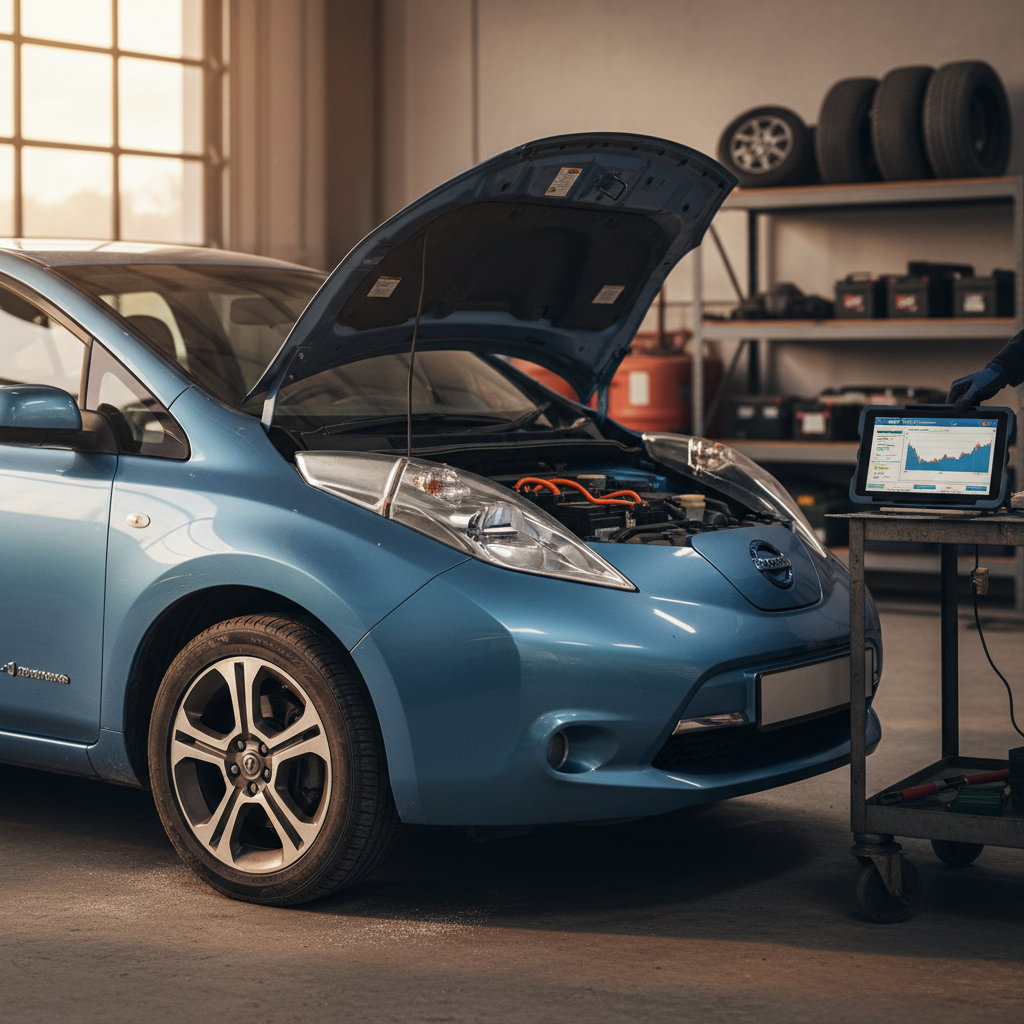
The Chevy Silverado EV maintenance schedule looks very different from the upkeep you may be used to on a gas pickup. No oil changes. No spark plugs. Far fewer moving parts under the hood. But that doesn’t mean an electric Silverado is maintenance‑free, and understanding what to service and when is the key to long, trouble‑free ownership.
Good news for truck owners
Why the Chevy Silverado EV Maintenance Schedule Matters
The Silverado EV is a heavy, powerful truck with instant torque. That combination is a blast to drive and tow with, but it’s also tough on tires, brakes, and suspension. Staying on top of the factory maintenance schedule helps you:
- Protect expensive components like the high‑voltage battery and power electronics
- Catch alignment or tire issues before they chew through tread
- Keep regenerative braking working smoothly so you’re not overusing the friction brakes
- Preserve your warranty coverage by documenting recommended services
- Hold resale value, especially if you plan to trade in or sell later on a marketplace like Recharged
Always default to your Owner’s Manual
Chevy Silverado EV Maintenance Basics
Every Chevy EV, Bolt, Equinox EV, and Silverado EV, follows the same basic philosophy: minimal mechanical service, consistent inspections. For Silverado EV owners in particular, you should plan around three big ideas:
Core Maintenance Themes for the Silverado EV
Even without oil changes, you still have a regular rhythm of care.
Tires & Alignment
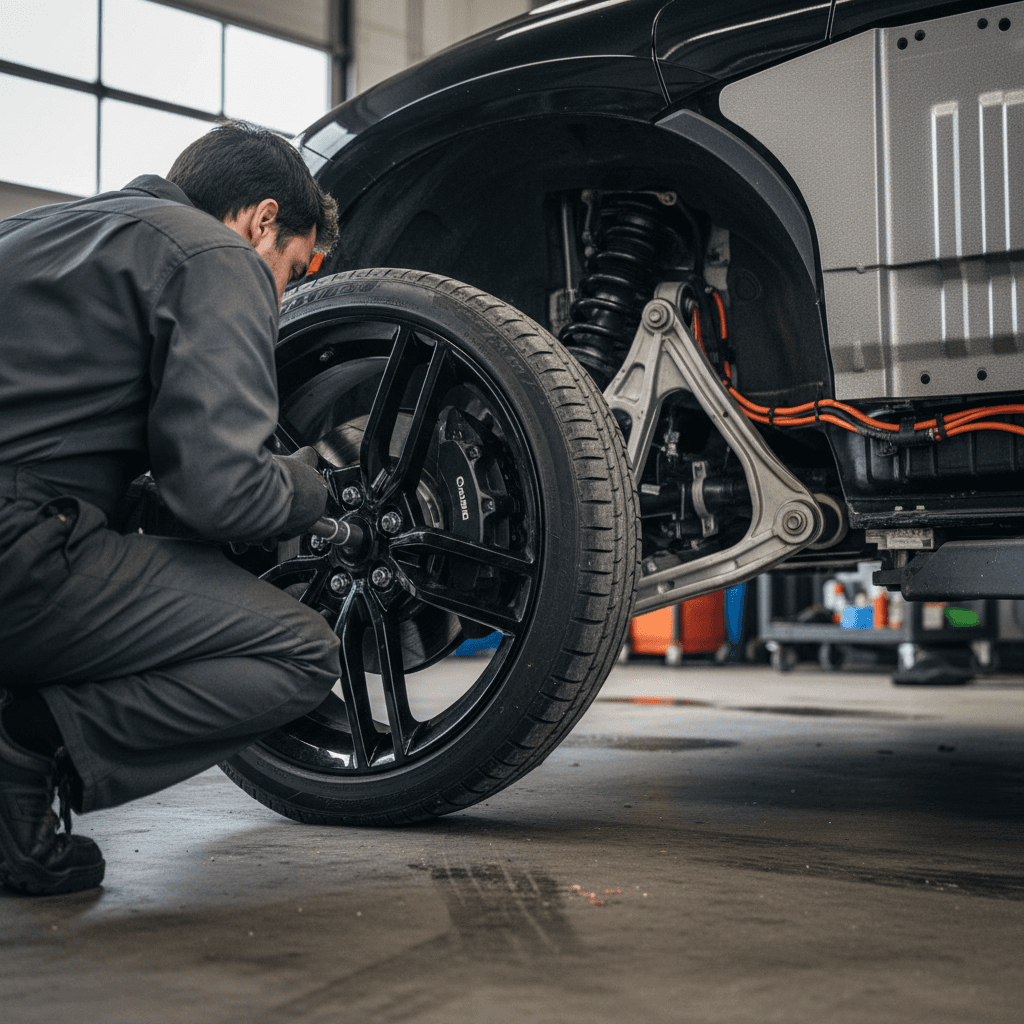
Heavy trucks plus instant torque equals hard‑working tires. Rotations about every 7,500 miles are standard on Chevy EVs, and alignment checks matter if you tow or see rough roads.
Brakes & Fluids
Regen braking saves the pads, but you still have hydraulic brake fluid, as well as coolant for the high‑voltage battery and power electronics that must be inspected and changed on schedule.
Software & Diagnostics
Over‑the‑air updates, system checks, and high‑voltage diagnostics keep your truck safe and efficient. Many of these happen automatically, but it’s smart to have them reviewed at service visits.
Silverado EV Maintenance Schedule: Quick Overview
Because the Silverado EV is still new, Chevrolet hasn’t plastered its EV‑specific schedule everywhere online the way it has for long‑running gas models. But based on GM’s published guidance for its electric lineup and dealer EV schedules, you can expect something very close to this cadence:
Chevy Silverado EV Maintenance Schedule at a Glance
Typical intervals for key maintenance items on GM electric vehicles, adapted for the Silverado EV. Always verify with your specific model year Owner’s Manual.
| Interval | What to Do | Why It Matters |
|---|---|---|
| Every month | Check tire pressures, inspect tread, top off washer fluid, clean charge port door and seals | Keeps range, traction, and charging reliability consistent. |
| Every 7,500 miles or 6 months | Rotate tires, inspect brakes and suspension, check underbody, confirm software updates, inspect high‑voltage cabling | Manages tire wear on a heavy EV truck and spots issues early. |
| Every 12 months | Replace cabin air filter (or at ~22,500 miles), inspect wiper blades, check alignment and wheel balance | Improves air quality and comfort; prevents uneven wear. |
| Every 2 years | Test and replace brake fluid if out of spec, test 12‑volt battery, inspect EV thermal system hoses and coolant level | Protects braking performance and electronics. |
| Every 5 years or ~75,000 miles | Repeat brake fluid if not yet exchanged, perform comprehensive EV system and high‑voltage coolant inspection | Long‑term health check for battery and power electronics. |
| Long‑term (100,000–150,000 miles, model‑specific) | Battery coolant replacement, deeper EV system inspection | Protects the most expensive component in your truck, the battery pack. |
Intervals shown are general GM EV guidelines; follow whichever comes first between time and mileage.
Use your truck’s built‑in reminders
Detailed Chevy Silverado EV Maintenance Schedule
Monthly: Quick Checks at Home
Once a month, give your truck five quiet minutes in the driveway. You’re looking for anything that will hurt range, safety, or charging reliability.
Monthly Silverado EV DIY Checks
1. Check cold tire pressures
Verify pressures when the truck has been parked for a few hours. EVs are sensitive to underinflation, it hurts range, handling, and tire life.
2. Inspect tire tread and sidewalls
Look for uneven wear, nails, bulges, or cuts. Silverado EV’s weight and torque can exaggerate wear on the rear tires especially.
3. Top off washer fluid
A big windshield and highway miles use more fluid than you think. Keeping it full is basic but important visibility maintenance.
4. Clean the charge port area
Wipe dirt and road grime from the charge port door and surrounding trim. Make sure the port closes and latches smoothly.
Every 7,500 miles or 6 months: Tire Rotation & Inspection
GM recommends tire rotation every 7,500 miles on its EVs, and that’s right in the wheelhouse for a Silverado EV. At this visit a Chevy EV‑certified shop will typically:
- Rotate all four tires front‑to‑rear (and side‑to‑side if appropriate for your tire type)
- Measure tread depth and check for irregular wear that might hint at alignment issues
- Inspect brake pads, rotors, and calipers, regen reduces wear, but heavy towing can still stress the system
- Check suspension components, steering joints, and bushings
- Scan for any diagnostic trouble codes and confirm software is current
Don’t skip rotations on a heavy EV truck
Around 12–24 months: Cabin Air Filter, Wipers, Alignment
Many Chevy EV schedules call for a cabin air filter replacement around 22,500 miles or every 1–2 years. For a Silverado EV that tows, works dusty job sites, or lives where there’s road salt, err on the earlier side.
- Replace the cabin microfilter for cleaner air and a happier HVAC system.
- Inspect and replace wiper blades as needed, big glass plus highway speeds will wear them faster.
- Check alignment and wheel balance, especially if you’ve hit potholes, curbs, or tow frequently.
Every 2 years: Brake Fluid, 12‑Volt Battery, EV Thermal System
Even on an EV, the Silverado’s brake pedal still pushes on a traditional hydraulic system. Over time, moisture contaminates brake fluid and reduces braking performance. That’s why GM EV schedules often include a brake fluid test or change every 2 years.
Two‑Year Service Items for the Silverado EV
Think of this as your EV’s first “deep check.”
Brake Fluid Test/Flush
Technicians test the moisture content in the fluid and replace it if it’s out of spec. Clean fluid means a firmer pedal and corrosion‑free internal components.
12‑Volt Battery Test
Yes, your Silverado EV still has a traditional 12‑volt battery to power accessories and control modules. A load test checks that it’s healthy before it leaves you stranded.
Thermal System Inspection
EVs use coolant to manage battery and power electronics temperature. Hoses, clamps, and levels get inspected and topped up if needed.
Around 5 years or ~75,000 miles: Comprehensive EV Inspection
By about five years of mixed commuting, towing, and road trips, your Silverado EV deserves a full once‑over. A dealer or EV‑specialist shop will typically:
- Repeat a brake fluid flush if it hasn’t already been done recently
- Perform a comprehensive inspection of high‑voltage contacts, connectors, and shielding
- Check for any battery or inverter thermal events stored in the truck’s logs
- Inspect underbody aero panels and shielding for damage from off‑road use or road debris
Battery coolant replacement is long‑interval
EV-Specific Systems on the Silverado EV
If you’re coming from a gas truck, the Silverado EV’s service sheet can look strangely short. Here are the systems that replace all the engine‑bay clutter you’re used to, and what they need from you.
High‑Voltage Battery & Cooling
The Ultium battery pack under the Silverado EV’s floor is liquid‑cooled to keep temperatures in the Goldilocks zone, warm enough to deliver power, cool enough for long life.
- What you’ll do: Have coolant levels and hoses inspected at regular intervals, and replace coolant on the long‑term schedule in your Owner’s Manual.
- What the truck does: Automatically manages battery temperature while driving, charging, and sometimes while parked.
Electric Drive Units & Power Electronics
Instead of an engine, transmission, and transfer case, your Silverado EV uses one or more electric drive units plus power electronics modules.
- What you’ll do: Periodic inspections; any fluid checks or replacements here are infrequent and model‑specific.
- What the truck does: Monitors its own temperature, fault codes, and performance, flagging issues in the cluster or app.
Regen braking is a maintenance feature
Maintenance Costs and Planning for Silverado EV Owners
So what does this schedule mean for your wallet? The short version: fewer line items, but some can be pricier because this is a large, sophisticated electric truck.
How Silverado EV Maintenance Compares
Most regular visits, tire rotations, inspections, cabin filters, are modest in cost and can often be bundled. The big‑ticket items tend to be tires and rare, specialized work on battery or power electronics if something goes wrong.
Build maintenance into your budget
Maintenance Checklist When Buying a Used Silverado EV
Shopping for a used Silverado EV, whether locally or through a digital marketplace like Recharged, is where understanding the maintenance schedule really pays off. You’re not just looking at mileage; you’re looking at how well the previous owner followed this plan.
Used Silverado EV Maintenance Questions to Ask
1. Tire condition and rotation history
Ask for rotation records around every 7,500 miles and inspect tread for uneven wear. Cupped or feathered tires hint at skipped rotations or alignment issues.
2. Brake inspections and fluid changes
Look for at least one documented brake inspection by 15,000 miles and a brake‑fluid test or change by about the 2‑year mark.
3. Cabin filter and HVAC performance
A fresh cabin filter and strong, quiet HVAC fan tell you someone cared about the details. Funky smells or weak airflow are a sign it’s overdue.
4. High‑voltage system checks
Ideally, the truck has been seen by an EV‑certified Chevy tech. Ask if any high‑voltage coolant inspections or software campaigns were performed.
5. Software update history
EVs age partly through software. Confirm that major updates and recalls have been applied, these can improve charging behavior, range estimates, and safety features.
6. Documentation & reports
Service receipts, myChevrolet app logs, and third‑party battery health reports, like the <strong>Recharged Score</strong> you get with every vehicle on Recharged, give you a clear picture of how the truck’s been treated.
How Recharged can help
Ready to find your next EV?
Browse VehiclesChevy Silverado EV Maintenance Schedule FAQ
Frequently Asked Questions About Silverado EV Maintenance
The Bottom Line on Chevy Silverado EV Maintenance
The Chevy Silverado EV maintenance schedule is refreshingly simple compared with a gas truck: rotate the tires on time, keep an eye on brake fluid, and let trained EV technicians keep tabs on the high‑voltage systems. Do those things, and your Silverado EV should be a dependable partner for work, towing, and family duty well past the six‑figure mileage mark.
If you’re considering a used Silverado EV, or any used electric truck, Recharged is built to make the process transparent. Every vehicle comes with a Recharged Score report, expert EV support, and flexible options for financing, trade‑ins, and delivery. That way, you’re not just buying a truck; you’re buying into a long, low‑stress ownership experience.