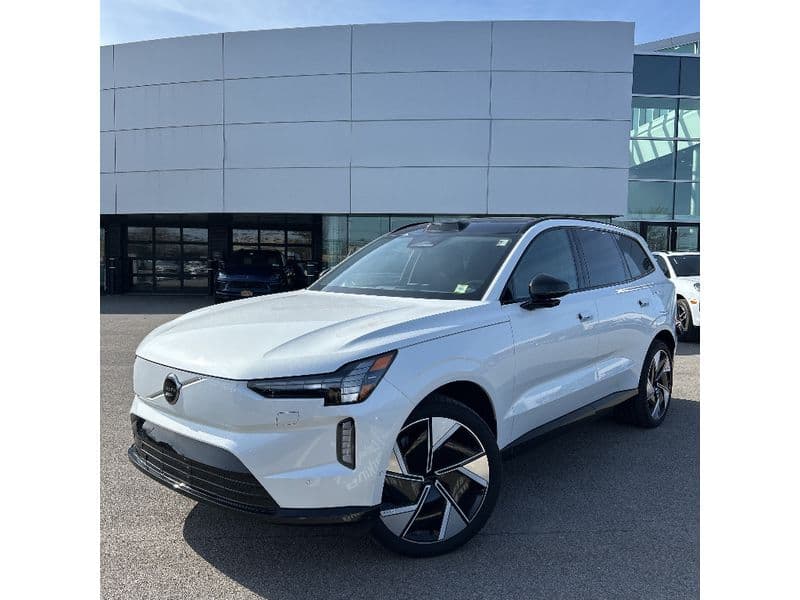
If you’re looking at a Volvo EX90 today, especially as a family hauler you plan to keep for years, the natural question is: how long will the EX90’s battery actually last? Between Volvo’s warranty language, real-world EV data, and what we’re already seeing from early EX90s, you can get to a pretty grounded answer rather than a marketing promise.
Short answer
Volvo EX90 battery lifespan: quick overview
Volvo EX90 battery at a glance
Lifespan isn’t just about a calendar number. With the EX90, you’re balancing three realities: 1. Volvo’s warranty floor (8 years/100,000 miles of HV battery coverage in North America). 2. Real‑world EV data from similar large‑pack SUVs that shows gradual, not catastrophic, degradation. 3. Your own use case, climate, charging habits, and annual mileage, which can stretch that life meaningfully in either direction.
Think in “capacity,” not just years
Volvo EX90 battery specs and why chemistry matters
Understanding the EX90’s hardware helps explain its expected lifespan. Volvo built the EX90 on its SPA2 platform and shares battery tech with the Polestar 3. Early model years use a large lithium‑ion NMC pack around 111 kWh gross (about 107 kWh usable), packaged under the floor for crash protection and cooling.
- Chemistry: Nickel‑manganese‑cobalt (NMC) cells, similar to other long‑range premium EVs. These prioritize energy density and longevity when paired with good thermal management.
- Size: Roughly 107 kWh usable in earlier EX90s, giving a useful buffer above what’s accessible to the driver to protect long‑term health.
- Thermal management: Liquid cooling and active temperature control, crucial for slowing degradation in hot and cold climates.
- Architecture updates: By the 2026 model year, Volvo moves the EX90 to an 800‑volt system with a slightly smaller pack while keeping similar real‑world range, another sign that efficiency, not squeezing every kWh, is the focus.
Why this matters for lifespan
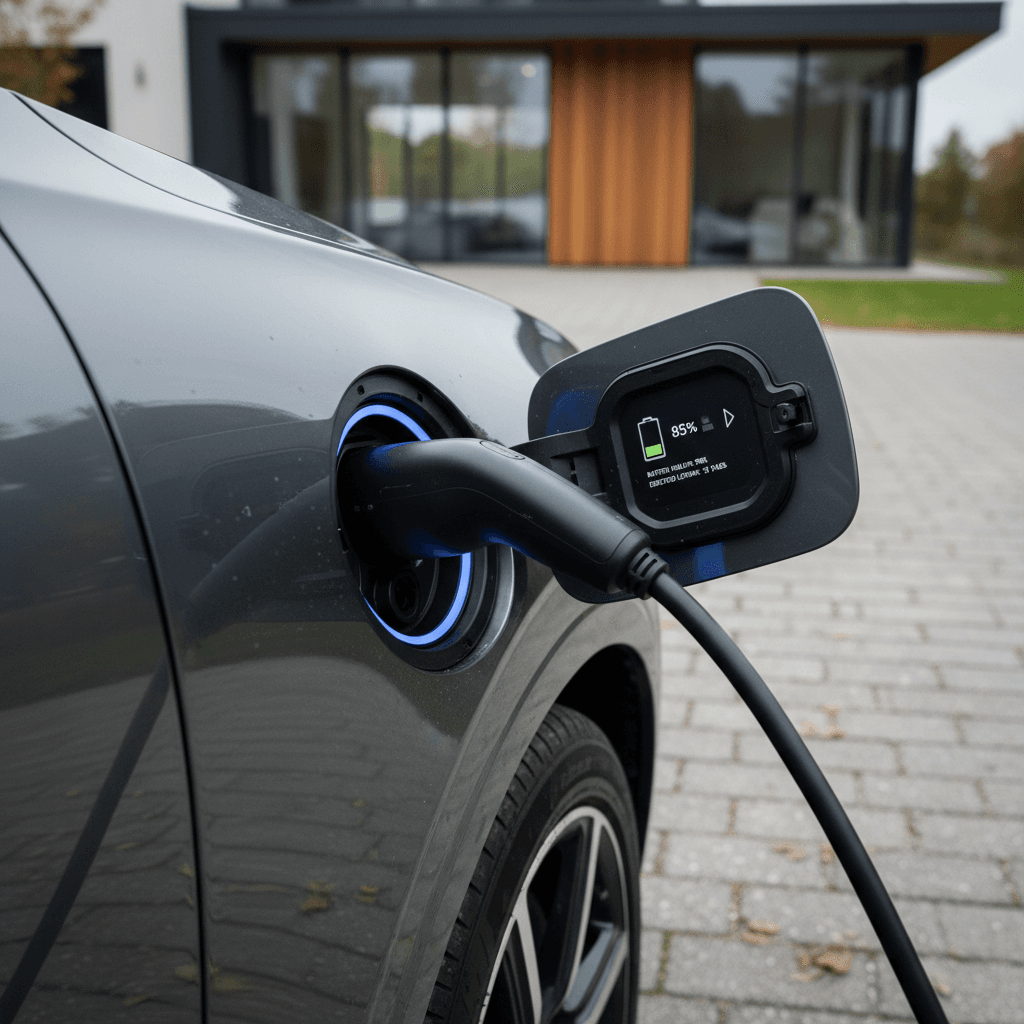
Warranty: how long Volvo backs the EX90 battery
For U.S. and Canadian buyers, Volvo’s recent warranty booklets for fully electric models spell out a high‑voltage battery warranty of 8 years or 100,000 miles (160,000 km), whichever comes first. That’s on top of the base 4‑year/50,000‑mile new‑vehicle warranty, and it’s essentially the floor that every EX90 pack is engineered to clear.
Typical Volvo EX90 EV warranty coverage (U.S./Canada)
Exact terms can vary slightly by model year and market, but this is what most North American EX90 owners can expect.
| Component | Years | Miles (max) | What it generally covers |
|---|---|---|---|
| New vehicle limited warranty | 4 | 50,000 | Most non‑wear components including electronics and interior |
| Powertrain / electric drive units | 4 | 50,000 | Electric motors, reduction gearboxes and related hardware |
| High‑voltage (HV) battery | 8 | 100,000 | Defects in materials/workmanship; capacity falling below Volvo’s specified threshold |
| HV battery replacement parts | 4 | 50,000 | Coverage on replacement HV battery modules installed under warranty or as genuine parts |
Always confirm coverage details in the warranty booklet that applies to your model year and region.
Warranty ≠ end of life
Real-world Volvo EX90 battery lifespan: what to actually expect
The EX90 is still a relatively new model, so we don’t have 15‑year data yet. But we do have three powerful proxies: 1. Older Volvo Recharge EVs and plug‑in hybrids that use similar battery chemistry and thermal control. 2. Comparable large‑pack EVs (Tesla Model X/Y, Hyundai Ioniq 5/7‑seat derivatives, Mercedes EQE SUV, etc.). 3. Independent fleet studies tracking battery degradation across thousands of modern EVs. Across that ecosystem, a consistent pattern emerges: packs are aging slowly and predictably, with many vehicles still retaining 80–90% of original capacity well past 100,000 miles when they’re not abused.
Design target
Volvo’s public language around its Recharge batteries mirrors the broader EV industry: the high‑voltage pack is intended to last the usable life of the vehicle. In practical terms that usually means 10–15 years of normal use without crossing the kind of capacity‑loss thresholds that trigger warranty coverage.
Observed reality
Real‑world data from modern EVs with similar chemistry suggests that if you avoid extremes, constant DC fast charging, sitting at 100% in the heat, or regularly running near 0%, you’re more likely to see a gentle glide in range than a sudden drop‑off. Expect the EX90 to follow that curve.
Reasonable expectation for EX90 owners
6 key factors that affect EX90 battery health
Battery lifespan is less about the logo on the nose and more about how the pack is treated. The EX90 ships with conservative defaults, like favoring 90% daily charge, to protect the pack, but your usage still matters. Here are the big levers.
What really moves the needle on EX90 battery life
1. Charging level and frequency
Living at 100% state of charge (SoC) is stressful for NMC cells. Volvo defaults the EX90 to around 90% for daily use; following that guidance and only topping up to 100% for trips will noticeably slow long‑term degradation.
2. DC fast charging vs. AC charging
Occasional DC fast charging is fine, but doing most of your mileage on high‑power DC (especially at high SoC) will age the pack faster. Rely on <strong>Level 2 home or workplace charging</strong> for the bulk of your energy, and treat DC fast charging as a road‑trip tool.
3. Climate and temperature swings
Hot climates are hard on lithium‑ion batteries, especially if the car sits at high SoC in direct sun. The EX90’s liquid cooling helps, but minimizing time parked at 90–100% in 90°F+ heat pays dividends. Extreme cold mostly hurts temporary range, not long‑term health, but frequent deep discharges in sub‑freezing temps aren’t ideal either.
4. Depth of discharge
Running from 90% down to 40% and back is gentler than cycling between 100% and 0%. Try to avoid routinely dropping the EX90 below ~10% or letting it sit near empty for days. Shallow, frequent charges are easier on the cells.
5. Annual mileage and use pattern
High‑mileage highway drivers will put more cycles on the pack more quickly, but consistent, warm‑battery use is actually healthier than a car that sits for long periods at high SoC. The worst case is <strong>low‑mileage, high‑SoC storage in heat</strong>.
6. Software and thermal strategy
Volvo can tweak the EX90’s thermal management and charge curves over‑the‑air. Updates that reduce vampire drain or refine charging behavior can meaningfully impact how the pack ages, especially in the first few years of ownership.
How to shorten an EX90 battery’s life
Daily charging habits that extend EX90 battery life
The good news is that you don’t need to baby the EX90 to get a healthy battery. A few simple defaults baked into your daily routine will capture most of the benefit without turning you into a range‑anxiety accountant.
- Keep daily charge around 70–90%. Volvo already nudges you toward 90% as the default. If you’re mostly doing city and suburban driving, even 70–80% is often plenty and a little kinder to the pack.
- Save 100% charges for road trips. There’s nothing wrong with charging to full for a long drive, just don’t leave it sitting at 100% for days afterward. Time your charge so it reaches 100% close to departure.
- Prioritize home Level 2. A 40‑ or 48‑amp Level 2 charger at home will comfortably refuel an EX90 overnight. That’s cheaper, easier on the battery, and better for your schedule than living on fast chargers.
- Avoid sitting near 0%. Running down into the single digits once in a while is fine, but don’t make a habit of parking the car nearly empty. If you arrive home low, plug in soon rather than letting it sit for days.
- Use scheduled charging. Many utilities offer cheaper off‑peak rates. Scheduling the EX90 to finish charging right before you leave means the pack spends less time sitting full and you save on energy costs.
- Keep software up to date. Over‑the‑air updates don’t just add features; they can refine thermal management and state‑of‑charge buffers, which directly affect long‑term battery health.
Home charging and used EX90 value
EX90 range degradation: what owners are likely to see
When people talk about “battery lifespan,” they’re usually reacting to range loss. With a large SUV like the EX90, there’s some extra buffer here: a pack that starts around 300 miles of EPA‑rated range can lose 15–20% of capacity and still be very usable for family duty.
How Volvo EX90 range may age over time
Illustrative, not guaranteed, real results depend on climate and how you charge.
Early years (0–3 years)
Most modern EVs, including large SUVs, see a small initial step of degradation in the first 1–2 years as the cells “settle in.” For an EX90 that might look like:
- Maybe 3–5% less displayed range vs. brand new
- Little to no noticeable change in daily use
Middle years (3–8 years)
This is usually the slow, steady phase:
- Total capacity loss in the 10–15% range is common among well‑treated EVs by year eight
- Daily commuting and school runs remain easy; road‑trip charging stops get a bit closer together
Long term (8–15+ years)
By this point, differences in use patterns really show. A gently used EX90 might still be above 80% capacity at 12–15 years, while a hard‑used high‑miler could be closer to 70%. The pack is still usable, but your tolerance for shorter range becomes the deciding factor.
Don’t over‑trust the dash percentage
Buying a used Volvo EX90? Battery lifespan checklist
Because the EX90 launched recently, the used market is already seeing low‑mileage examples coming off early leases or traded in by early adopters. Battery lifespan is the single biggest technical question a used‑buyer should answer before signing anything.
Used Volvo EX90 battery checklist
1. Confirm remaining HV battery warranty
Check the in‑service date and mileage. An EX90 first sold in 2024 with 30,000 miles on it still has years of coverage left under Volvo’s <strong>8‑year/100,000‑mile HV battery warranty</strong>, which is a major safety net.
2. Ask about charging habits
Ideally, the previous owner primarily used home or workplace Level 2 charging and fast‑charged mainly for trips. Heavy DC‑fast‑charge use on a road‑tripper isn’t a deal‑breaker, but a commuter relying on DC every day is a red flag.
3. Look at real‑world efficiency
During a test drive, reset a trip meter and drive a mix of speeds. Compare the <strong>kWh/100 miles</strong> (or mi/kWh) to what other EX90 drivers report. Abnormally high consumption in moderate conditions can hint at a pack or thermal‑management issue.
4. Check for software and recall history
Make sure all software updates, campaigns, and any battery‑related service bulletins have been done. Well‑maintained software often means cooler operation and smarter charging behavior over the pack’s life.
5. Inspect for physical damage and corrosion
A curb‑rashed wheel is cosmetic; evidence of underbody impacts or corrosion around high‑voltage components is more serious. Ask a shop with EV expertise, or a marketplace like <strong>Recharged</strong> that does this routinely, to get the car on a lift.
6. Get an independent battery health report
Because in‑car state‑of‑health readouts can be incomplete, a third‑party battery diagnostic (or a marketplace that provides a standardized <strong>battery health score</strong>) gives you a more objective view of remaining capacity and pack balance.
Why this matters more for big SUVs
How Recharged evaluates Volvo EX90 battery health
This is exactly the problem Recharged was built to solve: taking EV battery uncertainty and turning it into something measurable and comparable, especially for complex, high‑value vehicles like the EX90.
Inside a Recharged Volvo EX90 battery evaluation
What happens before an EX90 earns a spot on our marketplace.
Battery health diagnostics
Every EX90 we list goes through a Recharged Score battery evaluation. Using pack telemetry, charging data, and standardized drive cycles, we estimate usable capacity and look for imbalances between modules that might hint at future issues.
Usage & charging profile
Where possible, we analyze how the vehicle has been charged and driven, frequency of DC fast charging, climate profile, and mileage pattern. That context matters as much as a single percentage number.
Transparent pricing & guidance
We take that battery data into account when setting fair market pricing and when advising you on which EX90 fits your needs. If you’re planning to keep the car 10+ years, we’ll talk through how the current battery health aligns with that plan.
Ready to find your next EV?
Browse VehiclesFrom uncertainty to a plan
FAQ: Volvo EX90 battery lifespan and care
Common Volvo EX90 battery lifespan questions
Bottom line: how long the Volvo EX90 battery really lasts
If you strip away the marketing and focus on the hardware, warranty terms, and real‑world EV data, the picture is reassuring: the Volvo EX90’s battery is far more likely to quietly outlast the rest of the SUV than it is to become a ticking time bomb at year eight. With sane charging habits, most owners will see a slow, manageable decline in range over a decade or more, not a cliff. For shoppers eyeing a used EX90, the key is to understand how that specific pack has been treated and how much warranty runway it has left, exactly the sort of transparency Recharged was built to provide.
If you’re planning an EX90 as a long‑term family hauler, think in terms of range you can live with at 150,000 miles, not just the EPA number on day one. Charge thoughtfully, keep the software current, and, if you’re buying used, lean on objective battery diagnostics. Do that, and the EX90’s massive pack should be a long‑lived asset rather than a future liability.