The Lexus RZ is a qualified road-trip choice
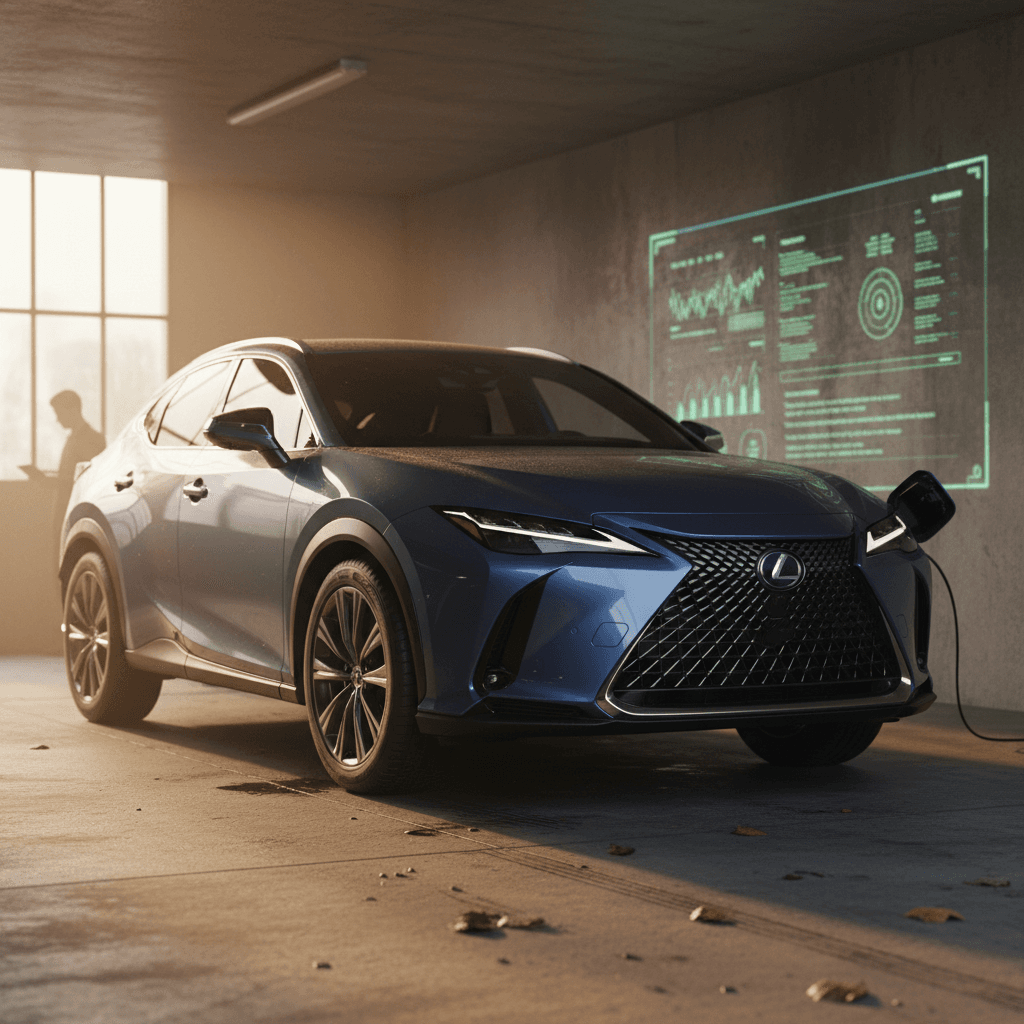
The RZ works best for occasional, planned road trips, not frequent cross-country travel where long range and flexible charging are priorities. Recharged’s walkaround of a 2023 RZ found a comfortable, well-equipped electric SUV with useful cargo space, but range was the decisive limitation. This assessment reflects the vehicle details observed by our team rather than a timed highway charging test, so shoppers should verify the charging performance and connector access of the specific RZ they’re considering.
That limitation doesn’t make the RZ unusable. It means you’ll need to plan charging stops more deliberately, especially if the vehicle has the larger wheels, and leave a buffer for highway speed, weather, elevation, and cabin climate use. For a repeatable regional route with reliable charging, the RZ can be pleasant; for an improvised multi-state itinerary, an electric SUV with more range gives you more flexibility. Our EV road-trip planning guide explains how to evaluate a route before departure.
Don’t judge the RZ by the badge alone
How wheel size changes the range equation
Wheel size is the most important configuration detail because the Recharged team observed a drop from around 220 miles with the standard 19-inch setup to below 200 miles with upgraded 20-inch wheels. That difference may determine whether you can comfortably reach the next charger or need an extra stop. Larger wheels can change efficiency through their weight, tire width, and rolling resistance, so use the range rating for the specific configuration rather than a general model-level number. See our guide to wheel size and EV range for more context.
The RZ range trade-off at a glance
These figures reflect the configurations described in Recharged’s Lexus RZ walkaround, not a controlled highway range test.
| Configuration | Range described | Road-trip effect | Best fit |
|---|---|---|---|
| 19-inch wheels | Around 220 miles | Better travel buffer | Regional trips |
| 20-inch wheels | Below 200 miles | More route planning | Local driving |
| Longer-range class rivals | 250–300 miles | Fewer range constraints | Frequent touring |
Actual range varies with speed, temperature, terrain, charging habits, and vehicle condition.
The practical takeaway is straightforward: seek the 19-inch setup if road trips matter. The broader class includes EVs described by our team as offering roughly 250 to 300 miles, which makes the RZ harder to recommend when maximum travel flexibility is your priority. The RZ makes more sense when its comfort, luxury features, and used price outweigh the inconvenience of a shorter driving interval.
Cabin comfort is the RZ’s road-trip strength
The cabin gives the RZ a stronger road-trip case than its range figure suggests. Recharged’s featured vehicle had comfortable cloth seats, heated and cooled front seats, a heated steering wheel, heated rear outboard seats, rear HVAC vents, a panoramic roof, and a large 14-inch center display. Those amenities help both front and rear passengers settle in, while the quiet, responsive electric powertrain suits relaxed highway travel.
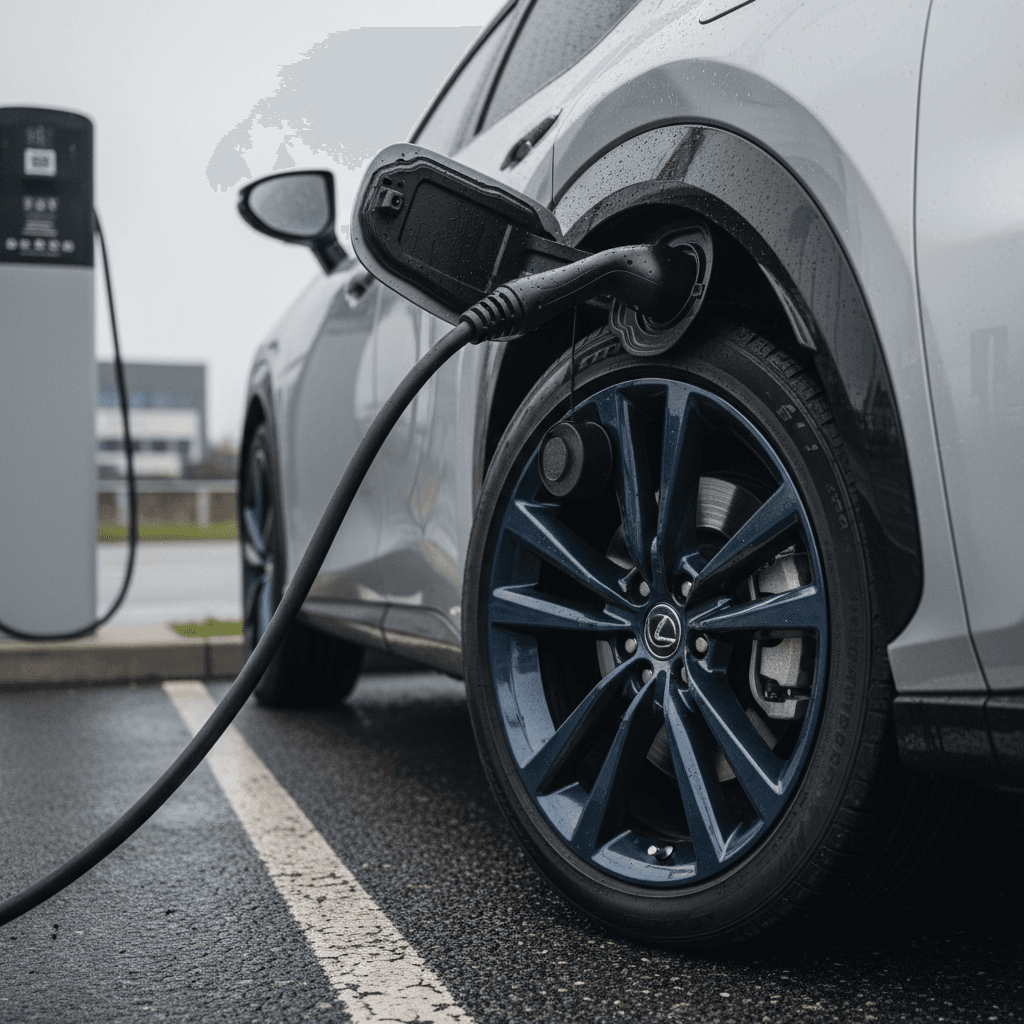
Cargo capacity is useful rather than class-leading. The team found a good amount of space behind the rear seats, underfloor storage that could hold items such as a charging cable, a cargo cover for concealing luggage, and a power liftgate. If you’re traveling with several passengers, test-fit your bags before buying; the RZ provides practical room, but it isn’t one of the largest electric SUVs.
The RZ is peppy, comfortable, and loaded with the features you expect from a luxury SUV. The compromise is range, especially on the larger wheels, and that limits how many road-trip shoppers it will fit.
What Recharged data can, and can’t, tell you
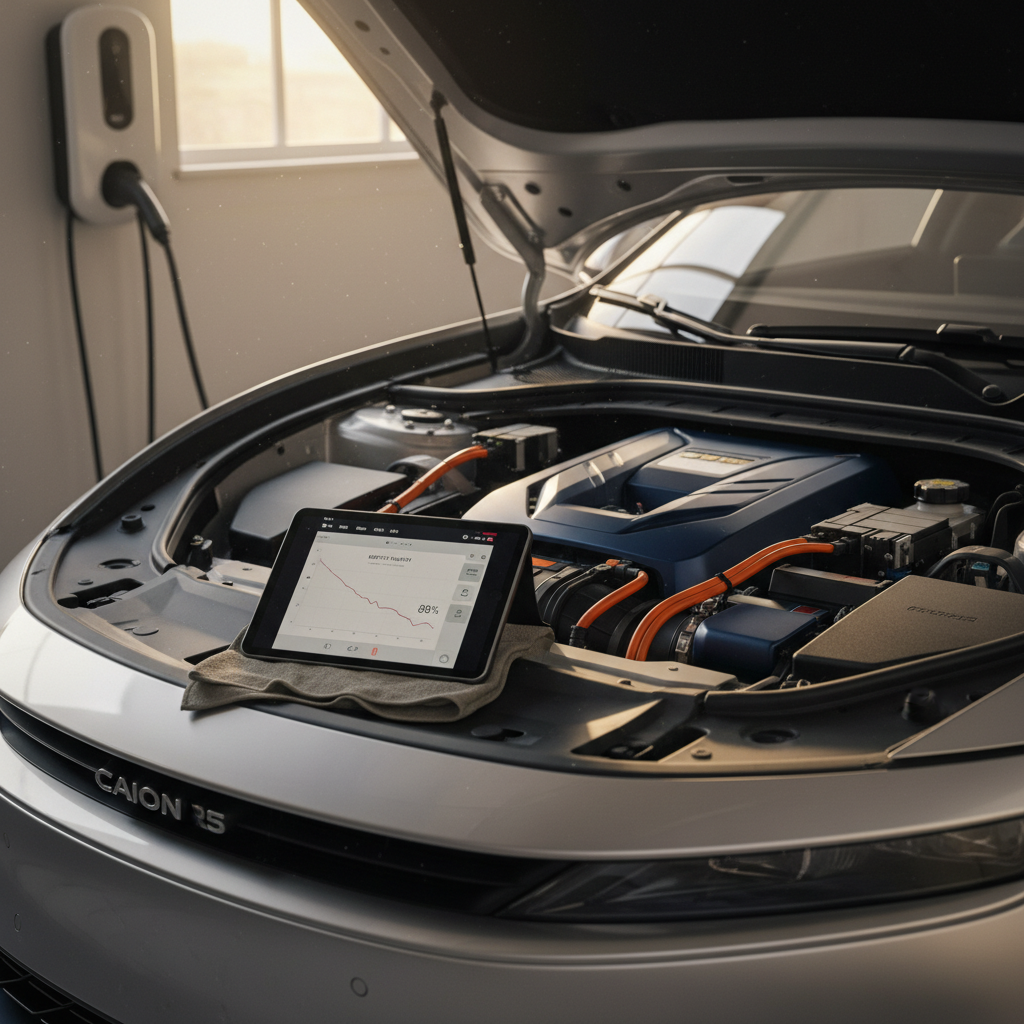
Recharged’s data shows why an individual battery inspection matters, but the supplied fleet snapshot should be treated as a broad used-EV benchmark rather than an RZ-specific result. Across 2,242 Recharged Score inspections, tested remaining battery capacity averaged 93.9% of original capacity, with a 94.9% median; tested real-world estimated range averaged 266 miles, with a 268-mile median. Those fleet-wide figures provide context, but they don’t establish the battery condition or road-trip range of any particular Lexus RZ.
The same distinction applies to price. Across 417 live EV listings in the supplied Recharged snapshot, asking prices averaged $34,803 and had a $30,997 median. Separately, the Recharged team featured one 19,000-mile 2023 RZ at under $32,000 after an original MSRP above $68,000; that specific example illustrates the model’s sharp depreciation, not a guaranteed price for every RZ.
The takeaway is to evaluate the RZ at the vehicle level: wheel size, verified remaining capacity, tested range, service history, tires, and charging behavior all matter. Every EV sold by Recharged includes a Recharged Score Report with verified battery-health information, helping you separate an attractive asking price from a genuinely road-trip-ready example. Learn what the diagnostics mean in our used-EV battery-health guide.
Recharged data
Used EV battery health
94%
avg remaining capacity
From Recharged battery inspections, not manufacturer estimates.
- Lowest
- 63%
- Median
- 95%
- Highest
- 100%
- Est. range
- 266 mi avg
- Cell balance pass
- 100%
- Quick charges
- 18 avg
- Slow charges
- 65 avg
Average cell imbalance: 7.3 mV
Based on vehicles Recharged tested
Recharged data
Used EV prices at Recharged
$30,997
median list price
Current list prices for matching inventory at Recharged.
- Lowest
- $12,996
- Average
- $34,803
- Highest
- $146,998
Average Recharged Score on these listings
4.8 / 5
Range
3.7 – 5.0
Based on available listings
Every EV is battery-tested with a Recharged Score. Nationwide delivery.
Used pricing strengthens the argument
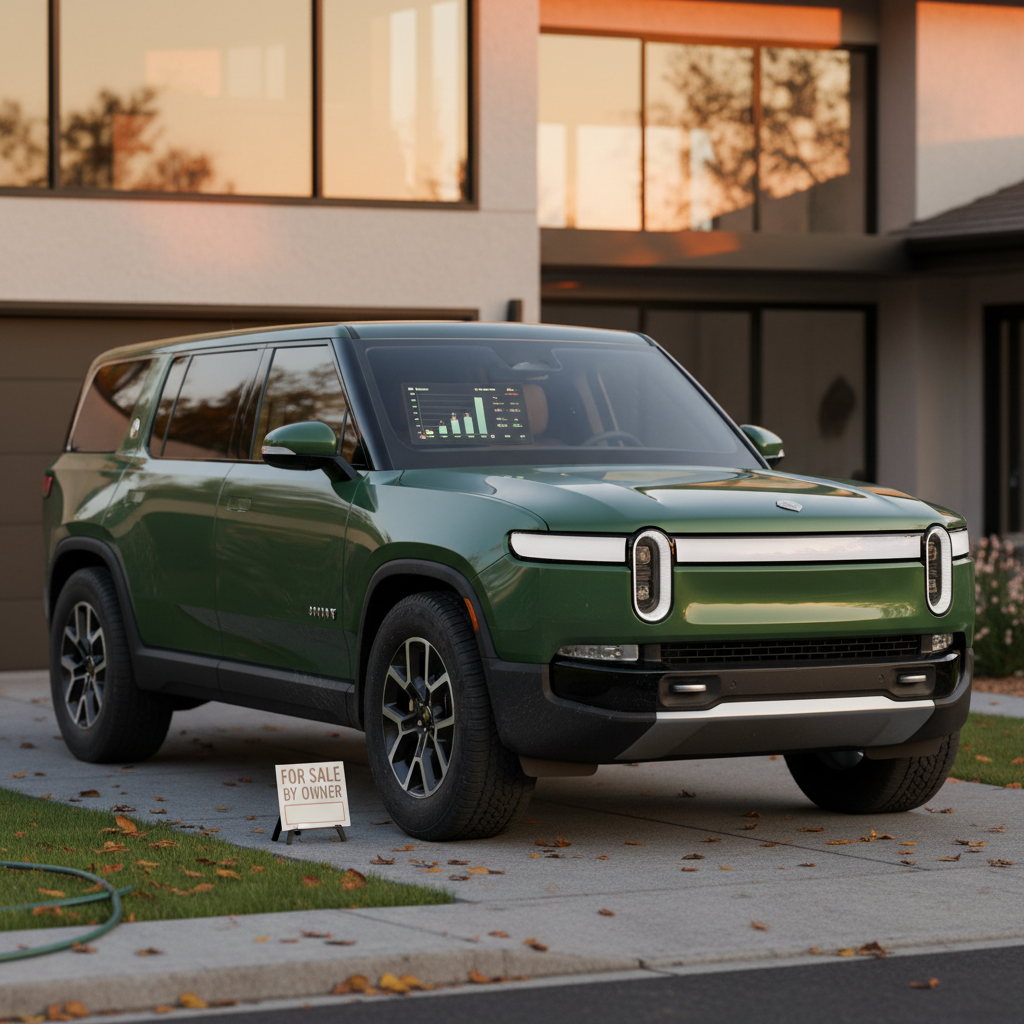
The RZ’s strongest argument is that used pricing can compensate for its road-trip limitations. The 19,000-mile vehicle highlighted by Recharged was offered for under $32,000, well below half of its original MSRP of more than $68,000. That is one documented example rather than a universal market price, but it illustrates how steep early depreciation can reposition the RZ from a difficult new-car proposition to a more interesting used luxury EV.
Value still depends on how you’ll use it. If most of your driving is local, you can charge at home, and road trips are occasional, buying the RZ at a heavily depreciated used price may be a rational trade: you accept shorter range in exchange for comfort and features. If you regularly cover long, unfamiliar routes, compare it with other models in our used electric SUV buying guide before deciding.
What should you check before leaving?
You should verify the specific car and route before treating an RZ as road-trip ready. A dashboard range estimate alone isn’t enough because it responds to recent driving and conditions. Use the vehicle’s configuration, battery report, expected highway conditions, and available chargers together.
Lexus RZ road-trip checklist
Identify the wheel size
Confirm whether the car has 19- or 20-inch wheels; the setup described by Recharged changed the advertised range materially.
Review verified battery health
Check tested remaining capacity and estimated real-world range for the individual vehicle, not just a model-level rating.
Map compatible fast chargers
Plan primary and backup stops before departure, and check current station access rather than assuming every charger will work.
Leave a range buffer
Allow extra energy for highway speed, weather, terrain, detours, and heating or air-conditioning use.
Test your cargo layout
Load passengers, bags, and the charging cable before a major trip to confirm the RZ has enough usable room.
Take a realistic test drive
Drive at the speeds and in the conditions you expect to encounter, then examine consumption rather than relying only on displayed range.
Instant offer, trade-in, or consignment. Pickup available.
Lexus RZ road-trip FAQ
The final verdict
The Lexus RZ is best viewed as a comfortable used luxury EV that can take road trips with planning, rather than a dedicated long-distance machine. Its cabin, safety equipment, cargo utility, and steep used-price adjustment are persuasive, but sub-200-mile range on the featured 20-inch-wheel configuration is a meaningful constraint. Choose the 19-inch setup when possible, inspect the individual battery, and map charging before deciding whether the value outweighs the range compromise.