If you’re shopping for a used EV, you’ve probably seen incredible deals and terrifying horror stories in the same afternoon. The truth sits in the middle: there **are** some of the least reliable used electric cars to avoid, and there are plenty of used EVs that will quietly rack up miles with minimal drama. The trick is knowing which is which.
Quick take
Why reliability matters so much with used EVs
With a gas car, a major engine or transmission failure hurts, but there are junkyard engines, independent shops, and decades of parts out there. With an electric car, the **battery pack and high-voltage electronics are the heart and soul** of the vehicle. When they go wrong out of warranty, repairs can run well into five figures, and some franchised dealers will simply shrug and recommend a buy-back or trade-in instead of repair.
- Battery packs can cost **$10,000–$20,000+** installed on some models.
- High-voltage wiring, inverters, and onboard chargers often require brand-specialist shops.
- Software bugs can brick charging or driver-assistance features until an update or module replacement.
- A car that’s hard to fast-charge or has lost 30–40% of its range may be nearly unusable for road trips.
That’s why reliability isn’t just a nice-to-have with used EVs. It’s the difference between a low-maintenance commuter and a driveway ornament. When you buy through Recharged, every vehicle comes with a **Recharged Score Report** that lays bare battery health, charging behavior, and trouble codes up front, so you’re not guessing.
How we picked the least reliable used EVs
This guide focuses on patterns, not one-off lemons. We pulled from large-scale owner surveys, recall histories, and real-world battery data from fleets and analytics platforms, then filtered that through years of hands-on experience with aging EVs.
What lands an EV on the “proceed with caution” list?
We’re not just picking on unpopular models, we’re looking at patterns that cost owners real money.
Repeated serious issues
Models with **documented patterns** of battery replacements, drive-unit failures, or chronic software bugs over multiple years.
High repair exposure
Vehicles where **out-of-warranty repairs** are disproportionately expensive relative to used value, especially luxury EVs.
Aging tech & charging limits
Early EVs with **short range**, weak fast-charging, or outdated connectors that make daily use harder in 2026.
Important nuance
High-risk used EVs to approach with caution
Let’s walk through the most commonly cited least reliable used electric cars and, more importantly, the **model years and issues** that matter. If you already own one and love it, you don’t need to torch your title. But if you’re about to buy one used, slow down and read the fine print.
Problem-prone used EVs at a glance
These models have recurring reliability or usability concerns that deserve extra due diligence.
| Model | Key risk years (used) | Main concerns | Buyer takeaway |
|---|---|---|---|
| Nissan Leaf (1st gen) | 2011–2016 | Rapid battery degradation, no liquid cooling | Avoid in hot-climate histories unless battery has been replaced and priced in. |
| Tesla Model S (early) | 2012–2016 | Battery replacements, drive-unit issues, MCU screen failures | Budget for big repairs or look for newer, warrantied cars instead. |
| Chevy Bolt EV | 2017–2019 | Battery fire recall, full pack replacements, charging limits on some cars | Only consider post-remedy cars with clear battery documentation. |
| Hyundai Kona Electric | 2019–2020 | Large-scale battery recall, pack replacements | Verify recall completion and pack date; walk away from unresolved cars. |
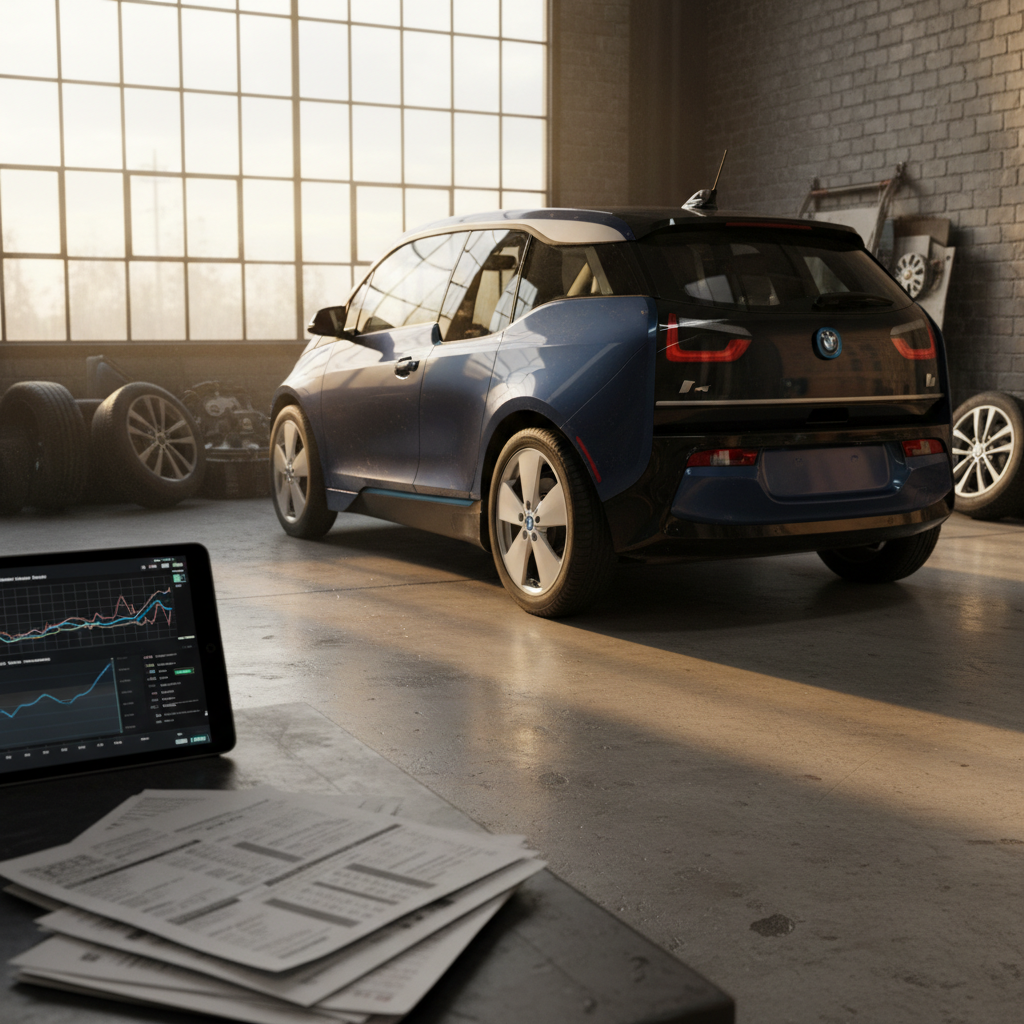
| BMW i3 (early BEV) | 2014–2017 | Limited range, expensive carbon-fiber body repairs, quirky electronics | Great city car if cheap; poor choice as your only car if you road-trip. |
| Mitsubishi i‑MiEV | 2012–2017 | Very short range, slow charging, parts scarcity | Only makes sense as a short-hop second car at a very low price. |
| CHAdeMO-only EVs | Various | Fast-charging network shrinking, connector being phased out | Fine for home charging; risky if you rely on road-trip fast charging. |
Always evaluate the specific car in front of you; this table flags risk patterns, not individual cars.
Older luxury EVs that can empty your wallet
Flagship EVs were technology showcases long before they were mainstream transportation. That meant bleeding-edge batteries, complex air suspensions, huge touchscreens, and early driver-assistance systems. Today, those same features can turn a bargain luxury EV into a four-wheeled money pit.
Tesla Model S (2012–2016)
The early Model S helped make EVs aspirational, but it also shows up frequently in battery replacement statistics and reliability complaints as these cars age. Owners and battery-analytics firms report higher-than-average rates of pack replacements on 2012–2015 cars, plus:
- Drive-unit replacements on some higher-mileage cars.
- MCU screen failures due to eMMC memory wear, leading to blacked-out displays.
- Costly suspension and door-handle repairs.
If you’re set on an older Model S, prioritize cars with:
- Documented **battery or drive-unit replacements** already done.
- MCU upgrade receipts.
- Plenty of remaining battery/drive-unit warranty (or a price that assumes risk).
Other aging luxury EVs
Several newer luxury EVs, Cadillac Lyriq, Chevrolet Blazer EV, Lucid Air, and Audi Q8 e‑tron among them, have already racked up multiple recalls and low reliability scores in recent surveys. They’re only just now aging into the used market.
Concerns here include:
- Complex software stacks with chronic infotainment, ADAS, and charging glitches.
- Early-production battery or high-voltage issues resulting in recalls and stop-sales.
- Limited independent repair support and expensive out-of-warranty parts.
Because these models are still young, we’d treat **any unusually cheap example** as a red flag and inspect its recall and service history with extra care.
Luxury EV reality check
Small early EVs with big compromises
Early subcompact EVs were built for a world with fewer chargers and lower expectations. In 2026, a 60–80 mile real-world range and slow charging can turn every errand into range math. That doesn’t mean these cars are useless, but you should understand the trade-offs before you bet your commute on one.
How early EVs stack up for range
Two nameplates come up again and again when we talk about compromise and reliability risk on early small EVs: the first-generation Nissan Leaf and the Mitsubishi i‑MiEV.
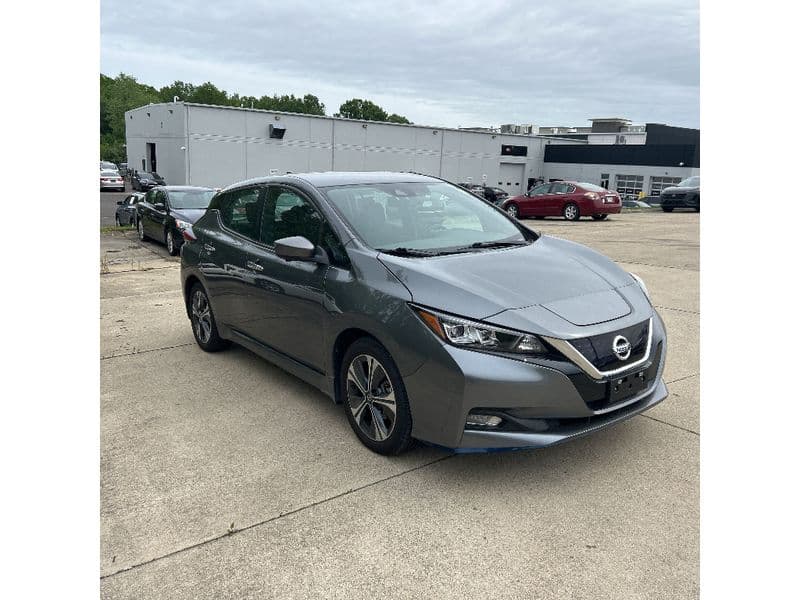
Nissan Leaf (2011–2016, first generation)
The original Leaf proved a mass-market EV could work, but its early battery chemistry and **lack of liquid cooling** made it vulnerable to heat. In hot-climate states, many early Leafs lost a huge chunk of range within their first decade.
Watch for:
- Cars showing **30–40% capacity loss** or more on a full charge.
- Histories in Phoenix, Las Vegas, Texas, or the Deep South without a replacement pack.
- CHAdeMO-only fast charging (more on that in a moment).
A cheap early Leaf can still be a great short-hop city car if you verify battery health and price it like the 60–80 mile EV it really is.
Mitsubishi i‑MiEV
On paper, the i‑MiEV is adorable: tiny footprint, rock-bottom prices. In practice, its **very short range**, slow charging, thin crash structure by modern standards, and shrinking parts support make it a tough sell as a primary car.
You’ll need to be comfortable with:
- Real-world ranges in the **60–70 mile** ballpark.
- Occasional parts delays and a limited pool of technicians familiar with the platform.
- Making it a second car or hyper-local runabout, not your only vehicle.
Smart way to use an early EV
CHAdeMO-only models and charging obsolescence
There’s one more reliability-adjacent risk that doesn’t show up on a shop invoice: **charging obsolescence**. Several early EVs rely on the CHAdeMO fast-charging standard, which is slowly being pushed aside in North America by CCS and now NACS (Tesla’s connector).
- First-gen Nissan Leaf and some second-gen trims
- Mitsubishi i‑MiEV
- Early Kia Soul EV and a handful of other low-volume imports
If you mostly charge at home, CHAdeMO may not bother you. But if road trips or public charging are part of your life, you need to look hard at the map of CHAdeMO stations in your region and ask whether it’s shrinking. A technically reliable EV that you can’t conveniently fast-charge is still the wrong car for many drivers.
Don’t confuse connectors
Better bets: reliable used EV alternatives
Enough doom and gloom. Let’s talk about used EVs that have, so far, built solid reputations for reliability and battery health, and often make better daily drivers than the flashy problem children.
Used EVs that tend to age gracefully
Always check the individual car, but these nameplates are safer starting points than the problem list above.
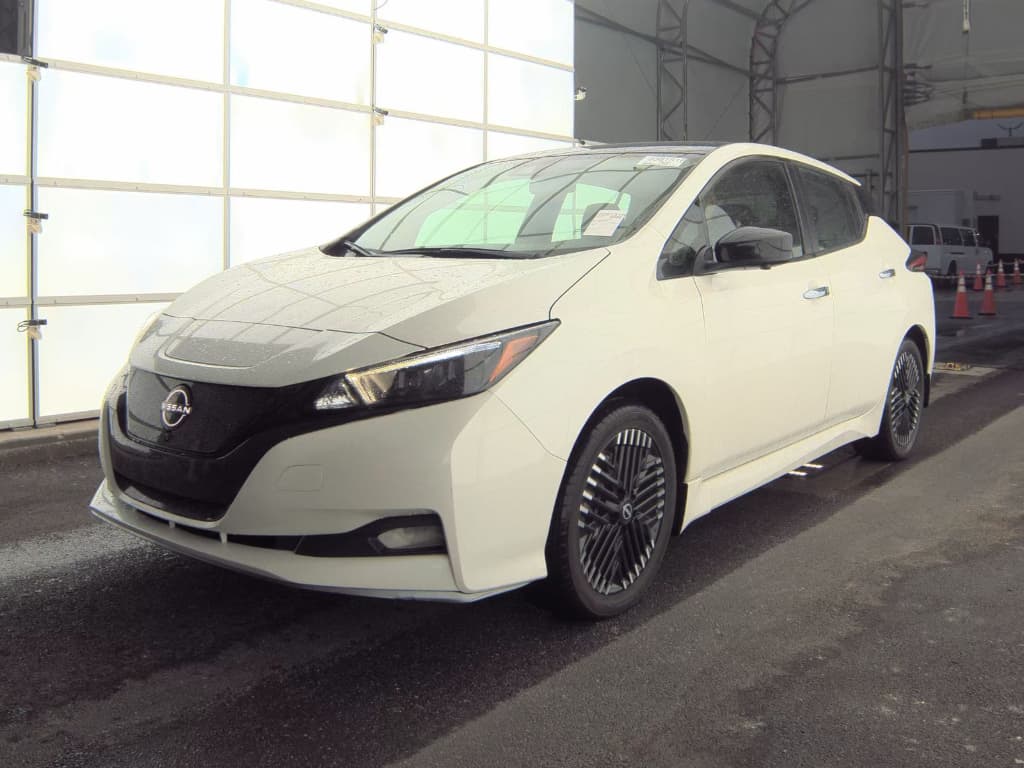
Second-gen Nissan Leaf (2018+)
Improved battery chemistry and better thermal management have made newer Leafs **far more resilient** than early cars. Still modest range, but much better degradation profiles when cared for.
Hyundai Ioniq 5 & Kia EV6
These E‑GMP-platform cousins pair strong reliability scores with **excellent thermal management** and fast charging. On the used market, they’re standout all‑rounders.
Tesla Model 3 & newer Model Y
While not perfect, they’ve generally proven **more reliable than early Model S/X**, especially post-refresh years. Parts and independent support are growing quickly.
You’ll also find solid used EVs in models like the Kia Niro EV, Chevrolet Bolt EUV (post-recall), and some mainstream-brand crossovers. This is where shopping with objective data, battery state of health, DC fast‑charging history, error codes, matters more than nameplate gossip.
How to spot a trouble-prone used EV
No matter which badge is on the nose, certain patterns should make you slow down or renegotiate. Here’s how to separate an honest, aging EV from a future headache.
Used EV red-flag checklist
1. Battery state of health is weak or unknown
If the seller can’t show a recent, credible battery health report, you’re flying blind. Look for capacity well above **70%** and range consistent with the odometer and climate history, or knock the price down accordingly.
2. Long history in extreme heat without records
EVs that have lived in hot regions without a record of battery replacements or thermal-system service deserve extra scrutiny, especially early Leafs and other air‑cooled packs.
3. Recall work is incomplete or unclear
Cars involved in high‑profile battery recalls (Chevy Bolt EV, Hyundai Kona Electric, others) should have **clear paperwork** showing pack replacements or software fixes. No proof, no deal.
4. Multiple owners in a short time
Rapid owner turnover, especially in the first few years, can signal unsolved issues. Ask why each owner sold and look for consistent stories backed by service records.
5. Charging behavior seems odd
If the car charges unusually slowly, refuses certain DC fast chargers, or throws charging errors during your test, walk away. These gremlins can be expensive to exorcise.
6. Out-of-warranty with luxury-level complexity
An older luxury EV with expired coverage and lots of air suspension, soft-close doors, and giant screens is glamorous until you get the repair bills. Either secure a strong warranty or buy something simpler.
Where Recharged changes the story
How Recharged helps you avoid a bad used EV
Buying a used EV shouldn’t feel like a science project. Recharged exists to make the process simpler, more transparent, and frankly less nerve‑racking, especially if you’re worried about landing on one of the least reliable used electric cars.
What you get when you buy (or sell) through Recharged
Tools and support designed specifically for used EVs, not just warmed-over gas-car processes.
Recharged Score Report
Every vehicle includes a **Recharged Score** with verified battery health, range estimates, and charging behavior. You see exactly how the pack is aging before you commit.
EV‑specialist support
Our advisors live and breathe EVs. They’ll walk you through model‑specific quirks, like early Model S MCU issues or Leaf degradation, so you know what’s normal and what’s not.
Flexible buying & selling options
Instant offer or consignment when you sell, financing and trade‑in when you buy, and **nationwide delivery** or an in‑person visit to our Richmond, VA Experience Center.
Ready to find your next EV?
Browse VehiclesIf you already own a higher‑risk EV on this list and are thinking about getting out while the getting’s good, Recharged can also help you **sell or trade** without having to explain EV minutiae to every tire kicker who shows up with more opinions than expertise.
FAQ: Least reliable used electric cars to avoid
Common questions about unreliable used EVs
Bottom line: should you fear buying a used EV?
You don’t need to fear used EVs, but you do need to respect them. A handful of the least reliable used electric cars are overrepresented in horror stories, especially early luxury flagships and first‑wave compact EVs with fragile batteries. If you walk onto a random lot and buy the cheapest EV with a plug, you’re gambling with five‑figure components.
If, instead, you focus on **proven platforms**, insist on **battery health data**, understand **charging limitations**, and adjust your expectations by model year, a used EV can be one of the smartest buys in today’s market. That’s the entire premise behind Recharged: pairing transparent diagnostics and fair market pricing with EV‑savvy support so you can enjoy the quiet, quick, low‑maintenance side of electric driving, without inheriting someone else’s headaches.