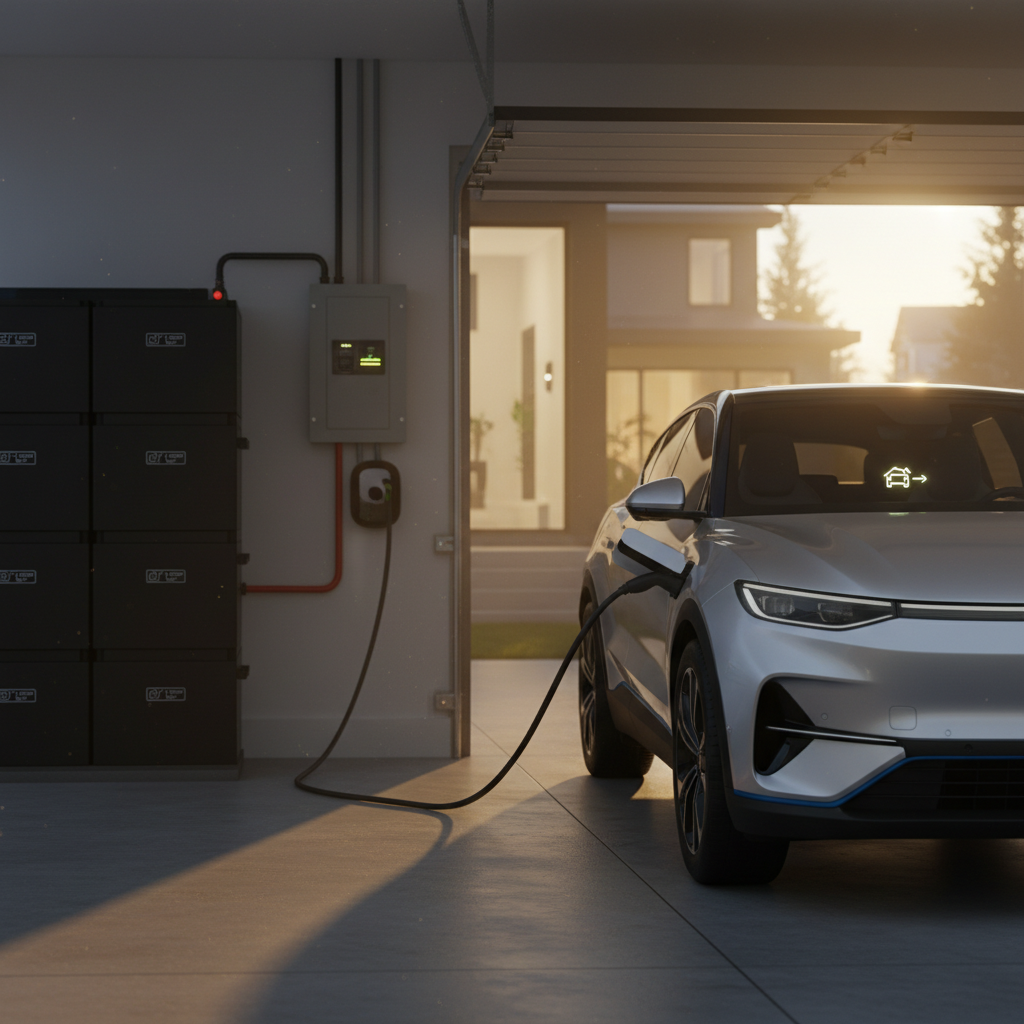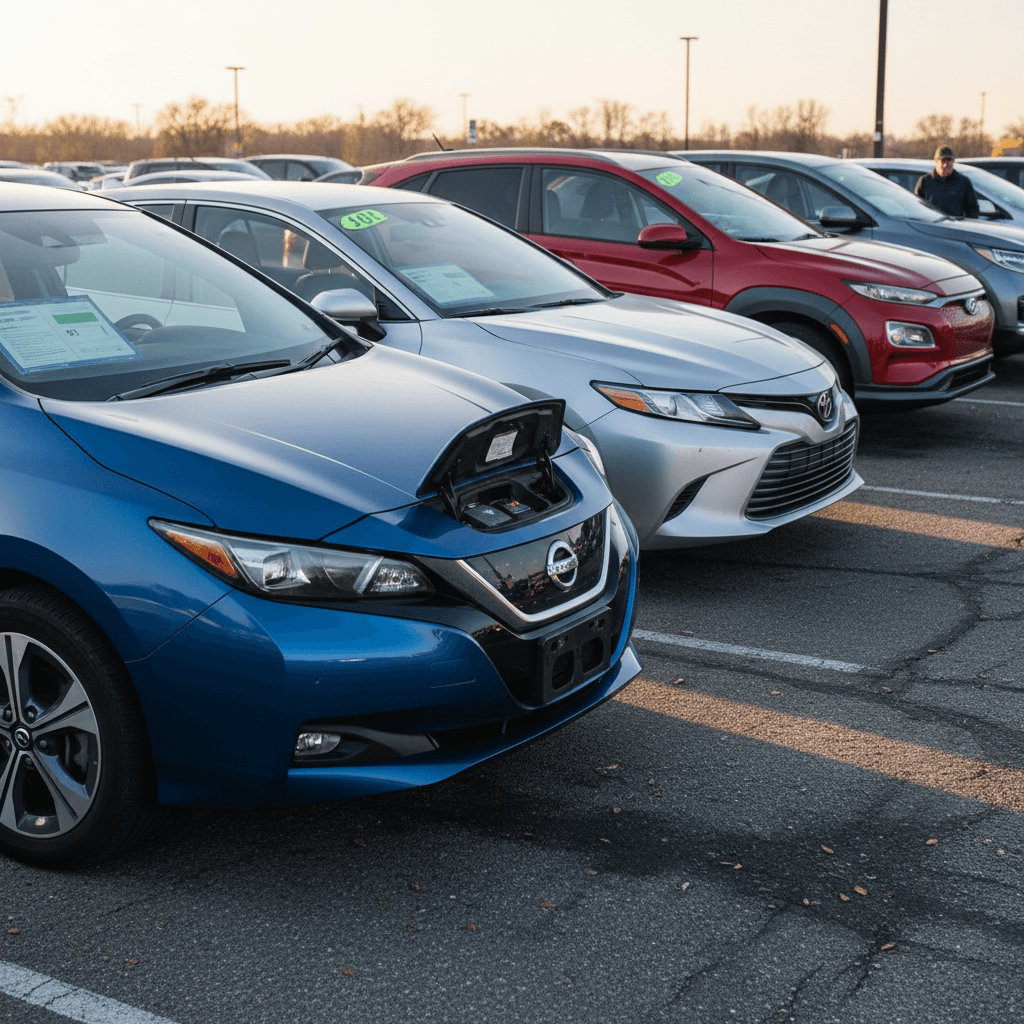
If you’re hunting for the least expensive used cars in 2025, the picture has flipped. For the first time, used electric vehicles are often cheaper than comparable gas cars to buy, and almost always cheaper to run. That doesn’t mean every bargain on the lot is a good idea, especially if you don’t have clear information about battery health, depreciation, and long‑term costs.
A turning point for cheap used cars
Why “least expensive” doesn’t just mean sticker price
When you search for the least expensive used cars, the instinct is to sort by lowest price and work upward. The problem is that a low price can be a mirage. A $9,000 gas car with poor reliability and 20 mpg can cost you more over five years than a $16,000 used EV with cheap electricity and minimal maintenance.
- Upfront price: the number on the listing or window sticker.
- Financing cost: interest you’ll pay over the life of the loan.
- Fuel or electricity: gas at $3–4/gal versus home charging that can feel like paying $1.50–$2.90/gal equivalent, depending on your utility rates.
- Maintenance & repairs: oil changes, belts, exhaust systems, and transmissions for gas cars vs. tires, brake fluid, and cabin filters for EVs.
- Depreciation: how much value the car will lose while you own it.
- Incentives & tax credits: in many states, used EVs can still qualify for point‑of‑sale or tax incentives if they meet price and income limits.
Think in total cost of ownership
Used EVs vs gas cars: which are actually cheaper now?
Used car affordability snapshot, 2024–2025
Aggressive price cuts on new EVs, richer incentives, and nervous first owners have combined to make late‑model electric cars unusually cheap on the used market. Average used EV prices fell below used gas cars in 2024, and that gap has stayed open into 2025 even as overall used‑car prices have stabilized.
Why depreciation is your friend
Cheapest used EV models to watch for
Talk to used‑EV specialists or scan listings nationwide and a pattern emerges: a handful of models consistently show up among the least expensive used cars, often well under $25,000 and sometimes under $15,000 depending on age and mileage. Below are broad patterns rather than hard prices, because your local market, mileage, and trim level all matter.
Commonly cheap used EVs and what to know
These models frequently show up at the lower end of used EV pricing while still offering reasonable range and running costs.
| Model | Typical used pricing band* | Realistic range (mi) when new | Key strengths | Key watch‑outs |
|---|---|---|---|---|
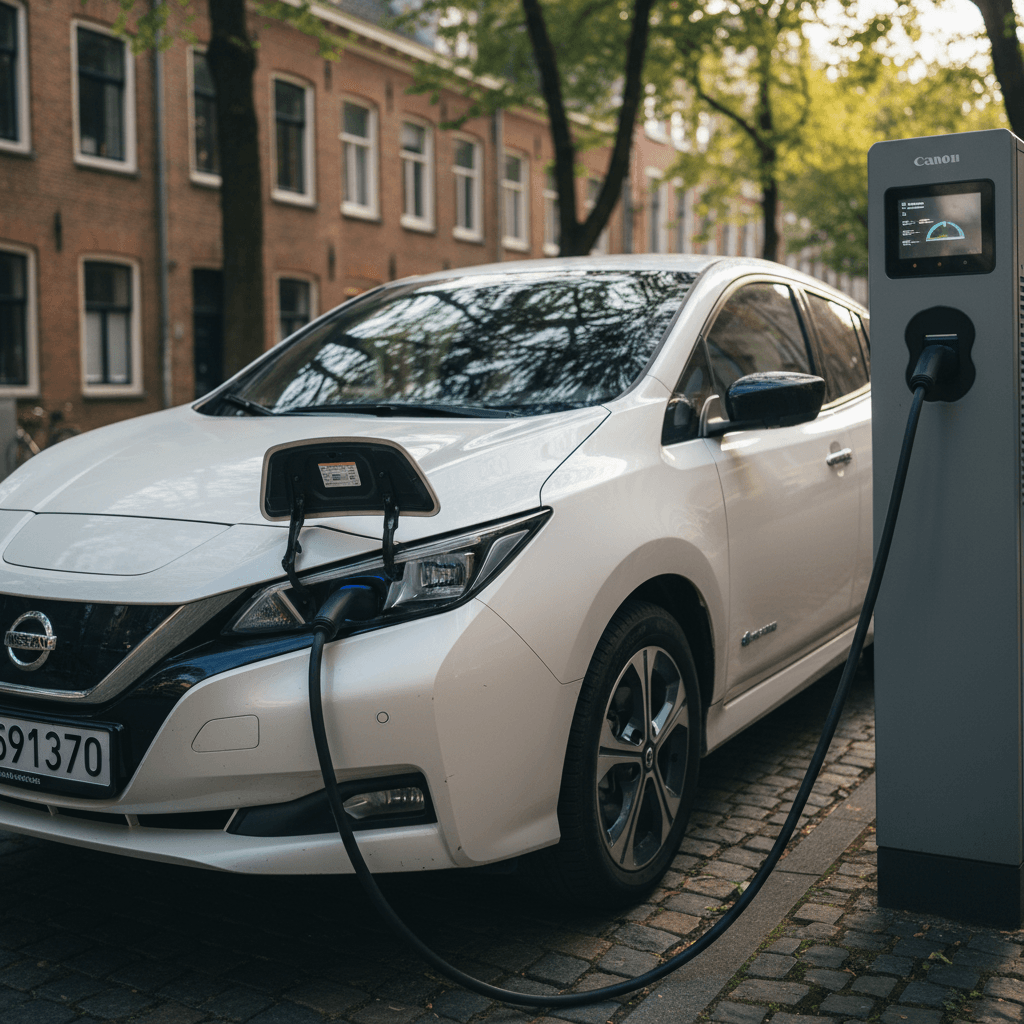
| Nissan Leaf (2018–2022) | Often among the cheapest EVs; older examples can dip into the low teens | 150–215 | Abundant supply, simple to drive, great city car | Early years lack active battery cooling; hot‑climate cars may have significant degradation. |
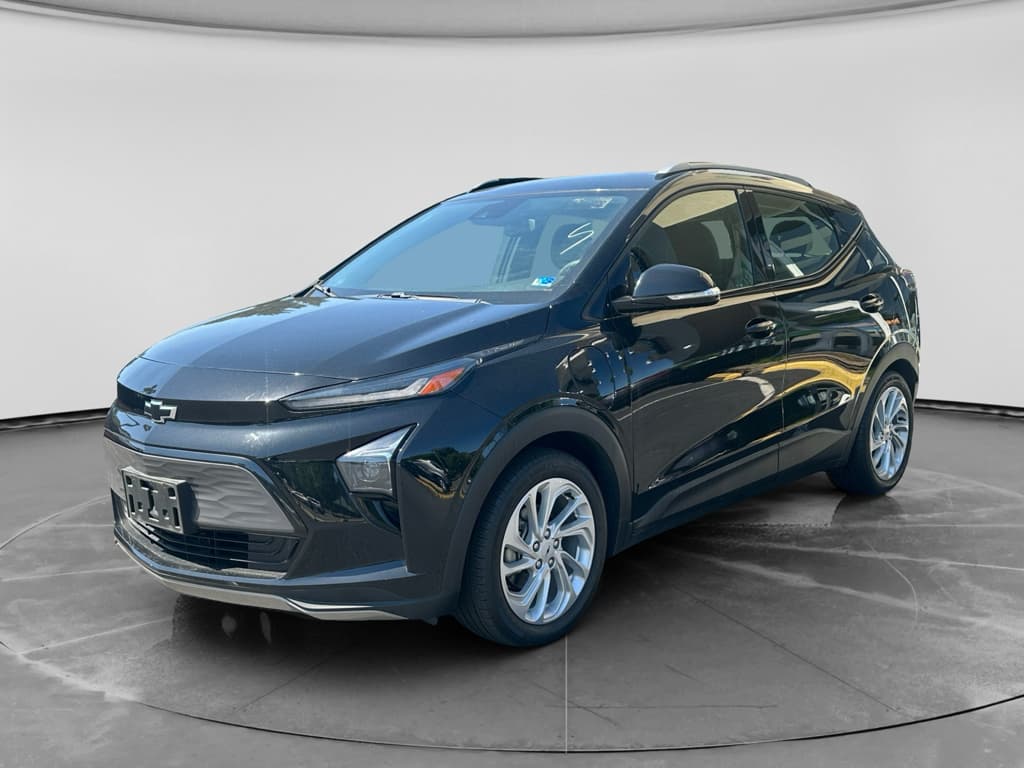
| Chevrolet Bolt EV (2017–2022) | Frequently below mainstream used‑car average | 238–259 | Strong range per dollar, compact size but usable cabin | Battery recall history, verify recall work and get a clear battery‑health readout. |
| Hyundai Kona Electric (2019–2022) | Regularly appears with big price drops vs original MSRP | 258 | Efficient, good range, relatively modern safety tech | Limited fast‑charging speed; watch for pack degradation on high‑mileage cars. |
| Kia Niro EV (2019–2022) | Tends to undercut many crossovers on price | 239 | Practical hatchback body, decent range | As with Kona, modest DC fast‑charge speed and varying dealer EV expertise. |
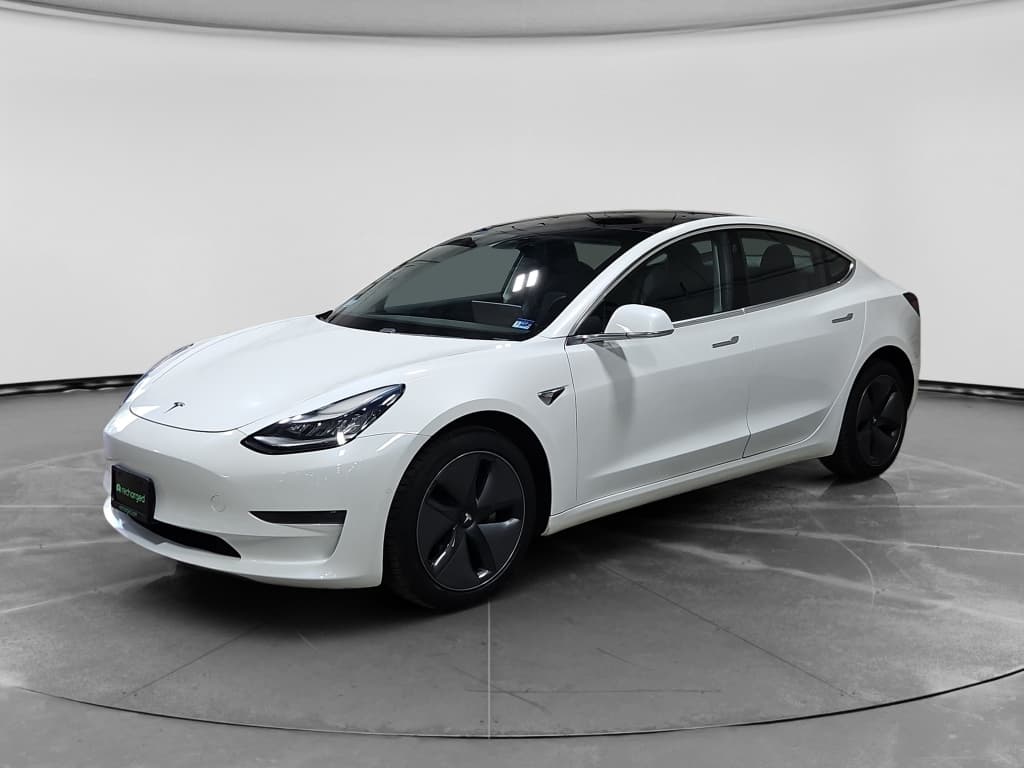
| Older Tesla Model 3 (2018–2020) | Increasingly available in the low‑$20k range in many markets | 220–322 | Supercharger access, tech‑heavy interior, strong efficiency | Build‑quality variation, out‑of‑warranty repairs can be pricey; check for prior accidents. |
| First‑gen compliance cars (Fiat 500e, Spark EV, Soul EV) | Often well under $15k where sold | 80–120 | Ultra‑cheap local commuters if range fits your life | Limited range, older tech, and patchy parts support in some regions. |
Always confirm battery health and remaining warranty before buying any used EV, especially older examples with smaller packs.
Don’t chase the absolute rock‑bottom price
Gas and hybrid models that are still true bargains
Not everyone can make an EV work today, maybe you rent and can’t easily charge at home, or you regularly drive through charging deserts. In those cases, certain gas and hybrid models still rank among the least expensive used cars to own, even if their sticker prices aren’t the absolute lowest on the page.
Gas & hybrid picks that punch above their price
Think reliable, efficient, and boring, in the best possible way.
Compact Japanese sedans
Examples: Toyota Corolla, Honda Civic, Mazda3.
They’re rarely the very cheapest sticker price, but:
- Excellent reliability records
- Good fuel economy (30–40 mpg)
- Cheap parts and widespread service
Non‑plug‑in hybrids
Examples: Toyota Prius, Camry Hybrid, Honda Accord Hybrid.
You’ll often pay more upfront than an older compact, but:
- Outstanding fuel economy
- Hybrid systems with strong track records
- Lower brake wear thanks to regeneration
Base‑trim crossovers
Examples: Honda CR‑V, Toyota RAV4, Hyundai Tucson (gas or hybrid).
If you need space and all‑weather traction, a basic trim with a smaller engine can be cheaper to own than a heavily optioned SUV at the same price.
Where gas still makes more sense
How to compare two “cheap” used cars the right way
Step 1: Normalize your time horizon
Pick a realistic ownership period, often 5 years, and compare costs over that window. That keeps you from over‑weighting one‑time fees or short‑term incentives.
Step 2: Estimate annual miles
Most Americans drive around 12,000–15,000 miles a year. If you’re far above or below that, update your math; fuel and charging costs scale with mileage.
Step 3: Build a simple cost model
- Payment: monthly payment × 60 months.
- Fuel/energy: miles per year ÷ mpg × gas price, or kWh/100 miles × electricity price.
- Maintenance: use conservative estimates, gas cars usually cost more here.
- Resale value: subtract an estimated resale price at year 5 based on typical depreciation.
You don’t need to be perfect; you just need to be consistent across vehicles.
Use online calculators, but sanity‑check the inputs
Battery health: the missing variable in cheap used EVs
For gas cars, you already know what to look for: service records, leaks, strange noises. With EVs, the single biggest variable is battery health. A pack that’s lost 10–15% of its capacity is normal and usually manageable. One that’s lost 30–40% can turn a promising bargain into a car you’re scared to drive on the freeway.
- State of health (SoH): usually expressed as a percentage of original capacity.
- Rapid DC fast‑charging history: constant ultra‑fast charging in hot climates can accelerate degradation.
- Climate history: EVs that spent their life in very hot regions tend to age faster if they lack active thermal management.
- Warranty coverage: many EVs carry 8‑year/100,000‑mile battery warranties; knowing how much is left matters.
The riskiest way to buy a cheap used EV
This is exactly the gap Recharged is built to close. Every car on the platform comes with a Recharged Score Report that includes verified battery diagnostics, real‑world range expectations, and fair‑market pricing data. Instead of guessing whether that “cheap” EV is actually a good deal, you see its battery health and pricing in black and white before you commit.
Financing and planning your real budget
A car can be both “least expensive” and still out of reach if the monthly payment doesn’t fit your budget. The way you finance often matters as much as the final price. Shorter terms lower interest but raise payments; longer terms make payments manageable but keep you in debt longer and can trap you in negative equity on fast‑depreciating models.
Smart financing moves for budget‑focused buyers
These apply whether you pick an EV or gas car.
Know your payment ceiling
Back into your car budget from your monthly cash flow. A common guideline is to keep total car costs (payment, insurance, energy) under 10–15% of take‑home pay.
Once you know your comfortable payment, you can work with lenders, or platforms like Recharged that offer financing, to choose term length and price points.
Shop financing, not just cars
Pre‑qualification lets you see rates and terms without impacting your credit. With that information in hand, you can compare vehicles on an apples‑to‑apples basis and avoid last‑minute surprises in the checkout flow.
Recharged lets you finance and complete your purchase entirely online, with EV‑savvy specialists available if you want a human walk‑through.
Leverage depreciation without getting burned
Checklist: buying the least expensive used car that isn’t a money pit
10‑step checklist for value‑first used‑car shoppers
1. Define your real use case
List your daily mileage, typical trips, climate, and access to home or workplace charging. If you can’t charge conveniently, an EV may not be the least expensive choice, yet.
2. Set a monthly cost target
Decide how much you’re willing to spend per month including payment, insurance, and fuel/electricity. Use this as a hard guardrail when you shop.
3. Shortlist segments, not just models
Are you comparing compact sedans, small crossovers, or hatchbacks? Staying within one segment makes it easier to compare total cost of ownership across gas, hybrid, and EV options.
4. Research model‑specific issues
Before you fall in love with a low price, search for known problems: battery recalls, transmission failures, rust issues, or infotainment problems.
5. For EVs, demand a battery report
Whether you’re buying from a dealer or online, ask for a formal battery‑health report. With Recharged, that information is included in the Recharged Score Report for every EV.
6. Check remaining factory warranty
Confirm how much bumper‑to‑bumper and battery warranty is left by date and mileage. An extra year of coverage can be worth thousands in peace of mind.
7. Inspect or get a third‑party inspection
For gas cars, a pre‑purchase inspection is non‑negotiable. For EVs, you still want a basic mechanical and cosmetic check even if the battery looks good.
8. Model your 5‑year costs
Estimate payments, fuel/electricity, basic maintenance, and resale. Even a rough spreadsheet will reveal whether the cheaper sticker price car is really the better deal.
9. Consider resale and demand
Some models are cheap now because demand is collapsing; others are cheap because supply has finally caught up. Look up typical resale values so you’re not surprised later.
10. Don’t rush the paperwork
Before signing, re‑check fees, add‑ons, and loan terms. Digital platforms like Recharged let you review everything at your own pace instead of under pressure at a desk.
FAQ: least expensive used cars and EVs
Frequently asked questions
Bottom line: should your next “cheap” used car be an EV?
If you peel back the sticker prices and look at the full picture, the least expensive used cars in 2025 increasingly wear an electric badge. Rapid depreciation, calmer demand, and better‑understood technology have turned late‑model EVs into unusually strong values, provided you buy with clear eyes about battery health, charging access, and your real driving needs.
For drivers with a driveway or garage outlet and typical daily mileage, a carefully chosen used EV can deliver lower monthly costs than a seemingly cheaper gas car. For others, a reliable compact gas or hybrid model is still the rational choice. The important thing is that you’re not guessing. With tools like transparent battery reports, nationwide search, and EV‑savvy support from companies like Recharged, you can turn today’s market turbulence into an opportunity to own more car, and spend less, over the years you actually drive it.