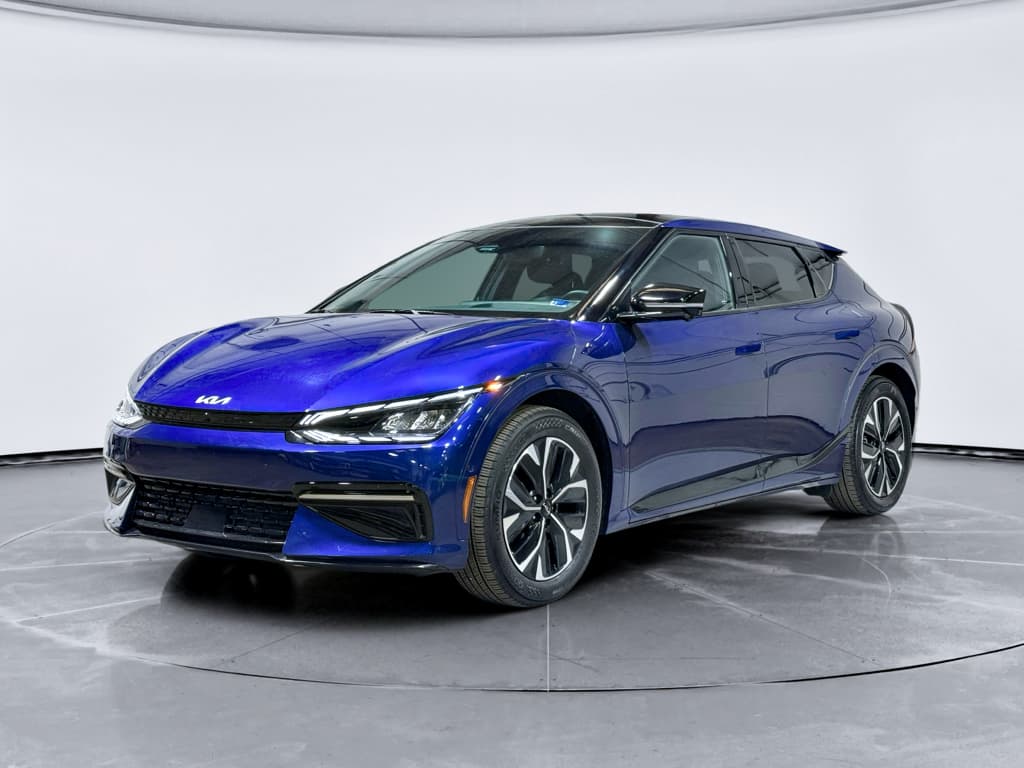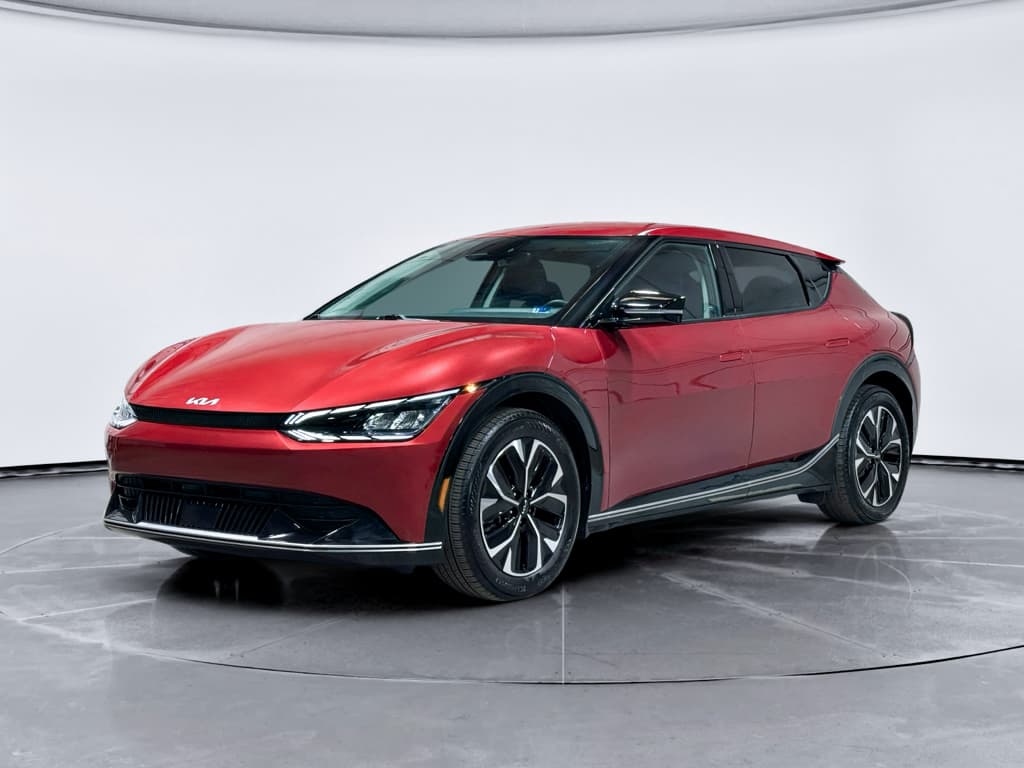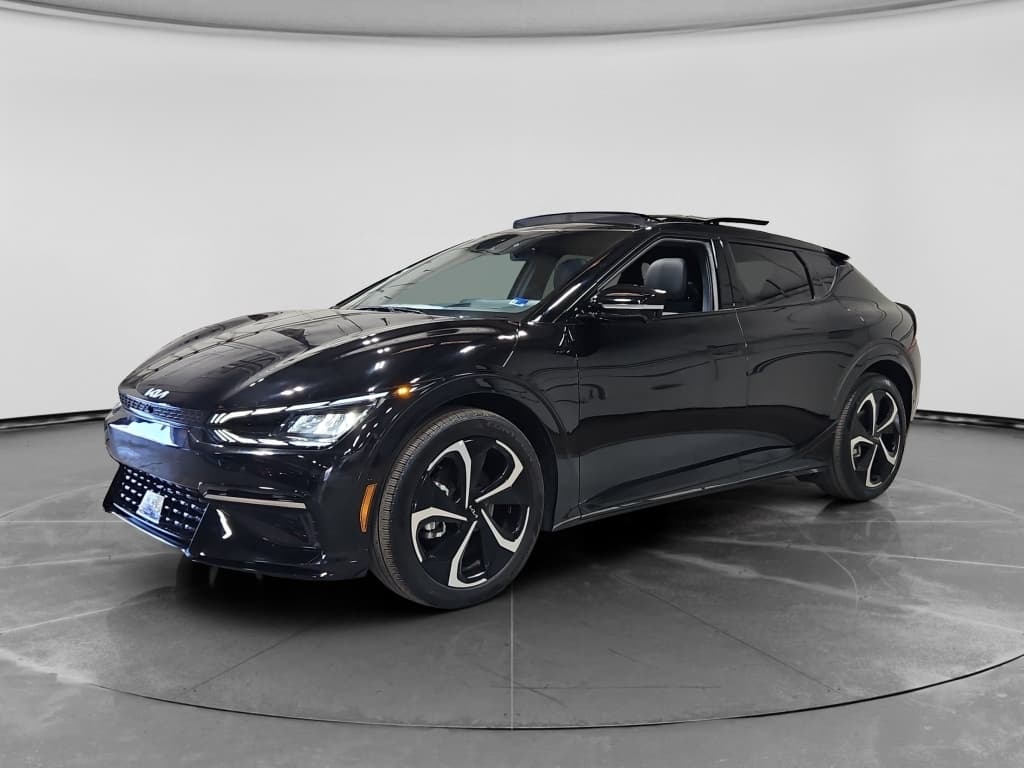
You’re standing on the Kia lot, keys in hand, staring down a choice that feels oddly philosophical: the practical Sportage hybrid or plug‑in hybrid, or the sleek, fully electric Kia EV6. The sticker prices are one thing. But you’re really wondering: over five or six years of actual life – commuting, Costco runs, soccer, maybe a road trip or three – which one costs less to own?
What we mean by “total cost of ownership”
Kia Sportage vs EV6: who this guide is for
This guide is aimed squarely at U.S. shoppers trying to decide between a compact Kia crossover with a gas engine involved somewhere in the mix (Sportage gas, hybrid, or plug‑in hybrid) and the all‑electric Kia EV6. If you: - Drive 10,000–15,000 miles a year - Plan to keep the vehicle at least 4–6 years - Are EV‑curious but not necessarily ready to swear off fuel pumps forever …then the next few minutes will give you a grounded, numbers‑driven look at which Kia is likely to be cheaper for you to own.
Two very different buyers, one brand
Most Sportage vs EV6 decisions fall into one of these camps
Pragmatic crossover shopper
You want space, all‑weather confidence and a monthly payment that doesn’t require a second job. You like the idea of better mpg, but you don’t want to think about charging infrastructure every time you leave town.
Early‑majority EV adopter
You’re ready for an EV if it pencils out. Quiet, quick, tech‑forward appeals to you, and you’re willing to plan charging stops, especially if it means lower running costs and skipping oil changes forever.
Models we compare and key assumptions
To make this manageable, we’ll anchor on representative trims that a lot of buyers end up cross‑shopping. Real‑world deals will vary, but these get us close enough to see the shape of the math.
Representative trims used in our cost comparison
Approximate MSRPs and EPA efficiency figures for popular Sportage and EV6 configurations, 2024–2025 model years.
| Model | Powertrain | Drivetrain | Approx. MSRP (new) | Efficiency |
|---|---|---|---|---|
| Kia Sportage LX | 2.5L gas | FWD | $28,500 | 28 mpg combined |
| Kia Sportage Hybrid EX | 1.6T hybrid | FWD | $33,000 | 43 mpg combined |
| Kia Sportage Plug‑In Hybrid X-Line | 1.6T PHEV | AWD | $40,000 | 35 mpg combined + ~34 mi electric range |
| Kia EV6 Light RWD | 77 kWh BEV | RWD | $42,600 | ~26 kWh/100 mi (≈129 MPGe) |
| Kia EV6 Wind/GT‑Line RWD | 77 kWh BEV | RWD | $47,000+ | ~27–28 kWh/100 mi |
Numbers are rounded; always check current window sticker for exact figures.
These are estimates, not offers
Key assumptions behind our cost math
1. Annual mileage: 12,000 miles
That’s close to the current U.S. average. If you drive significantly more (say 20,000+ miles a year), the EV6’s fuel savings will matter even more.
2. Fuel prices: $3.50 per gallon
We’ll use a conservative national average for regular gas over the next few years. If you live somewhere chronically expensive, tilt the math further toward efficiency.
3. Electricity cost: $0.16 per kWh at home
That’s a reasonable all‑in residential rate in many U.S. markets. If you have cheaper overnight EV rates, the EV6 gets dramatically cheaper per mile.
4. Mix of home vs public charging
We’ll assume 80% of EV6 charging happens at home (cheaper), 20% at public fast chargers (more expensive). City dwellers who rely heavily on DC fast charging will see higher running costs.
5. Time horizon: 5 years
Enough time for fuel, electricity and maintenance to dwarf the one‑time sting of taxes and fees, but short enough that battery longevity isn’t the dominant story.
Purchase price and incentives
On paper, the Sportage is the budget play, the EV6 the aspirational tech object. But EV‑specific incentives and used‑market dynamics complicate that picture in interesting ways.
New purchase: Sportage advantage (mostly)
Walk into a dealership for a brand‑new vehicle and you’ll usually see:
- Sportage gas starting under $30,000.
- Sportage Hybrid trims in the low‑to‑mid $30,000s.
- Sportage Plug‑In Hybrid cresting around $40,000 when nicely equipped.
- Kia EV6 typically in the low‑to‑mid $40,000s for mainstream trims, more for GT‑Line or GT.
So yes, the EV6 generally asks five figures more on MSRP than a basic Sportage gas model, and several thousand more than a Sportage Hybrid.
Incentives: EV6 can claw money back
Depending on how you buy, the EV6 may qualify for federal and state incentives that the Sportage gas and hybrid models don’t. Because rules have shifted, a lot of EV6 shoppers are getting the savings via lease incentives or dealer‑applied credits instead of the classic tax credit form.
On a used EV6, some buyers may also qualify for a used clean‑vehicle credit, while used Sportage hybrids typically don’t. Those are the sorts of edge cases that can take a $5,000 upfront gap and shave it closer to $2,000–$3,000.
Where Recharged comes in on price
Fuel vs. electricity cost per mile
This is where the EV6 quietly sharpens a knife. Gasoline is volatile and taxed; electricity is boringly consistent, especially at home. Let’s translate that into cost per mile with our working assumptions.
Energy cost per mile: Sportage vs EV6 (estimates)
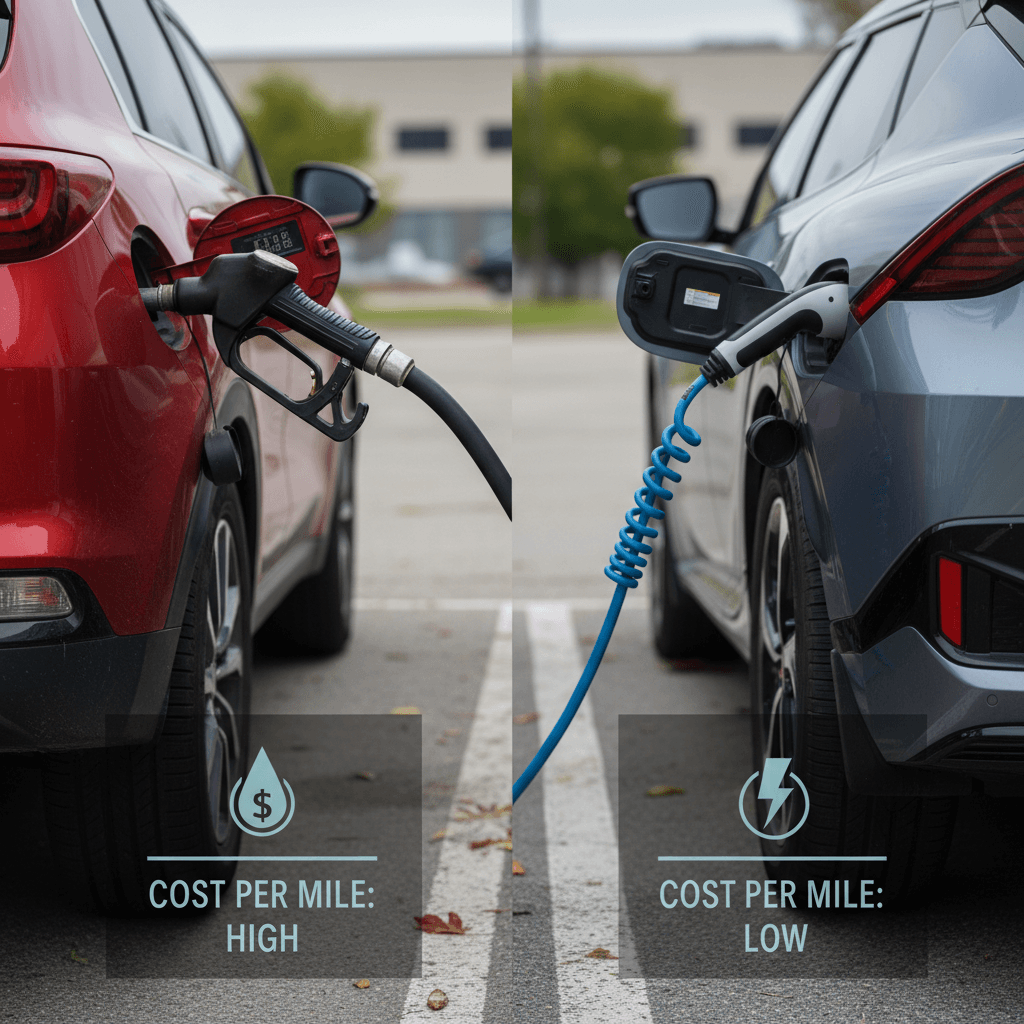
If you mostly drive around town and charge at home, the EV6 can cut your energy cost per mile roughly in half versus a gas‑only Sportage, and still beat the Sportage Hybrid. The plug‑in Sportage is the chameleon; run it like a hybrid and it behaves like one, plug it diligently and your first 20–30 miles of the day are effectively an EV6 with a smaller battery.
The DC fast‑charging asterisk
Maintenance and repairs
Under the skin, the EV6 is almost aggressively simple: no engine oil, no timing chains, no transmission fluid services, no exhaust system to rust. The Sportage, hybrid or not, carries the full complexity of an engine plus, in the case of the hybrid and PHEV, an electric system on top.
Where the EV6 saves you money in the shop
Fewer moving parts, fewer line items on the invoice
No oil changes
Typical Sportage drivers will do 2–3 oil changes a year. Over five years, that’s easily $800–$1,000, more if you use the dealer’s coffee‑and‑Wi‑Fi pricing.
Brakes last longer
The EV6 leans heavily on regenerative braking, so pads and rotors last dramatically longer than on a gas SUV routinely shedding speed with friction.
Fewer wear items overall
No spark plugs, fuel pumps, or exhaust hardware to corrode. You’re mainly budgeting for tires, cabin filters, wiper blades, and occasional brake service.
Hybrids and PHEVs sit in the middle. Compared with a plain Sportage, you’ll save on brake wear because of regen, but you still have an engine that needs adult supervision. Over five years and 60,000 miles, a realistic rule of thumb looks like this:
Five‑year maintenance cost ballpark (60,000 miles)
Illustrative averages assuming routine servicing at a mix of dealer and independent shops.
| Model | 5‑yr Maintenance Estimate | Why |
|---|---|---|
| Sportage gas | $2,000–$2,500 | Regular oil changes, transmission service, brakes, fluids, filters |
| Sportage Hybrid | $1,700–$2,200 | Fewer brake jobs thanks to regen, but same engine maintenance |
| Sportage PHEV | $1,800–$2,300 | Hybrid‑like wear; engine runs less if you plug in often |
| Kia EV6 | $900–$1,400 | Mainly tires, brake fluid, cabin filters and occasional alignment |
Actual costs vary by region and driving style, but the EV6’s relative advantage tends to hold.
Battery health anxiety is real
Insurance, taxes and fees
Insurance companies love a good spreadsheet even more than TCO nerds do. They’ll look at the EV6’s higher replacement cost and expensive battery pack and, in many zip codes, nudge premiums above an equivalent Sportage. Compact crossovers are the actuarial comfort food of the industry.
- In many markets, Sportage gas and hybrid will be the cheapest to insure, with the PHEV slightly higher thanks to its higher sticker price.
- The EV6 often costs more to insure than a Sportage, especially in areas where parts and qualified EV repair shops are scarce.
- Registration, property taxes and other fees that scale with vehicle value will usually be higher for an EV6 than for an entry‑level Sportage.
How to compare insurance apples‑to‑apples
Depreciation and resale value
Depreciation is where the accounting gets emotional. Compact crossovers like the Sportage are the vanilla ice cream of the used market: they move. EVs, meanwhile, have been buffeted by fast‑moving tech and shifting incentives, which has pushed some used EV prices down harder than expected over the last few years.
Sportage: the safe bet
Historically, a compact, non‑luxury crossover like the Sportage will keep a healthy chunk of its value, especially in hybrid form. Families want them, ride‑share drivers want them, and they don’t scare off buyers with charging requirements.
Over five years, it’s reasonable to expect a well‑kept Sportage Hybrid to retain perhaps 45–55% of its original value, depending on mileage and market conditions.
EV6: higher initial hit, but a floor forms
Early EV6s took a sharper initial depreciation hit as new incentives and price cuts reshaped the market. That’s painful if you bought new in year one, but potentially great if you’re buying used in 2026 and beyond.
As battery longevity data accumulates and more drivers want EVs without new‑car prices, used EV6 values are likely to stabilize. If you buy one already discounted on the used market, your personal depreciation hit can be very manageable.
An EV like the Kia EV6 is a bit like a smartphone that also happens to be your entire transportation budget. The tech moves quickly, but so does demand once the price is right.
Five‑year total cost of ownership estimates
Let’s pull the threads together. These are illustrative five‑year TCO estimates for a typical U.S. driver putting 12,000 miles a year on the odometer and financing a portion of the purchase. They’re meant to show relative differences, not promise exact dollar amounts.
Illustrative 5‑year total cost of ownership (60,000 miles)
Includes purchase price (minus rough incentives), fuel or electricity, maintenance, insurance differences and estimated depreciation.
| Model | 5‑yr TCO Estimate | Notes |
|---|---|---|
| Sportage gas | $48,000–$50,000 | Lowest purchase price, highest fuel spend, moderate maintenance |
| Sportage Hybrid | $46,000–$48,000 | Slightly higher upfront, noticeably lower fuel costs |
| Sportage PHEV | $47,000–$49,000 | Higher price, potentially excellent fuel savings for short commutes |
| Kia EV6 (home‑heavy charging) | $45,000–$48,000 | Higher upfront, but strong savings on energy and maintenance |
| Kia EV6 (DC‑fast‑charge heavy) | $49,000–$52,000 | Public charging erodes cost advantage; convenience is the main benefit |
All figures are rounded ballparks; your numbers will swing based on local fuel/electric rates, incentives and driving habits.
The short version
Daily usage: which Kia actually fits your life?
Money isn’t everything. The wrong car at the right price is still the wrong car. So let’s talk about what living with each of these actually feels like, beyond the spreadsheets.
Match the Kia to your lifestyle
Where Sportage shines, where EV6 makes the magic happen
Highway warrior, rural routes
If your life is 200‑mile freeway days, remote ski resorts and spotty charging, a Sportage Hybrid or PHEV is the low‑anxiety choice. You still get improved fuel economy and a modern interior, but your refueling infrastructure is literally everywhere.
Urban/suburban commuter
If you have a driveway or garage and your longest regular trip is under 150 miles, the EV6 is tailor‑made. You leave home every morning with a “full tank,” rarely visit a gas station, and your cost per mile quietly undercuts your neighbors’ crossovers.
Charging and plugging in (or not)
The Sportage gas and hybrid don’t ask anything new of you: fill up when you’re low. The Sportage PHEV adds one job, plug in overnight, if you want the promised fuel savings.
The EV6, meanwhile, asks you to think about charging like you think about your smartphone. Top up at home, use public chargers as needed. For some drivers, that’s seamless. For others, that’s a psychological hurdle.
Driving experience and refinement
If you care about how a car feels, the EV6 is in another league. Immediate torque, whisper‑quiet cruising, and a more planted, rear‑drive‑biased chassis make it feel like the designer car from a nicer future.
The Sportage is perfectly competent, especially in hybrid form, but you’re aware of the engine and transmission doing their thing. It’s a good appliance; the EV6 is an appliance that occasionally makes you giggle.
Used‑market angle: where Recharged fits in
On the used market, the plot twists again. Early‑run EV6s that took a big depreciation hit when new can now be bought for roughly the money of a newer Sportage Hybrid or PHEV. That’s where the total‑cost equation gets genuinely interesting.
Why a used EV6 through Recharged can beat a newer Sportage
The TCO pendulum swings toward used EVs when you de‑risk the battery
Verified battery health
Every EV6 at Recharged comes with a Recharged Score report that measures real battery health, so you’re not guessing about range loss the way you might on a random classified listing.
Fair, transparent pricing
Because EVs have depreciated faster than many gas SUVs, you can often buy a used EV6 with a lower monthly cost than a brand‑new Sportage, once you factor in fuel and maintenance.
EV‑savvy support and delivery
Recharged specializes in EVs: we help you understand home charging, trade‑in your old car, arrange financing, and even deliver your EV6 nationwide, all from a fully digital buying experience.
Ready to find your next EV?
Browse VehiclesNot just EV6: hybrid and PHEV shoppers welcome
FAQ: Kia Sportage vs Kia EV6 total cost of ownership
Common questions about Sportage vs EV6 ownership costs
Bottom line: how to choose between Sportage and EV6
Viewed strictly through a five‑year calculator, the Kia EV6 is not the extravagant splurge it first appears to be. For drivers who can charge at home and rack up average or above‑average miles, it can match or beat the total cost of owning a Kia Sportage Hybrid or PHEV, while delivering a genuinely more refined, future‑proof driving experience.
The Sportage line fights back with lower upfront prices, familiar fueling and excellent efficiency in hybrid and plug‑in form. It’s the safer, simpler choice for road‑trip die‑hards, apartment dwellers without charging, and anyone allergic to change.
If you’re EV‑curious but cost‑conscious, the smartest move is often to let someone else pay for the first few years of depreciation. A used Kia EV6 with a verified Recharged Score battery‑health report and transparent pricing can slide neatly into Sportage money while costing less to run. And if, after all this, your gut still says Sportage, you can use Recharged to get a strong offer on your current car, then drive your new hybrid or PHEV knowing exactly what you’re trading off.
In other words: don’t just stare at the window sticker. Take five minutes to run the whole‑ownership math. Whether you end up in a Sportage or an EV6, that’s how you turn a shiny new Kia into a smart long‑term decision.