You’re choosing between a Kia Sportage Plug‑In Hybrid (PHEV) and a full battery‑electric SUV like the Kia EV6 or the upcoming EV5. On paper they look similar in size and price, but they live very different lives in the real world. This guide breaks down Kia Sportage PHEV vs full EV so you can decide which is actually better for your commute, budget, and charging situation.
PHEV vs full EV in one sentence
Sportage PHEV vs full EV: quick overview
At-a-glance: Sportage PHEV vs full EV
If you regularly drive long distances and don’t have reliable fast charging on your routes, the Sportage PHEV’s gas engine is a big safety net. If your driving is mostly local and you can charge at home, a full EV will usually be cheaper to run, simpler to maintain, and quieter to drive, and it future‑proofs you as gas prices and emissions rules tighten.
Who should lean PHEV vs EV?
How the Kia Sportage PHEV works in real life
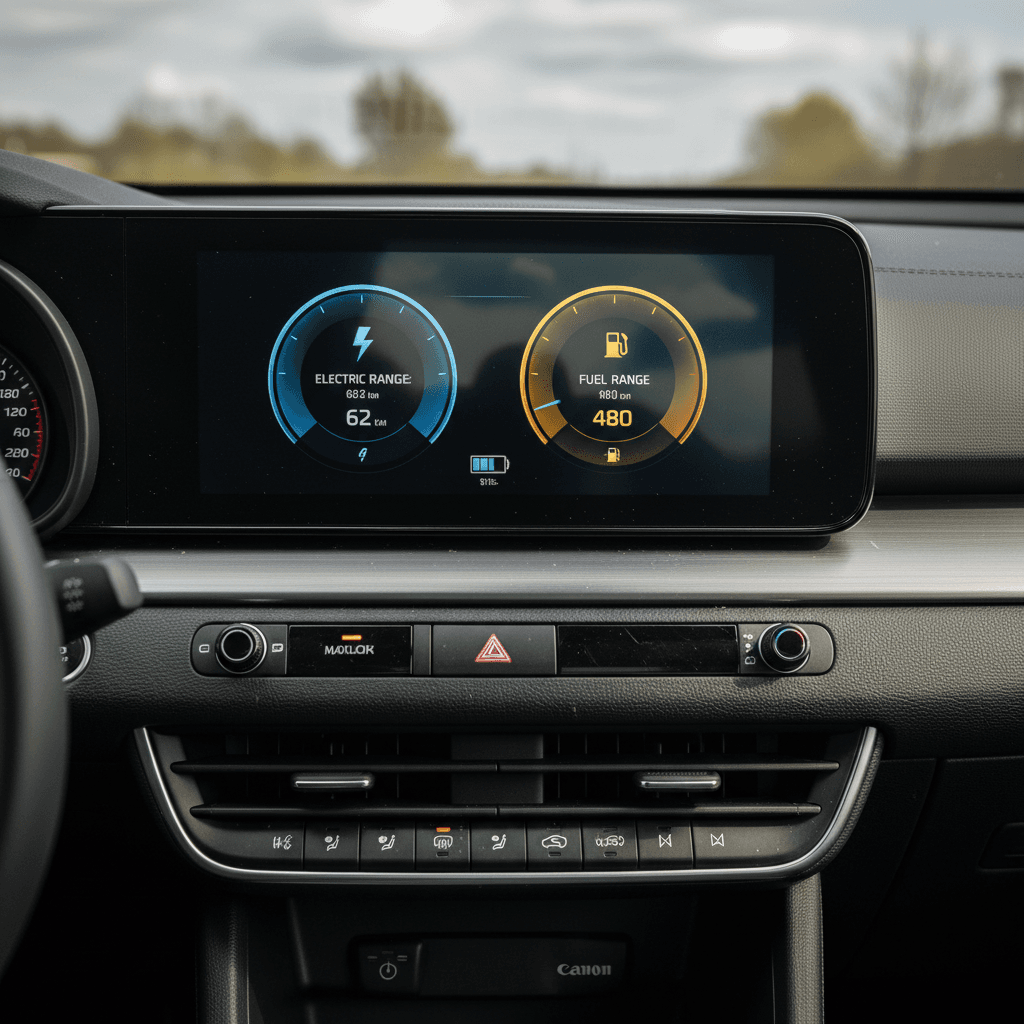
The Kia Sportage PHEV combines a turbocharged 1.6‑liter gas engine with an electric motor and a roughly 13.8 kWh battery. In current U.S. models, that battery delivers an estimated around 34 miles of electric‑only range when fully charged. After that, the Sportage behaves like a conventional hybrid, automatically blending gas and electric power so you can just keep driving and refuel at any gas station.
- Level 2 charging at home typically refills the Sportage PHEV battery in a few hours, easily done overnight.
- If your daily round‑trip is under ~30–35 miles and you plug in consistently, you can do most local driving on electricity alone.
- On longer trips you don’t have to plan around chargers, you simply burn gas like a regular compact SUV.
PHEV owners’ trap
What counts as a “full EV” in the Kia lineup?
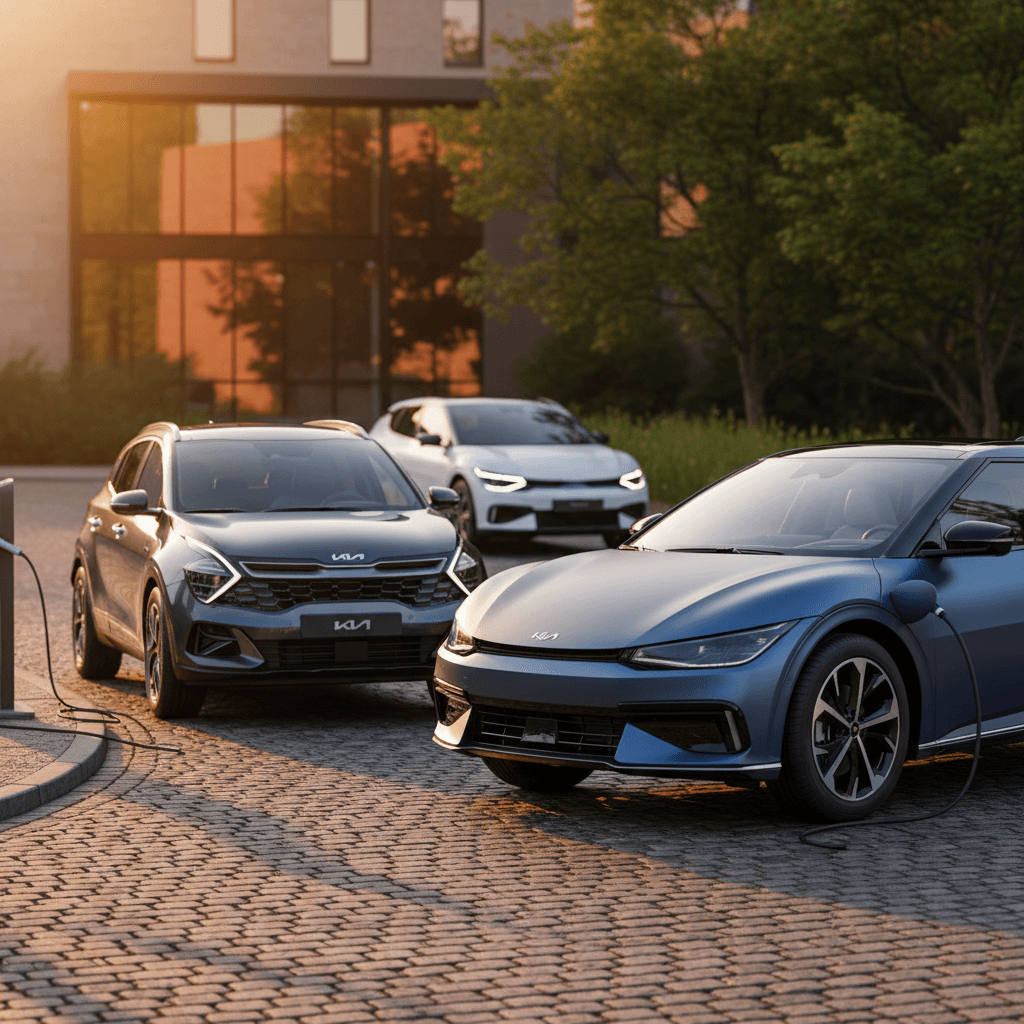
Kia doesn’t sell a fully electric Sportage today, but it offers several similar‑size battery‑electric SUVs that shoppers cross‑shop with the Sportage PHEV:
Full EVs that often compete with the Sportage PHEV
These are the models many buyers compare against the Sportage Plug‑In Hybrid.
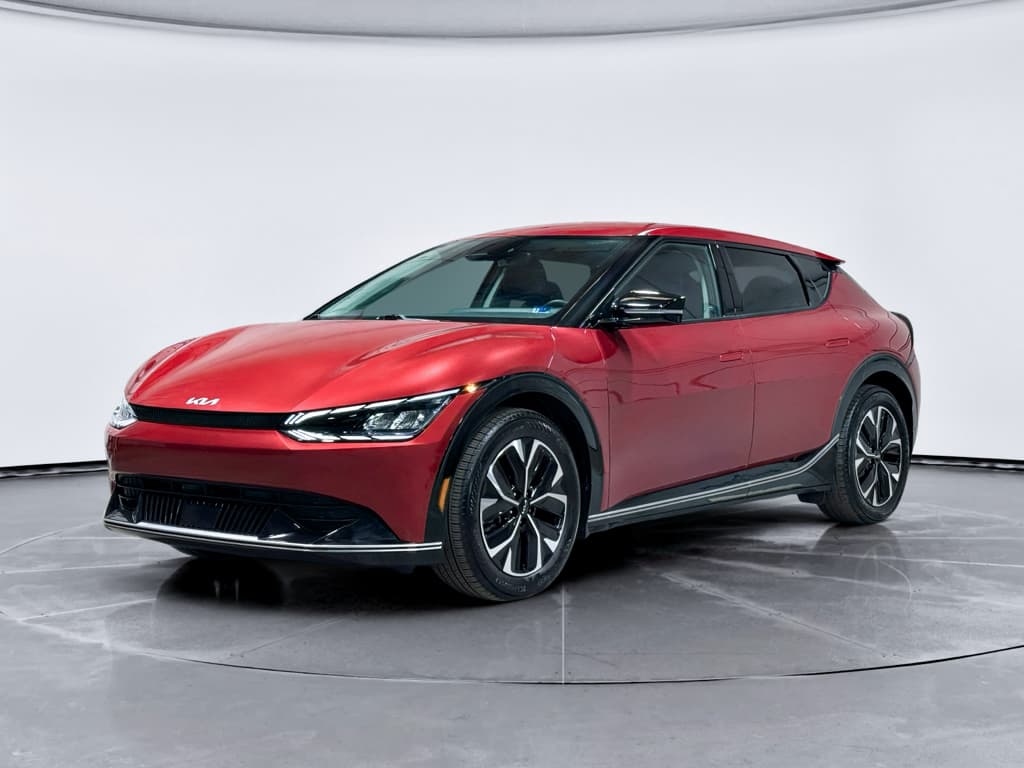
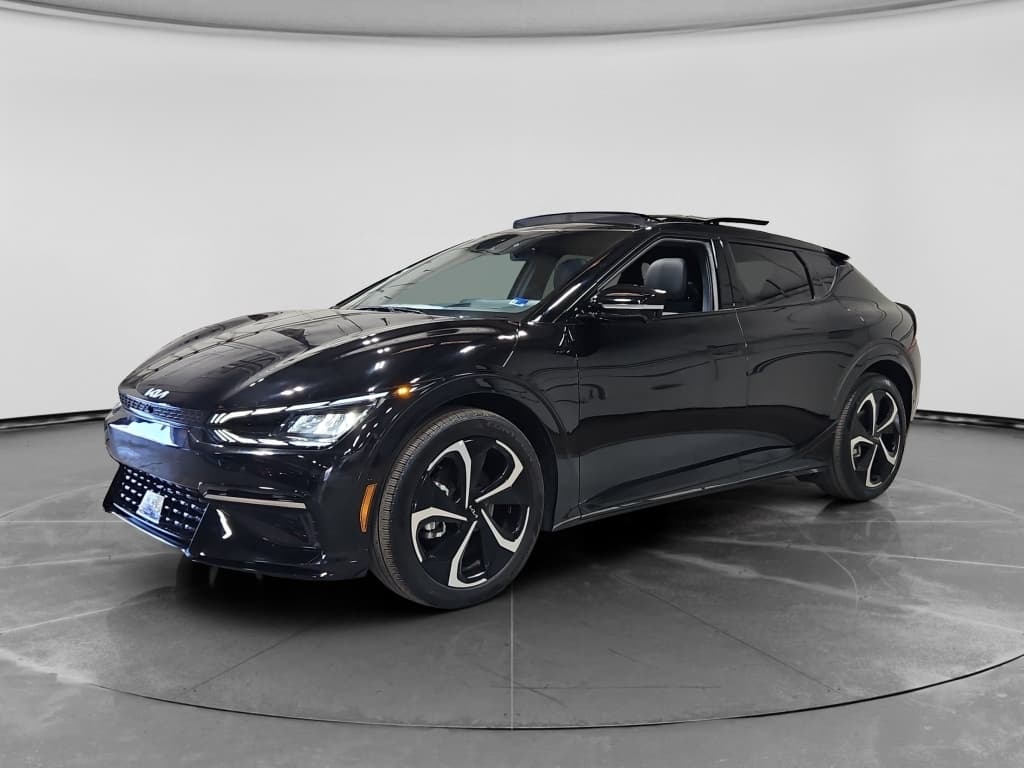
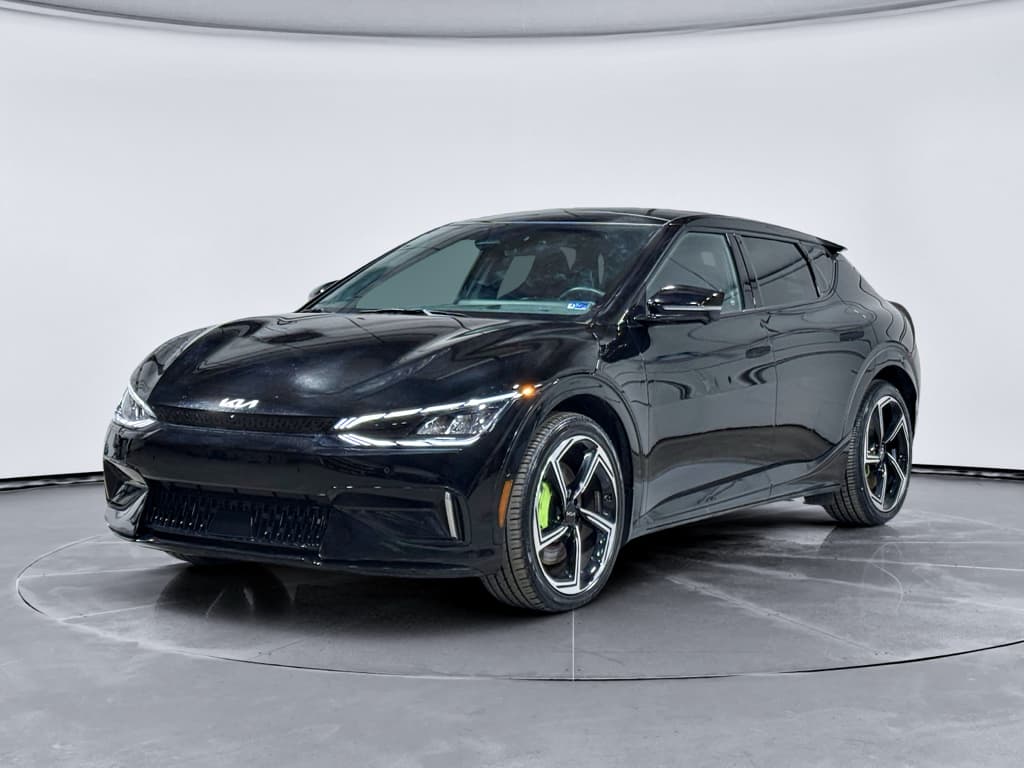
Kia EV6
Sleek, slightly lower crossover with long‑range battery options and strong performance. Great if you care about efficiency and style more than maximum cargo space.
Kia EV5 (upcoming US model)
A boxier compact SUV positioned as a sort of "electric Sportage." Expect practical space, family‑friendly packaging, and competitive range at a mid‑$40k price point.
Kia EV9
Three‑row electric SUV. Bigger and pricier than a Sportage, but relevant if you’re thinking long‑term EV ownership and need space for a larger family.
When shoppers ask, “Kia Sportage PHEV vs full EV, which is better?” they’re usually weighing that plug‑in Sportage against something like an EV6 or EV5, similar footprint, very different powertrains.
Side‑by‑side: Sportage PHEV vs full EV SUVs
Sportage PHEV vs typical Kia full EV
How the Sportage Plug‑In Hybrid roughly compares with a similar‑size Kia EV for a U.S. buyer.
| Feature | Kia Sportage PHEV | Kia EV6 / EV5-type EV |
|---|---|---|
| Power source | Gas + plug‑in electric | Electric only (no gas) |
| Electric-only range | ≈34 miles (when full) | 250–300+ miles per charge, depending on battery |
| Long-trip refueling | Gas stations everywhere | Fast chargers; must plan routes more carefully |
| Home charging need | Helpful, not mandatory | Highly recommended for easy ownership |
| Fuel costs | Very low if charged often; can be high on gas only | Usually lower per mile than gas, especially off‑peak |
| Maintenance | Hybrid + engine service (oil, filters, etc.) | Simpler: no engine, fewer fluids and wear items |
| Towing | Typically similar to gas Sportage when fueled | Can tow well, but range drops faster while towing |
| Emissions | Low if driven mostly on electricity, but still burns gas | Zero tailpipe emissions; best choice for air quality |
Exact numbers vary by trim and model year; this is a directional comparison.
Range and commuting: which actually goes farther?
Daily commuting realism
If your one‑way commute is under 15–20 miles and you can charge at home, a Sportage PHEV can cover nearly all of that on electricity. Once you’re home, you plug in and start the cycle again. For many people, gasoline becomes something you burn only on occasional weekends.
A full EV with 250+ miles of range goes much farther per charge, but in practice you’ll likely plug in every night anyway, just like your phone.
Weekend and holiday driving
On a 400‑mile road‑trip, the Sportage PHEV is easy: run your electric miles at the start, then treat it like any other compact SUV and refuel in a few minutes.
In a full EV, that same trip means planning fast‑charge stops. That’s increasingly doable across interstates, but it’s less convenient if most of your routes run through rural areas or cold‑weather regions where range can drop in winter.
Range rule of thumb
Charging experience: home, public, and road‑trip
Charging is where the ownership experience really diverges. The Sportage PHEV prefers home charging but doesn’t require it to function. A full EV is at its best when you own or reliably share a Level 2 charger and can leave the house every morning with a nearly full battery.
Home charging: PHEV vs full EV
What daily life looks like when you plug in at home.
Sportage PHEV at home
- Level 2 charger refills the small pack in a few hours.
- You can also manage with a standard 120V outlet if your daily miles are low.
- If you forget to plug in, you just burn more gas the next day.
Full EV at home
- Level 2 is strongly recommended; 120V is usually too slow for larger packs.
- You set a charge limit (say 80%) and wake up with a "full" car every morning.
- No gas backup, so home charging is the backbone of the ownership experience.
Public charging reality check
Ownership costs: fuel, maintenance, and resale
A plug‑in Sportage and a full Kia EV might have similar sticker prices, but how you drive and charge them will determine which is cheaper to own. Think in terms of fuel cost per mile and maintenance over 5–10 years.
Fuel and electricity costs
- Sportage PHEV: If you run almost all local trips on electricity, you’ll see fuel bills closer to those of a small EV. If you rarely plug in, highway fuel economy will look more like a modestly efficient gas SUV.
- Full EV: Electricity is usually cheaper per mile than gasoline, especially if your utility offers off‑peak or EV‑specific rates. Over tens of thousands of miles, those pennies per mile add up.
Maintenance and repairs
- PHEV: You have an engine, transmission, exhaust, and all the traditional wear items, plus the complexity of a hybrid system. Oil changes and engine maintenance don’t vanish; they’re just less frequent if you drive a lot of electric miles.
- EV: No engine, no oil, fewer moving parts. You’ll still maintain tires, brakes, coolant for the battery and drive unit, but routine service is simpler and usually cheaper.
Where used EVs shine
Ready to find your next EV?
Browse VehiclesIncentives and tax credits: PHEV vs EV
Federal and state incentives have shifted rapidly since 2023. As of 2026, many imported plug‑in hybrids, including most Kia models, have limited or no access to the new‑EV federal tax credit when purchased outright, though leasing can sometimes pass along a credit through the finance company. Full EVs face similar rules, with only select Kia models qualifying in a given year.
- Brand‑new Sportage PHEVs have not consistently qualified for a full $7,500 federal clean‑vehicle credit under the latest content and assembly rules.
- Some used Sportage PHEVs and used full EVs may qualify for a separate used‑EV tax credit, subject to income, price caps, and model year rules.
- State and local rebates can favor full EVs over PHEVs, especially in states pushing hard on emissions reductions.
Always verify current incentives
Battery health and long‑term reliability
Both the Sportage PHEV and Kia’s full EVs use lithium‑ion battery packs covered by long warranties, typically around 8 years/100,000 miles for EV components. The question isn’t whether batteries work, they clearly do, but how their health affects range and resale value over time.
PHEV battery vs EV battery over time
How each ages and what matters when you shop used.
Sportage PHEV battery
- Smaller pack, usually cycled more shallowly.
- Even with some degradation, you still have a gas engine for backup.
- Loss of a few EV miles is annoying but not a trip‑ender.
Full EV battery
- Larger pack, more sensitive to fast‑charging habits and climate.
- Degradation directly reduces your usable driving range.
- Health is a major factor in used EV pricing and value.
How Recharged de-risks used batteries
How to choose: a simple decision checklist
Decision checklist: is the Sportage PHEV or a full EV better for you?
1. Map your real daily miles
Look at a typical week, not your wildest road‑trip. If most days are under 35 miles round‑trip, both the Sportage PHEV and a full EV can cover your routine easily, if you plug in.
2. Be honest about home charging
Can you install a 240V Level 2 charger where you park? If yes, a full EV becomes much more attractive. If no, and that won’t change soon, the Sportage PHEV’s gas backup may save you headaches.
3. Think about road‑trips
Do you frequently drive 300–600 miles in a day? A PHEV keeps those trips simple with fast gas refills. If long trips are rare, occasional DC fast‑charge stops in a full EV may be no big deal.
4. Consider fuel and maintenance costs
If driven mostly on electricity, either option can slash fuel bills. But only full EVs eliminate oil changes, spark plugs, and many engine‑related repairs entirely.
5. Look at incentives and your budget
Run the numbers on any <strong>used‑EV or used‑PHEV tax credits</strong> you may qualify for, plus state and utility rebates. A used Kia EV at a strong price, especially with a tax credit, can undercut a newer Sportage PHEV on total cost of ownership.
6. Decide how much you want to future‑proof
Regulations and city policies are slowly favoring zero‑emissions vehicles. If you plan to keep your next car 8–10 years, a full EV is the more future‑proof choice in many metro areas.
FAQ: Kia Sportage PHEV vs full EV
Frequently asked questions
Bottom line: which is better for you?
If you prioritize maximum flexibility with minimal lifestyle change, the Kia Sportage PHEV is hard to fault. It drives like a familiar compact SUV, sips gas when you remember to plug in, and shrugs off long trips without a second thought about chargers. For many households with only one vehicle, that peace of mind is worth a lot.
If you can install home charging and your driving is mostly local, a full EV is usually the smarter long‑term play. You’ll likely spend less per mile on energy, skip engine‑related maintenance entirely, and enjoy a quieter, smoother driving experience that’s already tuned for the future of transportation.
The real win is matching the powertrain to your life instead of the spec sheet. At Recharged, our EV specialists can walk you through real‑world range needs, local incentives, and battery‑health data from our Recharged Score Reports so you can confidently pick between a Sportage PHEV, a Kia EV, or another used electric SUV that fits your budget and your driveway.