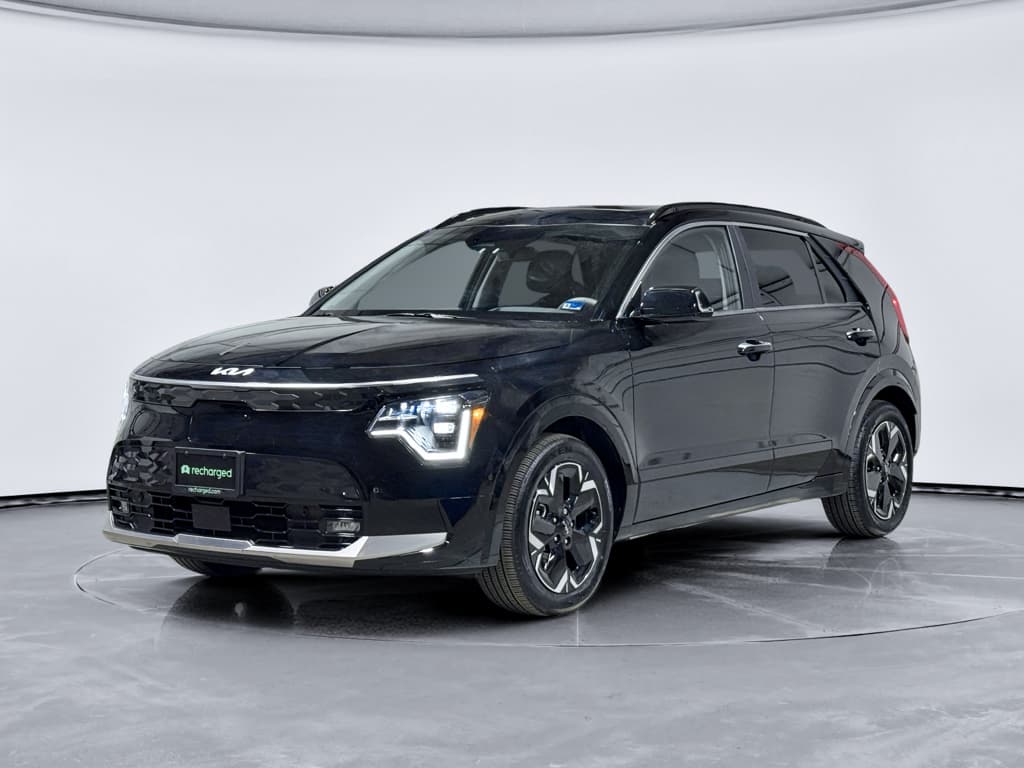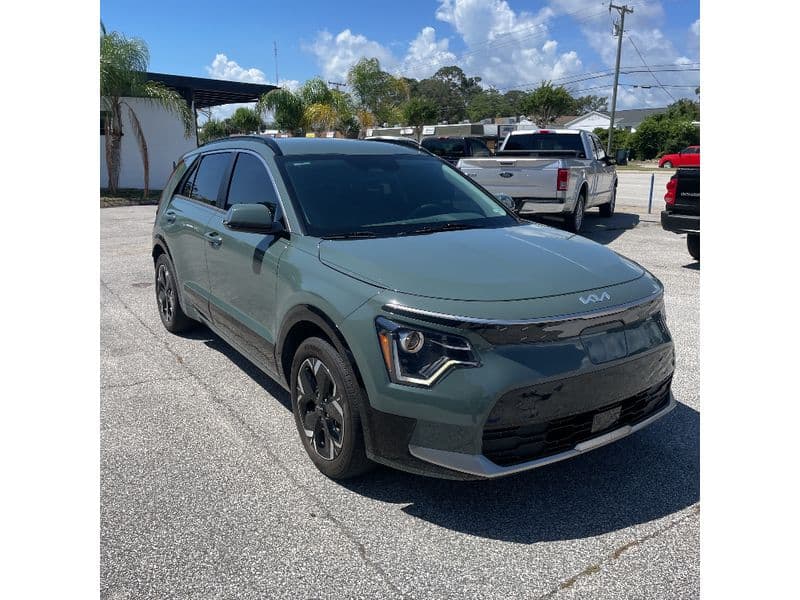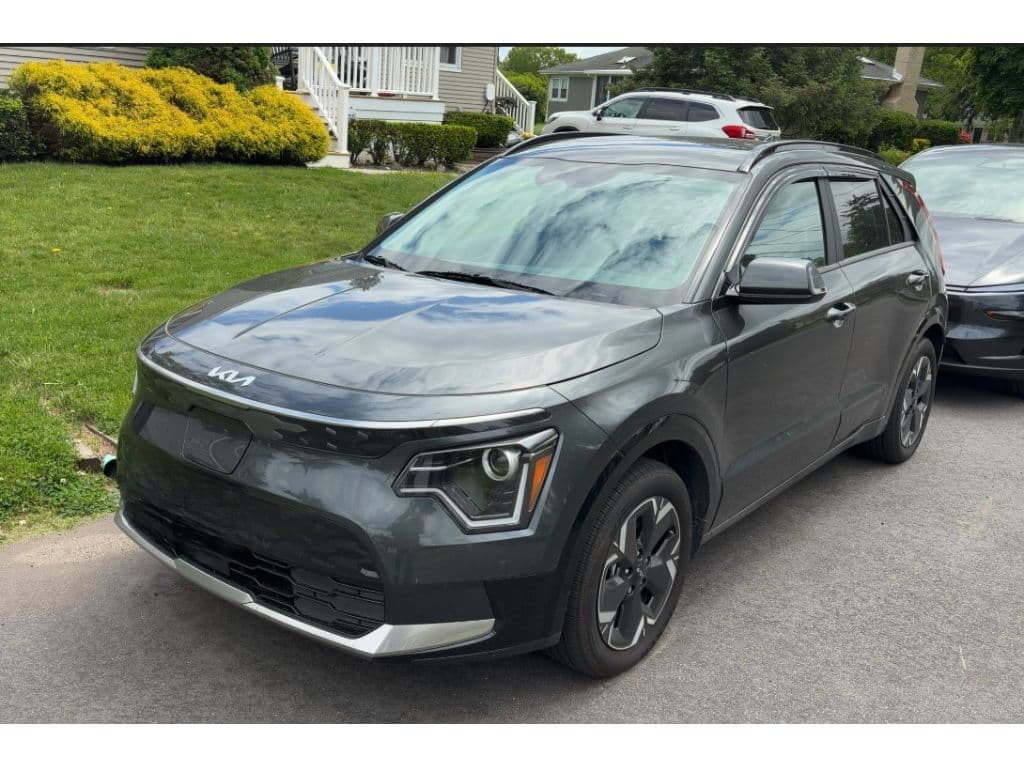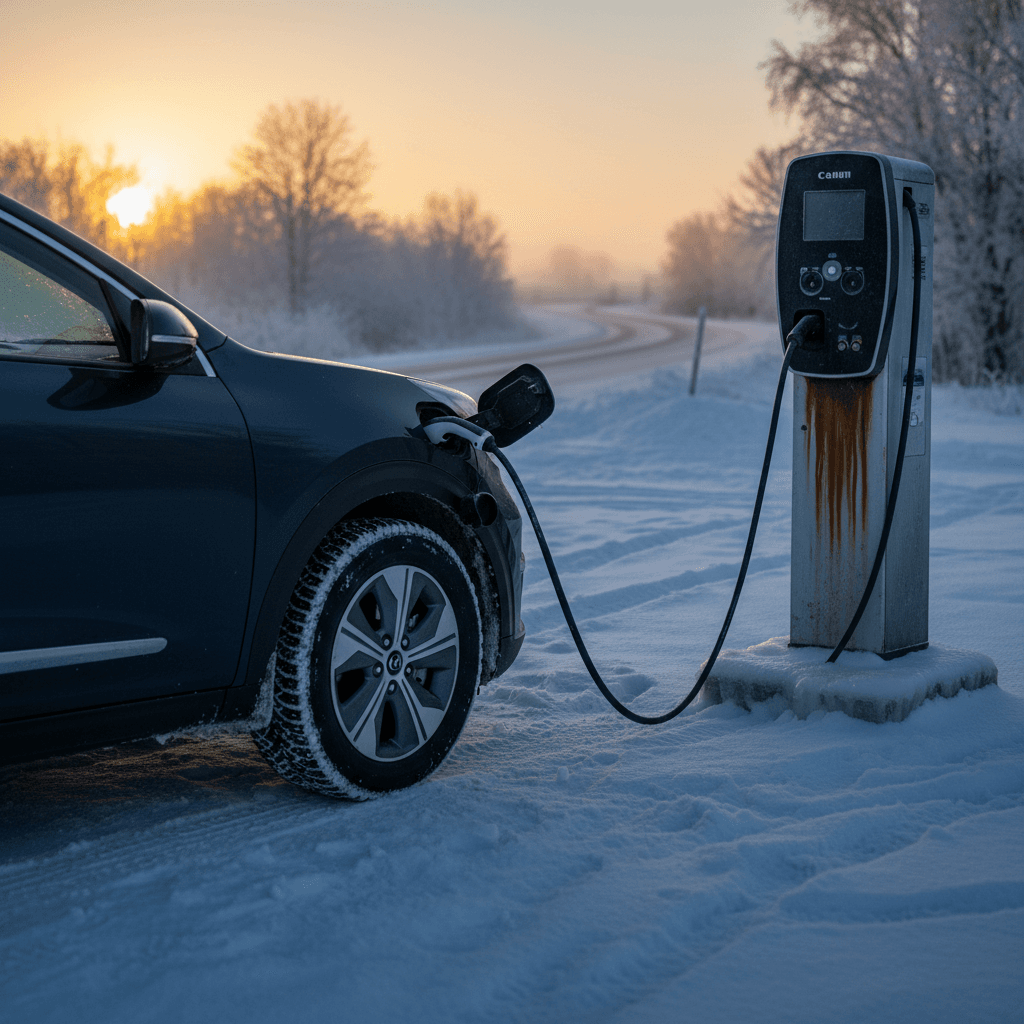
If you live with real winters and you’re eyeing a Kia Niro EV, or already own one, you’re probably wondering: what **Kia Niro EV winter range loss percentage** should you actually plan for? Automaker range ratings are based on mild-weather lab tests, not a Tuesday morning commute on a 15°F January day with the heat cranked.
Quick takeaway
Kia Niro EV winter range loss at a glance
Typical Kia Niro EV winter range impact
Those percentages are based on patterns you see over and over in cold‑weather EV testing and owner reports, including the Kia Niro EV. Exact loss depends on temperature, speed, terrain, and how you use your climate controls, but if you budget on **25–30% less range in winter**, you’ll rarely be surprised.
Don’t plan trips using only the EPA number
Why the Kia Niro EV loses range in winter
Every EV loses range in the cold, but the reasons matter, because you can control some of them. The Kia Niro EV’s pack and powertrain behave just like other modern EVs when the temperature drops.
- Cold battery chemistry: Lithium‑ion batteries are less efficient when cold. Internal resistance rises, so you get fewer usable kWh until the pack warms up.
- Cabin heating load: Unlike gas cars, there’s no free waste heat from an engine. The Niro EV uses a heat pump (on many trims/markets) plus electric resistive heating, which can draw several kW just to keep you warm.
- Thicker air and rolling resistance: Cold, dense air increases aerodynamic drag, and cold tires and grease add a bit of rolling resistance, especially noticeable at highway speed.
- Battery warming / conditioning: The Niro EV uses energy to warm its battery in very low temps to protect longevity and maintain power. That energy comes out of the same pack you drive with.
- Short-trip penalty: If you do lots of short hops, out, park, cool down, repeat, the car repeatedly spends energy heating itself and the cabin without many miles to show for it.
Heat pump vs. resistive heat
Real-world Kia Niro EV winter range: numbers you can use
Let’s translate percentages into something you can actually plan around. Exact EPA range for the Kia Niro EV varies by year and wheel/tire package, but most U.S. models fall in the **239–253 mile** band on the EPA cycle. Below is a practical planning table for winter in the U.S. and Canada.
Kia Niro EV winter range loss percentage (planning guide)
Approximate planning numbers for a healthy Kia Niro EV battery driven by an efficiency‑minded driver. These are not official Kia figures; they’re realistic targets to keep you out of trouble.
| Scenario | Outside temp | Driving mix | Estimated loss | Practical range (EPA 239 mi) | Practical range (EPA 253 mi) |
|---|---|---|---|---|---|
| Cool shoulder season | 45–55°F (7–13°C) | City + highway, light heat | 10–15% | 205–215 mi | 215–230 mi |
| Typical winter day | 25–32°F (-4–0°C) | City + highway, normal heat | 20–25% | 180–190 mi | 190–200 mi |
| Cold snap, mixed driving | 10–25°F (-12–-4°C) | Mostly city, some highway | 25–30% | 165–180 mi | 175–190 mi |
| Cold highway road trip | 10–25°F (-12–-4°C) | 65–75 mph highway | 30–35% | 155–170 mi | 165–180 mi |
| Deep freeze highway | 0°F (-18°C) or below | 65–75 mph, strong heat | 35–40% | 140–155 mi | 150–165 mi |
Always leave extra buffer (10–20%) if chargers are sparse, you’re new to EVs, or weather may worsen.
These are planning targets, not promises
6 factors that change your winter range
What moves your Kia Niro EV winter range up or down?
You can’t control the weather, but you can control most of these.
1. Speed
2. Temperature
3. Trip length
4. Climate control settings
5. Terrain & conditions
6. Battery health & load
Watch your mi/kWh, not just percent
How to reduce Kia Niro EV winter range loss
You can’t make physics disappear, but you can stop leaving free miles on the table. The Kia Niro EV has several tools built in that, when used well, keep your **winter range loss percentage** toward the low 20s instead of the upper 30s.
Practical steps to stretch winter range in your Niro EV
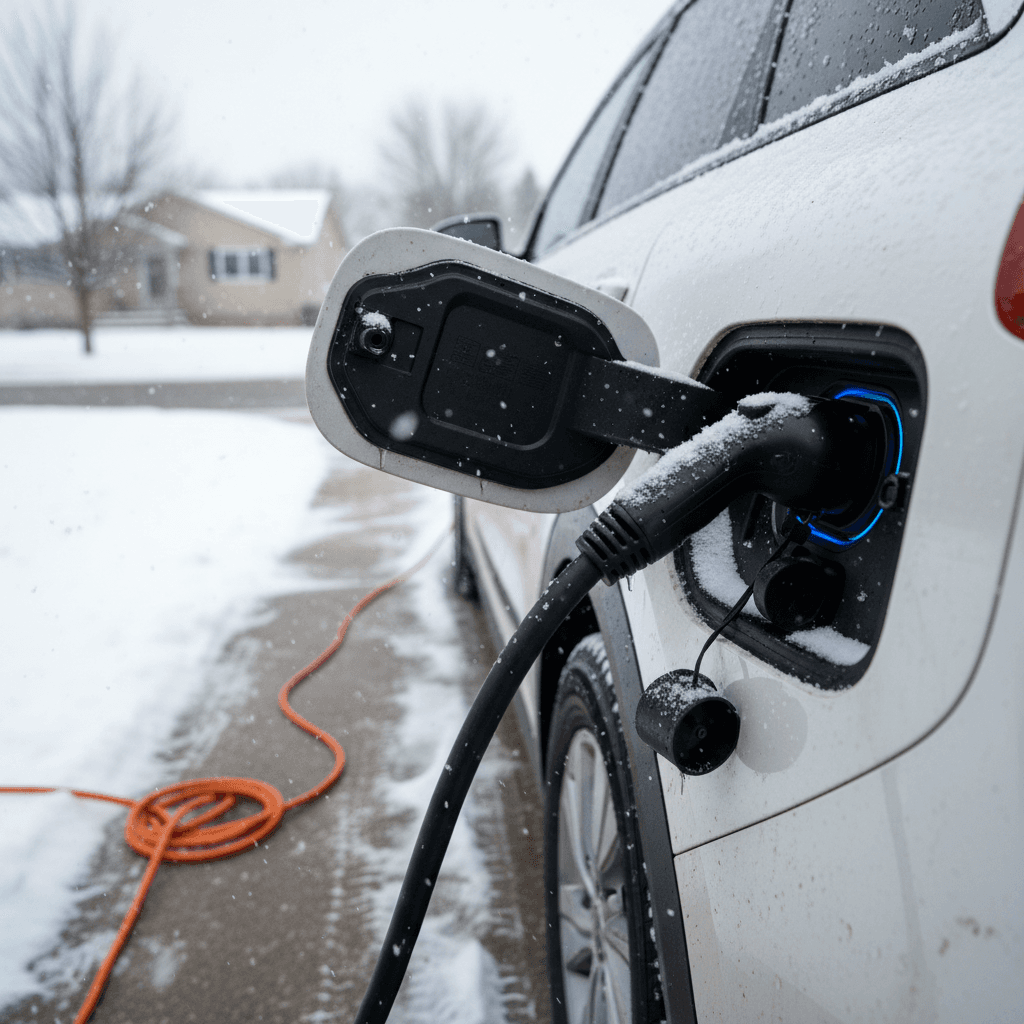
1. Precondition while plugged in
Use the Kia Connect app or the in‑car timer to warm the cabin and (where supported) the battery **before** you unplug. That way, most of the heating energy comes from the grid instead of your battery.
2. Favor heated seats & wheel
Turn the cabin temperature down a notch or two and rely on heated seats and steering wheel for comfort. They use much less power than blasting hot air through the vents.
3. Use Eco or Eco+ mode
Eco modes soften throttle response and can tame the HVAC system. Eco+ may limit top speed and heating, so use it when you’re comfortable sacrificing a bit of warmth for extra miles.
4. Drive a bit slower on the highway
Dropping from 75 mph to 65 mph makes a big difference in cold air. It’s not unusual to see **10–15% better efficiency** with that change alone in winter.
5. Choose the right wheels & tires
If you need winter tires, pick low‑rolling‑resistance options where possible and avoid upsizing your wheels. Wide, aggressive snow tires look tough but can trim range noticeably.
6. Avoid unnecessary pre‑heat between errands
It’s fine to let the cabin cool a bit between short stops instead of repeatedly running max heat. Bundle errands into a single trip when you can so the car stays warm and efficient.
What “good” winter efficiency looks like
Planning winter trips with a Kia Niro EV
Daily commuting in winter is usually a non‑issue; you plug in at home and top back up overnight. Road trips are where **winter range loss percentage** really matters, especially if the map shows long gaps between fast chargers.
Set honest expectations
If your Niro EV is rated around 240–250 miles, it’s smart in winter to plan fast‑charging stops every 130–160 miles instead of pushing the full battery. That gives you room for reroutes, weather shifts, or a busy charger.
Use EV‑aware route planners (Kia’s built‑in navigation, A Better Routeplanner, PlugShare, etc.) and manually nudge leg distances down a bit to reflect winter conditions.
Charge strategy in the cold
EVs charge fastest when their batteries are warm. After your first winter fast‑charge, try to drive straight to the next DC fast charger instead of taking long breaks in between; that keeps the battery warm and charging speeds higher.
Arriving with 10–25% state of charge is ideal: enough buffer for the unexpected, low enough that you get the best charging speeds.
Check charger reliability, not just distance
Buying a used Kia Niro EV? Winter range questions to ask
If you’re shopping for a used Kia Niro EV and you live somewhere with serious winters, you’re asking the right question: **what will this specific car do in the cold, with this specific battery**? Two Niro EVs with the same model year can behave very differently if one has a healthier pack.
Key winter-range questions for a used Niro EV
Ask the seller, and, if possible, test the car in your own routine.
What’s the actual battery health?
Does it have a heat pump and cold-weather package?
How and where was it driven?
Can I see real-world efficiency logs?
How Recharged can help
Kia Niro EV winter range: FAQ
Frequently asked questions about Kia Niro EV winter range
Bottom line: Should winter range scare you off a Niro EV?
If you go in expecting summer‑brochure range from your Kia Niro EV in January, you’ll be disappointed. But if you plan around a realistic **20–35% Kia Niro EV winter range loss percentage**, use preconditioning, and drive with a light right foot, the car is entirely workable even in serious cold. Daily commuting and errands are easy; road trips simply require more deliberate planning and a healthier respect for weather and chargers.
For shoppers, the key is matching the car’s real‑world winter behavior to your life: how far you drive, how often you fast‑charge, and how cold it truly gets where you live. That’s where tools like a **Recharged Score battery health report**, EV‑savvy advisors, and transparent used‑EV listings help you choose the right Kia Niro EV, and head into winter knowing exactly what to expect.