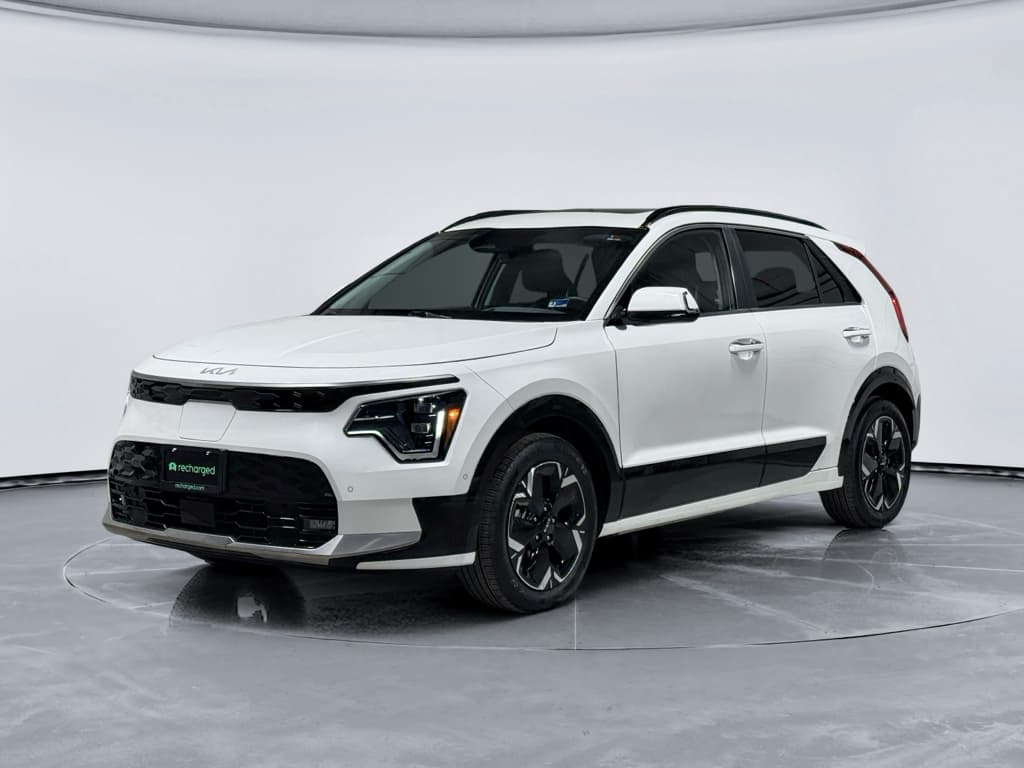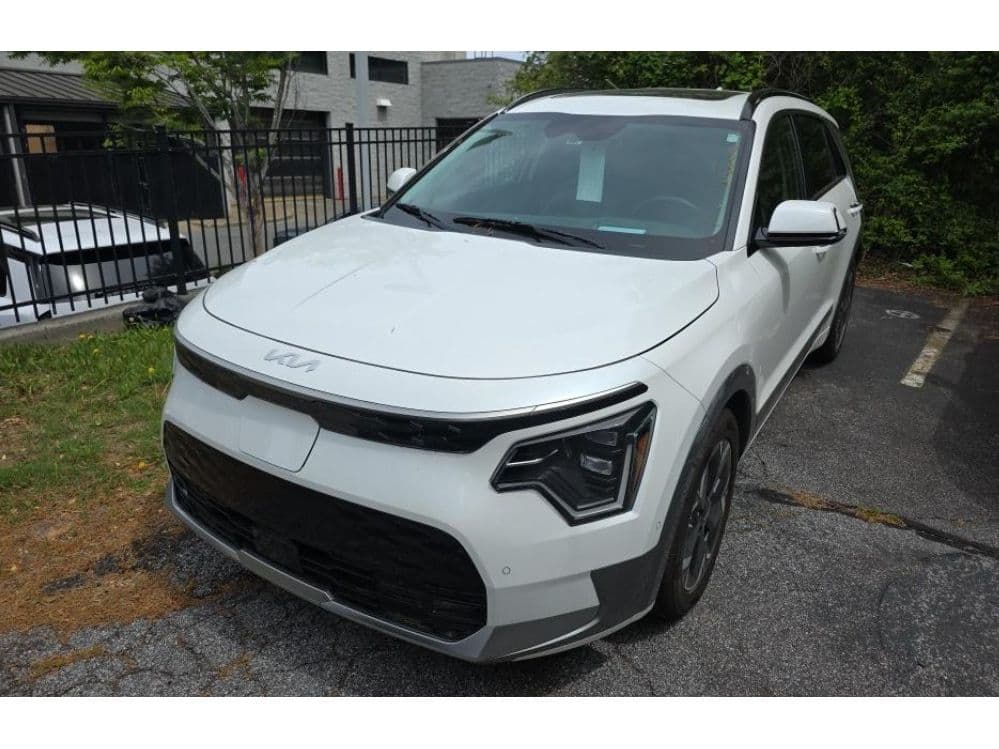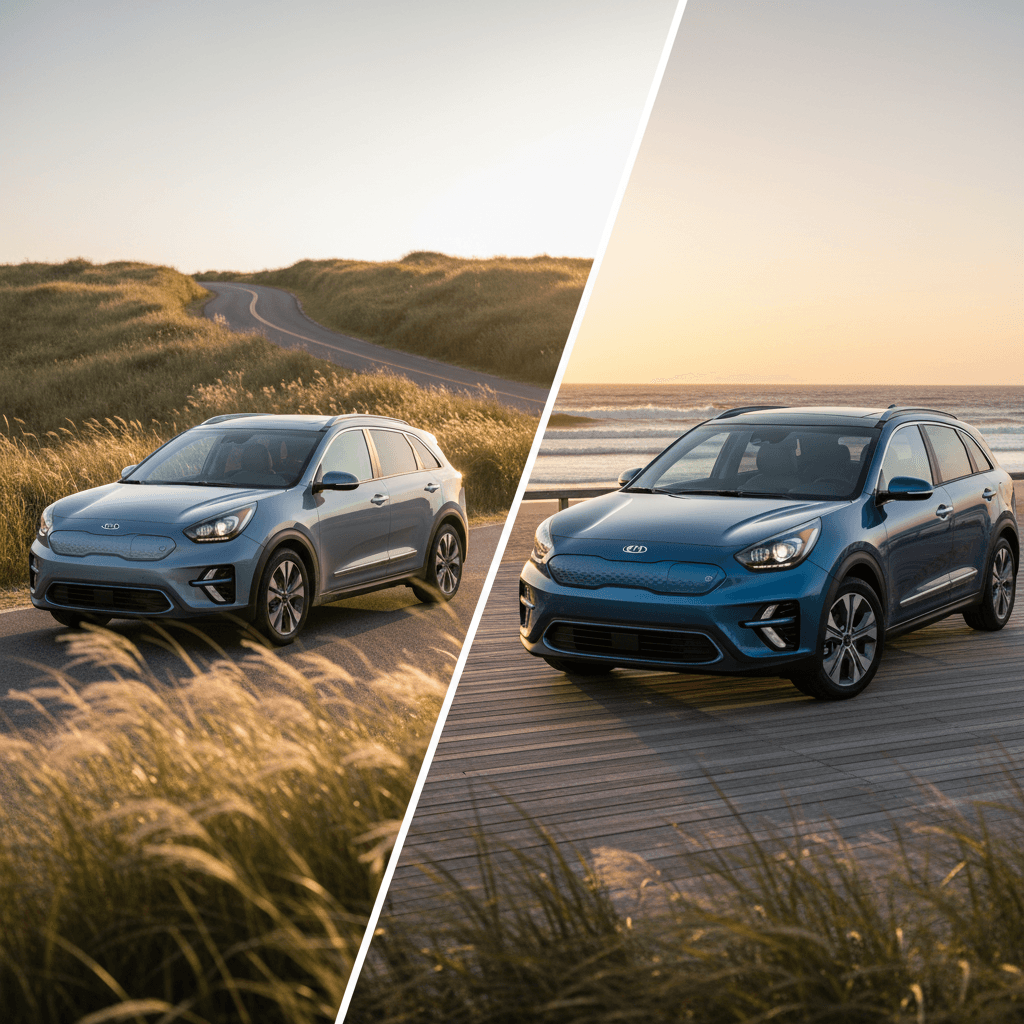
Trying to decide between the Kia Niro EV Wind vs Wave and wondering which trim actually fits your life? You’re not alone. Kia keeps the Niro EV lineup simple, just these two trims, but the real story is in the details: climate packages, comfort features, and how much extra you’re paying for that last layer of polish. If you’re shopping new or used, this guide breaks down what matters so you can pick the right Niro EV with confidence.
Model years this applies to
Overview: Kia Niro EV Wind vs Wave
Niro EV core specs (Wind & Wave)
Both the Wind and Wave Niro EV trims share the same front‑drive electric powertrain, battery pack, and official range. When you pay more for the Wave, you’re not buying extra speed or range; you’re buying comfort, tech, and design extras layered on top of the already well‑equipped Wind.
- Same 201 hp electric motor and front‑wheel drive on both trims
- Same battery and rated range for equivalent model years
- Same DC fast‑charging hardware and basic safety suite
- Wave adds luxury and convenience features, not more performance
In one sentence
Pricing and value: new vs used Niro EV trims
On paper, the Kia Niro EV Wind vs Wave price gap looks straightforward. On recent model years, the Wind usually stickers around $5,000 less than the Wave before options and destination charges. For example, 2024 pricing from Kia placed the Niro EV Wind near the low‑$40,000s and the Wave in the mid‑$40,000s before fees and incentives.
Typical new‑car MSRP gap: Niro EV Wind vs Wave
Approximate starting MSRPs for recent model years in the U.S. (before destination, incentives, or dealer markups). Always confirm numbers for your specific year and region.
| Model year | Wind MSRP (approx.) | Wave MSRP (approx.) | Typical gap |
|---|---|---|---|
| 2023 Niro EV | ~$39,500 | ~$44,000 | ≈$4,500 |
| 2024 Niro EV | ~$40,900 | ~$45,900 | ≈$5,000 |
| 2025 Niro EV | Similar structure | Similar structure | Wave remains ~4–5k higher |
MSRP figures are indicative; local pricing, incentives, and fees will change your actual out‑the‑door cost.
In the used market, that gap tends to compress. Depending on mileage and equipment, you’ll often see Wave listings only a few thousand dollars higher than comparable Winds, sometimes less. At Recharged, the pricing baked into each vehicle’s Recharged Score Report benchmarks hundreds of listings so you can see whether a particular Wind or Wave is fairly priced without doing spreadsheet acrobatics yourself.
Watch the options, not just the trim
Feature breakdown: Wind vs Wave equipment
Kia’s own literature describes the Niro EV Wave as including the content of the Wind, plus or replacing several comfort and design features. In practice, that means almost everything you "need" is on both trims; the Wave mostly adds things you’ll miss only after you’ve lived with them.
Kia Niro EV Wind vs Wave: key feature comparison
Exact equipment can vary by model year and package. Use this as a high‑level guide, and always verify against the window sticker or build sheet when you’re buying used.
| Feature area | Wind | Wave |
|---|---|---|
| Powertrain & range | 201 hp FWD, ~64.8 kWh battery, similar range on both | Same as Wind |
| Safety & driver assist | Full Kia Drive Wise suite typically standard (forward collision avoidance, lane‑keeping assist, blind‑spot monitoring, smart cruise, rear cross‑traffic, etc.) | Same core suite, often with extra convenience touches depending on year |
| Headlights & exterior lighting | LED headlights (often reflector or basic projector), LED DRLs | Upgraded LED projector headlights, additional exterior lighting details on many years |
| Wheels & exterior trim | Smaller aero‑focused wheels, simpler exterior trim | Larger or more stylized wheels, gloss black accents, upscale C‑pillar or contrast trim on many Waves |
| Seating & upholstery | Cloth or cloth/leatherette mix, heated front seats on many cars | Upgraded seat materials, front seat ventilation available on some years, more power adjustments and memory in many markets |
| Sunroof | Often not standard; may be unavailable or tied to package | Power sunroof usually standard on Wave in U.S. spec |
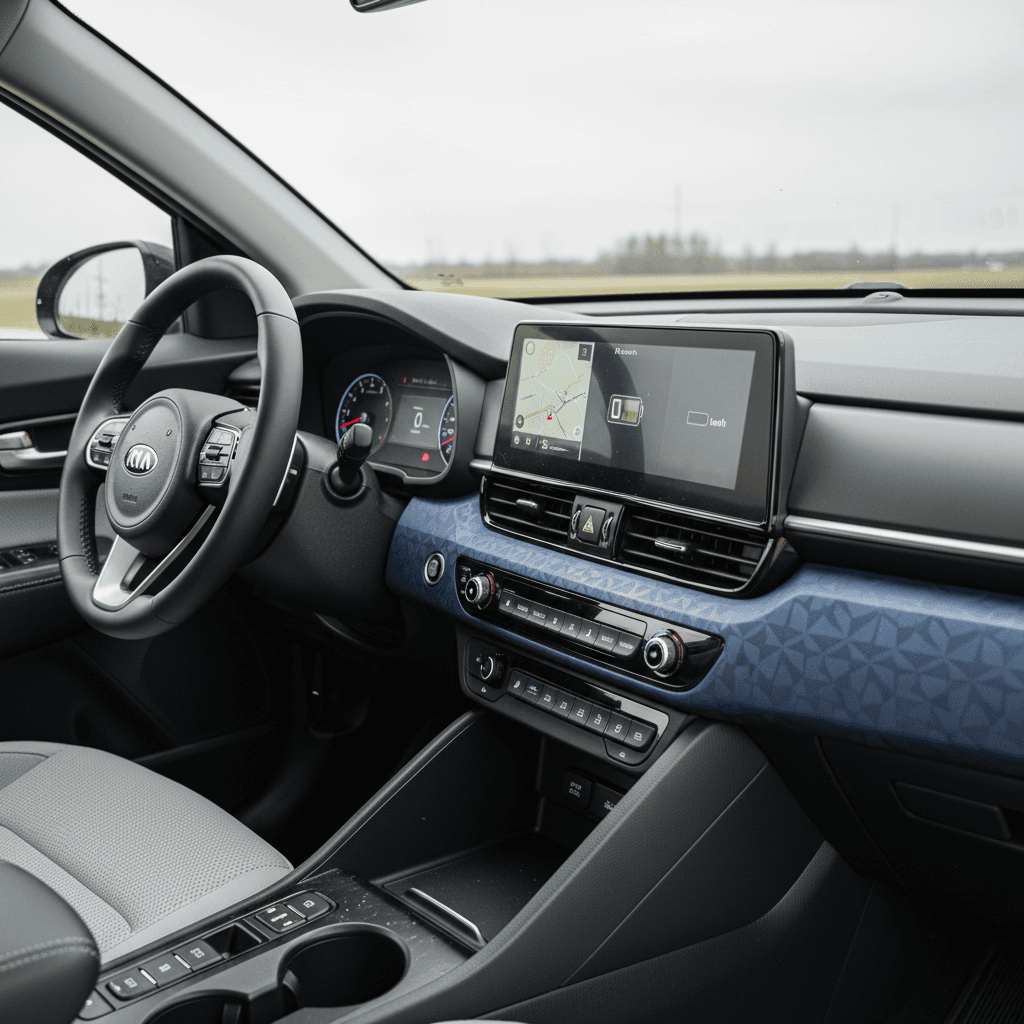
| Audio & infotainment | Large central display, navigation on later years, wireless phone connectivity; solid base audio | Premium audio system on some Waves, extra speakers, added ambient interior lighting, Kia Digital Key card often standard |
| Convenience & comfort | Dual‑zone climate, keyless entry, basic remote features via Kia Connect | More extensive Kia Connect integration, power tailgate on some markets, extra interior lighting and convenience touches |
| Heat pump / battery warmer | Often available as part of Wind Preserve Package on cold‑weather builds | Heat pump sometimes standard or bundled in Wave Preserve Package depending on year and region |
Features that may be optional or package‑dependent are noted as such.
What the Wave really buys you
Cold‑weather buyers: heat pump and Preserve packages
If you live where winter isn’t just a suggestion, the heat pump and battery heater are arguably more important than the trim itself. Kia bundles these into what’s often called the Preserve Package on recent Niro EVs, but the exact contents and which trim it’s available on have shifted slightly by year.
Typical contents of Niro EV "Preserve" packages
Exact naming and availability vary by model year and region, always confirm on the VIN or window sticker.
Wind Preserve Package
- Heat pump for more efficient cabin heating
- Battery warmer / conditioning for cold temps
- Heated rear seats
- Heated steering wheel
Often a key option for northern‑state Winds, and a strong value in used cars if you drive through real winters.
Wave Preserve Package
- Heat pump (often standard or bundled in this package)
- Heated rear seats
- Sometimes bundled with specific paint or exterior trim options
On some Waves, the Preserve‑style content is standard; on others, it’s a separate box that had to be checked when new.
Don’t assume the Wave always has a heat pump
From a real‑world ownership perspective, the heat pump and battery warmer can substantially improve winter efficiency and fast‑charging performance. In very cold conditions, a Niro EV without a heat pump can feel like it shed a generous chunk of its rated range. A used Wind or Wave with the right cold‑weather package is often worth paying a bit more for than a bare‑bones example of either trim.
Driving experience and in‑car tech
On the road, the Niro EV Wind and Wave feel fundamentally the same. Both ride on the same platform, share the same suspension tuning, and deliver that familiar compact‑crossover EV experience: quick off the line, utterly quiet in traffic, and tidy in city parking garages. Where they diverge is how polished the experience feels.
Behind the wheel of a Wind
- Same instant EV torque and smooth single‑speed acceleration
- Quieter than most gas crossovers, but cabin materials are more utilitarian
- All the core safety tech is present, with basic adaptive cruise and lane‑keeping
- Seats are comfortable, but on long drives you may miss extra adjustments or ventilation
If you think of the Niro EV as a pragmatic commuting tool, the Wind nails the brief.
Behind the wheel of a Wave
- Same performance, but added acoustic glass and insulation on many years make it feel more refined
- Premium audio and ambient lighting give night drives a more upscale vibe
- Sunroof and nicer interior trim make the cabin feel more open and airy
- Extra seat adjustments and available ventilation help on long highway stretches
The Wave is the Niro EV you buy if you want your daily EV to feel closer to a small luxury crossover.
One subtle difference that matters
Which Kia Niro EV trim is right for you?
Wind vs Wave: best trim by buyer type
Match how you actually drive, not how you imagine your life might look on Instagram.
Daily commuter / budget‑first
Best fit: Wind
- You mainly drive to work, school, and errands
- Price and total cost of ownership matter more than having every toy
- You’re coming from a modest compact or hybrid, not a luxury SUV
- Consider: Wind + Preserve Package if winters are real where you live
Family hauler / comfort‑focused
Best fit: Wave
- You take frequent road trips or long weekend drives
- Rear passengers, kids, or car‑poolers ride with you often
- You care about cabin quietness, seat comfort, and nicer audio
- The extra monthly payment is acceptable for the added comfort
Cold‑climate or mountain driver
Best fit: Either trim with cold‑weather package
- Prioritize heat pump and battery warmer first, trim second
- A Wind with the full Preserve Package can outperform a Wave without it in winter livability
- Used buyers: verify options, don’t assume by badge alone
Quick rule of thumb
Shopping used: what to watch for on Wind and Wave
In the used market, the badges on the tailgate only tell half the story. Niro EVs are frequently cross‑shopped against larger, sometimes quicker EVs like the EV6, so there’s price pressure, and that can push sellers to gloss over option packages. Here’s how to protect yourself.
Used Niro EV Wind vs Wave: inspection priorities
1. Confirm heat pump and battery conditioning
Ask explicitly whether the car has a <strong>heat pump and battery heater</strong>, and request a copy of the original window sticker or build sheet. If you’re buying through Recharged, this equipment is verified in the <strong>Recharged Score battery and equipment report</strong>.
2. Verify trim by VIN and interior
Some online listings mis‑label Winds as Waves (or vice versa). Cross‑check the VIN with Kia, look at the steering wheel and seat controls, and confirm that Wave‑specific touches (like sunroof or premium audio) are actually present.
3. Check DC fast‑charging history
A well‑cared‑for Niro EV should handle DC fast charging just fine, but heavy, repeated ultra‑fast charging can accelerate battery wear. Recharged’s diagnostics include <strong>battery health measurements</strong>, so you’re not guessing from range estimates alone.
4. Look closely at wheel and tire condition
Wave trims often ride on larger, more stylized wheels with low‑profile tires that are more prone to curb rash and uneven wear. Inspect all four corners and budget for new tires if the tread is low or the wear pattern looks odd.
5. Test all comfort and tech features
On Waves especially, make sure every <strong>seat heater, ventilated seat, sunroof function, camera, and parking sensor</strong> works as expected. Those extra features are part of what you’re paying for.
6. Compare real‑world pricing, not just asking price
Because Niro EVs have competed with deep‑discount leases on newer EVs, used values can be all over the map. Use Recharged’s fair‑market pricing tools to see whether that "too good" Wind or Wave is truly a deal or just average for the market.
How Recharged simplifies the trim puzzle
Checklist: questions to decide your trim
Ask yourself these before you pick Wind or Wave
How often do I actually take long highway trips?
If you mostly do short city hops, the extra Wave comfort features may feel like overkill. For frequent road‑trippers, quieter glass, better seats, and nicer audio become daily quality‑of‑life upgrades.
What’s my honest budget, including charging setup?
If choosing the Wave means you’ll delay or cheap out on a proper <strong>Level 2 home charger</strong>, you’re better off in a Wind plus a good charging setup. Daily convenience beats one‑time wow factor.
Do I live with real winters?
If so, prioritize a trim and package combination with a <strong>heat pump and battery heater</strong>. That may mean a Wind with Preserve Package over a Wave without it.
How long do I plan to keep the car?
If you’re thinking in three‑year terms, a Wind offers a very rational balance of cost and equipment. If you’re planning to keep your Niro EV for 8–10 years, Wave’s extra comfort may be worth spreading over a longer ownership span.
Who else rides in this car?
If it’s just you, you might not care about heated rear seats or a panoramic‑feeling cabin. If you routinely play airport shuttle for friends or family, those niceties become more than vanity.
How sensitive am I to noise and materials?
If cheap plastics and road noise drive you crazy, the Wave’s incremental upgrades can feel like the difference between a good car and a tiring one. If you’re coming from a basic compact, the Wind will already feel like a revelation.
Kia Niro EV Wind vs Wave FAQ
Frequently asked questions: Kia Niro EV Wind vs Wave
Bottom line: Wind vs Wave
When you strip away the brochure language, the Kia Niro EV Wind vs Wave decision is refreshingly simple. Both trims share the same sensible, efficient powertrain and compact footprint; what you’re deciding is how much you value comfort, quiet, and cabin polish over raw dollars and cents.
If your budget is tight or you’re laser‑focused on value, pick a Wind, ideally one with the cold‑weather/Preserve package if you see real winters. If you can comfortably afford the step‑up and want your EV to feel more like a shrunken luxury crossover than an appliance, the Wave earns its keep with nicer materials, extra tech, and a more relaxing commute.
Whichever side of that line you land on, the smart move is to buy the right car, not just the right badge. Trim, options, and battery health all matter. That’s why every Niro EV at Recharged comes with a detailed Recharged Score Report, expert EV guidance, and transparent pricing, so you can choose the Wind or Wave that truly fits your life, not just your driveway.