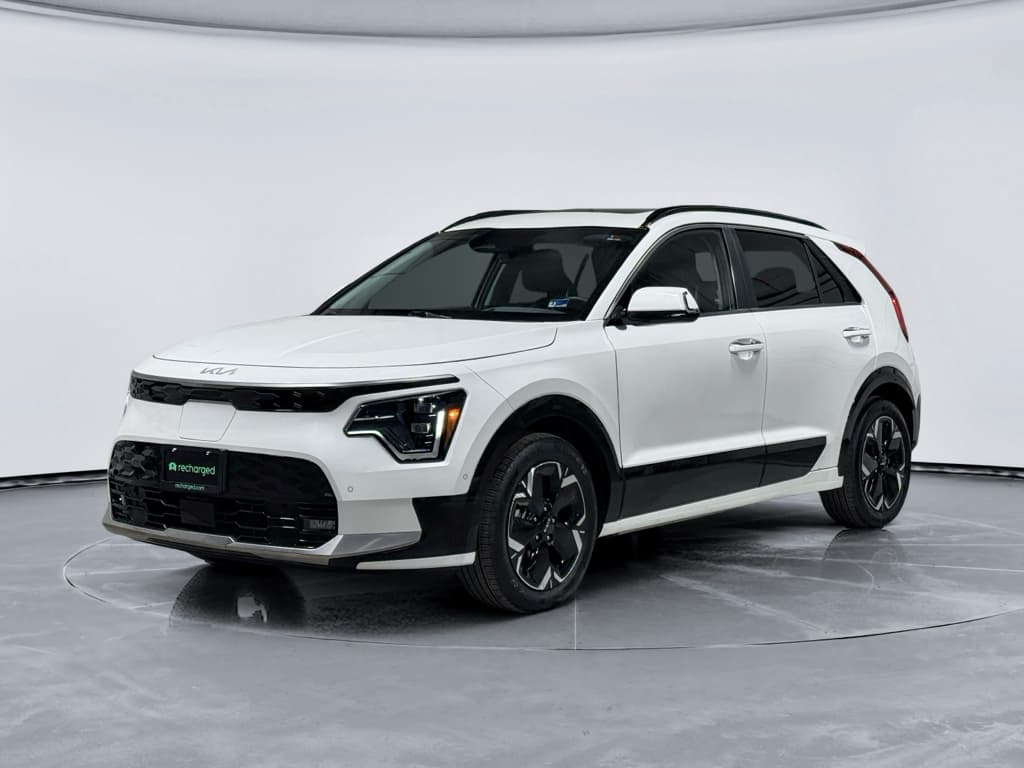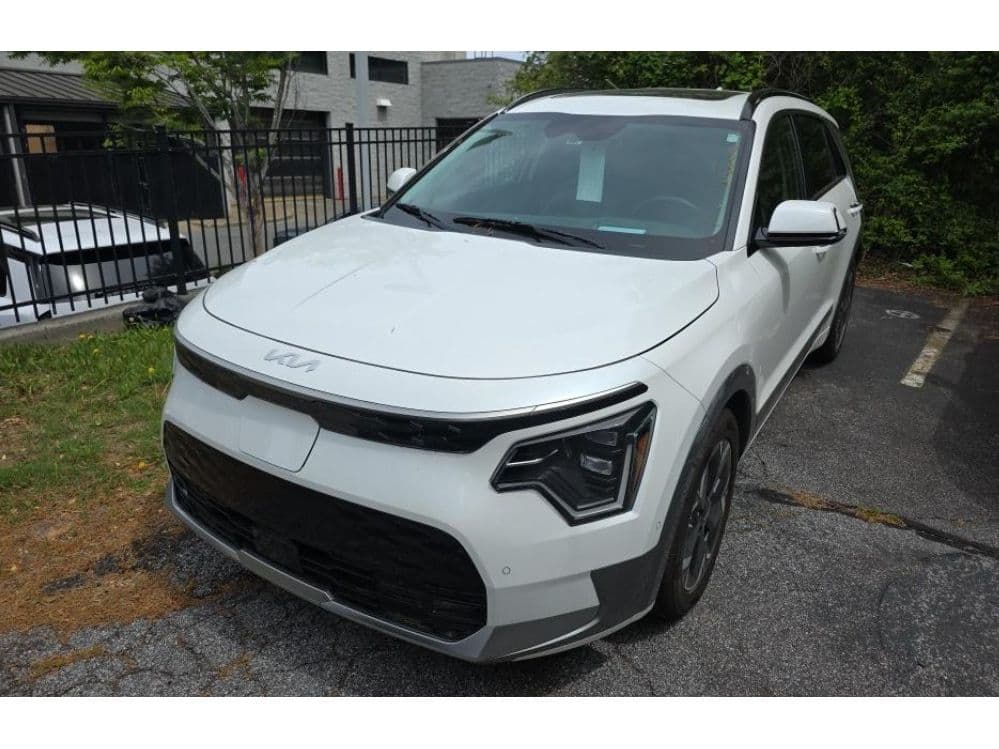
If you own or are shopping for a Kia Niro EV, resale value in 2025 is more than a trivia stat, it’s real money. Used EV prices have cooled from the 2021–2022 spike, and the Kia Niro EV resale value in 2025 sits in an interesting middle ground: steeper depreciation than hybrids or trucks, but more attractive pricing for value-focused EV shoppers.
Context: a shifting EV market
Why Kia Niro EV resale value matters in 2025
The Niro EV has always been a practical choice: compact crossover packaging, usable range, and a reputation for solid reliability. But in 2025 it’s battling two big forces that directly affect resale value: a flood of newer, longer-range EVs (including Kia’s own EV3 and EV6) and the policy shift around the federal EV tax credit, which is scheduled to end on October 1, 2025. That combination means buyers will care more about long-term value, and sellers will need to price smarter to stand out.
Three reasons Niro EV resale value is under the microscope
If you’re buying or selling in 2025, these trends hit your wallet.
Equity when you sell or trade
Battery confidence vs. discounts
Used EV shoppers are savvier
What Kia Niro EVs are worth in 2025
Let’s anchor the conversation with real numbers. In early 2025, pricing data from major valuation and listing sites shows that used Kia Niro EV values are now firmly in mainstream‑EV territory rather than early‑adopter pricing.
Kia Niro EV pricing snapshot in 2025
Approximate U.S. used-market values assuming average mileage and good condition. Actual prices vary by region, options, and history.
| Model year | Typical price range (retail) | Notes |
|---|---|---|
| 2020 | $15,500 – $19,000 | First-gen Niro EV; often higher miles, biggest discounts |
| 2021 | $16,500 – $20,500 | Similar spec to 2020; mileage and warranty status matter |
| 2022 | $18,000 – $22,500 | Late pre-refresh cars; can be strong value if low miles |
| 2023 | $20,500 – $24,500 | Second-generation styling; better tech and interior |
| 2024 | $22,000 – $25,500 | Still relatively new; steeper early depreciation |
| 2025 (lightly used) | $26,000 – $31,000 | Near-new cars; often ex‑loaners or short‑term leases |
Use this as a ballpark; VIN‑specific history and battery health can easily move a Niro EV several thousand dollars either way.
Price guides for the 2025 model show estimated trade‑in values in the high‑$20,000s to mid‑$30,000s depending on trim and condition, and dealer retail around the mid‑$30,000s when new. Meanwhile, listing platforms report average asking prices for 2025 Niro EVs in the high‑$20,000s, confirming that nearly new examples are already seeing meaningful discounts from MSRP.
Key Niro EV value metrics in 2025
Use multiple valuation sources
5-year depreciation: how fast does the Niro EV lose value?
The big question for any EV is how much value it sheds after the honeymoon period. For the Kia Niro EV, the answer is: more than a comparable hybrid, but roughly in line with many small EV crossovers.
What the data says
- Five‑year depreciation estimates for the Niro EV cluster around 55–60% of original value, depending on trim and mileage.
- One 2024 analysis pegged five‑year depreciation at about 59.2%, or roughly $23,000 lost from new pricing on a well‑equipped model.
- Real‑world market checks in late 2025 show early Niro EVs (2020) retaining close to 40–45% of original MSRP, largely confirming those estimates.
These figures assume typical U.S. driving (around 12,000–15,000 miles per year) and average condition.
How that compares to other vehicles
- Gas crossovers & hybrids: Many retain 55–65% of value after five years, meaning the Niro EV depreciates faster than a comparable Niro Hybrid or Toyota RAV4 Hybrid.
- Other EVs: Mainstream EVs such as the Hyundai Kona Electric or Nissan Leaf often show similar or worse five‑year depreciation, particularly for short‑range or discontinued models.
- Luxury EVs: Higher‑end EVs (Audi e‑tron, Mercedes EQ models, Porsche Taycan) can lose 65–70%+ over five years, so the Niro EV actually looks conservative next to them.
Watch the first 2–3 years
Battery health: the hidden driver of Niro EV resale value
Sticker price tells only half the story. For any used EV, buyers in 2025 are laser‑focused on battery health. The good news for sellers, and for shoppers eyeing the Niro EV, is that Kia’s battery chemistry has fared better than many skeptics predicted.
- Recent multi‑brand studies of used EVs show that around 80% of vehicles still retain at least 90% of original battery capacity, even after years of use.
- Kia’s electric lineup, including the Niro EV (sold in some markets as the e‑Niro), has emerged as a top performer in State of Health (SoH) testing, with average capacity retention in the low‑to‑mid 90s even at higher mileages.
- Real‑world Niro EV owners routinely report only moderate range loss after several years, provided fast charging and high‑temperature use haven’t been abused.
How Recharged uses battery data
Ready to find your next EV?
Browse VehiclesBattery checks that move resale value
1. Verify battery State of Health
Ask for a recent battery health report or capacity reading. A Niro EV that still holds 90–95% of its original capacity will command a clear premium over one with noticeable degradation.
2. Review DC fast‑charging history
Frequent high‑power fast charging, especially in hot climates, can accelerate wear. Service records or connected‑car logs can help you understand how the car was used.
3. Confirm software and BMS updates
Battery Management System (BMS) updates can improve range estimates and longevity. Make sure the Niro EV’s software is up to date before you buy, or before you list your car for sale.
4. Look for thermal‑management issues
Unusual fan noise, repeated rapid‑charging throttling or persistent warning lights can signal cooling problems that buyers will rightly be wary of.
How the Niro EV compares to other used EVs
When shoppers cross‑shop used EVs in 2025, the Kia Niro EV typically ends up in the same conversation as the Hyundai Kona Electric, Chevy Bolt EV, Nissan Leaf and older Tesla Model 3s. Resale value is one piece of that puzzle.
Niro EV vs. key used EV competitors
Where the Kia lands on value, range and depreciation.
Hyundai Kona Electric
Chevrolet Bolt EV
Tesla Model 3
Value positioning: Niro EV vs. alternatives (used 2025)
High‑level look at how the Niro EV stacks up on price and value in early 2025.
| Model | Typical used price (recent years) | 5‑yr depreciation trend | Key takeaway |
|---|---|---|---|
| Kia Niro EV (2019–2022) | $16,000 – $24,000 | ~55–60% | Balanced mix of range, space and price; not the best at holding value, but a strong all‑rounder. |
| Hyundai Kona Electric (2020–2022) | $17,000 – $24,000 | ~55–60% | Very similar depreciation; choice often comes down to styling and local availability. |
| Chevy Bolt EV (2019–2022) | $11,000 – $19,000 | 60%+ | Heavier discounts reflect recall history and compact size, but can be a bargain for city drivers. |
| Nissan Leaf (40–62 kWh) | $9,000 – $16,000 | High | Shorter range and CHAdeMO fast charging hurt long‑term value vs. Niro EV. |
| Tesla Model 3 (2019–2023) | $18,000 – $30,000 | ~45–55% | Better value retention than most non‑Tesla EVs, but higher buy‑in price. |
Who the Niro EV is perfect for
Ownership costs and incentives: impact on resale
Resale value isn’t just what you can sell the car for, it’s also how much it cost you to own along the way. On that front, the Niro EV fares well. Five‑year cost‑of‑ownership models show depreciation as the largest single expense, but low energy and maintenance costs help soften the blow compared to gas equivalents.
Kia Niro EV 5‑year cost highlights (illustrative)
Federal tax credit sunset = pricing waves
Selling a Kia Niro EV in 2025: pricing and strategy
If you’re bringing a Niro EV to market in 2025, you’re competing with discounted new EVs, tempting leases and a growing pool of used inventory. The winning play is transparency plus smart pricing.
Steps to maximize your Niro EV’s resale value
1. Get a current valuation baseline
Run your VIN through multiple appraisal tools and scan local listings for similar Niro EVs (year, mileage, trim). That gives you a realistic private‑party and trade‑in range before negotiations start.
2. Document battery and service history
Gather service records, software‑update receipts and, ideally, a recent battery health report. A transparent paper trail directly supports a higher asking price and faster sale.
3. Price realistically vs. new EV deals
If shoppers can lease a new EV for similar monthly payments, they’ll demand a discount on your used car. Aim for a price that undercuts comparable new‑car deals while reflecting your Niro EV’s condition and features.
4. Decide where to sell
Trade‑in, instant offer, consignment and private party all have pros and cons. A platform like Recharged can combine nationwide exposure, EV‑savvy buyers, and expert pricing support so you don’t leave money on the table.
How Recharged can help you sell
Buying a used Kia Niro EV in 2025: what to look for
For buyers, 2025 may be the sweet spot for the Niro EV: much cheaper than new, but with batteries that are holding up well and plenty of supply to choose from. The key is sorting the excellent examples from the merely cheap ones.
Key inspection points
- Battery health and range: Test drive on your normal routes and compare displayed range to EPA estimates. Ask for a recent diagnostic report if possible.
- Charging hardware: Make sure the car comes with its portable Level 1/2 cable if originally equipped, and test public DC fast charging if accessible.
- Software & infotainment: Confirm over‑the‑air or dealer updates are current and that driver‑assist systems function properly.
- Tires and brakes: EVs are heavier than gas cars; worn tires or brake issues can hint at hard use.
Model‑year sweet spots
- 2020–2021: Deepest discounts and still‑solid range; ideal for budget‑minded buyers who don’t need the latest styling.
- 2022: A bridge year where you may find low‑mileage, off‑lease examples at attractive prices.
- 2023–2024: Second‑generation Niro EVs with updated design and tech; cost more, but may offer the best long‑term ownership experience.
On Recharged, every Niro EV listing includes a standardized Recharged Score and battery report, so you can compare vehicles apples‑to‑apples instead of guessing from photos and mileage alone.
Kia Niro EV resale FAQs
Bottom line: is the Kia Niro EV a smart used buy?
In 2025, the Kia Niro EV isn’t the resale champion of the EV world, but that’s exactly what makes it compelling. Five‑year depreciation around 55–60% means previous owners have already absorbed a big chunk of the hit, leaving you with a practical electric crossover, proven battery durability and some of the most approachable pricing in the segment.
If you’re selling, lean into transparency: battery health reports, clean service records and realistic pricing will help you stand out in a crowded EV marketplace. If you’re buying, focus less on hitting the absolute lowest price and more on finding a Niro EV with strong battery health and verified history, especially when you can see that data up front through a Recharged Score Report.
Either way, understanding how Kia Niro EV resale value in 2025 really works puts you ahead of the curve. You’re not just reacting to headline depreciation numbers, you’re using them to time your move, negotiate confidently and land an EV that makes financial sense long after the initial buzz wears off.