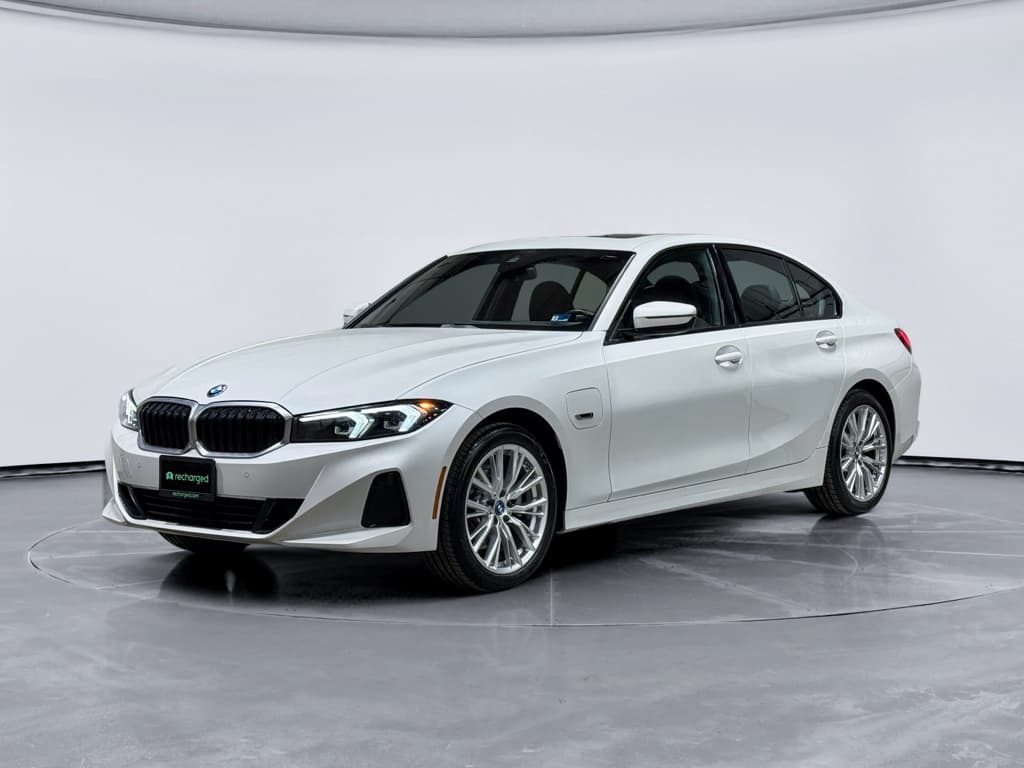
If you’re torn between a used Porsche Taycan and a used BMW i4, you’re shopping in one of the most interesting corners of the EV market: electric sport sedans that blend real performance with everyday usability. On the used market, though, the right answer depends less on 0–60 bragging rights and more on range, charging, depreciation, and long‑term costs.
Who this comparison is for
Overview: Used Porsche Taycan vs BMW i4
Porsche Taycan (used)
- Strengths: Benchmark handling, ultra‑fast DC charging, 800‑volt architecture, serious performance even in lower trims.
- Weaknesses: Earlier cars had modest range, complex electronics, and higher repair costs; can depreciate hard from six‑figure MSRPs.
- Best for: Drivers who prioritize driving feel and fast‑charging road‑trip capability over absolute efficiency.
BMW i4 (used)
- Strengths: Strong range for the price, familiar BMW 4‑Series interior, generally lower running costs, easier daily driver.
- Weaknesses: Slower DC charging than Taycan; not as exotic to drive or look at; some trims rely heavily on software for character.
- Best for: Commuters and first‑time EV owners who want a conventional-feeling premium car with electric power.
Representative used specs (typical trims shoppers cross‑shop)
Key takeaways at a glance
Used Taycan vs BMW i4: category winners
Where each car shines once you factor in age, mileage, and price
Performance & driving feel
Winner: Porsche Taycan
Even in base or 4S form, the Taycan feels like a purpose‑built electric sports car, with ultra‑precise steering and a planted, rear‑biased feel.
Range & efficiency
Winner: BMW i4
Most i4 trims offer more range per kWh and better efficiency, especially important if you commute long distances or often rely on public charging.
Fast‑charging & road trips
Winner: Taycan
The Taycan’s 800‑V system and 270–320 kW peak charging capability make highway fast‑charging genuinely quick when you find a capable DC station.
Value & depreciation
Edge: BMW i4 for total cost, Taycan for bargain hunters
BMW i4 values tend to be steadier. But early Taycans have seen steep depreciation, which can make a used example an incredible performance bargain, if you budget for higher running costs.
Battery health & long‑term risk
Rough draw, with different risk profiles
Both use liquid‑cooled packs and have responded well to real‑world use so far. Taycan’s ultra‑fast charging and performance orientation means inspecting battery health on a used example is critical. With the i4, focus on software updates and charging history.
Best for first‑time EV buyers
Winner: BMW i4
It behaves like a familiar 4‑Series with an EV powertrain. If this is your first electric car, the i4 is typically the less intimidating and lower‑risk choice.
How to read this guide
Performance & driving feel
Both cars are quick by any normal measure, but in a used‑car context you’re weighing two very different personalities: the Taycan is an electric sports car that happens to be a sedan, while the i4 is a familiar BMW coupe‑sedan that happens to be electric.
Commonly cross‑shopped trims: performance snapshot (when new)
These are representative factory numbers. A well‑maintained used example should still feel close to this performance, thanks to the nature of electric powertrains.
| Model / Trim | Drivetrain | Horsepower (approx.) | 0–60 mph (approx.) | Character |
|---|---|---|---|---|
| Porsche Taycan (RWD) | RWD | ~402 hp | ~5.0 s | Smooth, balanced, still feels like a Porsche. |
| Porsche Taycan 4S | AWD | ~520–560 hp | ~3.5–3.8 s | Explosively quick, very composed under power. |
| BMW i4 eDrive35 | RWD | ~281 hp | ~5.8–6.0 s | Adequate pace, relaxed everyday cruiser. |
| BMW i4 eDrive40 | RWD | ~335 hp | ~5.5 s | Comfortable, confident passing power. |
| BMW i4 M50 | AWD | ~536 hp | ~3.7–3.9 s | Hot‑hatch attitude in a sleek body, more playful than clinical. |
Actual figures vary by wheel size, battery, and testing method, but this table captures the flavor of what you’ll feel from behind the wheel.
How performance holds up used
- Taycan advantage: Steering feel, body control, and brake tuning are all closer to a 911 than a typical sedan. If you care about apexes and road feel, it’s the clear driver’s choice.
- i4 advantage: The i4 M50 is genuinely fun and can be had for far less than most Taycan performance trims. It feels heavier and softer but still very BMW.
- Noise & comfort: Taycan cabins tend to feel more insulated and buttoned‑down at highway speed. The i4 counters with slightly softer ride tuning in most trims.
Range, efficiency & charging on the used market
On paper, BMW usually wins the range game; in practice, Taycan often wins the fast‑charging game. As a used buyer in 2026, you need to consider both, plus how the previous owner charged the car.
Typical EPA range when new (popular trims)
Actual used range will depend on battery health, wheel size, driving style, and climate. Expect some reduction versus new ratings.
| Model / Trim | Battery (usable, approx.) | EPA range (when new) | Real‑world used takeaway |
|---|---|---|---|
| Porsche Taycan RWD (Performance Battery Plus) | ~83–97 kWh depending on year | ~280–320 mi | Early years were weaker, but updated cars approach 300+ miles. Used buyers should check the specific model year. |
| Porsche Taycan 4S | ~83–97 kWh | ~270–300 mi | Often cross‑shopped; strong mix of speed and usable range if you road trip. |
| BMW i4 eDrive35 | ~66 kWh | ~260 mi | Good efficiency; smaller battery but range is respectable for daily use. |
| BMW i4 eDrive40 | ~81 kWh | ~280–300 mi | The i4 sweet spot for many buyers, strong range without M‑car pricing. |
| BMW i4 M50 | ~81 kWh | ~245–270 mi | Performance costs a bit of range, but still solid for most U.S. commutes. |
These figures are for U.S. EPA estimates when new; used values will be somewhat lower but directionally similar.
Don’t compare old Taycan press headlines to newer cars
DC fast‑charging (road trips)
- Porsche Taycan: 800‑V architecture with peak DC rates around 270–320 kW on capable chargers means 10–80% can happen in well under half an hour under ideal conditions.
- BMW i4: 400‑V system with peak DC rates around 180–205 kW depending on trim and conditions. That’s still respectable, but the Taycan sustains higher power longer on good hardware.
- Used‑car angle: Fast‑charging speed matters more if you do regular interstate trips. For city or suburban use with home charging, peak DC speed is far less critical than battery health.
Level 2 charging (home or workplace)
- Both cars support ~11 kW AC charging on most trims, which means roughly 30–40 miles of range per hour on a 240‑V Level 2 charger.
- From empty to full overnight is easy for either car, assuming you install a capable home charger. If you’re renting, portable Level 2 solutions can help, see our portable EV charger guide.
Interior space & practicality
The Taycan and i4 both market themselves as everyday usable, but they approach practicality differently. The Taycan leans low and wide, like a true sports sedan; the i4 is essentially an electrified 4‑Series Gran Coupe, with the hatchback practicality that implies.
Practicality snapshot
Approximate dimensions and usability traits that matter to daily life, not just spec sheets.
| Area | Porsche Taycan | BMW i4 |
|---|---|---|
| Seating position | Lower, more sports‑car‑like; can feel snug for taller drivers entering/exiting. | More conventional sedan height; easier ingress and egress. |
| Rear seat space | Adequate but not generous; tall passengers may brush the roof. | Slightly better headroom and legroom; more comfortable for adults on longer trips. |
| Cargo access | Separate trunk with small front trunk (frunk). | Large hatchback opening; more flexible for bulky items. |
| Cabin vibe | High‑tech cockpit, multiple screens, minimalist buttons. | Familiar BMW layout with iDrive; easier transition for first‑time EV drivers. |
Exact figures vary slightly by trim and options, but this gives you the shape of daily life with each car.
Practicality verdict
Depreciation & value on the used market
This is where the story tilts dramatically. The Taycan started life with prices deep into six figures in many trims; early cars have dropped sharply. The i4 launched at lower price points and has seen more traditional, slower luxury‑car depreciation so far.
- Porsche Taycan: Many 2020–2021 Taycans have lost well over 40% of their original value in just a few years, especially higher trims with expensive options. That’s painful for the first owner, but a huge opportunity for used buyers.
- BMW i4: Initial MSRPs were lower and the cars are newer on average, so you’ll see more restrained drops. Discounts are there, but they’re not as eye‑popping as some Taycan deals.
- Monthly payment reality: Because Taycans start higher, even after big depreciation your monthly payment can still exceed a comparable i4, especially when you factor in insurance and potential repair costs.
How to use depreciation to your advantage
Battery health, reliability & warranty reality
Both brands are still writing the long‑term story of their first mass‑market EV sedans, but early data is encouraging. The bigger risk on either car usually isn’t catastrophic battery failure, it’s out‑of‑warranty electronics, air suspension, or fast‑charging hardware on aging examples.
Battery, warranty & reliability: what to know
Where to focus when looking at a specific used Taycan or i4
Battery warranty basics
In the U.S., both Porsche and BMW typically offer around 8 years / 100,000 miles of battery warranty coverage from the original in‑service date (exact terms vary by model year).
On a 2021 car, that means coverage usually runs into 2029 if mileage stays under the cap.
Battery health on a used EV
Instead of guessing, ask for a quantitative battery‑health report. Recharged’s Recharged Score includes pack diagnostics so you know how much usable capacity remains compared with new.
Reliability hot‑spots: Taycan
Watch for issues with air suspension, DC fast‑charging hardware, and complex electronics. Repairs at a Porsche dealer can be expensive, so buying a car with a clean history and remaining warranty is extra important.
Reliability hot‑spots: BMW i4
Look for software update history, infotainment glitches, and any high‑voltage or charging‑system repairs. While typically cheaper to service than a Taycan, major EV components can still be costly out of warranty.
Why battery health isn’t optional
Ownership costs: insurance, maintenance & repairs
EVs skip oil changes and many traditional wear items, but that doesn’t make a Taycan or BMW i4 cheap to run. Both are premium European cars with complex hardware. Over a 5‑ to 8‑year horizon, the Taycan is generally the more expensive car to own; the i4 is the more predictable one.
Major cost factors to compare before you buy
1. Insurance premiums
A Taycan’s original price and repair costs tend to drive higher premiums than a comparable i4. Get VIN‑specific quotes from your insurer for both cars before committing.
2. Tires & brakes
Both cars are heavy and powerful; they eat performance tires faster than a commuter sedan. Taycan performance trims on 20–21" wheels are especially costly to re‑shoe. Look for even wear and recent replacements on any used example.
3. Scheduled service
Neither car needs oil changes, but you’ll still pay for cabin filters, brake fluid, and occasional software or hardware campaigns. Porsche dealer labor rates are typically higher than BMW’s in many markets.
4. Out‑of‑warranty risk
An air‑suspension problem or high‑voltage charging fault on a Taycan can run into four figures quickly. The i4 isn’t immune to big costs, but average repair bills tend to be lower. Extended warranties or certified programs can be worth considering for either car.
5. Public charging costs
If you rely heavily on DC fast charging, efficiency matters. The i4’s better miles‑per‑kWh can translate into lower electricity bills versus a Taycan driven the same way.
6. Resale outlook
If you plan to keep the car only a few years, consider where depreciation may go next. A Taycan that’s already taken a big hit might fall more slowly going forward; a newer i4 may still be early in its depreciation curve.
Which used Taycan or BMW i4 is right for you?
Match your lifestyle to the right used EV
The enthusiast commuter
You love back roads and care about steering feel more than cargo space.
You have home charging and use DC fast charging mostly on trips.
You’re comfortable with higher insurance and repair risk for a more special car.
<strong>Leaning:</strong> Used Porsche Taycan, preferably RWD or 4S with a strong battery report and some factory warranty remaining.
The first‑time EV owner
You’re moving from a gas sedan or coupe and want a familiar feel.
You’ll use the car for commuting, errands, and occasional trips.
You care about range and predictable monthly costs more than Nürburgring lap times.
<strong>Leaning:</strong> Used BMW i4 eDrive40 or eDrive35, with a clean history and up‑to‑date software.
The performance bargain hunter
You want as much acceleration as you can afford, but you’re shopping used to avoid new‑car prices.
You’re willing to budget extra for maintenance and repairs if the car feels special.
You have access to high‑power DC fast charging for road trips.
<strong>Leaning:</strong> Early Taycan 4S or high‑spec trims that have already depreciated heavily, or a BMW i4 M50 if you want lower ongoing costs.
The practical family driver
You regularly carry passengers and cargo.
You want one car that can handle school runs and weekend getaways.
You prefer predictable costs and dealership availability over exotic hardware.
<strong>Leaning:</strong> BMW i4 for its hatchback cargo area and better rear‑seat usability.
Trim‑level sanity check
How Recharged can help you shop smarter
Whether you end up in a used Porsche Taycan or a BMW i4, the difference between a great deal and a regret often comes down to what you can’t see in the listing: actual battery health, how the car was charged and driven, and whether the price really reflects current market conditions.
Shopping used Taycan or BMW i4 with Recharged
What we bring to the table for luxury EV shoppers
Recharged Score battery diagnostics
Every vehicle on Recharged comes with a Recharged Score Report that includes verified battery health, charging history insights where available, and a transparent view of how the pack has aged.
Fair, data‑driven pricing
We benchmark each car against the used EV market so you can see whether a Taycan’s heavy depreciation or an i4’s steadier values are already baked into the price.
Flexible ways to buy or sell
Finance your next EV, trade in your current one, or get an instant offer or consignment help. Recharged also offers nationwide delivery and an Experience Center in Richmond, VA if you want to see a car in person.
Ready to find your next EV?
Browse VehiclesIf you’re comparing a used Porsche Taycan vs BMW i4, you’re already making a smart move toward lower running costs and a more engaging commute than most gas sedans can offer. From here, the right choice is about matching the car’s personality, and its long‑term costs, to your life. A clear battery‑health report, transparent pricing, and EV‑specialist guidance can turn that choice from a gamble into a confident decision.
FAQ: Used Porsche Taycan vs BMW i4
Common questions about used Taycan vs BMW i4
The bottom line: A used Porsche Taycan is the connoisseur’s choice, a statement car that still feels ahead of the curve, if you’re ready for higher running costs. The BMW i4 is the rational pick, especially for first‑time EV owners who want strong range and familiar manners. With the right data and support, either one can be a smart, satisfying step into the electric‑sport‑sedan world.