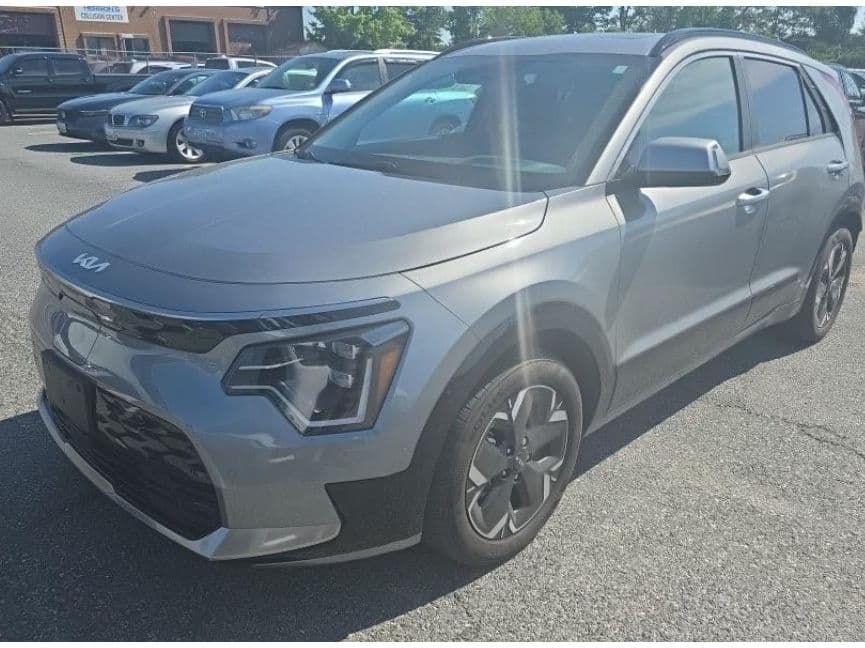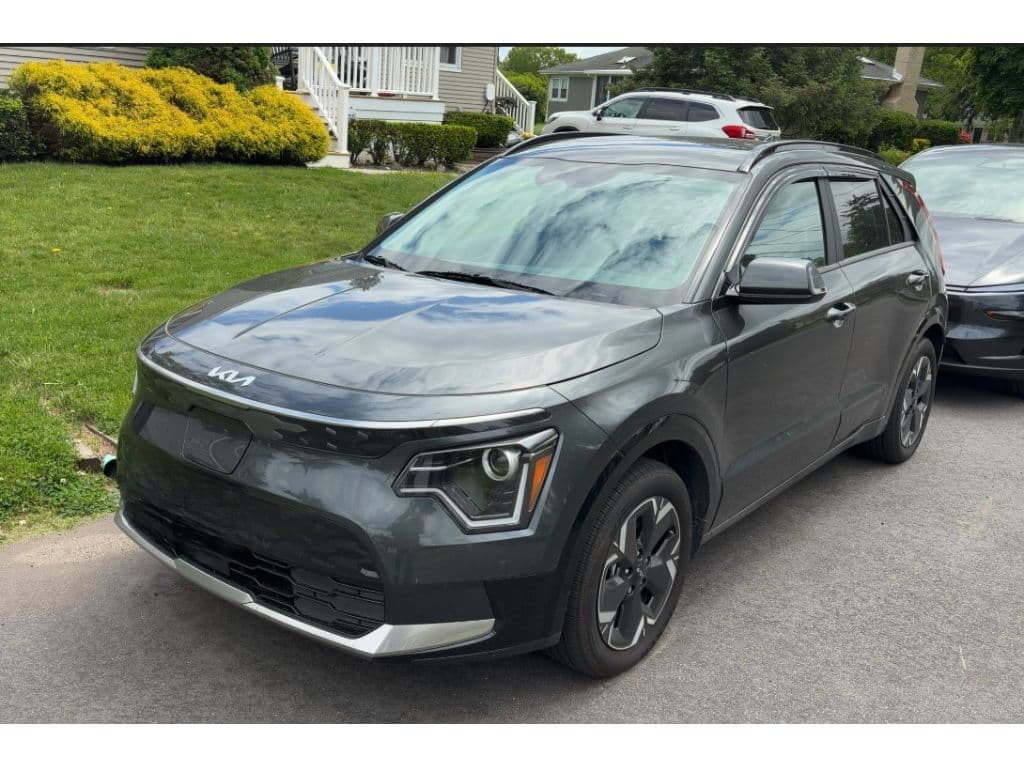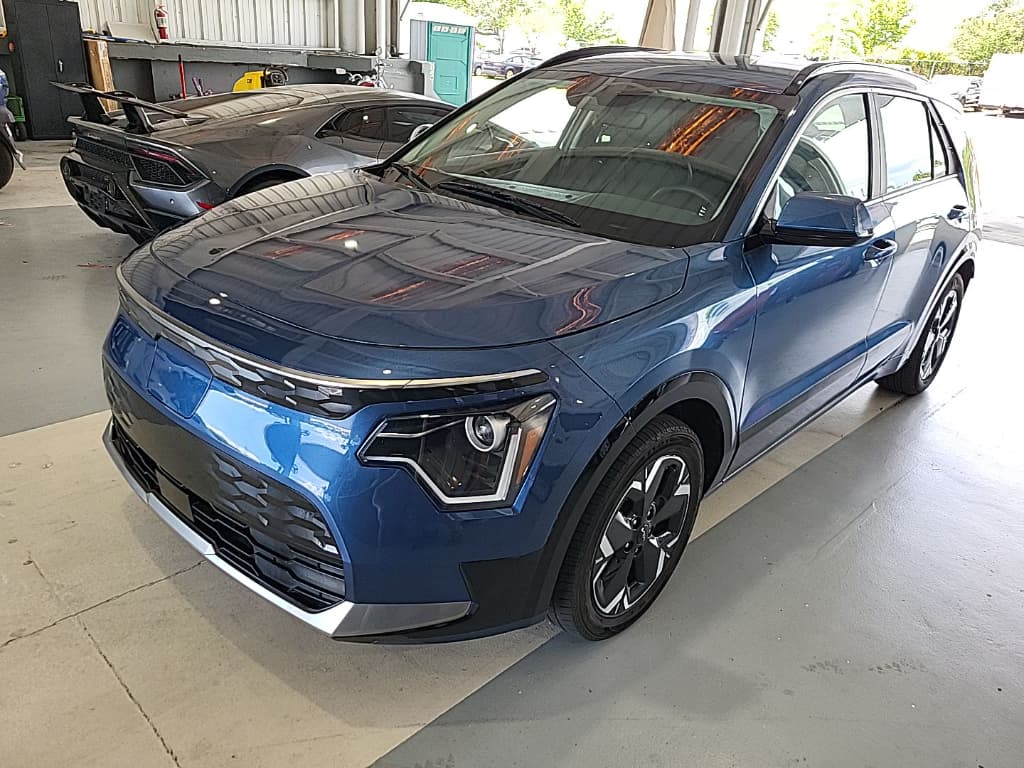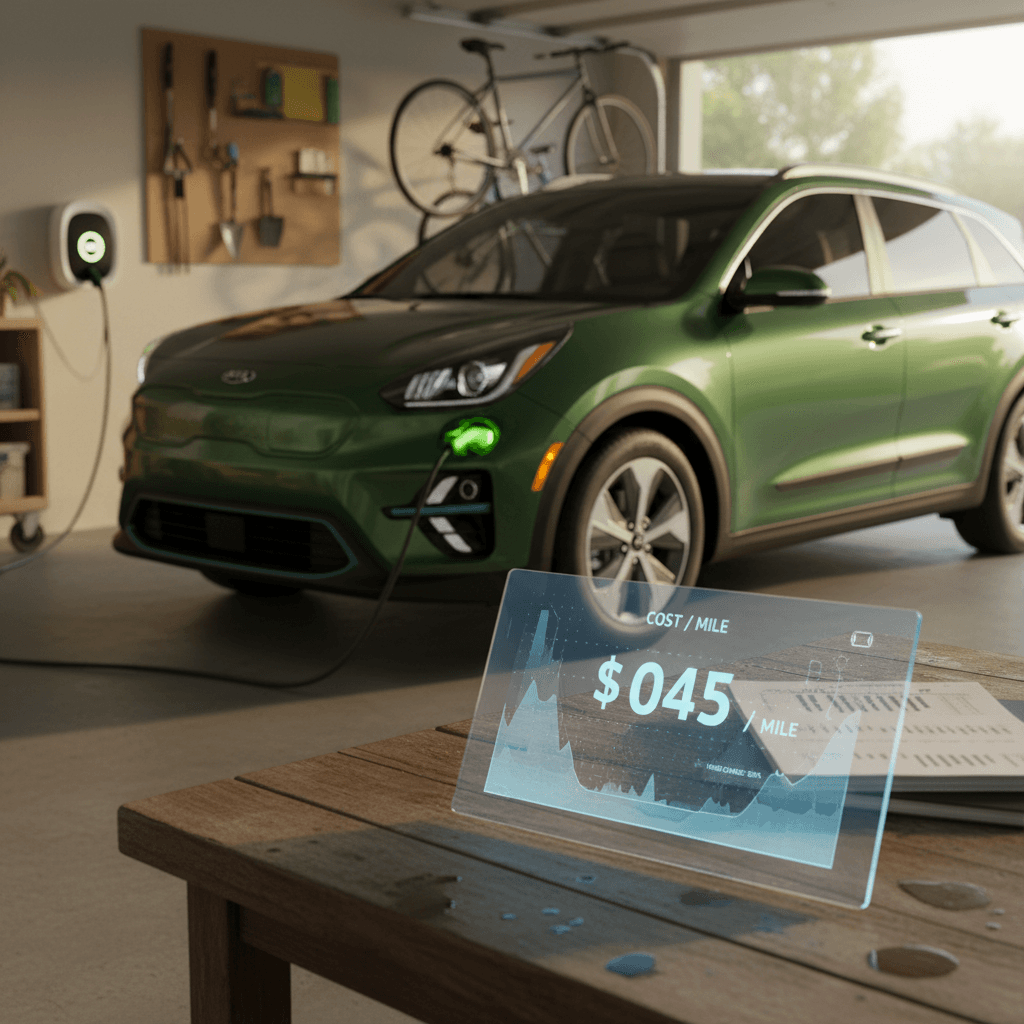
If you’re considering a Kia Niro EV, or already own one, the big money question isn’t just sticker price, it’s what it costs per mile to drive. The good news is that the Niro EV is one of the more efficient electric SUVs on the road, and with typical U.S. electricity prices, it can cost just a few cents per mile to run.
Key takeaway up front
Why the Kia Niro EV cost per mile matters
When you’re shopping for an EV, it’s easy to fixate on range and features. But over the years you own it, energy cost per mile quietly becomes one of the biggest pieces of total cost of ownership, especially if you drive 10,000–15,000 miles a year. Understanding your Kia Niro EV’s cost per mile helps you compare it fairly with a gas Niro, a hybrid, or rival EVs like the Chevy Bolt EUV or Hyundai Kona Electric.
Unlike gasoline, where you see the price per gallon on every street corner, your electricity cost is buried in cents per kWh on your utility bill. The Niro EV’s efficiency is listed in kWh per 100 miles or MPGe on an EPA sticker. Once you know how to combine those numbers, you can quickly answer: “What am I really paying per mile?”
Short answer for quick shoppers
Kia Niro EV efficiency: EPA vs real‑world
To get cost per mile, you first need a realistic number for how much energy the Kia Niro EV uses per mile.
- Recent U.S.‑spec Kia Niro EVs (around 2023–2025) are rated by the EPA at roughly 27–29 kWh per 100 miles, depending on trim.
- That’s another way of saying the car averages about 3.4–3.7 miles per kWh in mixed driving under test conditions.
- Real‑world drivers often report around 3.0–3.7 mi/kWh depending on speed, temperature, and terrain, slower city driving usually beats highway runs.
Convert kWh/100 mi to mi/kWh (and back)
Kia Niro EV efficiency at a glance
The simple formula to calculate Niro EV cost per mile
Once you know your local electricity rate and your Niro EV’s efficiency, the math is straightforward. The cleanest way is to work with kWh per 100 miles (you can get this from EPA specs or your car’s trip computer).
- Find your electricity rate on your utility bill. Look for the line showing something like $0.17 per kWh.
- Find your efficiency. Use either the EPA figure (for example, 28 kWh/100 mi) or your own long‑term average from the car’s display.
- Use this formula: Cost per mile = (Electricity rate × kWh per 100 mi) ÷ 100.
- Or for cost per 100 miles: Cost per 100 mi = Electricity rate × kWh per 100 mi.
Example using the formula
Cost per 100 mi = 0.18 × 28 = $5.04
Cost per mile = $5.04 ÷ 100 = 5.0¢/mile.
Example Kia Niro EV cost‑per‑mile scenarios
Electricity prices vary a lot by state and even by neighborhood. Recent national data for 2024–2026 show average residential rates in the U.S. hovering roughly in the mid‑ to high‑teens cents per kWh, with some states well below and coastal states well above that. To make this concrete, let’s look at three common scenarios using a realistic Niro EV efficiency of 28 kWh/100 miles.
Kia Niro EV electricity cost per mile: sample scenarios
Illustrative cost‑per‑mile estimates for a Niro EV at 28 kWh/100 miles under different U.S. electricity prices.
| Scenario | Residential rate (per kWh) | Cost / 100 miles | Cost / mile |
|---|---|---|---|
| Low‑cost electricity state | $0.13 | $0.13 × 28 = $3.64 | 3.6¢/mi |
| Average U.S. rate (around mid‑teens) | $0.16 | $0.16 × 28 = $4.48 | 4.5¢/mi |
| Higher‑cost area or time‑of‑use peak | $0.24 | $0.24 × 28 = $6.72 | 6.7¢/mi |
Your actual cost will depend on your specific rate plan, charging behavior, and driving style.
Public fast charging costs more
Kia Niro EV cost per mile vs a gasoline compact SUV
To decide whether a Niro EV makes sense, you need to compare it to something familiar, like a gasoline compact SUV or a hybrid. Let’s benchmark against a gas crossover that averages 30 mpg, using round numbers for today’s fuel prices.
Kia Niro EV vs gasoline SUV: example fuel cost per mile
Approximate fuel/energy cost per mile using common U.S. price points.
| Vehicle & scenario | Price assumption | Energy use | Fuel/energy cost / 100 mi | Fuel/energy cost / mile |
|---|---|---|---|---|
| Kia Niro EV home charging (typical) | $0.16/kWh | 28 kWh/100 mi | 0.16 × 28 = $4.48 | 4.5¢/mi |
| Kia Niro EV DC fast charging (frequent road trips) | $0.40/kWh | 28 kWh/100 mi | 0.40 × 28 = $11.20 | 11.2¢/mi |
| Gas SUV at 30 mpg, $3.50/gal | $3.50/gal | 3.33 gal/100 mi | 3.33 × 3.50 = $11.66 | 11.7¢/mi |
| Gas SUV at 30 mpg, $4.00/gal | $4.00/gal | 3.33 gal/100 mi | 3.33 × 4.00 = $13.32 | 13.3¢/mi |
These examples isolate fuel/energy only, maintenance, purchase price, and depreciation are separate questions.
What this comparison tells you
What makes your Niro EV cost per mile go up or down
Main levers that affect Kia Niro EV cost per mile
Some are under your control, some aren’t, but all are worth understanding.
1. Electricity rate
2. Driving efficiency
3. Where you charge
4. Climate & seasons
5. Battery health
6. Route & terrain
Winter driving reality check
How a used Kia Niro EV changes your overall cost per mile
Energy is only one part of what it really costs per mile to own any vehicle. Depreciation, financing, insurance, and maintenance often dwarf fuel costs over a 5‑ to 10‑year span. This is where a used Kia Niro EV can make the numbers even more attractive.
Why used improves total cost per mile
The first owner eats the steepest depreciation curve. When you buy a Niro EV that’s 2–4 years old, you’re often paying far less than new while still getting modern efficiency, safety tech, and plenty of warranty coverage.
Spread a reduced purchase price over 60,000–100,000 miles of driving, and your total cost per mile (energy + depreciation + maintenance) can look dramatically better than a new gas car bought at full MSRP.
How Recharged fits into the picture
At Recharged, every used EV listing, including Kia Niro EVs, comes with a Recharged Score Report that includes verified battery diagnostics and fair‑market pricing. That helps you understand not just today’s energy cost per mile, but how healthy the pack is for years of future driving.
You can finance online, get an instant offer on your trade‑in, or use consignment if you’re selling. Nationwide delivery and EV‑specialist support make the math and the process easier from your couch.
Think in “all‑in” cost per mile
Practical ways to lower your Niro EV cost per mile
Simple steps to shrink your Kia Niro EV cost per mile
1. Charge primarily at home, off‑peak if possible
Set your Niro EV’s charge schedule to align with cheaper overnight or off‑peak hours if your utility offers them. This can shave several cents per kWh compared with daytime rates or public fast chargers.
2. Monitor your mi/kWh and adjust driving style
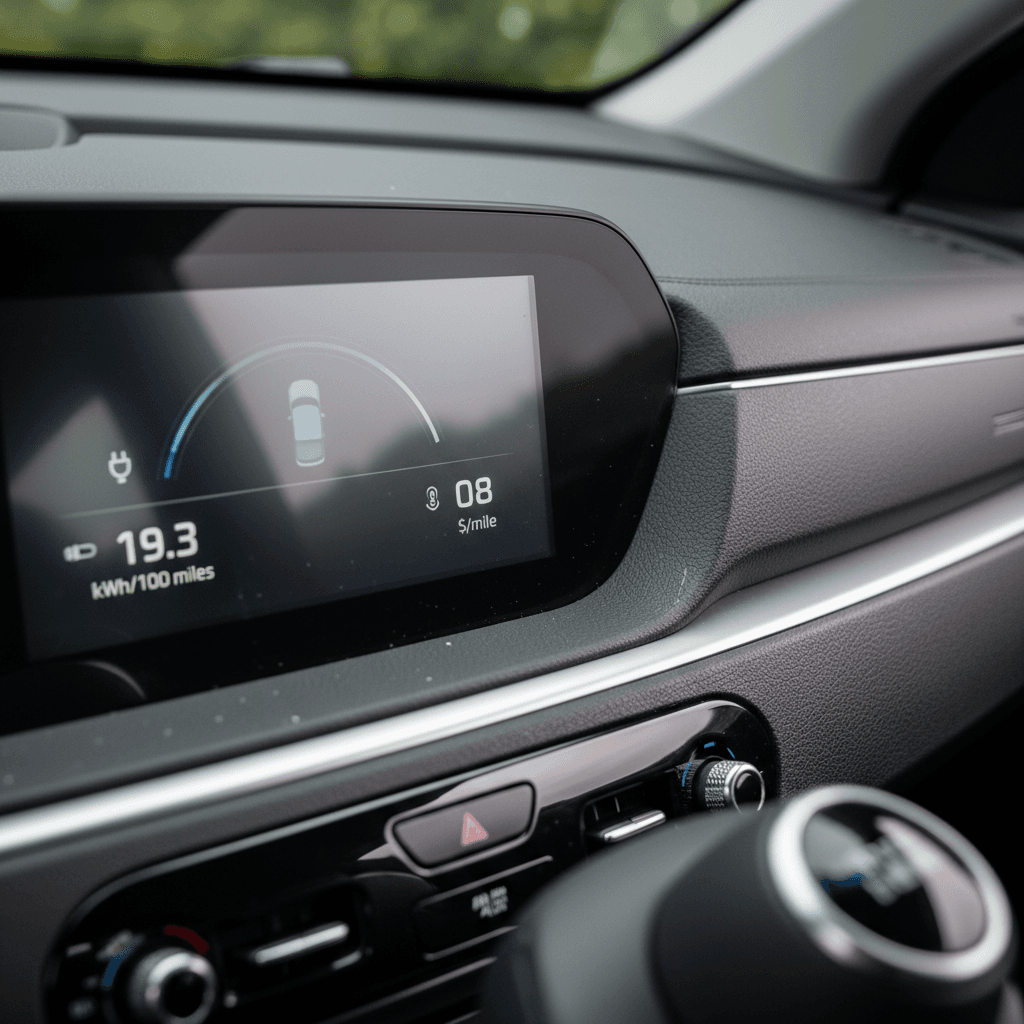
Keep an eye on your long‑term mi/kWh in the instrument cluster. If it’s consistently below 3.0 mi/kWh in mild weather, try smoothing out acceleration, easing off highway speeds, and using Eco mode.
3. Keep tires properly inflated and aligned
Under‑inflated or misaligned tires increase rolling resistance and cost per mile. Check pressures at least monthly and after sharp temperature swings. When you replace tires, consider low rolling‑resistance options approved for EV use.
4. Precondition while plugged in in extreme weather
Use the climate‑preconditioning feature while your Niro EV is still plugged in. Warming or cooling the cabin on wall power means the battery doesn’t have to work as hard once you’re driving, improving mi/kWh on that trip.
5. Use DC fast charging strategically
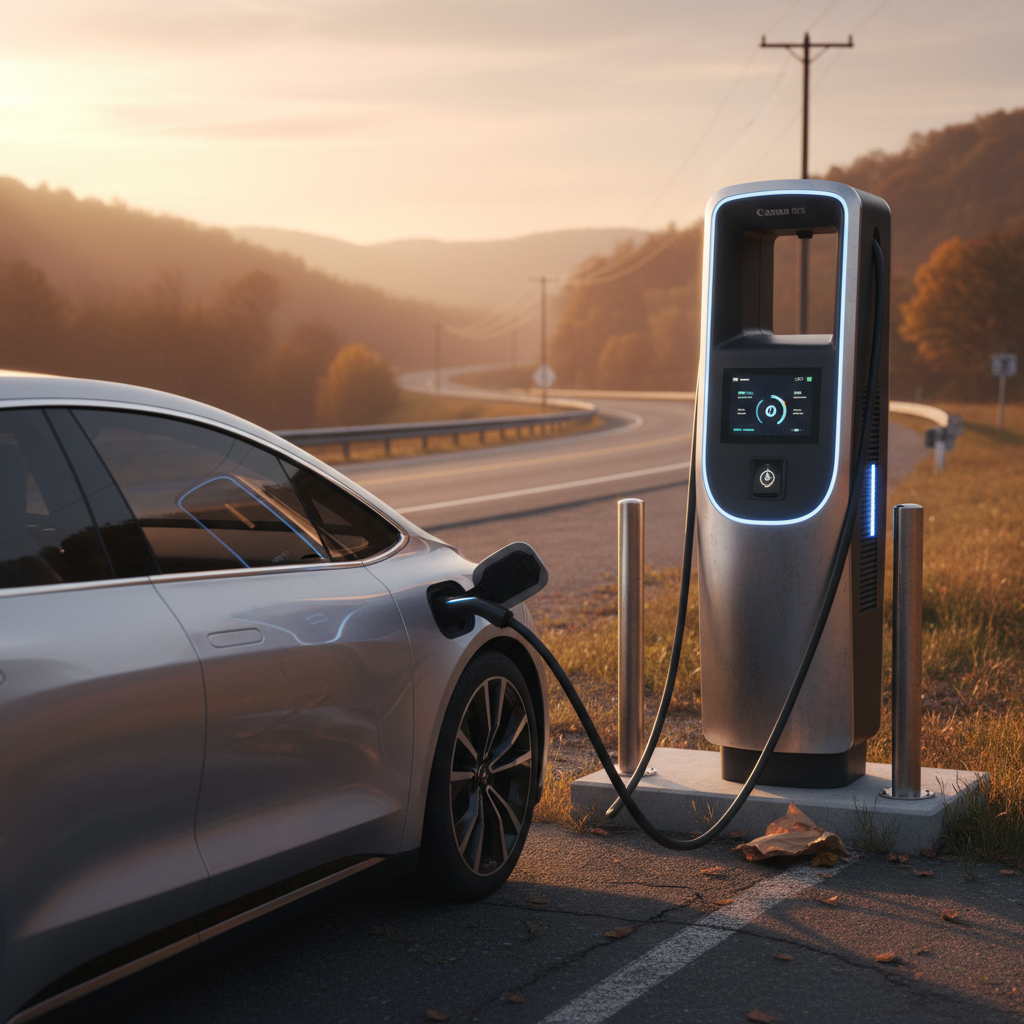
Reserve DC fast charging for road trips or occasional convenience. For daily commuting, home Level 2 or workplace Level 2 is almost always cheaper per kWh and easier on long‑term battery health.
6. Shop your utility and rate plans
Some utilities offer EV‑specific or time‑of‑use plans that dramatically cut your overnight rate. It’s worth a call or a quick online search, you might trim your energy cost per mile without changing anything about your driving.
Avoid this common mistake
FAQ: Kia Niro EV cost per mile
Frequently asked questions about Niro EV cost per mile
The bottom line on Kia Niro EV cost per mile
When you strip away the alphabet soup of kWh, MPGe, and utility tariffs, the Kia Niro EV is fundamentally a very efficient compact SUV. For a typical U.S. owner charging at home, you’re looking at roughly 4–6¢ of electricity per mile, with occasional fast‑charge road trips bumping that figure up a bit over the year.
The real magic happens when you combine that low energy cost per mile with the right purchase price. A well‑bought used Niro EV, especially one with a documented battery‑health report like the Recharged Score, can deliver thousands of miles of quiet, low‑maintenance driving at a total cost per mile that’s hard for a gasoline crossover to match.
If you’re ready to put real numbers to your own situation, grab your utility bill, glance at your Niro EV’s mi/kWh, and run the simple formula from this guide. And if you’re still shopping, browsing Recharged’s used EV listings with battery diagnostics built in is a smart way to start with the math already on your side.