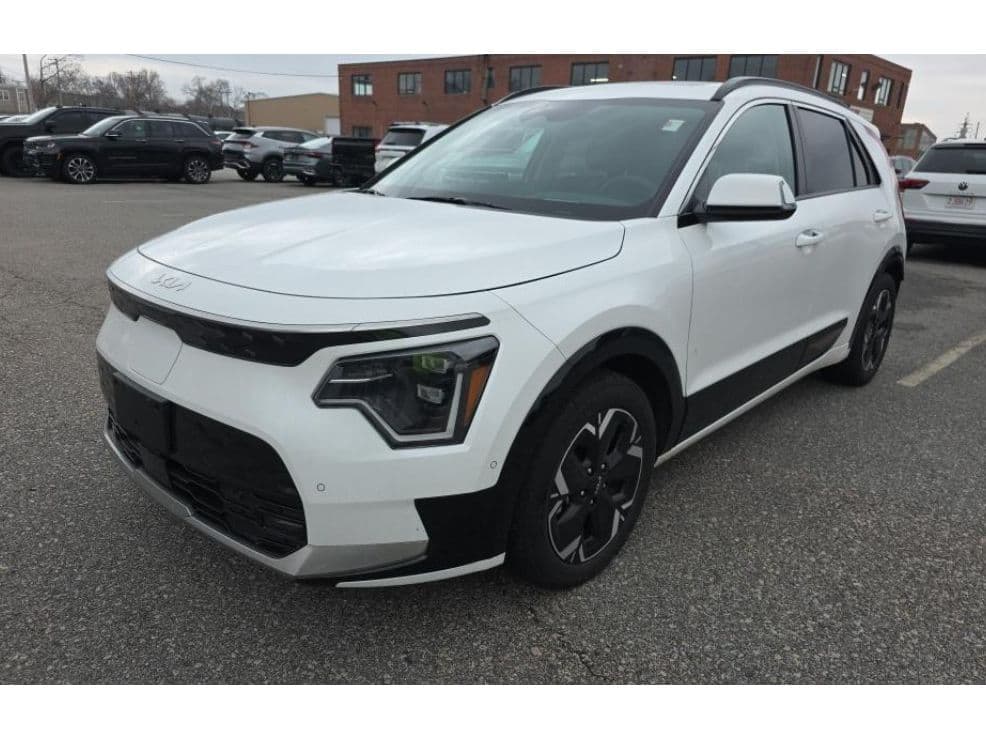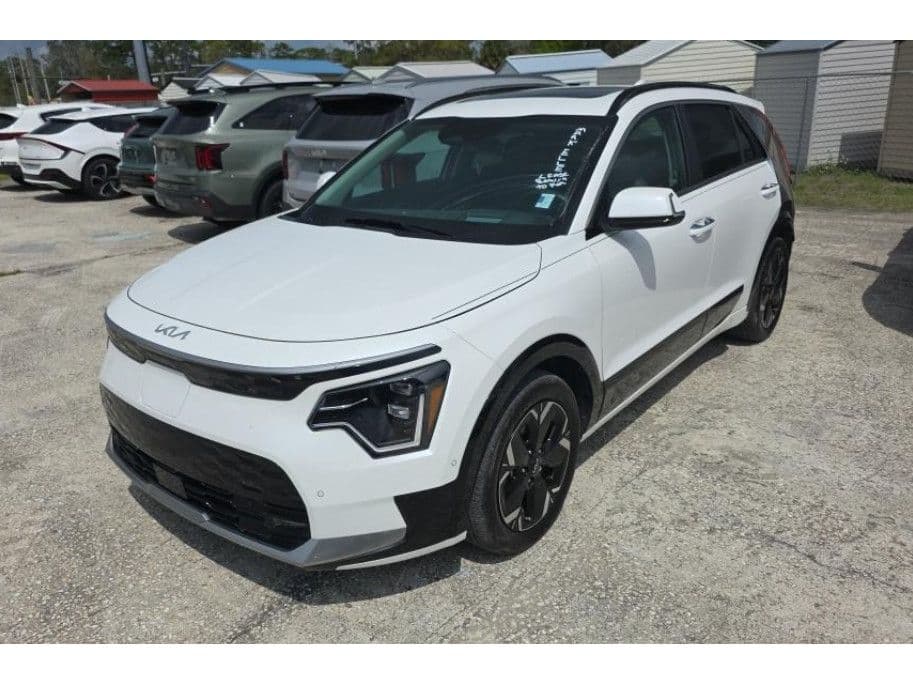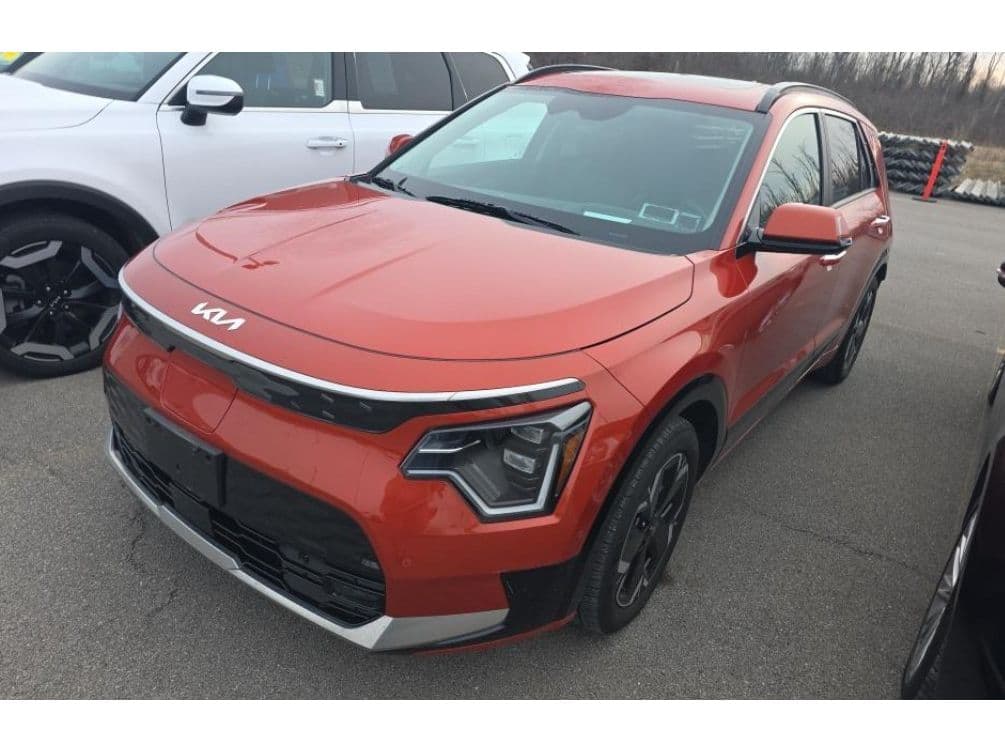
If you own a Kia Niro EV and love to ride, figuring out the right bike rack options can be confusing. Hitch, roof, or trunk rack? Factory hitch or aftermarket? And what about range loss on an EV when you’re hauling bikes? This guide breaks down your Kia Niro EV bike rack options in plain English so you can carry your bikes safely without killing your range or your rear hatch.
Applies to Niro EV (not hybrid or PHEV)
Why bike rack choice matters on a Kia Niro EV
On a gas crossover, you can usually bolt on almost any hitch or strap‑on rack and call it a day. With an EV like the Kia Niro, your rack choice affects driving range, charging access, and warranty peace of mind. Load a heavy platform rack and four e‑bikes on the back, and you’re adding a couple hundred pounds plus extra drag, things you’ll feel in your watt‑hours per mile, not just your mirrors.
- Aerodynamic drag from bikes and racks can noticeably reduce highway range.
- Extra weight on the rear or roof affects handling and braking, especially with a full battery and passengers.
- Poorly mounted racks can interfere with the Niro EV’s rear hatch, sensors, and charge door.
- Some hitch installs need to respect Kia’s tow/load ratings to avoid warranty disputes.
EV‑specific mindset
Kia Niro EV basics: hitches, weight and roof rails
1. Hitch availability
In the U.S., most Kia Niro EVs don’t ship with a factory tow package, but many owners add a 1.25-inch or 2-inch receiver hitch from aftermarket brands. They’re typically rated for light towing and bike/cargo carriers only, with low tongue‑weight limits compared to SUVs.
A professionally installed hitch is the cleanest foundation for a secure, EV‑friendly bike rack setup.
2. Roof rails and crossbars
Depending on trim and model year, your Niro EV may include flush roof rails or none at all. If you see rails, you can usually add model‑specific or universal crossbars, then mount fork‑mount or upright roof bike trays.
No rails? You’re either looking at a hatch/trunk rack or paying a shop to add rails where possible.
Check tongue weight before you buy
Hitch-mounted bike racks: best overall for Kia Niro EV
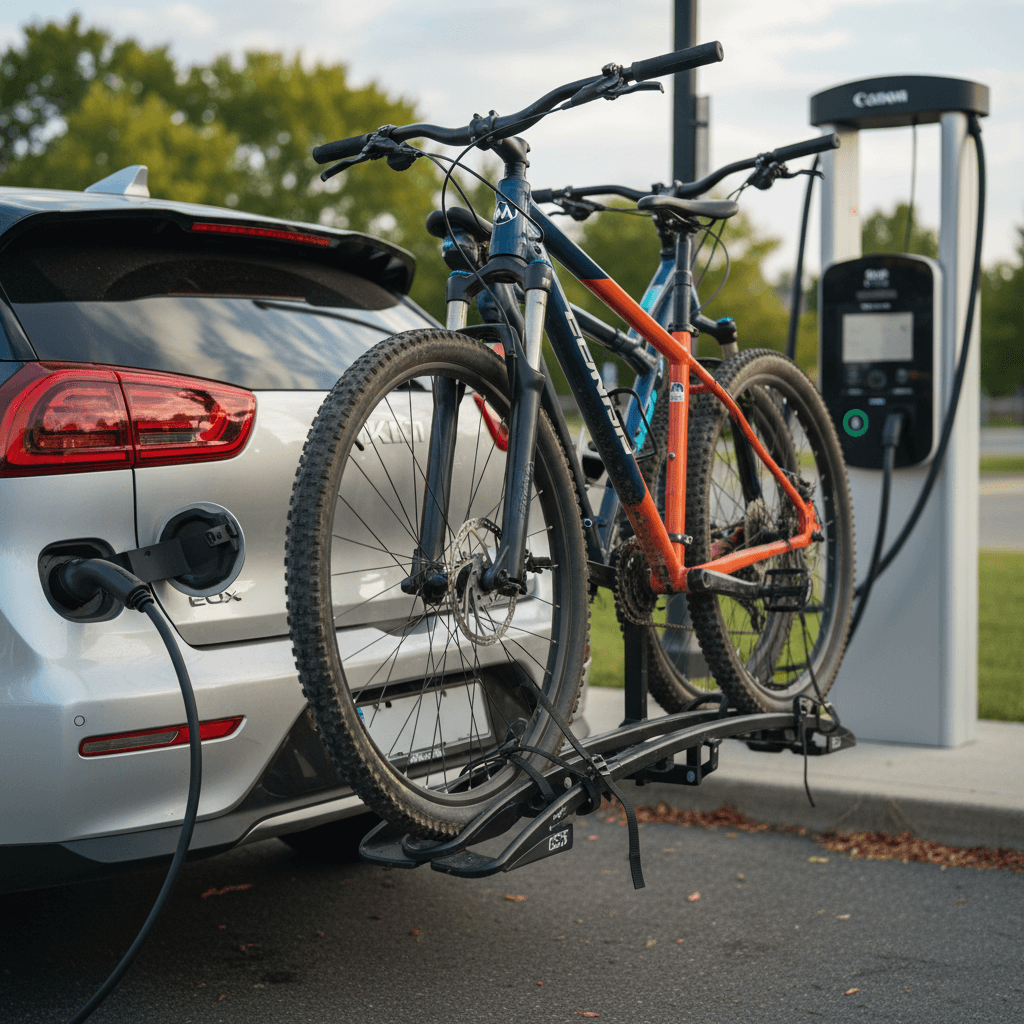
If your Niro EV has (or can get) a receiver hitch, a hitch‑mounted rack is usually the best all‑around bike rack option. It keeps bikes out of the wind more than a roof rack, avoids paint contact like some trunk racks, and makes loading much easier, especially for heavier mountain or e‑bikes.
Common hitch bike rack styles for the Niro EV
Choose based on bike weight, budget, and how often you ride
Hanging (mast‑style) hitch racks
These support bikes by the top tube. They’re usually lighter and cheaper, and they work well for 2–3 traditional bikes.
- Pros: Lower cost, lighter weight, quicker to move on/off.
- Cons: Not ideal for step‑through or heavy e‑bikes; bikes can sway and rub.
Platform (tray‑style) hitch racks
These support bikes by the wheels, with arms that clamp the front wheel or frame. They’re the go‑to choice for mountain bikes and e‑bikes.
- Pros: More stable, easier loading, better for heavier bikes.
- Cons: Heavier and pricier; pay extra attention to tongue‑weight limits.
Swing‑away & tilt‑down racks
Some premium racks tilt or swing away from the hatch, letting you open the Niro’s rear door with bikes loaded.
- Pros: Great access to cargo in a small EV.
- Cons: Extra moving parts and weight; double‑check fit on the short Niro wheelbase.
Why hitch racks pair well with EVs
Example hitch rack features to look for on a Kia Niro EV
Don’t worry about these exact models, focus on the features and fit notes when you shop.
| Rack type | Bike capacity | E‑bike friendly | Approx. rack weight | Best for |
|---|---|---|---|---|
| Compact hanging rack | 2–3 bikes | No (light bikes only) | 25–35 lb | Budget‑minded riders with light road/fitness bikes |
| Mid‑range platform rack | 2 bikes (add‑on to 3–4) | Some models, check per‑bike rating | 40–55 lb | Most Niro EV owners with mixed road/MTB |
| Heavy‑duty platform rack | 2–4 bikes | Yes, built for e‑bikes | 60+ lb | Frequent riders hauling heavy trail or cargo bikes |
Always confirm tongue‑weight and receiver size for your specific Niro EV and hitch brand before buying.
Roof bike racks for Kia Niro EV
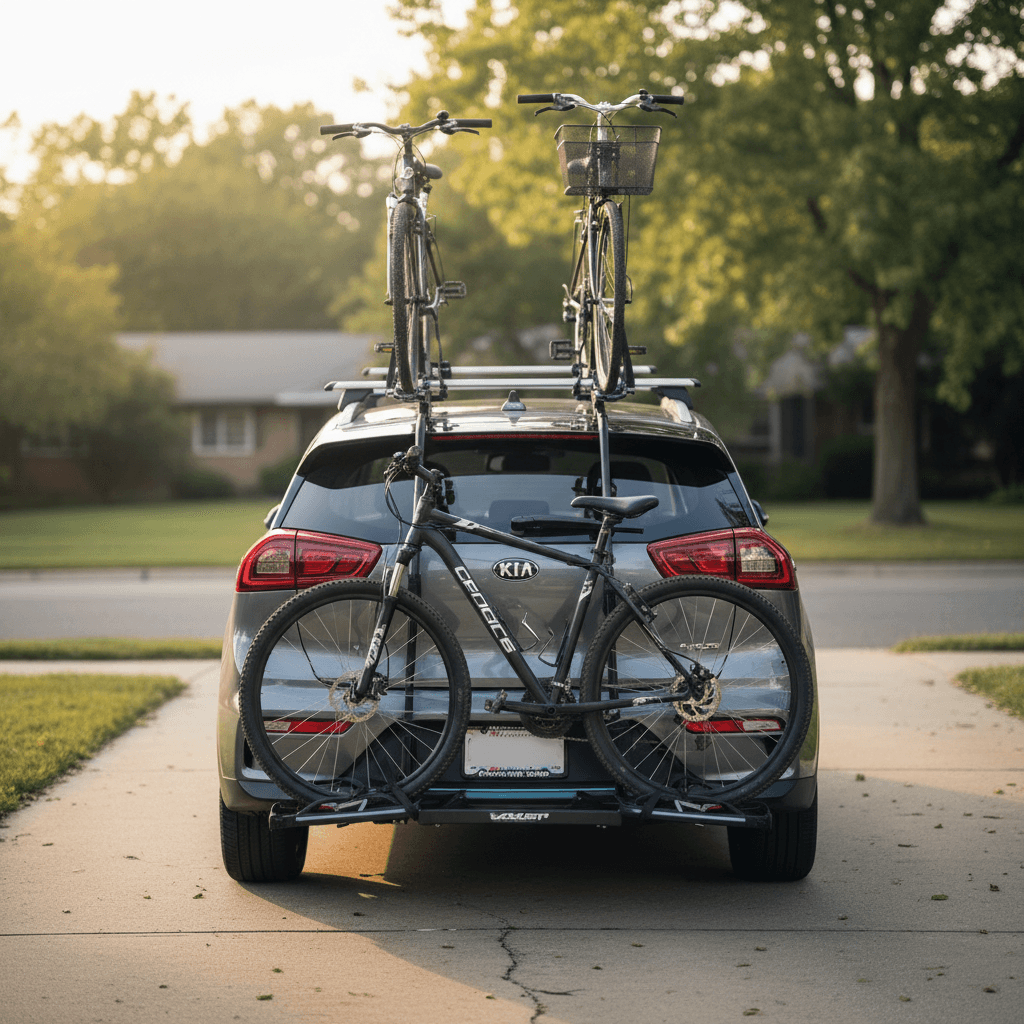
If you don’t want a hitch or you already use your hitch for another accessory, roof racks can work well on a Kia Niro EV, provided your car has rails and properly rated crossbars. Roof‑mounted bike trays free up the rear hatch and keep the taillights visible, but they come with two trade‑offs: more wind drag and tougher loading.
- Wheel‑mount or fork‑mount trays secure bikes on the roof via the front wheel or fork. They’re stable but take more time to load.
- Increased drag from bikes sticking into the airstream can cut highway range noticeably compared with an empty roof.
- The Niro EV rides relatively low, but lifting bikes onto the roof can still be a stretch, especially for shorter riders or heavy e‑bikes.
Think about your daily parking
Trunk and hatch‑mounted racks: budget friendly but fussy
Strap‑on trunk or hatch racks are tempting for Kia Niro EV owners because they’re cheaper and don’t require a hitch or rails. They secure to the hatch with a web of straps and hooks, then support bikes on arms or pads. But on a modern EV with paint‑sensitive panels and sensors, they’re the fussiest option and require the most care.
Pros and cons of trunk racks on a Kia Niro EV
Good for occasional use if you set them up carefully
Pros
- Lower upfront cost than hitch and roof systems.
- No permanent hardware or modification required.
- Easy to store in a closet or garage between trips.
Cons
- Straps and pads can rub paint or trim over time.
- May interfere with rear camera or parking sensors.
- Often block hatch access and may not be rated for heavier e‑bikes.
Avoid over‑loading a strap rack
How bike racks affect Kia Niro EV range and charging
Any time you hang bikes off a vehicle, you change both its efficiency and practicality. With an EV, those changes show up instantly in your range estimates. On the Kia Niro EV, expect to see more impact from aero than pure weight, especially at highway speeds.
Typical impacts when carrying bikes on a compact EV
Charging with bikes on the car
- Plan a slightly larger buffer in your state‑of‑charge when heading to remote trailheads, especially in cold or windy conditions.
- Use your Niro EV’s trip and energy screens to learn how a specific rack/bike combo affects your usual routes.
- If you’re shopping for a used Niro EV from Recharged, ask how previous owners used the car; a lightly used hitch or roof system can be a plus if you ride regularly.
Installation and safety checklist for Niro EV bike racks
Pre‑trip checklist for your Kia Niro EV and bike rack
1. Confirm hitch and rack ratings
Verify the <strong>receiver size</strong> (1.25 or 2 inch) and <strong>tongue‑weight rating</strong> on your Niro EV’s hitch. Add up rack weight plus all bikes and keep it under the lowest rated number (hitch, vehicle, or rack).
2. Protect paint and trim
On trunk racks, clean the hatch and pads before mounting to avoid grit scratches. On hitch racks, make sure no parts contact the bumper or hatch when tilted or folded.
3. Test hatch and charge‑port access
With the rack folded and loaded, confirm you can still open the hatch (if the rack is designed for it) and access the <strong>front‑mounted charge port</strong> without cables rubbing bikes.
4. Secure bikes carefully
Use all provided straps or wheel holders. On longer drives, add extra straps to reduce sway and keep pedals, bars, and wheels from touching each other or the car.
5. Check lights, plate, and sensors
After loading bikes, confirm your <strong>taillights and license plate</strong> remain visible. If a bike blocks a light, consider a light bar or different mounting position.
6. Re‑check hardware after a short drive
Stop after the first 5–10 miles to re‑tighten hitch bolts, rack knobs, and straps. EVs are quiet, so you may not hear a problem until it’s serious.
Let the pros handle complex installs
Choosing the right bike rack for your riding style
Match your Kia Niro EV bike rack to how you actually ride
Occasional riders & families
Prioritize <strong>simplicity and low weight</strong> over maximum capacity.
A compact 2‑bike hitch rack or light trunk rack usually does the job.
Stick to lighter bikes; avoid hanging heavy e‑bikes from a trunk rack.
Mountain bikers & gravel riders
Look for a <strong>2‑bike platform rack</strong> with generous tire and wheelbase capacity.
Check that the rack tilts enough to let you load gear through the Niro’s hatch.
Consider a design that keeps bikes lower to reduce aero drag and ease loading.
E‑bike and cargo‑bike owners
Focus on <strong>per‑bike weight ratings</strong> and a strong hitch receiver.
Platform racks with ramps are your friend; roof or trunk racks are poor fits for heavy e‑bikes.
Verify the total system weight against the Niro’s and hitch’s tongue‑weight numbers.
Multi‑sport & road‑trip users
Think about a <strong>modular system</strong> that can carry bikes one weekend and a cargo box the next.
A hitch rack plus a low‑profile roof box often works better than maxing out one position.
Plan your charging stops with extra buffer when fully loaded for a road trip.
In the used‑EV world, the cleanest setups we see are Niro EVs with a properly rated hitch and a two‑bike platform rack. It’s a simple, repeatable formula that works for a lot of riders without over‑stressing the car.
Kia Niro EV bike rack FAQ
Frequently asked questions about Kia Niro EV bike racks
How Recharged helps Kia Niro EV owners
If you’re serious about riding, your Kia Niro EV can be a great adventure partner, as long as you choose a bike rack that respects the car’s weight limits, aerodynamics, and charging needs. A modest hitch‑mounted platform rack hits the sweet spot for most owners, with roof and trunk racks filling in niche use cases.
When you shop for a used Kia Niro EV through Recharged, you get more than just a vehicle. Every car includes a Recharged Score Report with verified battery health, fair market pricing, and expert guidance on accessories like hitches and racks. Our EV specialists can talk through how you’ll use the car, commuting, trails, family trips, and help you plan a bike‑friendly setup that won’t surprise you at the charger or on your next road trip.