If you’ve shopped for an EV lately, you’ve probably seen bragging rights like “800V architecture” and “10–80% in under 20 minutes.” At the same time, lots of great EVs still run on 400V. So in the real world, what’s the difference between 800 volt vs 400 volt EV charging, and does it actually matter for how you drive, charge, and shop for your next (or used) EV?
Quick answer
Why voltage matters in EV charging
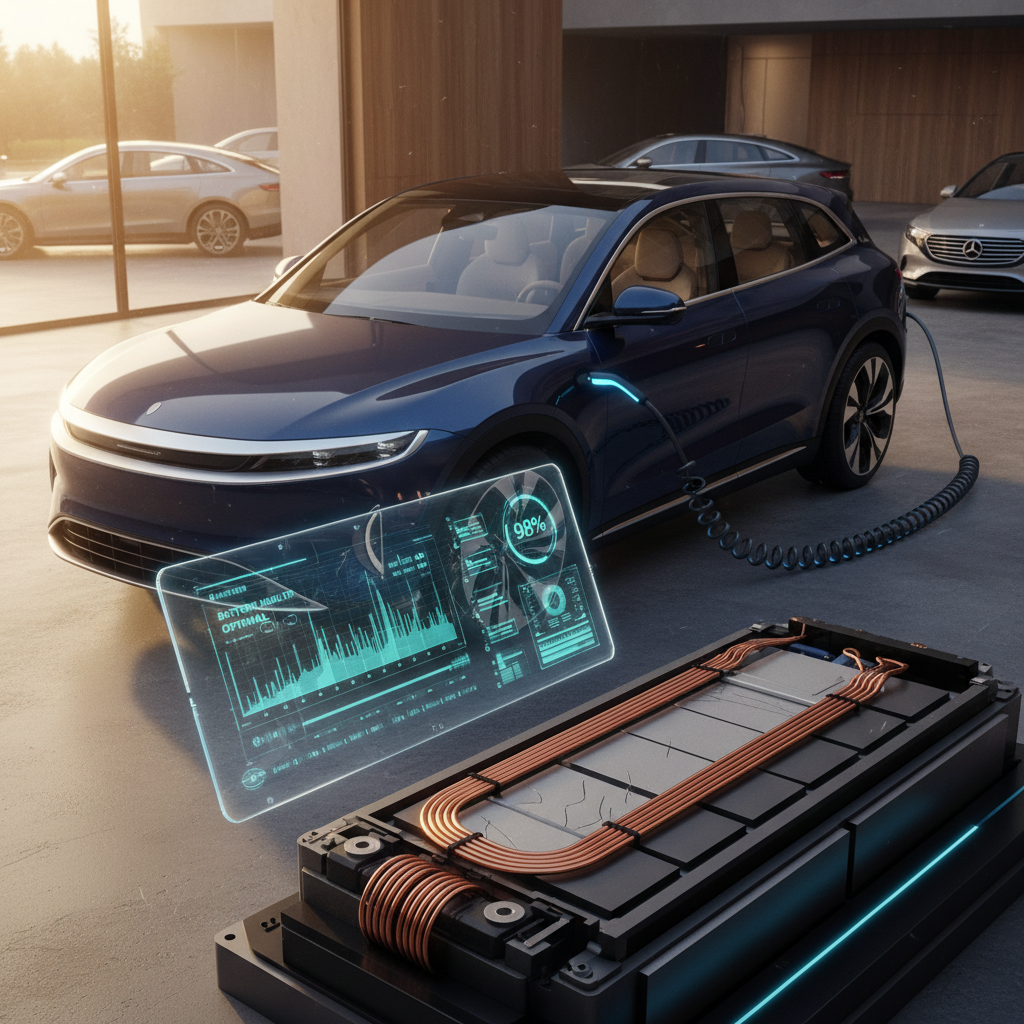
Under the skin, every EV has a big battery pack made of hundreds or thousands of cells. How those cells are wired together determines the pack’s voltage. Today, most EVs are either around 400 volts or around 800 volts on the DC side.
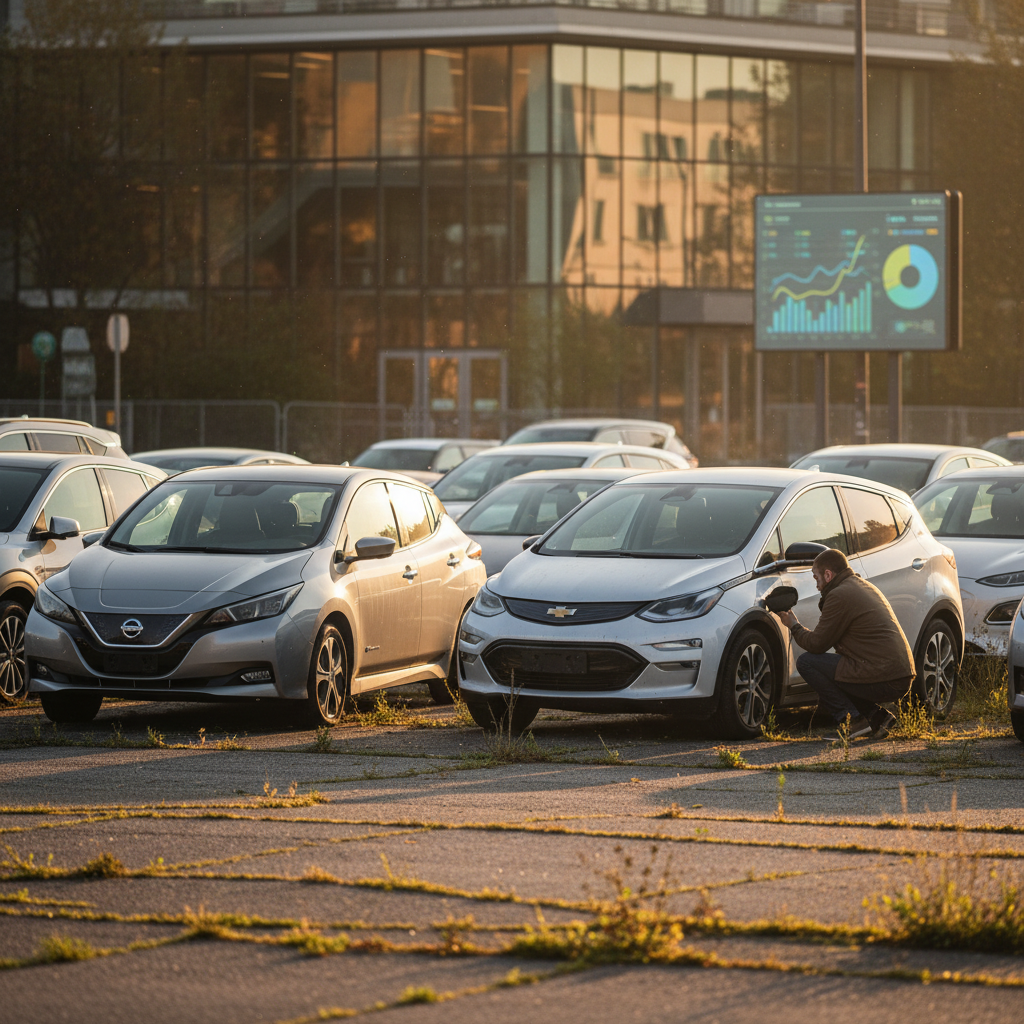
- 400V systems are the long‑time norm. Most Teslas, Chevy Bolts, Nissan Leafs, VW ID models and many others live here.
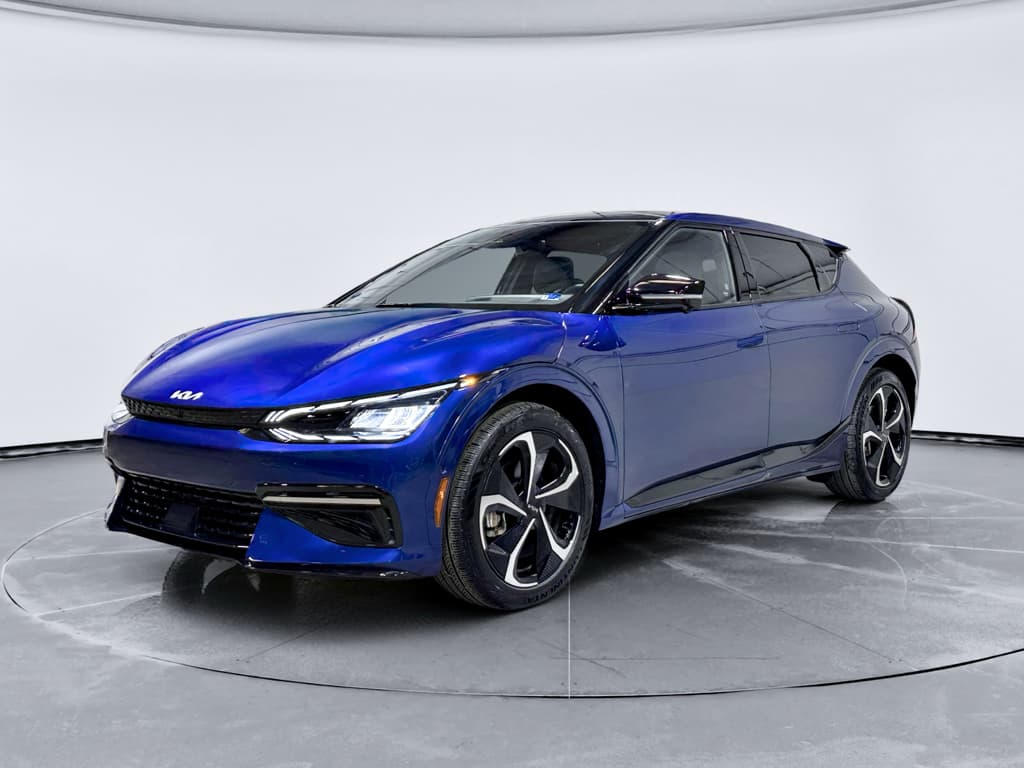
- 800V systems are newer and tend to show up on higher‑end or newer platforms: Porsche Taycan, Hyundai Ioniq 5 and 6, Kia EV6 and EV9, Genesis GV60, Lucid Air and others.
- Some platforms are designed to work flexibly with both 400V and 800V fast chargers, using onboard electronics to “boost” or “step up” voltage as needed.
Voltage matters because of a simple relationship: Power (kW) = Voltage (V) × Current (A). For a given power level, if you double the voltage, you only need half the current. Lower current means less heat in cables and connectors and the ability to push more power through the same hardware.
Why that helps you at the plug
800V vs 400V EV charging: the physics in plain English
Same power, different math
Imagine you want 200 kW of charging power:
- 400V car: needs about 500 amps (200,000 ÷ 400).
- 800V car: needs only about 250 amps (200,000 ÷ 800).
Because cable and connector heat losses go as I²R (current squared times resistance), cutting current in half slashes heat dramatically. That makes it easier to safely deliver big power levels.
Why 800V can go higher
Most public DC fast‑charging hardware today is limited more by current than by voltage. Many stations top out around 500 amps.
- At ~400V, 500A caps you near 200 kW.
- At ~800V, even 400A can deliver 320 kW.
This is why you’ll see some 800V cars advertised with 10–80% in 15–20 minutes on a 350 kW charger, while 400V EVs on the same station often top out around 150–200 kW and take longer to do the same 10–80% jump.
800V vs 400V: headline charging numbers
Charging curves matter more than peak kW
Real-world fast‑charging speed: 800V vs 400V
On paper, 800V wins the charging race. On the road, the story is “it depends.” Battery temperature, state of charge, the specific charger, and software all shape what you actually see on the screen.
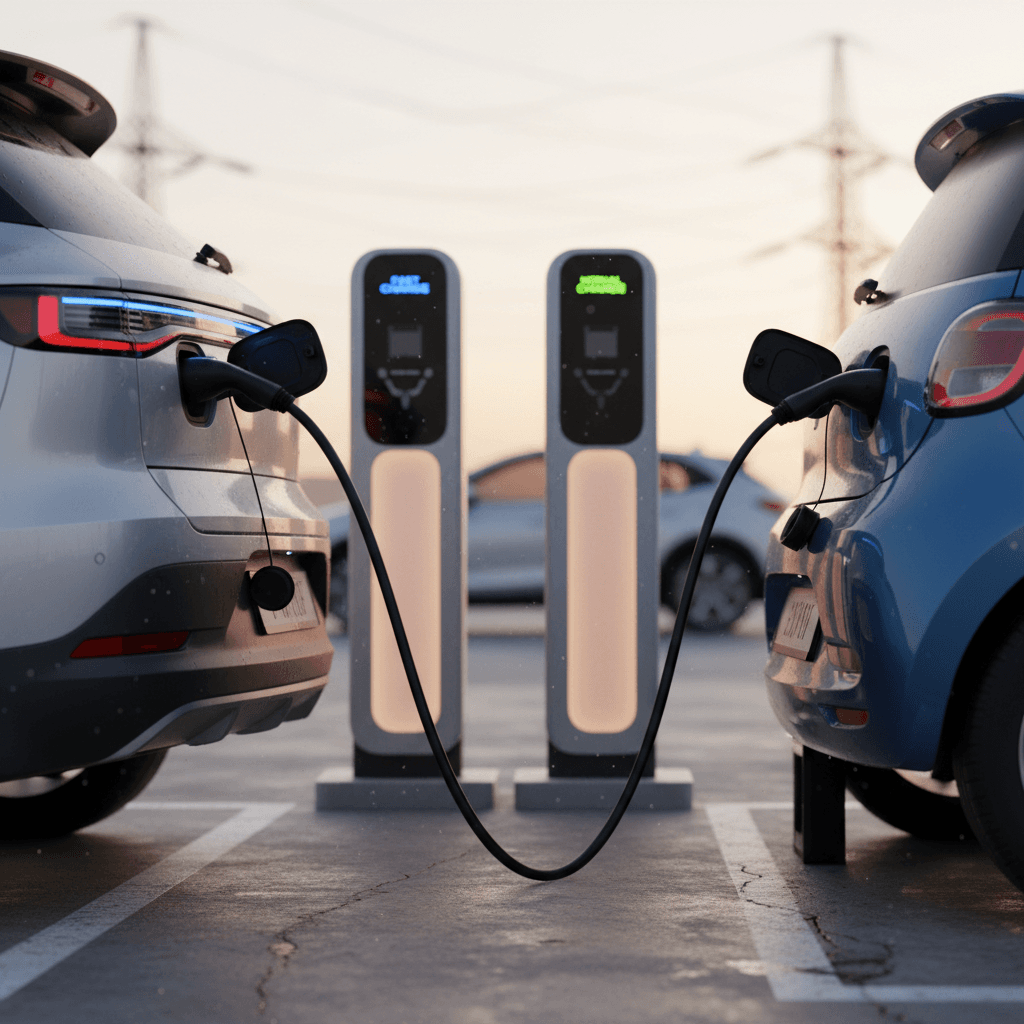
How 800V vs 400V feels at a highway charger
Same station, different experiences
Typical 400V EV
- Peak DC speed: often 120–170 kW.
- 10–80%: roughly 25–35 minutes on a good 150–250 kW charger.
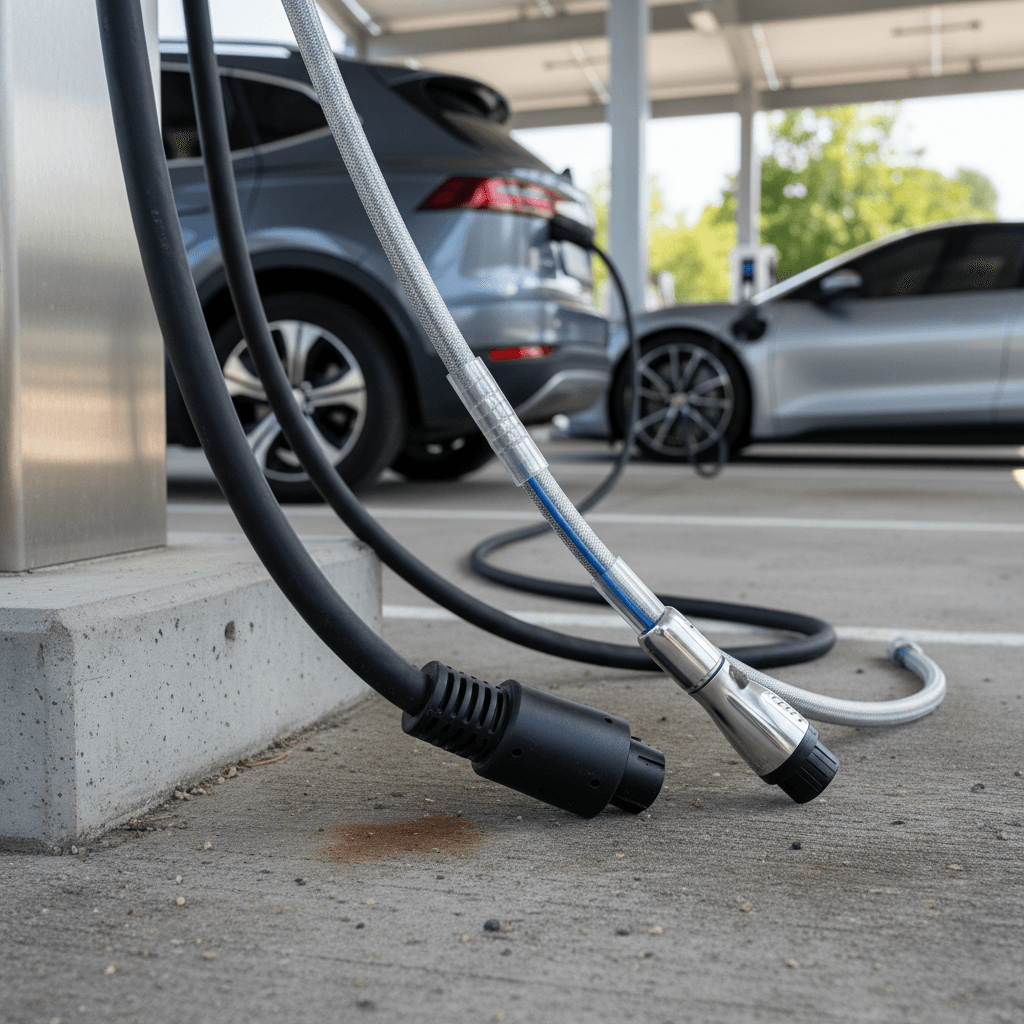
- Cables can be thicker and heavier at higher currents.
Typical 800V EV
- Peak DC speed: often 220–270+ kW on a 350 kW post.
- 10–80%: commonly 15–20 minutes when pack is warm and charger is healthy.
- Cables are often slimmer or liquid‑cooled, easier to handle.
What you feel as a driver
- 400V: plenty for occasional road trips; stops feel similar to a long coffee break.
- 800V: on multi‑stop days, you notice the shorter dwell times, especially if you’re watching the clock.
Where 800V shines
Home charging: does 800V vs 400V matter at all?
For home charging, the 800V vs 400V debate almost disappears. That’s because home and workplace charging are AC (Level 1 or Level 2 in North America). The wall unit sends AC to the car, and the onboard charger inside the car converts it to DC at whatever voltage the battery pack needs.
- A 400V and an 800V EV plugged into the same 240V, 40‑amp home charger will both pull the same power, about 9.6 kW, if their onboard hardware allows it.
- Your home’s electrical panel, outlet, and EVSE (charging station) determine home charging speed, not the battery pack voltage.
- The pack voltage becomes relevant again only when you’re dealing with DC fast charging or advanced gear like bidirectional (vehicle‑to‑home or vehicle‑to‑grid) chargers that interface directly with the pack.
Home charging takeaway
Battery life, heat, and efficiency
Heat is the enemy of battery life. Because 800V systems can deliver the same power with lower current, they generate less resistive heat in cables and connectors at a given kW level. That’s a win for efficiency and component longevity.
Where 800V helps
- Lower cable losses: Less energy wasted as heat between charger and car at high power.
- Lighter hardware: Slimmer cables and connectors are easier to handle and cool.
- High‑power stability: It’s easier to hold high kW for longer periods without things getting too hot.
Where chemistry still rules
- Inside the pack, cell chemistry and cooling matter more than voltage for long‑term degradation.
- A well‑designed 400V pack can age better than a poorly managed 800V pack.
- Fast charging, at any voltage, still accelerates wear compared with slow, cool overnight charging.
Don’t “live” on fast chargers
Which EVs use 800V vs 400V today?
800V architecture started on expensive performance models but is steadily coming down‑market. At the same time, many popular EVs will remain 400V for years, especially in the used market.
Examples of 800V vs 400V EVs
Not a complete list, but a snapshot of where key models land today.
| Voltage class | Example models | Platform / notes | Typical DC fast‑charge peak |
|---|---|---|---|
| 800V | Porsche Taycan, Audi e‑tron GT | Performance twins with very high DC speeds | up to ~270–320 kW (model‑dependent) |
| 800V | Hyundai Ioniq 5/6, Kia EV6/EV9, Genesis GV60 | Hyundai Motor Group E‑GMP platform | up to ~230–270 kW on 350 kW chargers |
| 800V | Lucid Air | Ultra‑long‑range luxury sedan | well over 250 kW in ideal conditions |
| 400V | Tesla Model 3/Y/S/X (current gens) | Tesla’s widely used architecture | commonly 170–250 kW on Superchargers |
| 400V | Chevy Bolt EV/EUV, Nissan Leaf | Budget‑focused legacy models | 50–100 kW depending on version |
| 400V | VW ID.4, Ford Mustang Mach‑E, many others | Mainstream crossovers and compacts | usually 125–170 kW on capable hardware |
Always confirm details for a specific model year, automakers sometimes change pack designs mid‑generation.
Used EV shopper tip
Charging network limitations and compatibility
Even the best 800V EV can only charge as fast as the station allows. Today’s public DC landscape is a mix of power levels and connector types, and that’s just as important as what’s inside your car.
What really limits your fast‑charging speed
Voltage is only one piece of the puzzle
Charger power rating
- 50–75 kW: Common older DC units; even 800V EVs will be stuck at these speeds.
- 150–200 kW: Newer highway sites; good match for many 400V and 800V cars.
- 250–350 kW: Where 800V really stretches its legs.
Connector & adapter
- In North America, CCS and NACS coexist during the transition.
- Most 800V cars use CCS today, with NACS coming.
- Adapters and native NACS ports will matter more than voltage for where you can actually plug in.
Station condition & software
- A “350 kW” post might be derated or sharing power.
- Battery pre‑conditioning and software updates can change your real‑world speeds.
- Always check your app for stall details and recent user feedback.
800V on 400V hardware
How to choose: 800V vs 400V for your next EV
Questions to decide if 800V is worth it for you
1. How often do you road‑trip?
If you’re mostly commuting 30–60 miles a day and charging at home, a well‑specced 400V EV may serve you just as well as an 800V one, for less money.
2. Do you have reliable fast chargers nearby?
Pull up your charging apps and look for 200–350 kW stations along your common routes. If your region is still mostly 50–150 kW posts, 800V’s advantages will be blunted.
3. How long do you keep cars?
If you tend to hold onto vehicles for many years, pay more attention to battery health history and thermal management than just the voltage badge. That’s where a verified battery report, like a Recharged Score, is invaluable.
4. Are you shopping new or used?
The used market still leans heavily 400V. If you want the best value, you may find more options there, while a used 800V model can be a sweet spot for frequent fast‑chargers.
5. What’s your budget?
800V platforms often show up first on pricier trims. If the premium squeezes out features you’ll use every day (driver‑assist, heat pump, all‑wheel drive), 400V may be the smarter overall package.
If you’re a mostly‑home charger
- Priorities: comfort, efficiency, price, battery health.
- Voltage: not a big factor. A 400V car with a solid Level 2 setup will feel effortless.
- Focus on: realistic range, cabin features, and how it fits your life.
If you’re a regular road‑tripper
- Priorities: fast‑charge speed, network access, charging curve.
- Voltage: 800V can be a real advantage when paired with 200–350 kW stations.
- Focus on: real 10–80% times, connector type (CCS vs NACS), and how many high‑power sites are on your routes.
Used EV shopping: what pack voltage means on the lot
When you’re browsing used EVs, you’ll see a mix of 400V and 800V models. What matters most isn’t bragging rights, it’s how the car’s battery has been treated and how it will fit into your daily life.
How to think about 800V vs 400V in a used EV
Real‑world questions to ask before you buy
Battery health first
Charging pattern history
Your local infrastructure
How Recharged fits in
Ready to find your next EV?
Browse VehiclesFrequently asked questions about 800V vs 400V EV charging
800V vs 400V charging: your questions answered
Bottom line: should you care about 800V?
Here’s the bottom line on 800 volt vs 400 volt EV charging: 800V is a smart engineering move that unlocks truly impressive fast‑charging speeds and cooler operation, when it’s paired with powerful, modern DC hardware. But it’s not a magic wand, and it doesn’t turn every road trip into a ten‑minute pit stop.
For many drivers, a well‑priced 400V EV with healthy battery, solid range, and strong home‑charging setup will feel just as easy to live with. For high‑mileage drivers who live on the highway and hit 200–350 kW chargers often, an 800V EV can be a genuine quality‑of‑life upgrade.
If you’re comparing options, especially in the used market, don’t get lost in voltage alone. Focus on verified battery health, real‑world charging behavior, and how the car fits your routes and routines. And if you’d like backup, Recharged’s EV specialists and Recharged Score Reports are there to help you pick the right car, at the right price, with eyes wide open about how it will actually charge once it’s in your driveway.