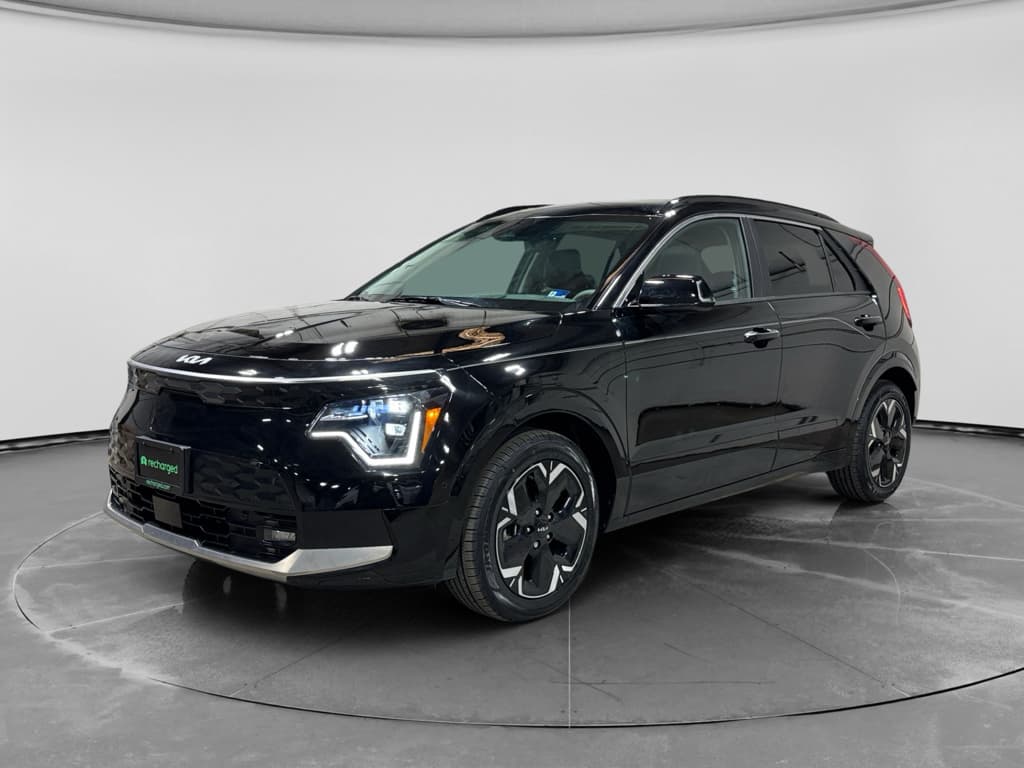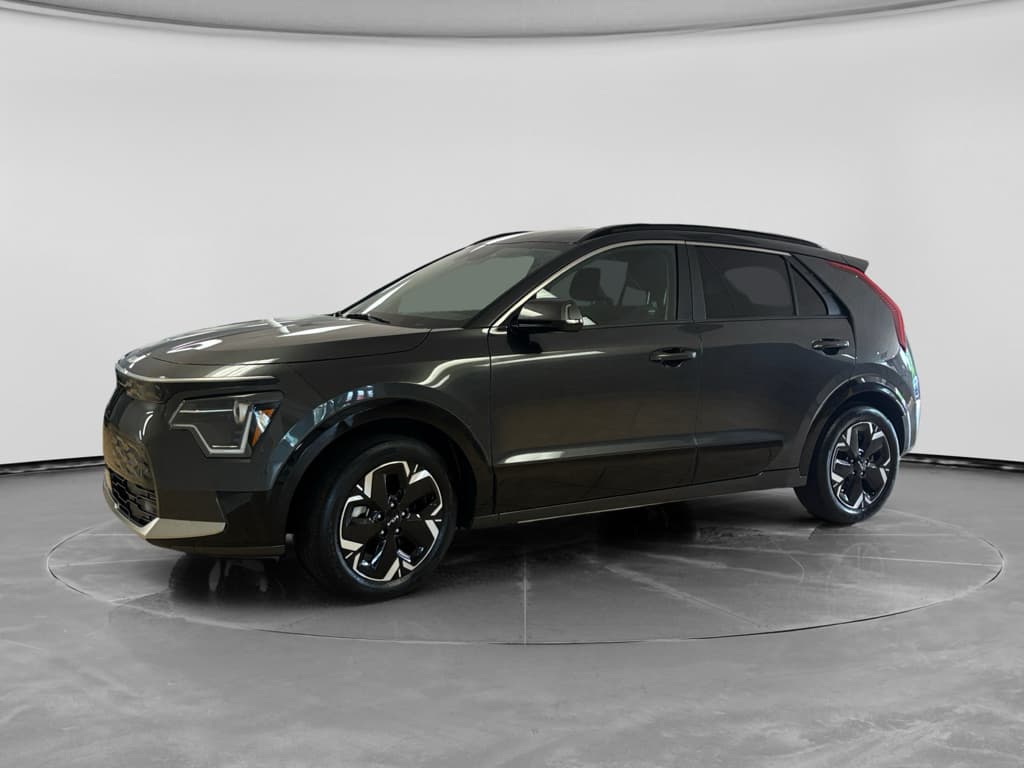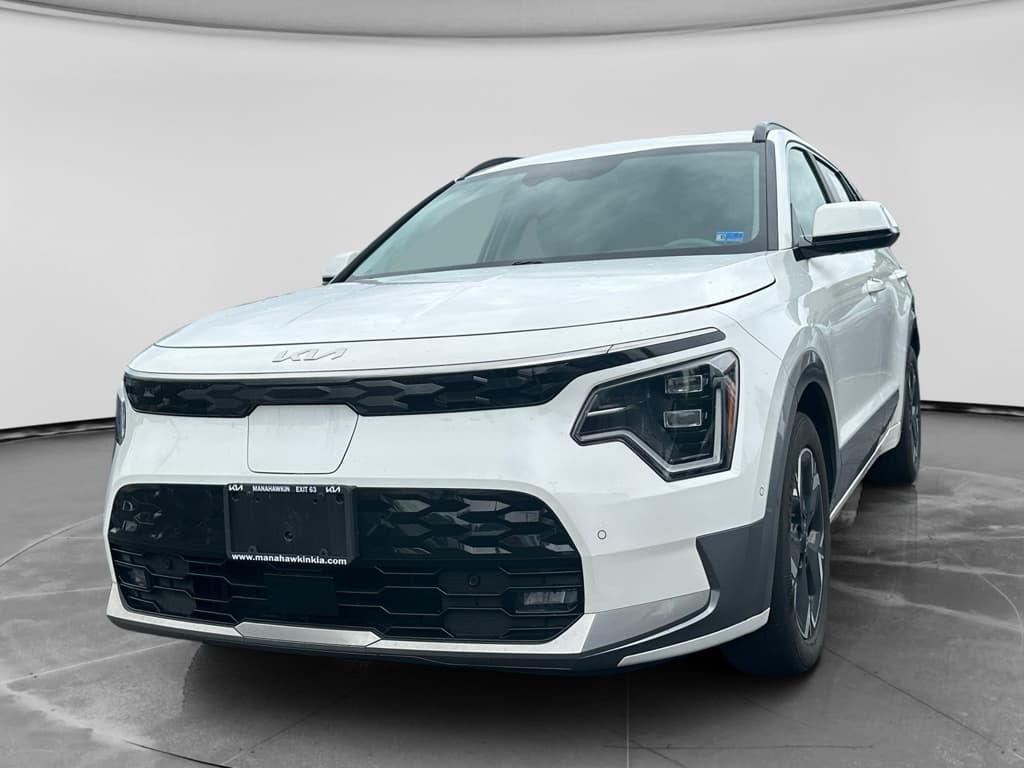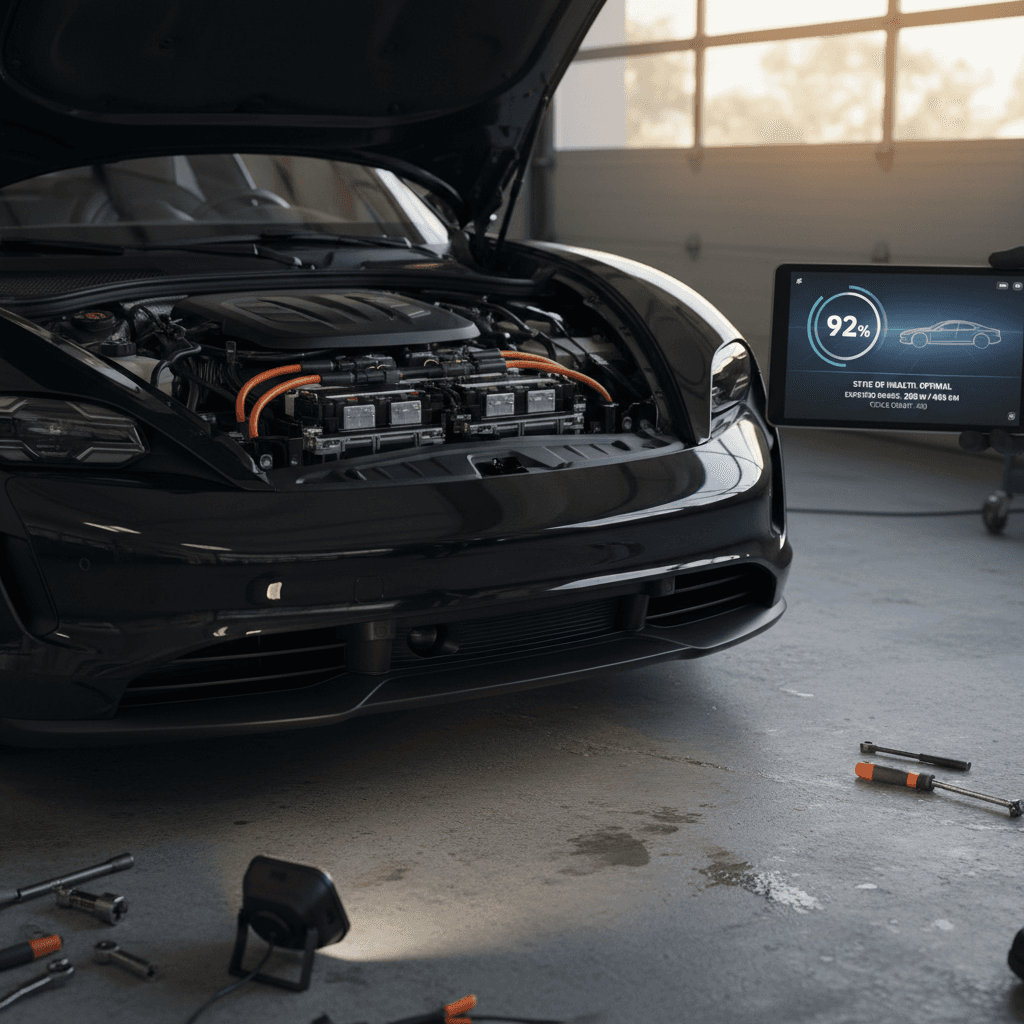
If you own, or are shopping for, a Kia Niro EV, battery health is the number-one thing on your mind. A Kia Niro EV battery health check tells you how much capacity the pack still has, how much real-world range you can expect, and whether you’re protected by Kia’s warranty. The good news: most Niro EV packs age slowly, and with the right tools you can get a clear picture of what’s going on under the floor.
What “battery health” actually means
Why Kia Niro EV battery health matters
Unlike an engine in a gas car, your Niro EV’s battery pack is both the most expensive component and the heart of the driving experience. Healthy batteries deliver the range you expect, fast charging speeds, and strong acceleration. A tired pack means more frequent charging stops, sluggish performance, and future repair costs, especially if you’re outside warranty.
Three reasons to check Niro EV battery health regularly
Good habits now save range and money later
Range you can trust
Battery health determines your real-world driving range. Knowing the pack’s condition helps you plan road trips and daily commutes with confidence.
Resale & trade‑in value
Used‑EV buyers care deeply about battery condition. A documented, healthy pack can boost resale value and make your Niro easier to sell or trade.
Warranty peace of mind
Understanding how Kia defines capacity loss and failure helps you know when warranty coverage might kick in, and when you’re on your own.
Kia Niro EV battery at a glance
Kia Niro EV battery basics and warranty coverage
Recent Kia Niro EVs use a lithium‑ion pack with about 64.8 kWh usable capacity and an EPA‑rated range around 250 miles when new. Over time, every lithium‑ion battery loses a bit of capacity, this is normal degradation, not a defect.
- Most U.S. Kia EV traction batteries are covered for about 8–10 years or 100,000 miles (check your specific warranty booklet).
- Kia’s capacity warranty typically kicks in if the pack falls below about 70% of original capacity during that period, assuming no abuse or exclusions.
- The warranty usually covers repair or replacement needed to restore the pack to at least that 70% threshold, not necessarily back to “as-new” 100%.
Warranty vs. what feels “normal”
Quick battery health check from the driver’s seat
You don’t need any tools to do a first‑pass Kia Niro EV battery health check. Your instrument cluster and infotainment screen already tell a story if you know what to look for.
1‑minute battery health check from inside the car
1. Note rated vs. actual range
Charge the car to 100% once in mild weather. Compare the displayed range with the original EPA figure (around 239–253 miles depending on model year). If you consistently see, say, 220 miles in similar conditions and driving style, that’s roughly 10–15% real‑world loss.
2. Watch how quickly miles drop
On your regular commute, pay attention to how many miles of indicated range you use versus miles driven. If 40 miles of driving routinely eats 60+ miles of range, you’re either driving very aggressively, conditions are harsh, or usable capacity is down.
3. Use the energy consumption screen
Press the EV or energy button to see average mi/kWh. Poor efficiency (for example, 2.7 mi/kWh instead of 3.5–4.0 in similar conditions) will shorten range even if the battery is perfectly healthy.
4. Pay attention to DC fast‑charge speed
A healthy Niro EV should climb quickly to significant power at a DC fast charger when the pack is warm and around 10–50% SOC. If charging stalls at unusually low power on multiple stations and days, it can be a sign the pack or its thermal management isn’t happy.
5. Listen for thermal management
The cooling fans and pumps will cycle during fast charging or hot weather. Constant, loud operation even in mild conditions may hint the battery is working harder than it should to stay in its comfort zone.
How to read true battery State of Health (SOH)
If you want more than a gut feeling, you’ll need to peek at the Niro EV’s State of Health (SOH). This is a percentage the Battery Management System (BMS) assigns to describe how much capacity remains compared with when the pack was new.
Method 1: Dealer diagnostic (most accurate)
The gold standard for a Kia Niro EV battery health check is the same path Kia technicians use:
- They connect Kia’s diagnostic system (KDS or equivalent) to the car.
- Navigate to the Battery Management System (BMS) data list.
- Read values like State of Health, State of Charge, and sometimes cell voltage spread.
If you’re worried about a specific issue, rapid range loss, odd charging behavior, or a possible warranty claim, this is the route to take.
Method 2: OBD‑II dongle & smartphone app
Many owners prefer DIY, using a Bluetooth OBD‑II adapter and apps such as:
- EV Watchdog (popular on Kia/Hyundai forums)
- Car Scanner with the "Kia / Hyundai EV" profile
These apps can display BMS‑reported SOH, usable capacity in kWh, charge/discharge history, and more. They’re incredibly useful, but on some Niro EVs, the SOH value can be overly optimistic and sit at 100% for tens of thousands of miles, so treat it as one data point, not gospel.
How to get the most honest SOH reading
- Buy a reputable Bluetooth OBD‑II adapter that plays nicely with EVs (look for recommendations from other Kia Niro EV owners).
- Install a compatible app and select the Kia Niro EV / Kia EV profile when prompted.
- Pair the adapter with your phone, plug it into the port under the dash, and turn the car on.
- Navigate to the battery or BMS data pages and look for:
• SOH (%) – headline health number
• Usable capacity (kWh) – how much the pack can actually store
• Cell voltage spread – difference between the highest and lowest cells; large gaps can hint at trouble. - Record these values along with odometer, date, and conditions. Checking every few months will give you a trend line instead of a single snapshot.
State of Health is best treated as a trend, not a diagnosis. A single snapshot can be noisy; a steady downward drift over years is what normal battery aging looks like.
Real‑world signs your Niro EV battery is aging
Even without gadgets, your daily driving will tell you a lot. The key is to separate normal EV behavior, from weather, speed, and driving style, from genuine battery degradation.
Normal behavior vs. red flags
Not every lost mile is a dying battery
Totally normal
- Winter range dropping 20–30% with lots of heat use.
- Less range at 75–80 mph versus city driving.
- One or two “short” DC fast‑charging sessions on a very cold day.
- SOH fluctuating 1–2% between readings.
Worth a closer look
- Range down ~15–20% or more in mild weather, compared with when the car was new.
- DC fast charging consistently slow, even when the pack is warm and low on charge.
- OBD app shows SOH under ~85% within the first 60–80k miles.
- Dealer sees large cell‑voltage imbalances or stored battery fault codes.
Signs you should stop guessing and call the dealer
Best practices to protect your Niro EV battery
Kia did a lot of the hard work for you: the Niro EV has a thermal‑managed pack and built‑in buffers that keep the cells away from true zero and 100%. But your habits still matter, especially if you want the battery to feel strong well past the warranty period.
Everyday habits that keep Niro EV batteries healthy
1. Avoid living at 100%
Charging to 100% for a road trip now and then is fine. Parking at 100% all day, every day is not. For daily use, aim for around 70–80% as your regular target.
2. Don’t fear going below 20%, just don’t linger
Short dips into low state of charge (under 20%) are okay, but try not to leave the car sitting nearly empty for days. The BMS needs some headroom to manage itself.
3. Treat DC fast charging as a tool, not a lifestyle
Occasional DC fast charging won’t kill the pack. Relying on it multiple times a day, especially in hot weather, will age the cells faster. If you can, use Level 2 at home or work for most charging.
4. Give the battery a break from extreme heat
High heat plus high state of charge is the worst combination. In hot climates, try to park in shade or a garage, and avoid leaving the car at a full charge under a blazing summer sun.
5. Use scheduled charging
Most Niro EVs let you schedule charging so it finishes near your departure time. That way, the battery doesn’t sit full for hours, and you can sync with cheaper overnight electricity rates.
6. Keep software up to date
Ask the dealer to check for software updates during service visits. BMS updates can tweak how the pack is managed and sometimes improve range accuracy or charging behavior.
The big picture on longevity
Battery health when buying a used Kia Niro EV
Shopping used is where a Kia Niro EV battery health check really pays off. Two similar‑looking Niros can have very different battery histories: one lived on gentle Level 2 at home; the other fast‑charged at 150 kW three times a day on rideshare duty.
Used Kia Niro EV battery health checklist
Questions to ask and data to gather before you sign anything
| Check | What to look for | Why it matters |
|---|---|---|
| Warranty status | Original in‑service date, mileage, remaining years/miles on EV battery warranty. | Tells you how much factory protection you have left if the pack does have an issue. |
| Displayed range at 100% | Full charge in mild weather; compare to EPA rating for that model year. | A quick reality check on real‑world capacity vs. new. |
| Charging history | Ask about home vs. DC fast charging, typical charge limits, and storage habits. | Heavy DC fast‑charge use and long spells at 100% can accelerate aging. |
| OBD‑based SOH reading | If possible, scan with a trusted app and OBD adapter to capture BMS SOH and usable kWh. | Provides a deeper look than the dash alone, especially combined with range observations. |
| Dealer health report | Kia health check printout with BMS data and any battery‑related fault codes. | A documented report is powerful both for peace of mind and resale later. |
Use this table as a worksheet while you evaluate a used Niro EV.
How Recharged helps with used Niro EVs
When to see the dealer about battery health
Most of the time, small swings in range or SOH aren’t worth losing sleep over. But there are clear situations where a professional Kia Niro EV battery health check at the dealership is the right move.
- Multiple OBD readings over months show SOH dipping into the low‑80s or below with modest mileage.
- You notice a step‑change drop in range not explained by cold weather, hills, or driving style.
- The car refuses to DC fast‑charge properly across several different stations and days.
- You see battery or high‑voltage warning lights, or the car limits power unexpectedly.
- You’re approaching the end of the EV battery warranty window and want a baseline report on record.
Document everything for potential warranty claims
Kia Niro EV battery health check FAQ
Frequently asked questions about Kia Niro EV battery health
Bottom line: How worried should you be?
If you’re driving a Kia Niro EV today, odds are good that your battery will outlast your patience with the cupholders. These packs are engineered for a long life, and owner data so far backs that up. A sensible Kia Niro EV battery health check, occasional SOH readings, a watchful eye on range, and decent charging habits, is usually all it takes to stay ahead of trouble.
If you’re shopping for a used Niro EV, focus on transparency. Ask for battery health data, understand how the car was charged, and lean on expert tools. Recharged was built around that idea: every used EV we list comes with a verified battery health report, fair pricing, and EV‑savvy support so you can enjoy electric driving without wondering what’s lurking in the pack.