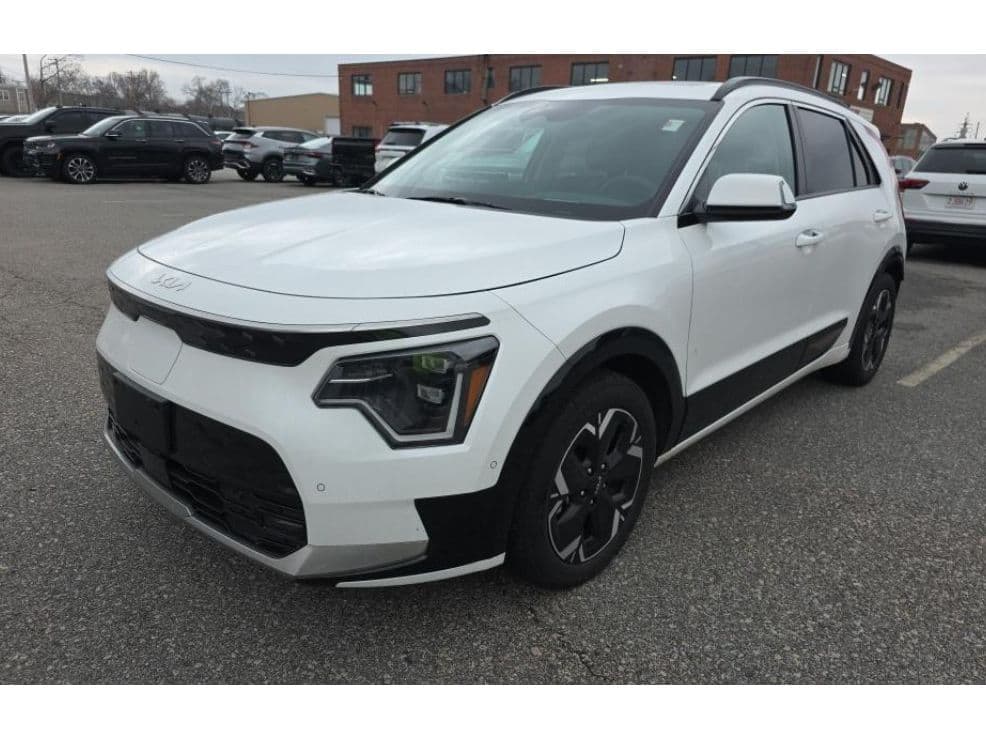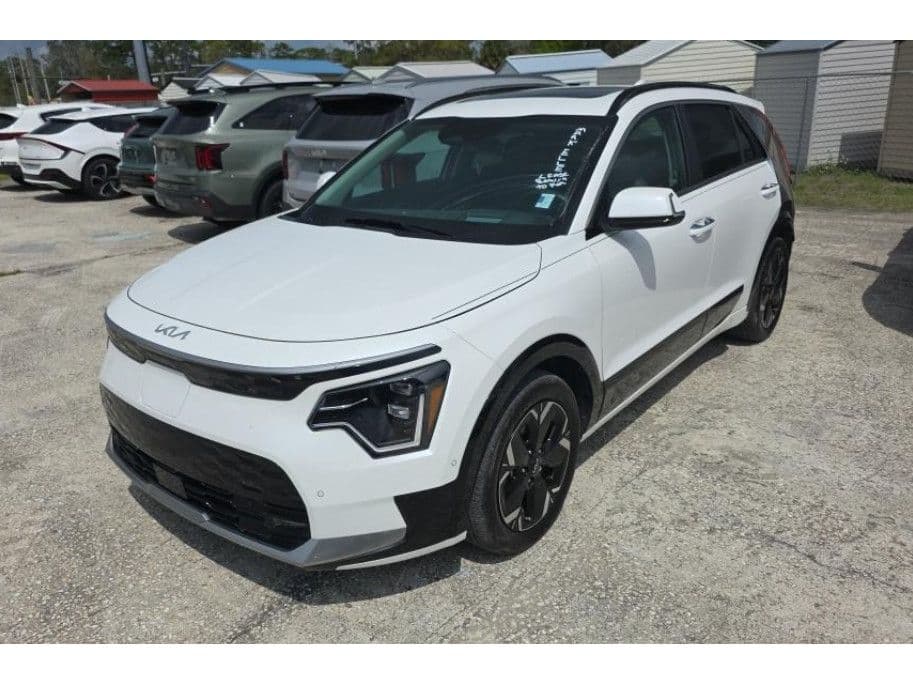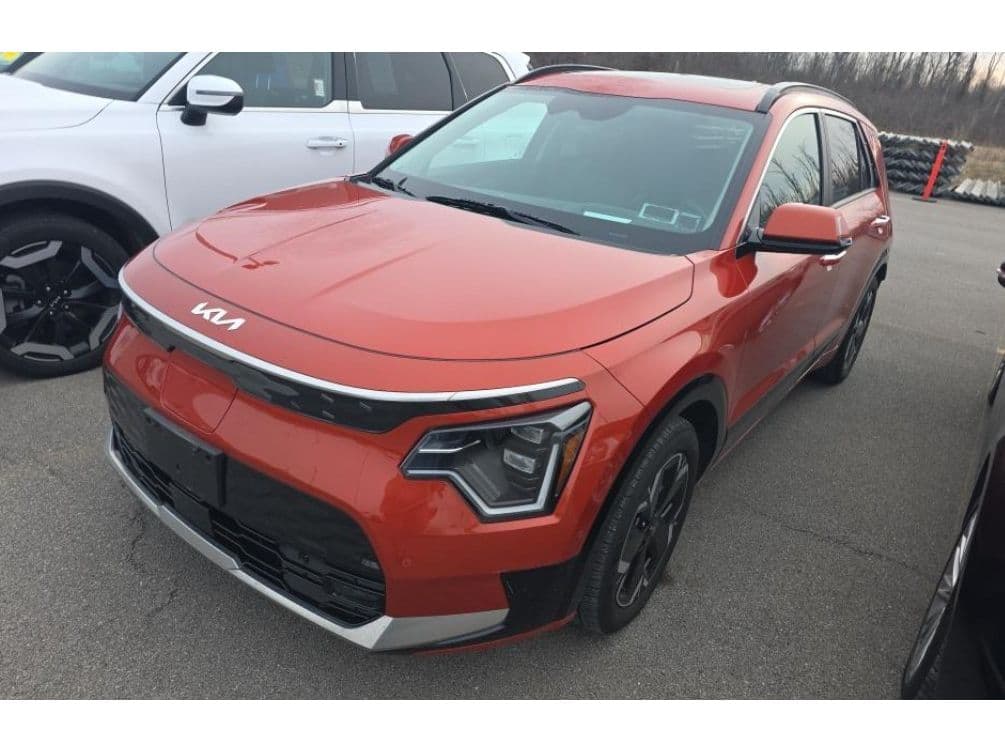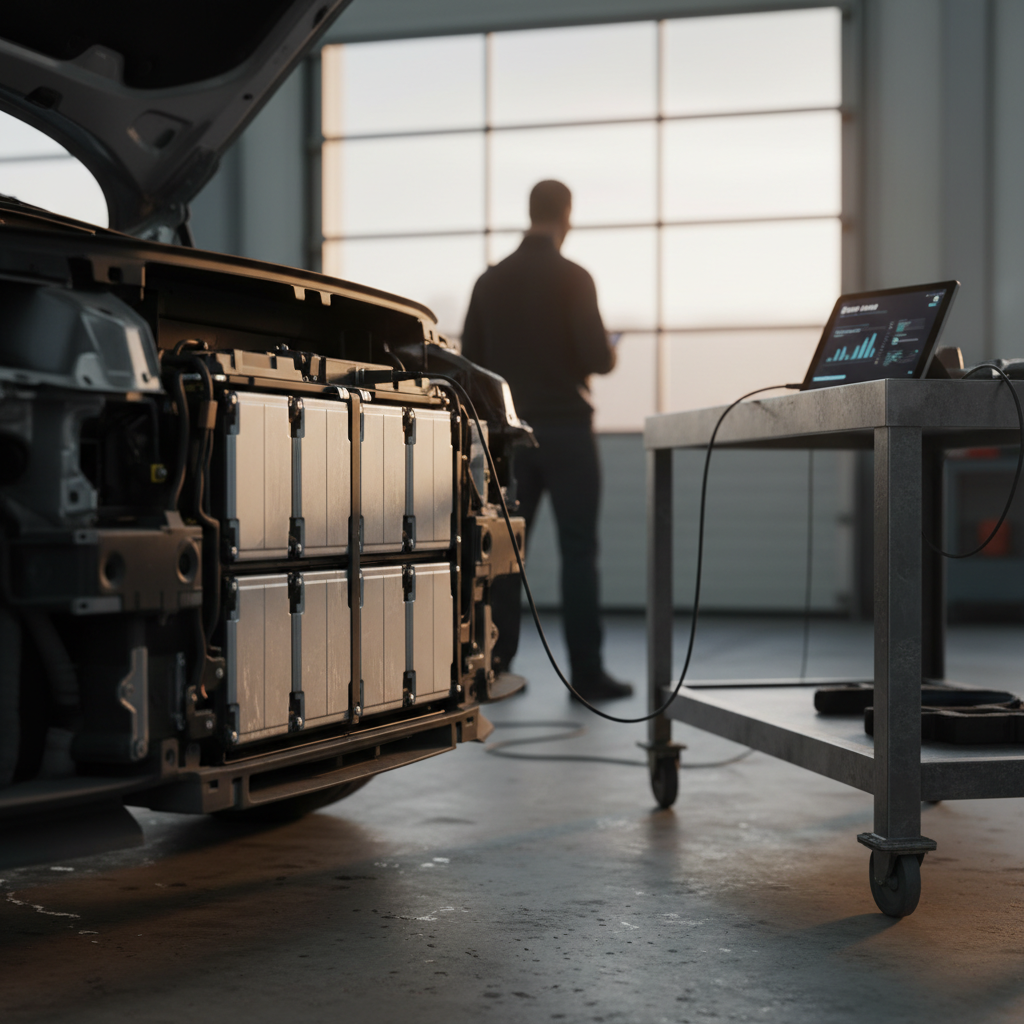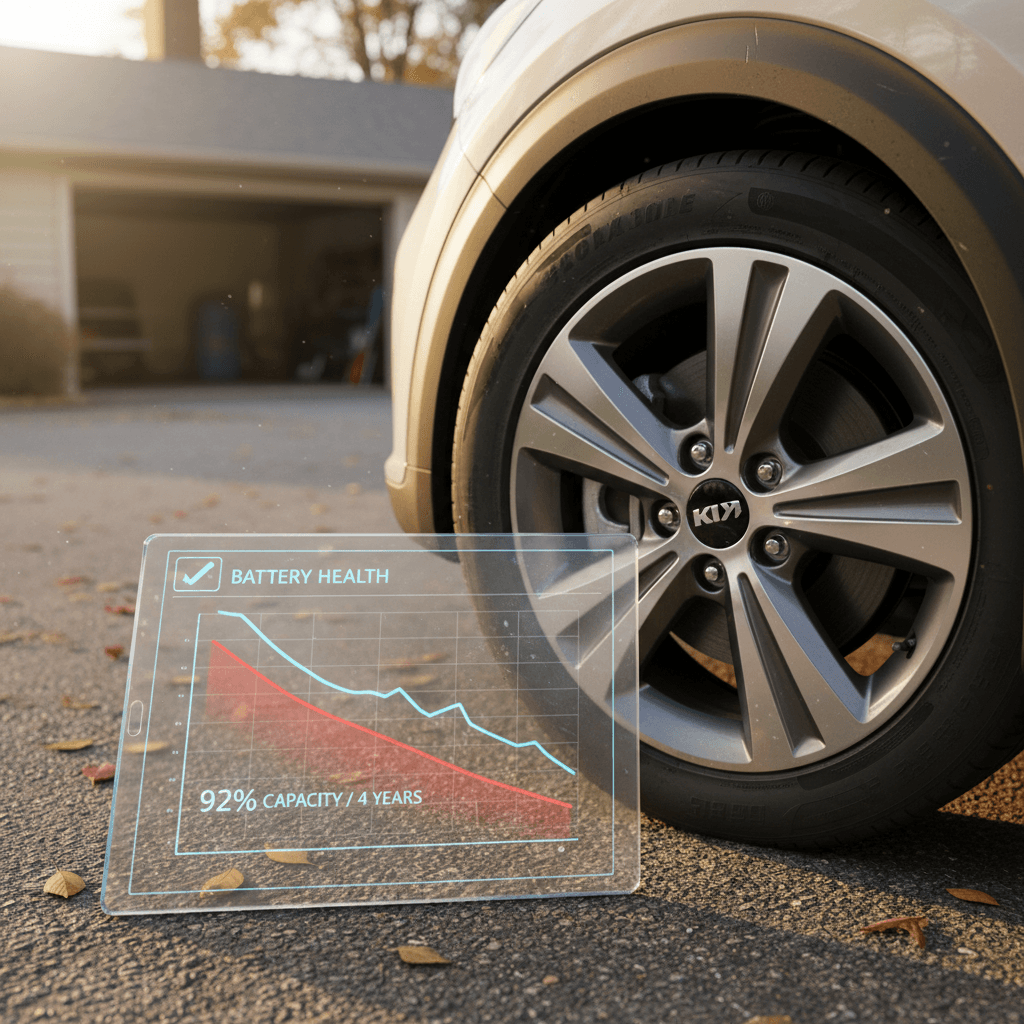
If you’re considering a Kia Niro EV, or already own one, the big question is simple: how much does the Kia Niro EV battery degrade per year, and what does that really mean for your range and resale value? The good news is that modern Niro EV battery packs hold up far better than most shoppers fear, especially if they’ve been treated well.
Quick takeaway
How much does a Kia Niro EV battery degrade per year?
Let’s translate “battery degradation” into something you actually feel day to day: usable range. The original Kia Niro EV (64 kWh pack) is rated for about 239–253 miles of EPA range depending on model year and trim. Over time, chemical aging slowly reduces how much energy the pack can store, and your full‑charge range estimate falls.
Typical Kia Niro EV battery degradation profile
Those numbers are averages, not guarantees, but they line up with what we see across many modern liquid‑cooled EV packs. A gently used Kia Niro EV that’s charged mostly at home, kept out of extreme heat, and not driven to 0% and 100% constantly will usually end up on the better side of those ranges.
Outliers exist
What actually causes Kia Niro EV battery degradation?
Not all miles or charging sessions are created equal. The Kia Niro EV uses a large lithium‑ion battery pack with thermal management, which gives it a strong foundation. But the way the car is used and stored still shapes how fast the pack ages.
Main drivers of Niro EV battery degradation
Four habits and conditions that influence your per‑year loss
1. State of charge habits
Batteries age faster when they live at the extremes. Regularly parking at 100% for long periods or frequently running down near 0% stresses the cells more than keeping the car between ~20–80% for daily use.
2. Charging speed & frequency
Occasional DC fast charging is fine, but heavy fast‑charge use as your primary method adds heat and stress. Think road trips = fine; three fast‑charge sessions every single day = harder on the pack.
3. Climate & temperature
High ambient heat is the long‑term enemy of battery chemistry. Very cold weather mostly hurts temporary range, not permanent capacity, but repeated hot‑soak conditions (e.g., parked outside in Arizona sun) will accelerate degradation.
4. Mileage & driving style
More miles mean more charge cycles, which naturally age the pack. Aggressive driving creates extra heat, but compared to heat, high state of charge, and charging patterns, driving style is usually a secondary factor.
Smart daily target
Kia Niro EV battery warranty and when degradation is a problem
Kia backs the Niro EV with a long battery warranty, which is your safety net if the pack degrades unusually quickly. Exact terms vary slightly by model year and market, but in the U.S. you generally see 10 years or 100,000 miles of coverage on the high‑voltage battery.
Typical U.S. Kia Niro EV battery warranty coverage
Always confirm details for the specific model year you’re considering, but this gives you a ballpark.
| Item | Typical Coverage | What It Means |
|---|---|---|
| Battery pack time limit | 10 years | Coverage from original in‑service date |
| Battery pack mileage limit | 100,000 miles | Whichever comes first with time limit |
| Capacity threshold | ~70% usable capacity | If verified capacity dips below this within warranty, Kia may repair or replace the pack |
| What’s not covered | Normal wear, abuse, improper maintenance | Degradation that stays above threshold is considered normal aging |
Kia’s long battery warranty is designed to protect you against <em>abnormal</em> degradation, not every mile of expected wear.
So when should you worry? As a rule of thumb, if your Kia Niro EV is well under 10 years and 100,000 miles and you’re seeing more than 30% capacity loss, that’s a red flag worth documenting at the dealer. But a 5‑year‑old Niro EV with around 10–15% loss is usually considered normal and will still be nowhere near the warranty floor.
Good news for used buyers
Real‑world range loss examples for Niro EV owners
It’s easier to visualize battery degradation in terms of miles of range instead of percentages. Let’s walk through a few realistic scenarios for a Kia Niro EV with an original EPA range of about 239–253 miles.
- After ~3 years (6–9% loss typical): A Niro EV that started at 240 miles may now show ~220–225 miles at full charge in mild weather.
- After ~5 years (10–15% loss typical): That same car might be in the 200–215‑mile range. Daily commuting still feels very usable, but you add one more quick stop on the longest road trips.
- After ~8+ years (15–25% loss, wide variation): Usage patterns and climate now matter a lot. A pampered, garage‑kept Niro EV might still show ~190–205 miles, while a hard‑used one could be closer to ~170–185.
Remember real‑world conditions
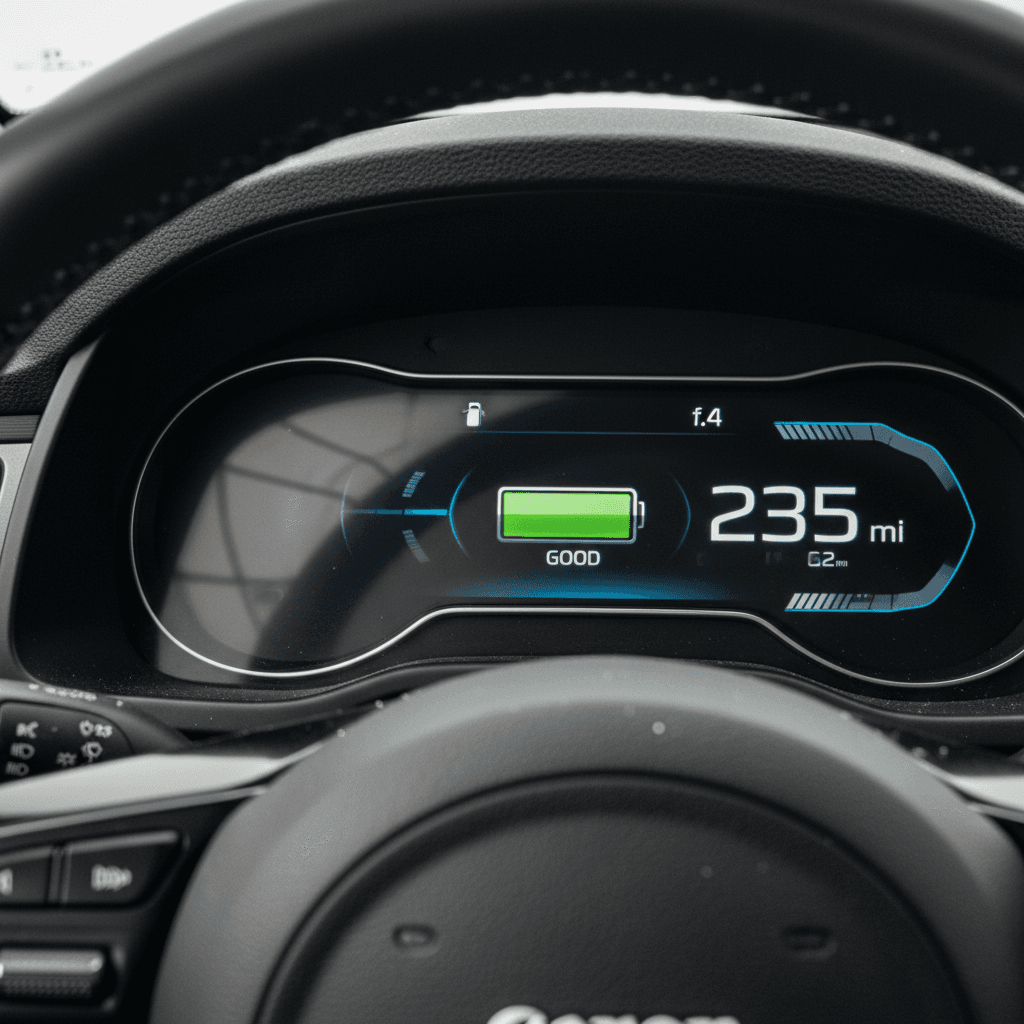
7 ways to slow Kia Niro EV battery degradation
You can’t completely stop battery degradation, no one can. But you can meaningfully slow it down with a few simple habits that don’t ruin the EV ownership experience. Here’s a practical checklist for Kia Niro EV owners.
Daily habits that protect your Niro EV battery
1. Avoid sitting at 100%
Charge to 100% right before you leave on longer trips, not the night before, and don’t leave the car parked full for days at a time unless you truly need the range.
2. Use a lower daily charge limit
For typical commuting, set your Niro EV’s charge limit around 70–80%. This keeps the battery away from the stress of the very top of the pack for most of its life.
3. Don’t routinely run it to 0%
It’s OK to dip low occasionally, but try to plug in when you’re in the 10–20% range instead of repeatedly driving down to “turtle” mode.
4. Prefer Level 2 over constant DC fast charging
Home or workplace Level 2 charging is gentler on the pack. Save repeated DC fast charging for road trips or occasional convenience, not daily use if you can avoid it.
5. Park in the shade when it’s hot
High heat is hard on batteries. Garaging the car or even just seeking shade in summer can reduce cabin and pack temperatures, especially after fast charging.
6. Keep your software up to date
Kia occasionally refines battery management strategies via software updates. Staying current helps the car apply the latest charging and cooling logic.
7. Store around half‑full for long vacations
If you’re leaving the Niro EV parked for weeks, aim to store it around 40–60% state of charge, not at 100% or near empty.
Home charging is your friend
Does fast charging hurt Kia Niro EV battery life?
The Kia Niro EV supports DC fast charging, and it’s there to be used. A few fast‑charge sessions each month, especially on road trips, will not instantly ruin your battery. But if you’re trying to understand degradation per year, charging behavior does move the needle.
When fast charging is basically a non‑issue
- You use DC fast charging primarily on road trips a few times a year.
- You typically fast‑charge from 10–20% up to ~70–80%, not all the way to 100%.
- Ambient temperatures are moderate, or you move the car once charging finishes so it doesn’t hot‑soak on a full pack.
In this pattern, the impact on lifetime degradation is modest. You’re well within what Kia designed the pack to handle.
When fast charging can accelerate degradation
- You rely on DC fast charging several times per week as your main charging method.
- You repeatedly run the car very low and then fast‑charge to 90–100% in high heat.
- You often leave the car sitting at a high state of charge after a hot fast‑charge session.
Here, you’re stacking up stress factors: heat + extreme state of charge + frequent high‑power charging. Over years, that can translate into noticeably higher per‑year capacity loss.
Used‑car red flag
Heat, cold, and storage: How climate affects Niro EV batteries
Climate is one of the quietest but most powerful influences on annual battery degradation. The Kia Niro EV’s liquid‑cooled pack helps, but you’ll still see regional trends.
How different climates change your battery experience
Short‑term range vs. long‑term degradation
Hot climates (e.g., AZ, NV, TX)
Short‑term: You’ll see decent range, but the pack and cabin can get very hot after fast charging or parking in the sun.
Long‑term: Expect faster degradation per year unless the car is regularly garaged and not left full for long periods in the heat.
Cold climates (e.g., MN, ME, CO)
Short‑term: Winter range drops significantly due to heating needs and cold cells. That’s temporary, not permanent loss.
Long‑term: With proper management, cold tends to cause less permanent degradation than extreme heat, though frequent DC fast charging on a cold pack isn’t ideal.
Garage‑kept vs. street‑parked
A garage or carport evens out temperature swings, which is especially helpful in hot regions. Street‑parked cars bake in the sun and see more thermal stress over time.
Long‑term storage
For multi‑week or multi‑month parking, aim for a 40–60% state of charge and a cool, dry place. Avoid storing at 100% or near empty in extreme temperatures.
Buying a used Kia Niro EV? Battery health checklist
If you’re shopping the used market, the big question is, “How healthy is this specific Niro EV’s battery?” Age, mileage, and Carfax only tell part of the story. Here’s a simple framework to evaluate degradation and avoid surprises.
Used Kia Niro EV battery checklist
1. Check model year, miles, and warranty window
Confirm the in‑service date so you know exactly how much battery warranty time and mileage remain. A 6‑year‑old Niro EV with 50,000 miles and several years of coverage left is usually a comfortable bet.
2. Look at 100% range in real conditions
Ask the seller to charge the car to 100% and share a photo of the projected range. Compare that number to the original EPA estimate, adjusting for weather and tire type.
3. Ask about charging habits
Find out where the car was usually charged (home vs. DC fast) and whether it often sat at 100%. Frequent road‑trip fast charging is different from daily reliance on DC fast charging.
4. Review climate history
A Niro EV that spent its life garaged in a mild climate is often in better shape than a similar‑mileage car that lived in extreme heat, even if the odometers match.
5. Scan for battery‑related warnings
During a test drive, watch for warning lights or error messages related to the high‑voltage system, reduced power, or limited charging speeds.
6. Get an independent battery health report
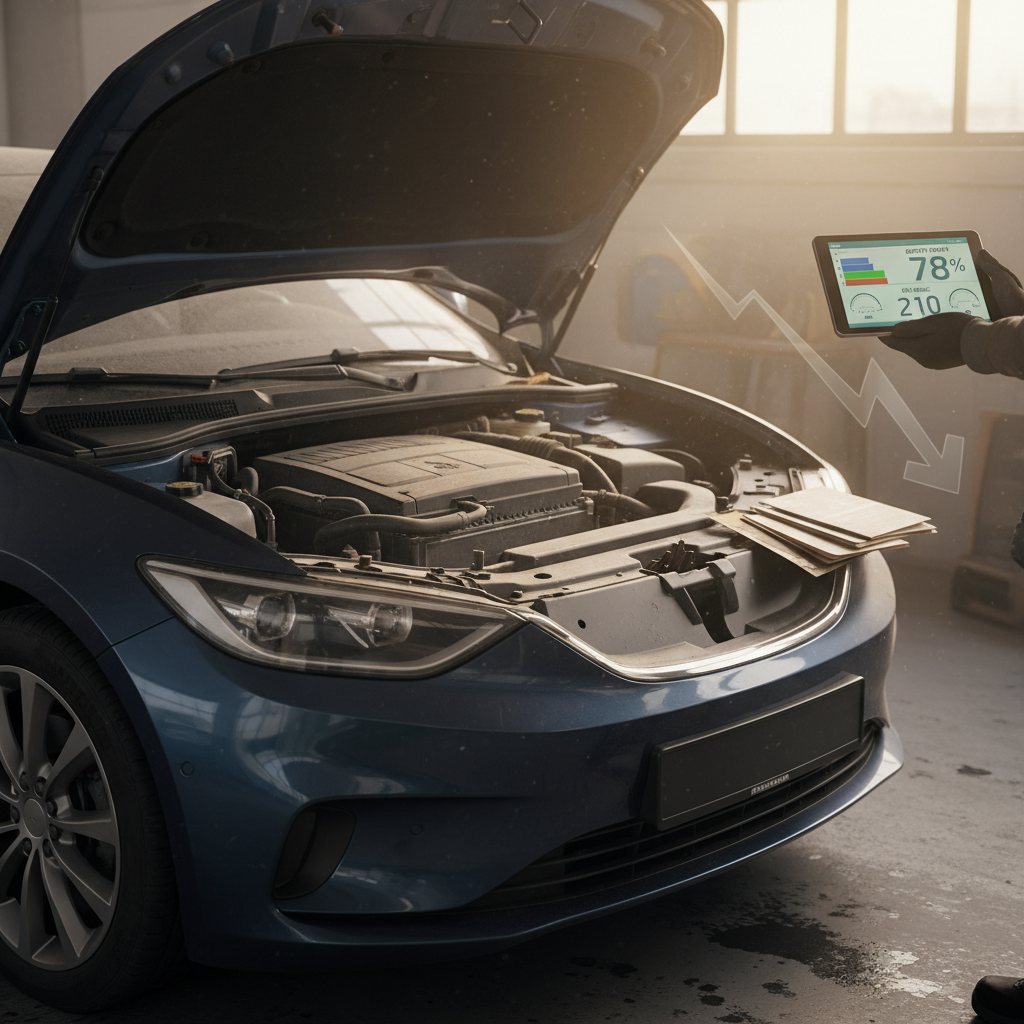
Whenever possible, rely on a <strong>professional diagnostic</strong> that measures real pack capacity instead of guessing from range alone. This is where a service like the Recharged Score comes in.
Don’t skip the battery inspection
How Recharged evaluates Kia Niro EV battery health
Because battery degradation per year matters so much to long‑term ownership costs, every Kia Niro EV listed on Recharged includes a Recharged Score Report. Instead of guessing from dash estimates and seller stories, you get data‑driven insight into the pack’s real condition.
What you get with a Recharged Niro EV
Transparency on the part that matters most: the battery
Verified battery health
We use EV‑specific diagnostics and real‑world testing to assess the Niro EV’s usable battery capacity, so you know how it compares to new, not just what the dash happens to show on a cold or hot day.
Fair market pricing
Battery health, age, mileage, and equipment all feed into a fair market value calculation, so you can see whether the asking price reflects the pack’s condition.
Specialist support
EV‑savvy specialists walk you through the report, answer questions about degradation, warranty, and range, and help you decide if a specific Niro EV is the right fit for your driving pattern.
Ready to find your next EV?
Browse VehiclesYou can search, finance, trade in, and complete paperwork entirely online, or visit Recharged’s Experience Center in Richmond, VA if you prefer to see vehicles in person. Either way, the goal is the same: no surprises about battery health or range after you take delivery.
FAQ: Kia Niro EV battery degradation per year
Frequently asked questions about Niro EV battery life
Bottom line: What to expect from a Kia Niro EV battery
The Kia Niro EV’s battery is designed to go the distance. For most owners, you’re looking at roughly 2–3% degradation per year, with a bit more in the early years and a gentler slope after that. That means a well‑cared‑for Niro EV still feels like a capable, useful EV many years down the road, particularly if you charge mostly at home, avoid letting it bake at 100% in extreme heat, and keep an eye on software updates.
If you’re shopping used, don’t guess. Combine age, mileage, and climate history with a proper battery health report so you know exactly what you’re getting. That’s where Recharged comes in: every Niro EV we list includes a Recharged Score Report with verified battery health, fair market pricing, and EV‑savvy support from start to finish. When you understand degradation, you can buy, and own, a Kia Niro EV with confidence.