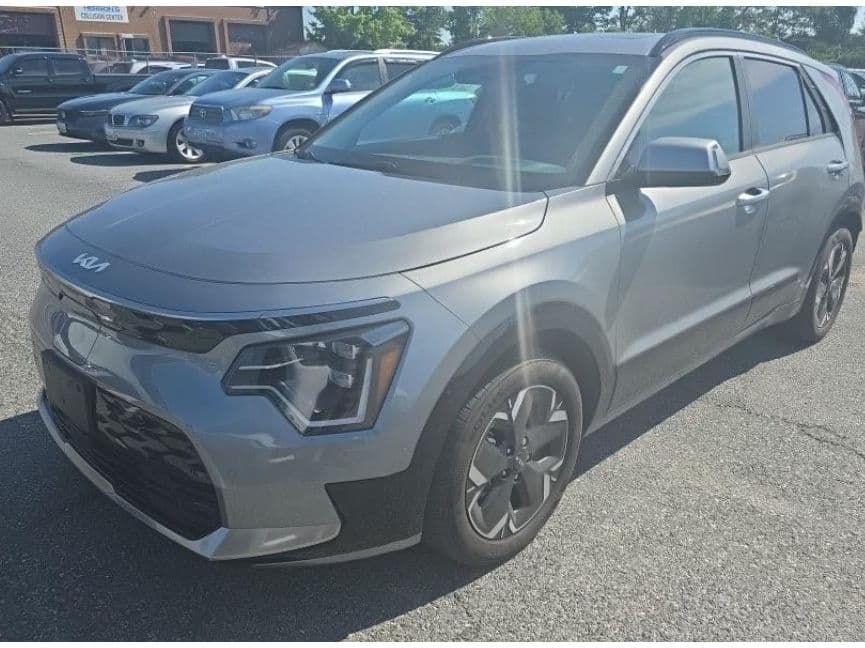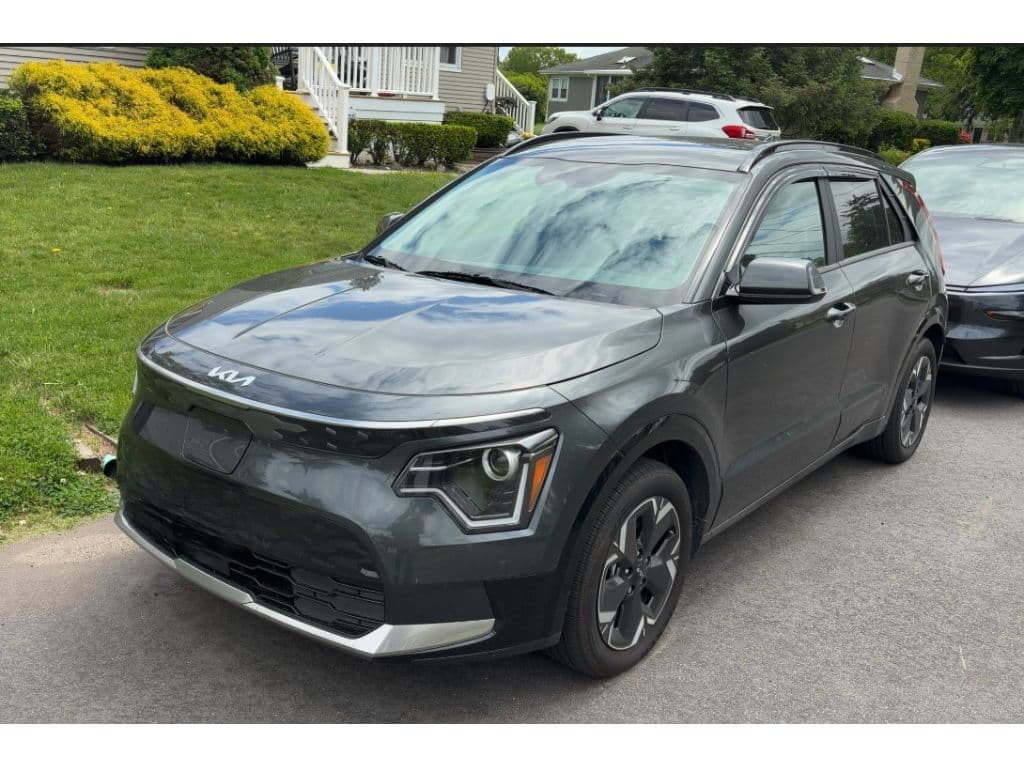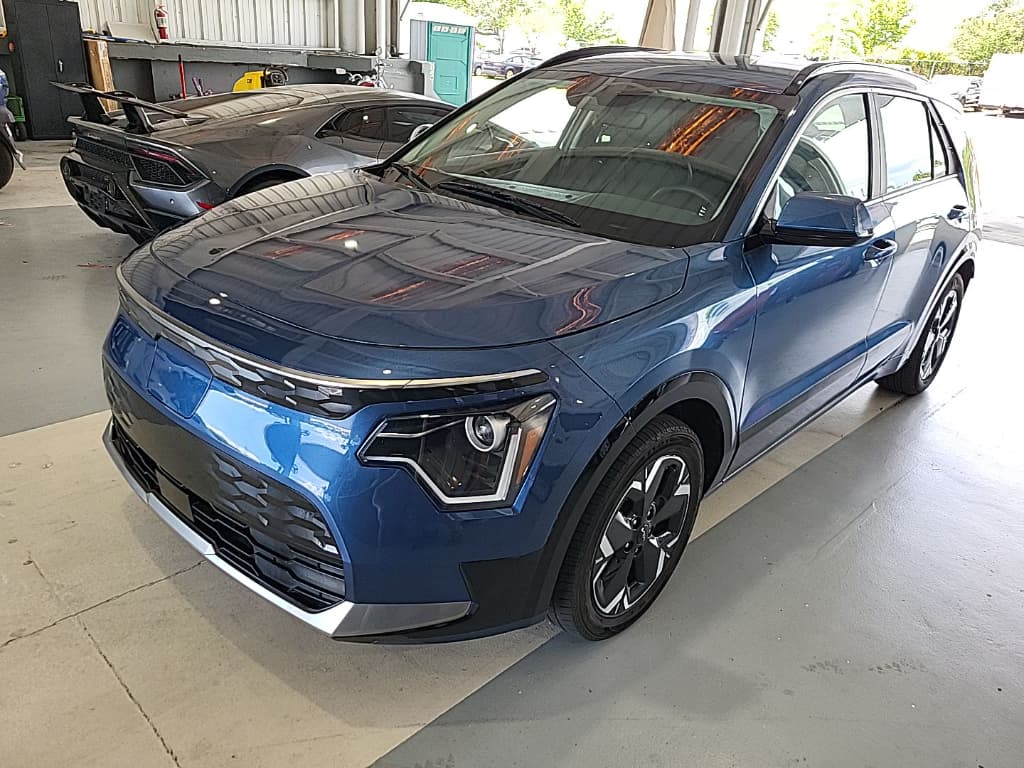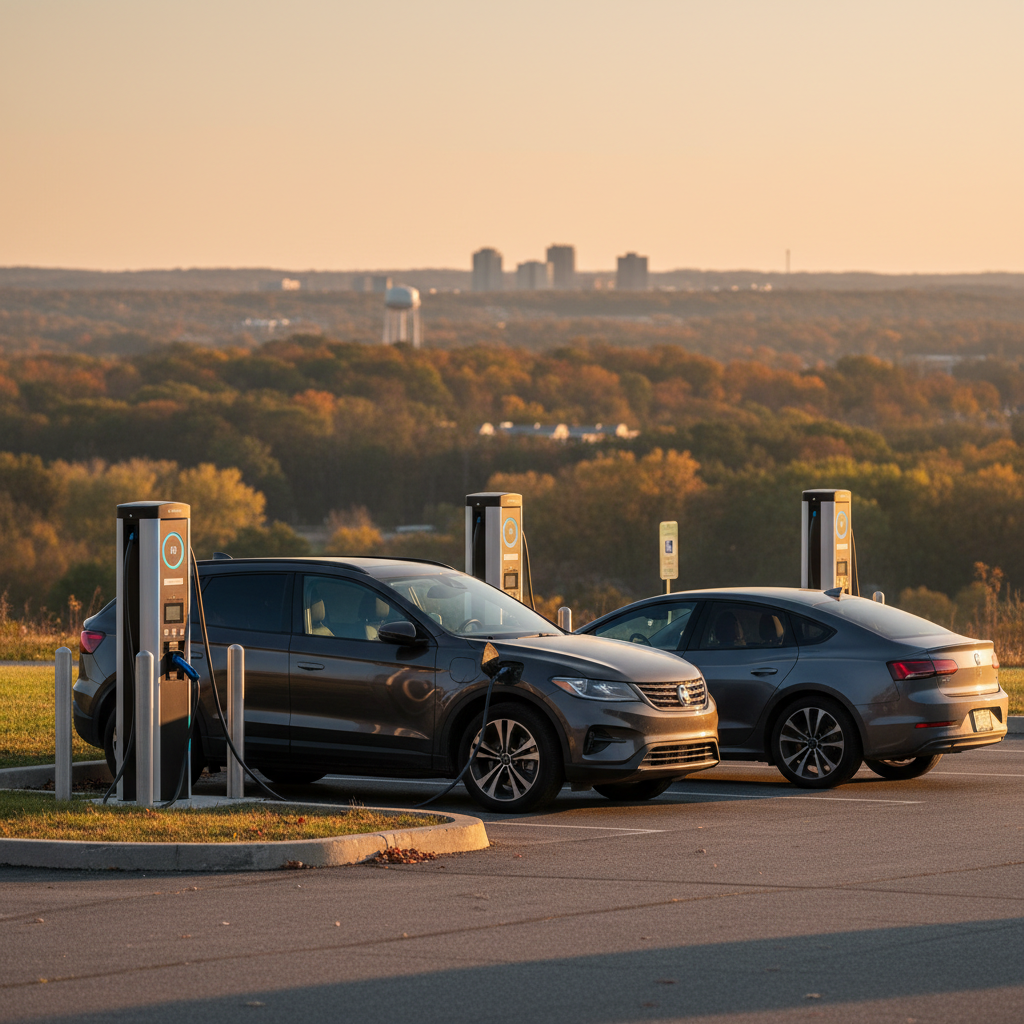
If you’re considering a Kia Niro EV (or its earlier e‑Niro sibling), battery degradation is probably your biggest question, especially if you’re shopping used. How fast does a Kia Niro EV battery degrade, how much real‑world range will you lose, and what can you do about it?
Short answer
Kia Niro EV battery degradation at a glance
Kia Niro EV battery quick facts
The modern Kia Niro EV (and earlier e‑Niro) uses a liquid‑cooled lithium‑ion polymer battery with about 64–64.8 kWh usable capacity. In real life, that translates to around 230–260 miles of mixed‑driving range when new, depending on how and where you drive.
If you only remember one thing
How the Kia Niro EV battery is built
Kia didn’t just throw cells in a box and hope for the best. The Niro EV’s pack is designed very deliberately to handle a long life of commuting, road‑tripping, and fast charging without cooking itself.
Inside the Niro EV battery pack
Why its design gives degradation a head start in the right direction
High‑energy chemistry
Most Kia Niro EV and e‑Niro models use NMC / NCM lithium‑ion cells with around 64–68 kWh gross capacity and about 64–64.8 kWh usable. That’s a relatively small buffer, but the chemistry is proven and efficient.
Liquid cooling
The pack is liquid‑cooled, which helps keep cell temperatures in the sweet spot during fast charging and hot‑weather driving, both critical for slowing degradation over the long haul.
Software safeguards
Kia’s battery management system (BMS) manages charging speeds, temperature, and charge limits to protect the pack from abuse. You can still hurt it with bad habits, but the software is quietly working in your favor.
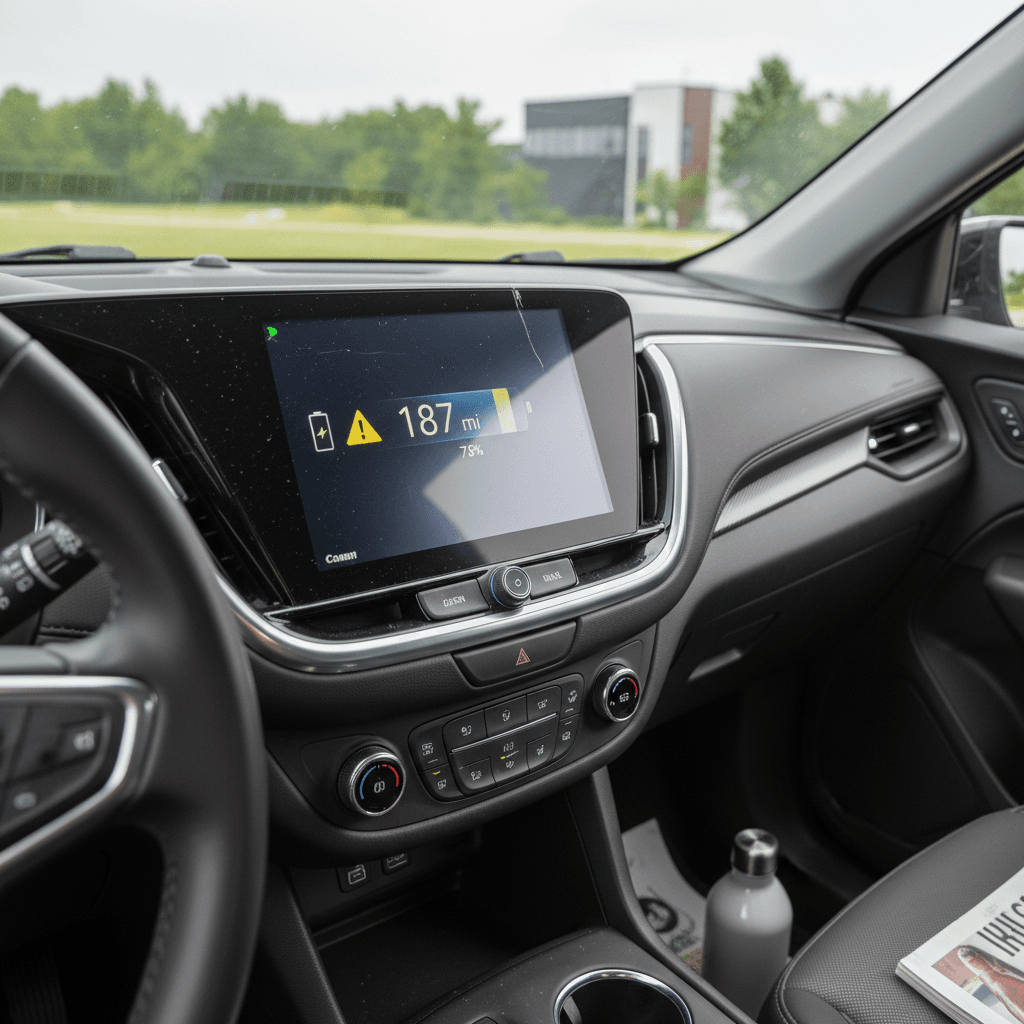
The original 2019 e‑Niro pack, for example, uses a roughly 68 kWh gross / 64.8 kWh usable layout with liquid cooling and a robust casing under the cabin floor. Later Niro EV generations stay in that same ballpark for capacity and architecture, refining cooling and charging controls rather than reinventing the wheel.
Real‑world Kia Niro EV battery degradation
Hard, peer‑reviewed degradation data specific to the Niro EV is limited, but we can triangulate from owner reports, similar Hyundai–Kia packs, and how this chemistry behaves in the wild. The picture is reassuring.
Typical Niro EV degradation patterns (well‑cared‑for cars)
These are ballpark expectations, not guarantees. Climate, charging, and mileage all matter.
| Vehicle age / mileage | Expected remaining capacity | What that feels like in range |
|---|---|---|
| 3 years / ~36,000 mi | ~92–96% | Maybe 5–15 miles less than new on a full charge. |
| 5–6 years / ~60,000–75,000 mi | ~88–93% | Roughly 15–25 miles less range than when new. |
| 8–10 years / ~100,000+ mi | ~80–88% | Typically 30–45 miles less range than new, still very usable for commuting. |
| Warranty‑limit case | ≤70% | At or below Kia’s typical warranty trigger; range loss of ~70–80 miles vs new. Relatively rare when the car is treated decently. |
Approximate capacity retention for a Kia Niro EV with mixed use, mostly AC charging, and normal mileage.
Your mileage may vary, literally
The key takeaway: the Niro EV’s pack is not unusually fragile. In fact, it has a quiet reputation among EV shoppers as a safe bet for long‑term range stability, provided it hasn’t been abused.
What actually wears out a Niro EV battery
EV batteries don’t “die” all at once. They gradually lose usable capacity as tiny chemical side reactions add up, especially when they’re hot, full, or both. With the Niro EV, the same big levers that affect every modern EV show up again and again in owner stories.
Biggest drivers of Kia Niro EV battery degradation
These matter more than your odometer alone
Heat & high state of charge
High temperature plus high state of charge is the enemy. Parking at 90–100% in summer heat, especially after fast charging, accelerates chemical wear. If you live in a hot climate and frequently top up to 100% and let it sit, expect faster degradation.
Frequent DC fast charging
Occasional fast charging is fine. Using DC fast chargers multiple times a week as your main fueling source, especially from low to very high state of charge, means more heat and more stress. Over years, that can noticeably cut capacity versus a mostly Level 2 car.
Always full, always plugged in
Leaving the car parked at or near 100% for days at a time makes the cells “age in place.” It’s convenient, but keeping the battery in the mid‑range (say 30–80%) when you don’t need full range is noticeably kinder over 5–10 years.
Extreme cold (indirectly)
Cold doesn’t permanently harm the pack the way heat does, but it hurts temporary range and can tempt owners to fast‑charge a cold battery. The Niro’s thermal management works to protect the pack, but winter inefficiency can mask or exaggerate perceived degradation.
Degradation vs. efficiency
How degradation shows up in your day‑to‑day range
Let’s translate all this into something you can feel on the road. The original 64 kWh e‑Niro and first‑gen Niro EV are EPA‑rated around 239–253 miles on a full charge when new. Newer Niro EVs with ~64.8 kWh usable land in a similar ballpark.
Mild degradation (most cars)
- After 5–6 years, many owners still report 200–215 miles of mixed‑driving range on a full charge.
- That’s a loss of maybe 10–20% versus brochure numbers, but it’s usually invisible for short‑to‑medium commutes.
- Most people notice it only when planning longer trips or arriving home with a smaller buffer.
Heavy‑use scenarios
- Cars that live on DC fast charging or in very hot climates can drop into the 70‑something percent capacity range within the warranty window.
- In practice, that might mean 160–180 miles of typical range instead of 230+.
- Those are the edge cases you want to screen for when buying used.
Kia Niro EV battery warranty: what’s covered
Kia has been aggressive with battery warranties, which is one reason the Niro EV has become a popular used‑EV choice. Details vary slightly by model year and market, but for U.S. buyers you’ll commonly see:
- High‑voltage battery coverage for 8–10 years from in‑service date, often up to 100,000 miles.
- Protection if the battery capacity drops below about 70% of the original usable capacity during that period (check the fine print in your specific warranty booklet).
- Coverage tied to time and mileage, whichever comes first, so a low‑mileage but 11‑year‑old Niro EV is likely out of battery warranty, while a 5‑year‑old daily‑driver may still be covered.
Read the fine print
When you’re shopping used, a still‑active battery warranty is a big safety net. It’s one reason late‑model Niro EVs and e‑Niros hold value well compared with some early EVs that had smaller packs and weaker thermal management.
How to slow battery degradation in your Niro EV
You don’t need to baby the car or turn your life upside down. A handful of simple habits can significantly slow long‑term degradation for a Kia Niro EV without wrecking your convenience.
Practical habits to protect your Niro EV battery
1. Avoid living at 100%
Charge to 100% right before a trip when you need the range, but for daily use try setting your charge limit around 70–80%. Spending fewer hours at full charge is one of the simplest ways to reduce chemical stress.
2. Prefer Level 2 over DC fast charging
Use DC fast charging for road trips and genuine time crunches. At home and around town, a 240V Level 2 charger is much gentler on the pack, but still easily fills a Niro EV overnight.
3. Keep the battery cool when you can
On very hot days, park in shade or a garage when possible. If you’ve just fast‑charged to a high state of charge in heat, driving a bit to let the cooling system work is better than parking it and walking away for hours.
4. Don’t panic about low SOC
Running the pack down to 10–15% occasionally is not a crisis. The BMS protects the cells from truly damaging lows. Just avoid parking the car for days near 0% in freezing weather.
5. Stay current on software updates
Kia occasionally refines charging curves, thermal management, and range estimation via software. Those tweaks may improve battery longevity and make your range gauge more honest.
6. Log your range over time
A simple spreadsheet or notes app with mileage, indicated range at 100%, and conditions gives you a personal baseline. If something changes suddenly, you’ll see it, and so will a technician.
Shopping used: battery checklist for a Kia Niro EV
If you’re cross‑shopping a used Kia Niro EV against other used EVs, battery health is where the smart money pays attention. A clean Carfax and shiny paint don’t tell you whether you’re buying a 240‑mile EV or a 170‑mile one.
Quick battery health checks for a used Niro EV
Questions and checks that help you separate a gently used commuter from a fast‑charged ride‑share workhorse.
| What to check | Why it matters | What good looks like |
|---|---|---|
| Battery warranty status | Remaining coverage adds a safety net and supports value. | Several years and tens of thousands of miles of battery warranty left. |
| Indicated range at 100% charge | A first hint at effective capacity versus new. | In mild weather, a healthy Niro might still show ~210–240 miles at 100%. |
| Fast‑charging history | Heavy DC fast‑charging can accelerate degradation. | “Mostly home charging” is ideal; occasional fast‑charging is fine. |
| Climate & storage | Hot‑climate, outdoor‑parked cars age faster. | Garage‑kept or moderate‑climate cars tend to have stronger packs. |
| Service records & software | Updates can improve battery management and range estimates. | Documented dealer visits and up‑to‑date software are a plus. |
Use this table as a mental checklist, or screenshot it on your phone before a test drive.
Where Recharged comes in
How Recharged measures Kia Niro EV battery health
On paper, every used Niro EV looks like a 64 kWh crossover. In reality, two identical‑looking cars can differ by tens of miles of usable range. That’s why Recharged leans so heavily on battery diagnostics instead of guesswork.
Inside a Recharged Score for a Niro EV
Battery health, decoded for real‑world driving
Measured usable capacity
We estimate the actual usable kWh left in the pack versus what it had when new, not just what the dash claims. That translates directly into realistic range expectations.
Charging & usage patterns
Where data is available, we look at fast‑charging history, charge limits, and mileage to understand how the battery has been treated over its life.
Actionable summary
Instead of technical jargon, you get a simple score and explanation: how much life the pack likely has left, what range to expect on your routes, and how it compares to similar EVs.
Ready to find your next EV?
Browse VehiclesPair that with Recharged’s financing, trade‑in options, and nationwide delivery, and you can shop for a used Kia Niro EV from your couch, with far fewer unknowns about the one component that matters most.
Kia Niro EV battery degradation FAQ
Frequently asked questions about Niro EV battery degradation
Bottom line on Kia Niro EV battery longevity
The Kia Niro EV (and earlier e‑Niro) has earned its place as a quietly excellent used EV because the battery is, for most owners, boringly dependable. In everyday use, you’re looking at single‑digit to low‑teens percentage losses over the first several years, not the horror‑story cliff some shoppers fear.
If you treat the pack with even modest care, sensible charge limits, limited fast charging, avoiding constant high‑SOC heat, it should keep delivering practical, real‑world range well past the warranty window. And if you’re buying used, pairing a Niro EV with a Recharged Score battery health report, transparent pricing, and EV‑specialist support means you can focus on which color you like, not whether you’re secretly buying a 150‑mile car.