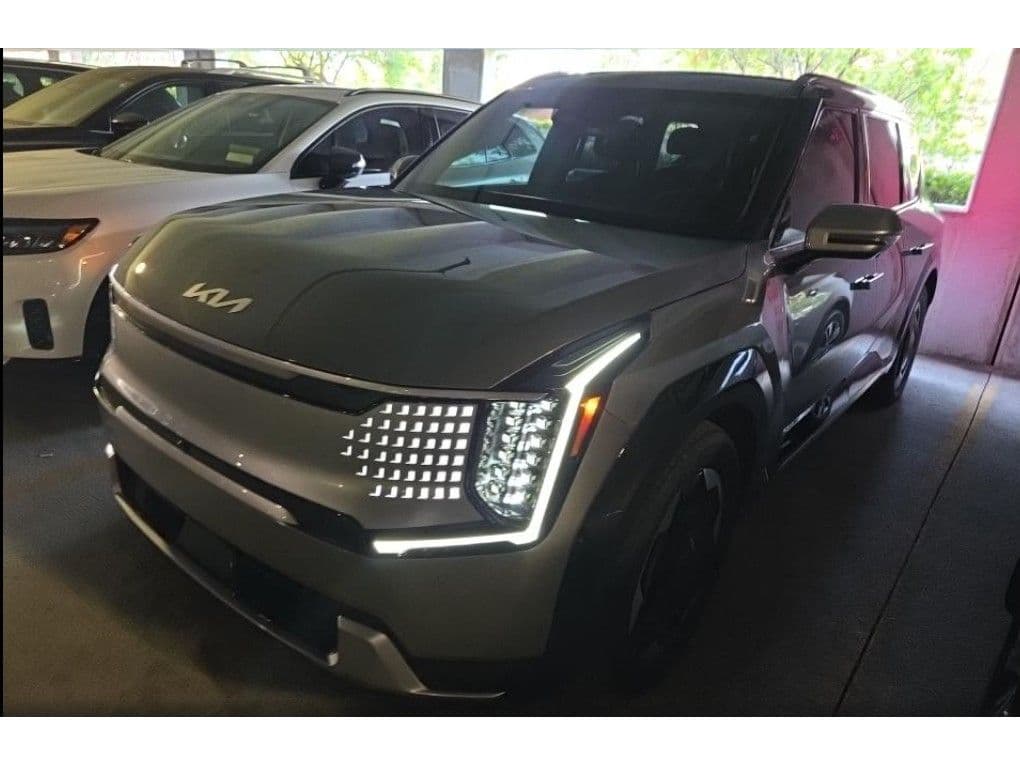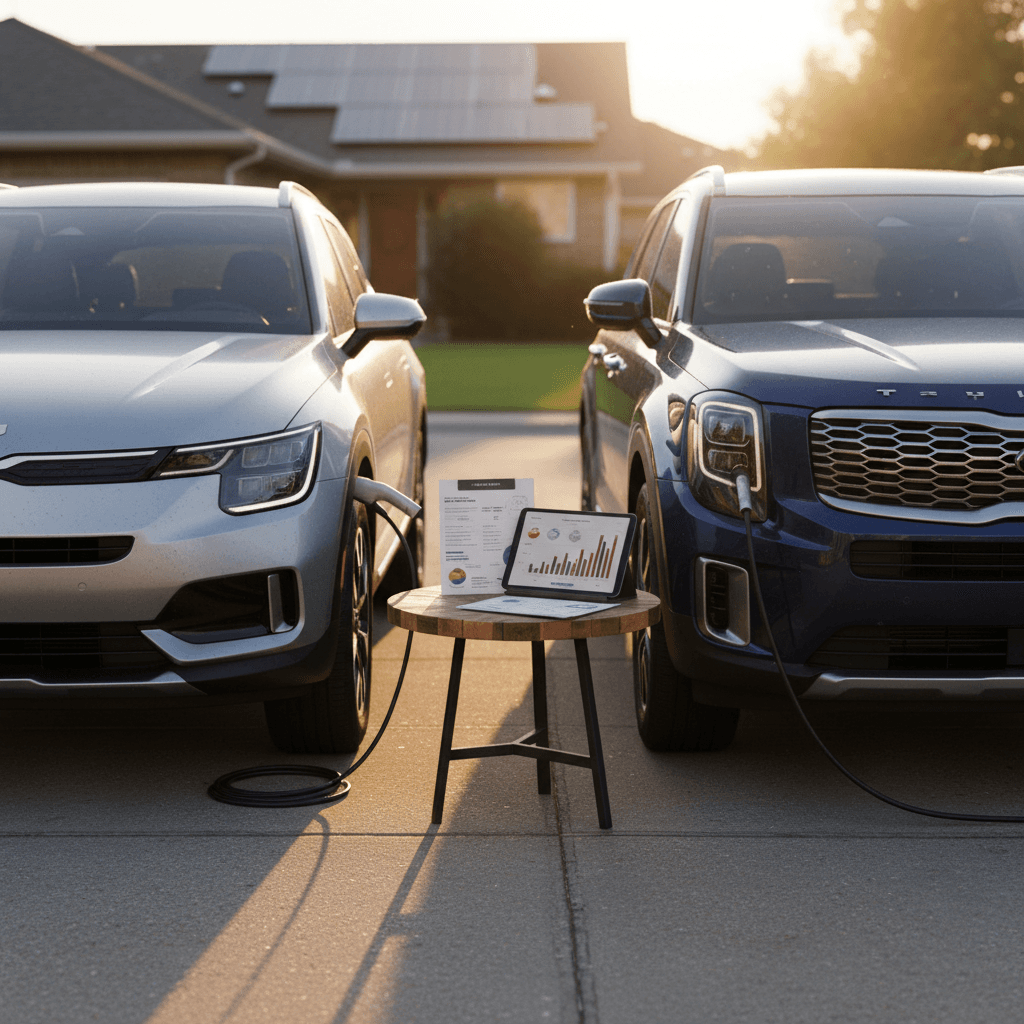
If you’re cross‑shopping a **Kia EV9** and a **Kia Telluride** in 2026, you’re not just choosing between electric and gas. You’re betting thousands of dollars on where energy prices, incentives, and resale values go next. This guide walks through a clear **Kia EV9 vs Kia Telluride cost comparison for 2026**, using today’s pricing, real‑world efficiency, and the latest tax‑credit rules so you can see what either SUV will actually cost to live with.
A quick word about 2026 rules
Why EV9 vs. Telluride Is a 2026 Question
Both SUVs answer the same family brief: three rows, space for kids and gear, decent towing, long‑trip comfort. But they go about it in very different ways. The **Telluride** is a conventional V6, gasoline, body‑on‑crossover you can fuel anywhere. The **EV9** is an 800‑volt, all‑electric flagship that trades gas stops for fast‑charging and home plugs. In 2026, the choice isn’t just about “going electric”; it’s about how you want to spend money over the next 3–10 years, up front, monthly, and when you sell.
Quick EV9 vs. Telluride Cost Snapshot (Typical U.S. Buyer, 2026)
How to use this guide
Sticker Price: 2026 Kia EV9 vs. Telluride
Let’s start with what you’ll see on the window sticker. For 2026, Kia has announced updated pricing for the EV9, while the Telluride continues in its familiar range as a value‑packed gas SUV.
Approximate 2026 New MSRP Ranges (Before Options & Fees)
These are ballpark manufacturer pricing ranges for 2026‑model vehicles in the U.S. Check your local dealer or marketplace listings for exact numbers.
| Model | Trim Examples | Approx. MSRP Range (2026) | Notes |
|---|---|---|---|
| Kia EV9 | Light, Light Long Range, Wind, Land, GT‑Line | ~$55,000 – $80,000+ | Higher trims with dual‑motor AWD and luxury packages easily crest $70k. |
| Kia Telluride | LX, S, EX, SX, SX Prestige, X‑Line/X‑Pro | ~$40,000 – $56,000+ | Well‑equipped SX Prestige and off‑road‑style trims live in the low‑to‑mid $50k range. |
Expect dealer markups, discounts, and equipment choices to move real‑world prices above or below these bands.
No more federal new‑EV credit in 2026
Why the EV9 costs more up front
- Large battery pack and dual‑motor hardware are expensive to build.
- Standard tech and safety features rival luxury brands.
- Early‑adopter pricing: three‑row EVs are still a small, premium segment.
Why the Telluride still feels like a bargain
- Shared V6 platform keeps manufacturing costs lower.
- Lots of equipment at mid‑$40k price points.
- You’re not paying for a 100+ kWh battery and DC fast‑charging hardware.
Fuel vs. Electricity: What You’ll Pay to Drive
The EV9 and Telluride live very different lives at the pump, or plug. Over 10,000+ miles per year, this becomes one of the biggest cost gaps between the two SUVs.
Efficiency Basics: EV9 vs. Telluride
What each SUV actually uses to move your family around
Kia Telluride (Gasoline)
- Engine: 3.8‑liter V6, about 291 hp.
- EPA combined: roughly 21–22 mpg depending on trim and drivetrain.
- Real‑world owners: many report 18–22 mpg in mixed driving.
- Fuel type: Regular unleaded, 18–20 gallon tank.
Kia EV9 (Electric)
- Battery: 76–99.8 kWh usable depending on trim.
- EPA efficiency: roughly 80–89 MPGe, or about 38–41 kWh/100 miles for common U.S. trims.
- Owner reports: 2.4–2.7 miles per kWh in mixed driving.
- Charging: 11 kW Level 2 onboard; up to 230 kW DC fast‑charging.
Key assumption for cost math
Estimated Annual Energy Cost at 12,000 Miles/Year (2026 Assumptions)
Illustrative cost comparison using typical efficiency and national‑average energy prices.
| Model | Assumed Efficiency | Energy Price | Annual Energy Used | Approx. Annual Cost |
|---|---|---|---|---|
| Kia Telluride | 20 mpg (mixed driving) | $3.75/gal | 600 gallons | ≈ $2,250/year |
| Kia EV9 | 40 kWh/100 miles (2.5 mi/kWh) | $0.17/kWh (home charging) | 4,800 kWh | ≈ $816/year |
| Kia EV9 (frequent fast‑charging) | 40 kWh/100 miles | $0.30–$0.40/kWh (public DC) | 4,800 kWh | ≈ $1,440–$1,920/year |
Use your own mpg, kWh/100 mi, and local prices for a personalized result.
Where the EV9 starts to pay you back
Maintenance, Repairs, and Tires
EVs don’t get a free pass on maintenance, big three‑row SUVs wear out tires and brakes, but the EV9 avoids several major service items that the Telluride can’t escape.
Major Cost Categories: EV9 vs. Telluride
1. Oil changes & engine service
The Telluride’s V6 needs regular oil changes, filters, spark plugs, and more over time. The EV9 has no engine, so there’s no oil, no plugs, and far fewer moving parts.
2. Transmission & driveline
The Telluride uses a conventional automatic transmission and AWD system with fluids and potential long‑term repairs. The EV9 uses single‑speed reduction gearing and electric motors, which historically have needed less routine service.
3. Brakes
Both vehicles have traditional friction brakes, but the EV9’s strong regenerative braking tends to extend brake‑pad life, especially in city and suburban driving.
4. Tires
Heavy EVs like the EV9 are tough on tires, just as heavily optioned Tellurides are. Budget for high‑quality all‑season or touring tires every 25k–35k miles for either SUV, depending on driving style.
5. Fluids & cooling systems
The Telluride adds engine coolant, transmission fluid, and other engine‑related fluids to the budget. The EV9 has cooling circuits for the battery and motors, but far fewer fluid changes overall.
6. Warranty coverage
Both vehicles come with Kia’s long basic and powertrain warranties. The EV9 adds separate coverage for its high‑voltage battery, which helps cap battery‑related risk in the early years.
Rule of thumb on maintenance
Insurance, Taxes, and Fees
These costs are highly regional, but there are a few patterns showing up for 2026 shoppers comparing an EV9 to a Telluride.
- **Insurance:** Because the EV9 is more expensive to buy and has pricier components (battery, sensors, LED lighting), many insurers quote slightly higher premiums than for a similarly equipped Telluride. The gap is less dramatic if you’re cross‑shopping top‑trim Telluride vs. mid‑trim EV9.
- **Registration & property tax:** Some states charge higher registration fees for EVs to make up for lost gas‑tax revenue. Others reduce registration costs or offer HOV access for EVs. Check your state’s 2026 rules before you decide.
- **Home charging installation:** If you don’t already have a 240‑volt circuit in your garage, budget $500–$1,500+ for a proper Level 2 charger installation. That’s a one‑time hit that doesn’t exist with the Telluride.
Federal EV charger credit is changing, too
Resale Value and Depreciation
Three‑row SUVs tend to hold value well, and both the Telluride and EV9 are in high demand. But they depreciate for different reasons.
What Hurts (or Helps) Resale for Each SUV
Think about the buyer you’ll sell to in 5–8 years
Kia Telluride
- Strengths: Proven V6, mainstream fueling, strong reputation as a family hauler.
- Risks: Gas prices. If fuel gets expensive, buyers may discount thirsty SUVs.
- Sweet spot: Clean, well‑maintained examples with documented service and under ~120k miles still draw strong money.
Kia EV9
- Strengths: Three‑row EVs are still rare; buyers want range, space, and modern tech.
- Risks: Battery health perception and how quickly new EVs improve in range and charging speed.
- Sweet spot: EV9s with verified battery health, DC‑fast‑charge history, and clean service records stand out, exactly what a Recharged Score is designed to document.
Why battery reports matter in 2030
3‑Year Cost Scenarios: EV9 vs. Telluride
Let’s put the pieces together. These simplified scenarios assume 36 months, 12,000 miles per year, and typical U.S. conditions. Your numbers will differ, but the relationships are what matter.
Illustrative 3‑Year Cost of Ownership (New, 2026 Purchase)
Very rough scenarios using typical prices, not quotes. Excludes taxes and financing interest so we can focus on vehicle‑related costs.
| Category | 2026 Kia Telluride (Gas) | 2026 Kia EV9 (Mostly Home Charging) |
|---|---|---|
| Purchase price (before taxes & fees) | $48,000 (well‑equipped mid/high trim) | $65,000 (mid‑spec long‑range AWD) |
| Energy cost (3 yrs @ 12k mi/yr) | ≈ $6,750 (gas at $3.75/gal, 20 mpg) | ≈ $2,450 (electricity at $0.17/kWh, 40 kWh/100 mi) |
| Routine maintenance (oil, minor service, etc.) | ≈ $1,500–$2,200 | ≈ $800–$1,300 |
| Tires (one full set in 3 yrs) | ≈ $1,000–$1,400 | ≈ $1,000–$1,600 |
| Estimated 3‑yr depreciation | ≈ 40–45% of MSRP | ≈ 45–50% of MSRP (you paid more up front) |
| Very rough 3‑yr out‑of‑pocket (before resale) | Purchase + ≈ $9,500 costs | Purchase + ≈ $5,000 costs |
Use this as a framework for your own spreadsheet, not a quote sheet.
Why the EV9 doesn’t ‘win’ automatically
New vs. Used Buying Strategies in 2026
Most families aren’t buying a brand‑new $70,000 EV outright. You’re probably deciding between a payment on a **lightly used EV9**, a **new or used Telluride**, or something in between. That’s where the 2026 used market gets interesting.
Option 1: New Telluride vs. Used EV9
By 2026, early 2024–2025 EV9s are arriving on the used market, often with under 30,000 miles. A well‑equipped used EV9 can cost **similar money to a new Telluride**, but slash your energy and maintenance costs.
If you’re comfortable buying used and can get a solid battery‑health report, this is often the **best value play**.
Option 2: Used Telluride vs. Used EV9
Used Tellurides have been hot for years. Prices may still be firm, but you can often find 2–4‑year‑old examples at a healthy discount versus new.
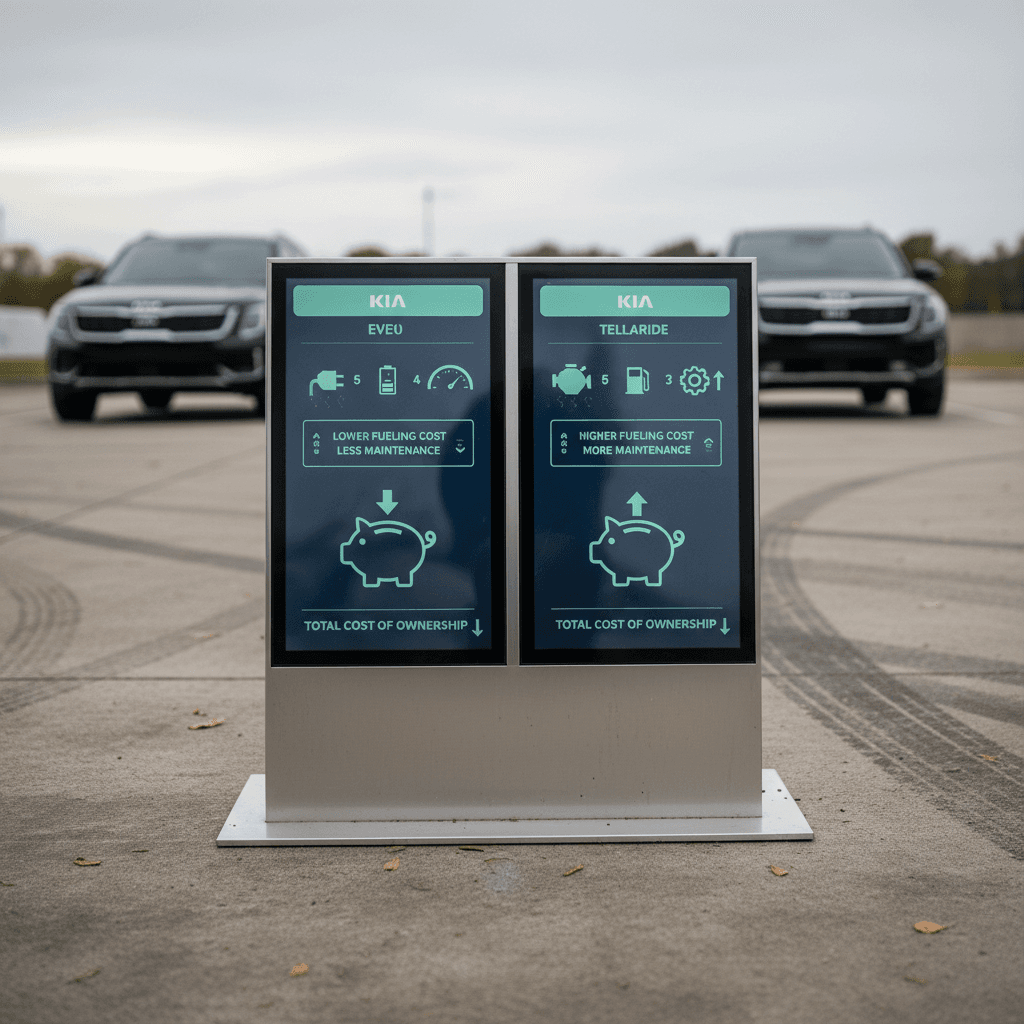
Against them, a similar‑age used EV9 will cost more on the lot but less every month in energy. If you drive 15,000+ miles per year, the EV9’s running‑cost advantage compounds quickly.
How to use the used market to your advantage
How Recharged Helps With the EV9 Side of the Equation
Buying a used three‑row EV is different from buying a used gas SUV. With a Telluride, your biggest unknowns are accident history and maintenance. With an EV9, the **battery** and fast‑charging history move to the top of the list, and that’s exactly where Recharged focuses.
What You Get With a Used EV9 From Recharged
We’re built around making used EV ownership transparent.
Recharged Score battery health report
Fair, data‑driven pricing
Financing, trade‑in, and delivery
Ready to find your next EV?
Browse VehiclesIf you’re near Richmond, VA, you can also visit our **Experience Center** to get hands‑on with EVs, ask real humans real‑world questions, and see how cabin space, charging hardware, and driving feel compare to the big gas SUVs you’re used to.
Kia EV9 vs. Telluride: FAQ
Frequently Asked Questions
Bottom Line: Which One Costs Less for You?
If you’re purely looking at **sticker price and simple monthly payment**, the Kia Telluride still wins in 2026. It’s cheaper to buy, easy to fuel, and familiar to every mechanic in town. But once you factor in **electricity vs. gasoline, lower maintenance, and the right used‑EV9 pricing**, the math starts to tilt in the EV9’s favor, especially if you drive a lot of miles, mostly charge at home, and plan to keep the SUV long enough for those savings to compound.
The smart move is to run the numbers for your life: your commute length, your access to home charging, your local gas and electricity prices, and how long you realistically keep a vehicle. Then compare a **new or used Telluride** against a **used EV9 with documented battery health**. If you want help making that comparison real, not theoretical, Recharged can show you actual used EV9 listings, pricing, and Recharged Score reports so you can see, in dollars, whether it’s time to trade gas‑station stops for a charge cord.