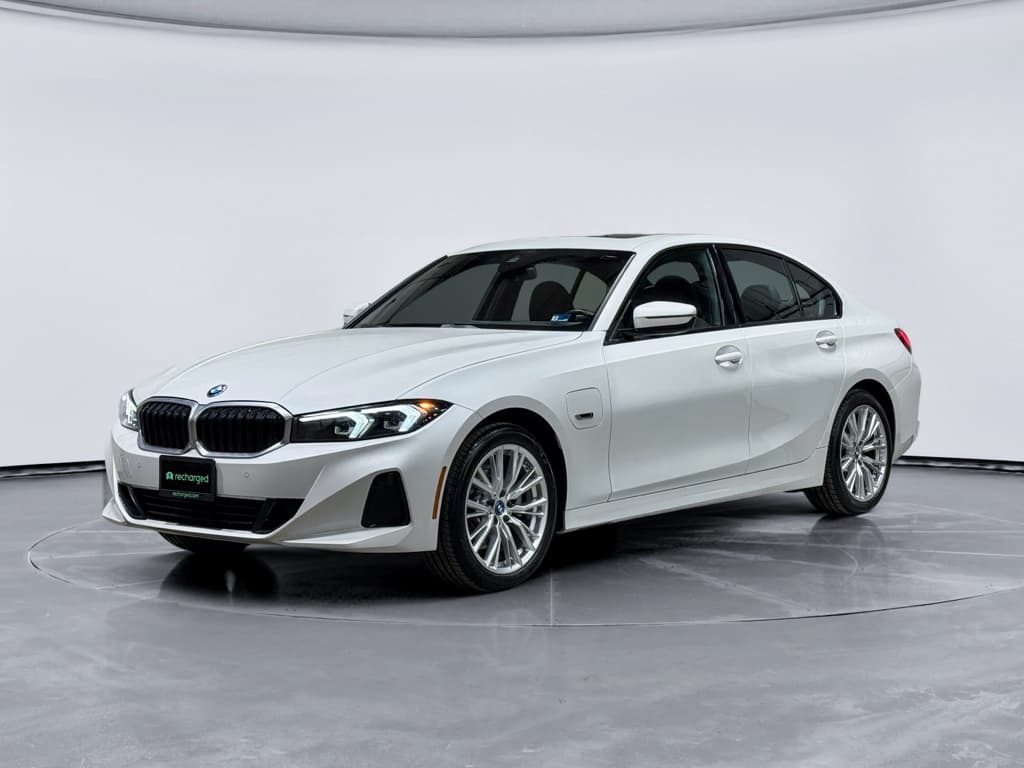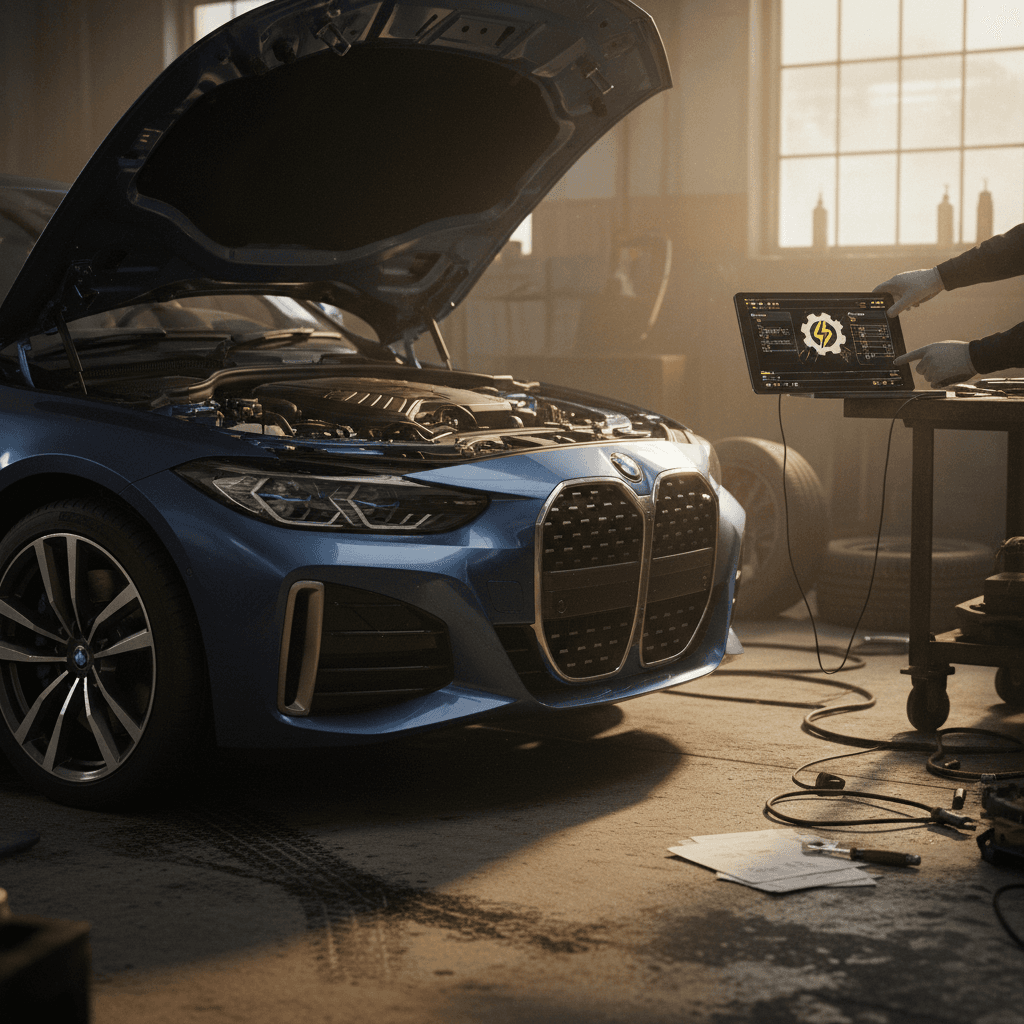
If you’re looking at a 2025 BMW i4, you’ve probably heard mixed things: excellent driving dynamics and efficiency on one hand, software quirks and the occasional recall on the other. This guide pulls together what we know so far about 2025 BMW i4 problems, from official recalls to real owner complaints, so you can separate internet noise from issues that actually matter, especially if you’re shopping used.
Model-year vs. platform problems
Overview: How Reliable Is the 2025 BMW i4?
Stepping back from individual horror stories, the i4 has actually built a reputation as one of the more reliable premium EVs. Owner surveys and early reliability scores have ranked it near the top of the segment, and many drivers report tens of thousands of essentially trouble‑free miles. That said, the pain points tend to cluster in a few areas: software/iDrive glitchescharging behavior, and a small number of hardware recalls affecting specific VIN ranges rather than the entire fleet.
How 2025 i4 Problems Typically Show Up
The used‑EV angle
Known 2025 BMW i4 Problems by Category
Common 2025 BMW i4 Problem Areas
Most issues fall into a few predictable buckets
Software & iDrive
Charging Behavior
Battery & Hardware
Let’s unpack each category, with an eye toward what’s an annoyance you can live with and what’s a red flag when you’re evaluating a 2025 i4, especially as a second owner.
2025 BMW i4 Recalls: What We Know So Far
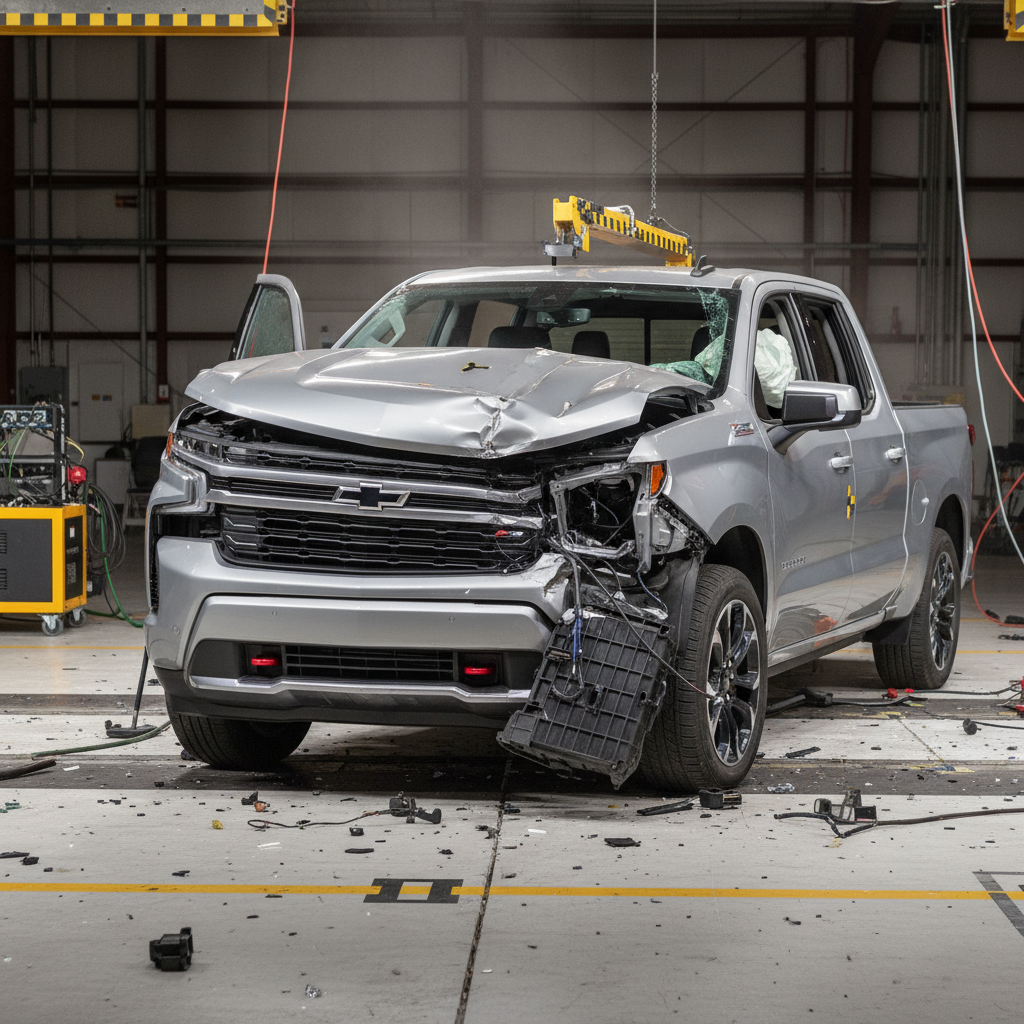
Because the 2025 i4 shares its hardware and software stack with earlier model years, most of the meaningful safety actions show up in broader recall campaigns that cover 2022–2025 cars. A few are worth calling out because they sound scary on paper but are tightly defined and fixable in practice.
Key Recent Recalls That Can Involve 2025 i4s
Exact eligibility depends on build date and VIN, always run a VIN check before you buy.
| Issue | Affected Years (example) | Risk | Typical Fix |
|---|---|---|---|
| Electric drive motor software may shut down HV system | 2022–2025 i4 (select VINs) | Sudden loss of drive power | Dealer or OTA software update to the drive motor controller |
| HV battery module weld defects | 2024 i4 xDrive40, M50 and related models (limited batch) | Battery overheating and potential thermal event | High‑voltage battery module replacement |
| Left‑side longitudinal beam may crack | Certain 2024 i4 eDrive40, xDrive40, M50 | Reduced structural integrity in a crash | Inspection and beam replacement if needed |
| Battery module assembly stress (very small population) | A handful of 2022–2023 i4s in a multi‑model campaign | Possible power loss, rare fire risk | Battery module replacement at dealer |
These are examples of issues seen on the i4 platform; not every 2025 i4 is affected.
Don’t guess, run the VIN
From a used‑EV buyer’s perspective, recalls aren’t automatically a deal‑breaker. Many are one‑time fixes, and a car with all its recall work done can actually be a safer bet than one built later but still waiting on its first campaign.
Software and iDrive Glitches
If the i4 has an Achilles’ heel, it’s not the battery pack, it’s the software glue tying everything together. Owners of 2023–2025 cars routinely talk about iDrive quirks rather than mechanical failures: frozen cameras, driver‑assist options grayed out, climate controls or heated seats ignoring voice commands, and navigation settings that seem to revert after every update.
Common software complaints
- Infotainment system lag or temporary black screens
- HUD layout resetting after using front camera or driver aids
- Driver‑assist settings (like lane change assist) randomly disabling or disappearing
- Camera or parking sensors dropping out until the system is rebooted
- Over‑the‑air (OTA) updates stalling or refusing to install
Typical owner workarounds
- Soft reset of iDrive by holding the volume button ~30 seconds
- Forcing an app & services update in the iDrive menu, then rebooting
- Having a dealer “re‑flash” to the latest software if OTA gets stuck
- Keeping the car connected to Wi‑Fi in the garage so downloads complete reliably
Test drive like a software QA engineer
The upside is that these issues are rarely safety‑critical and often improve as BMW iterates software. The downside is that they’re the sort of low‑grade friction that separates a car you love from one that silently irritates you every day.
Charging and Plug & Charge Issues
Charging is where the i4’s software stack intersects with messy real‑world infrastructure, so it’s no surprise that charging complaints feature heavily in owner forums. When someone says their i4 “has problems,” it’s often one of these scenarios:
- Scheduled or “charge in time slot” settings occasionally ignored, so the car starts charging immediately instead of waiting for off‑peak hours.
- Inconsistent behavior on some Level 2 public stations, especially where other brands charge fine, leading to aborted sessions or “charging station error” messages.
- Plug & Charge (with networks like Electrify America) requiring a dealer visit, then still not activating correctly until BMW and the charging network finish back‑end setup.
- Confusion when the car correctly starts early because it needs more than the specified time slot to hit a departure‑time or target‑SOC goal.
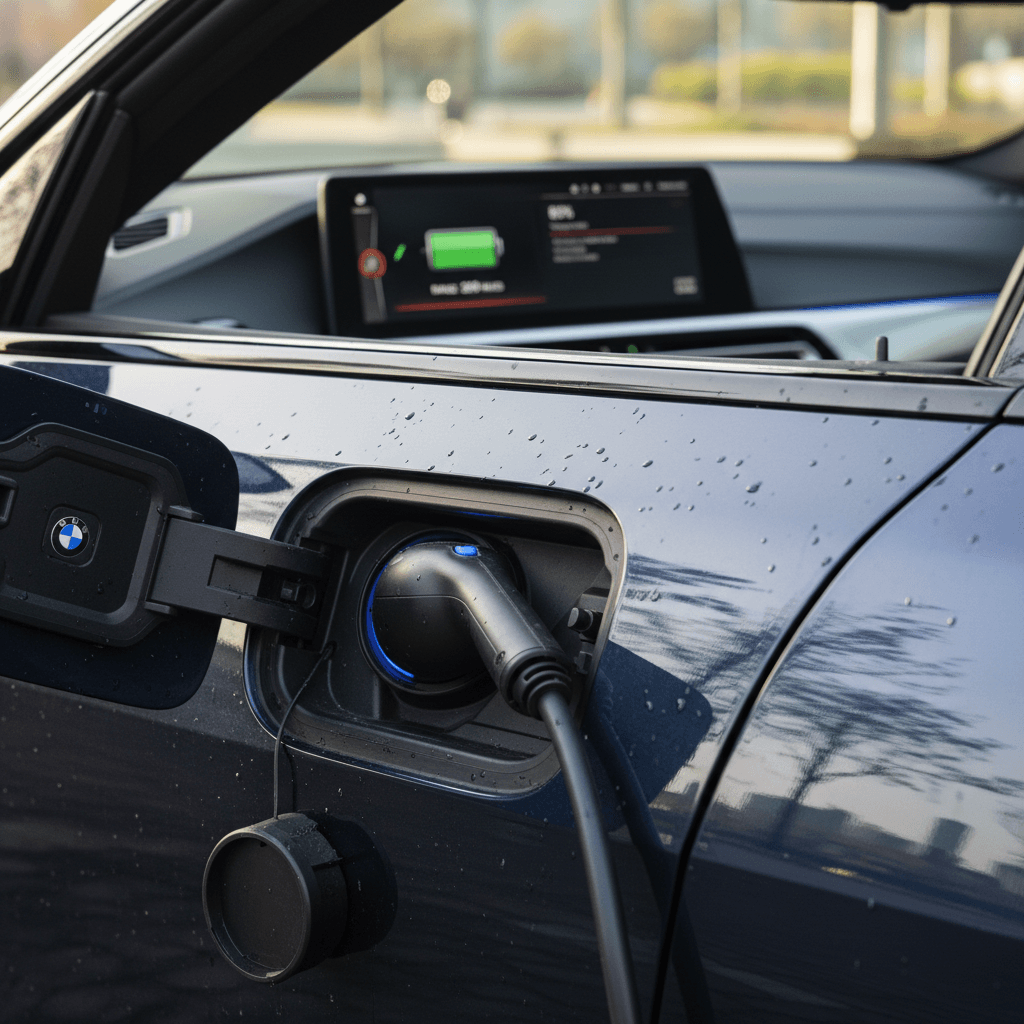
Home vs. public charging behavior
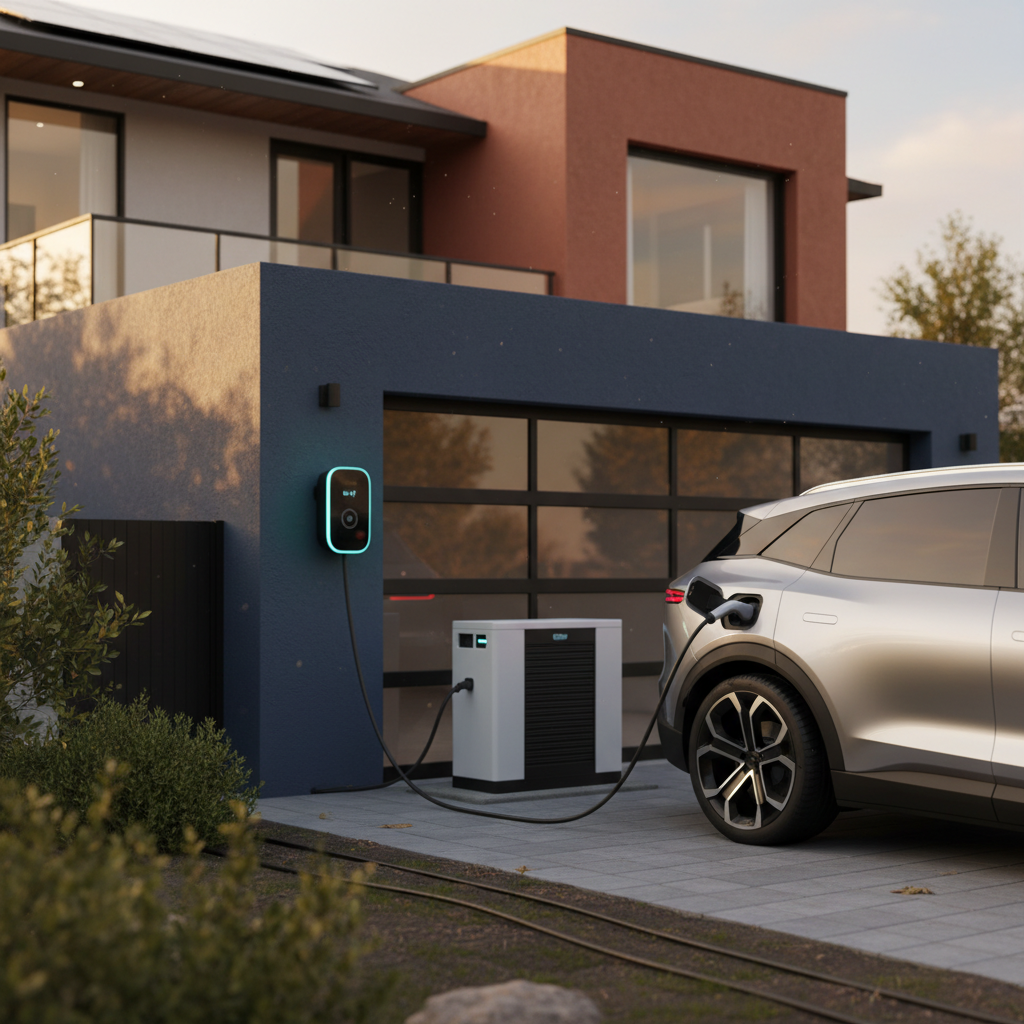
For a current owner, these are mostly quality‑of‑life issues. For a used‑EV shopper, they’re a reminder to plug the car into your reality during a test: your wall connector, your local public DC fast chargers, and your utility’s off‑peak window if you have one.
Battery Health and Range Concerns
Given the headlines around high‑voltage battery recalls across the industry, it’s natural to worry that a used 2025 i4 is a ticking time bomb. So far, that’s not what the data shows. Outside of specific recall batches with weld or assembly defects, outright battery failures on the i4 appear rare compared to some rivals.
How to Think About i4 Battery Health
Separate real risks from normal EV behavior
Normal degradation
Thermal‑event headlines
Data, not vibes
How Recharged de‑risks battery questions
Ready to find your next EV?
Browse VehiclesWhen you’re test‑driving any 2025 i4, pay attention to how range estimates change with speed and temperature, and ask for any service records touching the high‑voltage system. A car that’s already had a precautionary battery‑module replacement under recall isn’t a red flag by itself, if anything, it means the weakest link has already been addressed on BMW’s dime.
Chassis and Structural Issues on Certain i4s
One under‑the‑radar recall involved potential cracking of the left‑side longitudinal beam, a key structural member, on a limited group of 2024 i4 eDrive40, xDrive40 and M50 cars. This is the sort of thing you definitely want fixed, but again, the campaign is VIN‑specific and not a blanket indictment of the platform.
- If a 2025 i4 you’re considering was built on the same line and timeframe as the affected 2024s, your BMW dealer can verify whether it’s in the campaign and whether the inspection/repair is done.
- If you’re buying private‑party, ask explicitly whether any structural or body‑related recall work has been performed and get documentation.
Avoid cars with unresolved structural recalls
What This Means If You’re Buying a Used i4
Put all of this together and a pattern emerges: the 2025 BMW i4 is not a problem‑child EV, but it is a modern, software‑heavy BMW. That means your real‑world experience will depend less on whether a blogger once had a glitch and more on whether the exact car you’re looking at has been updated, maintained, and used in a way that suits how you’ll drive it.
Questions current owners ask
- Will the next OTA update break or fix my pet issue?
- Is my local dealer good at EV diagnostics or just gas‑car work?
- How often do I really use public DC fast charging vs. home Level 2?
Questions shoppers should ask
- Are all recalls and service campaigns completed on this VIN?
- What’s the verified battery health and typical real‑world range?
- Does the car behave properly on my home or workplace charger?
If you’re buying through a marketplace that understands EVs, a lot of this legwork, battery testing, recall checks, pricing against real‑world degradation, can be done for you. That’s the niche Recharged is built to fill for used EV shoppers who don’t want to gamble on forum anecdotes.
Checklist: Before You Buy a Used BMW i4
Pre‑Purchase Checklist for a 2025 (or Similar) BMW i4
1. Run a full VIN recall check
Use NHTSA’s recall lookup and ask the seller for documentation showing that <strong>every open campaign</strong>, especially those involving battery modules, drive‑motor software, or structural beams, has been completed.
2. Confirm software version and OTA eligibility
In the iDrive menus, verify that the car is on a recent software release and can still receive OTA updates. If it’s stuck on an old version, budget time for a dealer visit to get it back on the update track.
3. Test home and public charging
Plug into a Level 2 charger similar to what you’ll use at home and, if possible, try a local DC fast charger. Watch for aborted sessions, ignored schedules, or Plug & Charge that never activates.
4. Stress‑test the tech stack
During your test drive, cycle cameras, parking sensors, adaptive cruise, lane‑keeping, HUD layouts, voice commands, and smartphone integration. Minor quirks are normal; persistent failures are not.
5. Get objective battery health data
Don’t rely on guesswork. Ask for a recent <strong>battery health report</strong> or buy from a seller like Recharged that provides one. This is the single biggest driver of long‑term EV value.
6. Review usage history
Ideally, you want service records showing regular maintenance and charging patterns that lean on home Level 2 rather than constant 100% DC fast‑charging road‑warrior use.
How Recharged streamlines this process
FAQ: 2025 BMW i4 Problems & Ownership
Frequently Asked Questions About 2025 BMW i4 Problems
Bottom Line: Should 2025 BMW i4 Problems Scare You Off?
If you go by social media alone, every modern EV is a disaster. The reality with the 2025 BMW i4 is more nuanced. Yes, there are real problems, software gremlins, occasional charging headaches, and a handful of serious but tightly scoped recalls. At the same time, the i4 has quietly built a reputation as one of the more dependable premium EVs on the road when maintained and updated properly.
For a shopper, the smart play isn’t to avoid the i4 altogether; it’s to buy one with its homework done: recalls closed, software current, battery health verified, and charging behavior proven in the real world. That’s exactly the kind of due diligence Recharged bakes into every used EV it sells, so you can enjoy the good parts of a 2025 BMW i4, the drive, the refinement, the design, without losing sleep over the headlines.