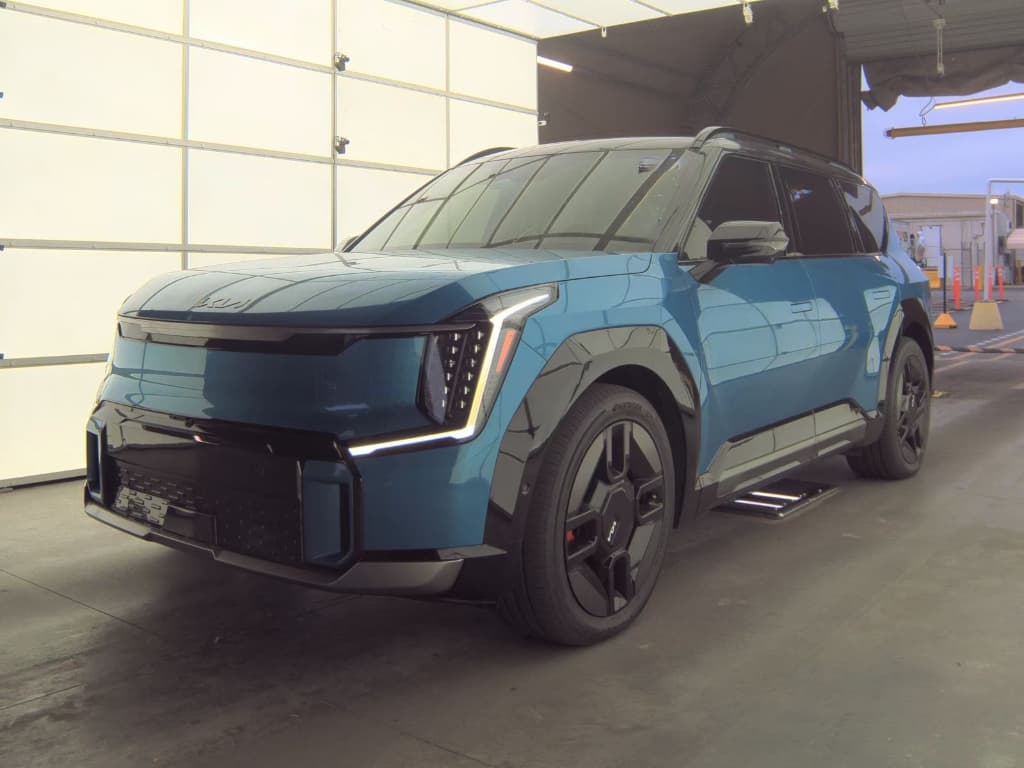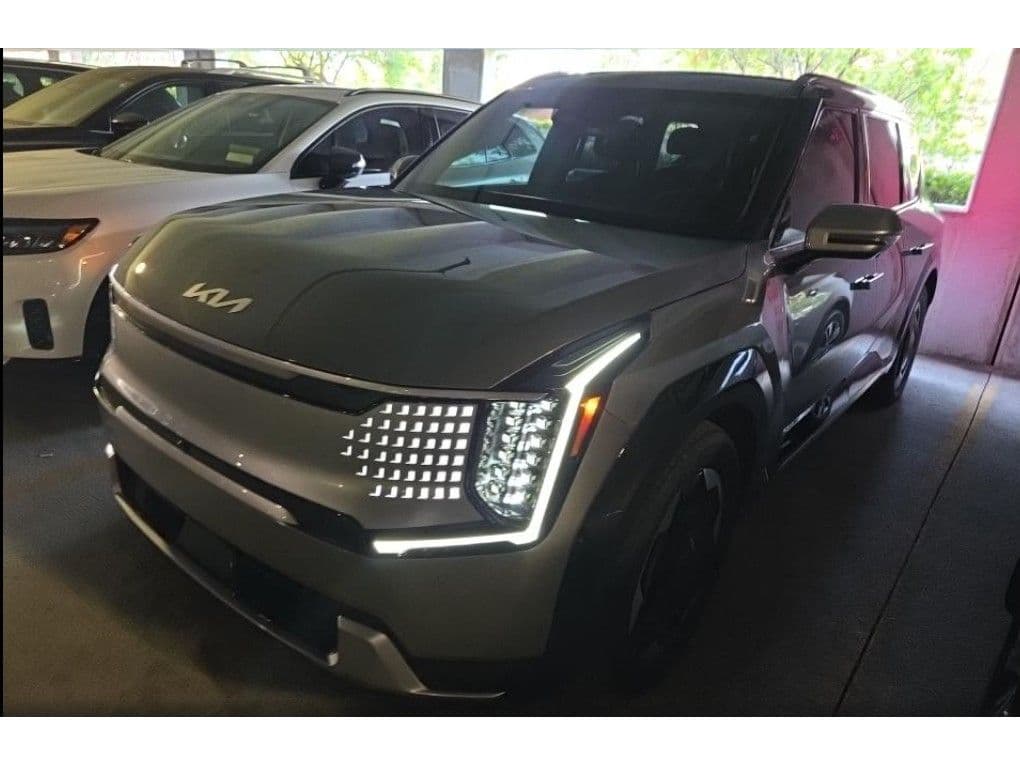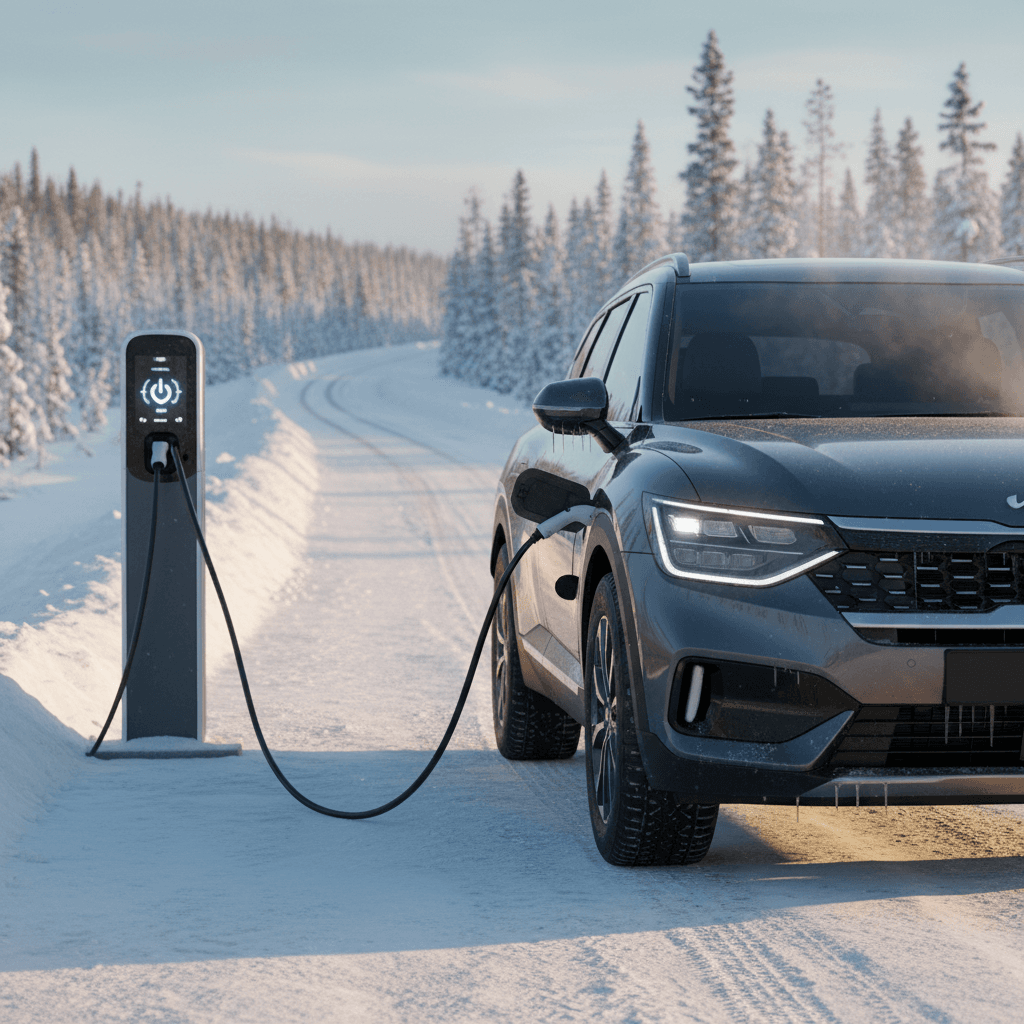
If you’re eyeing a three-row electric SUV for ski trips and school runs, you’ve probably wondered about Kia EV9 range in cold weather. On paper, the EV9 can crest 300 miles. In January, on a windy interstate at 20°F, that number gets a haircut. The question is: how big a haircut, and can you live with it?
The short version
Overview: Kia EV9 range and winter reality
Before we zoom in on the Kia EV9, it helps to understand the baseline. Large national studies of modern EVs show an average range loss of about 20% in freezing weather around 20°F compared with mild 70°F conditions. Some models do better, some worse; heat pumps and bigger batteries help. The EV9 shows up as a solid mid-pack performer in this world: not magic, not disastrous.
Winter range by the numbers
Where the EV9 earns its keep is comfort and stability. It has a big battery, available heat pump, and a proper battery heating system. Those pieces don’t eliminate winter losses, but they make them more predictable so you can plan, especially if you’re doing long trips or thinking about buying a used Kia EV9 in a cold climate.
EPA-rated Kia EV9 range by trim
The government numbers are our starting point. These EPA ratings are measured in controlled, moderate conditions, not snow-packed interstates and 25 mph headwinds, but they anchor expectations for each trim.
2024–2026 Kia EV9 EPA range estimates (U.S.)
Approximate EPA-rated combined range for major EV9 trims. Check window sticker for your exact model year and wheel/tire setup.
| Trim (U.S.) | Drivetrain | Battery | EPA-rated range |
|---|---|---|---|
| Light RWD | RWD | Standard | ~230 miles |
| Light Long Range RWD | RWD | Long Range | ~304 miles |
| Wind e-AWD | AWD | Long Range | ~280 miles |
| Land e-AWD | AWD | Long Range | ~280 miles |
| GT-Line e-AWD | AWD | Long Range | ~270 miles |
Your actual range will vary with temperature, speed, terrain, and load.
EPA range is not a winter promise
How cold weather affects Kia EV9 range
1. Battery chemistry slows down
Cold temperatures increase internal resistance in the EV9’s lithium-ion cells. The pack can’t discharge as efficiently, so you get fewer miles per kWh. Kia’s battery heating system will warm the pack, but that warming itself costs energy.
This is why fast-charging speeds drop in winter too: a cold pack can’t accept power as quickly.
2. Cabin heat is a huge energy draw
In a gas SUV, the engine’s waste heat warms the cabin. In an EV9, heat comes from electric heaters and a heat pump. At 10–30°F, keeping a three-row cabin toasty can soak up 4–7 kW continuously, comparable to cruising power on a flat road.
Short trips are hit hardest because the car has to repeatedly warm a cold cabin and battery.
Aerodynamics and rolling resistance also get worse in winter, thicker air, snow tires, slush, roof boxes, all conspire against you. On a heavy brick of an SUV like the EV9, those penalties add up quickly at 70–80 mph.
What the heat pump actually does
Real-world Kia EV9 winter range examples
Owner reports out of Canada, the upper Midwest, and mountain states paint a consistent winter picture for the EV9 long-range pack: you’re looking at roughly 60–80% of rated range, depending on temperature, speed, and how you run the HVAC. A few patterns emerge:
- Light Long Range RWD (304-mile EPA): many drivers see ~220–250 miles in typical freezing conditions on mixed driving, dipping toward ~190–210 miles in deep cold highway use.
- AWD long-range trims (270–280-mile EPA): think ~190–230 miles around freezing; in the single digits with fast interstate speeds, 160–190 miles is more realistic.
- Standard-battery Light RWD (~230 miles EPA): in sub-freezing city use with lots of short trips, some drivers report numbers in the 130–170-mile band on a full charge.
Beware the worst-case scenario
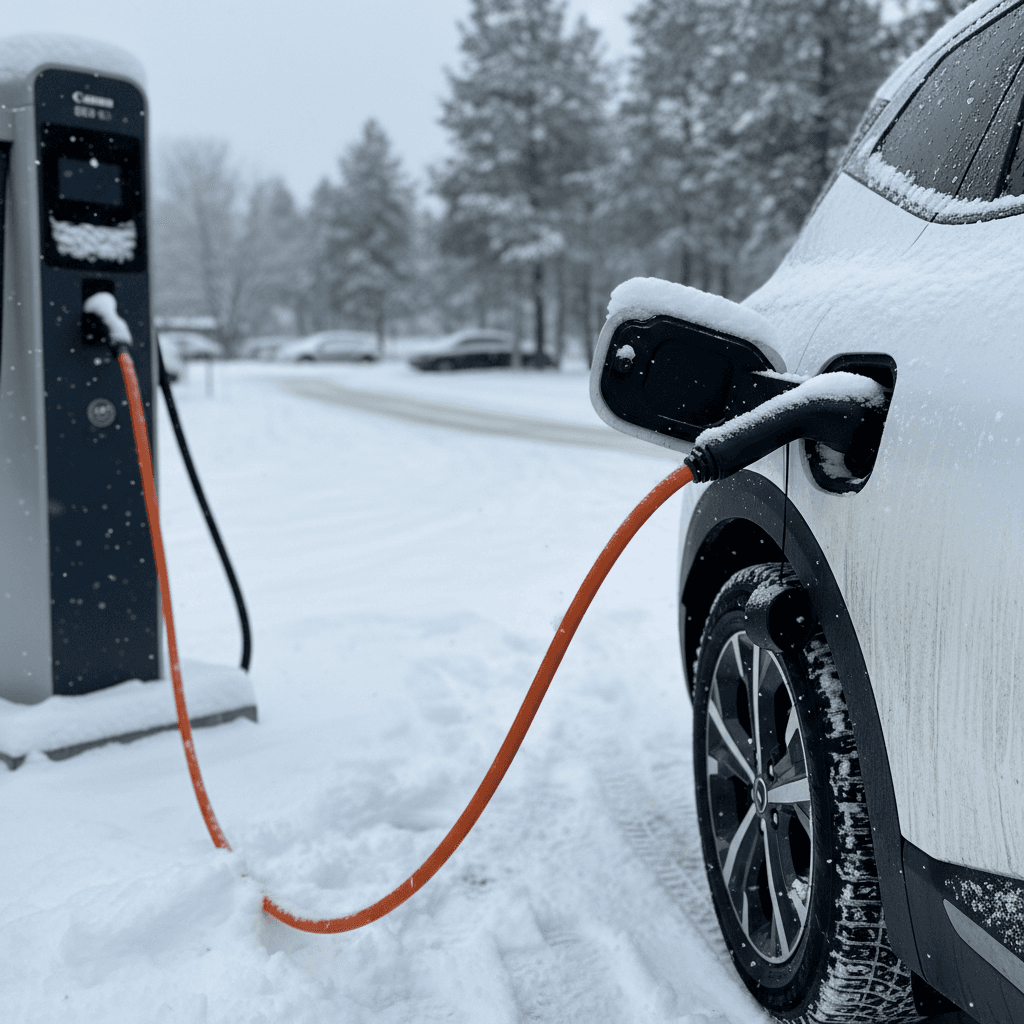
Factors that hurt or help EV9 range in the cold
The big levers on Kia EV9 winter range
Some you can’t control; others you absolutely can.
Ambient temperature
Below ~40°F, efficiency starts to fall. Between 10–25°F, expect the steepest hit as the car fights both a cold battery and big cabin heat demand.
Speed & wind
Aerodynamic drag rises with the square of speed. 80 mph into a headwind will drain your EV9’s battery far faster than 60 mph with calm air.
Trip length & patterns
Short, stop‑and‑go trips are brutal in winter because you repeatedly heat the cabin and battery from cold. Long steady runs are easier on range.
Climate settings
High cabin temps, full‑blast defrost, and ignoring seat/steering heaters all add up. Smart HVAC use can easily recover 10–20% range.
Load, tires & roof gear
Snow tires, a cargo box, bikes, or a fully loaded cabin all hurt efficiency. Roof boxes can cost you double‑digit percent range at highway speeds.
Preconditioning & charging
Warming the battery on shore power before driving or fast‑charging reduces cold‑related losses and restores more of the EV9’s rated capability.
How to maximize Kia EV9 range in cold weather
The EV9 is a big, comfortable, brick-shaped family hauler. You’re not turning it into a Prius with a few menu tweaks. But you can claw back a surprising amount of winter range with the tools Kia already gave you.
Practical steps to stretch EV9 winter range
1. Precondition while plugged in
Use the Kia Connect app or in-car scheduling to warm the cabin and battery while the EV9 is still on the charger. That way, grid power, not your battery, does the heavy lifting before you leave.
2. Use Eco mode for cold days
Eco mode softens throttle response and reins in power demand from the climate system. It’s not as fun as Sport, but in 20°F weather it can be the difference between one stop and two.
3. Lean on seat and wheel heaters
For comfort per kWh, the <strong>heated seats and steering wheel</strong> are your best friends. Try dropping cabin temp a couple of degrees and letting heated surfaces do more of the work.
4. Slow down a little on the highway
Dropping from 77 to 68 mph can feel like surrender, but at winter air densities it can save you dozens of miles of range on a big battery pack over a long drive.
5. Keep tires properly inflated
Cold air drops tire pressure. Check pressures regularly; under‑inflated tires increase rolling resistance and cut into range, especially with winter tires.
6. Minimize roof cargo when you can
That ski box is essentially a sail. If you don’t need it for a particular trip, pull it off the roof. If you do, budget extra charging time.
Think in "usable" miles, not theoretical range
Planning winter road trips in a Kia EV9
The EV9’s combination of a big pack and fast DC charging makes it one of the more road-trip-capable three-row EVs, even in winter. But winter road-tripping is a different game than summer: speed, charger spacing, and weather forecasts matter more.
Use realistic planning numbers
For trip planning in cold weather, ignore the glossy brochure figures and assume:
- RWD Long Range: plan legs of 160–200 miles between fast charges at freezing temps.
- AWD Long Range: plan 140–180‑mile legs, especially if running snow tires or a cargo box.
Bump those numbers down by 10–15% if temps drop into the single digits or you’ll be at 75–80 mph much of the way.
Charge strategy in the cold
Like most modern EVs, the EV9 charges fastest from about 10–55% state of charge when the battery is warm. In winter, it’s often better to stop more often and charge less each time than to do long, deep charges.
Use the car’s navigation to route to DC fast chargers; many EV9s will automatically warm the battery on the way to a fast charger, improving speeds when you plug in.
Mind rural charger gaps in winter
Used Kia EV9 winter range: what to look for
If you’re shopping the used market, winter range isn’t just about the EPA sticker; it’s about battery health, trim choice, and how the previous owner treated the car. A tired pack or the wrong configuration can turn a good winter companion into a range-anxiety machine.
Key winter-range questions for a used EV9
Ask these before you sign anything, especially if you live in a cold state or Canada.
How healthy is the battery?
Battery degradation reduces range in every season, which pinches even more in winter. Look for documentation of pack health or an independent battery test.
Every EV on Recharged comes with a Recharged Score that includes verified battery health, so you’re not guessing about winter range.
Which trim and options?
Wind, Land, and GT-Line trims with the long-range pack and heat pump will be more winter-capable than a base Light RWD, especially for highway driving and mountain trips.
Any software or TSB updates?
Kia has issued software updates over time that can affect efficiency, charging behavior, and range estimates. Confirm the car is up to date; a dealer or EV specialist can verify.
Driving history & climate
An EV9 that lived its life in Phoenix will have different wear patterns than one in Minnesota. Ask how the previous owner used and charged the car, frequent DC fast-charging and heavy towing matter.
How Recharged helps with winter confidence
Ready to find your next EV?
Browse VehiclesFAQ: Kia EV9 range in cold weather
Common questions about Kia EV9 winter range
Bottom line: Is the Kia EV9 good in winter?
The Kia EV9 is not a miracle worker; physics still applies in January. In cold weather you will see a meaningful dent in range, often 20–35%, sometimes more in worst‑case scenarios. But because it starts with a big battery and, in the right trims, an efficient heat pump and battery heater, the EV9 remains a genuinely usable winter family vehicle for most drivers.
If you live in a cold climate and want an EV family hauler, the smart move is to pair realistic expectations with a good buying process. Choose the right trim, learn a few winter‑driving tricks, and insist on real battery‑health data if you’re shopping used. That’s exactly the kind of transparency Recharged was built for: verified battery diagnostics, expert EV guidance, and a buying experience that takes winter seriously instead of pretending every day is 72°F and sunny.