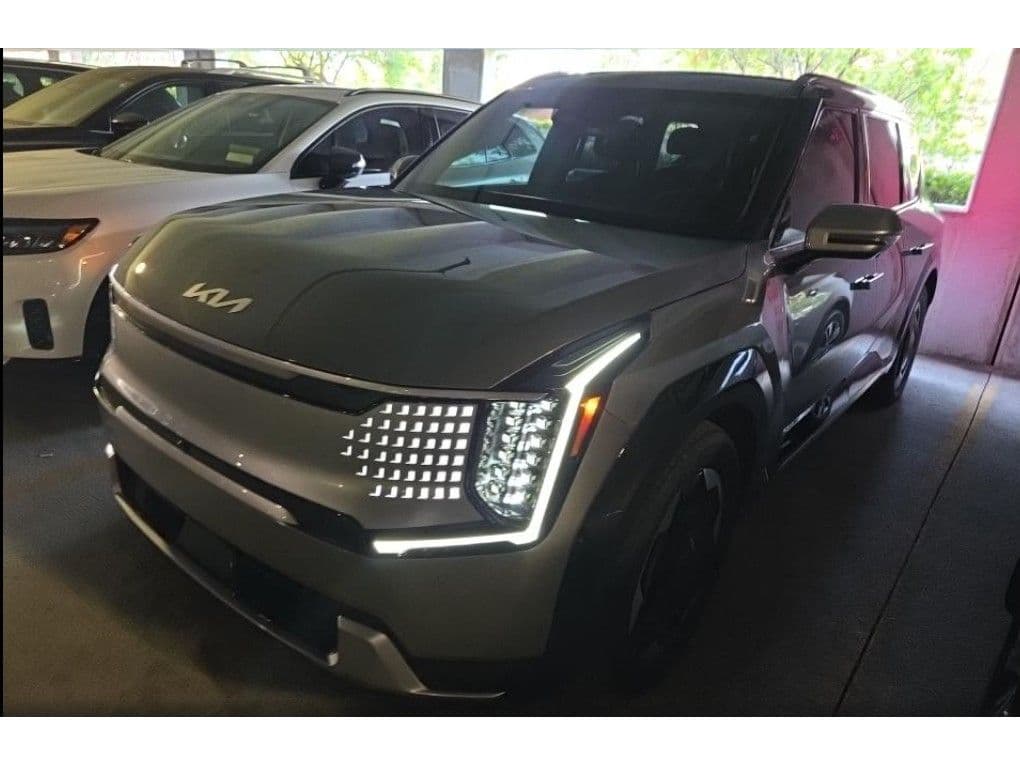
If you’ve been eyeing Kia’s three-row electric SUV, understanding the Kia EV9 price forecast for 2026 is crucial. Between recent MSRP adjustments, the phase‑out of federal EV tax credits, and a growing pool of used EV9s, what you actually pay in 2026 could look very different from the window sticker.
Quick snapshot for 2026 shoppers
Why the Kia EV9’s 2026 price matters
The Kia EV9 is one of the few mainstream three-row electric SUVs on sale in the U.S. As families move out of gasoline SUVs into EVs, the EV9 is going head‑to‑head with the Rivian R1S, Mercedes‑Benz EQS SUV, and incoming competitors like Hyundai’s Ioniq 9. Those rivals skew expensive, so if Kia can hold the line, or even trim pricing slightly for 2026, the EV9 stays a value leader in this niche.
- Room for up to seven passengers and serious cargo space
- Long‑range battery options with 300+ miles in some trims
- Standard advanced safety features and modern infotainment
- Positioned as a value alternative to premium‑brand three‑row EVs
Think total cost, not just sticker
Where Kia EV9 pricing stands going into 2026
Before you can forecast where EV9 prices are headed in 2026, you need a clear picture of where they are today. Kia has already rolled out pricing for the 2025 EV9, and early information on 2026 models shows a deliberate strategy: keep the entry price stable, apply targeted price cuts to some mid‑ and upper trims, and quietly sweeten equipment and range.
Kia EV9 pricing snapshot heading into 2026*
MSRP vs. what you’ll actually pay
2026 Kia EV9 MSRP forecast by trim
Public data on 2026 EV9 pricing so far points to a conservative approach from Kia: keep the base price steady, make a few trims more attractive with small cuts, and avoid shocking existing owners with big jumps that would hammer resale value. Think of it as fine‑tuning rather than a full reset.
Illustrative 2026 Kia EV9 MSRP outlook (U.S.)
These figures are directional estimates based on current 2025 MSRPs, announced 2026 adjustments, and typical year‑over‑year changes. Always confirm final pricing with an authorized Kia dealer.
| Trim | 2025 MSRP (approx., incl. dest.) | 2026 MSRP outlook | Direction |
|---|---|---|---|
| Light (RWD) | ~$56,400 | ~$56,400 | Flat |
| Light Long Range (RWD) | ~$60,000 | ~$60,500 | Slight increase |
| Wind (AWD) | ~$62,000 | ~$61,000–$62,000 | Flat to −$1k |
| Land (AWD) | ~$70,000 | ~$69,000–$70,000 | Flat to −$1k |
| GT‑Line (AWD) | ~$75,000 | ~$73,000–$75,000 | Flat to −$2k |
Estimated 2026 EV9 MSRPs assume normal economic conditions and no major regulatory shocks.
Why Kia can afford modest cuts
Forces that could push EV9 prices up
- Higher battery material or labor costs
- Added standard equipment (range, tech, or safety)
- Currency swings if component sourcing shifts
- Strong demand for three‑row EVs in certain regions
Forces that could push EV9 prices down
- Rising competition from Hyundai, GM, and Chinese brands
- End of federal EV tax credits, forcing automaker discounts
- Dealer pressure to move inventory if supply stays high
- Used EV price softness creating a wider gap to new
What people will likely pay vs. MSRP
MSRP is just the starting point. What matters is your out‑the‑door price, after discounts, fees, and any available incentives. In 2024–2025, many new EVs, including the EV9, have sold for less than sticker as dealers chased volume and automakers leaned on bonus cash to offset slow retail demand.
How 2026 EV9 transaction prices could shake out
Three realistic scenarios based on supply, incentives, and competition
Tight supply, firm pricing
What it looks like:
- Popular trims (Land, GT‑Line) in short supply
- Discounts limited to a few hundred dollars
- Lease money factors not especially aggressive
Effective price: Near MSRP on hot trims.
Balanced market (most likely)
What it looks like:
- Healthy inventory in most metro areas
- $1,500–$3,000 under MSRP common on in‑stock units
- Occasional bonus cash or loyalty offers
Effective price: 2–5% under MSRP for patient shoppers.
Soft market, big discounts
What it looks like:
- Plenty of unsold EV9s regionally
- Stackable dealer discounts and manufacturer cash
- Lease subsidies to keep payments competitive
Effective price: 6–10% under MSRP on select trims.
Leverage competition, politely
How 2025–2026 tax credit changes shape EV9 prices
The most important backdrop to any Kia EV9 price forecast for 2026 is tax policy. For a brief window, U.S.‑built EV9s qualified for the federal clean vehicle tax credit, which buyers could take at the point of sale. Under the One Big Beautiful Bill Act and related changes, that window closes after September 30, 2025. New EV9 purchases and leases after that date no longer qualify for the federal EV incentive, shifting more of the cost back to the consumer.
Key milestones that matter for 2026 EV9 pricing
1. U.S. production unlocked eligibility
Once Kia localized EV9 production to Georgia, most trims became eligible for up to a $7,500 federal EV tax credit. That effectively lowered the real‑world price without an official MSRP cut.
2. September 30, 2025: credit phase‑out
Legislation phases out federal credits for new and used EVs after this date. Buyers taking delivery on October 1, 2025, or later cannot claim the federal EV credit on a new EV9.
3. 2026: automakers lean on incentives
Without federal money in the mix, expect Kia and dealers to use targeted rebates, APR offers, and lease subvention to keep EV9 payments attractive, especially on higher trims.
4. Used EV9 pricing adjusts
With new EV9s effectively more expensive post‑credit, used EV9s will likely settle at price points that still offer a clear value advantage while reflecting the new‑vehicle reality.
Don’t bank on surprise new federal incentives
Used Kia EV9 price forecast for 2026
By calendar‑year 2026, we’ll see three distinct waves of used Kia EV9s in the market: early‑build 2024 models coming off one‑ to three‑year leases, 2025 models that benefitted from tax credits, and lightly used 2026s from early adopters trading up or changing needs. That gives shoppers much more choice, and more leverage, than in the EV9’s first years.
Directional 2026 used Kia EV9 pricing bands*
Battery health is everything on a used EV9
Who should look hard at a used EV9?
- Families who want three rows but don’t want to spend $70k+
- High‑mileage drivers who care more about utility than the latest tech tweaks
- Shoppers willing to trade some range or options for a lower payment
Who may prefer new in 2026?
- Buyers prioritizing maximum range and updated driver‑assist features
- Those planning to keep the EV9 8–10+ years
- Shoppers sensitive to cosmetic wear and tear
Lease vs. buy: best way into an EV9 in 2026
The loss of federal EV tax credits after September 2025 changes the lease‑vs‑buy math for a 2026 Kia EV9, but it doesn’t make leasing irrelevant. Instead, it puts more pressure on Kia’s captive finance arm to subsidize leases if they want competitive payments. For many households, your choice should come down to how long you plan to keep the vehicle and how comfortable you are with long‑term battery and tech evolution.
2026 Kia EV9: lease vs. buy at a glance
Pros and cons in a changing EV incentive environment
Leasing a 2026 EV9
- Pros
- Lower monthly payment than a comparable loan in many cases
- Gives you a natural exit in 3–4 years as EV tech advances
- Kia can use hidden lease support to offset the missing tax credit
- Cons
- No ownership at the end unless you buy out the lease
- Mileage limits and wear‑and‑tear charges
- Payments can jump if residuals prove too optimistic
Buying (new or used) in 2026
- Pros
- Full ownership and control over how long you keep the EV9
- Better fit if you rack up miles or are tough on interiors
- Financing incentives can lower interest cost, especially on used EV9s
- Cons
- You take all the depreciation risk in a still‑evolving EV market
- Higher monthly payments than a comparable lease
- No federal tax credit cushion to soften the blow
Run the numbers both ways
How to shop smart for an EV9 or rival three-row EV
The EV9 isn’t alone anymore. By 2026, shoppers will have alternative three‑row EVs from Hyundai, GM, and others. That’s good news for you, more options, more negotiating leverage, and more opportunities in the used market. The key is to approach the process with a clear plan and objective data.
Smart 2026 shopping checklist for Kia EV9 buyers
Clarify how much range you truly need
If most of your driving is local, you may not need the longest‑range EV9 battery. That can save thousands upfront and in monthly payments.
Decide between two vs. three rows honestly
If your third row will almost never be used, consider two‑row EVs that may be cheaper to buy and run, then compare them against EV9 pricing.
Get pre‑qualified on financing
Knowing your approved rate and budget before you shop keeps you focused on the right trims and puts you in a stronger negotiating position. <strong>Recharged</strong> can help you <a href="/financing">pre‑qualify online</a> with no impact to your credit score.
Compare new vs. used EV9 side by side
Line up actual vehicles, not just theory. A CPO or thoroughly inspected used EV9 may deliver 90% of the experience for 70–80% of the price.
Request a battery‑health report
On any used EV9, ask for a third‑party battery report. Every car sold on Recharged includes a <strong>Recharged Score</strong> with verified battery health and fair‑market pricing.
Look at total monthly cost, not just price
Insurance, charging, and maintenance all feed into your real monthly cost. A slightly higher purchase price with lower running costs can be the smarter long‑term choice.
FAQ: Kia EV9 price forecast 2026
Frequently asked questions about 2026 Kia EV9 pricing
Bottom line: should you wait or buy sooner?
Putting all of this together, the Kia EV9 price forecast for 2026 is one of evolution, not revolution. New‑vehicle MSRPs should stay broadly in line with late‑2025 levels, with targeted cuts on key trims. The bigger story is the disappearance of federal EV tax credits after September 30, 2025, and the growing number of used EV9s that will give value‑oriented shoppers real choices.
If you can pair a 2025 EV9 with a federal credit and a healthy dealer discount, acting sooner may be your best bet. If you’re more payment‑sensitive, open to a used EV9, or simply want to see how the three‑row EV segment matures, waiting until 2026 could open the door to better selection and more negotiation room, especially in the used market.
Either way, approach the EV9 like any major purchase: understand how pricing is likely to move, compare new and used options side by side, and let data, not hype, drive your decision. And if a used EV9 or rival EV fits your needs, Recharged can help you evaluate battery health, financing, and total cost of ownership so you drive away confident you paid a fair price.