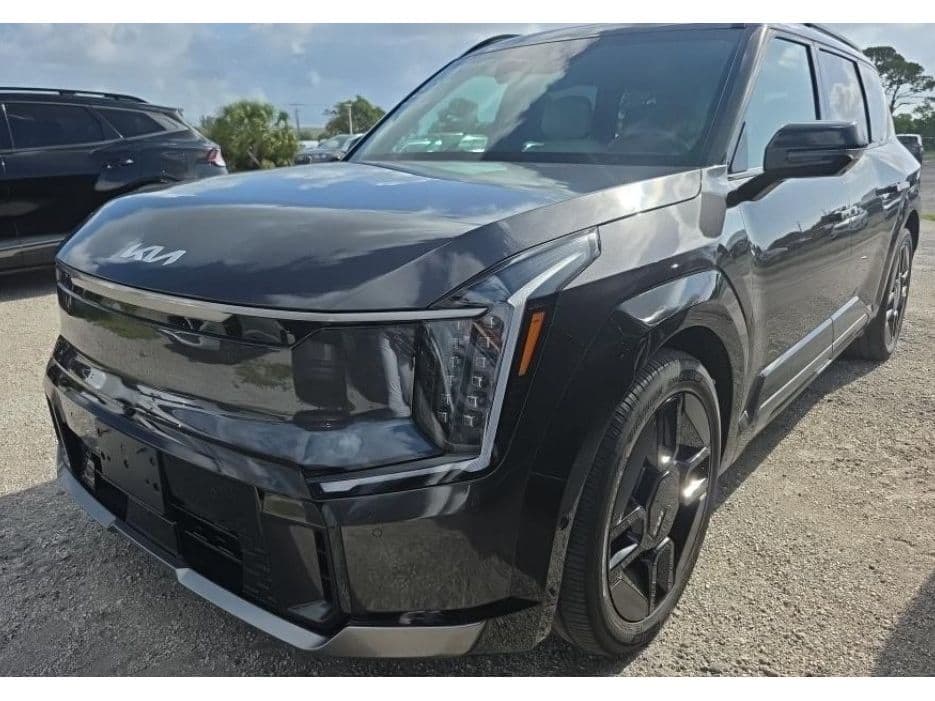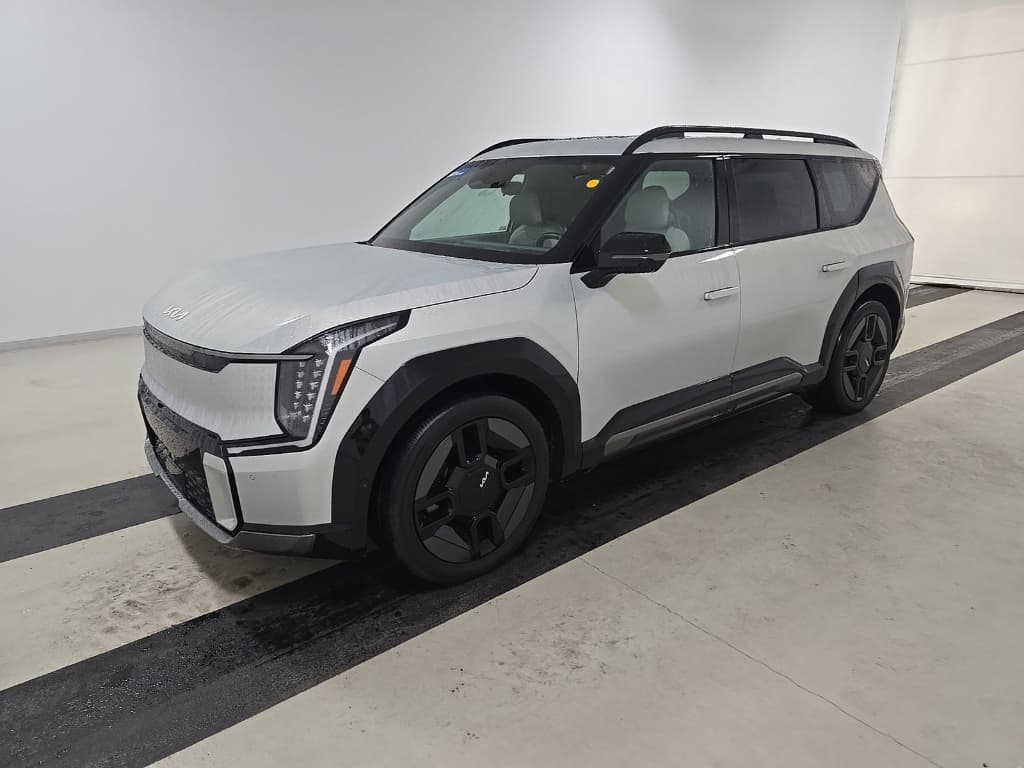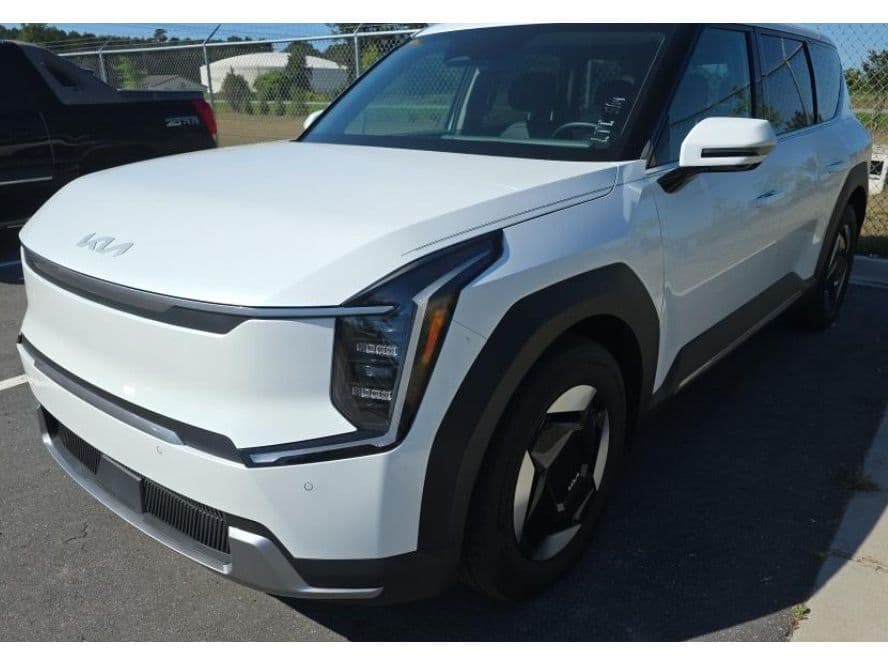
If you’re looking at a Kia EV9 in 2026, either as a new owner or as a used-EV shopper, you’ve probably heard rumblings about Kia EV9 common problems. The EV9 is spacious, quick, and family-friendly, but like many first-generation EVs, early 2024–2025 models have had more than their share of teething issues. This guide breaks down the most important problems, how serious they really are, and what you should check before you sign anything.
A quick note on model years
Kia EV9 reliability in 2026: big picture
Kia EV9 reliability snapshot (as of early 2026)
Big picture, the EV9 isn’t a disaster, but it’s also not a “set‑and‑forget” appliance yet. Owners report solid driving dynamics and range, while most headaches cluster around charging reliability, software behavior, and a few hardware components (like seats and wipers). The key for you is understanding which issues are mere annoyances, which are covered by recalls or service campaigns, and which could be a reason to walk away from a particular used example.
Be cautious with broad reliability scores
Major 2024–2025 Kia EV9 recalls you should know about
Before we dive into day‑to‑day complaints, it’s worth calling out the official recalls affecting many 2024–2025 Kia EV9s. Recalls are safety‑related and are performed free of charge at a Kia dealer, so there’s no excuse for a car in 2026 to still be missing them, especially if you’re buying from a dealer.
Key Kia EV9 recalls through early 2026
This isn’t an exhaustive list, but it highlights the recalls most used‑EV shoppers should ask about. For exact recall status, always run the VIN through the official NHTSA or Kia recall lookup.
| Issue | Model years affected | Risk if unfixed | Typical fix |
|---|---|---|---|
| Instrument cluster may go blank (software) | 2024–2025 | Loss of critical driving information like speed and warnings | Software update reprograms the cluster to prevent blank startups |
| Electrical system / software non‑compliance (SC326) | 2024–2025 | Potential failure to meet federal safety standards; may affect warning logic or system behavior | Control-unit software updates at the dealer |
| Windshield wipers may become inoperative (ODI investigation) | 2024–2025 | Loss of visibility in rain or snow | In 2026 this is under investigation; may become a formal recall or service campaign |
| Charging system / ICCU‑related concerns | Primarily 2024 builds, some 2025 | AC charging failures or reduced charging performance | Software update, hardware inspection; ICCU or related parts replaced if faulty |
Ask the seller for proof these recalls have been completed before you buy.
How to check Kia EV9 recall status by VIN
Charging issues & ICCU failures
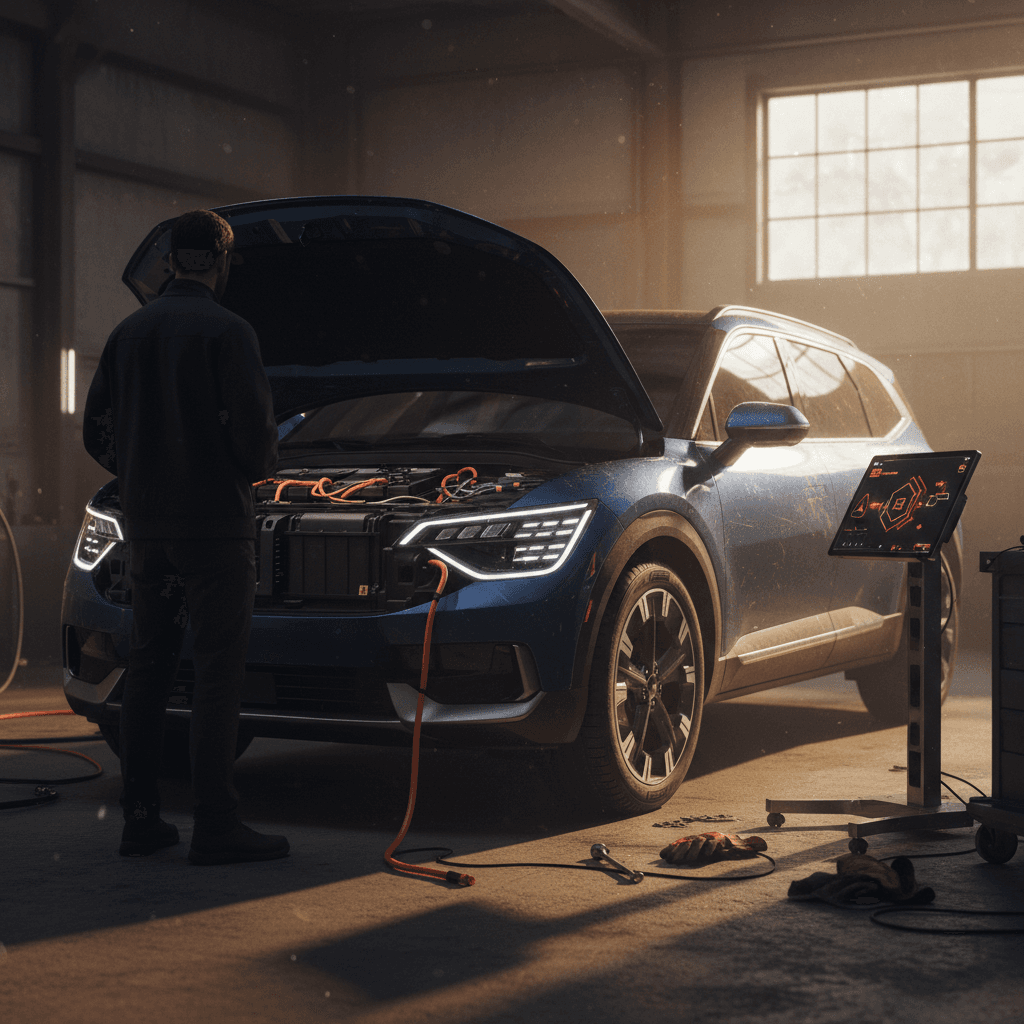
If there’s one area where the Kia EV9 has drawn the most attention, it’s charging behavior. Some owners go thousands of miles with no drama. Others run into intermittent failures that can be maddening to diagnose. A lot of this traces back to the Integrated Charging Control Unit (ICCU), the component that manages AC charging and converts AC to DC for the battery.
Common EV9 charging symptoms owners report
Most are fixable, but they require proper diagnosis, not guesswork.
AC charging stops early
Charging from a Level 2 home or public station starts normally, then stops at some state of charge (for example 40–80%) with a generic error message.
Works on DC fast, not on AC
The car fast‑charges fine on DC, but repeatedly fails to charge on Level 1 or Level 2. That usually points to an onboard/ICCU issue rather than the main pack.
Reduced allowable AC amps
Some dealers apply a software patch that temporarily limits AC charging current (for example, to 32 amps) to protect hardware until parts or a permanent fix are available.
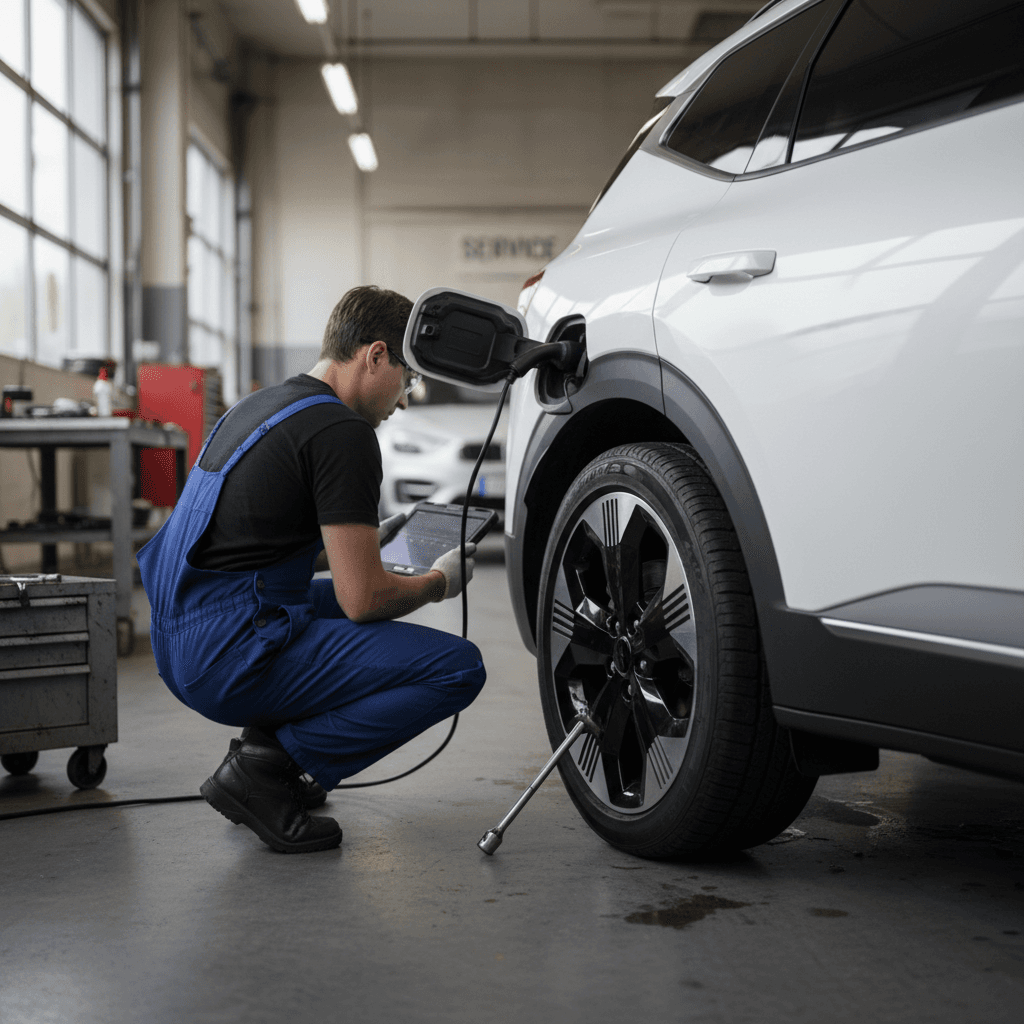
Hyundai and Kia have already faced ICCU‑related failures in earlier E‑GMP models like the Ioniq 5 and EV6, and survey data in 2025–2026 shows the EV9 shares some of that DNA. The good news is that once the right technical service bulletin is applied, and bad modules are replaced, most owners see their charging reliability improve dramatically. The bad news is that parts delays and misdiagnosis can leave a vehicle sidelined for weeks if your dealer isn’t proactive.
When charging issues are a red flag
Quick triage for EV9 charging problems
1. Test on at least two different chargers
If your EV9 fails at one home charger, try a second Level 2 unit or a reputable public station. If it fails everywhere, the problem is probably in the car, often the ICCU or associated software, rather than the wall box.
2. Compare AC vs DC behavior
If DC fast charging is solid but Level 2 fails, focus on onboard AC hardware and ICCU diagnostics. If both fail, the dealer needs to look deeper at battery management and high‑voltage components.
3. Check for recent software campaigns
Ask the dealer to verify that all charging‑related software updates and service actions have been applied. Some EV9s needed specific OTA or dealer‑installed updates to fix session drop‑outs and error cascades.
4. Document every failed session
Keep screenshots from your charger app and the car’s messages. If you end up negotiating a buyback or warranty claim, this documentation is gold.
5. Don’t mask issues by lowering amps forever
Lowering the amperage may get you through the night, but if the car can’t handle its advertised AC rate without error, insist on a real diagnosis while it’s under warranty.
Software, screen, and connectivity glitches
Like most modern EVs, the Kia EV9 is a computer on wheels. That brings great features, but also a long list of software quirks that owners have documented since launch. None of these should scare you off by themselves, but you’ll want to know what’s normal, what’s fixable, and what’s already subject to a recall.
- Blank or frozen instrument cluster at startup: A major recall addresses 2024–2025 EV9s whose driver display can stay blank when you start the car. The fix is a software update at the dealer.
- OTA updates that never appear or fail to install: Some owners report that over‑the‑air updates stay “grayed out” in the Kia Connect app, or downloads stall repeatedly. Dealers can often push updates manually or reset the telematics unit.
- App outages and remote-function failures: In 2024 and 2025 there were periods where remote start, climate pre‑conditioning, or charge monitoring simply didn’t work due to backend disruptions. These are usually temporary, but they reveal how dependent the EV9 is on Kia’s cloud systems.
- Persistent warning messages or email spam after charging: After certain updates, some owners reported repeated “charge error” notifications even when the car charged normally. Later software revisions tend to clean this up.
Best practice: treat software like maintenance
Ready to find your next EV?
Browse VehiclesInterior, seat, and comfort problems
Not every Kia EV9 problem is high‑tech. A chunk of real‑world complaints are old‑fashioned build‑quality issues, especially around the driver’s seat and interior trim. They’re not life‑threatening, but on a family SUV with a premium price tag, they’re understandably frustrating.
Common EV9 interior and comfort complaints
Annoying? Yes. Deal‑breakers? Usually not, if repaired properly.
Driver’s seat movement or looseness
Several owners report the driver’s seat wiggles or shifts slightly under braking or cornering, even on low‑mileage EV9s. Fixes range from adjusting the rails to replacing the seat back or the entire seat. Inconsistent parts supply has led to long waits for some early owners.
Console latches and door lock quirks
Reports include rattling center-console lids, sticky latches, and frustration with access when another car parks too close to the driver’s side. These are more design and trim issues than safety problems, but they’re worth checking on a test drive.
How to spot interior issues on a test drive
Noise, vibration, and driving quirks
An electric SUV should be quiet and smooth, so owners pay attention when something shakes or buzzes. With the EV9, most noise and vibration complaints trace back to the HVAC system, not the motors.
Steering-wheel shake with HVAC on high
Multiple owners have noticed the steering wheel vibrating noticeably at a stop when the air‑conditioning fan is set above a certain level. Turn the fan down, and the vibration disappears. That suggests a resonance issue from the blower motor or ducting, not a steering or suspension defect.
Wind and road noise expectations
The EV9 is a big, boxy SUV on large wheels. On coarse pavement, some road noise is inevitable, and roof rails plus the tall stance can generate wind noise at highway speeds. Compare it back‑to‑back with other three‑row EVs rather than expecting S‑Class silence.
When NVH is normal vs. not
Cold-weather & rare high-voltage battery issues
Like all EVs, the Kia EV9’s behavior changes in extreme temperatures. A few owner reports also point to more serious, but thankfully rare, high‑voltage battery defects.
- Cold-weather charging hiccups: In sub‑freezing temperatures, some owners have seen AC charging sessions terminate early until they reduce amperage or restart the session. Often this is the car protecting hardware or responding to voltage fluctuations, but if it’s frequent, the dealer should inspect the charging system.
- 12‑volt battery complaints: A weak 12‑volt battery can cause a circus of warning lights or prevent the car from “waking up,” even though the main pack is full. A handful of EV9 owners have needed 12‑volt replacements early in ownership, sometimes linked to software that keeps systems awake when they shouldn’t be.
- Isolated high-voltage pack defects: There are cases where dealers traced weird charging limits or range behavior to faulty cells in the high‑voltage battery. The fix is a module or pack‑level repair under warranty, not something you should ever pay out of pocket for on a 2024–2025 EV9.
Plan ahead if you live in the deep freeze
What this means if you already own a Kia EV9
Owning a first‑generation EV9 in 2026 doesn’t automatically mean you’re destined for trouble. Many owners report thousands of miles of hassle‑free driving. The key is to be proactive, especially while the vehicle is covered by Kia’s warranties.
Owner action plan: make your EV9 as trouble‑free as possible
1. Get fully current on software and recalls
Schedule a visit and ask the service advisor to bring your EV9 up to date on all open recalls, service campaigns, and software updates in one shot. Don’t wait for random OTA prompts.
2. Baseline your charging setup
Have an electrician verify that your home circuit, breaker, and charger are correctly sized and wired. A marginal installation can mimic car problems, and you’ll want that ruled out before you blame the EV9.
3. Log issues immediately and consistently
If you see recurring charging failures, warning lights, or display glitches, log dates, conditions, and photos. Consistent documentation strengthens any warranty or lemon‑law claim if things escalate.
4. Don’t accept “can’t replicate” as the final word
If a dealer shrugs because they can’t reproduce an intermittent fault, ask them to keep the car overnight, try different chargers, or consult Kia technical support. Many EV9 issues only show up after a longer drive or certain conditions.
5. Lean on the warranty while you have it
The EV9 carries strong warranty coverage on the powertrain and high‑voltage battery. Push for root‑cause fixes now, not band‑aids that kick the can past the warranty window.
Buying a used Kia EV9 in 2026: checklist
If you’re shopping for a used Kia EV9 in 2026, you’re in a sweet spot: meaningful discounts versus new, but plenty of warranty left, if you choose carefully. Here’s how to put these common‑problem patterns to work for you as a buyer.
1. Start with the paper trail
- Pull a full service history from a Kia dealer, not just a generic vehicle report.
- Confirm completion of major recalls, especially instrument-cluster and electrical-system campaigns.
- Look for repeat visits for charging or electrical issues, that’s a warning sign.
2. Use the test drive as a stress test
- Drive long enough to heat‑soak the drivetrain and electronics, 20–30 minutes is ideal.
- Check for seat movement under braking, steering vibration at idle with HVAC on high, and any odd noises over bumps.
- Toggle driver-assist and drive‑mode settings to see if any warning lights appear.
Used Kia EV9 pre-purchase checks
Confirm fast and Level 2 charging behavior
Plug into a trusted Level 2 charger and, if possible, a DC fast charger before you agree to buy. Watch for early shut‑offs, error messages, or unusually low AC current limits.
Inspect tires, brakes, and suspension closely
The EV9 is heavy and powerful; early owners who drive hard can chew through tires and put extra stress on suspension components. Uneven wear can hint at alignment or bushing issues.
Check every screen, camera, and feature
Cycle through the instrument cluster views, central display, parking cameras, and audio. A blank screen or glitch here can indicate unfinished software work or a failing module.
Look for water leaks and trim issues
After a wash or rain, inspect door sills, the tailgate area, and the third‑row floor for signs of moisture or staining. Early weather‑seal problems show up here first.
Get an independent EV-focused inspection
A standard pre‑purchase inspection is good; an <strong>EV‑specialist inspection</strong> is better. At Recharged, our Recharged Score includes a battery‑health evaluation and on‑road diagnostic scan so you’re not guessing about what’s happening under the floor.
How Recharged reduces the guesswork
Kia EV9 common problems: FAQ
Frequently asked questions about Kia EV9 problems
Bottom line: Should Kia EV9 problems scare you off?
The Kia EV9 is exactly what many families have been waiting for: a genuinely roomy, fast‑charging, three‑row electric SUV. Its downside is that, as a relatively new model on a sophisticated platform, it’s had more than its share of software and charging‑system hiccups, especially on early 2024–2025 examples. Those problems are very real, but they’re not universal, and many are addressable with recalls, software, and, when necessary, hardware replacements.
If you’re buying or owning an EV9 in 2026, the smart move is to treat information as your best warranty: check recall status, dig into service history, validate charging behavior, and insist on clear documentation for any past issues. Partnering with an EV‑specialist retailer like Recharged, where every vehicle includes a Recharged Score battery‑health report, transparent pricing, and expert guidance, can turn a complex decision into a confident one. With the right homework, a Kia EV9 can still be a rewarding, future‑proof addition to your driveway.