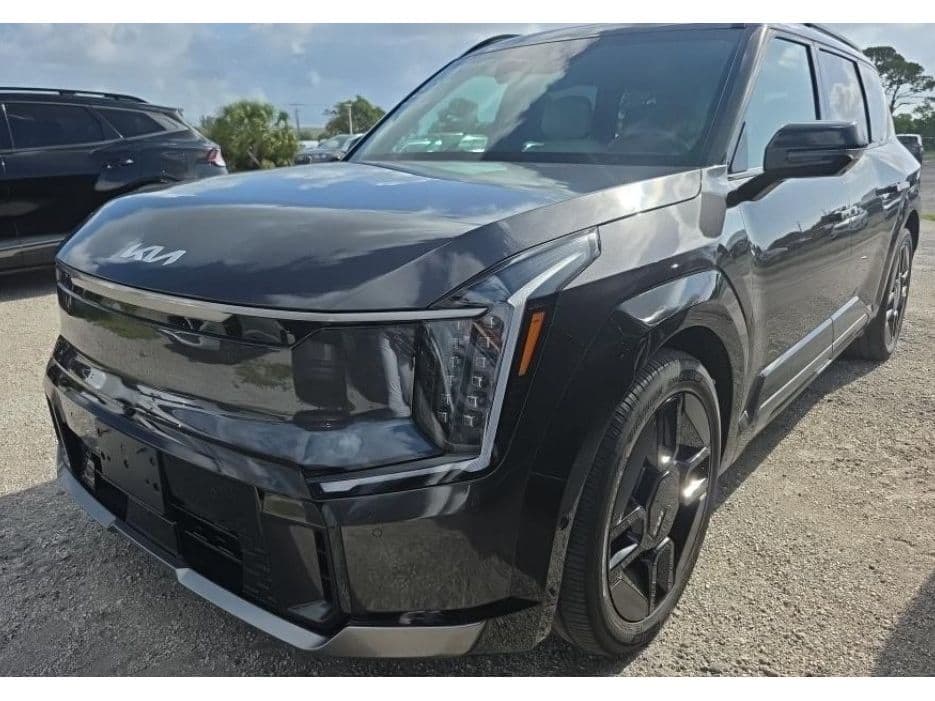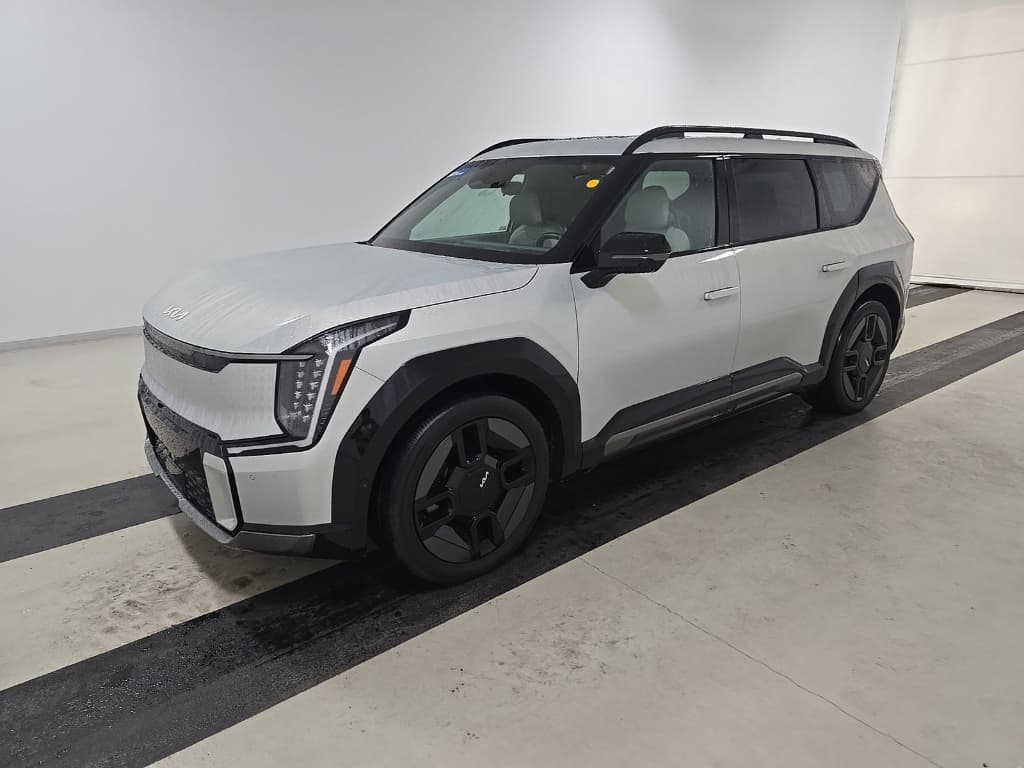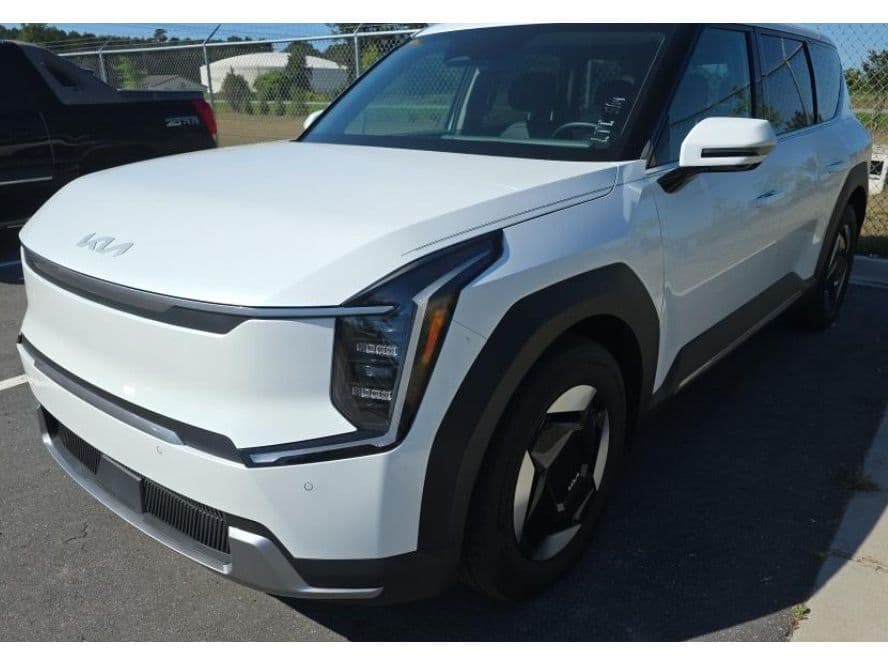
If you’ve just brought home a Kia EV9, or you’re shopping for one used, it’s natural to wonder about long‑term maintenance, especially brakes. The good news is that Kia EV9 brake pad replacement costs are usually lower and less frequent than on a comparable gas SUV, thanks to regenerative braking. But when the time does come, it still pays to know what’s normal and what’s not.
Quick answer
Kia EV9 brake pad replacement cost at a glance
Typical Kia EV9 brake service price ranges
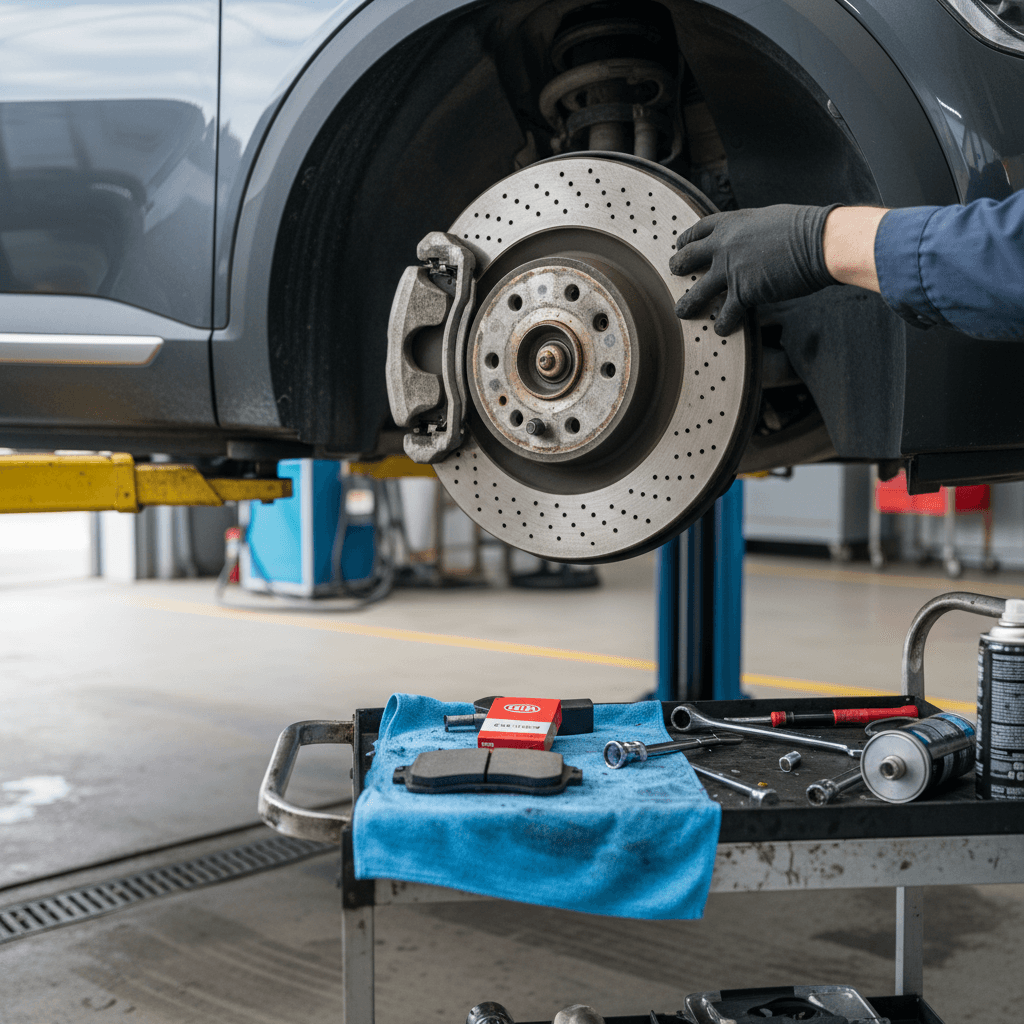
Those figures are per axle, front or rear, and assume you’re replacing pads only. If the rotors need to be resurfaced or replaced (common on vehicles that see lots of short trips or rust), expect the total invoice for that axle to climb into the $450–$900 range at a dealer.
Watch for suspiciously low prices
Why Kia EV9 brake pads usually last longer than gas SUVs
The EV9 is a big, heavy, three‑row SUV. On paper, that sounds like a recipe for eating through brake pads. But because it’s a full battery electric vehicle with strong regenerative braking, the friction brakes actually get used less often than you might think.
- When you lift off the accelerator, the motors act as generators and slow the vehicle down, recapturing energy and sending it back to the battery.
- In many day‑to‑day driving situations, especially in town, you’ll slow the EV9 mostly with regen, barely touching the friction brakes.
- Less friction braking means less heat, less wear, and usually far longer pad life than a similar gas‑powered Telluride, Palisade, or Highlander.
Real‑world EV brake life
The catch? Light use can sometimes let rotors rust or develop uneven deposits, especially in wet or salty climates. So even if your pads have plenty of life left, rotors may eventually drive a brake service visit.
Kia EV9 brake pad cost breakdown: dealer vs. independent shop
Whether you go to a Kia dealer or a trusted independent EV‑savvy shop will have a lot to do with your final Kia EV9 brake pad replacement cost. Here’s how the pieces usually stack up in the U.S. market.
Typical Kia EV9 brake pad replacement pricing by provider
Approximate per‑axle costs for pads only; add rotors and hardware for a more complete brake job.
| Provider type | What’s included | Typical parts cost (per axle) | Typical labor cost (per axle) | Estimated total (per axle) |
|---|---|---|---|---|
| Kia dealership | OEM pads, basic hardware, inspection | $150–$250 | $200–$350 | $350–$600 |
| Independent EV‑savvy shop | Quality aftermarket or OEM‑equivalent pads, inspection | $90–$180 | $160–$270 | $250–$450 |
| Specialty performance shop | Upgraded pad compounds, possible stainless hardware | $200–$400+ | $250–$400+ | $450–$800+ |
Actual prices vary by region, shop labor rate, and parts choice, but this table gives you a realistic starting point when calling for quotes.
How to get an accurate estimate
Pros of using a Kia dealer
- Factory‑correct parts and procedures.
- Technicians familiar with EV9 braking and safety systems.
- Easy documentation for warranty or extended service plans.
Pros of a good independent shop
- Often lower hourly labor rates.
- More flexibility in pad brands and compounds.
- Potentially faster scheduling if your local dealer is backed up.
Don’t forget rotors, fluid, and other brake costs
Pads are just one part of the job. Depending on mileage, climate, and how the EV9 has been driven, you may also face costs for rotors, brake fluid, and even cleaning or lubricating slide pins and parking brake components.
Common additional Kia EV9 brake‑related costs
These aren’t every‑visit items, but they’re worth planning for over a decade of EV9 ownership.
Brake rotors
On many EVs, rotors are more likely to rust or warp before pads wear out. Replacing rotors along with pads can add $150–$350 per axle in parts and labor.
Brake fluid
Even on EVs, brake fluid absorbs moisture over time. Following Kia’s recommended brake fluid service interval (generally every few years) usually runs $120–$200.
Caliper & hardware service
Cleaning and lubricating slide pins, replacing clips, and addressing sticking calipers can add $50–$150 during a brake job, but it helps ensure even pad wear.
Safety first with EV brake work
How often do Kia EV9 brake pads need replacing?
Because the EV9 is still a relatively new model, we don’t have decades of hard data yet. But based on how similar EVs behave and how Kia has tuned its regen, most owners can expect brake pads to be a long‑interval maintenance item, not an every‑other‑year expense.
- Smooth suburban/highway driving with max regen: pads may last well beyond 80,000 miles before needing attention.
- Urban stop‑and‑go with frequent hard braking: you might see pad service closer to 50,000–70,000 miles.
- Mountain driving or heavy towing: more frequent friction braking could bring that window down, especially for the front axle.
Follow inspections, not just mileage
Warning signs your Kia EV9 needs brake service now
One advantage of an EV is that drivetrain noise is low, so small brake issues can be easier to hear, if you’re listening. Here are clear signs your EV9 deserves a brake inspection sooner rather than later:
Red flags that your EV9 brakes need attention
1. Squealing or scraping noises
A high‑pitched squeal when braking can be a wear indicator touching the rotor, telling you pads are close to done. Scraping or grinding may mean pads are already worn through to the backing plate, don’t wait on that.
2. Pulsation under light braking
If the pedal or steering wheel shudders when you brake gently from highway speeds, your rotors may be warped or have uneven deposits. On a heavy EV like the EV9, this can show up sooner if you frequently brake hard downhill.
3. Longer stopping distances
If you notice the EV9 taking more pedal effort or distance to stop, even with regen at its usual setting, have the system inspected. It may be pad wear, glazing, or another hydraulic issue.
4. Pulling to one side
If the vehicle drifts left or right under braking, one side of the brakes may be clamping harder than the other. That can be as simple as a sticking slide pin or as serious as a failing caliper.
5. Dashboard warnings
Pay attention to any brake‑system warnings in the EV9’s cluster or infotainment. Even if the brakes still *feel* fine, the car may be catching an issue in the background.
Don’t ignore early noises
6 ways to extend your EV9’s brake pad life
You bought an EV to save on fuel and maintenance, so it’s worth learning how to help your brake pads live a long, quiet life. Here are practical habits that pay off on a Kia EV9:
Driver habits that cut Kia EV9 brake costs
Small changes every day can push your first brake job far into the future.
Use max regen when practical
Dial in the strongest regenerative braking mode you’re comfortable with, especially for city driving. Let the motors do the work of slowing and save the friction brakes for the last few mph.
Look farther ahead
Reading traffic early means you can lift off the accelerator sooner instead of waiting and braking hard at the last second. That’s good for efficiency and for pad life.
Be thoughtful when towing
If you tow with your EV9, remember that you’re asking more of the friction brakes, especially on descents. Use lower speeds and regen wisely to avoid overheating pads and rotors.
Wash winter salt away
In snowy climates, rinsing wheels and undercarriage periodically helps reduce corrosion on rotors and calipers, which in turn helps pads wear evenly.
Avoid riding the brake
Resting your foot lightly on the pedal keeps the pads kissing the rotors and building heat. In an EV, it also confuses the balance between regen and friction braking.
Schedule periodic inspections
Having a qualified shop inspect pads, rotors, and hardware every 12 months (or at scheduled services) lets you address tiny issues before they turn into expensive ones.
Brake costs to watch for when buying a used Kia EV9
If you’re shopping the used market, a pending brake job can be a handy bargaining chip, or an unwelcome surprise if you miss it. Because EV9s are large, premium SUVs, you should treat brake condition the way you’d treat a set of tires: a real line item in your budget.
Used Kia EV9 brake checklist
Ask for service records
Look for documented brake inspections or pad/rotor replacements. Gaps in history don’t automatically mean trouble, but they’re a cue to inspect more carefully.
Visually inspect pads and rotors
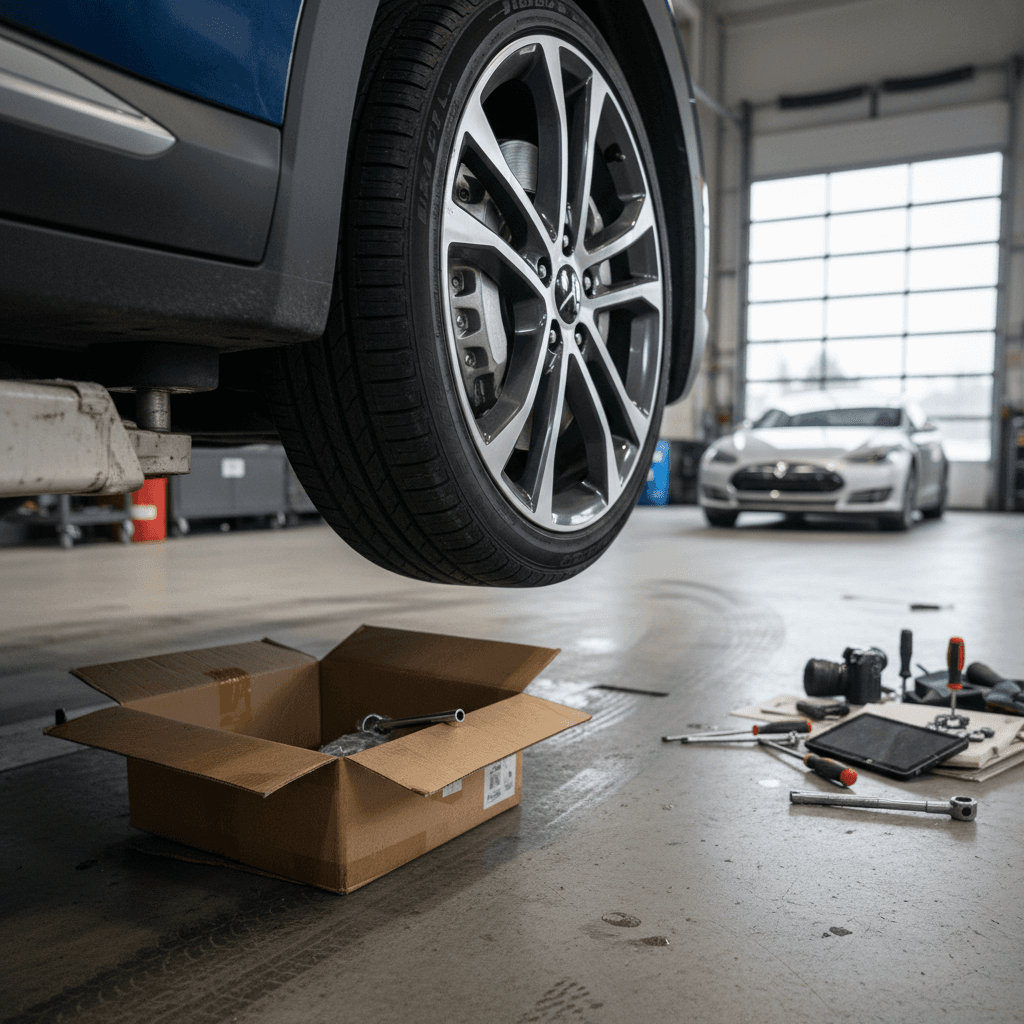
Through the wheel spokes or with the vehicle on a lift, check that pad material is still clearly visible and that rotors don’t have deep grooves, heavy rust, or a sharp lip at the outer edge.
Take a thorough test drive
Do a few moderate stops from 45–60 mph. Listen for squeals or grinding, and feel for steering wheel or pedal pulsation. Test both gentle and firm braking.
Watch for warning lights
Make sure no brake‑system or stability‑control warnings are present. If a seller is dismissing a warning as “just a sensor,” treat that as a red flag unless you see a repair invoice.
Get a pre‑purchase inspection
For a big‑ticket EV like the EV9, it’s worth paying an EV‑savvy shop to do a full inspection, including brakes and battery health. Services like the <strong>Recharged Score Report</strong> combine battery diagnostics with a transparent look at wear items, so you’re not guessing at upcoming costs.
How Recharged helps
Ready to find your next EV?
Browse VehiclesFAQ: Kia EV9 brake pad replacement cost and ownership
Kia EV9 brake pad cost: frequently asked questions
The bottom line on Kia EV9 brake pad replacement costs
Owning a Kia EV9 doesn’t mean bracing for constant brake bills. In fact, regenerative braking lets many drivers go far longer between pad replacements than they would in a comparable gas SUV. When the time does come, expect a real‑world brake pad replacement cost in the $250–$600‑per‑axle range depending on where you go and whether rotors join the party.
If you drive smoothly, lean on regen, and keep up with inspections, your first major brake service may be years down the road. And if you’re shopping for a used Kia EV9, factor brake condition into your budget just like you would tires, then look for sellers who are transparent about upcoming maintenance. That’s exactly the approach we take at Recharged, pairing detailed battery diagnostics with a clear view of wear items so you can enjoy big‑SUV comfort without big‑surprise costs.