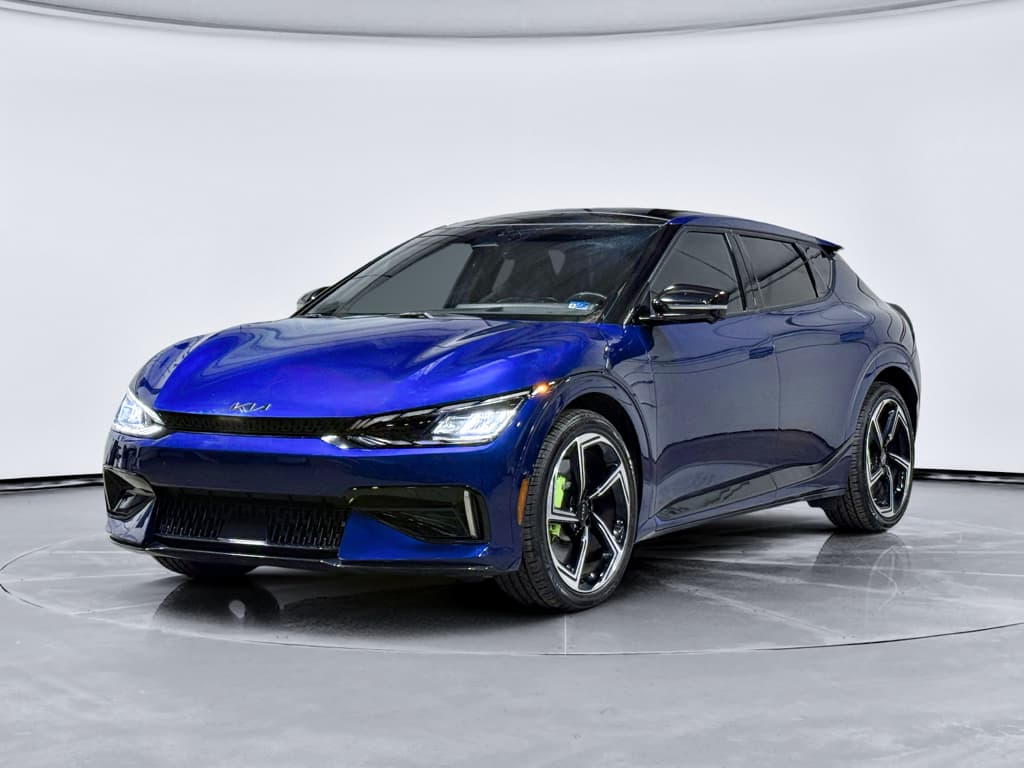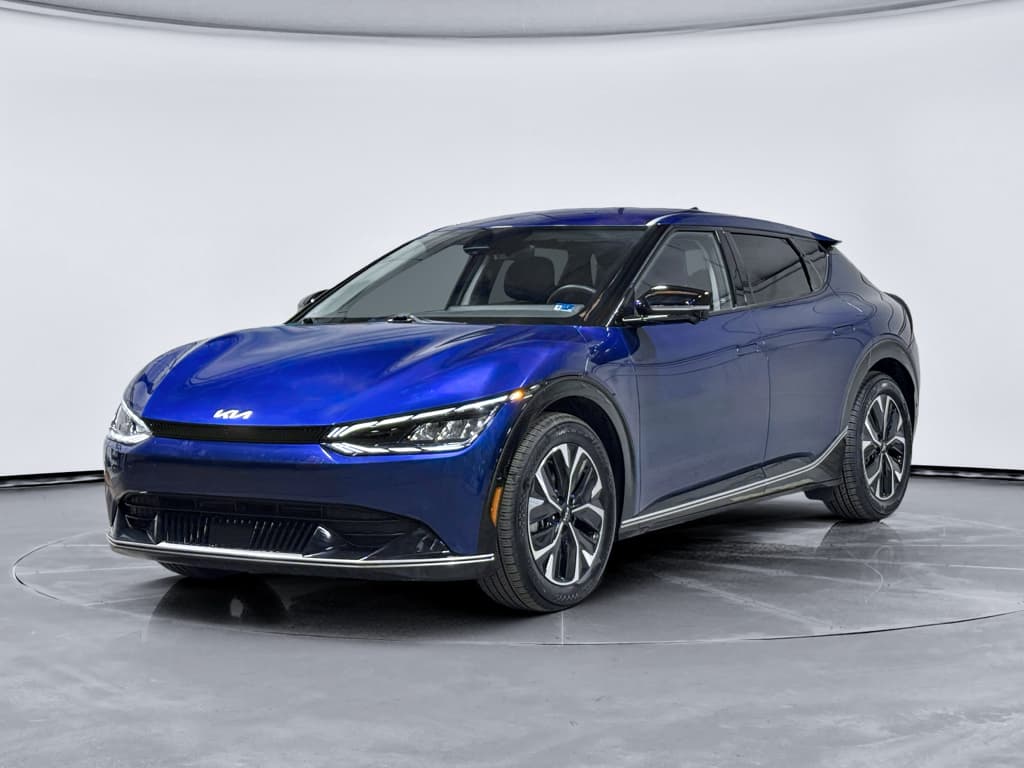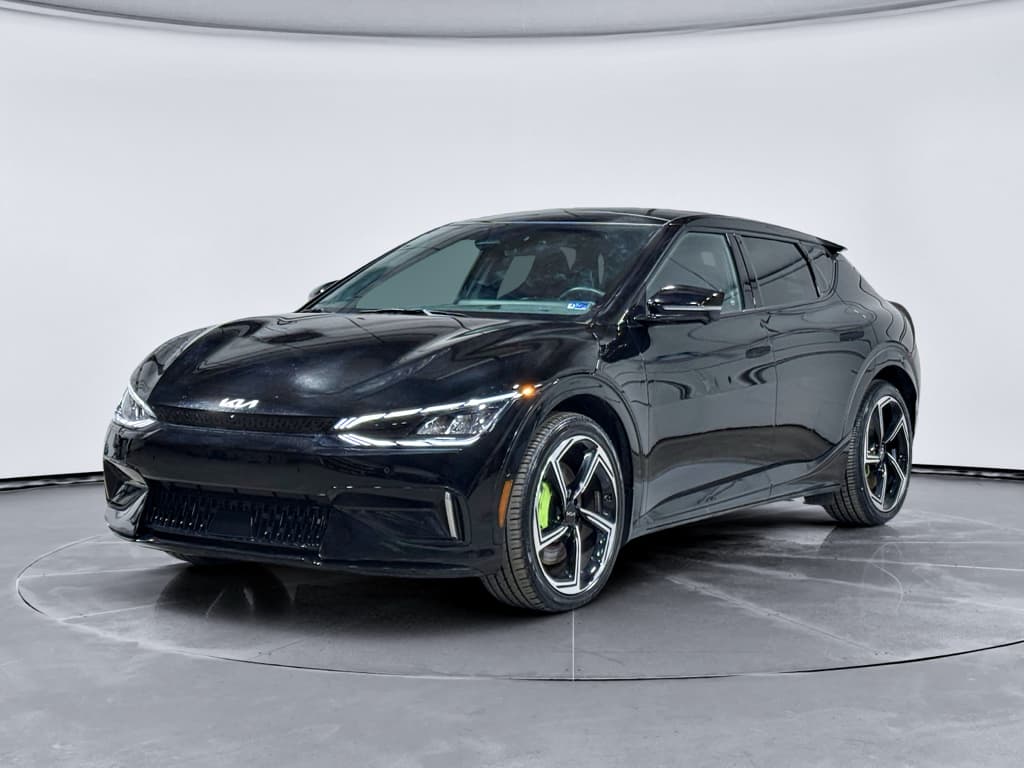
If you’re shopping for a **used Kia EV6**, you’ve probably heard about ICCU failures, 12‑volt battery problems, and a big recall. That naturally raises the question: what’s the Kia EV6 worst year to avoid used, and are there model years that are safer bets for long‑term ownership?
Quick answer
Overview: Is There a “Worst” Kia EV6 Year to Avoid?
The Kia EV6 launched for the **2022 model year**, so the used market is still relatively young. That’s good news in one sense, most examples are low‑mileage and under factory warranty, but it also means **early design issues are still working themselves out**.
- All 2022–2024 EV6s are covered by a major recall for the Integrated Charging Control Unit (ICCU), which can stop charging the 12‑volt battery and ultimately strand the car.
- Owner surveys show the 2022 EV6 with below‑average reliability relative to other 2022 vehicles, with many complaints centered on charging and electrical issues.
- Kia has responded with software updates, hardware revisions and recalls that apply across 2022–2024 model years.
- A refreshed 2025 EV6 brings a larger battery and other tweaks, but real‑world reliability data is still emerging.
So which year is “worst”?
Kia EV6 reliability at a glance
Kia EV6 reliability snapshot
In other words, the EV6 isn’t a disaster story, but it isn’t Toyota‑Camry bulletproof either. Most issues cluster around the **charging ecosystem (ICCU) and low‑voltage system (12‑volt battery)**, not the big traction battery or motors. That shapes how you should think about model years to avoid, and how to shop smart if you do buy one.
The big issue: ICCU & 12‑volt failures across 2022–2024
To understand which Kia EV6 years to avoid used, you need to understand the **Integrated Charging Control Unit (ICCU)** problem, because it cuts across multiple years rather than being confined to one bad batch.
- The EV6 uses an ICCU to manage DC fast charging, AC charging, and to keep the 12‑volt battery charged.
- On many 2022–2024 cars, the ICCU can overheat or fail internally, stopping charge to the 12‑volt battery.
- When the 12‑volt battery drains, you can see warnings like “Check electric vehicle system” or “Stop vehicle and check power supply,” followed by reduced power mode or a complete loss of drive.
- Kia has recalled 2022–2024 EV6 models to inspect and, if needed, replace the ICCU and fuse, plus apply updated software.
- Some owners have also experienced repeated failures of the **factory lead‑acid 12‑volt battery**, sometimes requiring multiple replacements within a year, especially on 2024 cars that hadn’t yet been upgraded to more robust AGM units.
Why this matters for used buyers
Common ICCU/12‑volt symptoms
- Random warnings about the electric system
- Car stuck in reduced power or won’t go into gear
- Repeated dead 12‑volt battery after parking
- Vehicle needing a tow despite a full main battery
What a solid fix looks like
- ICCU recall marked as completed in service records
- ICCU and related fuse replaced, not just “checked”
- 12‑volt upgraded to an AGM battery on later cars
- No recurring electrical complaints after the repair date
Check this before you buy
Kia EV6 years to avoid vs. safer bets
Because the ICCU design spans several years, there isn’t one single villain. But some years, and even specific build windows, come with more risk than others. Here’s how to think about **Kia EV6 years to avoid used** today.
Kia EV6 model year overview
From first‑year quirks to updated hardware
2022 EV6 (launch year)
Risk profile: Highest. First‑year hardware plus ICCU issues. Owner surveys show below‑average reliability for 2022 compared with other 2022 vehicles, largely due to charging and electrical problems.
When it can make sense: Late‑build 2022 cars with complete recall work, clean reliability history, and a price that clearly reflects the extra risk.
2023 EV6
Risk profile: Moderate. Shares ICCU architecture with 2022 and 2024, and some 2023s were also subject to rear driveshaft recalls in certain markets.
When it can make sense: Good documentation, single‑owner history, and no repeat electrical complaints after recall work.
2024 EV6
Risk profile: Moderate but improving. Still affected by ICCU recalls, and some owners have reported repeated 12‑volt failures on early 2024 builds.
When it can make sense: Later‑build cars, especially with upgraded 12‑volt batteries and full recall completion, can be solid buys with more warranty runway.
Kia EV6 model years: issues & buying guidance
Use this as a high‑level guide. Individual vehicle history still matters more than the model year label.
| Model year | Key pros | Key concerns | Overall take |
|---|---|---|---|
| 2022 | Lowest prices; early adopters often well‑optioned | First‑year glitches; more owner complaints about charging/ICCU; three recalls on record | Treat as the riskiest year unless you find a late build with stellar history and deep discount. |
| 2023 | Refined vs 2022; wider availability used; mix of trims | Still under ICCU recall; some markets saw driveshaft recalls; electrical gremlins for a subset of cars | Reasonable if price is right and records are clean; not clearly better than a good 2024. |
| 2024 | Newest pre‑refresh cars; more likely to have updated parts; longer remaining warranty | Same ICCU architecture; reports of weak factory 12‑volt batteries on some cars | Good target if you want a newer EV6 but can’t stretch to a 2025; prioritize cars with upgraded 12‑volt and completed recalls. |
| 2025 (facelift) | Larger battery, more range, refreshed styling; may benefit from lessons learned on earlier cars | Too new for long‑term reliability data; smaller used inventory and higher prices | Promising but unproven. If you’re conservative, pay a bit more for a 2025 only if you value the range and updates. |
Always verify recall completion and service records before deciding a specific EV6 is a good deal.
Recommended target years
Trims, batteries & options: what matters most used
Beyond model year, which **trim and battery configuration** you choose can have a bigger impact on day‑to‑day satisfaction than most people realize. Here’s how to think about it when you’re cross‑shopping used EV6 listings.
Kia EV6 trims in the used market
How reliability and ownership feel differ by configuration
Standard vs long‑range battery
Standard‑range packs are fine for short commutes and urban use but can feel tight for road‑trip duty, especially in cold climates. Fewer charge cycles per mile can theoretically help longevity, but real‑world data is still limited.
Long‑range packs offer more buffer and flexibility, which usually matters more to used buyers than tiny differences in degradation.
RWD vs AWD & GT
RWD models are simpler and typically a bit more efficient. For many drivers they strike the best balance of performance and complexity.
AWD and GT variants add performance hardware and stress the power electronics harder, which could theoretically expose weaknesses sooner, though there’s no clear data yet that they’re systematically less reliable.
- If you drive long distances or live somewhere with harsh winters, prioritize the long‑range battery.
- If you don’t need supercar acceleration, the mid‑range trims (Wind or GT‑Line without the full GT powertrain) are often the best reliability/value sweet spot.
- On any trim, a clean record for DC fast‑charging behavior (no repeated rapid‑charge derating, no unexplained charging stops) is more important than the badge on the hatch.
Cold‑climate tip
Used Kia EV6 inspection checklist
Whatever year you choose, the smartest way to avoid a problem child is to **inspect and verify**, not just kick the tires. Use this checklist when you’re evaluating a specific used EV6.
Pre‑purchase checklist for a used Kia EV6
1. Run the VIN for recalls
Confirm there are <strong>no open recalls</strong>, especially for the ICCU. If there are, get them done before or as a condition of purchase. With Recharged, this is automatically checked and documented.
2. Verify ICCU & 12‑volt history
Ask for service records showing ICCU inspection/replacement and any 12‑volt battery replacements. Multiple failures without a clear final fix are a red flag.
3. Check high‑voltage battery health
Look for a recent <strong>battery health report</strong> or ask the seller to provide one. A Recharged Score report, for example, quantifies usable capacity and flags abnormal degradation.
4. Inspect charging behavior in real life
If possible, plug into both a Level 2 charger and a DC fast charger. Watch for fault messages, unusual noises, or the car suddenly ramping charging power down for no clear reason.
5. Drive it until fully warm
On a long test drive, watch for warning lights, sudden loss of power, or the car refusing to shift into gear after a stop. These can hint at ICCU or low‑voltage problems that don’t show up on a short loop.
6. Scan for trouble codes
A dealer or specialist can scan for stored diagnostic trouble codes, even if no warning lights are on. This is a small upfront cost that can save you from a four‑figure headache.
7. Confirm remaining warranty
Note the in‑service date and mileage to see how much of Kia’s EV system warranty remains. A 2023–2024 EV6 with years of coverage left is a very different risk profile than an early 2022 that’s close to timing out.
Digital buyers aren’t out of luck
Pricing, depreciation & value plays
The EV6 has followed the broader EV used‑market pattern: **fast early depreciation**, then a slower slide. That’s painful for first owners, but it creates some compelling opportunities if you’re entering on the used side, especially if you’re careful about years to avoid.
Where the deals usually are
- 2022 EV6 examples are often thousands less than comparable 2023–2024 cars because of age and reputation. Well‑documented, late‑build 2022s can be bargains if you’re comfortable with a bit more risk.
- Mid‑trim, long‑range RWD cars (e.g., Wind or GT‑Line) tend to hit the best mix of range, equipment and purchase price.
- Ex‑lease vehicles with consistent dealer service records are usually safer than off‑brand auction cars with unknown histories.
When to pay up
- If you value peace of mind, paying extra for a 2023–2024 EV6 with rock‑solid records and plenty of warranty coverage can be smarter than gambling on the cheapest 2022.
- If DC road‑tripping is part of your life, consider stretching for a 2025 facelift once they filter into the used market in larger numbers, more range and updated hardware are long‑term advantages.
- A car sold through a specialist EV retailer like Recharged, with diagnostics and transparent pricing baked in, is often a better deal than a slightly cheaper but opaque private‑party sale.
Don’t buy on price alone
How Recharged reduces the risks on a used EV6
If you’re drawn to the EV6’s design and fast‑charging capabilities but wary of its early‑run issues, working with an **EV‑specialist retailer** can tip the odds in your favor.
Buying a used EV6 through Recharged
What we do differently from a typical dealer
Recharged Score battery health
Recall & ICCU verification
EV‑savvy, fully digital experience
Ready to find your next EV?
Browse VehiclesKia EV6 years to avoid: FAQ
Frequently asked questions about used Kia EV6 years
Bottom line: should you avoid a used Kia EV6?
If your only question is **“What’s the Kia EV6 worst year to avoid used?”**, the conservative answer is to be most skeptical of early‑build 2022 models, and to treat any 2022–2024 EV6 without completed ICCU recall work as a hard pass until it’s fixed. But that’s only half the story.
The more complete view is that the EV6 is a compelling used EV if you buy with your eyes open. A well‑documented 2023–2024 car with verified battery health, closed‑out recalls, and no pattern of electrical gremlins can deliver excellent performance and charging convenience for far less than new‑EV money.
If you’d rather let someone else sweat the diagnostics, consider finding your EV6 through Recharged. Every vehicle includes a Recharged Score battery report, fair‑market pricing, and specialist support from first click to nationwide delivery. That way, you can focus on picking the right trim and color, not on guessing whether you just bought the one EV6 built on a bad Tuesday.