If you live where the weather forecast includes words like "wind chill" and "lake effect," you’ve probably heard horror stories about EVs in the cold. The good news is that the Kia EV6’s winter range loss is actually among the best in the segment. But you still need to know what really happens when temperatures drop, how much range you’ll lose, and what you can do to keep your EV6 comfortable and predictable all winter long.
Quick Take
How Much Winter Range Loss Does the Kia EV6 Have?
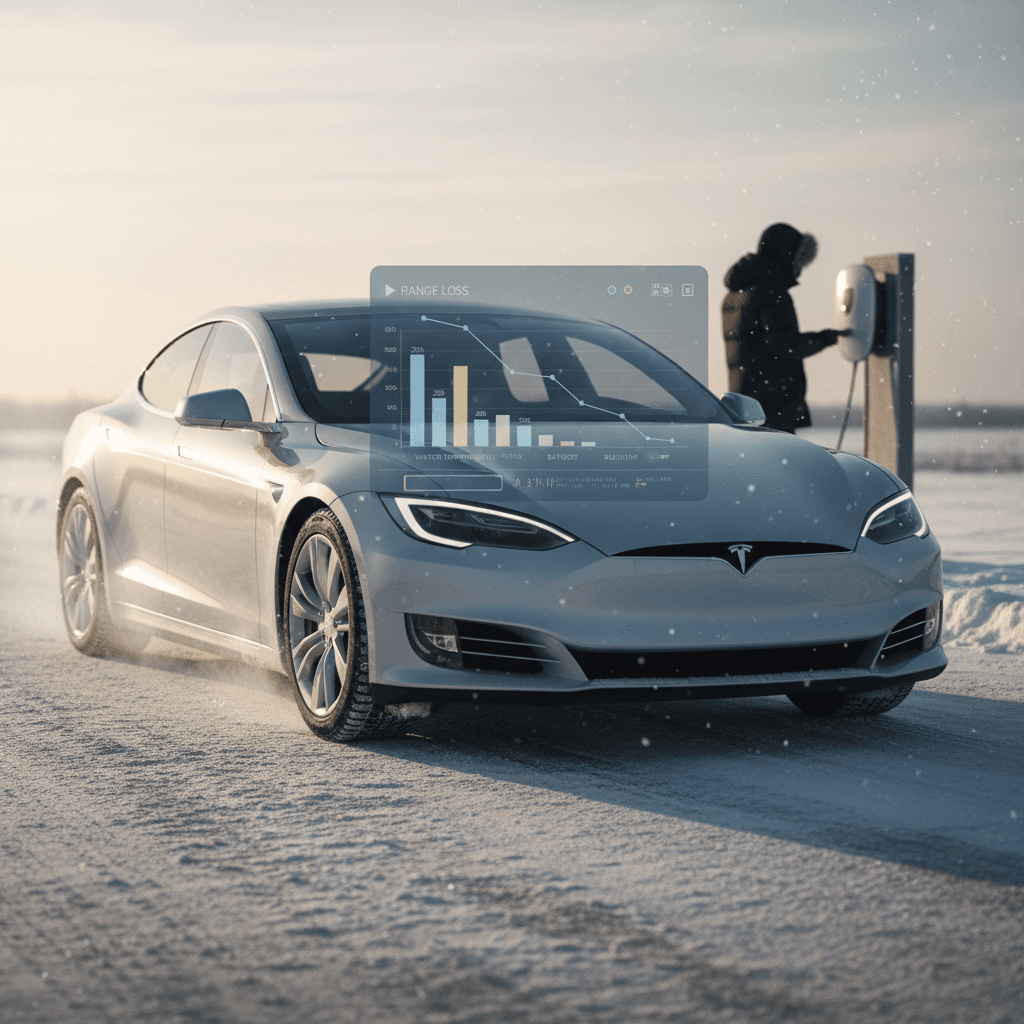
Let’s start with what you really care about: how many miles you lose when it’s cold. There isn’t one magic number, because range depends on temperature, speed, heater use, and even wind. But we do have solid guideposts from both lab-style studies and real-world owners.
Kia EV6 Winter Range Snapshot
Translated into numbers, that means a Kia EV6 Long Range RWD rated around 310 miles EPA might realistically deliver something like 220–260 miles on a cold highway day, and somewhat more in slower city or suburban driving. An AWD model will start with a lower EPA number and see similar percentage loss.
Estimated Kia EV6 Winter Range by Trim (Deep Cold)
These estimates assume steady highway speeds in roughly -4°F (-20°C) conditions with normal heater use. Your results will vary with temperature and driving style, but this gives a realistic planning baseline.
| Trim | EPA Rated Range (mi) | Estimated Range in Deep Cold (mi) | Approx. Loss |
|---|---|---|---|
| Standard Range RWD | ~232 | 175–200 | ~15–25% |
| Long Range RWD | ~310 | 220–250 | ~20–30% |
| Long Range AWD | ~282 | 200–230 | ~20–30% |
| GT AWD | ~206 | 155–175 | ~15–25% |
Approximate winter range estimates are based on Canadian dealer guidance and owner reports, converted to miles for easy trip planning.
Estimates, Not Promises
Real-World Tests: What Drivers See in Winter
If you’ve spent any time on EV forums in January, you’ve seen the range screenshots. The Kia EV6 tends to be one of the pleasant surprises.
- A large multi-model winter study found the EV6 lost only about 7% of its rated range in their controlled cold test, making it one of the strongest performers in the group.
- Norwegian and Canadian winter tests of Hyundai–Kia’s E-GMP platform vehicles (IONIQ 5, EV6, EV9) consistently place them in the more efficient half of the pack in deep cold.
- Owners commonly report efficiency dropping from roughly 3.5–4.0 mi/kWh in mild weather to about 2.0–2.5 mi/kWh in the 20s and teens, a real but manageable hit.
When the weather is nice, my EV6 delivers about 3–4 miles per kWh; in the 20s and teens that can drop to around 2 mi/kWh or less. It’s not a dealbreaker if you know how to handle it.
That 2 mi/kWh number is the one that trips people up. On a 77.4 kWh battery, 2 mi/kWh looks like only ~155 miles. But remember: that’s usually at sustained highway speed, in deep cold, with heat blasting. Around town, where speeds are lower and you can use heated seats more than cabin heat, you can recover a surprising amount of range.
Why EVs Lose Range in Cold Weather (and Why the EV6 Does Well)
Winter doesn’t single out the EV6, every EV loses range in the cold. It comes down to physics and chemistry.
Three Main Causes of Winter Range Loss
Understanding the “why” makes it easier to fight back.
Colder Battery Chemistry
Low temperatures slow the chemical reactions inside the battery. That makes it harder to pull energy out quickly, so usable capacity drops and the car protects the pack by limiting power.
Denser Air & Rolling Losses
Cold air is denser, which increases aerodynamic drag, especially at highway speeds. Tires also stiffen and pressure drops, raising rolling resistance. You need more energy to go the same speed.
Cabin Heat is Energy-Hungry
In a gas car, “waste” engine heat warms the cabin. In an EV, heat has to be made from the battery. Old-school resistive heaters can draw 3–6 kW continuously, like driving with a small space heater on full blast.
The Kia EV6 has two key advantages here: an efficient heat pump system (on most trims in North America) and well-tuned battery thermal management. Together they help the car hold onto more of its rated range than many rivals when the mercury drops.
Heat Pump, Battery Preconditioning, and Other EV6 Winter Tech
Under the skin, the EV6 brings a surprising amount of winter hardware to the table. You don’t have to be a tech nerd to benefit from it, but a quick tour helps you use it wisely.
Kia EV6 Winter Hardware That Helps Your Range
You don’t see it, but you feel it every cold morning.
Heat Pump HVAC
Most EV6 trims use a heat pump instead of resistive heating as the primary way to warm the cabin. A heat pump can deliver roughly the same comfort as a resistive heater while using much less power, especially in the 20–40°F range.
Battery Thermal Management
The EV6 continuously manages battery temperature, warming the pack when it’s cold and cooling it under heavy use. This protects battery health and helps keep charging speeds and range more consistent in winter.
Preconditioning & Departure Timers
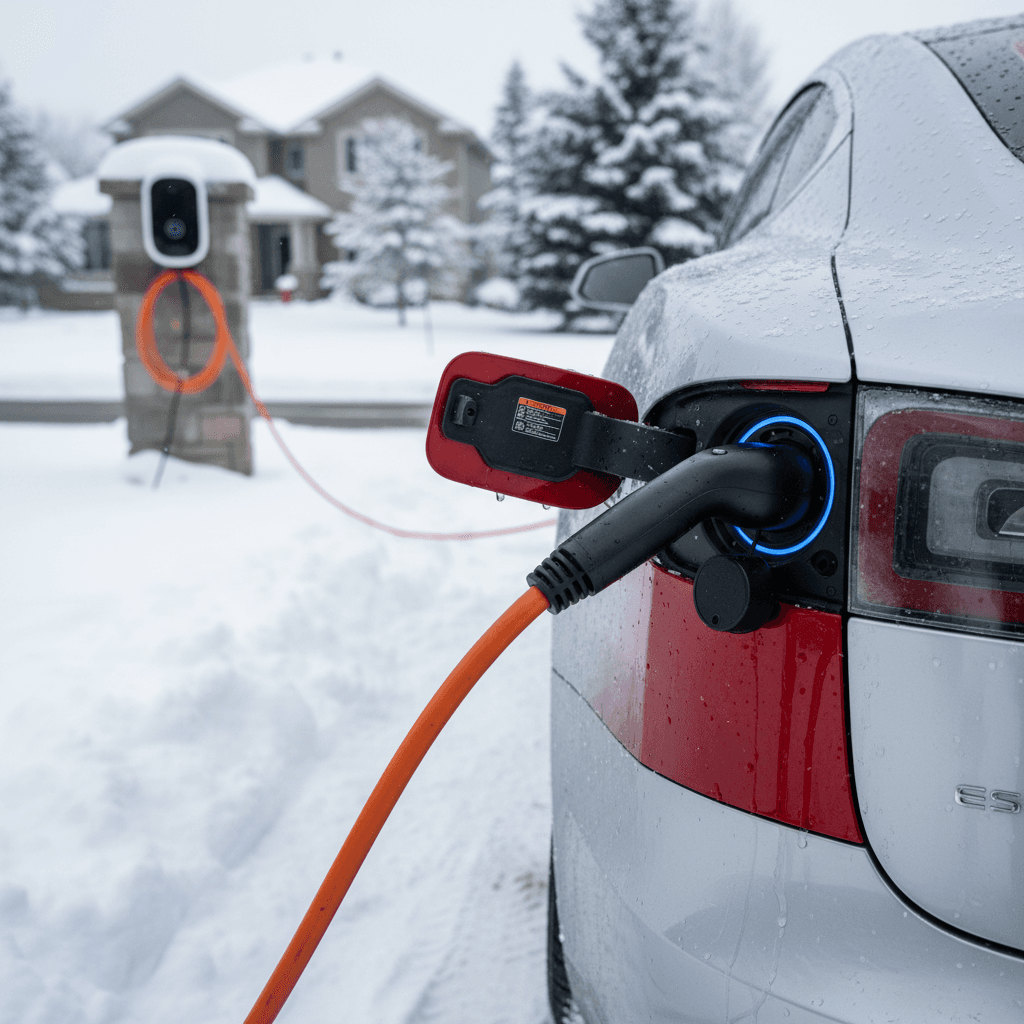
Using the Kia Connect / Bluelink app, you can preheat the cabin and battery while plugged in. That means you start with a warm car and full battery instead of burning through range to get comfortable.
Heated Seats & Steering Wheel
Heating your body is far more efficient than heating all the air in the cabin. The EV6’s seat and wheel heaters sip power but make a huge difference in how little you need the main heater.
Unlock the Hidden Range
10 Practical Ways to Reduce EV6 Winter Range Loss
You can’t change the weather, but you can absolutely change how much it affects your EV6. Here’s a real-world playbook you can start using tomorrow.
Kia EV6 Winter Range Playbook
1. Precondition While Plugged In
Use the Kia app or in-car timer to warm the cabin and battery before you leave, <strong>especially on sub‑freezing mornings</strong>. That energy comes from the grid, not your battery.
2. Keep It Plugged In Overnight
If you have home charging, leave the EV6 plugged in whenever temperatures drop. The car can maintain battery temperature and be ready with more usable range in the morning.
3. Use Heated Seats and Wheel First
Turn on seat and steering wheel heaters and set the cabin a few degrees cooler. This can cut climate-related range loss roughly in half compared with blasting the cabin heat alone.
4. Slow Down on the Highway
In winter, the difference between cruising at 65 mph and 75 mph can easily mean <strong>10–15% more range</strong>. On a long trip, that’s the difference between one charging stop and two.
5. Check Tire Pressure Monthly
Cold air drops pressure. Underinflated tires increase rolling resistance and chew through range. Set pressure to the door-jamb spec when the tires are cold.
6. Clear Snow and Ice Before Driving
Snow caked on the car adds drag and weight. Brush off the roof, hood, and rear hatch so the EV6 can slip through the air more efficiently.
7. Use Eco Mode in Bad Weather
Eco mode softens throttle response and can reduce power to the climate system, helping you drive more smoothly and stretch the battery further.
8. Finish Charging Just Before Departure
If possible, schedule charging so it completes close to the time you leave. The battery will be naturally warm from charging, improving early drive efficiency and fast-charging performance.
9. Avoid Arriving at DC Fast Chargers Nearly Empty in Deep Cold
If you roll into a fast charger at 5% in single-digit temps, the pack may be so cold that charging starts very slowly. Aim to arrive with a bit more margin, or give the car time to warm the pack.
10. Plan Extra Buffer on Road Trips
In winter, treat 40–50% state of charge as your "refuel" window instead of running down to single digits. You’ll stress less and have flexibility if a charger is busy or offline.
Good News for City Drivers
How Much Range to Plan For by Temperature
You don’t have to turn into a human spreadsheet to live with an EV6 in winter. But it helps to have a mental rule-of-thumb for how much range you really have on a given day.
Rule-of-Thumb: EV6 Winter Range vs. Temperature
Assumes a Long Range RWD EV6 with a 310‑mile EPA rating, steady cruising, and "normal" heater use. Adjust a bit down for AWD trims or aggressive driving.
| Outside Temp | Expected % of EPA Range | Approx. Usable Range (mi) | Notes |
|---|---|---|---|
| 40–50°F (4–10°C) | ~90–95% | 280–295 | Light loss, heat pump very efficient. |
| 25–40°F (-4–4°C) | ~80–90% | 250–280 | Typical "chilly" days; watch heater use. |
| 10–25°F (-12–-4°C) | ~70–80% | 215–250 | Most drivers will notice the drop here. |
| Below 10°F (<-12°C) | ~65–75% | 200–230 | Deep cold; plan trips carefully and precondition. |
Use this as a planning baseline, not a hard limit. Always leave yourself extra margin for detours, headwinds, or closed chargers.
Highway vs. City
Smart Winter Charging Strategy for Your Kia EV6
Charging habits matter more in winter, both for convenience and battery health. The EV6’s battery pack is designed to handle cold, but a few tweaks can make your life easier and protect long-term range.
Daily Driving
- Target 60–80% charge for everyday use; this is a healthy band for long-term battery life.
- On cold nights, it’s fine, often smart, to leave the car plugged in so it can manage pack temperature.
- Use scheduled charging so the EV6 finishes charging not long before you depart.
Think of it like always starting your day with a full thermos of coffee instead of a half-empty cup.
Road Trips & DC Fast Charging
- In deep cold, start preconditioning as you approach a DC fast charger so the battery is warm when you plug in (check your EV6’s latest software for automatic options).
- Plan to charge more frequently for shorter sessions. In winter, 10–60% or 15–70% hops can be more comfortable than stretching to 5–90%.
- Avoid back‑to‑back DC fast charges at very low temps unless necessary; give the car time at highway speed to warm the pack between stops.
This keeps charge speeds healthier and reduces stress on the battery over the long haul.
Don’t Panic at Slower Winter Fast-Charge Speeds
Used Kia EV6 Buyers: Winter Range & Battery Health
If you’re shopping for a used Kia EV6, winter is actually a great time to understand the car’s real-world behavior. Cold weather exaggerates weak batteries and sloppy driving habits, so it’s easier to separate a strong car from a tired one.
Winter Questions to Ask About a Used EV6
These are the things savvy buyers bring up before signing.
1. What Winter Range Do They See?
Ask the seller what the car delivers on a typical cold‑weather commute at their normal speeds. Answers that align with the estimates in this guide are a good sign.
2. Any Battery Health Report?
A detailed battery health report, like the Recharged Score each vehicle on Recharged receives, shows you measured pack capacity, not just a guess from the dash display.
3. Software & Maintenance History
Confirm the car has up‑to‑date software, including any HVAC or charging updates. Ask whether the previous owner mostly used home Level 2, DC fast charging, or a mix.
At Recharged, every EV6 we list includes a Recharged Score Report with verified battery health and fair-market pricing. That means you’re not left guessing how much winter range you’ll actually get, you can compare cars on more than just odometer readings.
Test-Drive It in the Cold if You Can
FAQ: Kia EV6 Winter Range Loss
Common Questions About EV6 Winter Range
Bottom Line: Should Winter Range Scare You Off the EV6?
If you’re coming from a gas car, winter in an EV feels different. You notice range more. You think about chargers the way you used to think about gas stations. But among today’s EVs, the Kia EV6 is one of the calmer, more confidence-inspiring choices in cold weather. Its winter range loss is real, but it’s also predictable and, if you use the tools Kia gives you, manageable.
Whether you’re already driving an EV6 or considering a used EV6, learn how preconditioning works, lean on the heated seats and wheel, keep the car plugged in when it’s freezing, and plan a little extra margin on road trips. Do that, and the EV6 will handle winter with the same composure it shows on a sunny June afternoon. And if you’re shopping, a Recharged Score Report can give you hard data on battery health, so you know exactly what kind of winter range to expect from the car you bring home.