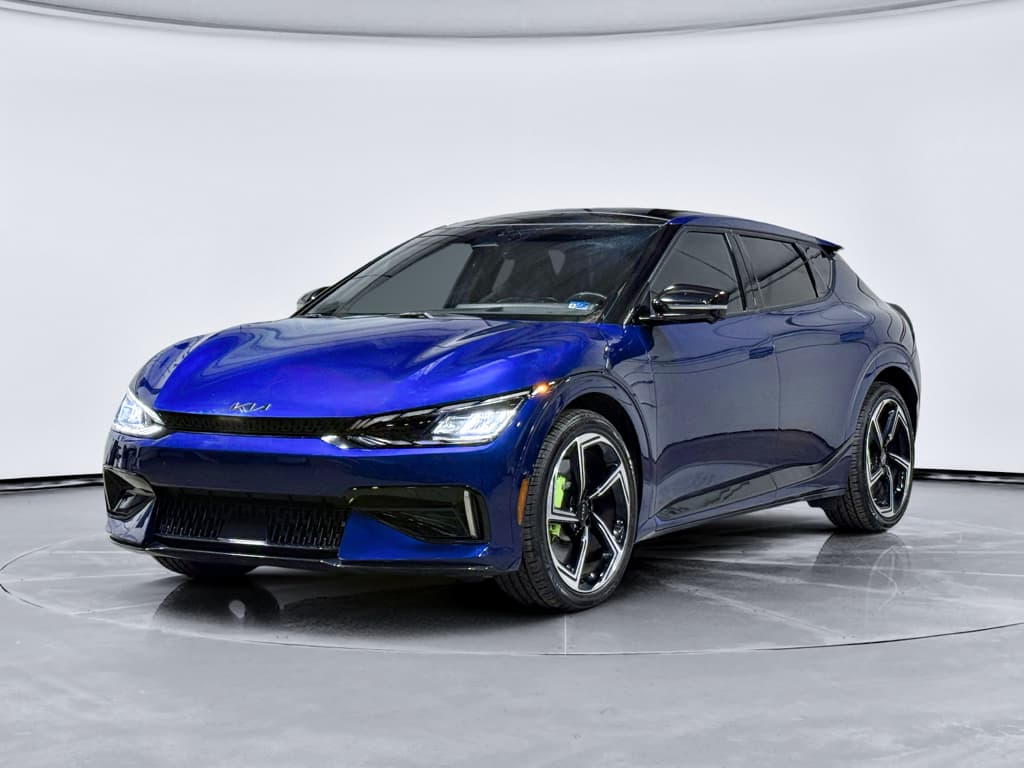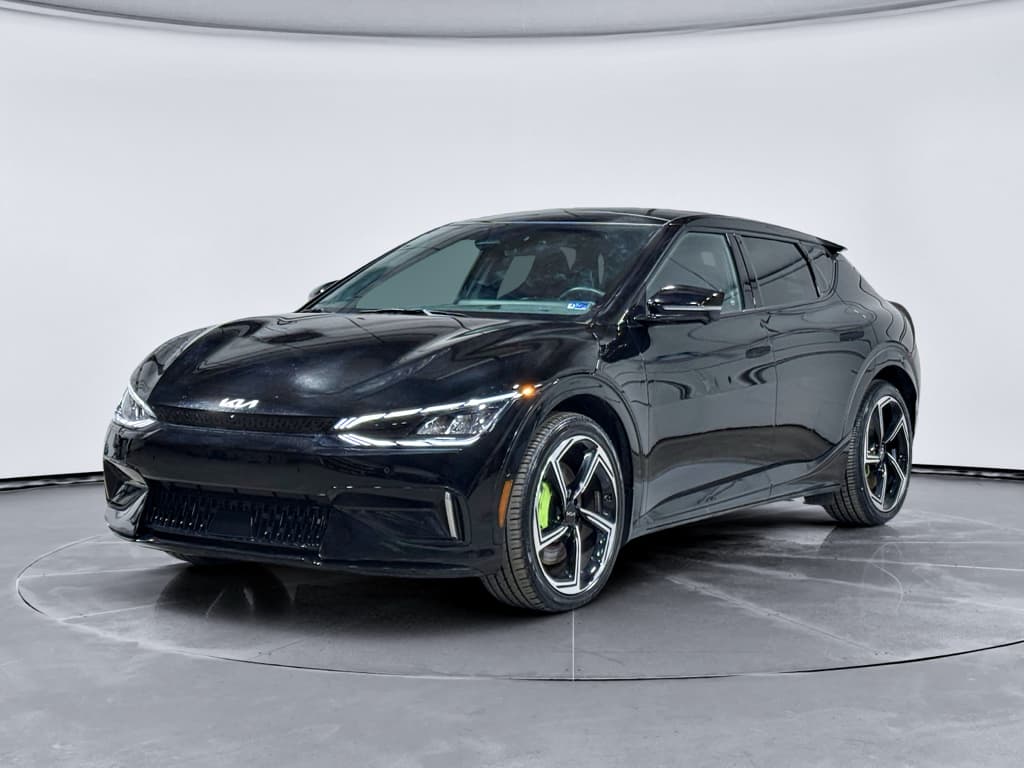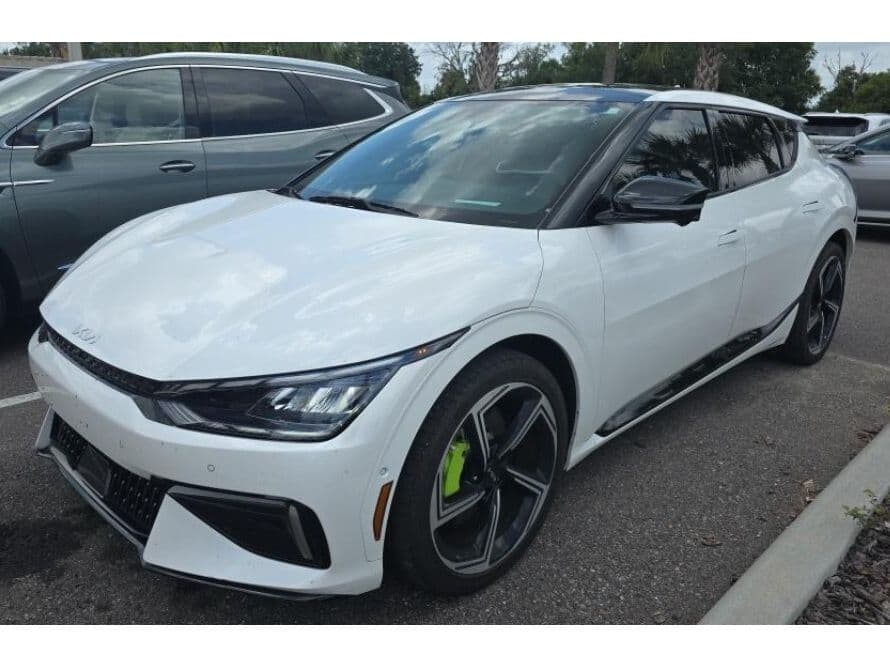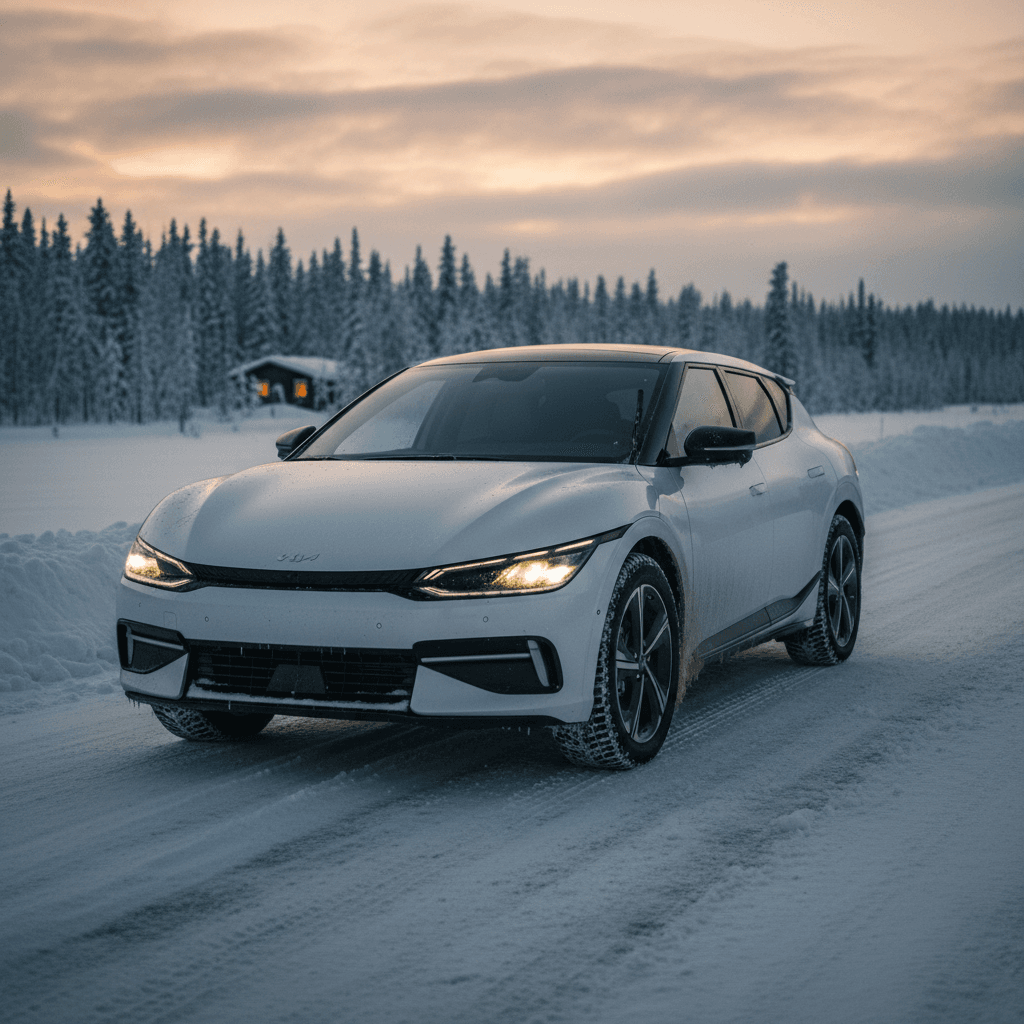
The Kia EV6 has the stance of a sci‑fi hatchback and the job of an all‑weather family crossover. If you live where winter is not a theory but a season, with salt lines, frozen chargers, and that special slush that stains everything, you’re probably wondering how it really behaves in the cold. This Kia EV6 winter driving review pulls together owner data, cold‑climate testing, and practical experience so you know what to expect from range, comfort and control when the temperature drops.
Why the EV6 is interesting in winter
Kia EV6 winter driving at a glance
EV6 winter snapshot (typical real-world numbers
Big picture: the EV6 is a competent winter EV. Range drops in the cold, as with any EV, but remains workable if you plan conservatively. Traction and stability are strong, especially on the AWD models with good winter tires. Cabin comfort is a highlight: heat comes quickly, and the heat‑pump‑equipped trims blunt some of the usual winter range penalty.
Cold-weather range: what you’ll actually see
On paper, long‑range Kia EV6 models advertise EPA ranges around 282–310 miles depending on trim and wheel size, with 2025 models nudging slightly higher thanks to a larger battery pack. In January, on an interstate at 70–75 mph with the cabin at a civilized 70°F, you will not see those numbers. You’ll see something like this instead:
Typical real-world winter range by EV6 trim
Approximate real‑world highway range from ~100% to near empty in sustained freezing temperatures, assuming sane but not hyper‑miling driving.
| Trim | Drivetrain | Summer real-world | Winter real-world (freezing) | Notes |
|---|---|---|---|---|
| Wind / Light Long Range (19" wheels) | RWD | 280–300 mi | 220–250 mi | Most efficient in the lineup; RWD loses some traction upside in snow. |
| Wind / GT-Line Long Range (19–20" wheels) | AWD | 250–270 mi | 200–230 mi | Extra motor adds grip and power but also winter consumption. |
| GT | AWD performance | 200–220 mi | 160–190 mi | Massive power; winter range is shortest, especially at high speeds. |
Use these as planning numbers in deep winter; in milder shoulder seasons you’ll usually do better.
Winter range is a moving target
Owners in cold‑weather states and Canadian provinces consistently report winter range drops in the 20–35% band. That might sound scary on paper, but translated it means: a Wind AWD that does ~260 miles on a pleasant spring day likely does ~200–210 miles on a February highway slog with heat, wipers, and defrost running.
Snow and ice handling: RWD vs AWD EV6
AWD EV6: the winter default
If you live where real snow happens, the dual‑motor EV6 is the obvious move. With proper winter tires, owners in Canada and the northern U.S. describe it as sure‑footed and predictable in snowstorms. The low center of gravity and quick traction control tame wheelspin before things get interesting, and Snow mode softens throttle response while biasing torque for stability.
- Excellent straight‑line grip on packed snow with winter tires.
- Confident lane changes on slushy interstates.
- Regen can be dialed down if you find strong lift‑off braking unsettling on slick roads.
RWD EV6: surprisingly capable, but tire‑dependent
Rear‑drive EVs have a long history of going sideways in the snow. The EV6 RWD mostly dodges that stereotype because it is heavy, low, and software‑limited when traction is poor. Canadian RWD owners report that with good winter tires, it’s entirely livable in snow, if not rally‑car heroic.
- Stable as long as you’re smooth on the controls.
- Can step out if provoked on ice or on worn all‑seasons.
- Best for regions with occasional snow, not six months of it.
Snow mode is not a magic spell
Steering feel in the EV6 stays consistent in the cold, and the chassis doesn’t go to pieces when the pavement disappears under powder. If anything, the car’s usual sporty eagerness is toned down by the conditions, which, for winter, is exactly what you want.
Cabin comfort, heat pump and defrost performance
If you’re coming from an older EV or a small turbo gas crossover, the Kia EV6 in winter feels like an upgrade in creature comfort. The available heat pump (standard in many cold‑weather markets, optional or trim‑dependent in the U.S.) cuts the energy penalty for heat and gets the cabin to temperature quickly, even well below freezing.
EV6 winter comfort highlights
Where the EV6 feels more Scandinavian spa than science experiment.
Fast warm-up
Heated everything
Defrost & demist
Comfort without killing range
The trade‑off: set the climate to 75°F and Auto fan on a below‑zero day, and the EV6 will happily oblige while taking big bites out of your projected range. It’s not unique in this; every EV plays by the same thermodynamic rules. But the combination of heat pump, seat and wheel heaters, and pre‑heat means you don’t have to choose between comfort and getting home.
Charging in the cold: battery preconditioning matters
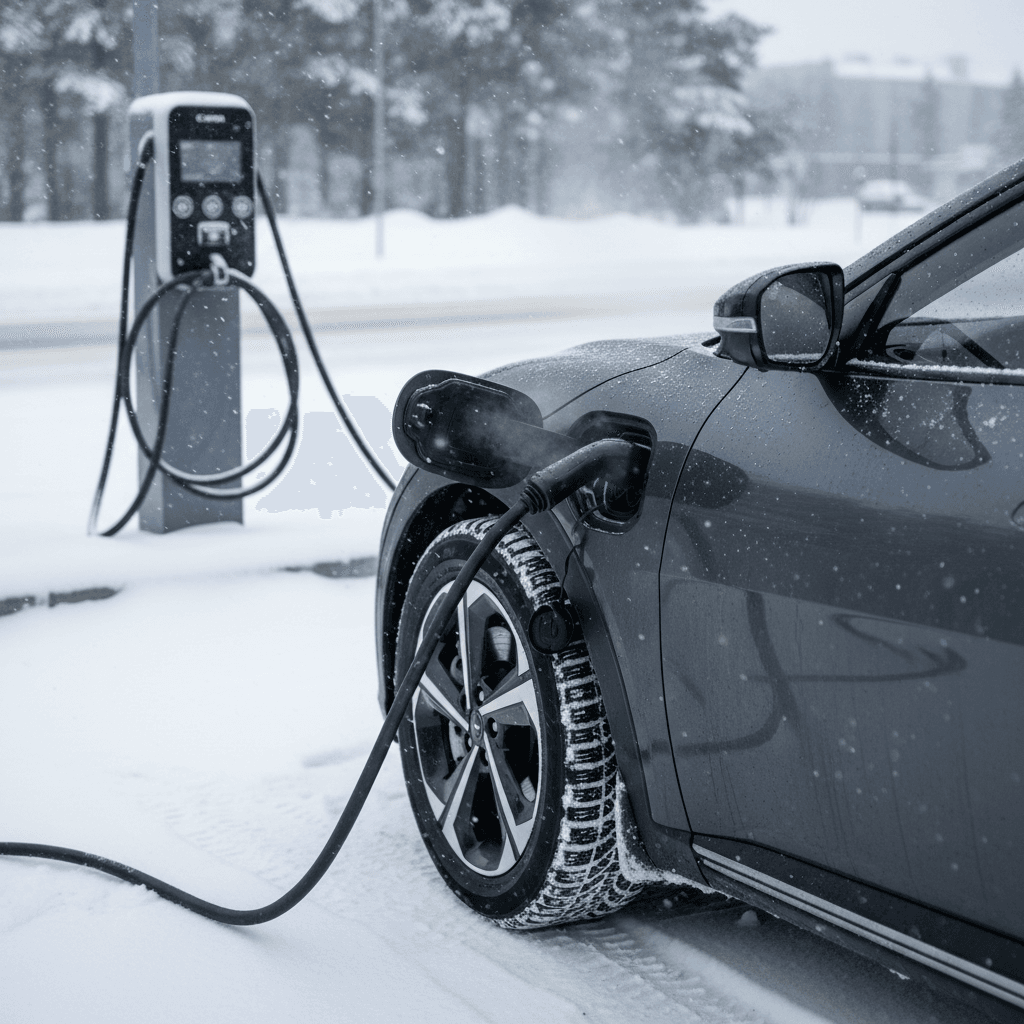
Cold batteries charge slowly. Left to its own devices, an ice‑cold EV6 pack will limp up a DC fast‑charging curve that, in summer, looks like a rocket launch. That’s why newer software builds add battery preconditioning: the car warms its pack before you reach a DC charger, so you hit the plug already in the sweet spot.
- Use the built‑in navigation to select a DC fast charger (EA, ChargePoint, etc.) as your destination; third‑party apps like CarPlay alone won’t trigger preconditioning.
- Make sure your state of charge isn’t too low, owners report preconditioning won’t start if you’re under roughly 20–25%.
- Leave enough lead time. The EV6 can take 20–30 minutes of driving to get the pack up to temperature in very cold weather.
- Watch for a snowflake or coil icon inside the battery gauge and increased battery power draw on the energy screen, that’s your sign preconditioning is active.
- Arrive at the charger with the pack warm and SOC between ~10–40% to see the fastest 10–80% fast‑charging times.
What preconditioning actually gets you
If you’re buying a used Kia EV6, it’s worth checking that the car has the later software that enables DC fast‑charge preconditioning (and that the feature is toggled on in the EV settings). A used‑EV retailer like Recharged can help verify software updates and demonstrate how preconditioning behaves on a specific VIN before you commit.
Winter efficiency tested: real owners, real numbers
Cold‑weather efficiency is where internet forums turn into group therapy. Numbers vary wildly with temperature, wind, and driving style, but sift through the noise and a pattern emerges. In genuine winter, call it 0–32°F, most EV6 drivers land between 2.0 and 3.0 mi/kWh over mixed driving, versus 3.5–4.5 mi/kWh in mild weather.
Owner-reported winter efficiency snapshots
Real‑world figures from cold‑climate EV6 drivers.
Upper Midwest / Rockies
New England & Mid‑Atlantic
Canadian Prairies
Shoulder seasons
How to read these numbers for your life
Daily winter commuting in an EV6
For the archetypal 30–70‑mile daily round‑trip, the Kia EV6 in winter is almost boring, in the best way. Even with a 30% range penalty, you’re tapping a fraction of the battery, and the car’s comfort and quiet make the dark months more tolerable.
Short to medium commutes (under 60 miles)
- Plug in at home overnight with Level 2 and set a **departure schedule** so the pack and cabin are warm when you leave.
- Run heated seats and wheel first; keep cabin temperature a bit lower to save energy.
- Charge to 70–80% daily; there’s no need to top off every time unless you’re stacking errands in Arctic conditions.
Longer commutes (60–120 miles)
- Plan on using 40–70% of the battery on cold days, depending on speed and conditions.
- In extreme cold, consider a quick top‑up at workplace or public chargers if available.
- Watch your **projected range after a week of cold driving**, not just day one; the guess‑o‑meter learns your habits.
Apartment and condo life
Long winter road trips: planning with an EV6
Road‑tripping an EV6 in July is easy mode: long legs, absurd recharge speeds, plenty of chargers. In January, the car is still capable, but you plan differently. You trade some of that 18‑minute brochure‑charging fantasy for 20‑to‑30‑minute real‑world stops and slightly shorter hops between chargers.
Planning a winter road trip in your Kia EV6
1. Assume 30–40% less range
Take your best summer leg on a familiar route and cut it by roughly a third in deep winter. Plan chargers accordingly so you’re not nursing 5% across a white‑out.
2. Prioritize reliable fast-charging sites
In winter you care less about the café vibe and more about uptime. Favor stations you or local owners have used successfully before.
3. Use preconditioning every time
Make DC chargers your navigation destination so the EV6 can warm its pack. In cold weather this is the difference between a quick splash‑and‑go and an extended sit.
4. Target 10–60% or 10–80% windows
The EV6 charges fastest at lower states of charge. In winter you may want to go a little higher for buffer, but avoid slow top‑offs to 100% unless you truly need it.
5. Watch weather, not just SoC
Headwinds, heavy snow, and very low temps can all spike consumption. Leave earlier, build in extra stops, and drive a bit slower than your summer pace.
6. Pre‑heat while plugged in
At hotels or overnight stops, use scheduled climate control to warm the cabin while connected so you start each leg with maximum battery for driving.
Kia EV6 winter quirks: the good & the bad
The EV6’s winter personality
Nuances that don’t show up on a spec sheet.
The good
- Stable, planted feel thanks to low battery pack and long wheelbase.
- Fast heat and strong defog/defrost keep visibility high.
- Regen paddles let you fine‑tune deceleration on slick roads.
- Quiet cabin makes winter fatigue less of a thing.
The not-so-good
- Recessed wipers and headlamps can pack with ice and slush, making cleanup annoying after storms.
- On early cars, figuring out if preconditioning is enabled (and actually working) can feel like an Easter egg hunt in the menus.
- RWD on all‑season tires is merely adequate in real snow, winter tires transform the car.
Don’t ignore tires
Checklist: setting up your EV6 for winter
Essential winter setup for Kia EV6 owners
Confirm software & preconditioning
In the EV menu, make sure battery preconditioning is enabled, and test it once on a cold day by navigating to a DC fast charger. If you’re shopping used, ask the seller or a platform like Recharged to confirm software updates.
Install proper winter or all‑weather tires
If you see real snow and ice, dedicated winter tires are a game‑changer. In milder climates, high‑quality all‑weather tires can be a good compromise.
Set realistic charge limits
For daily use, 70–80% is plenty. Before a long winter trip, allow the car to charge closer to 90–100% and time it so you depart soon after reaching that level.
Use scheduled departure
In the EV6’s settings, set departure times on workdays so the pack and cabin are warm and the battery is topped up while still plugged in.
Dial in climate strategy
Rely on heated seats and steering wheel, set a slightly lower cabin temperature, and avoid blasting max defrost longer than needed.
Carry a winter kit
Keep a snow brush, small shovel, gloves, phone charger, and warm blanket in the car. EVs stay warm well, but being prepared still matters.
FAQ: Kia EV6 winter driving questions answered
Frequently asked questions about the Kia EV6 in winter
Is the Kia EV6 a good winter EV? Final verdict
Taken as a whole, the Kia EV6 is one of the more convincing winter‑ready EVs on the market. It combines serious fast‑charging hardware with an efficient cabin, strong traction (especially in AWD trims), and the kind of ride refinement that makes long, gray drives less of a chore. Its winter flaws, annoying ice buildup around the wipers, fiddly preconditioning behavior on some early cars, and the usual EV winter range penalty, are real but manageable.
If you live where snowplows have names and salt is a food group, the smart spec is an AWD long‑range EV6 with a heat pump and proper winter tires. Drive it like an adult, plan conservatively, and it will do the winter‑commuter and winter‑road‑trip jobs with quiet confidence. And if you’re looking at a used Kia EV6, working with a specialist marketplace like Recharged means you get verified battery health, clear pricing, and someone who can talk honestly about what the car will do in February, not just what it did in the EPA lab in June.