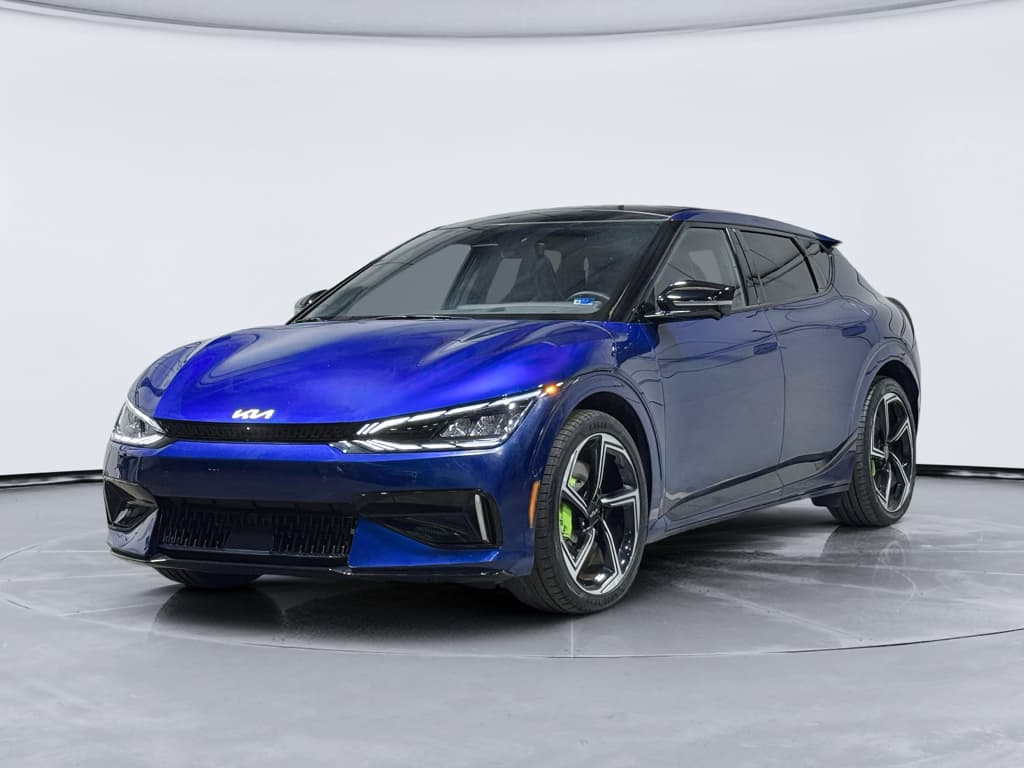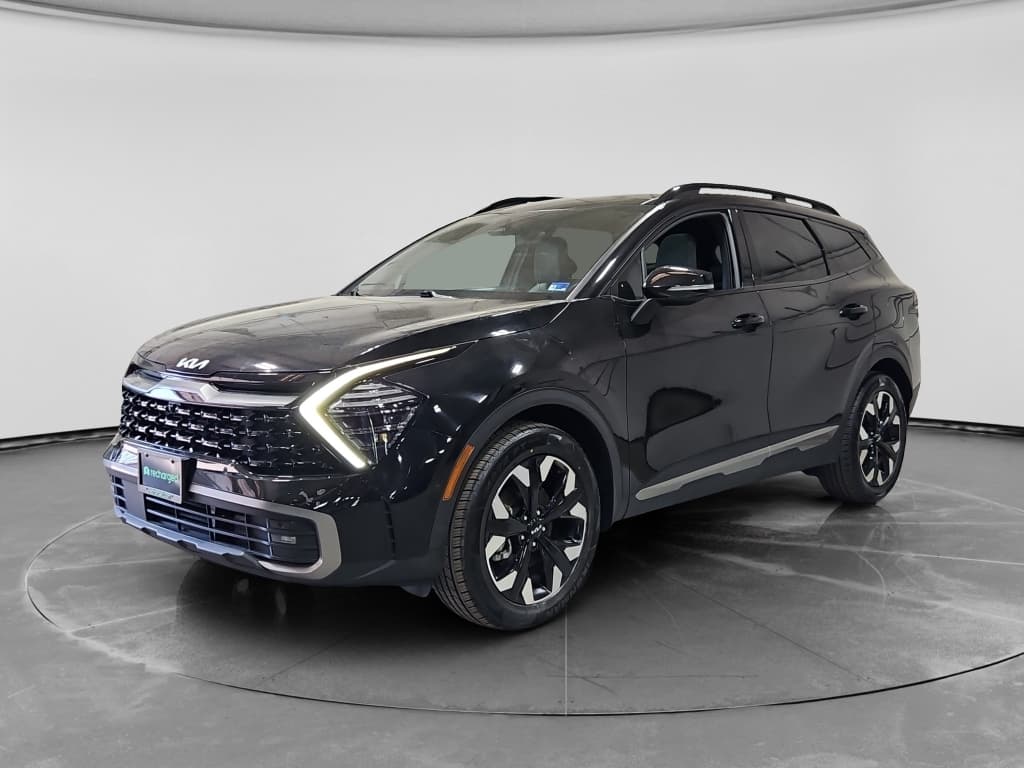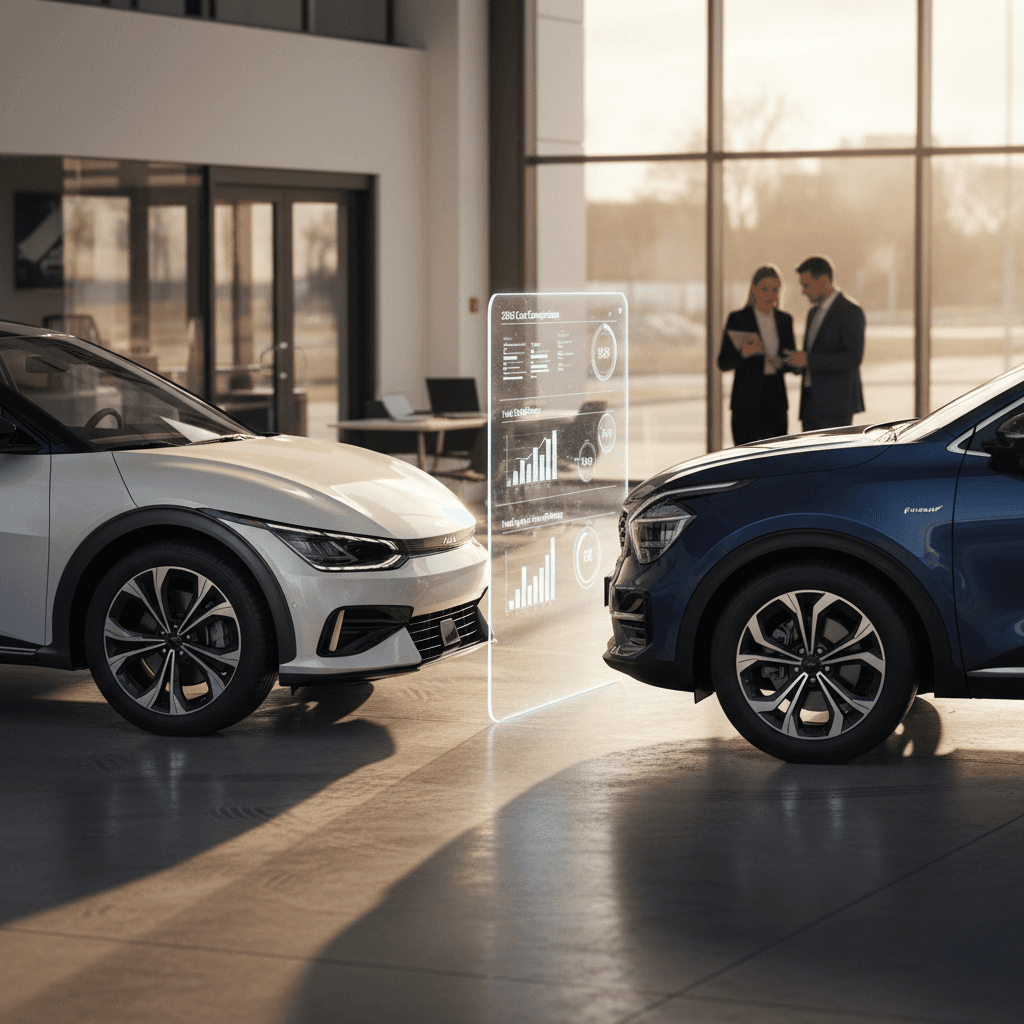
If you’re torn between a Kia EV6 and a Kia Sportage in 2026, you’re really asking one big question: will going electric actually save you money compared with a gas (or hybrid) SUV? This 2026 Kia EV6 vs Kia Sportage cost comparison walks through pricing, fuel vs. charging, maintenance, incentives, and resale so you can see the numbers in plain English.
What this comparison covers
Why Compare the Kia EV6 and Sportage in 2026?
Kia has made it unusually easy to cross-shop an EV and a gas SUV. The EV6 and Sportage sit in the same general size class, appeal to the same family and commuter buyers, and can be optioned into the same mid-$40,000 price territory. The wrinkle in 2026 is that the EV6 now offers native NACS fast‑charging hardware on newer models and , while the Sportage continues as a conventional compact SUV in gas and hybrid forms.
That means your decision isn’t just about how the car drives; it’s a choice between paying for gasoline versus paying for electricity, between traditional maintenance and EV simplicity, and between very different depreciation and incentive profiles. Let’s start with the big-picture cost story, then drill into the details.
Kia EV6 vs. Kia Sportage: Quick 2026 Cost Snapshot
Headline Takeaways: EV6 vs. Sportage Costs
At-a-glance verdict for 2026 shoppers
How the Kia EV6 and Sportage stack up on money, not just miles per gallon
Upfront price
A new Sportage generally costs $10,000–$15,000 less than a comparable EV6 on the showroom floor. If getting the lowest monthly payment is your top priority, the Sportage usually wins.
Running costs
Assuming about 12,000 miles per year, an EV6 can cut your energy bill by roughly $700–$1,000 per year versus a gas Sportage, depending on local electricity and fuel prices.
Long-term ownership
Over 8–10 years, the EV6 can narrow or erase its higher purchase price thanks to lower energy and maintenance costs, especially if you buy used or snag strong incentives.
How to use this guide
Pricing: 2026 Kia EV6 vs. 2026 Kia Sportage
Exact 2026 MSRPs move around with options, but we can anchor to 2025 pricing and current guidance from Kia and industry sources to frame realistic numbers for U.S. buyers.
Typical 2026 Price Ranges (Before Incentives)
Representative trims most shoppers cross-shop, including destination but excluding dealer markups or discounts.
| Model | Representative Trim | Drivetrain | Approx. MSRP (2026) | Street Price Tendency |
|---|---|---|---|---|
| Kia EV6 Light RWD | EV6 Light / Light Long Range | RWD EV | $43,000–$46,000 | Closer to MSRP, varies by incentives and inventory |
| Kia EV6 Wind / GT-Line | Mid/upper trims | RWD or AWD EV | $48,000–$58,000+ | Often near sticker; occasional discounts on prior‑year stock |
| Kia Sportage LX | Base gas | FWD gas | $30,000–$31,000 | Common dealer discounts off MSRP |
| Kia Sportage EX/X-Line | Mid-trim gas | FWD or AWD gas | $32,000–$37,000 | Transaction prices often a bit below MSRP |
| Kia Sportage Hybrid EX | Mid-trim hybrid | AWD hybrid | $34,000–$39,000 | Hybrids sometimes carry smaller discounts |
Real-world transaction prices may be a bit lower than MSRP on Sportage and closer to sticker on EV6 in tighter EV markets.
Kia announced 2025 EV6 Light RWD pricing starting around $42,900 before destination, with higher trims quickly moving into the high $40,000s and $50,000s. Meanwhile, a 2025–2026 Sportage LX gas model typically stickers in the low $30,000s including destination, with hybrids starting in the low $30,000s as well and climbing toward $40,000 for loaded trims.
Don’t compare base to loaded
Fuel vs. Charging Costs: What You’ll Spend Each Year
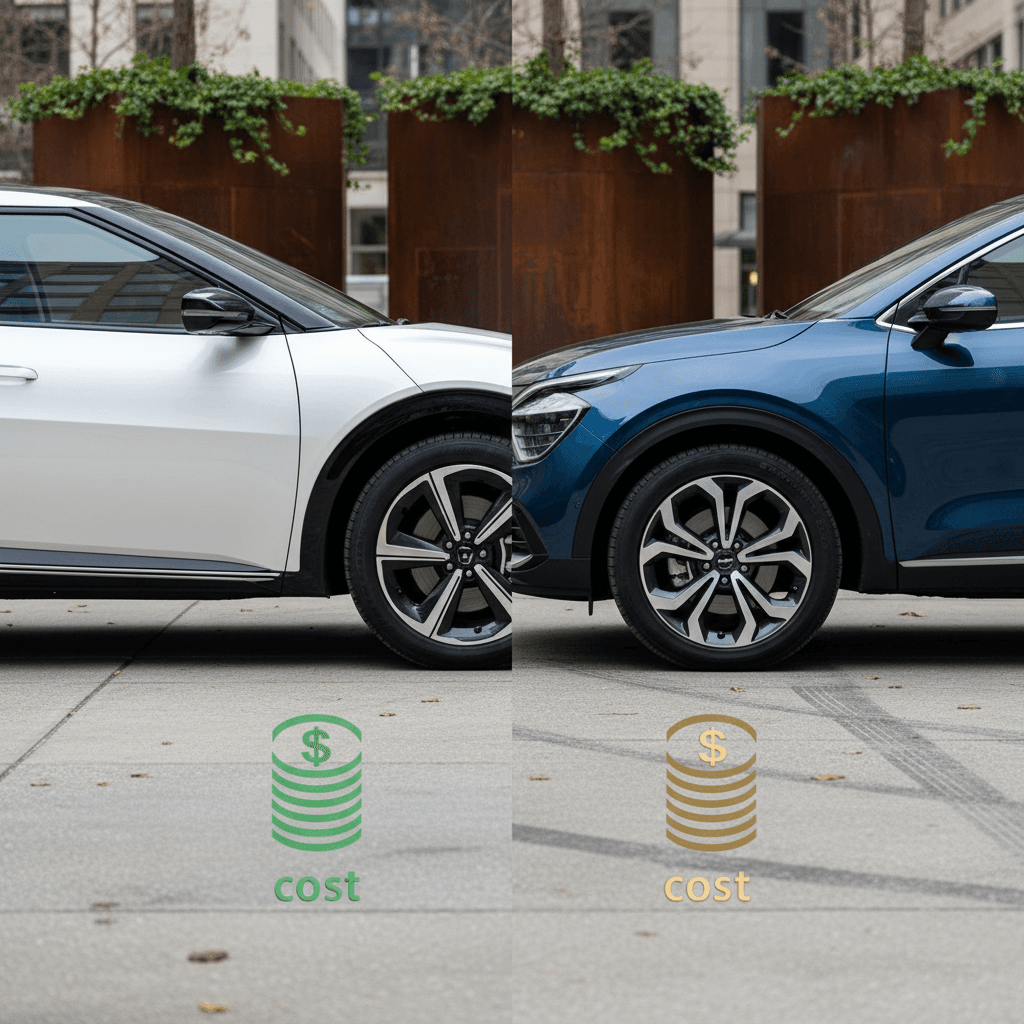
Energy is where the EV6 can quietly win the long game. To keep the math simple, we’ll use realistic, rounded assumptions that match how most U.S. owners actually drive in 2026.
Energy cost assumptions used in this comparison
1. Annual miles driven
We’ll assume <strong>12,000 miles per year</strong>, close to the current U.S. average. If you commute more, the EV6 advantage grows; if you drive less, fuel/charging differences matter a bit less.
2. Gasoline price
We’ll use an average of <strong>$3.50 per gallon</strong> over the next several years. In some metro areas, you may see higher prices; in others, lower.
3. Electricity price
We’ll assume a blended residential/public rate of <strong>$0.15 per kWh</strong> for home-heavy charging. If your utility offers cheaper off‑peak overnight rates, the EV6’s advantage improves.
4. EV6 efficiency
Real-world testing and owner data show many EV6 trims around <strong>3.5–3.8 miles per kWh</strong> in mixed driving. We’ll use <strong>3.6 mi/kWh</strong> as a reasonable midpoint.
5. Sportage fuel economy
Gas Sportage models are commonly rated around <strong>28 mpg combined</strong>. The Sportage Hybrid can reach the low‑40s mpg combined in FWD form, while AWD hybrid trims are typically mid‑30s.
Estimated Annual Energy Costs (12,000 Miles/Year)
Rounded figures using the assumptions above for a typical 2026 U.S. driver.
| Vehicle | Assumed Efficiency | Energy Price | Annual Energy Use | Approx. Annual Cost |
|---|---|---|---|---|
| Kia EV6 (RWD) | 3.6 mi/kWh | $0.15/kWh | ~3,330 kWh | ~$500 |
| Kia Sportage gas | 28 mpg | $3.50/gal | ~430 gallons | ~$1,505 |
| Kia Sportage Hybrid | 40 mpg (FWD est.) | $3.50/gal | ~300 gallons | ~$1,050 |
Your actual results will vary with driving style, climate, tire choice, and how much you use fast charging vs. home charging.
Versus a gas Sportage, the EV6 saves roughly $1,000 per year in energy costs under these assumptions. Against a high‑mpg Sportage Hybrid, the EV6 still wins, but by more like $500–$600 per year.
Supercharging vs. home charging
Maintenance and Repairs: Where EVs Really Save
Beyond fuel, maintenance is the second big lever in total cost of ownership. Here, the EV6 benefits from having far fewer moving parts than the Sportage’s internal‑combustion powertrains.
Typical Kia Sportage maintenance
- Oil and filter changes every 5,000–7,500 miles.
- Transmission fluid services over time.
- More complex brake maintenance because you’re not using regenerative braking to slow the car.
- Additional under‑hood components, belts, exhaust, emissions hardware, to inspect and occasionally replace.
Across 5–10 years, these items add up, especially once you’re out of the basic warranty.
Typical Kia EV6 maintenance
- No engine oil, spark plugs, or transmission service on a conventional automatic.
- Longer brake pad life thanks to strong regenerative braking doing most of the work.
- Fewer fluids to change and far fewer moving parts overall.
- Main concerns are tires, cabin filters, brake fluid, and software updates.
Over the same 5–10 years, the EV6 typically spends hundreds less per year on routine service compared with a gas SUV.
Battery longevity in the real world
Insurance, Taxes, and Incentives
Some cost factors don’t show up until you’re at the DMV or paying your six‑month premium. EVs and gas SUVs can differ here, and the direction isn’t always obvious.
Where EV6 and Sportage differ beyond fuel and maintenance
Insurance, registration, and incentives can tilt the scales one way or the other depending on your state.
Insurance costs
EV6: Tends to be a bit more expensive to insure than a Sportage because of higher vehicle value and pricier collision repairs.
Sportage: Typically cheaper to insure, especially in lower trims. However, hybrid trims may be slightly higher than base gas models.
Taxes & incentives
EV6: Depending on where and how it’s built and your income, you may qualify for federal and state EV incentives that reduce the effective price, especially on used EV6 models purchased through dealers.
Sportage: Generally lacks federal incentives, though some states offer benefits for hybrids.
Where Recharged can help
Ready to find your next EV?
Browse VehiclesResale Value and Depreciation
Depreciation is the silent heavyweight in any cost comparison. Both the EV6 and Sportage will lose value, but in different patterns.
- Sportage (gas and hybrid): Historically, compact crossovers like the Sportage hold value well because demand is strong and buyers understand them. After five years, a typical gas Sportage might retain roughly 45–55% of original MSRP, depending on mileage and condition.
- EV6: Early EVs depreciated hard as technology and incentives shifted. Newer EVs like the EV6 are starting to stabilize, but they can still lose a larger percentage of value in the first 3–4 years than a comparable gas SUV, especially if newer EVs arrive with significantly longer range or faster charging.
- Used opportunity: The same aggressive depreciation that hurts first owners creates real bargains on the used EV6 market. A 2–3‑year‑old EV6 can sometimes cost similar money to a newer Sportage, while offering much lower energy and maintenance costs.
Depreciation is highly local
5- and 10-Year Total Cost Comparison
Let’s bring everything together with simplified 5‑ and 10‑year examples, using our earlier assumptions. These are not precise predictions; they’re decision‑making tools to show directionally how the costs stack up.
Approximate 5-Year Ownership Costs (12,000 Miles/Year)
Very rough, illustrative totals for a typical U.S. buyer, excluding financing interest and major unexpected repairs.
| Item (5 years) | Kia EV6 (new) | Kia Sportage gas (new) | Kia Sportage Hybrid (new) |
|---|---|---|---|
| Purchase price (after any EV incentive) | $43,000 | $31,000 | $35,000 |
| Fuel / charging (~5 years) | $2,500 | $7,500 | $5,250 |
| Routine maintenance & minor repairs | $2,000 | $3,500 | $3,000 |
| Estimated resale value after 5 years | -$20,000 | -$15,000 | -$17,000 |
| Approximate 5-year cost to own | ~$27,500 | ~$27,000 | ~$26,250 |
Assumes purchase near MSRP, normal maintenance, and mild depreciation. All dollar figures rounded for clarity.
Under these very simplified assumptions, the 5‑year total cost of ownership for all three looks surprisingly close. The EV6 costs more up front but pays you back in lower energy and maintenance; the Sportage gas is cheaper to buy but more expensive to run; the hybrid splits the difference.
Approximate 10-Year Ownership Costs
Same assumptions as the 5-year table, extrapolated to a decade of ownership.
| Item (10 years) | Kia EV6 (new) | Kia Sportage gas (new) | Kia Sportage Hybrid (new) |
|---|---|---|---|
| Fuel / charging (~10 years) | $5,000 | $15,000 | $10,500 |
| Routine maintenance & minor repairs | $4,500 | $7,500 | $6,500 |
| Estimated resale value after 10 years | -$8,000 | -$6,000 | -$7,000 |
| Approximate 10-year cost to own (incl. purchase) | EV6 edges ahead by several thousand dollars vs gas Sportage; roughly on par or slightly better than Sportage Hybrid, depending on local prices. | Gas Sportage likely ends up a bit more expensive overall than EV6 if you keep it the full decade. | Sportage Hybrid can be close to the EV6 in total 10‑year cost, especially in lower‑electricity‑cost regions. |
Longer ownership horizons tend to favor the EV6 as fuel and maintenance savings compound, especially if gas prices climb faster than electricity rates.
What these tables are, and are not
Which Kia Makes More Financial Sense for You?
Choose the Kia that fits your real life
Costs matter, but so do your driving patterns, charging situation, and appetite for new tech.
Choose the EV6 if…
- You have (or can add) home charging, ideally on a 240‑volt circuit.
- You drive 10,000–15,000+ miles per year and want to slash fuel bills.
- You’re comfortable financing a slightly higher purchase price to get lower running costs.
- You care about smooth, quick acceleration and quiet EV driving.
Choose the Sportage gas if…
- You want the lowest upfront price and monthly payment.
- You drive fewer miles or don’t mind spending more on fuel over time.
- You live somewhere with limited charging infrastructure.
- You prefer the familiarity of a conventional gas powertrain.
Choose the Sportage Hybrid if…
- You want a middle ground, better mpg without going full EV.
- You do a lot of mixed city/highway driving where hybrids shine.
- You can’t install home charging but still want to cut fuel use.
- You plan to keep the vehicle long enough for fuel savings to matter.
Think in monthly total, not just payment
How a Used EV6 or Sportage Changes the Math
Most buyers don’t buy brand‑new. On the used market, depreciation and incentives can tilt the Kia EV6 vs. Sportage decision significantly.
- Used EV6: Because early EVs often depreciate faster, a 2–4‑year‑old EV6 can be priced surprisingly close to a newer Sportage. If you qualify for a federal used‑EV tax credit and buy through a dealer, your effective purchase cost could undercut a comparable used Sportage while still delivering big fuel and maintenance savings.
- Used Sportage: Older Sportage models can be very affordable and straightforward to own. But as mileage climbs, the gap in ongoing fuel and maintenance costs compared to an EV6 widens. At higher odometer readings, budget extra for repairs beyond routine service.
- Battery confidence: With a used EV6, battery health is the wild card. A third‑party battery report, like the Recharged Score, gives you verified capacity data, so you’re not guessing how much usable range is left. That protects both your wallet and your resale prospects.
How Recharged simplifies used EV6 and Sportage shopping
FAQ: Kia EV6 vs. Kia Sportage Costs
Frequently Asked Questions
When you compare the Kia EV6 vs. Kia Sportage on cost in 2026, there’s no one-size-fits-all winner. The Sportage keeps your purchase price and payment lower, while the EV6 rewards you with much cheaper energy and simpler maintenance, especially if you have home charging and plan to keep the car for the long haul. The Sportage Hybrid offers a useful middle ground for drivers who can’t plug in but still want to trim fuel use. If you’re leaning toward the EV6, consider looking at used, battery‑verified examples from a trusted source like Recharged; that’s where the EV’s long‑term cost advantages really start to shine.