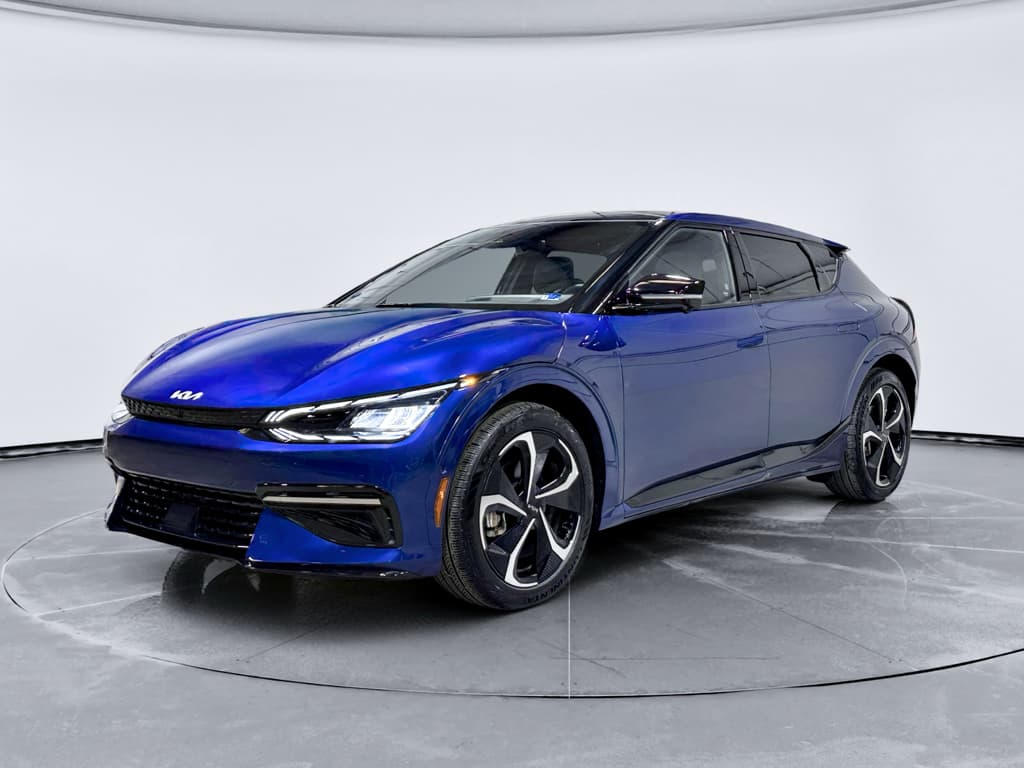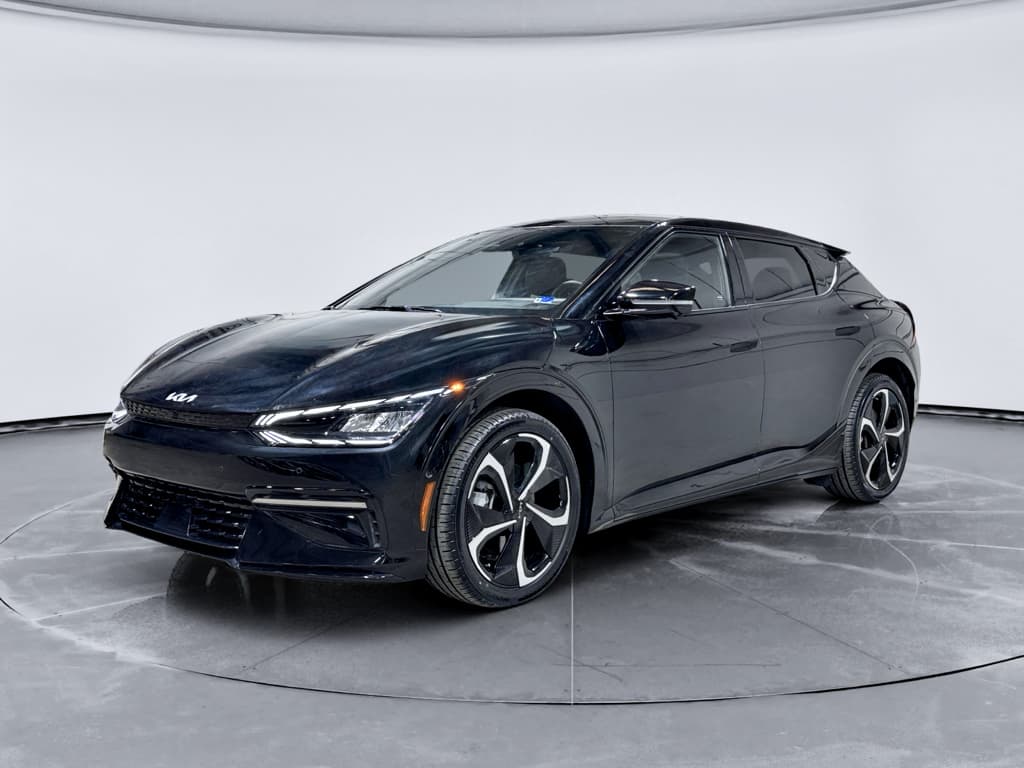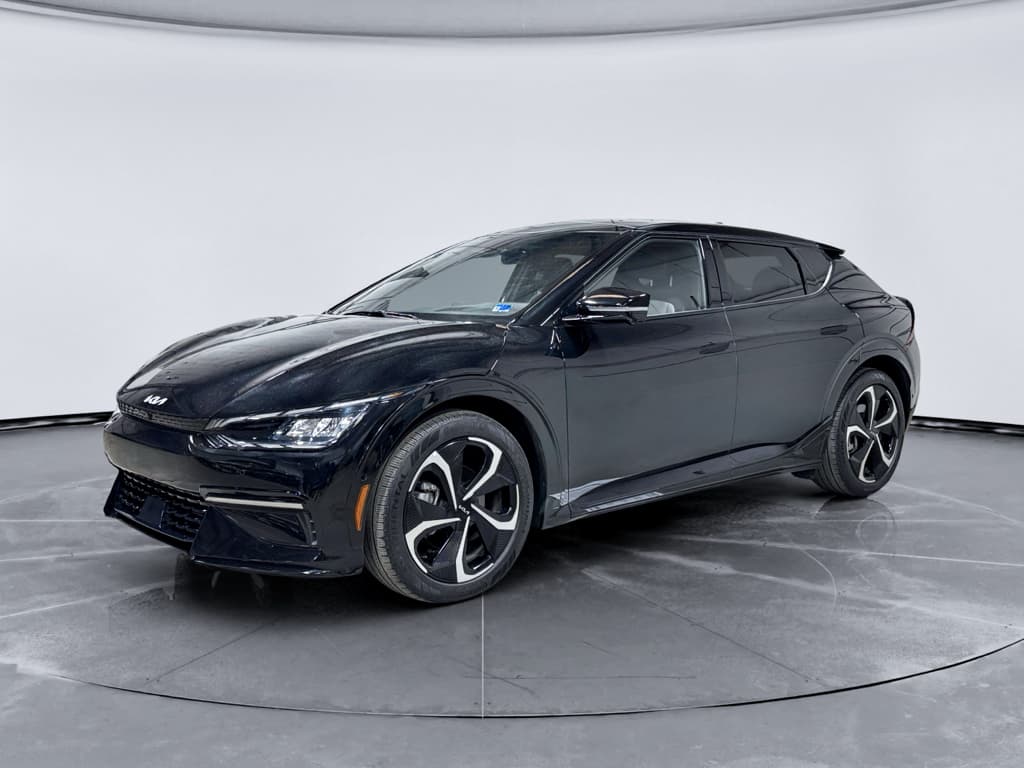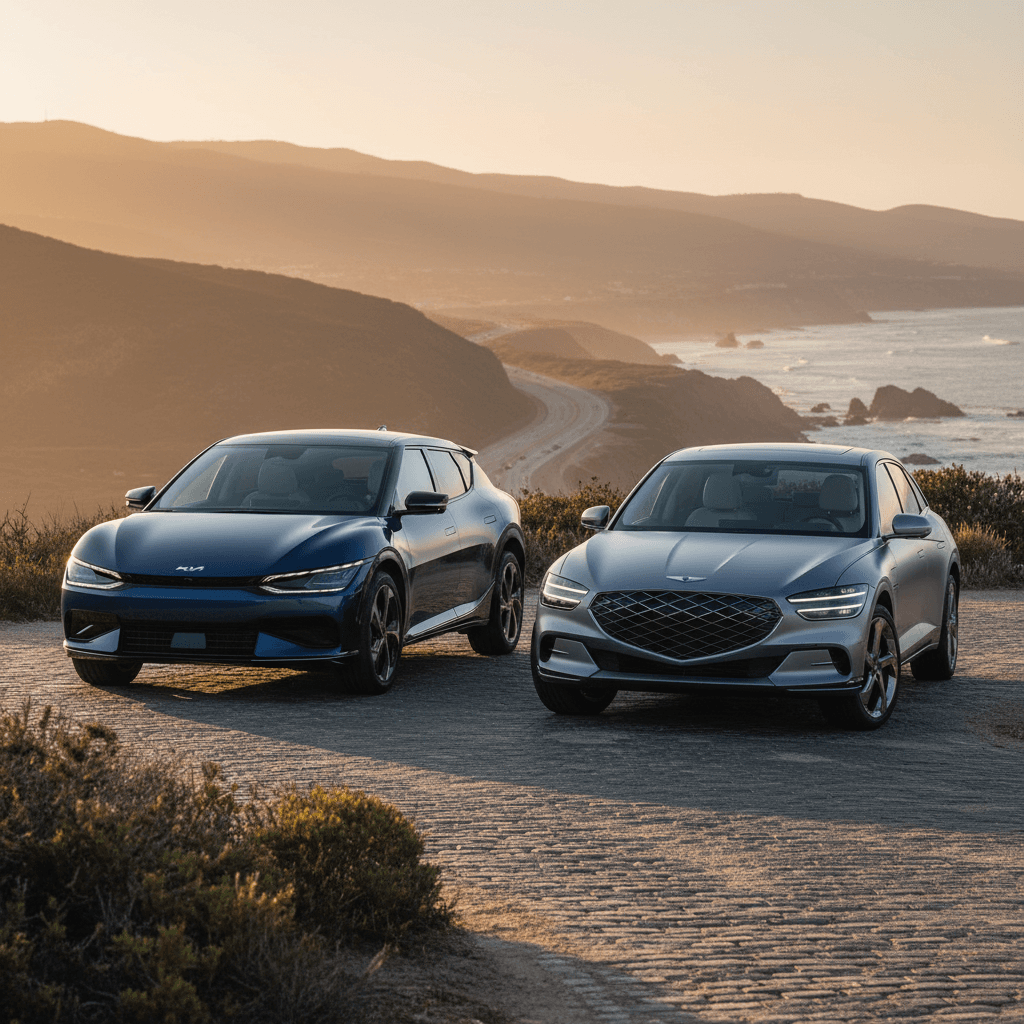
Comparing the Kia EV6 vs Genesis GV60 is a classic “value vs luxury” decision. Both ride on the same E‑GMP electric platform, deliver serious performance, and fast‑charge with 800‑volt architecture. But their personalities, pricing, and ownership experience are very different, especially if you’re considering a used EV.
Platform siblings, different missions
Kia EV6 vs Genesis GV60: Quick Overview
Side‑by‑side snapshot: EV6 vs GV60
Core differences at a glance before we dive into details
Kia EV6: Sporty mainstream crossover
- Body style: Low, wagon‑like crossover with a sporty stance
- Positioning: Mainstream EV with performance options (including GT)
- Range: Up to about 310 miles on 2024 RWD long‑range trims
- Price new (2024): Starts around low–mid $40,000s before fees; used prices can be far lower
- Best for: Drivers who want range and performance value, not full luxury
Genesis GV60: Compact luxury EV SUV
- Body style: Shorter, taller luxury crossover
- Positioning: Premium brand rivaling Audi, Volvo, Tesla
- Range: Up to about 294 miles on single‑motor Standard trim
- Price new (2024): Typically starts in the mid $50,000s and climbs from there
- Best for: Shoppers prioritizing upscale cabins, quiet ride, and feature content
Tip for used‑EV shoppers
Price and trims: How much do EV6 and GV60 really cost?
Kia EV6 vs Genesis GV60: Trim and price snapshot (recent model years)
Representative U.S. pricing when new; used‑market prices can be dramatically lower.
| Model | Typical new entry price | Key trims | Mission |
|---|---|---|---|
| Kia EV6 | Low–mid $40,000s (Light RWD) | Light, Wind, GT‑Line, GT | Value‑oriented crossover with available high performance |
| Genesis GV60 | Mid $50,000s+ (Standard RWD/AWD, depending on year) | Standard, Advanced, Performance | Premium compact EV with luxury interior and features |
Always check current market listings and incentives, new‑EV pricing has been volatile since federal tax credits changed in late 2025.
Tax credits and pricing volatility
If you’re shopping new, the Kia EV6 generally undercuts the Genesis GV60 by a meaningful margin trim‑for‑trim. A mid‑level EV6 Wind or GT‑Line RWD often lands where a base or mid‑level GV60 starts. With Genesis, you’re paying for the badge, materials, and additional features.
On the used market, early‑build EV6s (2022–2023) have already taken steep depreciation, which can put them well within reach of many buyers who were priced out new. GV60 volumes are lower and it’s a newer, more niche luxury product, so used inventory is smaller and tends to hold a higher transaction price, but you’ll still see meaningful discounts versus MSRP.
Range, battery and efficiency comparison
Headline range and battery specs
Kia EV6 range details
- Battery options: Earlier EV6s offer a 58 kWh pack on base trims and a 77.4 kWh long‑range pack on most others. Newer model years migrate to an even larger ~84 kWh pack.
- Max range: Roughly 310+ miles on RWD long‑range trims under EPA cycles, depending on wheels and model year.
- Performance impact: The GT performance model sacrifices range significantly, dropping into the low 200‑mile or even sub‑220‑mile territory.
- Efficiency: RWD trims are notably efficient; AWD and big‑wheel trims give up some miles.
Genesis GV60 range details
- Battery: Early GV60s generally used a long‑range 77.4 kWh battery; updated models step up slightly in capacity.
- Max range: Around 294 miles on the single‑motor Standard trim with smaller wheels.
- AWD and Performance: Dual‑motor Advanced and Performance trims typically land in the mid‑200‑mile range or lower, especially with larger wheels.
- Luxury tradeoff: Softer tires and heavier sound‑deadening add refinement but can slightly ding efficiency versus the Kia.
Which goes farther on a charge?
Charging performance: How fast can they recharge?
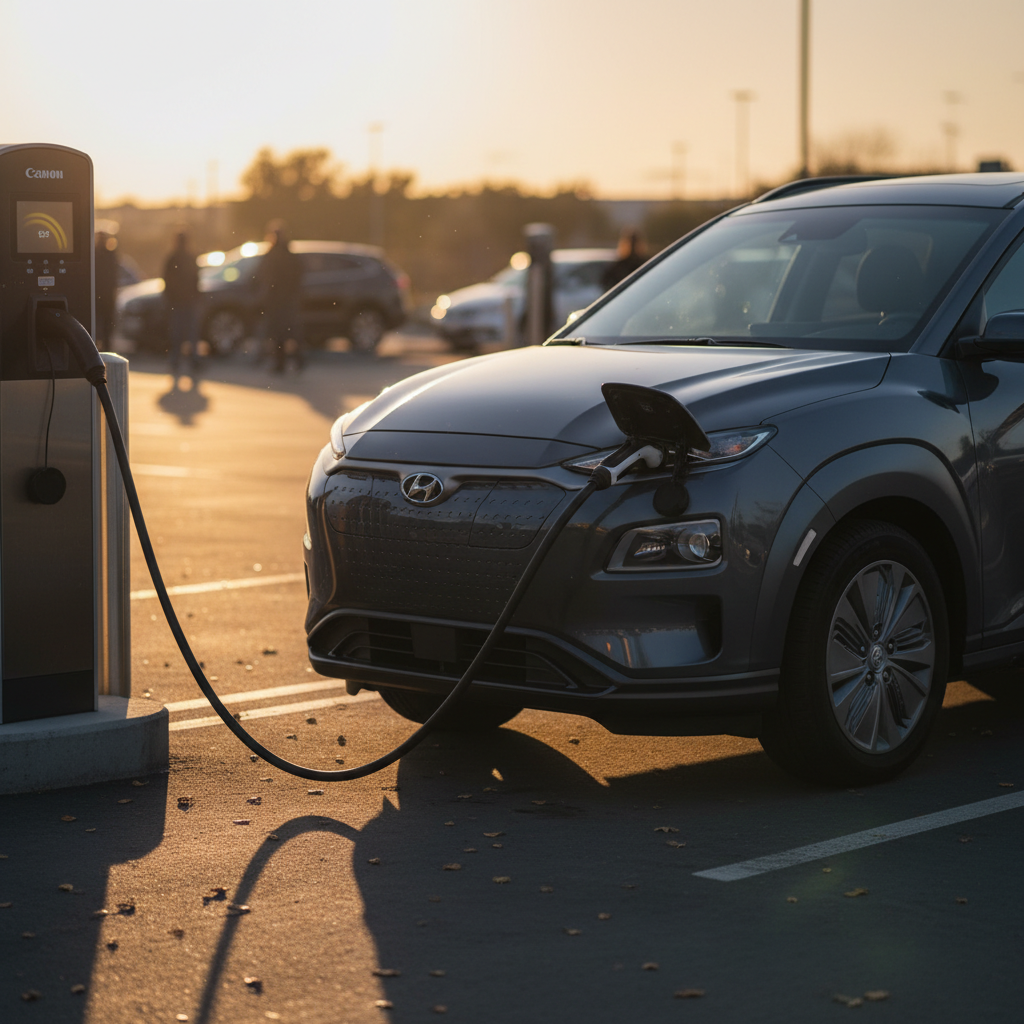
Because both the EV6 and GV60 ride on Hyundai Motor Group’s E‑GMP 800‑volt platform, their fast‑charging performance is one of their biggest selling points. In real‑world use, they’re among the quicker‑charging non‑Tesla EVs on the road.
Charging comparison: Kia EV6 vs Genesis GV60
Both are standouts, but details still matter depending on your routine.
DC fast charging (public)
- Both can add roughly 10–80% in ~18 minutes on a 350 kW DC fast charger, under ideal conditions.
- Real‑world sessions can take longer depending on temperature, station health, and starting state of charge.
Level 2 home charging
- On a 240‑V Level 2 charger (~40 A), either vehicle usually recharges from near‑empty to full overnight, around 7–9 hours depending on battery size.
- Both accept robust AC charging, so you’re not waiting all day at home.
Vehicle‑to‑load (V2L) capability
- Both platforms support V2L, letting you power tools, camping gear, or small appliances from the traction battery.
- Great for tailgating, outages, or remote work sites.
Plan around your real charging mix
Space, comfort and design: Mainstream vs luxury
Kia EV6: Sporty and practical
- Seating: Two rows, five seats; rear headroom is reasonable but the low roof and sloping hatch make it feel sportier than SUV‑like.
- Cargo: Generous cargo hold with a wide opening; think more “wagon” than traditional SUV.
- Ride and noise: Firm, composed ride with a sporty edge. A bit more road noise than a true luxury vehicle, especially on big wheels.
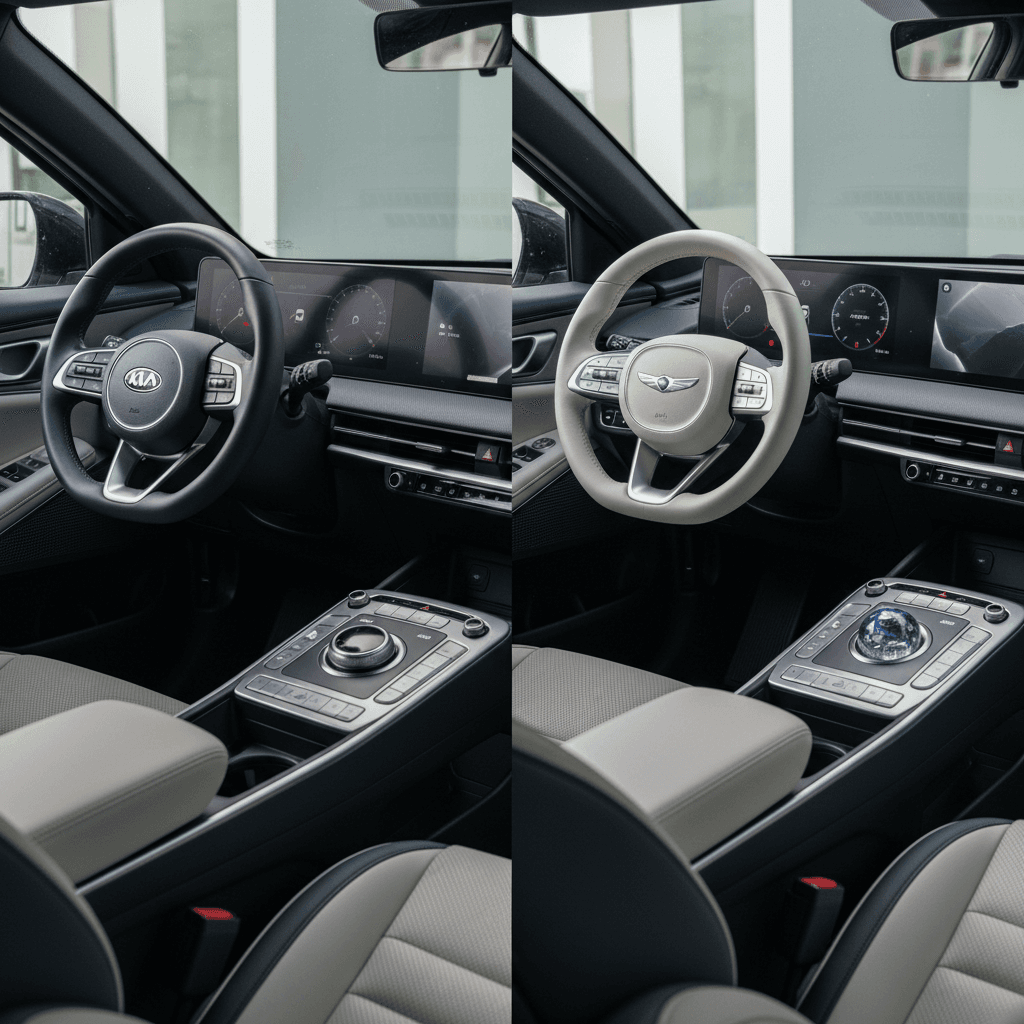
- Design language: Futuristic exterior with strong character lines; interior mixes physical buttons with dual screens.
Genesis GV60: Smaller footprint, bigger luxury
- Seating: Also seats five, but footprint is shorter; rear legroom can feel tighter than EV6 though headroom is good.
- Cargo: Adequate for daily use, but less overall volume than EV6.
- Ride and noise: Softer, quieter, and more isolated, classic luxury cues with additional sound‑deadening.
- Design language: More whimsical and upscale: crystal gear selector, oval steering wheel on some trims, higher‑grade leather and trim options.
Comfort verdict
Tech, safety and driving feel
How they drive and the tech you live with every day
Same bones, different personalities from behind the wheel.
Driving character
- EV6: More overtly sporty, especially in GT‑Line and GT, with sharper steering and firmer suspension tune.
- GV60: Tuned for refinement first, still quick, but prioritizes smoothness and quiet.
Safety and driver assist
- Both offer robust suites: adaptive cruise, lane‑keeping, blind‑spot monitoring, highway assist, and automated emergency braking.
- Genesis typically layers on extra features and more polished interfaces in higher trims.
Infotainment and UX
- EV6: Dual‑screen layout with Kia’s latest infotainment; easier learning curve but slightly less premium graphics.
- GV60: Genesis interface with more customization, richer visuals, and extra party tricks (like facial recognition and fingerprint start on some trims).
In practice, the EV6 and GV60 feel like cousins: similar bones, but one wears athletic gear and the other shows up in a tailored suit.
Ownership costs and used‑market realities
Sticker price is only one piece of the puzzle. In late 2025, U.S. EV sales took a hit after federal tax credits expired for many models, and Korean brands like Kia, Hyundai, and Genesis saw some of the sharpest declines. That slump has already started to ripple into the used market, creating opportunities for value‑focused buyers but also adding uncertainty about long‑term resale value.
Key ownership cost factors: Kia EV6 vs Genesis GV60
Where the money goes over several years of EV ownership.
Depreciation and resale
- EV6: Higher production volumes and mainstream positioning mean faster early depreciation, but that’s good news if you’re buying used today.
- GV60: Lower volumes and luxury pricing keep used prices higher, but resale is still pressured by changing incentives and EV demand.
Maintenance and repairs
- Both benefit from EV simplicity: no oil changes, fewer moving parts.
- Luxury interiors and specialty parts on the GV60 can mean higher repair costs out of warranty.
- Wheel and tire costs tend to be higher on big‑wheel, performance‑oriented trims for both models.
Battery health matters more than badges
Charging costs will look similar between an EV6 and a GV60 if you charge at home on the same utility plan. Where costs diverge is insurance (often higher for luxury models), potential repair bills, and how much of the original MSRP has already evaporated by the time you buy.
Kia EV6 vs Genesis GV60: Which should you buy?
Choose the Kia EV6 if…
- You want the best range‑per‑dollar in this pairing, especially in RWD long‑range trims.
- You prefer a sporty driving experience and don’t mind a firmer ride.
- You need more cargo flexibility and rear seat practicality.
- You’re shopping used and want to capitalize on deeper depreciation vs. original MSRP.
- You’re okay with a solid, modern interior but don’t need top‑shelf luxury touches.
Choose the Genesis GV60 if…
- You prioritize a luxury cabin, quiet ride, and design details that feel special every day.
- You want more standard tech and features at a given trim level.
- You value a premium brand experience (concierge‑style dealership treatment, service perks) and are willing to pay for it.
- You don’t need maximum cargo space and can live with a smaller footprint.
- You’re cross‑shopping Audi, Volvo, or Tesla and want something more distinctive.
Bottom line recommendation
Buying checklist for EV6 and GV60 shoppers
Practical steps before you sign on the dotted line
1. Clarify your priorities
Rank what matters most: range, price, luxury feel, cargo space, performance, or tech features. This will steer you toward the right trims of either model.
2. Decide on RWD vs AWD
RWD trims are more efficient and cheaper; AWD adds traction and performance but trims range. For many commuters, RWD EV6 or GV60 trims are plenty.
3. Look beyond the window sticker
Check real transaction prices for new and used vehicles. In today’s EV market, a one‑ or two‑year‑old EV6 can undercut a new GV60 by tens of thousands.
4. Inspect battery health on used cars
Ask for documented battery‑health information. With Recharged, every used EV6 or GV60 includes a Recharged Score so you can see remaining capacity and charging behavior before you buy.
5. Test‑drive back to back
Drive an EV6 and a GV60 on the same day, over similar roads. Pay attention to ride comfort, noise, seat shape, and how intuitive the infotainment system feels.
6. Plan your charging setup
Confirm where you’ll charge most (home vs public). If you don’t have a driveway or easy Level 2 access, favor trims with more range headroom and budget for public charging costs.